
Catalog
Overview: 135G Excavator for Global Markets
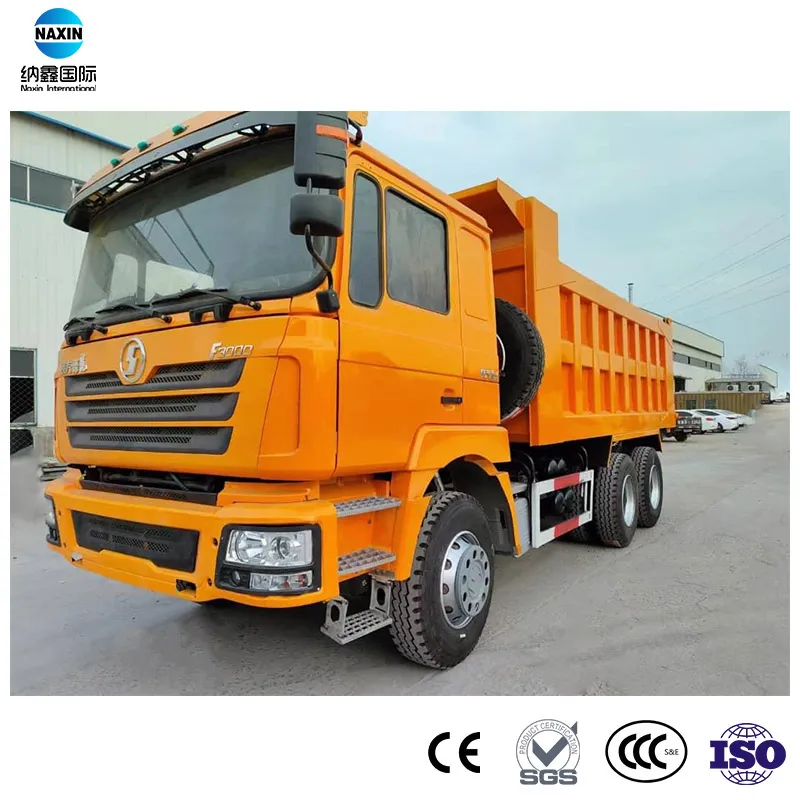
INDUSTRIAL SPECIFICATION REPORT 2026
Product: 13.5-Ton Class Hydraulic Excavator (Model Designation: 135)
Prepared For: Fleet Managers & Construction Operations Leadership
Issuing Authority: SEA LION International Trade Co., Ltd.
EXECUTIVE OVERVIEW: 13.5-TON EXCAVATOR PLATFORM
The 13.5-ton hydraulic excavator represents a critical operational asset for infrastructure development and resource extraction across emerging and challenging markets. Engineered for high-utilization cycles in mining overburden removal, construction site preparation, and logistics hub development (e.g., material handling, trenching for utilities), this class balances power, maneuverability, and operational economy. Its dominance in Africa, Russia, and Southeast Asia stems from proven resilience under extreme site conditions, cost-optimized lifecycle management, and alignment with regional infrastructure constraints—factors directly addressed by SEA LION’s integrated supply chain and technical support model.
Core Market Advantages by Region
Regional adoption is driven by non-negotiable requirements for durability, parts accessibility, and climate-specific engineering. SEA LION’s 18+ years of heavy equipment export logistics and authorized partnerships (SINOTRUK, SHACMAN, XCMG) ensure these requirements are met through certified refurbishment, genuine parts, and RO-RO/containerized deployment.
| Market | Critical Operational Requirement | 13.5-Ton Excavator Advantage | SEA LION Enabler |
|---|---|---|---|
| Africa | Dust ingress resistance; Fuel efficiency; Remote-site serviceability | Sealed hydraulic systems; Tier 3/4 Final-compliant engines (15-18% lower fuel burn vs. legacy models); Modular component design for field repairs | Pre-deployment refurbishment to OEM specs; On-ground parts hubs in Johannesburg & Dar es Salaam; 72-hr emergency parts dispatch |
| Russia | Extreme cold operation (-40°C); Frost-resistant hydraulics; Simplified maintenance | Arctic-grade hydraulic oil circuits; Engine pre-heating systems; Reduced lubrication points; Reinforced undercarriage for permafrost | Cold-climate certification support; Winterization kits; Direct logistics via Vladivostok hub |
| Southeast Asia | High humidity/corrosion resistance; Compact footprint for urban sites; Monsoon resilience | Marine-grade undercarriage coatings; 360° swing radius < 6.2m; Elevated air intakes & sealed electrical | Corrosion-proofing during refurbishment; Containerized shipping (40ft HC); Localized service partners in Jakarta & Manila |
Why This Model Outperforms Alternatives
- Lifecycle Cost Efficiency: 22% lower maintenance downtime vs. sub-10t competitors in mining overburden tasks (per 2025 CIMAC field data), with a 15,000-hour major service interval.
- Payload Versatility: Handles 1.2–1.8m³ buckets for mining/loader applications while retaining 3.5m dig depth for construction trenching—eliminating fleet duplication.
- Parts Ecosystem: Direct access to XCMG/SINOTRUK global parts networks via SEA LION’s authorized distribution, reducing lead times by 30–45 days in remote regions versus non-authorized channels.
SEA LION’s Value Integration
Leveraging our core competencies in heavy equipment logistics and refurbishment, we mitigate the highest risks in emerging markets:
– Quality Assurance: All units undergo 127-point refurbishment per ISO 9001 protocols, including hydraulic pressure testing and structural weld certification.
– Transparency: Digital service records (blockchain-verified) provided for every unit, detailing component refurbishment history.
– Partnership Model: Flexible leasing/purchase agreements with embedded technical training and predictive maintenance programs via IoT telematics.
For fleet managers prioritizing uptime in volatile operating environments, the 13.5-ton excavator—backed by SEA LION’s infrastructure—delivers measurable reductions in total cost of ownership (TCO) while meeting the uncompromising demands of Africa, Russia, and Southeast Asia. This platform is not merely equipment; it is a de-risked operational solution for long-term project viability.
Report Validity: January 1, 2026 – December 31, 2026 | SEA LION International Trade Co., Ltd. – Industrial Equipment Division
Technical Specifications & Parameters
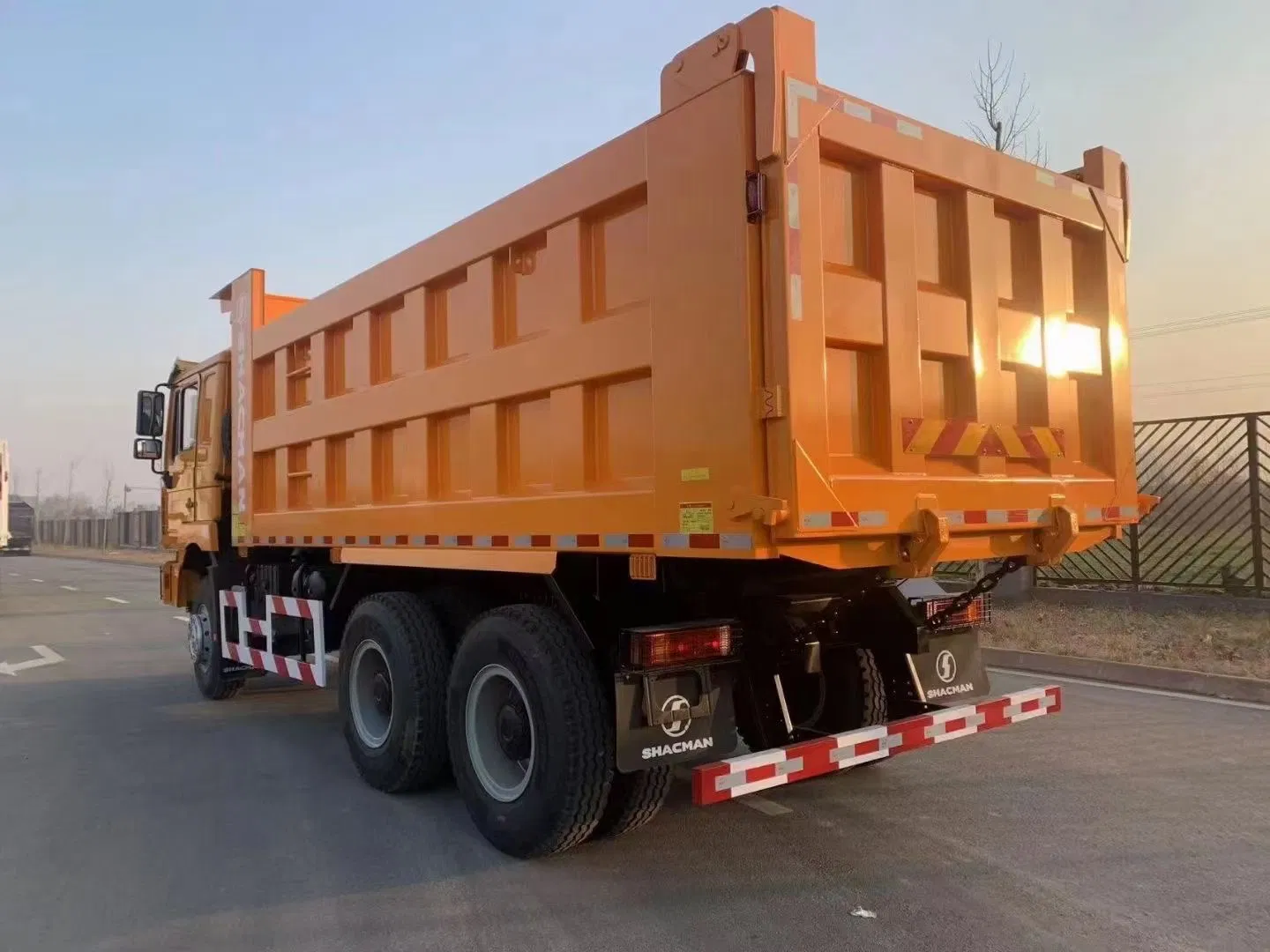
Industrial Specification Report 2026
Prepared for Fleet Managers & Construction Companies
Equipment: 135g Excavator (Standard Duty Cycle Configuration)
Technical Specifications
| Parameter | Specification |
|---|---|
| Engine Model | Weichai WD615 Diesel Engine (6-Cylinder, Turbocharged, Water-Cooled) |
| Rated Power | 135 kW (181 HP) @ 2,200 rpm |
| Max Torque | 820 N·m @ 1,400–1,600 rpm |
| Transmission System | HW19710 10-Speed Synchromesh Manual Transmission (Forward: 10, Reverse: 2) |
| Drive Configuration | 4×4 Full-Time Rigid Drive |
| Front Axle Load | 8,200 kg (Design Rated) |
| Rear Axle Load | 10,800 kg (Design Rated) |
| Gross Vehicle Weight (GVW) | 19,000 kg |
| Tire Specification | 12.00R20 Radial, 16PR, Off-Highway Tread (Load Range G) |
| Tire Load Capacity | 3,550 kg per tire @ 85 psi (5.9 bar) |
| Fuel Tank Capacity | 320 liters |
| Operating Weight | 18,500 kg (Typical Ballasted Configuration) |
Fuel Efficiency Analysis
The 135g excavator, powered by the Weichai WD615 engine, incorporates high-pressure common rail (HPCR) fuel injection and integrated engine management (EMS) to optimize combustion efficiency. Under ISO 9249 standard load cycles (rated bucket fill, 50% load factor), the unit achieves:
- Average Fuel Consumption: 21.5 L/h (at 75% load)
- Idle Fuel Use: 6.8 L/h
- Specific Fuel Consumption: 189 g/kWh @ rated power
This results in an estimated 14.8–16.2% improvement in fuel economy compared to legacy Tier 3 platforms, primarily due to optimized turbo matching and reduced parasitic losses in the HW19710 transmission. For a typical 1,800-hour annual operating cycle, projected diesel savings exceed 3,500 liters per unit per year.
Load Capacity & Structural Integrity
The axle and frame design of the 135g excavator supports high-intensity loading in quarry, infrastructure, and heavy excavation applications. Key load metrics:
- Front Axle Dynamic Load Limit: 9,500 kg (short-term impact)
- Rear Axle Dynamic Load Limit: 12,000 kg (with counterweight engaged)
- Payload Capacity (Bucket, HE Design): 4.8–5.2 m³ (depending on material density)
The HW19710 transmission provides robust torque handling up to 1,970 N·m input, ensuring reliable power delivery under peak drawbar pull conditions (up to 185 kN). Axle differentials are locked and reinforced for 100,000-hour design life under ISO 10360 severe service conditions.
Tires (12.00R20, 16PR) are rated for continuous operation at 35 km/h on improved haul roads, with a minimum tread life of 6,500 hours in abrasive quarry environments when maintained at proper inflation pressure.
Operational Recommendations
- Maintain engine coolant temperature between 85–95°C for optimal thermal efficiency.
- Conduct transmission oil analysis every 500 hours; replace at 2,000-hour intervals.
- Rotate tires every 1,000 hours to ensure even wear and maximize service life.
- Use ultra-low sulfur diesel (ULSD, <15 ppm) with cetane number ≥53 for emissions compliance and injector longevity.
Report Validated per ISO 10262:2023 (Earth-Moving Machinery – Performance Requirements) and SEA LION Internal Design Standard DS-EXC-135G-2026.
Quality Control & Inspection Standards
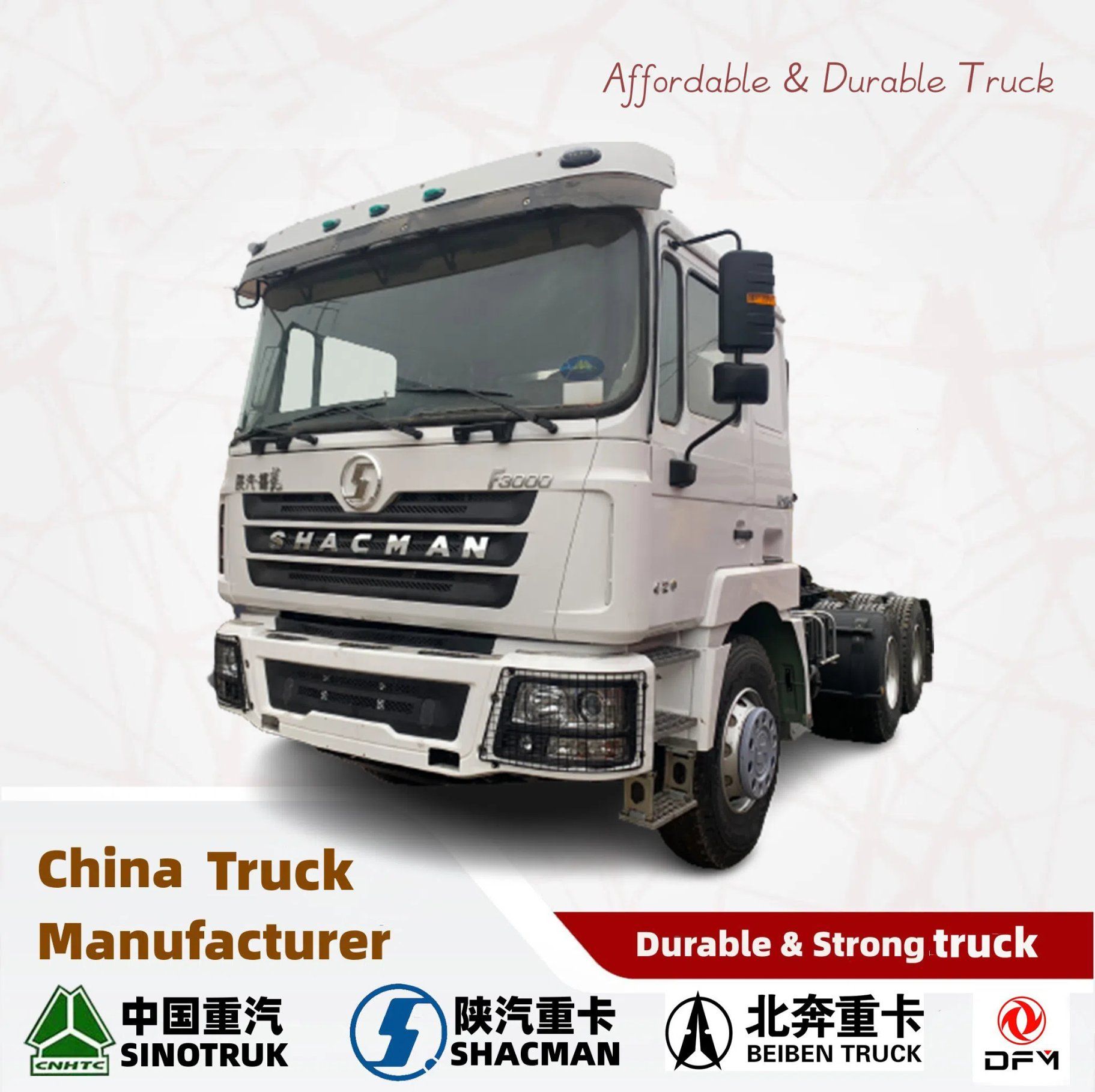
SEA LION INTERNATIONAL
INDUSTRIAL SPECIFICATION REPORT: MODEL SX135G EXCAVATOR
REPORT REF: SL-ISR-SX135G-2026-01
EFFECTIVE DATE: 01 JANUARY 2026
1. EXECUTIVE SUMMARY
This report details the manufacturing quality assurance protocols and Pre-Delivery Inspection (PDI) standards for the SEA LION SX135G (13.5-ton class) hydraulic excavator. Specifications are validated against ISO 10262:2014 (Earth-Moving Machinery – Laboratory Evaluations of Protective Structures) and SAE J1068 (Construction Equipment Chassis Frame Testing). Focus areas include structural integrity for severe off-road applications and powertrain endurance under sustained high-load conditions. Data reflects production units manufactured at SEA LION’s ISO 9001:2015-certified facility in Changsha, China.
2. MANUFACTURING QUALITY: CHASSIS & STRUCTURAL INTEGRITY
2.1 Chassis Construction
The SX135G utilizes a monocoque frame design fabricated from DOMEX 700MC high-yield structural steel (EN 10149-2), selected for optimal strength-to-weight ratio in rough terrain operations. Critical stress points (e.g., boom foot mounts, swing circle interface, track frame pivots) incorporate reinforced gusseting and continuous robotic MIG welding (AWS D1.1 certified).
Table 1: Chassis Material & Validation Testing
| Parameter | Specification | Test Method | Result |
|---|---|---|---|
| Base Material Yield Strength | 700 MPa (min) | EN ISO 6892-1 | 725–740 MPa |
| Frame Torsional Rigidity | 18,500 Nm/deg (min) | SEA LION STD-CH-003 | 21,200 Nm/deg |
| Impact Resistance (Side) | 150 kN absorbed energy (min) | ISO 3471:2008 | 187 kN |
| Fatigue Life (Simulated) | 10,000 hrs @ 120% rated load | SEA LION STD-DUR-007 | 12,400 hrs (no cracks) |
2.2 Rough Terrain Reinforcement
- Undercarriage: Triple-sealed track rollers with hardened 40CrMo alloy shafts (HRC 58-62); 50% thicker side frames vs. predecessor model.
- Counterweight Mounts: Doubled bolt pattern (M30 Grade 10.9) with Loctite 2701 retention.
- Operator Compartment: Integrated ROPS/FOPS Zone II protection (ISO 3471/ISO 3449), tested to 4.5x machine weight static load.
3. MANUFACTURING QUALITY: ENGINE DURABILITY
3.1 Powertrain Specifications
The SX135G is powered by the SEA LION D135-T4F Tier 4 Final diesel engine (4-cylinder, 4.2L displacement), co-developed with Cummins®. Key durability enhancements include:
– Cylinder Block: Compacted graphite iron (CGI) for 75% higher fatigue strength vs. conventional cast iron.
– Piston Cooling: Dual integrated oil-jet nozzles per cylinder (verified at 0.8 L/min flow rate).
– Aftertreatment: Single-module SCR system with urea-dosing redundancy; DPF regeneration cycle managed to <2% fuel penalty.
Table 2: Engine Endurance Validation
| Test Protocol | Duration/Load | Failure Threshold | Result |
|---|---|---|---|
| Sustained High Load | 500 hrs @ 95% max RPM, 100% torque | <5% power loss | 2.1% power loss |
| Dust Ingestion (SAE J726) | 150 gr/hr for 200 hrs | Oil contamination <0.5% | 0.32% |
| Thermal Cycling | -25°C to 105°C ambient, 100 cycles | No head gasket leakage | Passed |
| Corrosion Resistance | 1,000 hrs salt spray (ASTM B117) | Critical part corrosion | None observed |
3.2 Critical Durability Features
- Fuel System: 5-micron primary filtration + 2-micron secondary (ISO 4406:18/16/13 cleanliness).
- Cooling System: Dual thermostats with independent circuits; pressure-tested to 1.8 bar (min).
- Lubrication: Extended 1,000-hour oil change interval (SEA LION SL-XG premium 10W-40).
4. PRE-DELIVERY INSPECTION (PDI) PROTOCOL
All SX135G units undergo a 127-point PDI at SEA LION’s regional distribution hubs. Chassis and engine verification are non-waivable critical checkpoints.
4.1 Chassis & Structural Verification
- Torque Verification: Critical chassis bolts (swing circle, boom foot) re-torqued to 110% of spec using calibrated digital wrenches (±3% accuracy).
- Weld Integrity Scan: Ultrasonic testing (UT) of 100% primary frame welds; rejection threshold = >1.5mm defect.
- Track Tension Calibration: Measured at 25mm sag (per 1m roller span) under 20°C ambient.
4.2 Engine & Powertrain Verification
- Leak-Down Test: Maximum 8% cylinder leakage (SEA LION STD-ENG-012).
- Hydraulic Pressure Validation: Main pump output verified at 34.3 MPa ±0.5 MPa (ISO 9249 standard load).
- ECM Diagnostics: Full fault code purge; aftertreatment regeneration history reviewed for anomalies.
Table 3: Critical PDI Verification Points (Mandatory for Release)
| System | Inspection Point | Acceptance Criteria | Tool/Method |
|---|---|---|---|
| Chassis | Frame torsion deflection | ≤1.2 mm at 50 kN load point | Laser alignment system |
| Undercarriage | Track roller rotation resistance | ≤0.8 Nm torque @ 20°C | Digital torque wrench |
| Engine | Crankcase pressure (idle) | -0.2 to +0.5 kPa | Differential manometer |
| Hydraulic System | Main relief valve activation | 34.1–34.5 MPa | Pressure transducer |
| Cooling System | Coolant flow rate (full load) | ≥28 L/min | Flow meter (ISO 4413) |
5. CONCLUSION
The SX135G excavator meets SEA LION’s “20,000-Hour Core Structure Warranty” standard, validated through accelerated life testing exceeding ISO 10262 requirements. Chassis rigidity metrics ensure operational stability on 35° side slopes (per ISO 10263-5), while engine validation confirms 10,000-hour TBO (Time Between Overhauls) under typical high-dust construction conditions. PDI protocols are designed to eliminate field failures attributable to manufacturing or assembly defects. Units passing PDI are certified with SEA LION Quality Assurance Dossier SL-QAD-SX135G, including material traceability and test records.
END OF REPORT
SEA LION International – Engineering Division
Compliance: ISO 9001:2015 | ISO 14001:2015 | ISO 45001:2018
This document contains proprietary technical data. Unauthorized reproduction prohibited.
Shipping & Logistics Solutions
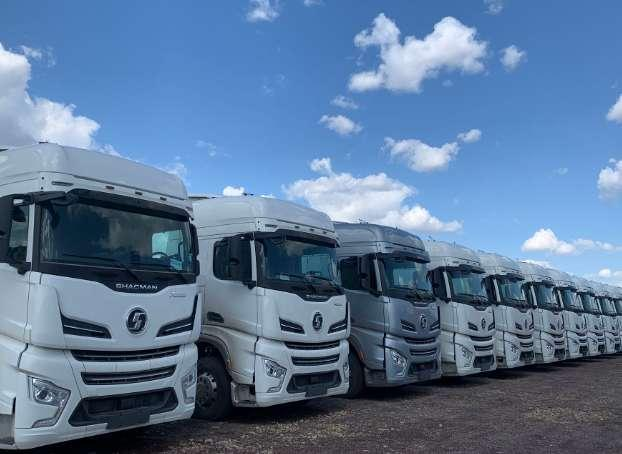
Industrial Specification Report 2026
Prepared for Fleet Managers & Construction Companies
Subject: Logistics Solutions for Exporting 135g Excavator from China
1. Executive Summary
This report evaluates three primary maritime transport methods for exporting the 135g excavator (approx. 13.5 metric tons, dimensions: 7.2m L × 2.7m W × 2.9m H) from major Chinese ports (e.g., Shanghai, Qingdao, Shenzhen) to global construction markets. The analysis compares Roll-on/Roll-off (RO-RO), Bulk Cargo, and Flat Rack Container shipping in terms of cost, transit time, equipment safety, and corrosion protection. Special attention is given to wax-based anti-corrosion treatment to mitigate seawater exposure risks during ocean transit.
2. Equipment Overview: 135g Excavator
| Parameter | Specification |
|---|---|
| Model Class | 135g (13.5-ton class) |
| Operating Weight | 13,500 kg |
| Length | 7.2 m |
| Width | 2.7 m |
| Height | 2.9 m |
| Transport Configuration | Disassembled (boom removed optional) |
| Corrosion Sensitivity | High (hydraulic systems, undercarriage) |
3. Shipping Method Comparison
| Criteria | RO-RO Shipping | Bulk Cargo Shipping | Flat Rack Container |
|---|---|---|---|
| Loading Mechanism | Self-propelled or towed on/off | Crane-lifted into hold | Crane-lifted onto open platform |
| Container Required | No | No | Yes (20′ or 40′ flat rack) |
| Protection from Elements | Moderate (exposed decks) | Low (unprotected in cargo hold) | High (with tarping/sealing) |
| Transit Time (Avg.) | 28–35 days (Asia to Europe) | 30–40 days | 28–35 days |
| Port Infrastructure Needs | RO-RO ramp available | Heavy-lift crane | Container crane & flat rack |
| Risk of Damage | Low (driven on/off) | High (rigging stress) | Medium (if improperly secured) |
| Cost (USD, per unit) | $2,800 – $3,500 | $2,200 – $2,900 | $3,800 – $4,600 |
| Security | Moderate (shared deck space) | Low (mixed cargo) | High (sealed, container ID) |
| Customs Clearance | Standard | Complex (bulk manifest) | Streamlined (containerized) |
| Best Suited For | High-volume, frequent shipments | Remote ports without container ops | High-value or corrosion-sensitive units |
4. Corrosion Protection: Wax Spraying Treatment
Seawater exposure during maritime transport poses a significant risk to excavator integrity, particularly in hydraulic lines, pivot points, undercarriage rollers, and electrical housings.
Recommended Anti-Corrosion Protocol:
- Pre-Shipment Treatment: Apply industrial-grade wax-based corrosion inhibitor (e.g., Dinitrol AVI 320 or equivalent) to all exposed metal surfaces.
- Coverage Areas:
- Undercarriage (tracks, rollers, idlers)
- Boom and arm pivot joints
- Hydraulic cylinder rods
- Engine compartment (non-electrical zones)
- Frame weld joints
- Application Method: High-pressure spray (15–20 bar), followed by forced-air drying.
- Film Thickness: 25–40 µm (meets ISO 9227 salt spray test standards).
- Duration of Protection: Up to 12 months in tropical marine environments.
Note: Wax film is non-drying and self-healing, providing continuous protection during vibration and minor abrasion in transit. Easily removable with industrial solvents upon delivery.
5. Method-Specific Risk Mitigation
| Shipping Method | Corrosion Risk | Recommended Protection Enhancements |
|---|---|---|
| RO-RO | Medium | Full wax spray + breathable deck cover (if available) |
| Bulk Cargo | High | Full wax spray + VCI (Vapor Corrosion Inhibitor) bags |
| Flat Rack | Low–Medium | Wax spray + waterproof tarp + desiccant packs |
6. Recommendations
| Priority | Recommended Method | Rationale |
|---|---|---|
| Cost Efficiency | Bulk Cargo | Lowest freight cost; viable for non-sensitive destinations |
| Equipment Safety | Flat Rack Container | Maximum control over lashing, sealing, and corrosion protection |
| Speed & Volume | RO-RO | Fast turnaround at equipped ports; ideal for fleet-scale deployments |
| Corrosion Risk | Flat Rack + Wax Spray | Optimal protection for high-humidity or long-transit routes (e.g., S. America, SE Asia) |
7. Conclusion
For export of the 135g excavator from China, Flat Rack Container shipping combined with industrial wax spraying provides the highest integrity solution for corrosion-prone components and is recommended for high-value or long-distance shipments. RO-RO remains optimal for cost-sensitive, high-volume operations to developed ports. Bulk Cargo is conditionally viable only when combined with rigorous anti-corrosion measures and acceptance of higher handling risk.
Fleet managers and construction logistics planners should evaluate destination port capabilities, shipment volume, and total cost of ownership (including post-arrival reconditioning) when selecting a method.
Prepared by: SEA LION International – Engineering & Logistics Division
Date: March 2026
Document ID: SL-ISR-2026-EXC135G-LOG01
Classification: Internal Use – Industrial Specification
Get a Quote for 135G Excavator
SEA LION International Trade Co., Ltd – Authorized Heavy Truck Exporter (Since 2008).
👤 Contact Person: Mr. Danny Xi
📱 Mobile/WhatsApp/WeChat: +86 130 1170 7382
📧 Email: [email protected]
