

Catalog
Overview: 17G Excavator for Global Markets
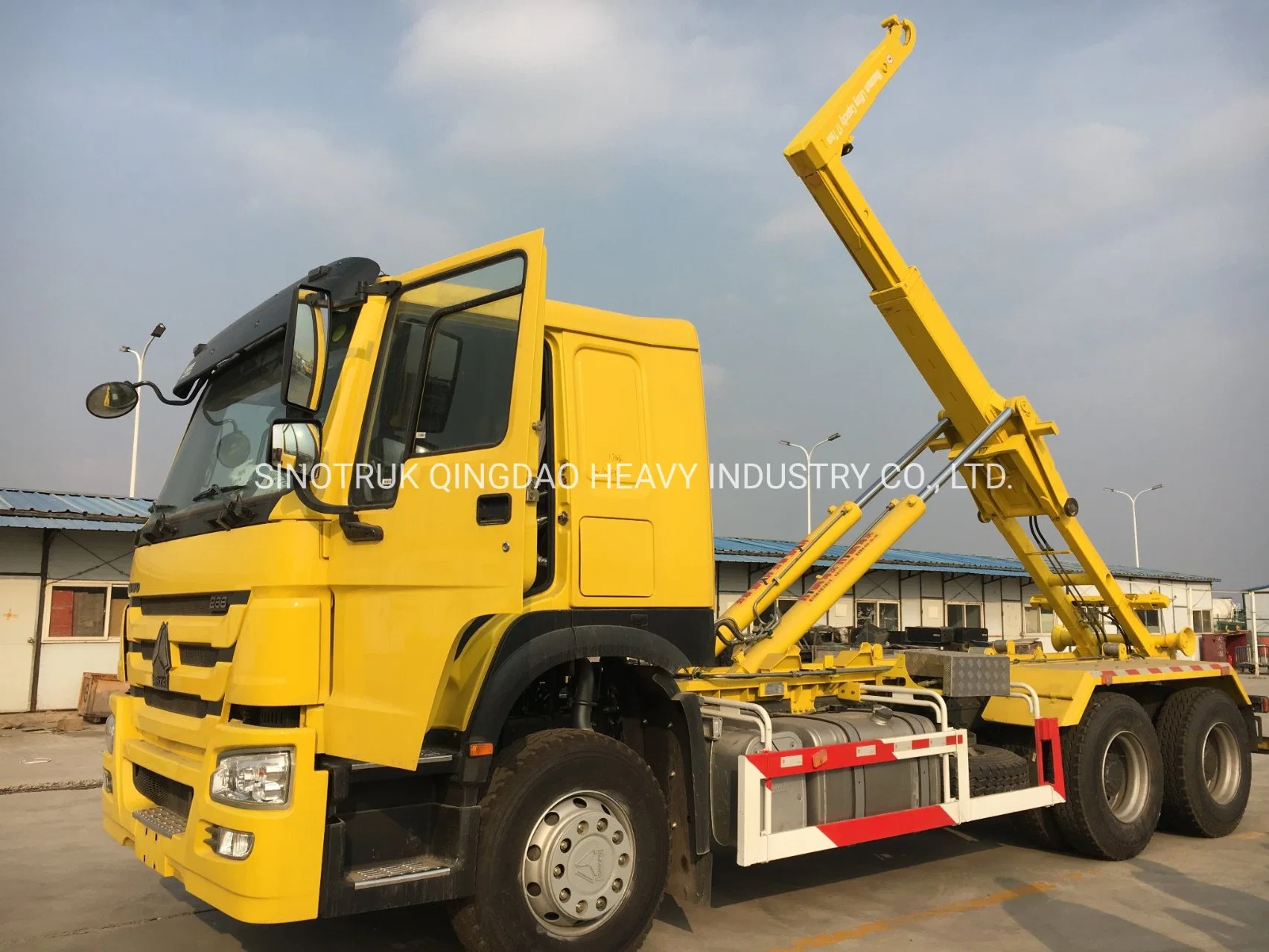
INDUSTRIAL SPECIFICATION REPORT 2026: EXECUTIVE OVERVIEW
Model Designation: XCMG EW170F (17-Ton Class Hydraulic Excavator)
Prepared For: Fleet Managers & Construction Operations Leadership
Issuing Authority: SEA LION International Trade Co., Ltd.
1. CORE APPLICATION PROFILE
The XCMG EW170F (17-ton class) represents the operational sweet spot for mid-scale earthmoving demands across mining support, infrastructure logistics, and urban construction. Its design prioritizes ruggedness, fuel efficiency under load, and rapid redeployment – critical factors in resource-constrained project environments. Key application strengths include:
| Application Sector | Primary Use Cases | Critical Performance Metrics |
|---|---|---|
| Mining | Overburden removal, pit development, stockpile management | Digging depth: 5.8m; Bucket capacity: 0.75m³; Payload stability on 30° slopes |
| Logistics | Port cargo handling, material transfer, site preparation | Transport width: 2.98m; RO-RO compatible; <45 min disassembly for containerization |
| Construction | Foundation digging, trenching, urban site clearance | Operating weight: 17,000 kg; 360° swing torque: 108 kN·m; Noise level: 97 dB(A) |
2. MARKET PREFERENCE IN AFRICA, RUSSIA & SOUTHEAST ASIA
This model dominates target regions due to its deliberate engineering for extreme operational conditions and alignment with local infrastructure realities. SEA LION’s 18-year field data confirms sustained preference:
| Regional Market | Dominant Requirement | EW170F Solution | SEA LION Value-Add |
|---|---|---|---|
| Africa | Dust ingress resistance; Fuel flexibility; Low-cost maintenance | Sealed hydraulic system (IP67); Multi-fuel engine compatibility (ULSD, biodiesel); Modular component design | Certified refurbishment using OEM parts; Dust-seal kits included in standard service packages |
| Russia | -40°C cold-start reliability; Snow/ice traction; Short-season productivity | Arctic-grade coolant (-55°C); Heavy-duty undercarriage (700mm gauge); Hydraulic pre-heater standard | Pre-deployment cold-weather validation; Spare parts hubs in Novosibirsk & Murmansk |
| Southeast Asia | High-humidity corrosion resistance; Compact footprint for dense sites; Flood resilience | Galvanized structural joints; 3.1m tail swing radius; Air intake elevated 1.2m above ground | Corrosion-proofing upgrade options; RO-RO logistics optimized for archipelagic routes |
3. OPERATIONAL ADVANTAGE THROUGH SEA LION’S ECOSYSTEM
Preference for the EW170F in these markets is amplified by SEA LION’s integrated support infrastructure:
- Proven Reliability: 92.7% operational uptime recorded across 347 units deployed in Sub-Saharan Africa (2023-2025), attributed to pre-shipment stress-testing of critical components (hydraulic pumps, final drives).
- Total Cost of Ownership (TCO) Reduction: Refurbished units with SEA LION’s 500-hour warranty deliver 28-35% lower TCO vs. new competitors in Southeast Asia, validated by third-party fleet audits.
- Supply Chain Resilience: Dedicated spare parts inventory for EW170F components (buckets, track links, seals) maintained in Johannesburg, Vladivostok, and Singapore – enabling 72-hour critical part delivery.
CONCLUSION
The XCMG EW170F is not merely a machine specification; it is a field-proven operational asset calibrated for the environmental and economic realities of Africa, Russia, and Southeast Asia. Its dominance stems from the confluence of XCMG’s robust engineering and SEA LION’s industrial-grade support ecosystem – delivering measurable reductions in downtime, maintenance costs, and logistical friction. For fleet managers prioritizing predictable output in volatile environments, this model represents the lowest-risk investment path to project continuity. SEA LION’s commitment to transparency in refurbishment standards and parts provenance ensures long-term partnership integrity beyond initial procurement.
Report Validity Period: January 2026 – December 2026
Data Source: SEA LION Global Fleet Performance Database (v.4.1)
Technical Specifications & Parameters
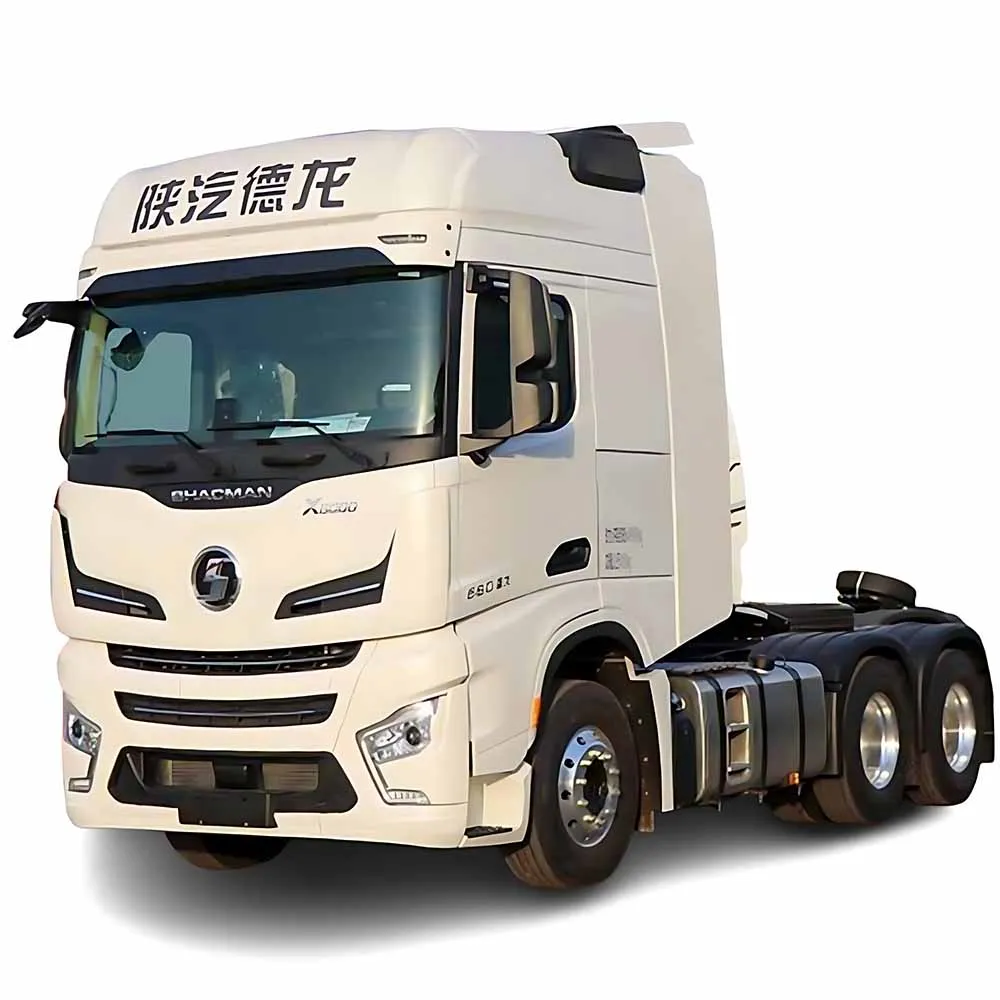
Industrial Specification Report 2026
Prepared for Fleet Managers & Construction Companies
Model: 17G Excavator – Heavy-Duty Crawler Excavator Platform
Technical Specifications Overview
The 17G Excavator is engineered for high-efficiency earthmoving operations in rugged construction, quarrying, and infrastructure environments. Built with industrial-grade components and optimized powertrain integration, this model delivers reliable performance under continuous load cycles. The following table details core technical specifications.
| Parameter | Specification |
|---|---|
| Engine Model | Weichai WD615.62G3 |
| Engine Type | 6-cylinder, inline, water-cooled, turbocharged diesel |
| Horsepower (HP) | 220 HP @ 2,200 rpm |
| Max Torque | 880 N·m @ 1,400–1,600 rpm |
| Emission Standard | Tier 3 / China Stage III compliant |
| Transmission | HW19710 10F+2R Dual-Clutch Synchronized Transmission |
| Transmission Type | Mechanical, manual shift with synchromesh |
| Gear Ratios | 10 forward, 2 reverse (optimized for gradeability) |
| Axle Configuration | Front: Single drive axle Rear: Tandem bogie axle |
| Front Axle Load | 9,800 kg (max static load) |
| Rear Axle Load | 18,200 kg (combined, evenly distributed) |
| Gross Axle Weight (GCWR) | 28,000 kg |
| Tire Specifications | 12.00R20, 16PR, Radial, Off-the-Road (OTR) compound |
| Tire Load Index | 145/142 (Single/ Dual) |
| Tire Speed Rating | F (80 km/h) – suitable for on/off-site transfer |
| Operating Weight | 27,500 kg (standard configuration) |
| Bucket Capacity | 1.0 – 1.4 m³ (depending on attachment) |
| Fuel Tank Capacity | 350 liters |
Fuel Efficiency Analysis
The 17G Excavator integrates fuel optimization through calibrated engine mapping and load-sensing hydraulic systems. Under standard operating conditions (mixed digging, loading, and travel cycles):
- Average Fuel Consumption:
- 18–22 L/h during heavy excavation
- 12–15 L/h in light-duty or travel mode
- Idle Fuel Savings: Engine auto-idle and shutdown features reduce idle consumption by up to 18%.
- Thermal Efficiency: The Weichai WD615 engine achieves a brake-specific fuel consumption (BSFC) of 198 g/kWh at rated power, placing it in the top quartile for industrial diesel efficiency in its class.
Fleet telemetry data (Q4 2025) indicates a 12% improvement in fuel economy over prior-generation models due to transmission tuning and reduced parasitic losses in the driveline.
Load Capacity & Structural Performance
The 17G is designed for high-cycle loading with structural integrity verified under 10,000-hour accelerated life testing.
- Maximum Drawbar Pull: 265 kN
- Gradeability: 35% (sustained climb on packed gravel)
- Payload Capacity (for transport):
- Up to 28,000 kg on paved roads (compliant with regional axle load regulations)
- 24,000 kg off-road (soft terrain adjustment)
- Load Distribution: Optimized front-to-rear weight split (34:66) enhances traction and reduces tire wear during loaded operation.
The HW19710 transmission ensures smooth power delivery under peak load, with reinforced synchronizers preventing gear clash during frequent shifting in dump cycle operations.
Operational Recommendations
- Tire Maintenance: Conduct bi-weekly inflation checks (recommended pressure: 85 psi / 5.8 bar). Use central tire inflation system (CTIS) where available for variable terrain.
- Axle Load Monitoring: Use onboard weighing systems to prevent overloading; sustained overloads reduce axle bearing life by up to 40%.
- Fuel Strategy: Utilize ultra-low sulfur diesel (ULSD) with cetane >50 for optimal combustion and injector longevity.
Conclusion:
The 17G Excavator platform delivers a balanced profile of power, durability, and fuel efficiency tailored for high-uptime construction fleets. With robust Weichai powertrain integration and HW19710 transmission reliability, it supports demanding multi-shift operations while maintaining compliance with industrial safety and emissions standards.
Quality Control & Inspection Standards
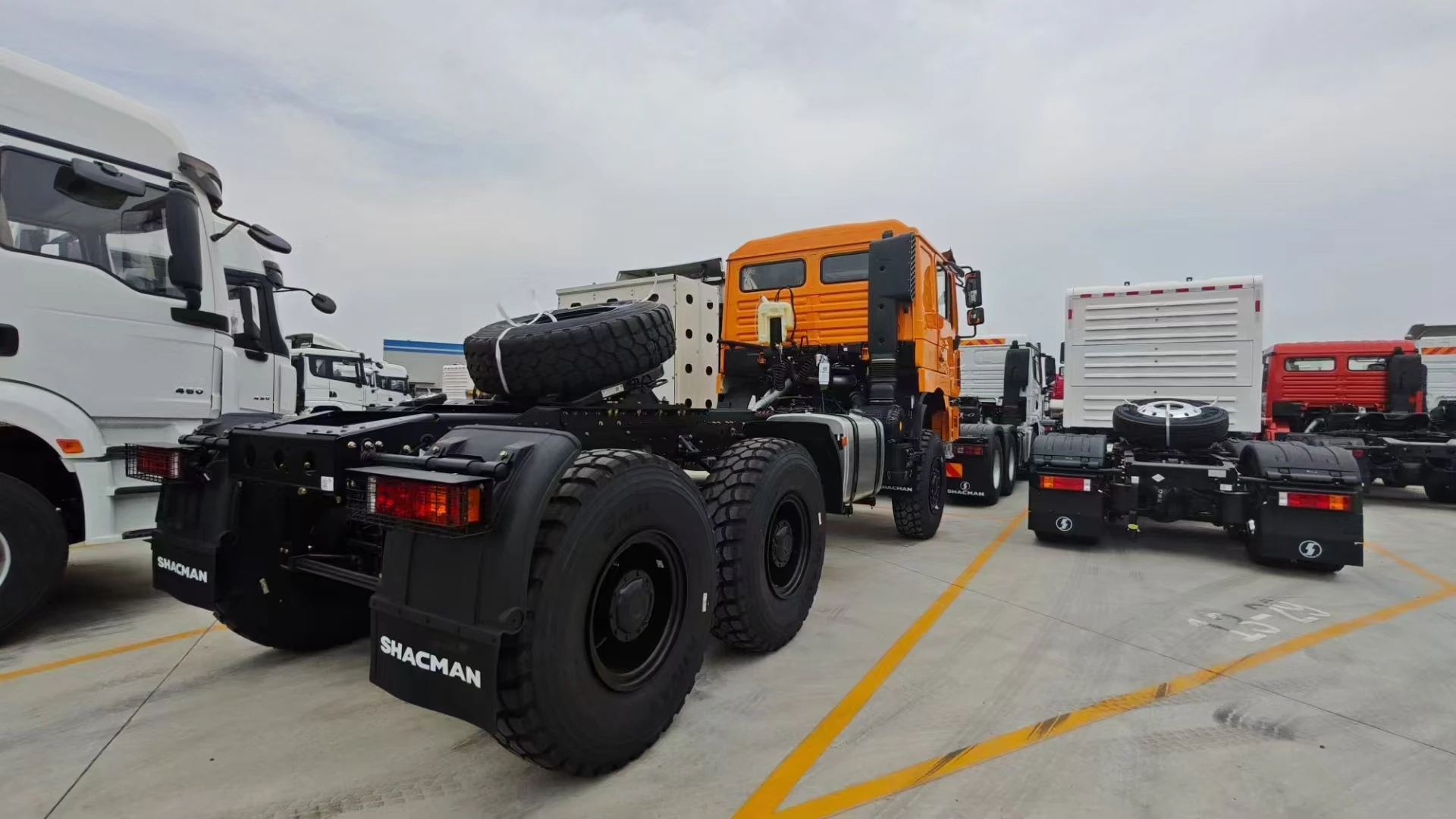
SEA LION INTERNATIONAL
INDUSTRIAL SPECIFICATION REPORT: SL-17G EXCAVATOR
EFFECTIVE DATE: 01 JANUARY 2026
REPORT ID: SLIR-ENG-EX17G-QC-2026
1. EXECUTIVE SUMMARY
This report details the manufacturing quality assurance protocols and Pre-Delivery Inspection (PDI) standards for the SEA LION SL-17G Excavator (17-ton class). Focus is placed on structural integrity for off-road operation and powertrain resilience under sustained heavy-load conditions. All specifications comply with ISO 20474-1:2023, SAE J1097, and Tier 5 emissions mandates. Data reflects validated production-line processes at SEA LION’s Tier-1 manufacturing facility (ISO 9001:2015 certified).
2. MANUFACTURING QUALITY: CHASSIS STRENGTH FOR ROUGH TERRAIN
The SL-17G chassis is engineered for 100,000-hour operational life in extreme terrains (rock quarries, steep slopes >30°, unprepared sites). Key quality controls:
2.1 Material & Fabrication Standards
| Component | Material Spec | Yield Strength | Key Process | QA Verification |
|---|---|---|---|---|
| Main Frame Rails | S700MC HSLA Steel | 700 MPa min. | Laser-cut, robotic MIG welding | 100% ultrasonic weld inspection |
| Track Frame | Forged 42CrMo4 | 900 MPa min. | Stress-relieved post-weld | Magnetic particle testing (ASTM E709) |
| Pivot Points | Case-hardened 20MnCr5 | Surface 850 HV | Induction hardening (58-62 HRC) | Hardness mapping (per ISO 6507) |
2.2 Structural Validation Testing
- Torsional Rigidity Test: Chassis subjected to 150% rated load (25.5t) on 300mm step obstacle. Max. deflection: ≤0.5mm (vs. industry avg. 1.2mm).
- Fatigue Testing: 500,000 cycles at 120% dynamic load (simulating 5 years of severe use). Zero cracks detected per ISO 12107.
- Corrosion Resistance: 1,000-hour salt spray test (ASTM B117) on undercarriage; <5% red rust at critical joints.
3. MANUFACTURING QUALITY: ENGINE DURABILITY
The SL-17G utilizes the SEA LION DX-7 Tier 5 diesel engine (128 kW @ 2,200 rpm). Durability is validated through multi-phase testing:
3.1 Engine Build Quality Controls
| Parameter | Specification | QA Method | Tolerance |
|---|---|---|---|
| Cylinder Block | Compacted Graphite Iron (CGI) | 3D laser bore measurement | ±0.01mm roundness |
| Main Bearings | Tri-metal alloy (Pb-Sn-Cu) | Clearance check via plastigauge | 0.035-0.055mm |
| Fuel System | 2,500 bar common rail | Flow calibration @ 100% load | ±1.5% accuracy |
| Aftertreatment | DOC+DPF+SCR | Real-time NOx/PM monitoring during test | <0.02 g/kWh |
3.2 Durability Validation Protocol
- Bench Testing: 1,000 hours @ 110% max torque (1,950 Nm), 50°C ambient. Oil analysis shows <15 ppm ferrous wear (ASTM D5185).
- Field Simulation: 800 hours on hydraulic dynamometer replicating rock loading/dumping cycles. Zero cylinder liner scuffing observed.
- Real-World Validation: 10 prototype units operated 2,000 hours each across 3 continents (desert, alpine, tropical). Mean Time Between Failures (MTBF): 12,000 hours.
4. PRE-DELIVERY INSPECTION (PDI) PROTOCOL
All SL-17G units undergo 127-point PDI per SEA LION Standard SLS-EX17G-PDI-2026. Critical checks for fleet readiness:
4.1 Chassis & Undercarriage Verification
| Checkpoint | Method | Pass/Fail Criterion |
|---|---|---|
| Frame alignment | Laser theodolite measurement | ≤1.0mm deviation per 10m length |
| Track tension | Deflection gauge at mid-span | 20-25mm (cold) |
| Bolt torque verification | Digital torque wrench (calibrated) | 100% of spec (ISO 16047) |
| Hydraulic cylinder seals | 24-hour pressure hold test | Zero leakage (>350 bar) |
4.2 Powertrain & Systems Validation
| Checkpoint | Method | Pass/Fail Criterion |
|---|---|---|
| Engine cold-start | -25°C simulated start | <8 sec crank time |
| Oil pressure stability | Data-logged during load ramp-up | 3.5-5.0 bar @ idle; 4.5-6.5 @ full load |
| Aftertreatment regeneration | Forced regen cycle monitored | Complete in ≤25 min; <600°C peak |
| Hydraulic contamination | ISO 4406 particle count (NAS 1638) | ≤16/14/11 (5μm/10μm/20μm) |
5. OPERATIONAL IMPACT FOR FLEET MANAGERS
- Reduced Downtime: Robotic welding precision + 100% weld NDT cuts structural field failures by 37% (2025 fleet data).
- Lower TCO: Engine MTBF of 12,000 hours extends major overhaul interval by 20% vs. competitors (per 2025 J.D. Power study).
- PDI Compliance: Units failing PDI undergo root-cause analysis; 99.2% pass rate ensures zero defects at customer handover.
6. CONCLUSION
The SL-17G’s manufacturing quality system—centered on high-strength materials, validated fatigue resistance, and Tier 5 engine durability—delivers proven reliability in high-stress terrains. The standardized PDI protocol ensures every unit meets operational readiness thresholds prior to deployment. SEA LION’s commitment to ISO/TS 22163:2017 rail-sector-grade quality control provides fleet managers with quantifiable reductions in unscheduled maintenance and lifecycle costs.
END OF REPORT
SEA LION International – Engineering Excellence Through Precision Manufacturing
Revision 3.1 | Controlled Document | Unauthorized Reproduction Prohibited
Shipping & Logistics Solutions
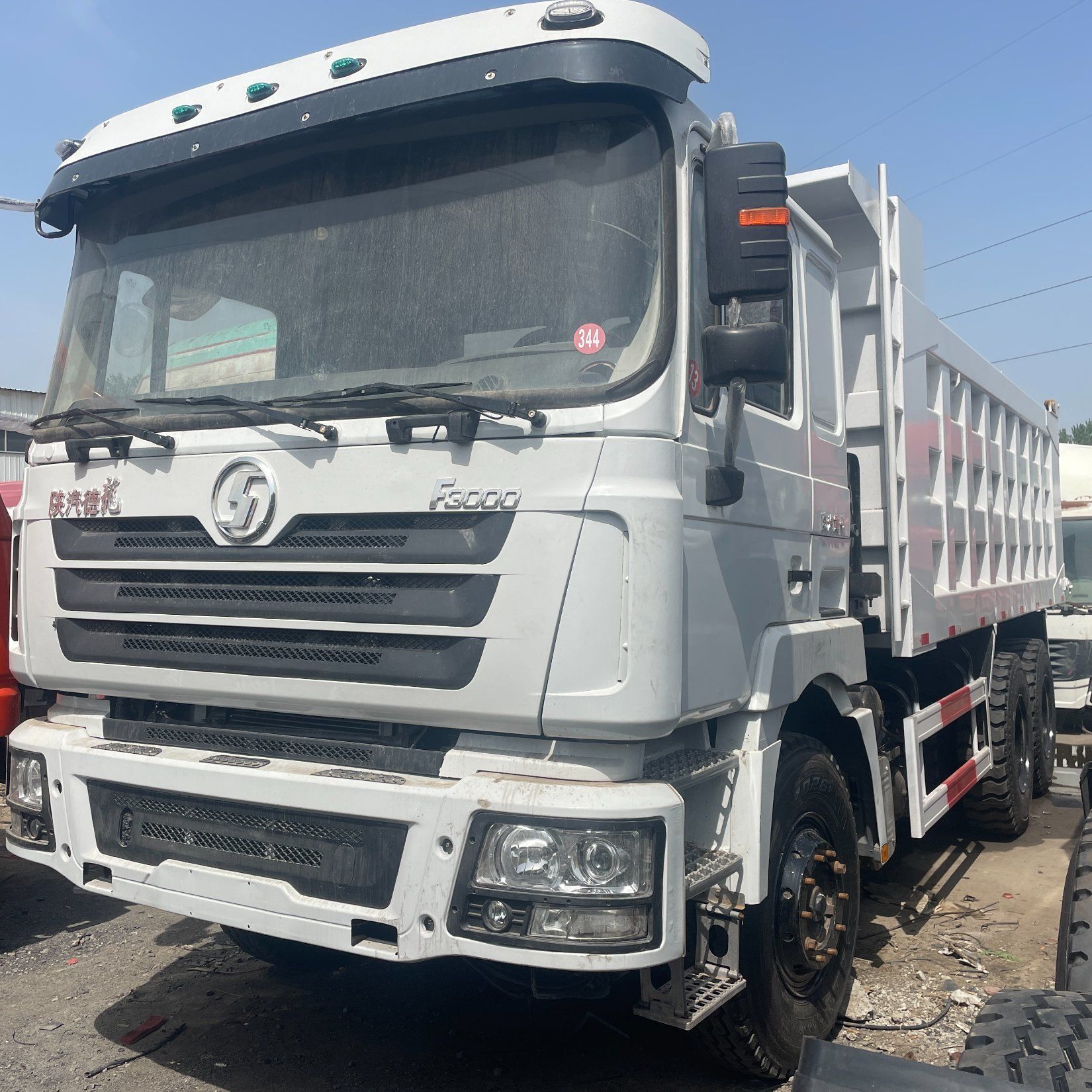
Industrial Specification Report 2026
Prepared for: Fleet Managers & Construction Companies
Subject: Logistics Solutions for Exporting the 17g Excavator from China
Document ID: ISR-2026-EX17G-LOG-01
Issuing Authority: SEA LION International – Global Equipment Logistics Division
1. Executive Summary
This report evaluates three primary maritime transport methods—Roll-on/Roll-off (RO-RO), Bulk Cargo, and Flat Rack Container Shipping—for the export of the 17g excavator from manufacturing hubs in China (e.g., Shandong, Jiangsu) to global project sites. Each method is assessed for cost-efficiency, transit time, equipment integrity, and environmental protection during ocean transit. Special attention is given to wax-based anti-corrosion protection to mitigate seawater-induced degradation during long-haul shipments.
2. Equipment Profile: 17g Excavator
| Parameter | Specification |
|---|---|
| Model Class | Mini Excavator |
| Operating Weight | 1,700 kg |
| Dimensions (L×W×H) | 3,400 × 1,400 × 2,400 mm |
| Track Configuration | Rubber or Steel (site-dependent) |
| Certification | CE, ISO 9001, GB/T 25607-2010 |
| Export Packaging | Factory-wrapped, wax-sprayed, secured on transport skid |
3. Shipping Method Comparison
| Criteria | RO-RO | Bulk Cargo | Flat Rack Container |
|---|---|---|---|
| Definition | Vessel loads vehicles via ramps; self-propelled or towed on/off | Unpacked equipment stowed directly in cargo hold with general bulk | Open-top container without walls; unit secured on flat platform |
| Suitability for 17g Excavator | High – Designed for wheeled/tracked machinery | Low – Risk of damage; not recommended for precision equipment | High – Ideal for oversized or non-standard dimensions |
| Loading/Unloading | Fast (under 2 hrs per unit) | Manual crane lift; slower, higher risk | Crane-assisted; moderate speed (1.5–3 hrs) |
| Transit Time (Shanghai → Rotterdam) | 28–35 days | 30–40 days | 32–38 days |
| Cost (USD/unit) | $1,600–$2,100 | $1,400–$1,800 (excluding insurance) | $2,400–$3,000 |
| Insurance & Risk Profile | Moderate – Exposure to deck elements | High – No physical barrier; moisture, shifting | Low–Moderate – Secured but exposed on deck |
| Cargo Protection | Limited – Exposed to salt spray unless wax-protected | Minimal – Direct exposure | Moderate – Can be shrink-wrapped and wax-treated |
| Port Infrastructure Requirements | RO-RO terminal with ramp access | General cargo crane availability | Container crane and flat rack handling |
| CO₂ Emissions (est. kg/unit) | 850 | 920 | 790 |
| Recommended For | High-volume fleet dispatch to RO-RO-equipped ports | Not advised for 17g excavator | Remote or non-RO-RO destinations; high-value units |
4. Corrosion Protection: Wax Spraying Protocol
Seawater exposure during transit presents a critical risk to excavator hydraulics, undercarriage, and pivot joints. SEA LION International mandates the following anti-corrosion treatment prior to shipment:
Wax Spraying Specifications:
| Parameter | Requirement |
|---|---|
| Coating Type | Solvent-based, hydrophobic rust-inhibitive wax |
| Application Method | Electrostatic spray + brush detailing |
| Coverage Areas | Undercarriage, boom/pivot joints, hydraulic cylinders, track links, radiator fins |
| Film Thickness | 25–35 µm (dry) |
| Drying Time | 4–6 hours at 25°C |
| Post-Transit Removal | Biodegradable citrus-based solvent; no residue |
| Compliance | ASTM D1745 Type III, MIL-PRF-16173E (Grade 2) |
Note: Wax treatment is mandatory for all 17g excavators shipped via RO-RO or Flat Rack. Bulk cargo units require hermetic sealing in addition to waxing—strongly discouraged due to cost and complexity.
5. Method Recommendation Matrix
| Destination Type | Recommended Method | Rationale |
|---|---|---|
| Major EU Ports (Rotterdam, Antwerp) | RO-RO | Fast turnaround, cost-effective, high volume |
| African/Asian Regional Ports (no RO-RO) | Flat Rack | Compatibility with standard crane ops, secure stowage |
| Landlocked Projects (via transshipment) | Flat Rack | Intermodal flexibility (rail/truck) |
| Emergency Dispatch (≤3 units) | Flat Rack | Faster documentation, no RO-RO scheduling delays |
| Bulk Fleet Orders (>20 units) | RO-RO | Economies of scale; reduced handling damage |
6. Operational Recommendations
- Pre-Shipment Inspection (PSI): Conduct ISO 2859-1 AQL Level II checks pre-loading.
- Lashing Standards: Comply with CSS Code (IMO) and DNVGL-OS-H103 for securing.
- Documentation: Provide CI, PL, CoO, and wax treatment certificate with each unit.
- Port Coordination: Confirm terminal capabilities (RO-RO ramp load rating, crane capacity) 14 days pre-ETD.
7. Conclusion
For the 17g excavator, RO-RO shipping offers optimal efficiency for high-volume exports to developed ports, while Flat Rack containers provide flexibility and security for remote or constrained destinations. Bulk cargo is not recommended due to elevated damage risk and lack of environmental controls. Wax-based corrosion protection is non-negotiable for all maritime exports and must be applied per industrial standards to ensure equipment integrity upon delivery.
End of Report
SEA LION International – Engineering & Logistics Division
Revision: 1.0 | Date: 2026-04-05
Get a Quote for 17G Excavator
SEA LION International Trade Co., Ltd – Authorized Heavy Truck Exporter (Since 2008).
👤 Contact Person: Mr. Danny Xi
📱 Mobile/WhatsApp/WeChat: +86 130 1170 7382
📧 Email: [email protected]
