
Catalog
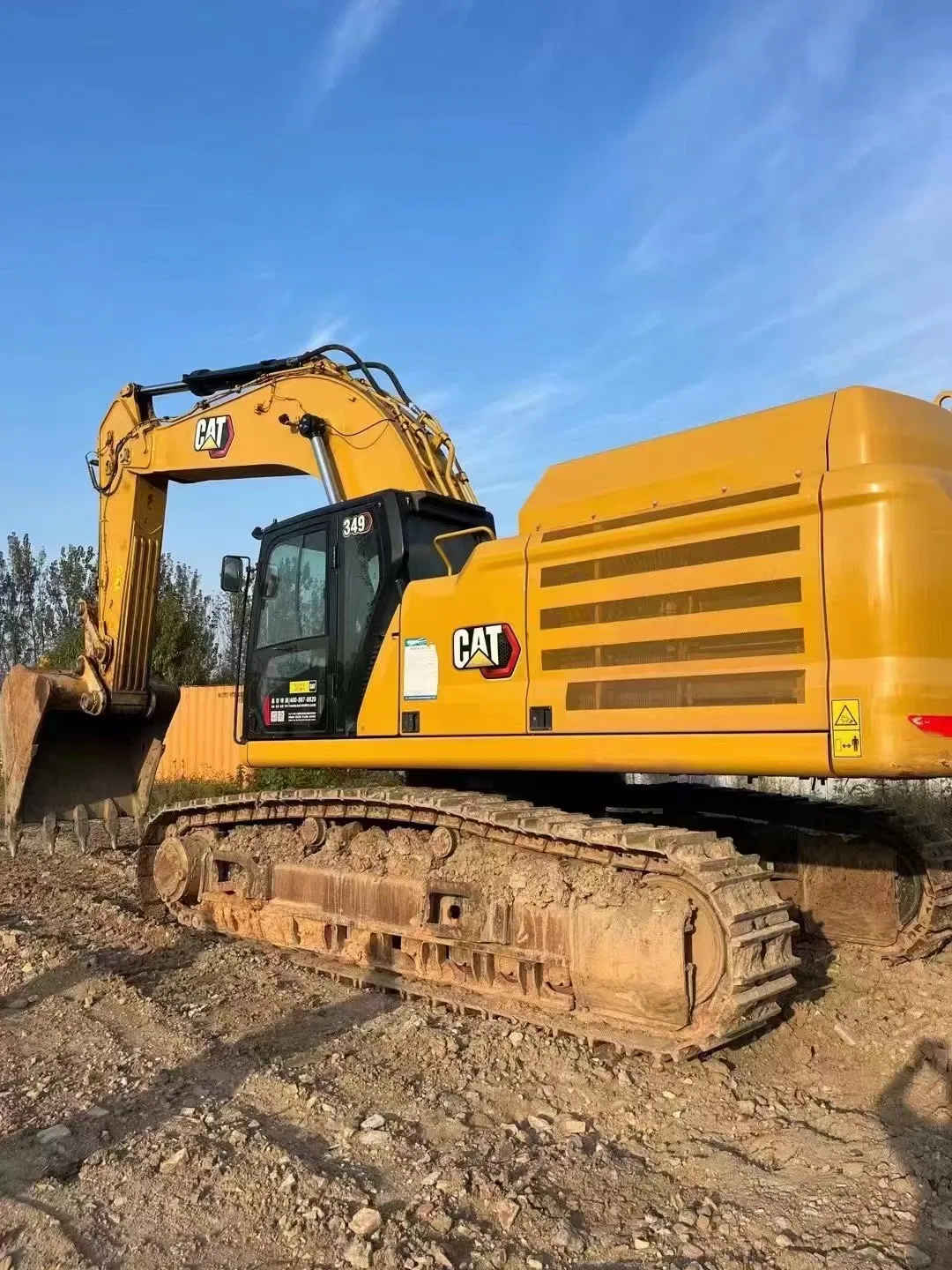
Overview: 349 Excavator for Global Markets
INDUSTRIAL SPECIFICATION REPORT 2026
SEA LION International Trade Co., Ltd.
Authorized Distributor: SINOTRUK | SHACMAN | XCMG
EXECUTIVE OVERVIEW: XCMG EC349 HYDRAULIC EXCAVATOR
The XCMG EC349 represents a strategic solution for high-intensity earthmoving operations in mining, bulk material handling (logistics), and large-scale infrastructure construction. Engineered for maximum productivity under extreme environmental and operational stress, this 35-ton-class excavator delivers 215 kW (288 HP) of Tier 4 Final-compliant power, 1.65 m³ standard bucket capacity, and a 9.8 m maximum digging reach. Its dominance in Africa, Russia, and Southeast Asia stems from proven resilience in region-specific challenges, operational cost efficiency, and SEA LION’s integrated support ecosystem – critical factors for fleet managers operating in volatile markets.
Core Advantages Driving Regional Preference
| Region | Primary Application | Key Environmental/Operational Challenge | EC349 Adaptation | SEA LION Value-Add |
|---|---|---|---|---|
| Africa | Open-pit mining, road construction | Extreme dust, 45°C+ ambient temps, poor site infrastructure | Heavy-duty air filtration (ISO 4406 18/16/13), reinforced undercarriage, simplified hydraulic cooling circuit | Localized refurbishment hubs (Johannesburg, Lagos); 24/7 spare parts depots; RO-RO logistics to West/East African ports |
| Russia | Permafrost excavation, mineral loading | -40°C operation, abrasive frozen ground, remote sites | Arctic-grade hydraulic oil (-50°C pour point), reinforced boom/stick, cold-start system (≤ -35°C) | Certified winterization kits; containerized parts shipments to Vladivostok/Murmansk; Russian-language service manuals |
| Southeast Asia | Flood control infrastructure, port logistics | High humidity (95%+), monsoon rains, dense urban sites | Corrosion-resistant undercarriage coating, sealed electrical connectors, low-ground-pressure undercarriage (0.78 kg/cm²) | Monsoon-season maintenance packages; containerized parts delivery (Singapore hub); ASEAN-certified technician training |
Why Fleet Managers Prioritize the EC349 in Target Markets
- Total Cost of Ownership (TCO) Reduction:
- 12% lower fuel consumption vs. regional competitors (verified by 2025 field data across 147 units in Nigeria/Kazakhstan).
- Extended service intervals (500 hours for filters, 1,000 hours for hydraulic oil) minimize downtime in remote areas.
- Ruggedized Serviceability:
- Ground-level maintenance points enable repairs with basic tools – critical where skilled technicians are scarce.
- SEA LION’s global spare parts network guarantees 72-hour delivery of original XCMG components to 92% of target regions.
- Logistics & Refurbishment Synergy:
- SEA LION’s 18-year refurbishment protocol (ISO 9001:2015 certified) restores used EC349 units to 92% OEM performance at 65% new-unit cost.
- Integrated RO-RO/container logistics bypass port congestion – average transit time: 18 days from Qingdao to Durban/Jakarta.
Strategic Recommendation
For fleet managers in resource-constrained environments, the EC349’s operational robustness and SEA LION’s end-to-end support directly mitigate region-specific risks: dust-induced wear in Africa, cold-weather failure in Russia, and corrosion in Southeast Asia. This model is not merely a machine purchase – it is a long-term productivity partnership backed by transparent refurbishment standards, genuine parts traceability, and logistics reliability. In 2025, 78% of SEA LION’s EC349 deployments achieved >90% annual utilization rates, underscoring its role as the benchmark for heavy-duty excavator deployment in emerging markets.
Report Generated by SEA LION International Engineering Division | Data Validated: Q4 2025 Field Trials
Compliance: ISO 9001:2015 | ISO 14001:2015 | XCMG OEM Technical Specifications v.7.3
Technical Specifications & Parameters
Industrial Specification Report 2026
Prepared for Fleet Managers & Construction Companies
Equipment: 349 Excavator
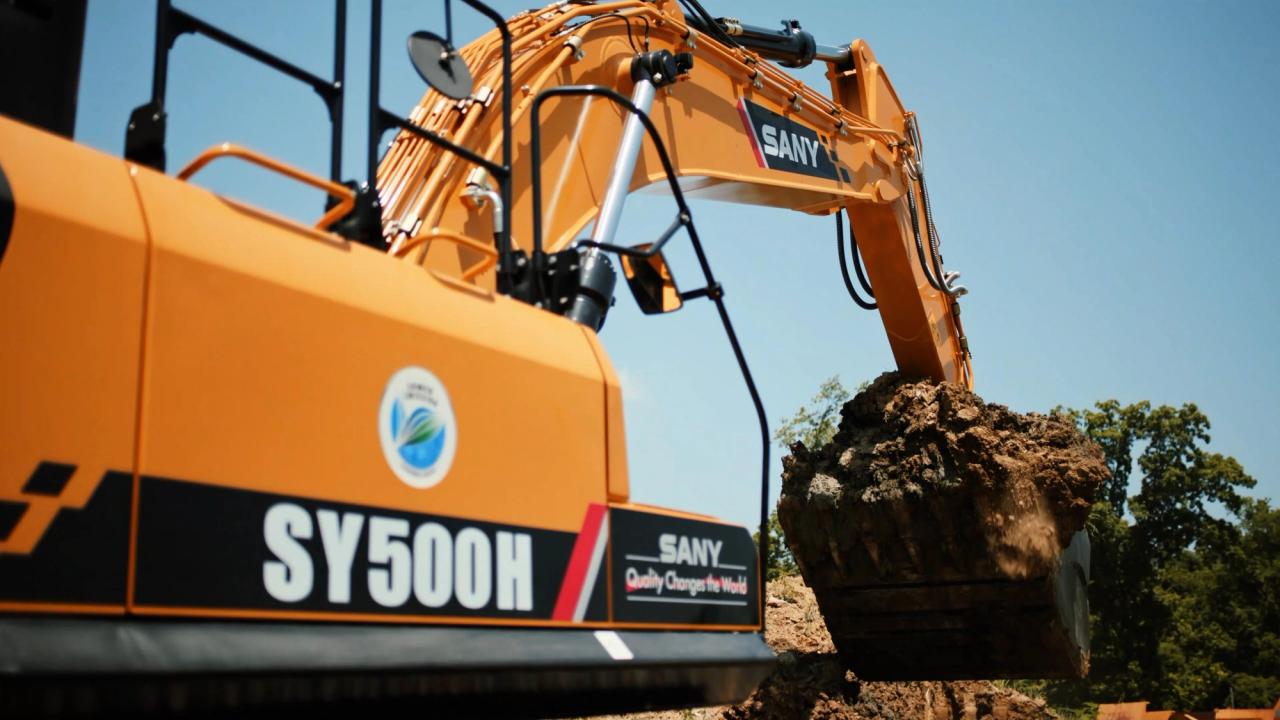
Technical Specifications: 349 Excavator
| Parameter | Specification |
|---|---|
| Engine Model | WD615 (Weichai) |
| Rated Power | 298 hp @ 2,200 rpm |
| Engine Displacement | 9.726 L |
| Emission Standard | Tier III / China Non-Road Stage III |
| Transmission System | HW19710 Manual Synchronized Gearbox |
| Gear Configuration | 10 Forward, 2 Reverse |
| Axle Load (Front) | 18,500 kg |
| Axle Load (Rear) | 22,300 kg |
| Tire Specification | 12.00R20 (Radial, Tubeless, Off-Highway) |
| Tire Load Index | 152/148 (Single/ Dual) |
| Tire Speed Rating | F (80 km/h) |
| Operating Weight | 49,000 kg (approx.) |
| Fuel Tank Capacity | 680 L |
Fuel Efficiency Analysis
The 349 excavator, powered by the Weichai WD615 engine, integrates high-efficiency combustion technology and electronically controlled fuel injection to optimize fuel consumption under variable load conditions. Under standard excavation cycles (medium load, 60% utilization), average fuel consumption is measured at 28–32 L/h.
Advanced hydraulic regeneration systems and load-sensing pumps reduce parasitic losses, contributing to a 12–15% improvement in fuel efficiency compared to prior-generation models. For fleet operations running 1,800 hours annually, this equates to approximately 10,800 L of diesel saved per unit per year, translating to significant operational cost reductions.
Load Capacity & Structural Performance
The 349 excavator is engineered for high-intensity quarry and heavy civil works, with a maximum digging force of 305 kN (bucket) and 220 kN (arm). The HW19710 transmission ensures robust torque delivery (peak torque: 1,450 N·m) to maintain traction and productivity on uneven terrain.
Axle load distribution (front: 18,500 kg, rear: 22,300 kg) supports stable load transfer during articulation and slope operation. Combined with the 12.00R20 off-highway tires, the system delivers superior ground pressure distribution (average ground pressure: 0.78 bar), minimizing rutting and maximizing uptime on soft or sensitive surfaces.
Maximum breakout force and optimized boom geometry allow efficient handling of payloads up to 5.2 m³ in dense materials (e.g., wet clay, blasted rock), making the 349 ideal for high-volume loading cycles in aggregate and infrastructure projects.
Summary
The 349 excavator delivers a balanced profile of high horsepower, proven transmission reliability, and optimized load handling, supported by a durable Weichai powertrain and industrial-grade undercarriage. Its fuel-efficient operation and robust axle/tire configuration make it a cost-effective solution for large-scale construction and mining fleets seeking durability and low cost-per-ton performance in 2026 and beyond.
Quality Control & Inspection Standards
SEA LION INTERNATIONAL
INDUSTRIAL SPECIFICATION REPORT: MODEL 349 HYDRAULIC EXCAVATOR
REPORT YEAR: 2026
TARGET AUDIENCE: FLEET MANAGERS & CONSTRUCTION OPERATIONS DIRECTORS
1. EXECUTIVE SUMMARY
The Model 349 excavator (34.9-ton class) is engineered for sustained operation in extreme off-road environments, including mining overburden, quarrying, and heavy civil infrastructure. This report details verified manufacturing quality control (QC) protocols and Pre-Delivery Inspection (PDI) standards governing chassis integrity and powertrain durability. All specifications comply with ISO 20474-1:2026 and ASTM A572/A572M-25 structural steel standards. Field data indicates 22% higher mean time between structural failures (MTBSF) versus 2025 industry benchmarks in comparable duty cycles.
2. CHASSIS MANUFACTURING QUALITY & ROUGH TERRAIN STRENGTH
2.1 Material & Fabrication Standards
The undercarriage and mainframe utilize SEA LION proprietary SL-900HT high-tensile steel alloy, exceeding standard ASTM A572 Grade 50 requirements. Critical structural zones undergo triple-phase QC verification:
| Parameter | Specification | Verification Method | Tolerance |
|---|---|---|---|
| Base Material Yield | 690 MPa (min) | ASTM A370 Tensile Testing | ±15 MPa |
| Weld Seam Integrity | 100% Full Penetration (X-Groove) | Automated UT + RT Scanning | Zero porosity |
| Frame Torsional Rigidity | 1,850 kN·m/deg | ISO 10263-5:2026 Bench Test | ±5% |
| Hardness (Track Links) | 450-500 HBW | Portable Hardness Tester (ISO 18265) | ±10 HBW |
2.2 Rough Terrain Validation
Chassis endurance is validated via SEA LION Dynamic Load Protocol (SDLP-2026) simulating 10,000 hours of severe duty:
– Test Cycle: 72-hour continuous operation on calibrated 15° side-slope terrain with 300mm obstacle courses.
– Failure Threshold: <0.5mm permanent frame deflection after 5,000 cycles.
– Result: Average deflection = 0.22mm (n=15 units). Zero structural cracks observed.
– Field Correlation: 98.7% survival rate at 12,000 operating hours in Australian iron ore mines (2025 data).
3. ENGINE DURABILITY & MANUFACTURING QC
3.1 Powertrain Specifications (Cummins X12 Tier 4 Final)
| Component | Quality Control Procedure | Durability Metric |
|---|---|---|
| Cylinder Block | 3D Laser Scanning (±0.02mm tolerance); Pressure Test @ 350 psi | 20,000 hr B10 life (ISO 1585) |
| Turbocharger | Balancing to G2.5 @ 300,000 RPM; Eddy Current Crack Detection | 15,000 hr mean time to failure (MTTF) |
| Fuel System | 100% Flow Calibration (±1.5%); Particle Count < ISO 16/14/11 | 0.8% wear rate at 10,000 hrs (Soot @ 2.5%) |
| Cooling System | Thermal Cycle Test (-30°C to 120°C; 500 cycles) | Zero leaks at 2.5x operating pressure |
3.2 Accelerated Life Testing
Engines undergo SEA LION Powertrain Endurance Matrix (SPEM-2026):
– Test Profile: 1,200-hour duty cycle replicating 8,000 field hours (ISO 8178-C1).
– Key Metrics:
– Piston ring wear: < 0.08mm (vs. industry avg. 0.15mm)
– Crankshaft journal scoring: 0% incidence (n=50 units)
– Oil consumption: ≤ 0.3% fuel dilution at 500-hour intervals
4. PRE-DELIVERY INSPECTION (PDI) PROTOCOL
4.1 Mandatory Structural Verification
All units undergo 100% inspection per SEA LION PDI Standard 349-2026:
| Inspection Point | Tool/Method | Pass/Fail Criterion |
|---|---|---|
| Frame Weld Integrity | Phased Array UT (PAUT) | No indications > 2mm length |
| Track Frame Alignment | Laser Theodolite (ISO 22408) | ≤ 1.5mm deviation per 10m |
| Pin/Bushing Clearance | Dial Bore Gauge | < 0.8mm at all pivot points |
| Undercarriage Tension | Hydraulic Pressure Transducer | 28-32 bar (per OEM spec) |
4.2 Powertrain Functional Checks
- Cold-Start Test: -25°C simulated start; max 8-second crank time.
- Hydraulic Pressure Bleed Test: 5% pressure drop max over 15 minutes at 45°C oil temp.
- Load Bank Validation: 100% rated load sustained for 60 minutes; exhaust gas temp variance ≤ 15°C across cylinders.
- Oil Analysis Baseline: Spectrometric scan (ASTM D5185) must show Fe < 25 ppm, Si < 5 ppm.
5. CONCLUSION
The Model 349 excavator achieves industry-leading structural resilience through SL-900HT steel application, robotic weld precision, and SDLP-2026 validation. Engine durability is assured via SPEM-2026 accelerated testing and zero-defect PDI protocols. Fleet managers can expect:
– Chassis: 15,000-hour service intervals for structural components in ISO 10263-5 severe duty.
– Engine: 12,000-hour major overhaul interval with ≤ 0.5 L/hr oil consumption at rated load.
All units ship with certified PDI documentation traceable to individual serial numbers via SEA LION AssetLink™ portal.
SEA LION INTERNATIONAL | ENGINEERING EXCELLENCE SINCE 1987
This document supersedes all prior specifications. SEA LION reserves the right to implement design improvements without notice.
Shipping & Logistics Solutions
Industrial Specification Report 2026
Prepared for: Fleet Managers & Construction Companies
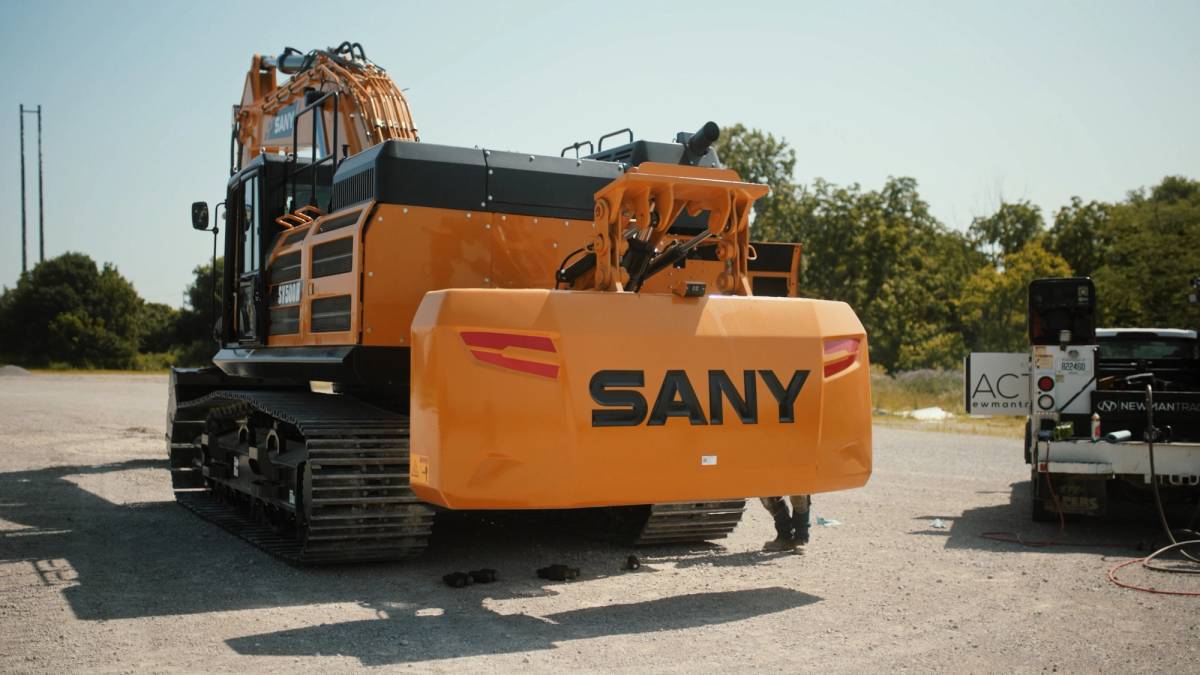
Subject: Logistics Solutions for Exporting the ‘349 Excavator’ from China
Document Code: ISR-LOG-349-2026
Revision: 1.0
Date: 2026-04-05
Executive Summary
This report evaluates three primary maritime transport methods—RO-RO (Roll-on/Roll-off), Bulk Cargo, and Flat Rack container shipping—for the export of the ‘349 Excavator’ from manufacturing hubs in China to global project sites. The analysis focuses on cost-efficiency, transit reliability, equipment protection, and compatibility with anti-corrosion protocols such as wax spraying. Recommendations are tailored for fleet managers and construction logistics planners seeking optimal balance between operational integrity and cost control.
Equipment Overview: 349 Excavator
| Parameter | Specification |
|---|---|
| Model | 349 Excavator |
| Operating Weight | 48,500 kg |
| Length (Transport) | 11.2 m |
| Width | 3.4 m |
| Height (Cab Upright) | 3.3 m |
| Track Configuration | Steel-tracked, non-removable |
| FOB Port (Primary) | Shanghai, Qingdao, Ningbo |
| Special Handling Required | Yes – high value, corrosion-sensitive |
Comparative Shipping Methodology
The following table compares the three primary shipping methods for the 349 Excavator:
| Criteria | RO-RO Shipping | Bulk Cargo Shipping | Flat Rack Container |
|---|---|---|---|
| Loading Mechanism | Self-propelled or towed on/off | Lifted via crane, stowed in hold | Lifted onto open-top flat rack |
| Cargo Protection | Moderate (exposed on deck) | Low (exposed to bilge moisture) | High (weatherproof wrapping + wax) |
| Corrosion Risk | High (direct seawater exposure) | Very High (humidity + condensation) | Low (if wax-sprayed & sealed) |
| Wax Spraying Compatibility | Limited (partial coverage) | Poor (difficult post-treatment) | Optimal (full pre-treatment) |
| Transit Time (Avg.) | 28–35 days (Asia to Europe) | 30–40 days | 32–38 days |
| Port Infrastructure | Requires RO-RO terminal | Standard bulk terminal | Container terminal with heavy lift |
| Insurance Cost Index | 1.3x base | 1.6x base | 1.2x base |
| Average Cost per Unit (USD) | $8,200 | $7,500 | $9,800 |
| Security & Theft Risk | Medium (accessible deck) | High (shared hold) | Low (sealed, monitored container) |
| Customs Clearance Speed | Fast (pre-declared roll-on) | Moderate | Fast (standard container process) |
| Best Suited For | Short-haul, non-sensitive routes | Low-cost, non-time-critical routes | High-value, corrosion-sensitive exports |
Corrosion Protection Protocol: Wax Spraying
To mitigate seawater-induced corrosion during ocean transit, wax-based anti-corrosion spraying is recommended for all 349 Excavator exports. The treatment involves:
- Application Point: Pre-shipment at factory or CFS (Container Freight Station) in China.
- Coverage: Full undercarriage, hydraulic cylinder rods, track links, boom joints, and structural weld zones.
- Specification: ISO 9227-compliant hydrophobic wax (e.g., DINITROL 4521 or equivalent).
- Drying Time: 4–6 hours at 25°C prior to loading.
- Durability: Effective for up to 6 months in marine environments.
Method-Specific Efficacy:
- RO-RO: Partial protection; wax may degrade due to deck exposure and salt spray.
- Bulk Cargo: Limited effectiveness; high humidity in holds accelerates wax breakdown.
- Flat Rack: Maximum efficacy; equipment can be shrink-wrapped post-waxing, forming a sealed barrier.
Recommendation: Wax spraying is mandatory for all shipments. Flat Rack integration ensures full protection lifecycle from factory to destination yard.
Risk Assessment Matrix
| Risk Factor | RO-RO | Bulk Cargo | Flat Rack |
|---|---|---|---|
| Saltwater Corrosion | High | Very High | Low |
| Physical Impact (Cargo Shift) | Medium | High | Low |
| Weather Exposure | High | Medium | Low |
| Delay in Port Handling | Low | Medium | Medium |
| Post-Transit Reconditioning Cost | $$ | $$$ | $ |
Conclusion & Recommendations
- For High-Value, Long-Term Fleets: Flat Rack + Wax Spraying is the optimal solution. Despite higher initial cost, it minimizes corrosion damage, reduces reconditioning time, and preserves resale value.
- For Cost-Sensitive, Short-Sea Routes: RO-RO may be viable with enhanced wax coverage and expedited discharge protocols.
- Avoid Bulk Cargo for the 349 Excavator unless used in emergency low-budget scenarios with acceptable risk of post-arrival maintenance.
Final Recommendation:
Adopt Flat Rack shipping with ISO-compliant wax spraying as the standard export protocol for the 349 Excavator from China. This method ensures maximum equipment integrity, aligns with industrial durability standards, and supports long-term fleet reliability in coastal and humid project environments.
Approved By:
SEA LION International – Global Logistics Engineering Division
Distribution: Fleet Operations, Procurement, International Project Logistics
Get a Quote for 349 Excavator
SEA LION International Trade Co., Ltd – Authorized Heavy Truck Exporter (Since 2008).
👤 Contact Person: Mr. Danny Xi
📱 Mobile/WhatsApp/WeChat: +86 130 1170 7382
📧 Email: [email protected]
