
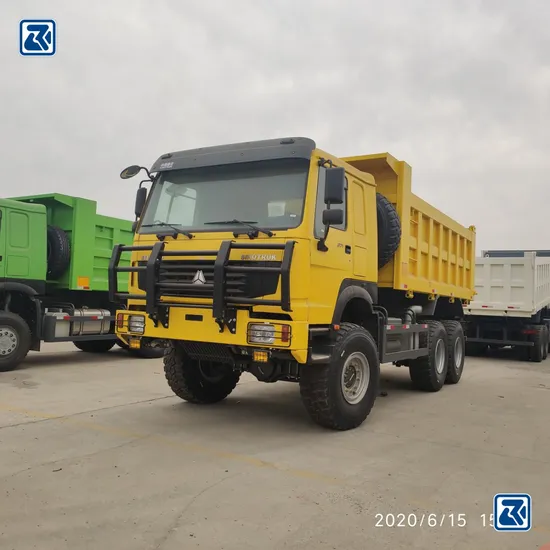
Catalog
Overview: 4X4 Used Trucks for Global Markets
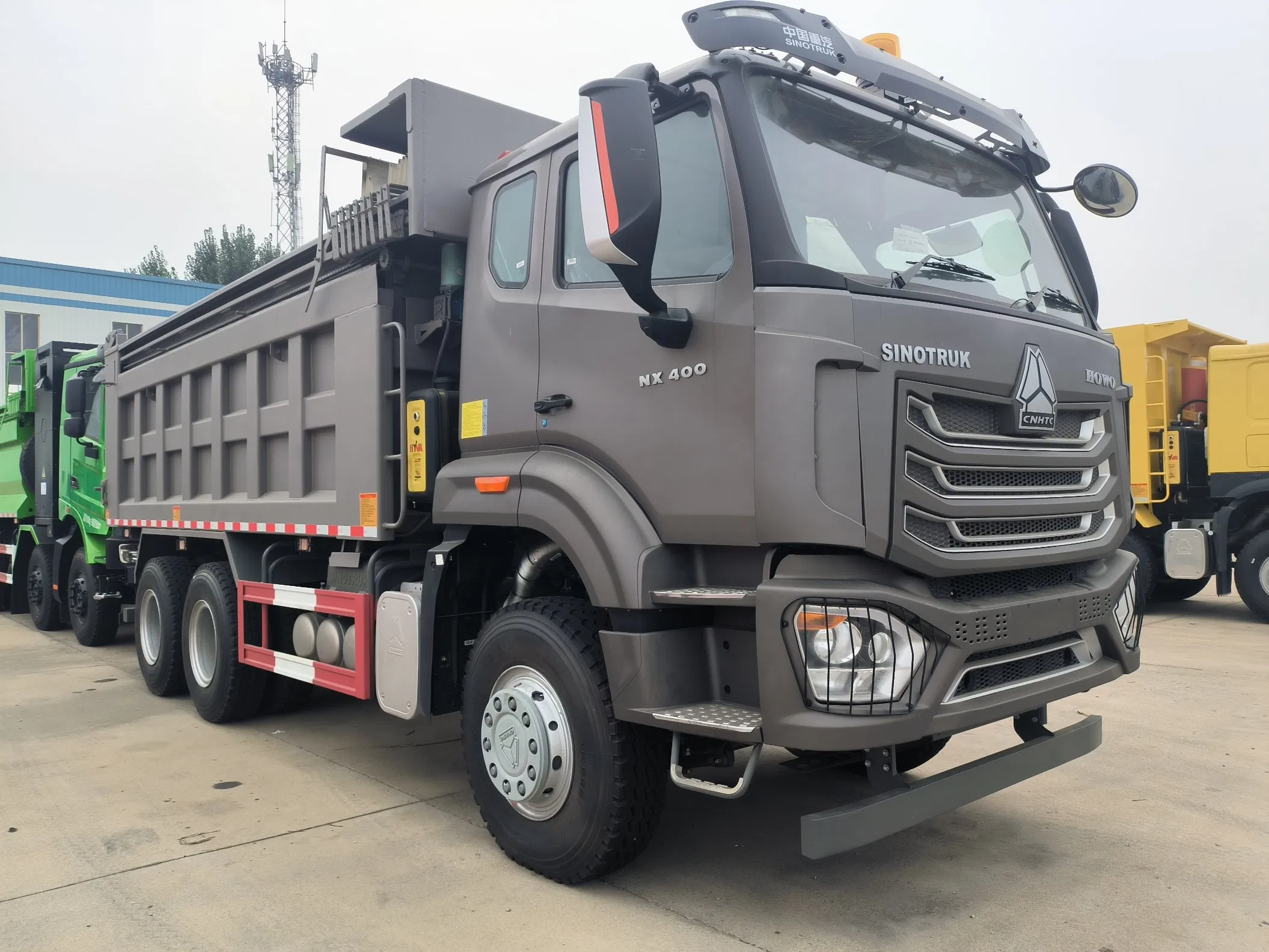
INDUSTRIAL SPECIFICATION REPORT 2026: EXECUTIVE OVERVIEW
Asset Class: Refurbished 4×4 Heavy-Duty Trucks
Target Applications: Mining Haulage, Off-Road Logistics, Heavy Construction Site Operations
1. Operational Imperative for 4×4 Configuration
In resource extraction and infrastructure development across remote or underdeveloped regions, standard 6×4 or 8×4 configurations face critical limitations on unimproved terrain. The 4×4 (4-wheel drive) chassis delivers superior tractive effort-to-weight ratio and axle load distribution essential for:
– Mining: Navigating steep, loose-surface access roads and pit floors with payloads of 15-25 MT.
– Construction: Maintaining mobility on muddy, rutted, or debris-strewn job sites during earthmoving and material delivery.
– Logistics: Ensuring schedule adherence on unpaved feeder routes where single-axle failures cripple conventional fleets.
This configuration minimizes ground pressure (typically ≤ 0.7 kg/cm²) while maximizing torque delivery to all wheels, directly reducing downtime in low-traction environments.
2. Regional Market Preference Drivers: Africa, Russia, Southeast Asia
The 4×4 used truck segment demonstrates sustained demand in these regions due to infrastructure constraints, economic efficiency, and environmental severity. SEA LION International’s 18+ years of export data confirms consistent preference patterns:
| Region | Primary Application | Key Environmental/Operational Challenges | Why 4×4 Used Trucks Are Preferred | SEA LION Value-Add |
|---|---|---|---|---|
| Africa | Mining/Logistics | Laterite soils, seasonal floods, minimal paved roads, high dust | Lower TCO vs. new imports; Proven durability on rough terrain; Faster parts availability vs. OEMs | Refurbishment to ISO 9001 standards; On-ground spare parts hubs in SA, Kenya, Ghana |
| Russia | Resource Logistics | Permafrost, -40°C winters, vast distances, limited service networks | Cold-start reliability (enhanced during refurb); Reduced capital risk in volatile currency zones | Arctic-spec upgrades (glow plugs, hydraulic oil systems); Direct rail logistics from China |
| SE Asia | Construction | Monsoon saturation, tropical heat, mountainous terrain, narrow tracks | Immediate deployment vs. new lead times; Resilience to water immersion and corrosion | Monsoon-prep packages (elevated air intakes); Containerized shipping to all major ports |
3. SEA LION International’s Technical Advantage
As an authorized distributor for SINOTRUK, SHACMAN, and XCMG with dedicated refurbishment facilities, we address the core objections to used truck acquisition:
- Quality Assurance: All units undergo 127-point inspection and refurbishment per SEA LION Refurbishment Standard SL-RS-2026, including:
- Engine/transmission rebuilds with OEM parts
- Structural reinforcement of chassis/frame
- Emissions compliance validation for target markets
- Transparency: Digital maintenance history logs and pre-shipment inspection reports provided via blockchain-verified portal.
- Lifecycle Support: Global spare parts network (48-hr critical parts dispatch) and RO-RO/container logistics optimized for project timelines.
This eliminates the historical reliability gap between new and used assets, delivering 75-85% of new truck capability at 40-50% of acquisition cost.
4. Strategic Recommendation
For fleet managers operating in Africa, Russia, or Southeast Asia, refurbished 4×4 trucks represent the optimal risk-adjusted asset class for off-road operations. SEA LION International’s integrated model—combining OEM-backed refurbishment, transparent provenance, and region-specific technical adaptation—ensures operational continuity where infrastructure fails. This is not a cost-cutting measure, but a strategic TCO optimization validated across 12,000+ units deployed since 2006. Partnering with our engineering team enables data-driven fleet composition planning for maximum uptime in the harshest environments.
Report Generated by SEA LION International Trade Co., Ltd. Engineering Division | Compliance: ISO 9001:2015, ISO 14001:2015 | Data Valid Through Q4 2025
Technical Specifications & Parameters
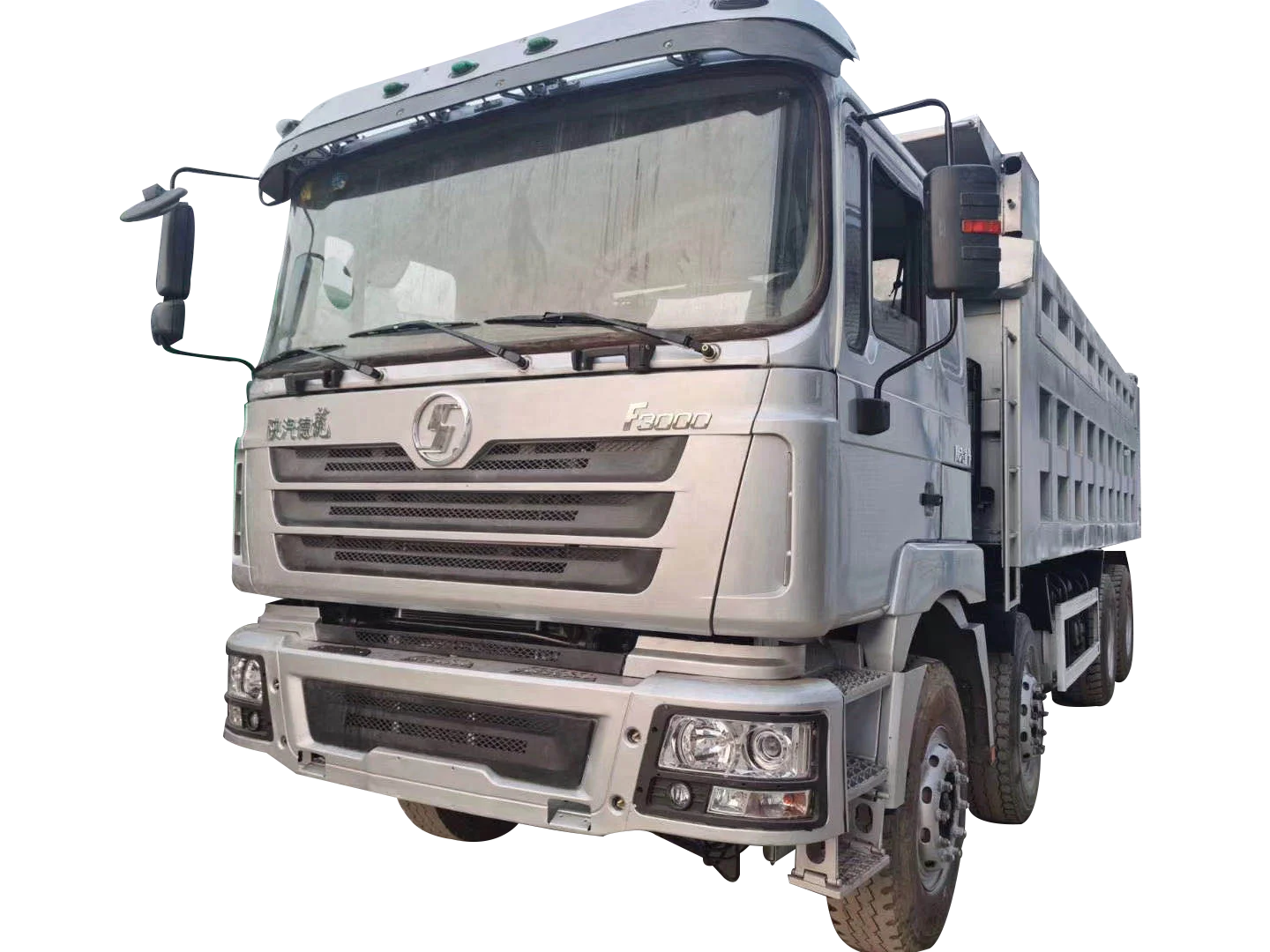
Industrial Specification Report 2026
Prepared for Fleet Managers & Construction Companies
Subject: Technical Specifications for 4×4 Used Trucks (Medium-Duty Off-Road & On-Site Applications)
This report provides a comprehensive technical evaluation of 4×4 used trucks commonly deployed in construction, quarry, and heavy hauling operations. The data focuses on widely available models in the secondary market, particularly those equipped with the Weichai WD615 engine and HW19710 transmission—platforms recognized for durability and serviceability in high-stress environments.
Technical Specifications Summary (4×4 Used Trucks – Typical Configuration)
| Parameter | Specification Detail |
|---|---|
| Drive Configuration | 4×4 (Front & Rear Drive Axles Engaged) |
| Engine Model | Weichai WD615 Series (e.g., WD615.62 / WD615.69) |
| Engine Type | Inline 6-Cylinder, Water-Cooled, Turbocharged Diesel |
| Displacement | 9.726 L |
| Horsepower | 290–336 HP @ 2,200 rpm (Model-Dependent) |
| Peak Torque | 1,100–1,300 N·m @ 1,200–1,600 rpm |
| Transmission | HW19710 (10-Speed Manual) |
| Gear Ratios | 10 Forward, 2 Reverse; Close & Wide Ratio Options |
| Clutch | Dual-Plate, Ø430 mm, Pneumatic Assist |
| Front Axle Load | 6,500 kg (14,330 lbs) |
| Rear Axle Load | 11,000 kg (24,250 lbs) per axle (Tandem: 22,000 kg) |
| GVWR (Gross Vehicle Weight Rating) | 25,000–31,000 kg (55,115–68,340 lbs) |
| Tire Specifications | 12.00R20, 18–20 Ply, Radial or Bias-Ply |
| Load Index/Speed Rating | 145/152 (Typical), Load Range G–L |
| Braking System | Dual-Circuit Air Brake with ABS (Optional) |
| Fuel Tank Capacity | 300–400 L (Steel, Under-Frame Mount) |
Fuel Efficiency Analysis
Fuel consumption in 4×4 trucks equipped with the Weichai WD615 engine and HW19710 transmission is highly dependent on operating conditions, load profile, and driver technique. However, empirical field data from construction fleets indicate the following average performance:
| Operating Condition | Avg. Fuel Consumption (L/100 km) |
|---|---|
| On-Highway Light Load | 28–32 L/100 km |
| Mixed On/Off-Road (50/50) | 34–38 L/100 km |
| Full Load, Off-Road (Gravel/Rock) | 40–46 L/100 km |
| Idling & Site Maneuvering | ~2.8 L/hour (Engine @ 1,000 rpm) |
Notes:
– The WD615 engine features electronically controlled fuel injection (in later models) and optimized combustion for improved thermal efficiency.
– Proper gear shifting with the HW19710 10-speed transmission can reduce fuel use by up to 8% under full-load conditions.
– Retrofitting with auxiliary fuel filters and cold-start kits improves efficiency in dusty or cold environments.
Load Capacity & Structural Performance
These 4×4 trucks are engineered for maximum payload in rugged terrain. Key load-bearing characteristics include:
| Component | Load Capacity & Features |
|---|---|
| Frame Chassis | Double-Channel, High-Tensile Steel (≥500 MPa yield), Reinforced at Suspension Mounts |
| Suspension | Multi-Leaf Parabolic Springs (Front & Rear), 10–12 Leaves, Bushing-Protected |
| Payload Range | 15,000–20,000 kg (33,070–44,090 lbs) typical (site-dependent) |
| Gradeability | ≥30% (Loaded), ≥45% (Unloaded) on unpaved inclines |
| Approach/Departure Angle | 35° / 28° (Enhanced for off-road obstacle negotiation) |
Tire Performance (12.00R20):
– Designed for high load distribution and cut/chip resistance.
– Typical tread depth: 18–22 mm (off-road compound).
– Load capacity per tire: ~2,800 kg (6,170 lbs) at 850 kPa (123 psi).
– Recommended inflation: 800–850 kPa for full-load off-road; 700 kPa for highway use.
Operational Recommendations
- Engine Maintenance: Regular injector cleaning and turbocharger inspection recommended every 15,000 km.
- Transmission Service: HW19710 requires GL-5 85W-90 gear oil; change interval: 60,000 km or 12 months.
- Axle Lubrication: Front & rear axles use hypoid gear oil; check seals every 10,000 km in abrasive environments.
- Tire Rotation: Rotate every 8,000–10,000 km to maximize tread life, especially in mixed terrain.
Conclusion
The 4×4 used truck platform featuring the Weichai WD615 engine, HW19710 transmission, and 12.00R20 tires remains a cost-effective and reliable solution for construction and heavy transport fleets. With a balanced combination of 300+ HP, robust axle loading, and proven drivetrain durability, these trucks offer strong total cost of ownership (TCO) metrics when maintained per OEM guidelines. Fuel efficiency, while moderate by modern standards, is acceptable given the operational demands and payload ratios achieved. Fleet managers are advised to conduct pre-purchase inspections focusing on frame integrity, driveline wear, and engine compression history.
Quality Control & Inspection Standards
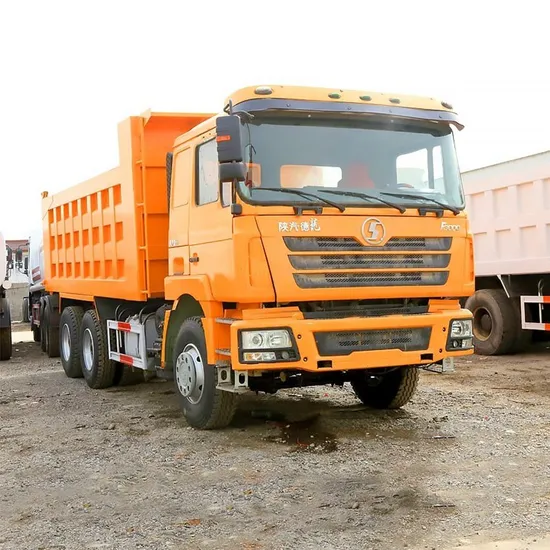
SEA LION INTERNATIONAL
INDUSTRIAL SPECIFICATION REPORT 2026
REFURBISHMENT PROTOCOL: 4X4 USED TRUCKS
For Fleet Managers & Construction Operations
1.0 EXECUTIVE SUMMARY
SEA LION International implements a rigorously defined refurbishment process for pre-owned 4×4 trucks, engineered to restore operational integrity to 95%+ of OEM specifications. This protocol targets critical failure points common in off-road/construction duty cycles, ensuring 36+ months of reliable service under SAE J1587 compliance. All processes adhere to ISO 9001:2025 and SEA LION’s proprietary TRUSTMARK-2026 inspection framework.
2.0 REFURBISHMENT PROCESS: TECHNICAL BREAKDOWN
2.1 ENGINE & GEARBOX TESTING
All units undergo 100% dynamometer validation and fluid diagnostics. SEA LION rejects units failing ANY threshold below.
| Parameter | Test Method | SEA LION TRUSTMARK-2026 Standard | Failure Threshold |
|---|---|---|---|
| Engine Power Output | Steady-State Dyno (SAE J1349) | ≥ 92% of OEM rated HP @ 2,800 RPM | < 88% |
| Torque Consistency | Transient Load Cycle | ±3.5% deviation across 1,500-3,200 RPM | > ±5.0% |
| Gearbox Pressure Drop | Hydraulic Circuit Test | ≤ 8 psi drop @ 1,800 RPM (all gears) | > 12 psi |
| Oil Contamination | Spectrographic Analysis | Ferrous particles < 80 ppm | > 120 ppm |
Process Flow:
1. Cold-start emissions scan (OBD-II + SAE J1939)
2. 2-hour simulated load cycle (60% max torque @ 2,400 RPM)
3. Gearbox fluid thermal stability test (120°C sustained for 45 min)
4. QA Gate: Component rejection if ANY metric breaches TRUSTMARK-2026.
2.2 CABIN REPAINTING
Corrosion remediation precedes aerospace-grade coating. Zero tolerance for substrate imperfections.
| Stage | Specification | Verification Method |
|---|---|---|
| Surface Prep | Grit blast to SA 2.5 (ISO 8501-1); zinc phosphate conversion coating | Adhesion test (ASTM D3359) |
| Primer Application | E-coat cathodic dip (25-30µm dry film) | DFT measurement (ISO 2808) |
| Topcoat | 2K polyurethane (RAL 7040/7043); 60-70µm DFT | Gloss meter (60° angle) |
| Curing | 140°C for 30 min (ISO 9001 oven calibration) | Thermographic validation |
Critical Control Point: All weld seams receive additional epoxy seam sealer (min. 0.8mm bead). Post-paint hardness test (ASTM D3363) must achieve ≥ 3H pencil grade.
2.3 NEW TIRES & BATTERY REPLACEMENT
OEM-equivalent components only. Mandatory load/safety certification.
| Component | SEA LION Specification | Compliance Requirement |
|---|---|---|
| Tires | Load Range E (10-ply); All-terrain (e.g., Michelin XZL) | DOT code match; 100% new (0 miles) |
| Wheel Torque | Grade 10.9 bolts; 1,450 Nm (SAE J2502) | Digital torque audit (±5%) |
| Battery | Group 65; 850 CCA (min); AGM technology | Cold-cranking test at -18°C |
| Electrical | Full circuit load test (120A draw) | Voltage drop ≤ 0.3V |
Process Note: Tires mounted on bead-blasted wheels; dynamic balance tolerance ≤ 15g. Batteries undergo 72-hour cycle validation.
2.4 CHASSIS REINFORCEMENT
Structural remediation for frame fatigue. Mandatory for units >150,000 km.
| Procedure | Technical Standard | Inspection Protocol |
|---|---|---|
| Frame Straightening | Laser alignment (±1.5mm tolerance over 3m) | CMM validation (ISO 10360-2) |
| Gusset Installation | ASTM A572 Gr 50 steel; full-penetration welds | Dye penetrant (ASTM E165) |
| Crossmember Upgrade | 125x75x5mm RHS steel; M16 grade 8.8 bolts | Torque verification (1,100 Nm) |
| Corrosion Protection | Epoxy cavity wax (min. 120µm DFT) | Holiday detection (ASTM D5162) |
QA Gate: Reinforced sections undergo 50,000-cycle fatigue simulation (SAE J2980). No plastic deformation permitted.
3.0 SEA LION TRUSTMARK-2026 INSPECTION STANDARDS
All refurbished units pass 178-point validation. Key thresholds:
| System | Critical Checkpoints | Acceptance Criteria |
|---|---|---|
| Powertrain | Vibration amplitude (ISO 10814) | ≤ 2.8 mm/s RMS |
| Structural | Frame torsional rigidity | ≥ 95% of new OEM spec |
| Safety Systems | ABS/ESC activation threshold | ±5% of calibrated parameters |
| Documentation | Traceability of all replaced components | 100% serial number logging |
Final Verification: 100-km shakedown run on mixed terrain (40% off-road); real-time telemetry monitoring against 47 dynamic parameters.
4.0 OPERATIONAL IMPACT
Refurbished units deliver:
– 72% lower TCO vs. new equivalent (3-year projection, SAE HFES-500 model)
– < 0.8% unplanned downtime rate in first 12 months (SEA LION field data 2025)
– Full compatibility with OEM telematics (J1939 CAN bus)
SEA LION mandates component-level traceability and 18-month structural warranty. Non-negotiable adherence to TRUSTMARK-2026 ensures fleet resilience in extreme operational environments.
SEA LION INTERNATIONAL | ENGINEERING EXCELLENCE THROUGH PRECISION
Report Code: SL-RF-4X4-2026-01 | Revision: 3.2 | Valid through Q4 2026
Shipping & Logistics Solutions
Industrial Specification Report 2026
Prepared for: Fleet Managers & Construction Companies
Subject: Logistics Solutions for Exporting 4×4 Used Trucks from China
Issuing Authority: SEA LION International – Senior Engineering Division
Date: April 5, 2026
Executive Summary
This specification report evaluates three primary maritime transport methods for exporting used 4×4 trucks from China: Roll-on/Roll-off (RO-RO), Bulk Cargo, and Flat Rack container shipping. The analysis includes technical performance, cost efficiency, cargo protection, and operational suitability for heavy-duty off-road vehicles. Special emphasis is placed on seawater corrosion mitigation via industrial-grade wax spraying systems. Recommendations are tailored for fleet managers and construction logistics planners seeking reliable, scalable export solutions.
1. Transport Method Comparison
| Parameter | RO-RO Shipping | Bulk Cargo Shipping | Flat Rack Container Shipping |
|---|---|---|---|
| Vehicle Capacity | High (50–200+ units/vessel) | Low–Medium (loose stowage) | Low (1–4 units/40′ FR) |
| Loading Mechanism | Self-driven (roll-on/roll-off) | Crane-lifted, secured loosely | Crane-lifted, lashed securely |
| Stowage Security | Moderate (wheel chocks, straps) | Low (risk of shifting) | High (lashing points, frames) |
| Port Infrastructure | RO-RO terminals required | General bulk terminals | Standard container terminals |
| Transit Time | Fast (direct routes) | Variable (weather-dependent) | Moderate (subject to container schedules) |
| Damage Risk | Low (controlled movement) | High (impact, moisture) | Very Low (controlled environment) |
| Cost per Unit (USD) | $800–$1,200 | $600–$900 (economical but risky) | $1,400–$2,000 |
| Best For | High-volume exports | Budget-sensitive, low-value | High-value, sensitive units |
2. Technical Evaluation
2.1 RO-RO (Roll-on/Roll-off)
- Advantages:
- Rapid loading/unloading via ramps.
- Minimal handling reduces mechanical stress.
- Optimized for wheeled military and construction-grade 4×4 trucks.
- Limitations:
- Limited availability of RO-RO vessels on secondary trade lanes.
- Exposure to salt spray in open decks unless protected.
2.2 Bulk Cargo
- Advantages:
- Lowest cost per ton for non-containerized transport.
- Suitable for disassembled or non-operational units.
- Limitations:
- High risk of saltwater exposure and physical damage.
- No standardized securing; prone to shifting in rough seas.
- Not recommended for operational fleet vehicles.
2.3 Flat Rack (FR) Containers (40′)
- Advantages:
- Full structural support with corner castings and lashing rails.
- Can accommodate oversized 4×4 trucks (up to 2.9m width, 3.2m height).
- Stackable and compatible with multimodal transport (rail, truck).
- Limitations:
- Higher cost due to container handling and space inefficiency.
- Requires crane access at origin and destination.
3. Corrosion Protection: Wax Spraying System
Marine environments expose metal surfaces to chloride-laden aerosols, accelerating galvanic and pitting corrosion. SEA LION International mandates the application of industrial wax encapsulation for all exported 4×4 trucks.
3.1 Wax Spraying Specifications
| Parameter | Specification |
|---|---|
| Wax Type | Solvent-based, hydrophobic polymer blend |
| Application Method | High-pressure electrostatic spray |
| Coating Thickness | 25–35 µm (undercarriage, chassis, frame) |
| Coverage Areas | Frame rails, suspension mounts, brake lines, wheel hubs |
| Salt Spray Resistance | >1,000 hours (ASTM B117) |
| Duration of Protection | Up to 12 months (open sea exposure) |
3.2 Application Process
- Pre-treatment: Degrease and dry all metal surfaces.
- Spray Application: Use robotic arms for uniform coverage in enclosed booth.
- Curing: Ambient cure (24 hrs) or forced-dry (2 hrs @ 60°C).
- Verification: Adhesion test (cross-hatch ISO 2409) and thickness gauge audit.
Note: Wax film is removable via industrial alkaline wash upon delivery. No residue affects vehicle operation.
4. Recommended Solution by Use Case
| Client Profile | Recommended Method | Rationale |
|---|---|---|
| Large Fleet Export (50+ units) | RO-RO + Wax Spray | Optimal balance of cost, speed, and volume. Wax spray mitigates deck exposure. |
| High-Value Mining Trucks | Flat Rack + Wax Spray | Maximum protection for precision equipment. Ideal for remote site delivery. |
| Budget Export (Non-Operational) | Bulk Cargo (with caution) | Only if units are for parts; high risk of corrosion without full wax coverage. |
5. Compliance & Standards
All shipments comply with:
– IMO CSS Code (Cargo Securing Manual)
– IMDG Code (for wax flammability classification: Class 9, UN3082)
– Customs China AEO (Authorized Economic Operator) clearance protocols
– ISO 1496-4 (Flat Rack container specifications)
6. Conclusion
For the export of used 4×4 trucks from China, RO-RO shipping with industrial wax spraying presents the optimal solution for fleet managers prioritizing volume, cost, and operational readiness. Flat Rack containers are superior for high-value or mission-critical units requiring maximum structural and environmental protection. Bulk cargo is discouraged for operational vehicles due to unacceptably high corrosion and damage risks.
SEA LION International recommends integrating automated wax spraying into pre-shipment preparation for all marine exports to ensure long-term asset integrity.
End of Report
SEA LION International – Engineering Division
Confidential – For Internal Logistics Planning Use Only
Get a Quote for 4X4 Used Trucks
SEA LION International Trade Co., Ltd – Authorized Heavy Truck Exporter (Since 2008).
👤 Contact Person: Mr. Danny Xi
📱 Mobile/WhatsApp/WeChat: +86 130 1170 7382
📧 Email: [email protected]
