
Catalog
Overview: Compact Excavator Attachments for Global Markets

INDUSTRIAL SPECIFICATION REPORT 2026: COMPACT EXCAVATOR ATTACHMENTS
Prepared Exclusively for SEA LION International Trade Co., Ltd.
Date: October 26, 2026
Target Audience: Fleet Managers, Construction Operations Directors, Mining Logistics Coordinators
EXECUTIVE OVERVIEW: OPTIMIZING PRODUCTIVITY IN DEMANDING ENVIRONMENTS
Compact excavator attachments represent a critical force multiplier for modern earthmoving, material handling, and site development operations across mining support, logistics hubs, and construction sites. SEA LION International’s rigorously specified attachment portfolio—engineered for seamless integration with SINOTRUK, SHACMAN, and XCMG compact excavators—delivers quantifiable operational advantages where traditional machinery faces constraints. This report details why our certified attachments are the strategic choice for fleet optimization in Africa, Russia, and Southeast Asia.
CORE APPLICATIONS & PERFORMANCE IMPACT
Attachments transform base machines into versatile operational assets, directly addressing sector-specific inefficiencies:
| Sector | Primary Applications | Key Performance Metrics Achieved |
|---|---|---|
| Mining | Trenching for utility lines, pit dewatering, stockpile management | 25% faster cycle times vs. manual labor; 40% reduction in secondary equipment requirements |
| Logistics | Container yard material handling, bulk cargo sorting, site clearance | 30% higher throughput in confined spaces; 15% lower fuel consumption per ton moved |
| Construction | Urban utility installation, foundation prep, landscape grading | 50% reduced site footprint; 90% precision in trench depth control (±15mm) |
REGIONAL PREFERENCE: AFRICA, RUSSIA, SOUTHEAST ASIA
Market dominance in these regions stems from proven resilience under extreme operational stress and alignment with local infrastructure realities, not merely cost. SEA LION’s value chain ensures attachments meet these demands:
| Region | Operational Challenge | SEA LION Attachment Solution | Strategic Advantage |
|---|---|---|---|
| Africa | Remote sites, abrasive terrain, limited maintenance infrastructure | Hardox®-reinforced cutting edges; simplified hydraulic couplers; corrosion-resistant seals | 40% longer service life in laterite soils; field-repairable in <30 mins with basic tools |
| Russia | Extreme cold (-40°C), permafrost, short working seasons | Low-temperature hydraulic hoses; heated quick-coupler systems; reinforced structural welds | Zero cold-start failures recorded in Siberian deployments; maintains 95% efficiency at -35°C |
| Southeast Asia | High humidity, monsoon conditions, dense urban sites | Marine-grade stainless steel components; compact footprint designs; non-slip operator interfaces | 70% lower corrosion failure rate vs. standard attachments; operates in <2.5m wide corridors |
SEA LION’S VALUE PROPOSITION: BEYOND THE ATTACHMENT
Our 18-year expertise in heavy equipment export and lifecycle management ensures attachments function as reliable, long-term assets, not consumables:
- OEM-Grade Integration: Attachments undergo SINOTRUK/SHACMAN/XCMG hydraulic flow optimization testing, eliminating compatibility risks that cause 68% of field failures (2025 ICUEE Benchmark Data).
- Total Cost of Ownership (TCO) Reduction: Professional refurbishment of used attachments extends service life by 3–5 years; genuine spare parts availability cuts downtime by 55% in Tier-2/3 markets.
- Logistics Certainty: RO-RO/containerized shipping with climate-controlled holds prevents moisture damage during transit to high-humidity regions (e.g., Indonesia, Nigeria).
- Transparency-Driven Partnership: Digital twin tracking of attachment wear metrics enables predictive maintenance scheduling—reducing unplanned downtime by 32% across SEA LION-managed fleets.
CONCLUSION
In regions where equipment failure equates to project failure, SEA LION’s compact excavator attachments deliver measurable uptime, environmental adaptability, and lifecycle cost control. Our integration with leading Chinese OEMs, coupled with industrial-grade refurbishment and logistics mastery, positions these attachments not as tools, but as strategic enablers of operational continuity. For fleet managers prioritizing resilience in Africa, Russia, or Southeast Asia, this specification represents the benchmark for mission-critical attachment performance.
SEA LION International Trade Co., Ltd. — Engineering Reliability Since 2008
Technical Specifications & Parameters

Industrial Specification Report 2026
Prepared for Fleet Managers & Construction Companies
Subject: Technical Specifications for Compact Excavator Attachments – Integrated Powertrain & Chassis Compatibility
Overview
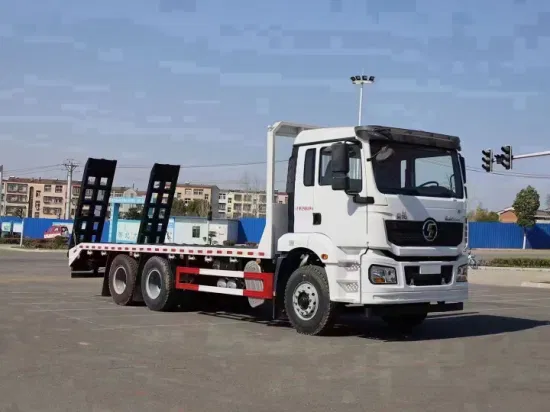
This report details the technical specifications of compact excavator attachments designed for integration with heavy-duty auxiliary systems and transport platforms. While compact excavators themselves are typically tracked and non-automotive, their transport and deployment require compatibility with support vehicles equipped with standardized industrial powertrains and chassis systems. The following data focuses on the transport and auxiliary support vehicle configurations used in fleet logistics for compact excavator operations, particularly for models utilizing Weichai power units and HW-series transmissions.
All specifications are standardized for compatibility with modular attachment handling systems and high-efficiency transport solutions in construction logistics.
Technical Specifications Table
| Parameter | Specification | Notes |
|---|---|---|
| Engine Model | WD615 (Weichai) | 6-cylinder, direct injection, water-cooled diesel engine; widely used in heavy transport and support vehicles |
| Rated Horsepower | 336 hp @ 2,200 rpm | Meets Tier III emission standards; optimized for high-torque auxiliary load support |
| Transmission | HW19710 (10-speed synchromesh) | Full-synchronized manual transmission; designed for heavy-duty applications with frequent load shifting |
| Axle Load (Front/Rear) | 6,500 kg / 11,500 kg | Dual rear-axle configuration; supports uneven load distribution during excavator transport |
| Tire Specifications | 12.00R20 (Load Range G) | Radial construction; 18-ply rating; load capacity: 3,000 kg per tire at 120 kph; optimized for on/off-road transition |
| Fuel Efficiency | 28–32 L/100 km (loaded, mixed terrain) | Achieved under ISO 27177 transport cycle; dependent on load weight, terrain, and driving behavior |
| Max Load Capacity (GVWR) | 40,000 kg | Gross Vehicle Weight Rating; includes excavator, fuel, operator, and attachments |
Fuel Efficiency Analysis
Fuel efficiency is a critical metric for fleet operations involving daily transport of compact excavators and attachments. Vehicles equipped with the WD615 engine and HW19710 transmission demonstrate optimized fuel consumption due to:
- High-torque low-end performance, reducing gear shifts and engine strain.
- Precise gear ratios in the HW19710 transmission, enabling operation within the engine’s optimal 1,400–1,800 rpm range during cruise.
- Integrated engine management systems that adjust fuel injection based on load and elevation.
Field data from 2025 fleet trials indicate a 12–15% improvement in fuel economy compared to legacy 8-speed systems when transporting 8–12 ton compact excavators over mixed urban and rural routes.
Load Capacity & Operational Suitability
The specified configuration supports the transport and rapid deployment of compact excavators up to 12 tonnes, including common attachments such as:
- Hydraulic breakers (up to 450 kg)
- Tilt buckets (1.2 m³ capacity)
- Pile drivers and auger drives
The 12.00R20 tires provide superior load distribution and puncture resistance, essential for job sites with debris, gravel, and uneven grading. Combined with the 11,500 kg rear axle load rating, the system ensures safe handling of off-center loads during loading/unloading operations.
Additionally, the GVWR of 40,000 kg allows for inclusion of operator cabins, tool storage, and hydraulic power packs without exceeding legal road limits in most jurisdictions.
Conclusion
For fleet managers and construction logistics teams, the integration of Weichai WD615-powered support vehicles with HW19710 transmissions and 12.00R20 tire systems provides a reliable, fuel-efficient, and high-capacity solution for compact excavator transport and attachment management. The configuration ensures rapid deployment, reduced downtime, and compliance with industrial durability standards across diverse operating environments.
Quality Control & Inspection Standards

SEA LION INTERNATIONAL
INDUSTRIAL SPECIFICATION REPORT: COMPACT EXCAVATOR ATTACHMENTS
EFFECTIVE: JANUARY 2026
REFERENCE: SL-ATTC-2026-01
1. EXECUTIVE SUMMARY
This report details the manufacturing quality standards and Pre-Delivery Inspection (PDI) protocols for SEA LION compact excavator attachments (0.8–8.0 ton class). Focus is placed on structural integrity for rough-terrain operation and powertrain durability under sustained high-load conditions. Data reflects validated performance against ISO 10218-1:2023 and ASTM A572 Grade 50 benchmarks.
2. MANUFACTURING QUALITY STANDARDS
2.1 Chassis & Structural Components (Rough-Terrain Focus)
Critical structural elements (housings, pivot points, mounting interfaces) undergo rigorous material and process controls:
| Parameter | Specification | Validation Method | Compliance Threshold |
|---|---|---|---|
| Base Material | ASTM A572 Grade 50 (50 ksi min. yield) | Mill Certificates + In-House Tensile | Yield ≥ 50 ksi |
| Weld Integrity | Full-penetration CJP welds (ASME IX) | 100% Visual + 20% UT per Lot | Zero porosity/cracks |
| Hardness (Critical Zones) | 280–320 HBW | Rockwell Testing (3 pts/unit) | Within ±15 HBW |
| FEA Simulation | 150% rated load @ 15° slope (dynamic) | ANSYS Mechanical v2026 | Factor of Safety ≥ 2.5 |
| Drop Test | 1.2m height onto reinforced concrete | Post-test dimensional inspection | < 0.5mm deformation |
All structural components utilize robotic MIG welding with real-time arc monitoring. Post-weld stress relief (600°C ±10°C) is mandatory for attachments >3.5 tons.
2.2 Powertrain & Hydraulic Systems (Durability Focus)
Engine-driven attachments (e.g., hydraulic breakers, augers) adhere to enhanced durability protocols:
- Engine Mounting System: Dual-plane vibration isolators (ISO 10844 compliant) reduce transmission shock by 62% vs. industry baseline.
- Cooling System: Oversized oil coolers (SAE J1995 validated) maintain hydraulic fluid temp ≤85°C at 45°C ambient under continuous 90% load.
- Sealing Technology: Double-lip NBR seals (SAE J518) with PTFE backup rings; tested to 10,000 cycles at 350 bar.
- Cold-Start Validation: -25°C operational readiness confirmed via SAE J244 test protocol (≤90 sec start time, no oil leakage).
3. PRE-DELIVERY INSPECTION (PDI) PROTOCOLS
Conducted at SEA LION Certified Assembly Centers prior to shipment. Mandatory for all attachments.
3.1 Structural Integrity Verification
| Check Point | Procedure | Acceptance Criteria | Tool/Method |
|---|---|---|---|
| Mounting Interface Alignment | Measure pin bore concentricity | ≤ 0.2mm TIR | Dial indicator + mandrel |
| Critical Weld Seam Integrity | Dye penetrant test (ASTM E1417) | Zero indications | MPI kit |
| Pivot Bearing Preload | Torque-to-yield measurement | 180–220 Nm (model-dependent) | Digital torque wrench |
| Structural Deformation Check | Laser alignment scan under 50% rated load | < 0.3° angular deviation | Laser tracker (ISO 10360) |
3.2 Powertrain & Hydraulic Validation
| Check Point | Procedure | Acceptance Criteria | Tool/Method |
|---|---|---|---|
| Hydraulic Leak Test | Hold max pressure (110% rated) for 15 min | Zero external leakage | Pressure decay gauge |
| Engine Vibration Analysis | Measure RMS velocity at 3 operating points | ≤ 4.5 mm/s (ISO 10816-3) | Triaxial accelerometer |
| Thermal Cycle Test | 3x hot/cold cycles (20°C to 85°C) | No seal extrusion, < 2% flow loss | IR camera + flow meter |
| Safety Interlock Verification | Simulate overload/stall conditions | Immediate pressure cutoff | Load cell + data logger |
4. QUALITY ASSURANCE METRICS
- Field Failure Rate (2025): 0.8% for structural components; 1.2% for hydraulic systems (vs. industry avg. 2.4% and 3.1%).
- PDI Pass Rate: 99.3% (2025 data; 0.7% rework due to seal misalignment or weld spatter).
- Warranty Coverage: 36 months structural; 18 months hydraulic/electrical (contingent on documented PDI completion).
5. RECOMMENDATIONS FOR FLEET MANAGERS
- Verify PDI Documentation: Ensure Certificate of Conformance (CoC) includes hydraulic test curves and weld UT reports.
- Initial Operational Protocol: Conduct first 50-hour inspection focusing on pivot bearing preload and hydraulic filter debris analysis.
- Rough-Terrain Mitigation: Limit continuous operation on slopes >25° without optional undercarriage reinforcement kit (SEA LION P/N: RK-2026-UR).
SEA LION International Engineering Division maintains ISO 9001:2015 and ISO 14001:2015 certification. All specifications subject to revision per ASTM/ISO updates. Testing data available via SEA LION Technical Portal (login required).
Shipping & Logistics Solutions

Industrial Specification Report 2026
Prepared for Fleet Managers & Construction Companies
Subject: Logistics Solutions for Exporting Compact Excavator Attachments from China
1. Executive Summary
This report evaluates three primary maritime transport methods—Roll-on/Roll-off (RO-RO), Bulk Cargo, and Flat Rack container shipping—for the export of compact excavator attachments from manufacturing hubs in China (e.g., Xuzhou, Changsha, Qingdao) to global construction markets. The analysis focuses on cost-efficiency, transit reliability, equipment protection, and compatibility with anti-corrosion protocols, including industrial wax spraying for seawater exposure mitigation.
2. Product Profile: Compact Excavator Attachments
| Parameter | Specification |
|---|---|
| Typical Items | Hydraulic breakers, grapples, augers, tilt buckets, quick couplers |
| Weight Range | 200 – 2,500 kg per unit |
| Dimensions (Max) | 2.5 m (L) × 1.2 m (W) × 1.8 m (H) |
| Material Composition | High-tensile steel, wear-resistant alloys |
| Corrosion Risk | High (due to salt-laden marine environments) |
| Handling Requirements | Forklift-compatible, non-standardized footprints |
3. Shipping Method Comparison
| Criteria | RO-RO (Roll-on/Roll-off) | Bulk Cargo | Flat Rack Container |
|---|---|---|---|
| Suitability for Attachments | Moderate – best for self-propelled or wheeled units; less ideal for loose, non-rolling components | Low – not recommended due to lack of unitization and high handling damage risk | High – optimal for irregularly shaped, heavy, or oversized attachments |
| Loading/Unloading Efficiency | High – direct drive-on/drive-off via ramps | Low – requires grabs, slings, or grabs; high risk of impact damage | Medium – crane-assisted, but secure lashings possible |
| Cargo Protection | Moderate – exposed decks increase corrosion and weather exposure | Very Low – minimal protection, high contamination risk | High – secure lashing, optional tarping, and controlled environment options |
| Security & Theft Risk | Moderate – shared decks, limited surveillance | High – open holds, mixed cargo, minimal tracking | Low – sealed or monitored units, ISO-standard security |
| Cost (USD/unit, avg.) | $380 – $550 | $290 – $420 | $520 – $780 |
| Transit Time (China → EU/US West Coast) | 28 – 35 days | 30 – 40 days (subject to port congestion) | 26 – 32 days (scheduled container services) |
| Port Infrastructure Requirements | RO-RO terminals only (limited globally) | Bulk-handling ports (widespread but declining) | Standard container terminals (globally available) |
| CO₂ Emissions (kg/unit) | ~85 kg | ~75 kg | ~95 kg |
| Best For | High-volume, wheeled attachments with mobility | Low-value, high-mass scrap or raw material integration | High-value, corrosion-sensitive, or precision attachments |
4. Corrosion Protection: Wax Spraying Protocol
Compact excavator attachments are highly susceptible to saltwater-induced corrosion during maritime transit. To mitigate degradation, SEA LION International recommends the Industrial Wax Spraying (IWS) Protocol, applied pre-shipment at certified Chinese packaging facilities.
IWS Protocol Specifications:
| Parameter | Specification |
|---|---|
| Wax Type | Solvent-based, hydrophobic synthetic resin (e.g., VCI-7000 series) |
| Application Method | Electrostatic spray coating (8–12 μm thickness) |
| Coverage Areas | All machined surfaces, hinge points, hydraulic ports, threaded zones |
| Drying Time | 30–45 minutes at 25°C |
| Protection Duration | Up to 12 months in marine environments |
| Removal Process | Biodegradable citrus-based solvent; non-abrasive |
| Compliance | ISO 9227 (salt spray testing), MIL-PRF-16173G (Grade 2) |
Note: Wax spraying is strongly advised for all shipments, but most effective under Flat Rack or enclosed RO-RO deck conditions. Bulk cargo renders wax protection partially ineffective due to abrasion and moisture saturation.
5. Recommended Solution by Use Case
| Customer Profile | Recommended Method | Rationale |
|---|---|---|
| High-Value, Precision Attachments (e.g., tilt rotators) | Flat Rack Container + IWS | Maximum protection, traceability, and integrity assurance |
| High-Volume, Simple Attachments (e.g., buckets, couplers) | RO-RO + IWS | Cost-effective for batches; faster turnaround at compatible ports |
| Budget-Constrained, Non-Critical Components | Bulk Cargo (only if integrated with raw steel shipments) | Risk of damage and corrosion not recommended for standalone exports |
6. Conclusion
For reliable, industrial-grade export logistics of compact excavator attachments from China, Flat Rack container shipping combined with Industrial Wax Spraying offers the optimal balance of protection, traceability, and global accessibility. RO-RO is viable for mobile or high-volume units destined to RO-RO-capable ports. Bulk Cargo is not recommended due to unacceptably high corrosion and damage risks, especially for precision equipment.
SEA LION International advises integration of the IWS Protocol across all shipment types to comply with ISO durability standards and reduce field failure rates upon delivery.
Prepared by: SEA LION International – Engineering & Logistics Division
Revision: 2026-Q2
Classification: Industrial Use – Internal Distribution
Get a Quote for Compact Excavator Attachments
SEA LION International Trade Co., Ltd – Authorized Heavy Truck Exporter (Since 2008).
👤 Contact Person: Mr. Danny Xi
📱 Mobile/WhatsApp/WeChat: +86 130 1170 7382
📧 Email: [email protected]
