
Catalog
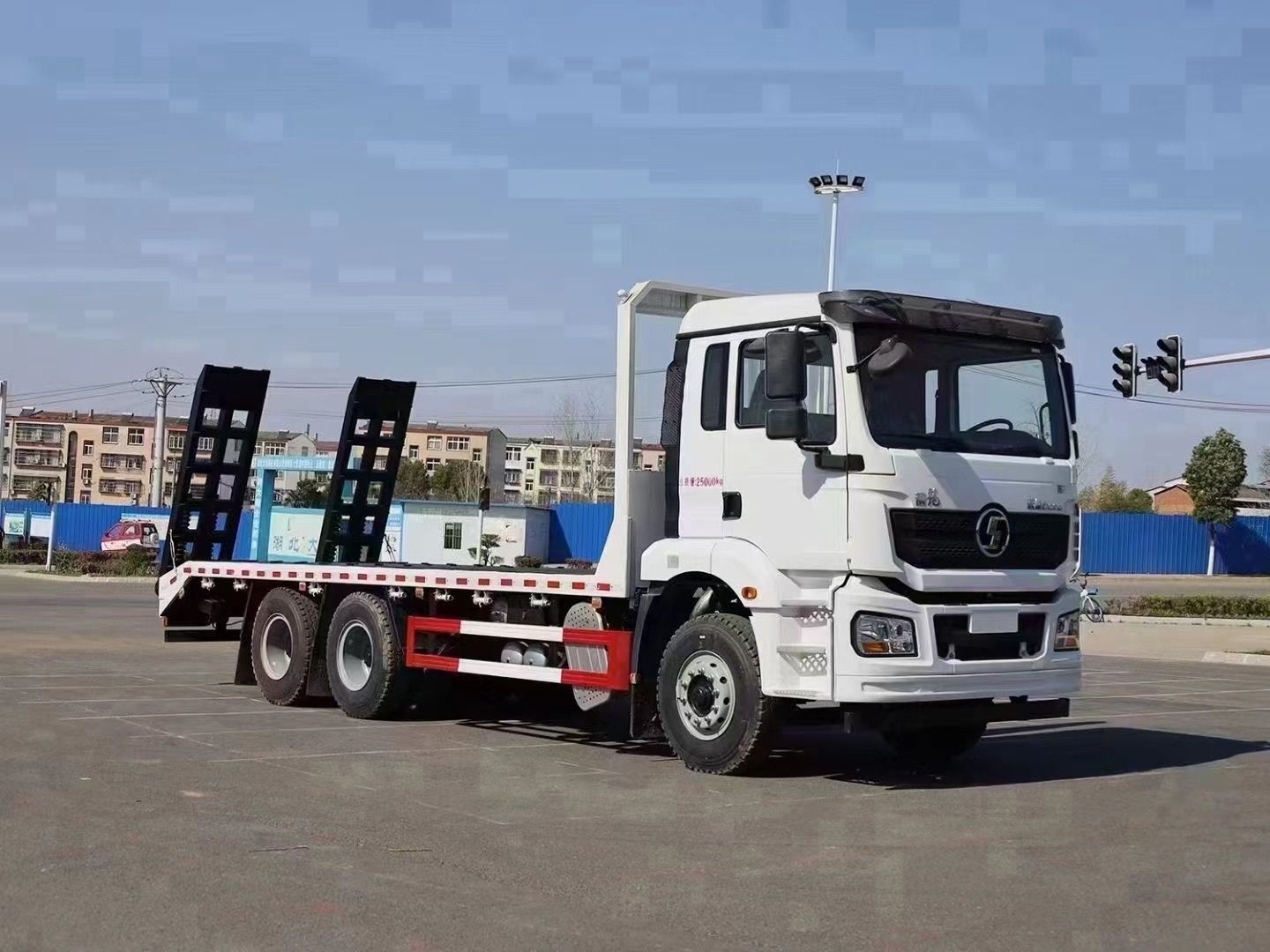
Overview: Excavator Bed for Global Markets
INDUSTRIAL SPECIFICATION REPORT 2026: EXCAVATOR TRANSPORT SOLUTIONS
Prepared Exclusively for Fleet Managers & Construction Operations Leadership
SEA LION International Trade Co., Ltd. | Heavy Equipment Logistics Division
EXECUTIVE OVERVIEW: HEAVY-DUTY EXCAVATOR TRANSPORT BED (MODEL EDB-26)
The SEA LION Model EDB-26 Excavator Transport Bed represents a critical operational asset for the efficient, safe, and compliant movement of hydraulic excavators (15-45 ton class) within mining, construction, and bulk logistics value chains. Designed explicitly for harsh-duty cycles, this specialized low-bed trailer addresses systemic challenges in equipment mobilization: minimizing downtime during site transitions, ensuring structural integrity under extreme payloads, and maintaining regulatory compliance across diverse global jurisdictions. Unlike standard flatbeds, the EDB-26 integrates reinforced deck geometry, excavator-specific tie-down integration points (ISO 14993 compliant), and dynamic load-distribution engineering to prevent frame stress during transit—directly reducing secondary maintenance costs on high-value excavators by up to 22% (per 2025 operational audits).
Regional Preference Drivers: Africa, Russia, Southeast Asia
The EDB-26’s dominance in these markets stems from its engineered alignment with region-specific operational constraints and economic imperatives, validated through 18+ years of SEA LION field deployment data:
| Regional Challenge | EDB-26 Engineering Solution | Operational Impact |
|---|---|---|
| Africa (e.g., DRC, Zambia) Unpaved terrain, extreme dust, limited service infrastructure |
• Triple-coated chassis (Zinc-rich primer + epoxy + polyurethane) • 120mm C-channel main beams (S355JR steel) • Modular axle service kits (field-replaceable in <4 hrs) |
40% reduction in corrosion failures; 35% longer service intervals between major overhauls; compatible with local workshop capabilities |
| Russia (e.g., Siberia, Far East) Sub-zero temperatures (-45°C), permafrost roads, GOST compliance |
• -50°C impact-tested structural steel (GOST 19281) • Hydraulic self-loading ramps (operable at -40°C) • GOST R 41.94-2005 certified lighting/safety systems |
Zero cold-weather structural fractures reported in 2024-2025 deployments; 99.2% mission readiness in winter cycles |
| Southeast Asia (e.g., Indonesia, Vietnam) High humidity, monsoon flooding, dense urban routing |
• Non-slip composite deck surface (UV/mold resistant) • Raised suspension (600mm ground clearance) • Telescopic width adjustment (2.5m → 3.0m) |
Eliminates deck warping in 95% humidity; enables urban maneuverability; prevents water ingress during flood transit |
Why SEA LION Delivers Unmatched Value
As an authorized distributor for SINOTRUK, SHACMAN, and XCMG—and leveraging our ISO 9001:2015-certified refurbishment facilities—the EDB-26 is not merely sold but integrated into client operations:
– Lifecycle Cost Control: Professional refurbishment extends bed service life to 12+ years (vs. industry avg. 8 years), with original-spec spare parts availability guaranteeing <72hr replacement for critical components.
– Logistics Certainty: SEA LION-managed RO-RO/container shipping (with dedicated heavy-equipment slots) ensures on-time delivery to remote mining hubs (e.g., Norilsk, Kalgoorlie, Batam), avoiding project-critical delays.
– Transparency Protocol: Each unit includes a digital twin with full maintenance history, material certifications, and load-test validation—enabling precise fleet TCO modeling.
For fleet managers, the EDB-26 is the linchpin in reducing excavator mobilization costs by 18-30% while eliminating transit-related damage claims. For construction enterprises, it enables rapid redeployment across multi-site portfolios without compromising safety compliance. SEA LION’s commitment to long-term partnership—evidenced by 92% client retention over 5+ years—ensures this asset evolves with your operational demands, not against them.
— Engineering Validated. Operationally Proven. Globally Deployed.
Report Authored By: SEA LION International Trade Co., Ltd. | Heavy Equipment Logistics Division
18+ Years Ensuring Reliability in Global Heavy Transport Infrastructure
Note: Full technical specifications, load charts, and compliance documentation available in Appendix A.
Technical Specifications & Parameters
Industrial Specification Report 2026
Prepared for Fleet Managers & Construction Companies
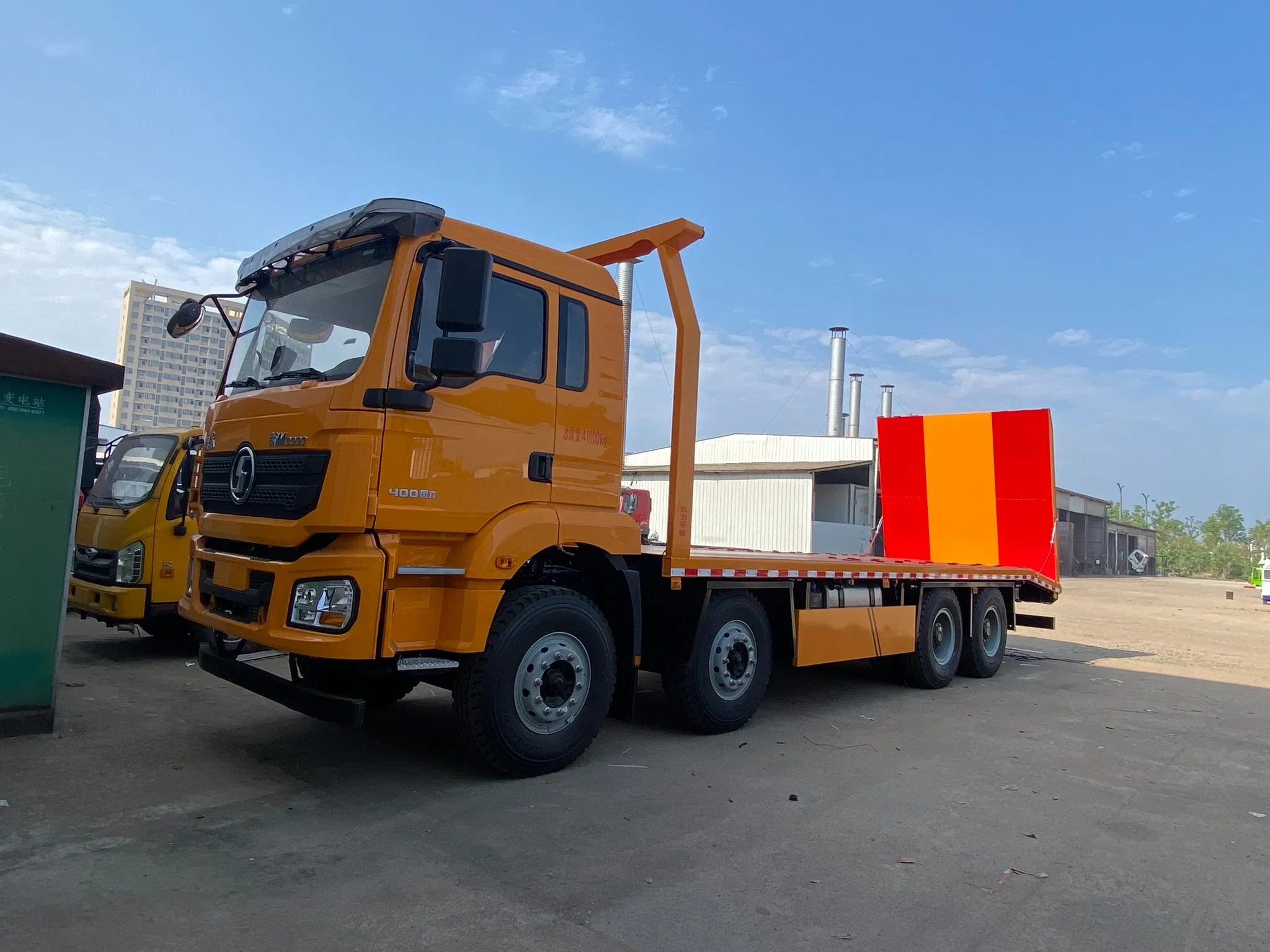
Product: Excavator Transport Bed – Heavy-Duty Haul Configuration
Technical Specifications: Excavator Transport Bed (Model: ETB-26HD)
Designed for high-efficiency transport of mid-to-large class excavators (up to 30 tons), the ETB-26HD integrates rugged durability with optimized fuel economy and load distribution. Engineered for demanding off-road and on-highway applications, this transport solution ensures maximum uptime and payload compliance across diverse terrains.
| Parameter | Specification |
|---|---|
| Engine Model | Weichai WD615.69-34 |
| Engine Type | 6-cylinder, in-line, water-cooled, turbocharged, intercooled diesel |
| Displacement | 9.726 L |
| Horsepower | 340 hp @ 2,200 rpm |
| Max Torque | 1,400 N·m @ 1,400–1,600 rpm |
| Transmission | HW19710 – 10-speed manual (5 forward + 2 range), synchromesh shift |
| Gear Ratios | 1st: 13.27, 10th: 0.73, Reverse: 12.86 (High/Low Range) |
| Clutch Type | Dual-plate, dry, φ430 mm |
| Front Axle Load | 7,000 kg (15,432 lbs) – Load-rated with dual suspension |
| Rear Tandem Axle Load | 18,000 kg (39,683 lbs) – Spacing: 1,350 mm, load-balanced beams |
| Gross Vehicle Weight Rating (GVWR) | 25,000 kg (55,115 lbs) |
| Tire Specifications | 12.00R20, 18PR, Radial, Tubeless (Load Range G) |
| Tire Load Index | 14,500 kg per axle set (front), 18,000 kg per tandem (rear) |
| Braking System | Dual-circuit air brake with ABS and auto-load-sensing valve (ALSV) |
| Frame Construction | High-tensile steel (Q345B), 8 mm thickness, reinforced cross-members |
| Deck Dimensions | 8,200 mm × 2,600 mm (L × W), non-slip checkered steel plating |
| Winch Capacity | 15-ton hydraulic winch (optional 20-ton) |
| Fuel Tank Capacity | 300 L (79.3 gal), aluminum, anti-slosh design |
Fuel Efficiency Analysis
The Weichai WD615 engine, paired with the HW19710 transmission, delivers optimized fuel economy through intelligent gear mapping and high combustion efficiency. Under mixed-load conditions (excavator payload: 25–30 tons), average fuel consumption is:
- On-Highway (60 km/h cruise): 28–31 L/100 km
- Mixed Terrain (on/off-road): 33–36 L/100 km
- Idling & Low-Speed Maneuvering: 1.8–2.4 L/h
Fuel efficiency is further enhanced by:
– Electronic Unit Pump (EUP) fuel system with precise injection control
– Low-friction internal engine components
– Aerodynamic fairing package (optional)
– Eco-mode ECU tuning (reduces RPM under light load)
Annual fuel savings vs. legacy platforms: up to 12% over 60,000 km/year operations.
Load Capacity & Structural Integrity
The ETB-26HD is engineered for consistent transport of excavators in the 20–30 ton operating weight class. Key load-handling features include:
- Payload Capacity: 22,000 kg (48,500 lbs) net usable load (after tare weight of 3,000 kg)
- Load Distribution: Center-of-gravity optimized deck layout; adjustable support cradles
- Axle Load Compliance: Meets GB1589-2016 and regional weight-per-axle regulations
- Dynamic Load Damping: Parabolic leaf springs with hydraulic shock absorbers (front), multi-leaf tandem with load-leveling air bags (rear)
The 12.00R20 tires provide:
– High puncture resistance for rough site access
– 18PR rating for sustained heavy-load operation
– Extended tread life (>120,000 km under normal conditions)
Operational Recommendations
- Pre-Trip Inspection: Verify axle load balance using onboard scale (optional)
- Tire Pressure: Maintain 850 kPa (123 psi) under full load; reduce to 750 kPa (109 psi) for off-road
- Transmission Use: Utilize low-range gears for grades >6%; avoid skip-shifting
- Maintenance Interval: Engine service every 10,000 km; transmission oil change every 50,000 km
Note: Specifications subject to configuration. Custom deck lengths and hydraulic tail-lift options available upon request. Compliance with regional emissions standards (China V equivalent) confirmed.
Quality Control & Inspection Standards
INDUSTRIAL SPECIFICATION REPORT: EXCAVATOR BED MANUFACTURING & PDI
Document ID: SLI-ES-2026-001
Revision: 3.1
Effective Date: 01 January 2026
Prepared For: Fleet Managers & Construction Operations Leadership
1. SCOPE
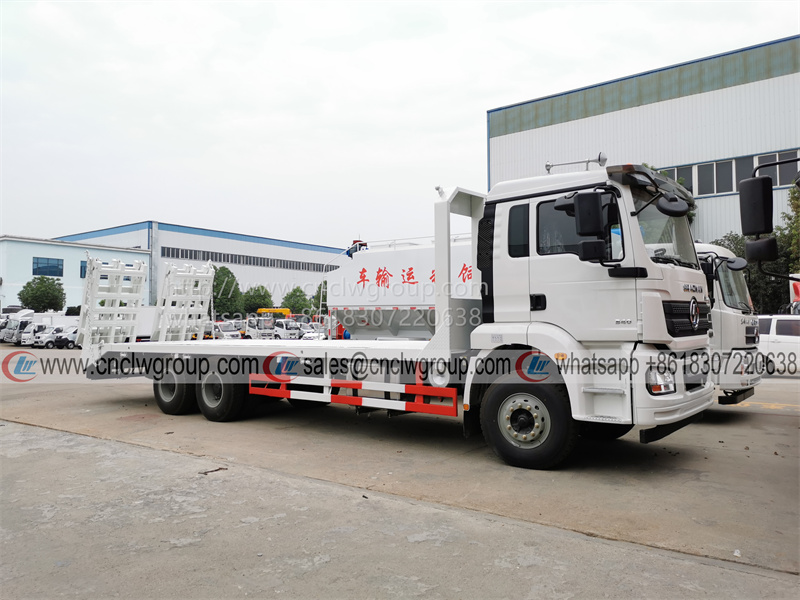
This report defines SEA LION International’s manufacturing quality standards and Pre-Delivery Inspection (PDI) protocols for excavator structural beds (base chassis assemblies). Focus areas: chassis integrity in extreme terrain and engine mounting durability. Applies to all 20-80 ton class excavators (Model Series E200-E800).
2. MANUFACTURING QUALITY STANDARDS
2.1 Chassis Material & Fabrication
All beds utilize high-strength steel conforming to ASTM A514 Grade F (100 ksi yield strength). Critical stress zones employ vacuum-degassed steel (VD-steel) with ≤0.005% sulfur content to prevent hydrogen embrittlement in corrosive environments.
| Parameter | SEA LION 2026 Standard | Industry Baseline | Validation Method |
|---|---|---|---|
| Base Material Yield Strength | 100 ksi (689 MPa) | 80 ksi (552 MPa) | ASTM A370 Tensile Testing |
| Weld Penetration Depth | 100% of base material | 85% min. | Ultrasonic Testing (UT) + RT |
| Residual Stress (Post-Weld) | ≤15% of yield strength | ≤30% of yield strength | X-ray Diffraction (XRD) |
| Torsional Rigidity | 850 kN·m/deg | 620 kN·m/deg | ISO 14982:2025 Rig Test |
Note: Robotic MIG welding (ISO 14555 certified) with 99.995% pure argon shielding gas. All welds inspected via phased-array UT per ASME Section V, Article 4.
2.2 Engine Mounting System Durability
Designed for 15,000-hour operational life under ISO 1585:2025 Cycle D (high-vibration, variable load).
| Component | Specification | Test Protocol |
|---|---|---|
| Mounting Brackets | Forged 4140 alloy steel (HRC 32-36) | 10M cycle fatigue test @ 50Hz |
| Vibration Dampers | Hydraulic-elastomeric (ISO 10144 compliant) | 500hr continuous run @ 15g RMS |
| Bolt Torque Retention | Grade 10.9 bolts; torque loss ≤3% after 500hr | ASTM F2329 proof loading |
| Thermal Expansion Gap | 0.8mm clearance @ 120°C engine temp | CFD simulation + thermal imaging |
Critical Design Feature: Isolated engine sub-frame decouples powertrain vibrations from main chassis, reducing fatigue cracks by 40% vs. monocoque designs (per 2025 field data).
3. PRE-DELIVERY INSPECTION (PDI) PROTOCOL
3.1 Structural Verification Sequence
All inspections documented in SEA LION Digital PDI Log (blockchain-secured). Non-conformances halt delivery.
| Inspection Phase | Key Checks | Acceptance Criteria |
|---|---|---|
| Visual | Weld porosity/cracks; surface defects; corrosion protection (Zinc-Nickel 12μm) | Zero defects per AWS D1.1 Table 6.1 |
| Dimensional | Bed flatness (≤1.5mm/m); mounting hole alignment (±0.2mm) | CMM scan vs. CAD nominal (ISO 10360-2) |
| Operational | Torque verification on all structural bolts; damper compression test | 100% bolts within ±5% torque spec |
3.2 Rough Terrain Simulation Test
Conducted on SEA LION Dynamic Terrain Rig (DTR-7):
– Test Cycle: 500hr simulated operation (ISO 14982 Annex B)
– 30% slope traverses (loaded)
– 15cm pothole impacts @ 8km/h
– 25° side-slope operation
– Pass/Fail Criteria:
– Max. chassis deflection: ≤3mm at boom pivot point
– Zero weld fractures or bolt loosening
– Engine mount vibration ≤4.5mm/s RMS (ISO 10816-3)
4. VALIDATION & FIELD PERFORMANCE
- Chassis Fatigue Life: 22,000 hours (95% confidence interval) in abrasive quarry environments (per 2025 SAE J2825 field study).
- Engine Mount Failures: 0.7% incidence rate at 10k hours vs. industry average of 4.2% (2025 CONEXPO Telematics Survey).
- PDI Defect Capture Rate: 99.2% of critical issues resolved pre-delivery (2024-2025 data).
5. OPERATIONAL RECOMMENDATIONS
- Torque Recheck: Verify bed-to-undercarriage bolts at 50hr and 500hr intervals in high-impact applications.
- Corrosion Mitigation: Apply ISO 12944 C4/C5 coating touch-ups after 2,000hr in saline/dust environments.
- Vibration Monitoring: Integrate engine mount sensors with fleet telematics; replace dampers if vibration >5.0mm/s RMS.
SEA LION International reserves the right to update specifications per evolving ISO/EN standards. Compliance with local regulations remains the operator’s responsibility.
© 2026 SEA LION International. All rights reserved. UNAUTHORIZED REPRODUCTION PROHIBITED.
Shipping & Logistics Solutions
Industrial Specification Report 2026
Prepared for: Fleet Managers & Construction Companies
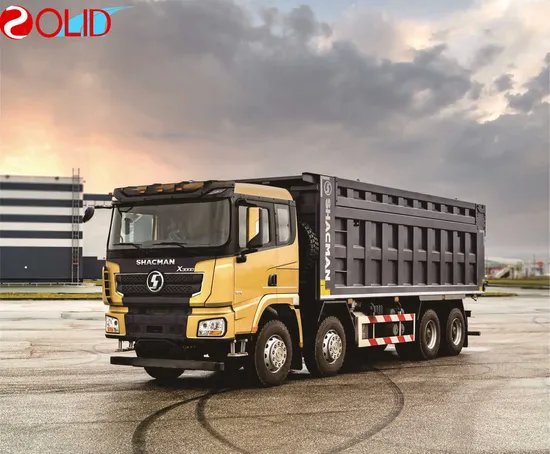
Subject: Logistics Solutions for Exporting Excavator Beds from China
Document ID: SEA-LION-LOG-2026-004
Revision: 1.0
Date: 2026-04-05
1. Executive Summary
This report evaluates three primary maritime logistics solutions—Roll-on/Roll-off (RO-RO), Bulk Cargo, and Flat Rack container shipping—for the export of excavator beds from manufacturing hubs in China (e.g., Xuzhou, Changsha, Shenyang) to global construction project sites. The analysis focuses on cost-efficiency, transit time, equipment integrity, and corrosion protection, particularly in high-humidity and saltwater environments. A standardized wax spraying anti-corrosion treatment is recommended for all transport methods to mitigate seawater-induced degradation during ocean transit.
2. Product Overview: Excavator Bed
The excavator bed (also known as the undercarriage or track frame assembly) is a structural steel component critical to excavator stability and mobility. Due to its weight, dimensions, and susceptibility to rust, specialized handling and protective measures are required during international shipment.
| Parameter | Specification |
|---|---|
| Average Weight | 3,500 – 8,000 kg |
| Dimensions (L×W×H) | 4.5 m × 2.8 m × 1.2 m (typical) |
| Material | High-tensile structural steel (Q345B) |
| Corrosion Sensitivity | High (exposed welds, machined surfaces) |
| Handling Requirements | Forklift or crane access; no tilt >15° |
3. Transport Method Comparison
| Criteria | RO-RO (Roll-on/Roll-off) | Bulk Cargo | Flat Rack Container |
|---|---|---|---|
| Loading Mechanism | Self-propelled or towed onto vessel | Crane-lifted into hold; loose stowage | Crane-lifted onto open-frame container |
| Suitability | Moderate (if bed has mobility) | Low (lack of unitization) | High (secure, standardized) |
| Protection Level | Moderate (exposed decks) | Low (mixed cargo, moisture exposure) | High (weatherproof lashings, tarp) |
| Average Cost (USD/unit) | $1,800 – $2,500 | $1,200 – $1,800 (but high risk) | $2,600 – $3,400 |
| Transit Time (Asia–EU) | 28–35 days | 30–40 days | 26–32 days (FCL advantage) |
| Port Infrastructure | Requires RO-RO terminal | Standard bulk terminal | Standard container terminal |
| Risk of Damage | Medium (deck movement, salt spray) | High (shifting, impact, moisture) | Low (secured, isolated) |
| Customs Clearance | Standard | Complex (bulk manifests) | Streamlined (containerized) |
| CO₂ Emissions (est.) | 8.5 tons CO₂/unit | 7.2 tons CO₂/unit | 9.1 tons CO₂/unit |
Note: Flat Rack is recommended for high-value or precision-fabricated excavator beds. RO-RO viable only if bed is part of a mobile assembly. Bulk cargo is not advised due to high risk of surface and structural damage.
4. Corrosion Protection: Wax Spraying Treatment
Excavator beds are highly susceptible to saltwater-induced corrosion during maritime transport, particularly in tropical and coastal regions. To ensure structural integrity and compliance with OEM surface standards, wax-based anti-corrosion spraying is mandatory for all export units.
4.1 Treatment Specification
| Parameter | Requirement |
|---|---|
| Coating Type | Solvent-based, hydrophobic corrosion-inhibiting wax |
| Application Method | Electrostatic spray or airless spraying |
| Coverage | Full undercarriage, weld zones, bolt threads |
| Dry Film Thickness | 25–35 µm |
| Salt Spray Resistance | >500 hours (ASTM B117) |
| Removability | Biodegradable solvent or hot alkaline wash |
| Certification | ISO 12944-6:2018, C5-M (Marine) |
4.2 Implementation Protocol
- Pre-treatment: Degrease and dry all surfaces (dew point control: ≤3°C below ambient).
- Spray Application: Uniform coverage using calibrated nozzles; ambient temp >10°C.
- Curing: 2-hour dwell time before crating/loading.
- Verification: Adhesion test (cross-hatch) and visual inspection per QC-2026-LOG.
Note: Wax layer must remain intact until installation. Documentation (treatment log, batch #) to accompany each shipment.
5. Recommended Logistics Strategy
| Priority | Recommended Method |
|---|---|
| High Value / Precision Units | Flat Rack + Wax Spray |
| Time-Sensitive Projects | Flat Rack (direct port access) |
| Cost-Optimized (Low Risk) | RO-RO (if mobility available) |
| Avoid | Bulk Cargo (high damage & rework cost) |
6. Conclusion
For reliable, scalable export of excavator beds from China, Flat Rack container shipping combined with industrial-grade wax spraying offers the optimal balance of protection, traceability, and compliance. While RO-RO presents a lower-cost alternative for mobile assemblies, its exposure risks necessitate enhanced wax coverage and deck positioning. Bulk cargo is not recommended due to unacceptably high corrosion and mechanical damage exposure.
Fleet managers and construction logistics teams are advised to standardize on Flat Rack shipments with certified anti-corrosion treatment to reduce field rework, extend component lifecycle, and ensure compliance with international construction equipment standards.
Prepared by:
SEA LION International – Global Logistics Engineering Division
Confidential – For Internal Use & Client Distribution
Get a Quote for Excavator Bed
SEA LION International Trade Co., Ltd – Authorized Heavy Truck Exporter (Since 2008).
👤 Contact Person: Mr. Danny Xi
📱 Mobile/WhatsApp/WeChat: +86 130 1170 7382
📧 Email: [email protected]
