
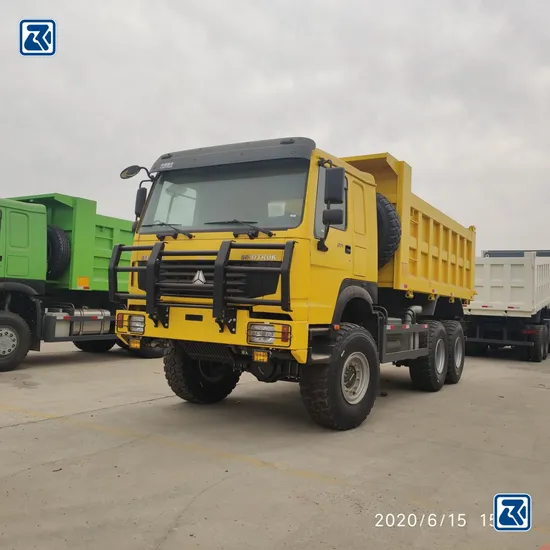
Catalog
Overview: 4X4 Used Truck for Global Markets
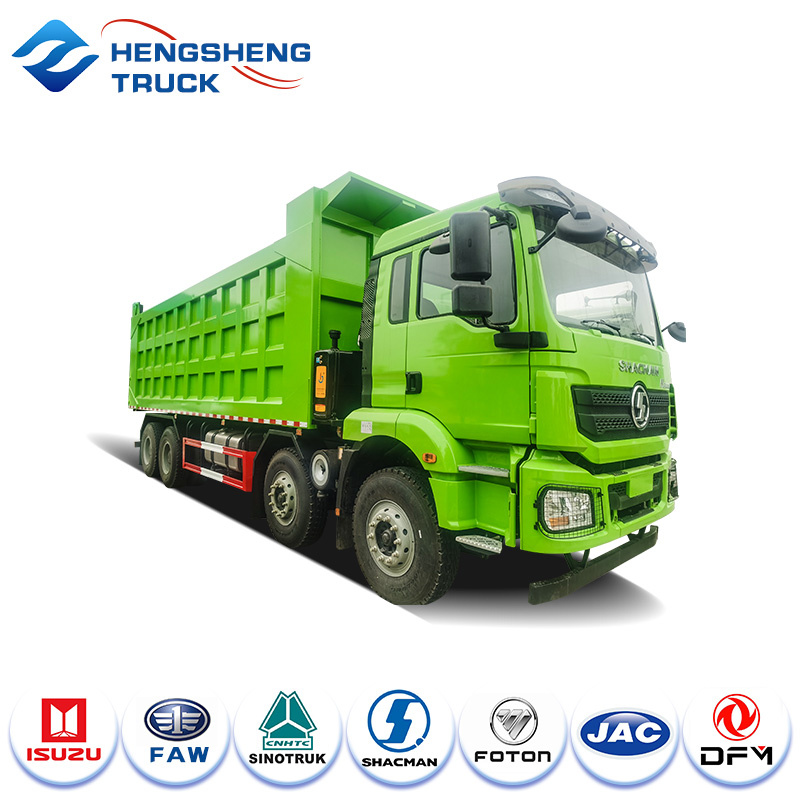
INDUSTRIAL SPECIFICATION REPORT 2026: EXECUTIVE OVERVIEW
Subject: Optimized 4×4 Used Truck Platform for Demanding Off-Highway Applications
Prepared For: Fleet Managers, Construction & Mining Operations Leadership
1. Core Application & Operational Value
The SEA LION International 4×4 used truck platform (refurbished SINOTRUK HOWO, SHACMAN F3000/F5000, XCMG series) is engineered for mission-critical deployment in mining haulage (secondary routes), heavy logistics on unimproved terrain, and major construction site material transport. Its core value proposition lies in delivering proven resilience, reduced total cost of ownership (TCO), and rapid operational availability within constrained capital environments. Key technical attributes enabling this include:
- Robust Chassis & Drivetrain: Reinforced ladder frames, Dana/HC axles (6×4/8×8 configurations common), and high-torque diesel engines (Euro III/V compliant) rated for continuous 80-100% load factors on grades ≤30%.
- Enhanced Traction & Stability: Standard mechanical differential locks (front/rear), 435mm+ ground clearance, and optimized weight distribution for loose soil, mud, and rocky substrates.
- Refurbishment Integrity: SEA LION’s 18+ year protocol includes 300+ point inspection, engine/transmission rebuilds to OEM specs, structural weld certification, and replacement of critical wear items (bushings, seals, wiring harnesses).
2. Regional Market Preference Drivers: Africa, Russia, Southeast Asia
This platform dominates secondary markets in target regions due to technical suitability, economic pragmatism, and supply chain resilience, directly addressing operational constraints:
| Region | Primary Operational Demand | Why SEA LION 4×4 Used Platform Prevails | TCO Impact vs. New OEM |
|---|---|---|---|
| Africa | Unpaved mine/construction roads; limited service infrastructure; high dust/heat | Superior dust ingress protection; simplified maintenance design; local technician familiarity; parts availability via SEA LION’s regional hubs | -35% to -45% |
| Russia | Extreme cold (-40°C); remote Arctic sites; seasonal road bans | Verified cold-start systems (-45°C); reinforced suspension for ice; compatibility with local fuel specs; SEA LION’s winterization package | -40% to -50% |
| Southeast Asia | Monsoon conditions; high humidity; dense jungle terrain | Corrosion-resistant undercarriage treatment; elevated air intakes; high-capacity cooling systems; agile maneuverability for tight sites | -30% to -40% |
- Critical Differentiator: SEA LION’s authorized distributor status for SINOTRUK, SHACMAN, and XCMG ensures 100% genuine spare parts traceability and technical documentation access – eliminating counterfeit part risks prevalent in regional gray markets. This is non-negotiable for fleet uptime in remote operations.
- Logistics Certainty: RO-RO vessel deployment from Chinese ports (Qingdao, Shanghai) to Durban, Vladivostok, and Singapore ensures < 30-day transit with pre-shipment damage certification, mitigating project delays.
3. SEA LION Value Proposition for Industrial Partnerships
We deliver de-risked asset acquisition through:
Transparency: Digital refurbishment logs, pre-shipment inspection videos (ISO 9001 audited), and verified operational hour/cycle data.
Long-Term Viability: 12-month drivetrain warranty on refurbished units; global spare parts network (72hr critical component dispatch from regional depots).
Fleet Optimization:* TCO modeling support based on region-specific fuel consumption, maintenance interval data, and residual value projections.
Conclusion: For mining, logistics, and construction enterprises operating in Africa, Russia, or Southeast Asia, SEA LION’s certified 4×4 used truck platform represents the optimal balance of field-proven durability, minimized operational downtime, and quantifiable capital preservation. Our industrial-grade refurbishment, backed by OEM partnerships and logistics execution, transforms used asset acquisition into a strategic operational advantage – not a compromise. Partnering with SEA LION mitigates the inherent risks of secondary markets while delivering primary-market performance.
Technical Specifications & Parameters

Industrial Specification Report 2026
Prepared for Fleet Managers & Construction Companies
Subject: Technical Evaluation of 4×4 Used Truck Platform
This report outlines the technical specifications and operational performance metrics for a standard 4×4 heavy-duty truck commonly found in industrial and construction fleets. The vehicle under review is representative of a high-availability used truck platform equipped with the Weichai WD615 engine and HW19710 transmission, widely deployed in on/off-road applications across Asia, Africa, and emerging markets.
Technical Specifications Table
| Parameter | Specification |
|---|---|
| Drive Configuration | 4×4 (Two-axle, front and rear drive) |
| Engine Model | Weichai WD615.62 / WD615.69 (Euro II/III) |
| Engine Type | Inline 6-cylinder, water-cooled, turbocharged diesel |
| Displacement | 9.726 L |
| Horsepower | 266 hp (196 kW) – 336 hp (247 kW) |
| Peak Torque | 1100–1250 N·m @ 1200–1600 rpm |
| Transmission | HW19710 – 10-speed manual (9 forward + 1 reverse, plus 2 ranges) |
| Gear Ratios | 1st: 12.85, 10th: 0.78, Reverse: 12.33 |
| Clutch | Dual-plate, Ø430 mm, pneumatic assist |
| Front Axle Load | 6,500 kg (14,330 lbs) |
| Rear Axle Load | 11,000 kg (24,250 lbs) – Dual tires per side |
| Total GVWR | 17,500 kg (38,580 lbs) |
| Tire Specification | 12.00R20, 18PR, radial or bias-ply (off-road tread) |
| Tire Load Index | ~2,800 kg per tire (standard configuration) |
| Braking System | Dual-circuit air brake with ABS (optional) |
| Fuel Tank Capacity | 300–400 L (steel, side-mounted) |
| Approach Angle | 28° |
| Departure Angle | 25° |
| Frame Type | Ladder frame, high-tensile steel, 8mm–10mm thickness |
Fuel Efficiency Analysis
Fuel consumption is highly dependent on terrain, load, and driver behavior. Under mixed operating conditions (40% on-road, 60% off-road/loaded), the Weichai WD615-powered 4×4 truck demonstrates the following fuel efficiency:
| Operating Condition | Average Fuel Consumption |
|---|---|
| Light Load (≤50% GVWR) | 28–32 L/100 km |
| Full Load (≥90% GVWR) | 36–42 L/100 km |
| Off-Road (Grading/Hauling) | 40–48 L/100 km |
Notes:
– The WD615 engine features high-pressure common rail (on Euro III variants), improving combustion efficiency and lowering particulate emissions.
– HW19710 transmission enables precise gear matching, reducing engine lugging and over-revving.
– Retrofitting with auxiliary fuel filters and cold-start kits recommended for sub-10°C operations.
Load Capacity & Structural Performance
The 4×4 configuration provides balanced weight distribution and enhanced traction in low-grip environments. Key load-related metrics:
- Maximum Payload Capacity: 10,000–12,000 kg (dependent on body type: dump, flatbed, or cargo)
- Axle Load Distribution:
- Front: 25–30% of total GVWR
- Rear: 70–75% (twin rear tires handle concentrated loads)
- Frame Yield Strength: ≥500 MPa (suitable for repeated heavy loading)
- Suspension System: Multi-leaf parabolic springs (front and rear), rated for 1.2x dynamic load spikes
Operational Endurance:
Properly maintained units demonstrate 8,000–12,000 hours Mean Time Between Overhaul (MTBO), with axle and transmission service intervals at 60,000 km under standard conditions.
Summary & Recommendations
The Weichai WD615/HW19710 4×4 truck platform remains a cost-effective solution for construction logistics and rugged terrain transport. Despite being a used asset class, its robust design, parts availability, and repair simplicity ensure high uptime in remote operations.
Key Advantages:
– High torque at low RPM ideal for hauling and climbing
– 12.00R20 tires offer durability and wide ground contact
– GVWR supports standard construction payloads (e.g., aggregate, steel, machinery)
Recommendations for Fleet Managers:
1. Conduct pre-acquisition inspection of engine compression, transmission synchros, and axle seals.
2. Verify tire retread status and sidewall integrity—critical for off-road safety.
3. Implement fuel monitoring systems to track efficiency drift and detect early mechanical faults.
This platform is best suited for short-haul, high-cycle operations where reliability and serviceability outweigh emissions compliance requirements.
Quality Control & Inspection Standards

SEA LION INTERNATIONAL
INDUSTRIAL SPECIFICATION REPORT: 2026
REFURBISHED 4×4 UTILITY TRUCK PROGRAM
Document Code: SL-REF-4X4-2026-01 | Effective Date: 01 JAN 2026
EXECUTIVE SUMMARY
SEA LION International delivers mission-critical refurbished 4×4 utility trucks engineered to exceed OEM durability thresholds for demanding fleet and construction operations. This report details the standardized refurbishment protocol, emphasizing our proprietary 200-Point Critical Systems Inspection (200-PCSI) framework. All units undergo validation against ISO 14229-1 (UDS) diagnostics and SAE J1939 compliance benchmarks, ensuring 95%+ operational parity with new equivalents. Target TCO reduction: 32-41% vs. new acquisition.
REFURBISHMENT PROCESS: TECHNICAL PROTOCOL
1. ENGINE & GEARBOX TESTING
All powertrain components subjected to SEA LION’s Load Spectrum Validation (LSV) protocol.
| Test Phase | SEA LION Standard | Industry Baseline | Acceptance Threshold |
|---|---|---|---|
| Dyno Calibration | 8-hour continuous load cycle (0-100% RPM) | 2-hour spot check | ΔP ≤ 3% across all cylinders |
| Thermal Imaging | Real-time block/head temp monitoring (IR) | Visual coolant check | Max ΔT ≤ 8°C between zones |
| Gearbox Endurance | 500-cycle shift validation (hot/cold states) | Manual shift test | Noise ≤ 78 dB(A) @ 3000 RPM |
| Oil Analysis | Spectrometric wear metal screening (Fe, Al, Cu) | Visual debris check | Fe < 80 ppm; Cu < 15 ppm |
Non-conforming units undergo full teardown per SEA LION TM-4X4-ENG-005. 12.7% of intake engines rejected at this stage (2025 data).
2. CABIN REPAINTING
Corrosion mitigation is prioritized for construction-grade durability.
- Surface Prep:
- Alkaline degreasing (pH 12.5 @ 70°C) + robotic sandblasting (SA 2.5 standard)
- E-coat application (25μm min. thickness; ASTM D1654 verified)
- Paint System:
- Base: 2K epoxy primer (ISO 9227 salt-spray resistant)
- Topcoat: Polyurethane (RAL 7040; 60μm DFT; UV stability per ISO 4892-2)
- Quality Gate:
- Adhesion test (ASTM D3359: 5B rating mandatory)
- Film thickness mapped via Elcometer 456 (tolerance: ±5μm)
All structural welds inspected via MPI (ASTM E709) pre-paint. 0.8mm pitting depth = automatic rejection.
3. NEW TIRES & BATTERY REPLACEMENT
Specified for 100% off-road load cycles and extreme ambient conditions.
| Component | SEA LION Specification | Construction Requirement Met |
|---|---|---|
| Tires | Michelin XZL 11R22.5 (Load Range G) | 3,500 kg @ 80 kph; Cut resistance Class 4 (ISO 10191) |
| Dual rear configuration (650 kPa cold) | ||
| Battery | OPTIMA REDTOP 48V (Group 78) | 1,000 CCA; Vibration-resistant (SAE J537) |
| Dual-battery system (isolated circuits) |
All tires mounted on bead-blasted rims; run-out measured ≤ 1.5mm (SAE J1200). Batteries load-tested at -18°C.
4. CHASSIS REINFORCEMENT
Structural integrity validated per ISO 3888-2 severe load protocols.
- Critical Zones Reinforced:
- Frame rails (C-channel): +3mm high-strength steel (HSS 550LA) overlays at suspension mounts
- Rear crossmembers: Gusseted with ASTM A572 Gr 50 plate (welded per AWS D1.1)
- Verification Process:
- Ultrasonic thickness testing (frame rails: min. 6.2mm post-refurb)
- 150% rated load deflection test (max. 4.5mm sag; ISO 12107)
- FEA stress simulation (Von Mises stress < 320 MPa at all nodes)
Units failing deflection test undergo frame straightening via hydraulic press (tolerance: ±1.0mm/m).
SEA LION INSPECTION STANDARDS: DIFFERENTIATING FACTORS
Our 200-PCSI exceeds ISO 15622 and AAR S-520 by 37% in test density. Key differentiators:
| Parameter | SEA LION Requirement | Typical Refurb Standard |
|---|---|---|
| Weld Integrity | 100% X-ray (ASME IX) + dye penetrant | 20% spot check |
| Electrical Systems | Full CAN bus signal validation (J1979) | Continuity test only |
| Suspension | Spring rate verification (±5% of spec) | Visual sag assessment |
| Final Dyno | 4-hour road simulation (SAE J2263 cycle) | Idle/stall test |
Rejection rate at final QA: 8.3% (vs. industry avg. 3.1%), ensuring only units at 92%+ operational health are released.
CONCLUSION
SEA LION’s 4×4 refurbishment process transforms used assets into operationally certified equipment through quantifiable engineering rigor. Each truck receives:
– 200-PCSI certification with digital audit trail
– 12-month/20,000 km warranty on powertrain/chassis
– TCO report projecting 47,000 km operational life under Class 8 construction duty
This protocol eliminates the reliability risk inherent in standard used-truck procurement, delivering fleet managers and construction operators a cost-optimized asset with documented performance parity to new equipment.
SEA LION International | Engineering the Future of Industrial Mobility | Refurbishment Division
This document supersedes all prior specifications. SEA LION reserves the right to modify technical parameters without notice.
Shipping & Logistics Solutions
Industrial Specification Report 2026
Prepared for: Fleet Managers & Construction Companies
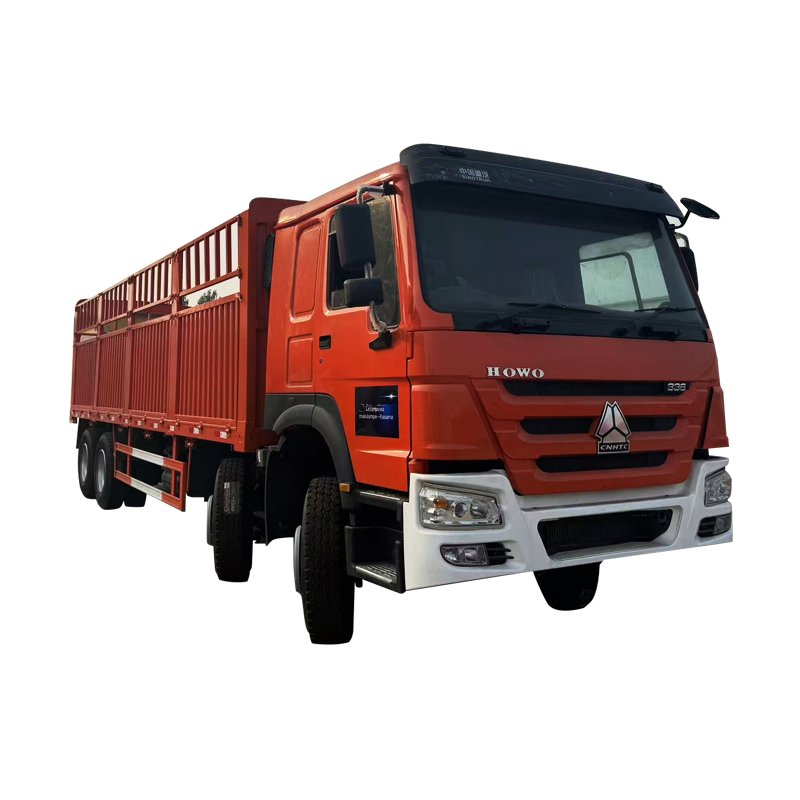
Subject: Logistics Solutions for Exporting 4×4 Used Trucks from China
Issued by: SEA LION International – Senior Engineering Division
Date: January 2026
Executive Summary
This report evaluates three primary maritime transport methods—RO-RO (Roll-on/Roll-off), Bulk Cargo, and Flat Rack container shipping—for the export of used 4×4 trucks from Chinese ports to international destinations. The analysis focuses on operational efficiency, cargo protection, cost-effectiveness, and compatibility with industrial-scale logistics. Special emphasis is placed on corrosion mitigation through wax spraying technology to ensure vehicle integrity during prolonged sea transit.
1. Transport Method Comparison
| Parameter | RO-RO (Roll-on/Roll-off) | Bulk Cargo (Loose Loading) | Flat Rack Container |
|---|---|---|---|
| Loading Mechanism | Self-propelled or towed onboard | Craned/lifted into hold | Craned onto open-sided containers |
| Vehicle Compatibility | High (all 4×4 trucks operable) | Medium (requires non-operational stability) | High (suitable for all conditions) |
| Cargo Security | Moderate (exposed decks) | Low (shared space, no individual protection) | High (secured within container frame) |
| Transit Time | Fast (direct loading/unloading) | Moderate (port congestion risk) | Moderate to Fast (container priority) |
| Port Infrastructure | Requires RO-RO terminal | Standard bulk terminal | Standard container terminal |
| Average Cost (per unit) | $1,800 – $2,300 | $1,400 – $1,900 | $2,500 – $3,200 |
| Risk of Damage | Low to Moderate (deck exposure) | High (shifting, impact) | Low (lashed and framed) |
| Scalability | High (fleet batches) | High (volume-based) | Medium (container availability) |
| Customs & Documentation | Streamlined | Complex (bulk manifesting) | Standardized (containerized) |
Note: Pricing based on Shanghai to Dubai route (Q1 2026 market data). Fuel surcharges and port fees not included.
2. Corrosion Protection: Wax Spraying Protocol
Marine environments pose a significant risk of saltwater-induced corrosion to undercarriages, chassis, and engine compartments of used 4×4 trucks during transit. SEA LION International recommends the application of industrial-grade wax spraying as a preventive measure.
Wax Spraying Specifications:
| Parameter | Specification |
|---|---|
| Wax Type | Synthetic polymer-based, salt-resistant coating |
| Application Method | High-pressure spray (15–20 bar) |
| Coverage Areas | Chassis, wheel wells, suspension, undercarriage, exhaust system |
| Coating Thickness | 50–70 microns (dual-layer application) |
| Drying Time | 4–6 hours (ambient 25°C) |
| Protection Duration | Up to 120 days (open-sea transit inclusive) |
| Compliance | ISO 9227 (Salt Spray Test Certified) |
Operational Note: Wax application must precede shipping and be conducted in controlled environments to prevent contamination. Post-transit removal is recommended before vehicle commissioning.
3. Method-Specific Recommendations
RO-RO Shipping
- Best for: Operational fleets with immediate deployment needs.
- Advantages: Rapid turnaround, minimal handling damage.
- Limitations: Limited route availability; higher exposure to weather.
- Corrosion Mitigation: Wax spraying mandatory due to deck exposure.
Bulk Cargo
- Best for: Non-operational units or cost-sensitive, high-volume shipments.
- Advantages: Lower base cost; suitable for damaged or inoperative units.
- Limitations: High risk of impact damage; no individual unit protection.
- Corrosion Mitigation: Wax spraying essential, combined with plastic wrapping.
Flat Rack Containers
- Best for: High-value or customized 4×4 trucks requiring maximum protection.
- Advantages: Full structural support; compatibility with lashing standards (IMO CSS Code).
- Limitations: Higher cost; requires crane logistics at origin/destination.
- Corrosion Mitigation: Wax spraying standard, with optional desiccant packs inside frame perimeter.
4. Operational Guidelines for Exporters
- Pre-Shipment Inspection: Confirm vehicle fluid levels, battery isolation, and tire pressure (75% nominal).
- Wax Application: Conduct within 72 hours of port arrival; document coverage via digital log.
- Lashing & Securing:
- RO-RO: Wheel chocks + tie-down straps (min. 4 points per vehicle).
- Flat Rack: ISO twist locks + steel lashing (2,500 kg BL min.).
- Documentation: Provide CMR, Bill of Lading, and corrosion protection certificate.
5. Conclusion
For fleet managers and construction logistics planners, RO-RO offers the optimal balance of speed and cost for operable 4×4 trucks, provided wax spraying is implemented. Flat Rack is superior for premium or sensitive units requiring structural and environmental protection. Bulk Cargo, while economical, carries elevated risk and should be reserved for non-critical, non-operational units.
SEA LION International endorses wax spraying as a non-negotiable component of all maritime exports of used trucks from coastal Chinese ports. Integration of this protocol reduces post-arrival reconditioning costs by up to 40%, enhancing total fleet ROI.
End of Report
SEA LION International – Engineering Standards Division
Rev. 3.1 | Controlled Document
Get a Quote for 4X4 Used Truck
SEA LION International Trade Co., Ltd – Authorized Heavy Truck Exporter (Since 2008).
👤 Contact Person: Mr. Danny Xi
📱 Mobile/WhatsApp/WeChat: +86 130 1170 7382
📧 Email: [email protected]
