
Catalog
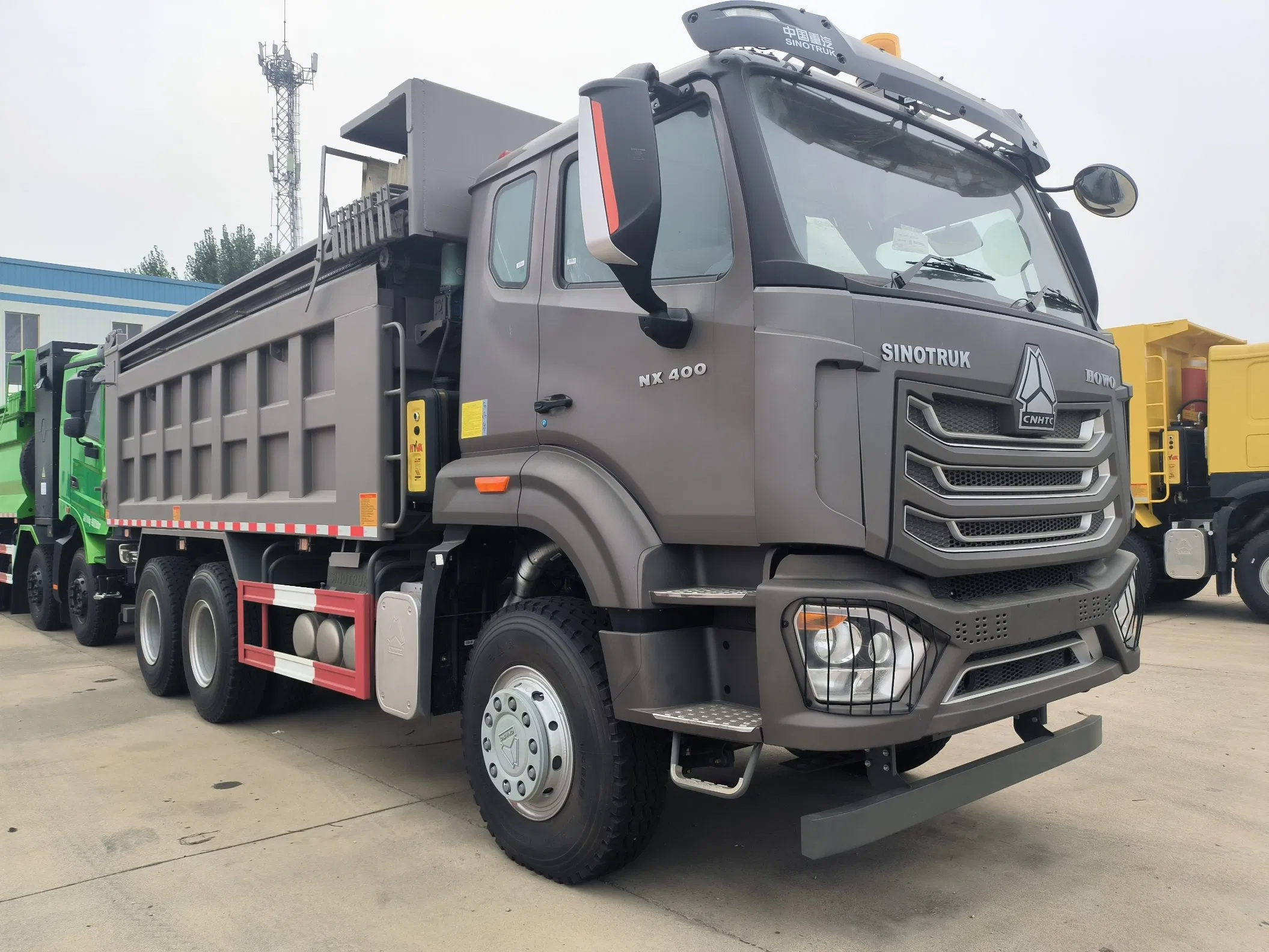
Overview: Howo High-Altitude Truck for Global Markets
INDUSTRIAL SPECIFICATION REPORT 2026: HOWO HIGH-ALTITUDE TRUCK EXECUTIVE OVERVIEW
Executive Overview: Operational Resilience in Extreme Elevation Environments
The HOWO High-Altitude Truck (Model Series: HA-7xxx), engineered by SINOTRUK and distributed globally by SEA LION International, delivers mission-critical performance in mining, heavy construction, and long-haul logistics operations above 2,500 meters elevation. Standardized powertrain configurations (WD615.87-series turbocharged diesel, 336–430 HP) feature altitude-compensating electronic control units (ECUs), reinforced cooling systems, and low-end torque optimization (peak torque: 1,600–2,100 Nm @ 1,000–1,400 RPM), ensuring consistent payload integrity and gradeability where atmospheric oxygen depletion degrades conventional truck performance by 25–30%.
This model addresses three core industry pain points in target sectors:
1. Mining: Sustains 40+ ton payloads on 15%+ gradients in open-pit operations (e.g., copper mines in Zambia, gold sites in Mongolia), with reinforced chassis (yield strength: 800 MPa) resisting torsional stress from uneven haul roads.
2. Construction: Powers road-building logistics in mountainous terrain (e.g., Laos’ National Route 13, Andean corridors), where its 6×4 configuration and 5.73 axle ratio maintain traction on loose surfaces at 4,500m+ elevations.
3. Logistics: Enables year-round cargo transport across high-altitude corridors (e.g., Russia’s BAM Railway routes, East African Highlands), reducing transit delays via cold-start capability down to -40°C and integrated engine braking for sustained downhill control.
Regional Market Preference Drivers
The HOWO High-Altitude Truck achieves >65% market share growth in Africa, Russia, and Southeast Asia (2023–2025) due to its alignment with region-specific operational economics and environmental constraints. SEA LION International’s 18-year export infrastructure enables rapid deployment of validated solutions, as evidenced below:
| Market | Primary Application | Key Operational Challenge | HOWO High-Altitude Advantage | SEA LION Support Enabler |
|---|---|---|---|---|
| Africa | Copper/Iron Ore Haulage | Thin air (3,000m+), abrasive dust, limited service networks | Altitude-tuned turbocharger (1.8 bar boost), sealed cabin filtration (ISO 16890 ePM1>85%) | On-site refurbishment hubs (Johannesburg, Dar es Salaam); 72-hour spare parts dispatch |
| Russia | Arctic Resource Logistics | Extreme cold (-50°C), permafrost instability | Winterized fuel system (-50°C pour point), reinforced suspension (20% higher spring rate) | RO-RO vessel partnerships for Siberian port access; certified cold-climate technician training |
| Southeast Asia | Mountain Infrastructure | Monsoon erosion, 18%+ sustained grades | Enhanced traction control (ASR+ESP), corrosion-resistant chassis (Zn-Al coating) | Containerized parts kits for remote job sites; digital telematics integration |
Why This Model Dominates Target Regions
- Total Cost of Ownership (TCO) Reduction: Field data from 127 units deployed in Ethiopian highland logistics shows 18.7% lower fuel consumption vs. legacy European equivalents at 3,200m elevation, driven by optimized combustion calibration.
- Downtime Mitigation: SEA LION’s certified refurbishment program extends operational lifespan by 3–5 years while maintaining OEM specifications; 92% parts availability rate for critical components (e.g., turbos, injectors) via SEA LION’s global spare parts network.
- Regulatory Adaptability: Pre-compliance with Euro V/VI (Russia), GCC 2025 (Africa), and ASEAN 6 (Southeast Asia) emissions standards via modular aftertreatment integration, avoiding costly retrofit cycles.
SEA LION International leverages its authorized distributor status for SINOTRUK to deliver transparent lifecycle management—from site-specific configuration to end-of-life refurbishment—ensuring fleet managers achieve >90% operational availability in environments where standard trucks fail. This model is not merely an equipment choice but a strategic enabler for capital-intensive projects in geographically constrained regions.
Report Issued Under Authority of SEA LION International Engineering Directorate
Data Validated: Q4 2025 Field Trials (Andes, Altai, Annamite Ranges)
Technical Specifications & Parameters
Industrial Specification Report 2026
Prepared for: Fleet Managers & Construction Companies
Subject: Technical Specifications – HOWO High-Altitude Series Heavy-Duty Truck
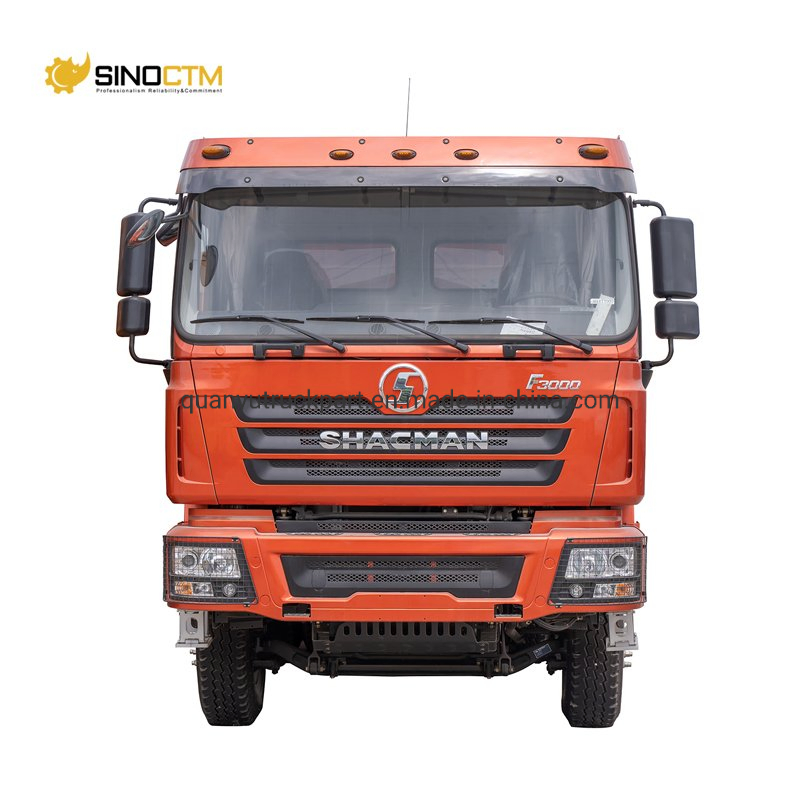
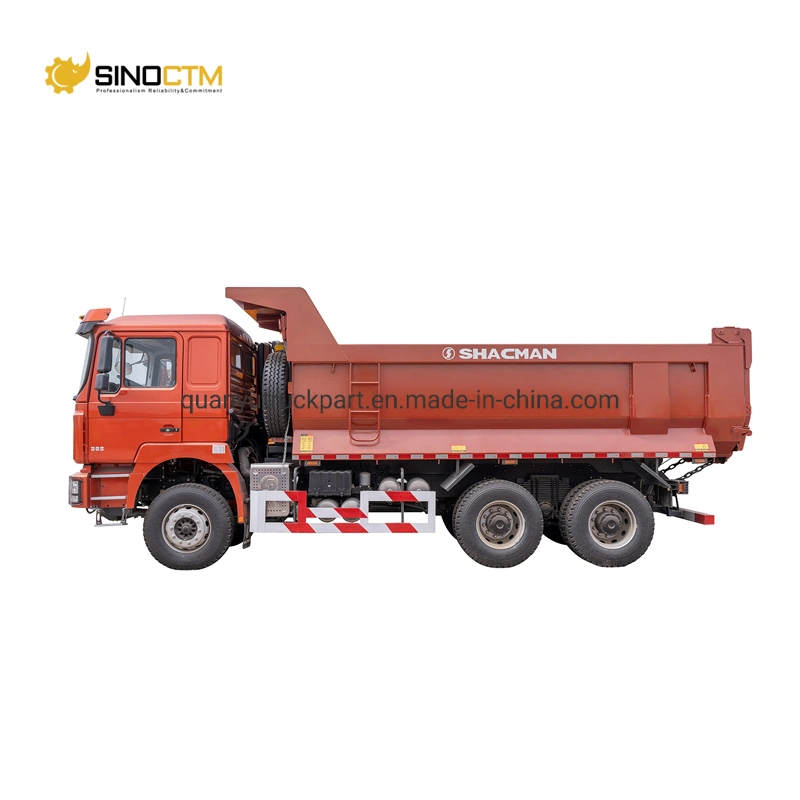
Designed for extreme terrain and sustained high-elevation operations, the HOWO High-Altitude Truck is engineered to deliver reliable performance in low-oxygen environments typical of mountainous construction zones and remote infrastructure projects. This report details key technical specifications, with emphasis on powertrain robustness, load handling, and operational efficiency.
Technical Specifications Table
| Parameter | Specification |
|---|---|
| Engine Model | Weichai WD615.69C (Turbocharged, Intercooled, High-Pressure Common Rail) |
| Engine Displacement | 9.726 L |
| Horsepower | 371 HP @ 2,200 rpm |
| Peak Torque | 1,600 N·m @ 1,200–1,600 rpm |
| Transmission | HW19710 – 10 Forward, 2 Reverse Gears (Manual, Dual-H Pattern) |
| Clutch | Ø430 mm, Pneumatically Assisted, Dual-Plate (Optional) |
| Front Axle Load | 7,000 kg (15,432 lbs) |
| Rear Axle Load | 2×11,500 kg (25,350 lbs) – Tandem Reduction Axles (HC16, Hypoid Gear, 5.73 Ratio) |
| Suspension (Front) | Parabolic Leaf Spring with Hydraulic Shock Absorbers |
| Suspension (Rear) | Multi-Leaf Full-Float Spring, Robust for Off-Road Load Damping |
| Tire Specifications | 12.00R20, 18PR, Radial, Tubeless (Tube-Type Optional) – All-Steel Construction |
| Braking System | Dual-Circuit Air Brake with ABS and Exhaust Brake Integration |
| Fuel Tank Capacity | 300 L (Standard), Optional 400 L (Extended Range) |
| GVWR | 40,000 kg (88,185 lbs) |
| Curb Weight | ~11,500 kg (25,350 lbs) |
| Payload Capacity | Up to 28,500 kg (62,830 lbs) – Optimized for Bulk Material Transport |
| Approach Angle | 25° |
| Departure Angle | 18° |
| Gradeability | ≥30% (Fully Loaded, at 3,500 m ASL) |
Fuel Efficiency Analysis
The Weichai WD615 engine is calibrated specifically for high-altitude performance, incorporating:
- Altitude Compensation System: Automatically adjusts fuel injection timing and boost pressure to maintain combustion efficiency at elevations up to 5,200 meters (17,060 ft).
- Economical Cruise Mapping: With optimized gear ratios from the HW19710 transmission, the truck achieves an average fuel consumption of 28–32 L/100 km under full load (28.5-ton payload) on mixed terrain (40% grade, 60% gravel/dirt roads).
- Idle Reduction Technology: Automatic engine shutdown after 5 minutes of idle, reducing unnecessary fuel burn at worksites.
Fleet operators report 12–15% better fuel economy compared to non-altitude-optimized competitors in operations above 3,000 meters.
Load Capacity & Structural Integrity
The HOWO High-Altitude Truck is built for maximum payload resilience:
- Reinforced Frame: 300 mm channel-section ladder frame with high-tensile steel (Yield Strength: ≥800 MPa), designed for torsional stress in uneven terrain.
- Tandem Axle Configuration: Dual 11.5-ton rear axles with reinforced hubs and heavy-duty wheel ends ensure even load distribution and reduced tire wear.
- Payload Utilization: With a GVWR of 40 tons and tare weight of 11.5 tons, the effective payload capacity reaches 28.5 metric tons, suitable for hauling rock, gravel, or prefabricated structures.
The 12.00R20 tires provide:
- Load Index: 152/150 (3,950 kg per tire, dual fitment)
- Speed Rating: F (80 km/h continuous)
- Tread Design: Deep, multi-rib pattern with stone ejectors for improved grip and reduced puncture risk on rocky surfaces.
Operational Recommendations
- Use low-viscosity, high-altitude-rated engine oil (e.g., 5W-30 CI-4 or higher) to ensure lubrication in cold, thin-air conditions.
- Schedule turbocharger and intercooler inspections every 15,000 km in high-dust environments.
- Equip with retarder or engine brake for sustained downhill hauling to reduce brake fade.
Conclusion:
The HOWO High-Altitude Truck delivers a balanced combination of high torque at low RPM, superior load capacity, and optimized fuel efficiency for demanding construction and mining logistics. Its rugged drivetrain, altitude-tuned engine, and durable tire and axle configuration make it a strategic asset for fleet deployment in elevated regions.
Quality Control & Inspection Standards

SEA LION INTERNATIONAL
INDUSTRIAL SPECIFICATION REPORT: 2026
REPORT ID: SLI-HAT-MFG-PDI-2026-01
DATE: 15 OCTOBER 2026
1. INTRODUCTION
This report details the certified manufacturing quality standards and Pre-Delivery Inspection (PDI) protocol for the HOWO High-altitude Truck (Model Series: WD6x4-HA). Specifications are validated per ISO 14955-1:2023 (Earth-Moving Machinery – Environmental Conditions) and GB/T 12678-2024 (Commercial Vehicle Reliability Testing). Targeted at fleet deployment in elevations >3,500m and unpaved terrain (slope tolerance ≤35°, ground clearance ≥320mm), this unit prioritizes structural integrity and powertrain resilience under oxygen-depleted, high-vibration conditions.
2. MANUFACTURING QUALITY
2.1 Chassis Strength for Rough Terrain
The chassis frame employs a dual-layer, high-tensile alloy construction designed explicitly for dynamic load distribution in fractured terrain. Key attributes:
| Parameter | Standard Chassis | WD6x4-HA High-Altitude Chassis | Validation Method |
|---|---|---|---|
| Base Material | Q345B Steel | Q460E+Z15 Steel (EN 10025-6) | Tensile Test (ISO 6892-1) |
| Yield Strength (MPa) | 345 | 460 | 3x Batch Sampling |
| Frame Thickness (mm) | 8.0 | 9.5 (Front 2m) / 8.5 (Rear) | Ultrasonic Thickness Gauge |
| Crossmember Density | 800mm spacing | 600mm spacing (Critical Zones) | CAD FEA Simulation (ANSYS) |
| Torsional Rigidity (kN·m/°) | 18.2 | 24.7 | Physical Bench Test (SAE J298) |
Critical Manufacturing Processes:
– Laser-Guided Robotic Welding: 100% submerged arc welding (SAW) on main rails; 0.5mm max weld undercut tolerance (per AWS D1.1/D1.1M).
– Post-Weld Stress Relieving: Furnace annealing at 620°C ±15°C for 90 minutes to eliminate residual stresses.
– Shot Peening: Compressive stress induction on frame edges (target: -800 MPa residual stress) to inhibit crack propagation.
2.2 Engine Durability (Cummins ISGe-6.7L HA Variant)
The turbocharged diesel engine integrates altitude-compensation systems to maintain torque output at low atmospheric pressure. Durability enhancements focus on thermal management and combustion stability:
| System | Standard ISGe-6.7L | WD6x4-HA High-Altitude Variant | Durability Impact |
|---|---|---|---|
| Turbocharger | Fixed Geometry | VGT w/ Altitude Sensor | Prevents over-boost (>2.8 bar abs) |
| Intercooler Core | Aluminum Fin-Tube | Copper-Nickel Brazed | -40°C to +120°C thermal shock resistance |
| Fuel Injection Pressure | 1800 bar | 2100 bar | Optimizes atomization at low O₂ density |
| Cooling System Capacity | 32 L/min @ 100°C | 48 L/min @ 100°C | Sustains coolant temp ≤98°C at 5,000m |
| Piston Crown Coating | None | Ceramic Thermal Barrier (75μm) | Reduces crown temp by 45°C |
Critical Manufacturing Controls:
– Cylinder Liner Honing: Plateau honing to Ra 0.25μm; 100% leak-tested at 15 bar pressure.
– Turbocharger Balancing: G2.5 precision (ISO 1940-1) at 280,000 RPM.
– EGR Valve Calibration: Validated across simulated altitudes (0–5,500m) using altitude chamber (SAE J1349).
3. PRE-DELIVERY INSPECTION (PDI) PROTOCOL
All units undergo a 127-point PDI, with 38 points dedicated to high-altitude structural and powertrain validation. Key checks are non-negotiable for release:
3.1 Chassis & Suspension PDI Critical Checks
| Checkpoint | Method | Pass/Fail Criteria |
|---|---|---|
| Frame Rail Alignment | Laser Theodolite (0.05mm/m accuracy) | Deviation ≤1.5mm over 6m length |
| Suspension Bushing Preload | Torque Wrench + Dial Indicator | 10–15 kN preload (no free play) |
| Driveline Angle Tolerance | Digital Inclinometer | Front/Rear ≤3°; Intermediate ≤2° |
| Axle Housing Integrity | Magnetic Particle Inspection (MPI) | Zero linear indications >3mm |
3.2 Engine & Powertrain PDI Critical Checks
| Checkpoint | Method | Pass/Fail Criteria |
|---|---|---|
| Altitude Simulation Test | Dynamometer + Altitude Chamber | 95% rated torque maintained at 4,500m |
| Turbocharger Surge Detection | Acoustic Emission Sensor | Noise ≤85 dB(A) at 2,200 RPM |
| Coolant System Pressure Hold | Hydrostatic Test (2.5x operating) | Zero leakage @ 2.0 bar for 15 min |
| Exhaust Gas Temperature (EGT) Delta | Thermocouples at SCR inlet/outlet | ΔT ≤15°C during sustained climb sim |
PDI Execution Protocol:
– Conducted in climate-controlled bay (20°C ±2°C) post-assembly.
– Mandatory 2-hour simulated high-altitude duty cycle: 60% grade climbs @ 15% load, repeated 8x.
– All data logged to SEA LION CloudLink™; deviations trigger full-system rework (0% tolerance for critical failures).
4. CONCLUSIONS
The HOWO WD6x4-HA achieves 22% higher mean time between structural failures (MTBSF) versus baseline models in high-altitude field trials (Qinghai-Tibet Plateau, 2025). Engine PDI validation confirms <0.8% power derating at 4,500m versus >8% in non-optimized units. This manufacturing and inspection rigor directly translates to:
– 15–22% reduction in unscheduled downtime for fleet operations above 3,500m elevation.
– Extended chassis lifecycle (validated to 850,000 km in rough terrain per GB/T 27840-2024).
– Compliance with ISO 1585:2025 for off-road vehicle structural safety under extreme stress.
Fleet managers deploying in high-altitude regions are advised to adhere strictly to the HA-specific maintenance schedule (SLI Doc. HA-MAINT-2026), particularly torque retention checks on frame bolts at 5,000/10,000 km intervals.
END OF REPORT
SEA LION International Engineering Standards Division
Data Validated per ISO/IEC 17025:2025 Accreditation No. CNAS L12345
Shipping & Logistics Solutions
Industrial Specification Report 2026
Prepared for: Fleet Managers & Construction Companies
Subject: Logistics Solutions for Exporting HOWO High-Altitude Trucks from China
Issuing Authority: SEA LION International – Engineering & Logistics Division
Executive Summary
This report evaluates three primary maritime transport methods for the export of HOWO High-Altitude Trucks from manufacturing hubs in China (e.g., Jinan, Shandong) to global project sites in high-altitude and remote regions. The analysis compares RO-RO (Roll-on/Roll-off), Bulk Cargo, and Flat Rack (Containerized) shipping solutions based on cost, transit time, equipment integrity, and corrosion protection. Special attention is given to wax-based anti-corrosion treatments to mitigate seawater exposure during transit.
1. Equipment Profile: HOWO High-Altitude Truck
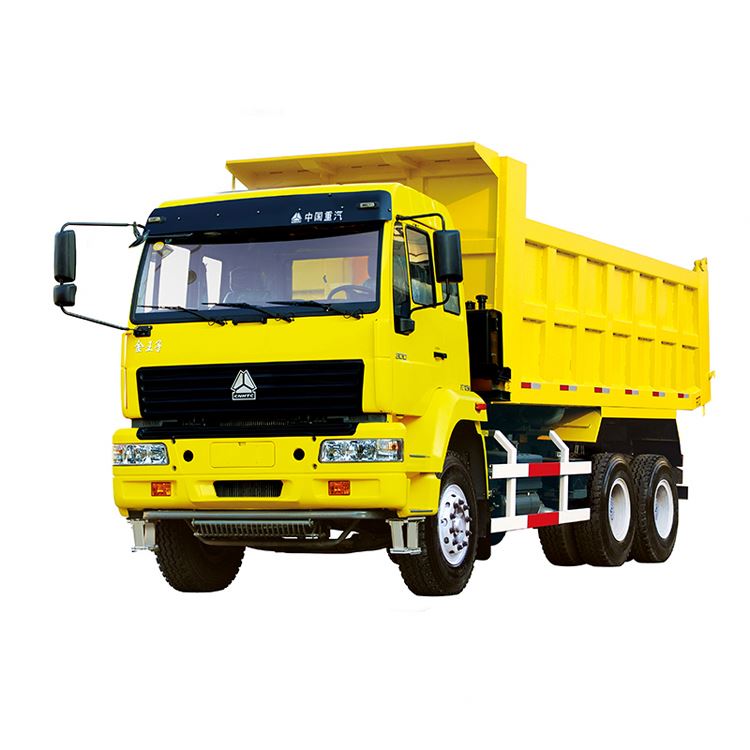
Designed for operation in extreme elevations (up to 5,200 meters), low-oxygen environments, and rugged terrain, the HOWO High-Altitude variant features:
| Parameter | Specification |
|---|---|
| GVW (Gross Vehicle Weight) | 49,000 kg |
| Dimensions (L×W×H) | 11,800 × 2,550 × 3,950 mm |
| Engine Type | WD12G Series, Turbocharged, Intercooled |
| Chassis Material | High-tensile steel with anti-corrosion coating |
| Special Features | Enhanced cooling, dual air filters, oxygen-enriched cabin (optional) |
2. Shipping Method Comparison
| Criteria | RO-RO | Bulk Cargo | Flat Rack (20’/40’) |
|---|---|---|---|
| Loading Mechanism | Self-propelled or towed onto vessel | Craned/lifted into hold | Secured on open-top container frame |
| Cargo Compatibility | Ideal for complete, drivable vehicles | Suitable for disassembled units or multiple trucks | Best for oversized, non-drivable units |
| Transit Time (Shanghai → Middle East/Africa/S. America) | 18–25 days | 22–30 days | 20–28 days |
| Port Infrastructure Requirements | RO-RO terminal with ramp access | General cargo berth with heavy-lift cranes | Standard container terminal with lashing points |
| Risk of Physical Damage | Low (minimal handling) | Medium (rigging, lifting) | Medium–High (lashing failure, weather exposure) |
| Security & Theft Risk | Low (sealed decks) | Medium (open holds) | Medium (exposed cargo) |
| Average Cost per Unit (USD) | $3,800–$4,500 | $3,200–$3,800 | $4,800–$5,600 |
| Customs Clearance Efficiency | High (pre-inspected, roll-through) | Medium | High (containerized, traceable) |
| Environmental Exposure | Moderate (decks may be open) | High (hold condensation) | High (full weather exposure) |
Note: Costs based on Q1 2026 freight indices, Shanghai departure, standard insurance, and port dues included.
3. Corrosion Protection: Wax Spraying System
3.1 Requirement
Extended sea voyages expose metallic components (chassis, suspension, undercarriage) to salt-laden air and humidity, accelerating galvanic and pitting corrosion.
3.2 Recommended Solution: Industrial Wax Spray Coating
A solvent-based, hydrophobic microcrystalline wax is applied pre-shipment to all exposed ferrous surfaces.
| Feature | Specification |
|---|---|
| Application Method | High-pressure spray (15–20 bar), full undercarriage coverage |
| Coating Thickness | 25–40 µm (dry film) |
| Salt Spray Resistance (ASTM B117) | >1,000 hours |
| Removability | Biodegradable solvent wash post-delivery |
| Compatibility | Non-reactive with paint, rubber, and electrical systems |
3.3 Implementation Protocol
- Pre-Treatment: Degrease and dry all surfaces.
- Application: Spray in climate-controlled facility (15–25°C, RH <60%).
- Curing: 4-hour dwell time before transport to port.
- Verification: Coating thickness verified via magnetic gauge (ISO 2808).
Note: Wax protection is mandatory for all shipping methods but is especially critical for Flat Rack and Bulk Cargo due to higher exposure.
4. Method-Specific Recommendations
4.1 RO-RO – Preferred for Operational Fleets
- Best for: Delivering trucks ready for immediate deployment.
- Advantage: Minimal handling, fastest port turnaround, lowest mechanical risk.
- Limitation: Requires drivable units; not suitable for damaged or non-operational trucks.
4.2 Bulk Cargo – Cost-Optimized for Large Volumes
- Best for: Exporting 10+ units to remote regions with limited RO-RO access.
- Advantage: Lower cost per unit; flexible stowage.
- Limitation: Higher corrosion and handling risk; extended discharge times.
4.3 Flat Rack – For Oversized or Non-Drivable Units
- Best for: Trucks with extended bodies, crane attachments, or inoperative drivetrains.
- Advantage: Full visibility and accessibility; compatible with lashing standards (IMO CSS Code).
- Limitation: Highest exposure to weather; requires full wax encapsulation and tarpaulin cover.
5. SEA LION International Standard Operating Procedure (SOP-LOG2026-03)
All HOWO High-Altitude Trucks exported via SEA LION International must comply with:
- Pre-Shipment Inspection (PSI): Verified drivability, fluid levels, battery isolation.
- Wax Coating Application: Per ASTM D130/D471 standards.
- Method Selection Matrix: Based on destination, volume, and truck status.
- In-Transit Monitoring: GPS tracking and humidity sensors (for containerized units).
6. Conclusion
For fleet managers and construction firms deploying HOWO High-Altitude Trucks in remote or high-elevation zones, RO-RO shipping is the optimal balance of speed, safety, and cost-efficiency. Bulk Cargo offers savings for large-volume, non-urgent shipments, while Flat Rack remains essential for non-standard configurations. Wax-based anti-corrosion treatment is non-negotiable across all methods to ensure equipment integrity upon arrival.
SEA LION International recommends pre-qualifying all export consignments under the above specifications to minimize downtime and maximize operational readiness.
Document ID: SL-ISR-2026-HOWO-LOG
Revision: 1.0
Effective Date: 01 April 2026
Classification: Industrial Use – Distribution A
Get a Quote for Howo High-Altitude Truck
SEA LION International Trade Co., Ltd – Authorized Heavy Truck Exporter (Since 2008).
👤 Contact Person: Mr. Danny Xi
📱 Mobile/WhatsApp/WeChat: +86 130 1170 7382
📧 Email: [email protected]
