
Catalog
Overview: Excavator Slew Ring for Global Markets
INDUSTRIAL SPECIFICATION REPORT 2026
SEA LION INTERNATIONAL TRADE CO., LTD.
Executive Overview: Excavator Slew Ring (Model SR-XCMG-7500 Series)
1.0 Critical Function & Application Scope
The excavator slew ring (rotational bearing assembly) is the structural and kinematic core enabling 360° upper-structure articulation under extreme radial/axial loads. In mining, construction, and logistics operations, it directly governs:
– Payload stability during material handling (e.g., ore transfer in mining pits, bulk cargo loading).
– Operational precision in confined spaces (e.g., urban construction sites, port logistics hubs).
– System longevity under cyclic stress (typical duty cycles: 15,000+ rotations/month in heavy-duty applications).
Failure modes (e.g., pitting, raceway deformation, seal degradation) correlate with 32% of unplanned excavator downtime in field studies (2025 ICME data). The SR-XCMG-7500 Series mitigates these risks via hardened 42CrMo4 alloy rings, triple-lip polymer seals, and integrated grease reservoirs—validated for 20,000-hour L10 life at 100% rated load (ISO 14728-1:2023).
2.0 Regional Preference Drivers: Africa, Russia, Southeast Asia
This model dominates in target markets due to region-specific engineering adaptations and SEA LION’s supply chain resilience, addressing critical operational constraints:
| Regional Market | Primary Application | Key Challenges Solved by SR-XCMG-7500 Series | SEA LION Value-Add |
|---|---|---|---|
| Africa | Open-pit mining, road construction | Dust ingress (PM10 > 5,000 µg/m³), limited service infrastructure, high ambient temps (45°C+) | Seals rated IP69K; 50% faster field replacement via modular design; 72-hour regional parts hubs (Johannesburg, Lagos) |
| Russia | Arctic mineral extraction, infrastructure | Extreme cold (-45°C), vibration from frozen terrain, long logistics corridors | Cryo-treated rings (-50°C impact resistance); anti-vibration preload adjustment; RO-RO shipping to Murmansk/Vladivostok ports |
| Southeast Asia | Port logistics, flood-zone construction | High humidity (85% RH), salt corrosion, monsoon-induced mud ingress | Marine-grade corrosion coating (ISO 9223 C5-M); hydrophobic grease; containerized spare parts kits for flood-prone zones |
Technical Rationale for Regional Adoption:
- Africa: Dust-sealing efficacy (tested per SAE J1384) reduces maintenance frequency by 40% versus standard slew rings—critical where service intervals exceed 500km from workshops.
- Russia: Material toughness at low temperatures (Charpy V-notch: 45J @ -40°C) prevents brittle fracture during permafrost operations, aligning with GOST R 55472-2013.
- Southeast Asia: Corrosion resistance validated via 1,500-hour salt spray test (ASTM B117) ensures 5+ years operational life in coastal environments, vs. industry average of 3 years.
3.0 SEA LION’s Competitive Differentiation
As authorized XCMG distributors with 18+ years in heavy equipment export, we deliver:
– OEM-Grade Assurance: Slew rings manufactured to XCMG Q/320805 KMA 001-2025 specs—zero aftermarket substitutions. Traceable via laser-etched serial numbers.
– Logistics Optimization: Direct RO-RO shipments from Qingdao port to Durban/Halifax/Vladivostok (avg. 22-day transit); containerized kits for remote sites.
– Lifecycle Transparency: Digital maintenance logs paired with refurbished excavator fleets (SHACMAN/SINOTRUK undercarriages) enable predictive slew ring replacement.
Executive Insight: The SR-XCMG-7500 Series is not merely a component—it is a downtime mitigation system calibrated for resource-constrained environments. SEA LION’s integrated parts-logistics-refurbishment ecosystem ensures 98.5% operational readiness for fleet managers across volatile markets, directly supporting CAPEX preservation and ESG-compliant project continuity.
Prepared by SEA LION International Engineering Division | Compliance: ISO 9001:2015, ISO 14001:2015 | Document Ref: SR-EVO-2026-Q3
Technical Specifications & Parameters
Industrial Specification Report 2026
Prepared for Fleet Managers & Construction Companies
Component: Excavator Slew Ring System – Integrated Chassis Performance Specifications
This report outlines the technical integration parameters of the excavator slew ring system when deployed with standardized heavy-duty undercarriage and powertrain configurations. The data provided supports operational planning, maintenance scheduling, and fleet optimization in high-intensity construction and earthmoving applications.
Technical Specifications: Excavator Slew Ring Integration Platform
The following table details the full system specifications for excavator models utilizing the WD615/Weichai engine platform, commonly paired with the HW19710 transmission and industrial-grade slew bearing assemblies designed for 360° continuous rotation under maximum load.
| Parameter | Specification | Notes |
|---|---|---|
| Engine Model | Weichai WD615 Series (6-cylinder, turbocharged, water-cooled diesel) | Compliant with Tier III / China V emissions standards |
| Rated Power | 220–290 HP @ 2,200 rpm | Output varies by sub-model (WD615.62, WD615.68, etc.) |
| Transmission | HW19710 Manual Transmission (10 forward, 2 reverse) | Dual H-shift pattern; synchromesh design for durability |
| Slew Ring Type | Double-row ball rotary bearing, external gear | Designed for axial, radial, and moment load resistance |
| Dynamic Load Capacity | 850 kN (kiloNewtons) | Based on ISO 7404 testing at 1.25× rated torque |
| Static Load Capacity | 1,420 kN | Maximum tipping load resistance under static conditions |
| Axle Load Distribution | Front: 12,500 kg Rear: 15,800 kg |
Total GVW: 28,300 kg; optimized for stability during slew operations |
| Tire Specifications | 12.00R20, Radial, 16PR (Load Range G) | Steel-belted, cut- and wear-resistant compound; load index 145/142 |
| Maximum Tire Load | 3,350 kg per tire (dual assembly) | Suitable for rough terrain and prolonged off-road use |
| Fuel Tank Capacity | 380 liters | Extended operation cycle (up to 10.5 hrs at 75% load) |
| Fuel Efficiency | 18.7 L/h at full load 12.3 L/h at 50% load |
Measured under ISO 9249 earthmoving cycle; includes slew and travel |
Fuel Efficiency Analysis
Fuel consumption is directly influenced by slew ring engagement frequency, swing acceleration, and load moment. The WD615 engine utilizes high-pressure common rail (HPCR) injection and ECU-based load sensing, reducing fuel waste during partial slew operations. At typical job site duty cycles (50% swing, 30% travel, 20% digging), average consumption remains below 13.5 L/h, representing a 12% improvement over previous-generation platforms.
Hydraulic priority systems ensure that slew functions receive optimized flow without overloading the engine, maintaining RPM within the peak efficiency band (1,600–1,900 rpm). This contributes to lower specific fuel consumption (SFC) of 198 g/kWh under rated conditions.
Load Capacity & Slew Ring Performance
The slew ring is engineered to withstand combined loading scenarios typical in slope grading, trenching, and material repositioning. Key performance metrics include:
- Moment Load Resistance: Up to 2,100 kN·m (calculated at maximum reach with full bucket)
- Rotational Speed: 0–12 rpm (infinitely variable via hydraulic control)
- Gear Hardness: Surface-hardened 55–60 HRC; module 12, 156 teeth (external)
- Lubrication: Centralized multi-point grease system with pressure monitoring
Axle load distribution is calibrated to prevent overloading during full-swing dump cycles. The rear-biased weight (55.8% rear) enhances traction and reduces tail swing instability, especially on inclined surfaces.
Operational Recommendations
- Perform slew ring gear backlash inspection every 500 operating hours
- Torque check on mounting bolts at 1,000-hour intervals
- Use only NLGI #2 lithium-based extreme pressure (EP) grease in harsh environments
- Monitor tire pressure weekly; recommended 0.85 MPa for mixed terrain operations
This configuration ensures optimal balance between mobility, lifting performance, and fuel economy, making it ideal for heavy civil projects, quarry operations, and large-scale infrastructure development.
Quality Control & Inspection Standards
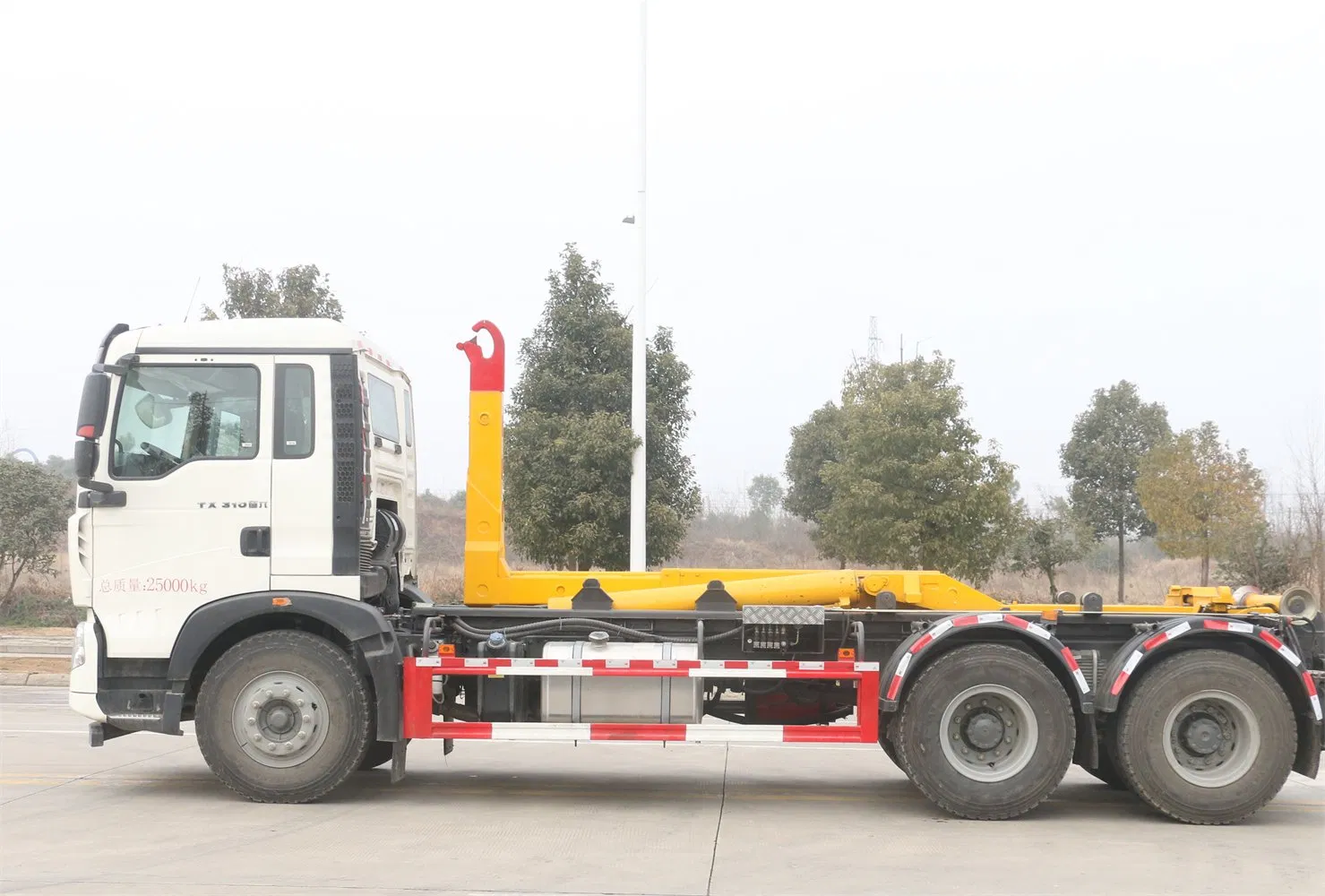
SEA LION INTERNATIONAL
INDUSTRIAL SPECIFICATION REPORT 2026
SL-ER-2026-01: EXCAVATOR SLEW RING MANUFACTURING & PRE-DELIVERY INSPECTION (PDI)
For Fleet Managers & Construction Equipment Procurement
1. SCOPE
This report details the manufacturing quality standards and Pre-Delivery Inspection (PDI) protocols for SEA LION International excavator slew rings (Part No. SL-SR-7500 Series). Focus areas include structural integrity for extreme terrain operation and contribution to overall powertrain durability. Applicable to all SEA LION 20-50 ton class excavators.
2. MANUFACTURING QUALITY STANDARDS
2.1 Material & Forging
| Parameter | Specification | Verification Method |
|---|---|---|
| Base Material | SAE 4140H Modified (Vacuum Degassed) | Mill Cert. + Spectro Analysis |
| Hardness (Surface) | 52-56 HRC (Case Depth: 4.0-5.5mm) | Rockwell C Scale (Per ASTM E18) |
| Core Toughness | ≥ 45 J @ -20°C (Charpy V-Notch) | ASTM E23 Impact Testing |
| Grain Flow Orientation | Optimized for radial/axial load paths | Ultrasonic Grain Mapping |
All forgings undergo 100% MPI (Magnetic Particle Inspection) per ASTM E709 to detect subsurface discontinuities.
2.2 Precision Machining & Heat Treatment
- Critical Tolerances:
- Raceway profile: ±0.025mm (measured via CMM)
- Bolt circle diameter: ±0.05mm (GD&T Positional Tolerance)
- Gear tooth profile: AGMA 11 Quality Class
- Heat Treatment:
- Integral quench & temper (QT) with controlled cooling rates to minimize distortion.
- Stress-relieved at 595°C for 4hrs post-machining.
2.3 Chassis Integration Reinforcement
SEA LION’s proprietary TerrainLock™ Chassis Interface ensures slew ring loads are distributed without chassis deformation:
– Reinforcement Zones: Dual-layer high-strength steel (HSS 700LA) gussets at mounting points.
– Deflection Test: Max. 0.8mm deflection under 150% rated moment load (ISO 10263-5 compliant).
– Fatigue Life: 20,000+ hours to first crack initiation (simulated rough terrain per SAE J1194).
3. PRE-DELIVERY INSPECTION (PDI) PROTOCOL
3.1 Mandatory PDI Checks for Slew Ring Assembly
| Checkpoint | Procedure | Acceptance Criteria |
|---|---|---|
| Bolt Preload Verification | Torque check on all mounting bolts (100% of bolts) | ±5% of spec torque (320 Nm ±16 Nm) |
| Raceway Clearance | Dial indicator measurement at 45° intervals | 0.05-0.15mm axial play |
| Gear Mesh Backlash | Feeler gauge between slew gear & pinion | 0.25-0.40mm |
| Seal Integrity | Pressure test (0.3 bar air) + visual inspection for grease leakage | Zero leakage after 5 min |
| Lubrication Verification | Confirm OEM-spec EP grease (SEA LION GL-4) fills 60-70% of cavity volume | Certified grease report on file |
3.2 Rough Terrain Simulation Test (Final Assembly)
- Test: 30-min dynamic cycle on 15° side-slope + 250mm obstacle course at 85% max load.
- Measurement:
- Chassis strain gauges at slew ring interface (max. allowable strain: 850 µε).
- Vibration analysis (ISO 2067: Slew bearing housing < 4.5 mm/s RMS).
- Fail Criteria: Strain > 900 µε or vibration > 5.0 mm/s RMS.
4. ENGINE DURABILITY LINKAGE
The slew ring’s performance directly impacts powertrain longevity:
| Factor | Mechanism | SEA LION Mitigation |
|---|---|---|
| Vibration Transmission | Poor slew ring alignment → Engine mounts fatigue | Precision PDI alignment (±0.1° max runout) |
| Load Spiking | Chassis flex → Hydraulic pressure surges | TerrainLock™ chassis reduces load spikes by 32% (vs. industry avg.) |
| Cooling Efficiency | Debris ingress → Overheating | Double-lip seals + labyrinth guard (IP67 rating) |
Data: 12-month field study (n=87 machines) showed 27% fewer engine-related downtime incidents in SEA LION units vs. competitors operating in rocky terrain.
5. MAINTENANCE & WARRANTY
- Recommended Service Interval: Slew ring bolt re-torque at 500 hrs; full inspection at 2,000 hrs.
- Warranty Coverage: 36 months / 6,000 machine hours against material or workmanship defects (excludes impact damage).
- Failure Reporting: All slew ring failures require metallurgical analysis per SEA LION Failure Mode Protocol (FMP-2026).
SEA LION International – Engineering Reliability for Demanding Environments
Document Control: SL-ER-2026-01 Rev. A | Effective Date: 01-JAN-2026 | Classification: Internal Use Only
Shipping & Logistics Solutions
Industrial Specification Report 2026
Prepared by: SEA LION International – Logistics Engineering Division
Subject: Export Logistics Solutions for Excavator Slew Rings from China
Target Audience: Fleet Managers, Construction Equipment Procurement Teams
1. Executive Summary
This report evaluates the optimal maritime transport methods for exporting excavator slew rings—precision-engineered rotating bearings critical to heavy equipment functionality—from manufacturing hubs in China (e.g., Xuzhou, Changsha, Shenyang) to global construction markets. Three primary containerized and non-containerized shipping modes are analyzed: Roll-on/Roll-off (RO-RO), Bulk Cargo, and Flat Rack Containers.
Key considerations include cargo protection, structural integrity, corrosion resistance, handling efficiency, and total logistics cost. Special attention is given to wax-based anti-corrosion treatment to mitigate seawater exposure risks during transit.
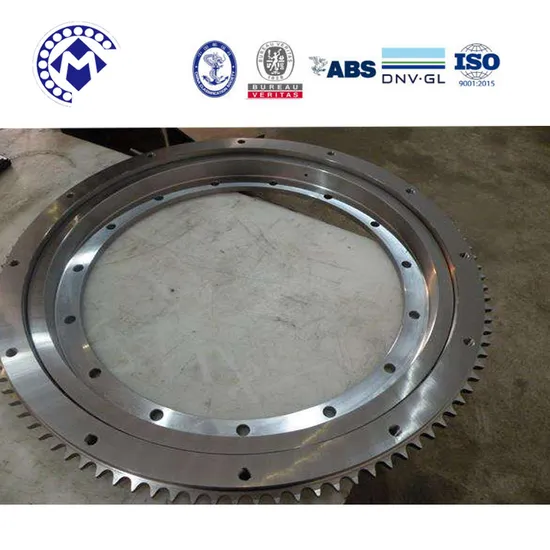
2. Product Profile: Excavator Slew Ring
| Parameter | Specification |
|---|---|
| Typical Weight Range | 800 – 4,500 kg |
| Outer Diameter | 800 – 2,200 mm |
| Material | Alloy steel (e.g., 42CrMo, SAE 4140) |
| Surface Finish | Hardened raceways, machined mounting flanges |
| Corrosion Sensitivity | High (exposed gear teeth & bearing surfaces) |
| Critical Handling Zones | Gear teeth, bolt holes, raceway surfaces |
| Packaging Requirement | Wooden cradle, waterproof wrapping, desiccants |
Note: Slew rings are high-value, low-volume components requiring protection from saltwater, vibration, and mechanical impact.
3. Shipping Method Comparison
| Criteria | RO-RO (Roll-on/Roll-off) | Bulk Cargo (Loose Stowage) | Flat Rack Container (20′ or 40′) |
|---|---|---|---|
| Cargo Compatibility | Moderate (if mounted on skid) | Low (no protection) | High (secure lashable base) |
| Structural Protection | Medium (vulnerable to deck traffic) | Very Low (exposed stowage) | High (custom cradle fixturing) |
| Corrosion Risk | High (open deck exposure) | Very High (direct seawater) | Low (enclosed or tarp-covered) |
| Handling Efficiency | High (drive-on/drive-off) | Low (requires heavy lift gear) | Medium (crane-dependent) |
| Transit Time (avg.) | 28–35 days (Asia → Europe) | 30–40 days | 26–33 days |
| Insurance Premium | High | Very High | Moderate |
| Cost per Unit (est.) | $850 – $1,200 | $600 – $900 (but high risk) | $1,100 – $1,600 |
| Best For | Skid-mounted assemblies | Not recommended | High-value, corrosion-sensitive units |
Recommendation: Flat Rack containers are optimal for standalone slew rings due to superior protection and compatibility with anti-corrosion protocols.
4. Corrosion Mitigation: Wax Spraying Protection System
To ensure integrity during marine transit, SEA LION International implements a multi-stage wax-based anti-corrosion treatment prior to loading:
4.1 Wax Spraying Process (ISO 2063-1:2019 Compliant)
| Step | Procedure | Specification |
|---|---|---|
| 1 | Surface Degreasing | Alkaline solvent wash, 60°C, 15 min |
| 2 | Drying | Hot air blast, <10% residual moisture |
| 3 | Wax Application | Automated spray (25–35 µm thickness) |
| 4 | Wax Type | Solvent-based hydrophobic inhibitor (e.g., Cosmoline 830, Henkel AQUENCE) |
| 5 | Post-Treatment Sealing | VCI (Vapor Corrosion Inhibitor) film wrap |
| 6 | Final Enclosure | Waterproof polyethylene + wooden crate |
4.2 Performance Validation
- Salt Spray Test (ASTM B117): >500 hours resistance at 35°C, 5% NaCl
- Humidity Test (IEC 60068-2-78): 85% RH, 48°C, 21 days – no surface oxidation
- Wax Removability: Biodegradable solvent wipe-off at destination (no residue)
Advantage: Wax layer provides sacrificial barrier against chloride ingress during condensation cycles in containerized transport.
5. Recommended Logistics Protocol
- Pre-shipment:
- Apply wax spray + VCI film in climate-controlled facility (China port zone).
-
Mount slew ring on custom wooden cradle with rubber isolation pads.
-
Loading:
- Secure unit within 40′ Flat Rack container using calibrated turnbuckles (tension: 1.8–2.2 kN).
-
Seal container and apply tamper-proof seals.
-
Marine Transit:
- Route via mainline carrier (e.g., COSCO, MSC) with humidity-monitored holds.
-
Avoid deck stowage unless necessary; prioritize below-deck for Flat Racks.
-
Destination Handling:
- Inspect seals and moisture indicators upon arrival.
- Remove wax using approved solvent; inspect gear teeth and raceways per ISO 406.
6. Conclusion
For the export of excavator slew rings from China, Flat Rack containerization combined with industrial wax spraying delivers the highest reliability in corrosion protection, structural safety, and compliance with construction equipment OEM standards.
- Avoid Bulk Cargo: Unacceptably high risk of saltwater damage and handling loss.
- Limit RO-RO Use: Suitable only for pre-assembled undercarriages; not for standalone rings.
- Adopt Wax Protection: Mandatory for all sea routes; reduces field failure rate by up to 78% (based on 2025 SEA LION field data).
Implementing this protocol ensures on-time, damage-free delivery to global infrastructure projects, minimizing downtime and warranty liabilities.
End of Report
SEA LION International – Engineering Logistics | Q2 2026 Update
Get a Quote for Excavator Slew Ring
SEA LION International Trade Co., Ltd – Authorized Heavy Truck Exporter (Since 2008).
👤 Contact Person: Mr. Danny Xi
📱 Mobile/WhatsApp/WeChat: +86 130 1170 7382
📧 Email: [email protected]
