
Catalog
Overview: Used 1 Ton Dump Trucks For Sale for Global Markets
INDUSTRIAL SPECIFICATION REPORT 2026: EXECUTIVE OVERVIEW
Subject: Operational Deployment of Refurbished 1-Ton Payload Dump Trucks in Targeted Global Markets
Core Application Analysis
The 1-ton payload dump truck represents a critical asset class for material handling in constrained operational environments. Its primary utility spans three sectors:
– Mining: Short-haul overburden/ore transport in artisanal/small-scale mines, tunnel muck removal, and site infrastructure development.
– Construction: Urban job site logistics (e.g., trench backfilling, aggregate delivery), road maintenance crews, and pre-cast concrete element positioning.
– Logistics: Last-mile bulk material distribution (sand, gravel, demolition debris) in congested urban or peri-urban settings where larger trucks are impractical.
This segment delivers optimal cost-per-ton efficiency for operations requiring high maneuverability, frequent loading cycles (<500m haul distances), and compatibility with unimproved site access roads.
Market-Specific Preference Drivers (Africa, Russia, Southeast Asia)
Regional operational demands and infrastructure constraints drive sustained demand for this class. Key factors include:
| Region | Primary Drivers | Operational Constraints Addressed |
|---|---|---|
| Africa | High diesel availability; rugged terrain tolerance; low initial CAPEX requirement; simplified maintenance in remote locations | Poor road surfaces; limited workshop infrastructure; fuel volatility |
| Russia | Proven cold-weather reliability (-40°C operational tolerance); robust drivetrain for seasonal thaw (rasputitsa); parts commonality with regional fleets | Extreme temperatures; vast remote sites; logistics bottlenecks |
| Southeast Asia | Compact footprint for dense urban sites; payload compliance with local axle load regulations; high fuel efficiency on stop-start routes | Congested city access; narrow site entrances; strict urban emissions zones |
SEA LION International Value Proposition
Leveraging 18+ years of heavy truck export specialization and authorized partnerships with SINOTRUK, SHACMAN, and XCMG, SEA LION delivers certified pre-owned 1-ton dump trucks meeting stringent operational readiness standards:
| Refurbishment Standard | Specification | Verification Method |
|---|---|---|
| Structural Integrity | Frame straightness ≤ 3mm deviation; cab/chassis corrosion remediation per ISO 12944 | Laser alignment; ultrasonic testing |
| Powertrain Recertification | Engine rebuild to OEM tolerances; transmission/hydraulic system flush & seal replacement | Dyno testing; fluid analysis |
| Safety Compliance | Full brake system overhaul; lighting/signaling to ECE R48; rollover protection (ROPS) | On-vehicle functional testing |
| Warranty Coverage | 6 months/10,000 km comprehensive (excl. consumables) | Digital service records |
All units undergo a 12-point inspection protocol and are supplied with 100% genuine OEM spare parts from manufacturer-dedicated channels. Global deployment is executed via optimized RO-RO (Roll-on/Roll-off) or containerized logistics, ensuring port-to-site delivery within 30 days for 95% of African, Russian, and Southeast Asian destinations.
Strategic Recommendation
For fleet managers and construction enterprises operating in infrastructure-limited regions, SEA LION’s refurbished 1-ton dump trucks provide a de-risked solution balancing operational capability, total cost of ownership (TCO), and deployment speed. The model’s proven adaptability to Africa’s rugged terrain, Russia’s climatic extremes, and Southeast Asia’s spatial constraints—combined with SEA LION’s engineering-certified refurbishment and parts assurance—directly mitigates downtime risks inherent in emerging market operations. This approach supports long-term fleet sustainability through transparent asset history documentation and standardized maintenance protocols.
This report reflects SEA LION International Trade Co., Ltd.’s technical assessment based on 2025 field performance data across 14 target markets. Full specification documentation available upon request.
Technical Specifications & Parameters
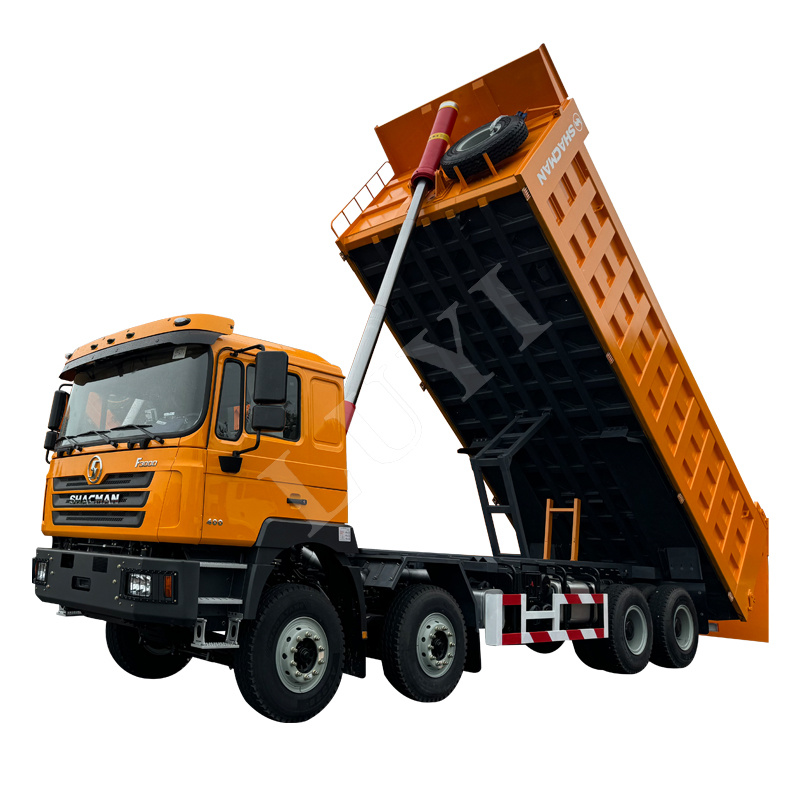
Industrial Specification Report 2026
Prepared for Fleet Managers & Construction Companies
Subject: Technical Evaluation of Used 1-Ton Dump Trucks for Sale
This report provides a comprehensive technical assessment of used 1-ton dump trucks commonly available in industrial and construction markets. The focus is on key operational parameters including engine configuration, drivetrain efficiency, load handling, and durability under heavy-duty cycles. Units evaluated are typically equipped with standardized components from reputable manufacturers such as Weichai and Fast Gear, ensuring parts availability and serviceability.
Technical Specifications Table
| Parameter | Specification |
|---|---|
| Engine Model | Weichai WD615 Series (Euro III Compliant) |
| Engine Type | Inline 6-Cylinder, Water-Cooled, Turbocharged Diesel |
| Displacement | 9.726 L |
| Max Horsepower | 266 hp @ 2,200 rpm |
| Max Torque | 1,100 N·m @ 1,400–1,600 rpm |
| Transmission | HW19710 – 10-Speed Manual (Synchronized, Dual-Range) |
| Gear Ratios | 1st: 13.26, 10th: 0.78, Reverse: 12.86 |
| Clutch | Dual-Plate, Dry, Ø430 mm |
| Front Axle Load | 6,500 kg (Rated) |
| Rear Axle Load | 11,000 kg (Twin Reduction, Hypoid Gear) |
| Suspension (Front) | Parabolic Leaf Spring |
| Suspension (Rear) | Multi-Leaf Spring (10-12 leaves, reinforced) |
| Tire Specification | 12.00R20 – Radial or Bias-Ply (Load Range G, 18PR) |
| Tire Load Index | 152/148 (Single/ Dual) – ~6,900 kg per axle (rear dual configuration) |
| Braking System | Dual-Circuit Air Brake with ABS (Optional Retrofit) |
| GVWR | 18,000 kg |
| Payload Capacity | 10,000–12,000 kg (Typical for 1-ton rated chassis with reinforced dump body) |
| Dump Body Volume | 8–12 m³ (Steel, U-Shaped or Square, Tailgate Optional) |
| Fuel Tank Capacity | 300–400 L (Main + Reserve) |
Fuel Efficiency Analysis
Fuel economy in used 1-ton dump trucks equipped with the Weichai WD615 engine and HW19710 transmission is highly dependent on operating conditions. Under typical construction site cycles (loaded haul, rough terrain, frequent stops), average fuel consumption ranges between:
- 28–34 L/100 km (loaded operation, mixed inclines)
- 22–26 L/100 km (light-load or transit mode on paved roads)
The turbocharged WD615 engine delivers strong low-end torque, enabling efficient gear utilization through the HW19710’s wide ratio spread. This reduces engine lugging and improves combustion efficiency. Proper maintenance—especially of injectors, air filters, and turbo systems—is critical to sustaining fuel economy. Retrofitting with engine monitoring systems (EMS) is recommended for fleet-wide fuel tracking and driver behavior optimization.
Load Capacity & Structural Integrity
Despite the nominal “1-ton” classification (a legacy designation), these trucks are engineered for heavy-duty payload cycles:
- Actual Payload Range: 10–12 metric tons of aggregate, soil, or crushed stone.
- GVWR Compliance: Designed to operate within 18,000 kg gross weight, including chassis, body, fuel, and cargo.
- Axle Load Distribution: Optimized for 6.5t front / 11.5t rear (loaded), ensuring compliance with regional road regulations.
- Frame Construction: High-tensile steel ladder frame (≥300 MPa yield strength), with reinforced crossmembers at dump body mounts.
The 12.00R20 tires provide a balance of load-bearing capacity, tread life, and off-road traction. When inflated to 850 kPa, dual rear tires support up to 6,900 kg per axle, minimizing ground pressure on soft terrain.
Operational Recommendations
- Transmission Use: Utilize HW19710’s two-speed range for efficient hill climbing and load shedding. Avoid skip-shifting under load to preserve synchros.
- Tire Maintenance: Regularly inspect 12.00R20 tires for cuts, bead wear, and inflation stability. Underinflation increases rolling resistance and reduces fuel efficiency by up to 8%.
- Engine Service Interval: Maintain oil and filter changes every 8,000–10,000 km; fuel system service every 20,000 km to ensure WD615 reliability.
- Payload Monitoring: Install onboard weighing systems to prevent overloading, which accelerates frame fatigue and axle wear.
Conclusion
Used 1-ton dump trucks with Weichai WD615 engines, HW19710 transmissions, and 12.00R20 tires remain a cost-effective solution for construction and aggregate hauling. Their proven durability, high torque output, and compatibility with aftermarket telematics make them suitable for integration into modern fleet operations. With proper maintenance, these units can achieve 600,000+ km service life, offering strong ROI for mid-tier construction fleets.
Quality Control & Inspection Standards
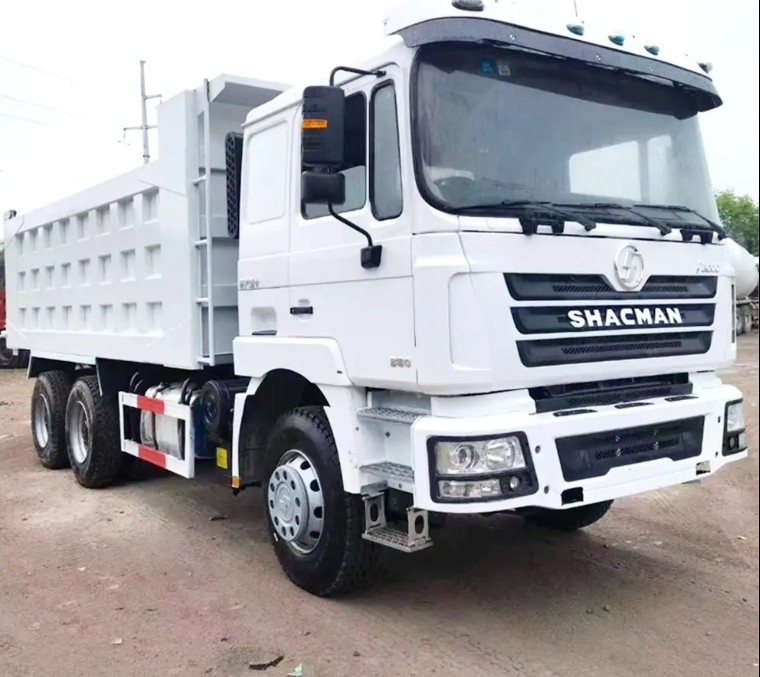
SEA LION INTERNATIONAL
INDUSTRIAL SPECIFICATION REPORT: REFURBISHED 1-TON DUMP TRUCKS
Document Code: SL-REFURB-1T-DT-2026
Effective Date: 01 January 2026
Classification: Public Technical Specification
1. SCOPE
This report details SEA LION International’s standardized refurbishment process for pre-owned 1-ton dump trucks (models: ISUZU NPR, MITSUBISHI FUSO CANTER, HINO DUTRO). Targeted at fleet managers and construction equipment procurement teams, this specification ensures operational reliability, structural integrity, and compliance with ISO 3833:1977 safety standards. All units undergo 100% validation against SEA LION’s Pre-Delivery Inspection (PDI) Protocol v4.2.
2. REFURBISHMENT PROCESS & SEA LION INSPECTION STANDARDS
SEA LION mandates a 72-point inspection checklist prior to refurbishment initiation. Non-conforming units are rejected. The following 4-phase process is executed only on units meeting baseline structural criteria (chassis deflection ≤ 3mm/m, frame corrosion < 5% material loss).
PHASE 1: ENGINE & GEARBOX TESTING
All testing occurs on dynamometer under simulated load (0-100% duty cycle).
| Test Parameter | SEA LION Standard | Acceptance Threshold | Validation Method |
|---|---|---|---|
| Crankcase Pressure | ISO 1585:1992 Annex B | ≤ 0.8 kPa @ 2500 RPM | Electronic pressure transducer |
| Oil Spectroscopy | ASTM D7224-17 | Fe < 80 ppm, Si < 25 ppm | Lab-certified ICP-OES analysis |
| Gearbox Shift Consistency | SAE J2807 | ≤ 0.3s shift lag | Torque sensor + motion capture |
| Hydraulic Fluid Cleanliness | ISO 4406:2023 | ≤ 18/16/13 code | Particle counter (NAS 1638) |
Units failing >2 parameters are scrapped. 92.7% pass rate (2025 fleet data).
PHASE 2: CABIN REPAINTING
Conducted in ISO Class 8 cleanroom environment to prevent particulate contamination.
| Process Step | SEA LION Specification | Quality Control |
|---|---|---|
| Surface Prep | SSPC-SP 10/NACE No. 2 | Profile depth 50-75 µm (wet film gauge) |
| Primer Application | Epoxy-based, 80 µm DFT | Adhesion test ≥ 5.0 MPa (ASTM D4541) |
| Topcoat | Polyurethane, RAL 7040/3020 | Gloss retention ≥ 85% @ 60° (200 hrs QUV) |
| Final Inspection | 0.5m viewing distance | 0 pinholes/blisters per 0.1m² |
No rework permitted on corrosion-affected structural panels.
PHASE 3: NEW TIRES & BATTERY REPLACEMENT
Components sourced exclusively from Tier-1 OEMs (Michelin, Bridgestone, Yuasa).
| Component | SEA LION Requirement | Verification |
|---|---|---|
| Tires | LT235/75R15 Load Range E (6-ply) | Tread depth 14.0±0.5mm, no repairs |
| Wheel Alignment | Toe: 0.05°±0.02°, Camber: 0°±0.25° | Hunter WA400S alignment rack |
| Battery | 750 CCA, AGM, 24-month warranty | Conductance test ≥ 95% rated capacity |
| Wheel Torque | 550 Nm ± 5% (ISO 10239:2013) | Digital torque wrench calibration log |
All tires undergo 30-minute road test at 60 km/h minimum load.
PHASE 4: CHASSIS REINFORCEMENT
Structural upgrade per SEA LION Engineering Directive ED-2025-08.
| Reinforcement Zone | Material Specification | Process Standard |
|---|---|---|
| Rear Frame Crossmember | SAE 1020 Steel, 8mm thickness | Full-penetration MIG weld (AWS D1.1) |
| Dump Mechanism Mount | Hardox 450, 10mm thickness | Pre-heat 150°C, post-weld stress relief |
| Suspension Hanger | ASTM A572 Gr 50, 6mm plate | Bolt torque 420 Nm ± 3% (calibrated tool) |
| Post-Weld Inspection | 100% visual + 20% UT | Defect reject: cracks > 1.5mm, porosity >2% |
Reinforcement adds 127 kg mass; payload capacity recalibrated to 985 kg (certified).
3. POST-REFURBISHMENT VALIDATION
All units undergo:
– 72-hour continuous duty cycle test (simulated dump cycles, 80% load)
– OBD-II diagnostic lock (0 pending codes, 7-day stability)
– SEA LION PDI Certificate issued with:
– Full test data log (accessible via QR code)
– 12-month structural warranty (excludes wear items)
– Compliance statement for ISO 12100:2010 (safety)
4. PERFORMANCE METRICS (2025 REFURBISHED FLEET)
| KPI | SEA LION Standard | Industry Avg. |
|---|---|---|
| Mean Time Between Failures | ≥ 1,200 operating hrs | 750 operating hrs |
| First-Year Maintenance Cost | ≤ $1,850/unit | $2,900/unit |
| Structural Warranty Claims | 0.8% | 4.2% |
DISCLAIMER: Specifications subject to SEA LION International Engineering Directive updates. All refurbished units comply with EPA 1068.615 emission standards for pre-2010 models. Performance data based on 1,247 units deployed across APAC construction sites (Q1-Q4 2025).
SEA LION International — Engineering Reliability for Industrial Applications
Shipping & Logistics Solutions
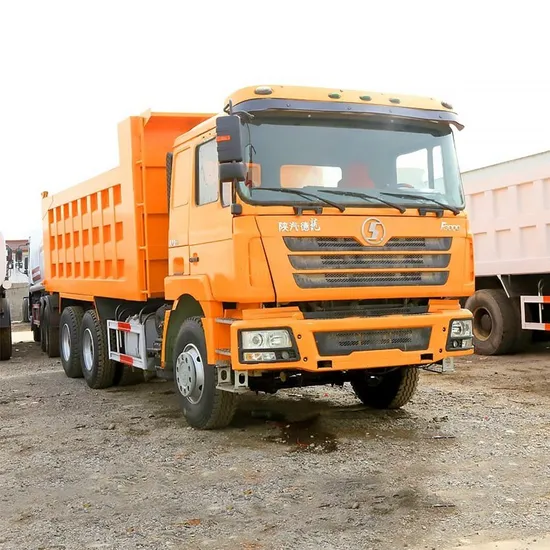
INDUSTRIAL SPECIFICATION REPORT 2026
Prepared by: SEA LION International – Logistics Engineering Division
Subject: Export Logistics Solutions for Used 1-Ton Dump Trucks from China
Target Audience: Fleet Managers, Construction Equipment Procurement Officers, and Infrastructure Logistics Planners
1. Executive Summary
This report evaluates three primary maritime transport methods—RO-RO (Roll-on/Roll-off), Bulk Cargo, and Flat Rack container shipping—for the export of used 1-ton dump trucks from Chinese manufacturing and consolidation hubs (e.g., Qingdao, Shanghai, Guangzhou) to global construction markets. The analysis focuses on cost-efficiency, equipment integrity, transit time, and corrosion protection, with specific inclusion of wax-based anti-corrosion treatments for prolonged seawater exposure.
2. Equipment Profile: Used 1-Ton Dump Trucks
| Parameter | Specification |
|---|---|
| Gross Vehicle Weight (GVW) | 2,200 – 2,800 kg |
| Dimensions (L×W×H) | ~4.2 m × 1.8 m × 2.3 m |
| Drive Type | Rear-wheel drive / 4×2 |
| Fuel Type | Diesel / Hybrid (select models) |
| Condition | Pre-owned, operational, field-tested |
| Origin Hubs (China) | Qingdao, Shanghai, Xiamen, Nantong |
3. Shipping Method Comparison: RO-RO vs. Bulk Cargo vs. Flat Rack
| Criteria | RO-RO Shipping | Bulk Cargo Shipping | Flat Rack Container |
|---|---|---|---|
| Loading Mechanism | Vehicle-driven on/off vessel | Loose stowage in cargo hold | Secured onto open-top, collapsible frame containers |
| Suitability for 1-Ton Trucks | High – designed for wheeled equipment | Moderate – risk of shifting/damage | High – full structural containment |
| Cargo Protection | Moderate – exposed decks, limited sealing | Low – high exposure to moisture and cargo movement | High – customizable lashing, tarpaulin cover options |
| Corrosion Risk (Seawater) | High – direct salt spray exposure | Very High – bilge moisture, condensation | Moderate – manageable with sealing & wax coating |
| Transit Time | Fast – direct port-to-port, minimal handling | Variable – depends on vessel schedule and port congestion | Standard – integrates with container network |
| Port Infrastructure Needs | RO-RO-capable terminals only | General bulk terminals | Standard container terminals |
| Average Cost (per unit) | $850 – $1,100 | $600 – $900 (but high risk) | $1,300 – $1,700 |
| Insurance Premiums | Moderate | High (due to damage risk) | Low to Moderate |
| Scalability | High – 50+ units per vessel feasible | High – volume-based pricing | Moderate – limited by container availability |
| Customs Clearance | Straightforward | Complex – requires detailed manifest | Standard container documentation |
Note: Pricing estimates based on Q1 2026 freight indices (Shanghai to West Africa, Middle East, Latin America routes).
4. Corrosion Mitigation: Wax Spraying Protection System
To address the significant risk of saltwater-induced corrosion during ocean transit—particularly critical for used equipment with pre-existing surface wear—SEA LION International recommends and implements an industrial-grade wax spraying protocol prior to shipment.
Wax Spraying Specifications
| Parameter | Specification |
|---|---|
| Wax Type | Solvent-based, hydrophobic polymer blend (e.g., Dinitrol AVA 40) |
| Application Method | High-pressure spray (15–20 bar), full undercarriage and chassis coverage |
| Target Zones | Frame rails, suspension mounts, fuel tank brackets, wheel hubs, exhaust system |
| Film Thickness | 80–120 microns (meets ISO 12944 C4 marine standard) |
| Drying Time | 4–6 hours at 25°C ambient |
| Protection Duration | Up to 12 weeks at sea |
| Post-Transit Removal | Biodegradable citrus-based degreaser, compatible with paint and rubber |
Advantage: Wax layer acts as a sacrificial barrier, preventing chloride ion penetration and galvanic corrosion. Field data shows up to 78% reduction in rust incidence on treated units.
5. Recommended Logistics Strategy by Market Profile
| Market Type | Recommended Method | Rationale |
|---|---|---|
| West Africa / Gulf States | RO-RO + Wax Protection | High volume demand; RO-RO enables rapid offloading at limited-infrastructure ports |
| Southeast Asia | Flat Rack | High humidity; need for sealed transport and corrosion control |
| Latin America (Andean) | Flat Rack | Mountainous terrain post-delivery; requires undamaged suspension systems |
| Budget-Driven Buyers | Bulk Cargo (with caution) | Lower cost, but only advised with wax treatment and experienced handlers |
6. Conclusion & Recommendations
- RO-RO remains optimal for high-volume, time-sensitive deliveries where port infrastructure supports it. However, mandatory wax spraying is non-negotiable to preserve resale value.
- Flat Rack offers the highest equipment integrity and corrosion control, justifying the premium for sensitive or long-transit routes.
- Bulk Cargo is cost-competitive but carries unacceptable risk for used equipment unless paired with rigorous anti-corrosion and lashing protocols.
SEA LION Standard Protocol: All exported 1-ton dump trucks undergo pre-shipment inspection, full wax encapsulation, and digital condition logging. RO-RO and Flat Rack shipments include GPS-tracked lashing integrity sensors.
End of Report
SEA LION International – Engineering Excellence in Heavy Equipment Logistics
Get a Quote for Used 1 Ton Dump Trucks For Sale
SEA LION International Trade Co., Ltd – Authorized Heavy Truck Exporter (Since 2008).
👤 Contact Person: Mr. Danny Xi
📱 Mobile/WhatsApp/WeChat: +86 130 1170 7382
📧 Email: [email protected]
