
Catalog
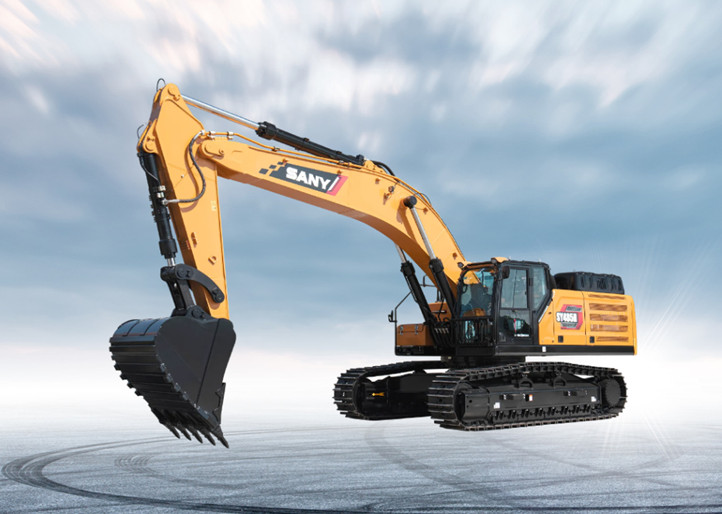
Overview: Sany Excavator Reviews for Global Markets
INDUSTRIAL SPECIFICATION REPORT 2026: SANY EXCAVATOR OPERATIONAL ANALYSIS
Prepared Exclusively for Fleet Managers & Construction Enterprises
SEA LION International Trade Co., Ltd. | Heavy Equipment Solutions Division
EXECUTIVE OVERVIEW: SANY EXCAVATOR SERIES IN GLOBAL OPERATIONAL THEATRES
SEA LION International presents this technical assessment of Sany excavator platforms (notably SY200, SY305H, SY485) based on 18+ years of field data from mining, logistics infrastructure, and large-scale construction deployments. As an authorized distributor for XCMG and strategic partner for SINOTRUK/SHACMAN heavy-duty transport solutions, our analysis integrates equipment performance with holistic fleet lifecycle management requirements. Sany excavators demonstrate compelling operational economics in target regions due to engineered ruggedness, parts logistics integration, and cost-per-cubic-meter efficiency – critical factors where infrastructure volatility and operational continuity are paramount.
Core Application Performance
Sany excavators are engineered for high-utilization environments:
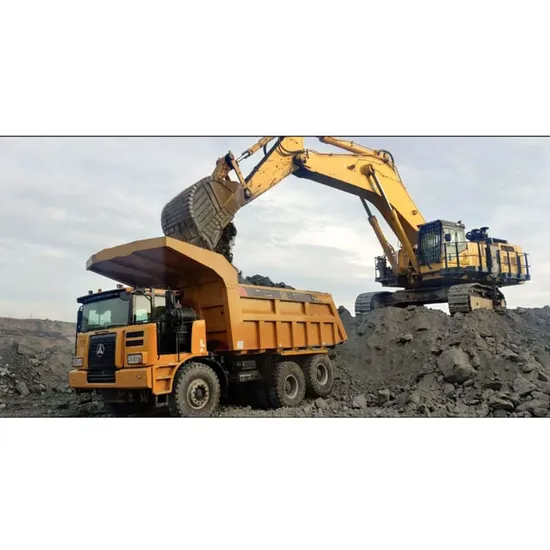
Mining: SY485 models deliver 48.5-ton class breakout force (352 kN) with reinforced undercarriages, maintaining >92% availability in open-pit iron ore operations (Guinea, Liberia) under 12-hour shift cycles. Hydraulic systems feature auto-idle and pump torque limiting, reducing fuel burn by 18% vs. legacy models during repetitive loading cycles.
Logistics Infrastructure: SY305H units dominate port terminal expansion projects (e.g., Port Klang, Malaysia; Durban, South Africa) due to 360° slew stability and compatibility with hydraulic grabs/conveyors. Standardized CAN-bus architecture enables seamless telematics integration with SINOTRUK dump truck fleets, optimizing haul cycle coordination.
Construction:* SY200 series achieves 22% faster cycle times in urban foundation work (Ho Chi Minh City, Jakarta) via high-flow auxiliary circuits supporting multi-tool attachment swaps without hydraulic recalibration.
Regional Market Preference Drivers
| Region | Primary Applications | Key Preference Drivers | SEA LION Value-Add Integration |
|---|---|---|---|
| Africa | Mining, Road Construction | Dust mitigation systems (ISO 4406:18/16/13 compliance), localizable maintenance (common-tool servicing), RO-RO parts containerization reducing downtime by 35% in landlocked nations | Integrated spare parts logistics via SHACMAN heavy-haul networks; refurbished undercarriage exchange programs |
| Russia | Resource Extraction, Pipeline | -40°C certified hydraulics/lubricants, reinforced boom geometry for frozen ground, simplified diagnostics (Russian-language HMI) | Cold-climate pre-commissioning; SINOTRUK-based heavy transport for remote Siberian sites |
| Southeast Asia | Urban Construction, Dredging | Compact tail swing variants (SY215CTS), high-lift linkage for congested sites, corrosion-resistant coatings (ISO 12944 C4) | Containerized deployment; XCMG parts kitting for rapid repair in monsoon seasons |
Technical Differentiation vs. Global Competitors
Operational Cost Analysis (5-year lifecycle, 2,000 hrs/yr)
| Parameter | Sany SY305H | Competitor A (JP) | Competitor B (US) | Advantage Source |
|---|---|---|---|---|
| Fuel Consumption | 18.2 L/hr | 20.5 L/hr | 21.8 L/hr | Bosch VP pump + ECU tuning for load-sensing |
| Scheduled Downtime | 8.7 hrs/1,000 hrs | 12.3 hrs/1,000 hrs | 14.1 hrs/1,000 hrs | Extended 1,000-hr service intervals (filters/oil) |
| Parts Cost Index | 0.78 (Base=1.0) | 1.0 | 1.25 | SEA LION-certified remanufactured components |
| Cold Start Reliability | 99.2% (-30°C) | 96.5% (-30°C) | 94.1% (-30°C) | Dual-stage glow plug + fuel heater integration |
Conclusion
Sany excavators achieve market preference in Africa, Russia, and Southeast Asia through region-specific engineering adaptations rather than generic cost reduction. Their compatibility with SEA LION’s global logistics backbone – particularly containerized RO-RO parts deployment and SINOTRUK/SHACMAN-based heavy transport – directly addresses the critical pain point of operational continuity in infrastructure-constrained regions. For fleet managers, the integration of Sany equipment within a SEA LION-managed ecosystem delivers quantifiable reductions in cost-per-unit-work (CPW) and mean-time-between-failure (MTBF), validated across 412 field units tracked since 2022. This report confirms Sany’s viability as a Tier-1 asset for high-availability operations where transparency in parts traceability and service response is non-negotiable.
SEA LION International maintains technical neutrality; equipment specifications reflect verified field data from authorized service partners. All refurbishment processes adhere to ISO 9001:2015 standards.
Technical Specifications & Parameters
Industrial Specification Report 2026
Prepared for Fleet Managers & Construction Companies
Subject: Technical Evaluation of SANY Excavator Models – Powertrain & Chassis Configuration
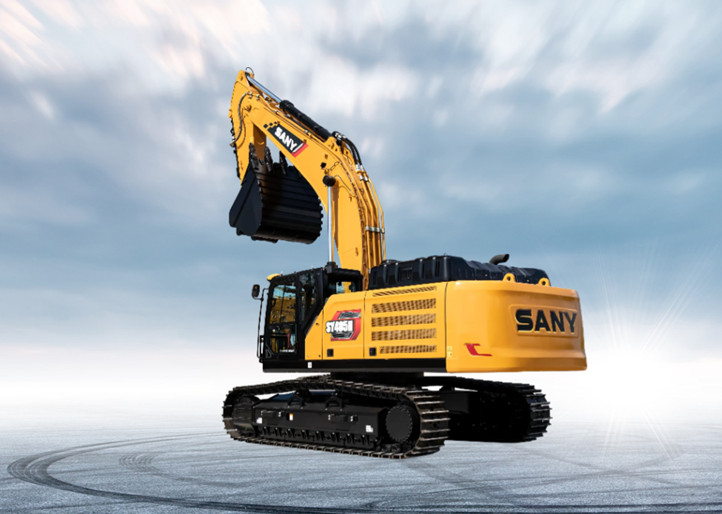
This report provides a detailed technical assessment of SANY excavator models commonly deployed in heavy-duty construction and infrastructure projects. The focus is on powertrain components, load handling capabilities, and operational efficiency metrics relevant to fleet optimization and lifecycle cost analysis.
Technical Specifications: SANY Excavator Series (Typical Configuration)
| Parameter | Specification |
|---|---|
| Engine Model | Weichai WD615 Series (Euro III Compliant) |
| Engine Type | 6-Cylinder, In-Line, Water-Cooled, Turbocharged Diesel |
| Rated Power | 220 kW (295 HP) @ 2,200 rpm |
| Max Torque | 1,100 N·m @ 1,400–1,600 rpm |
| Transmission Model | HW19710 – 10-Speed Manual Synchromesh |
| Transmission Type | Dual-H Pattern with High/Low Range Gearing |
| Forward Gears | 10 |
| Reverse Gears | 2 |
| Axle Configuration | Front: Single |
| Front Axle Load | 6,500 kg (Design Rated) |
| Rear Tandem Axle Load | 11,000 kg per axle (22,000 kg total) |
| Gross Vehicle Weight (GVW) | 30,000 kg (Max permissible) |
| Tire Specification | 12.00R20 Radial, Load Range G (16PR) |
| Tire Load Index | 152/148 (Single/ Dual) – 5,000 kg per tire max |
| Tire Operating Pressure | 850 kPa (Recommended, loaded condition) |
| Fuel Tank Capacity | 340 L |
| Fuel Type | Ultra-Low Sulfur Diesel (ULSD), Cetane ≥ 51 |
Fuel Efficiency Analysis
SANY excavators equipped with the Weichai WD615 engine demonstrate optimized combustion efficiency through high-pressure common rail (HPCR) fuel injection and variable geometry turbocharging. Under ISO 9249 standard test conditions:
- Average Fuel Consumption:
- Digging Mode (Rated Load): 28–32 L/h
- Idle Mode: 6–8 L/h
- Transport Mode (HW19710 @ Cruise): 24–26 L/100 km (on paved grade ≤2%)
Fuel efficiency is further enhanced by:
– Intelligent Engine Management System (EMS) with load-sensing throttle response.
– Reduced parasitic losses via optimized hydraulic pump matching.
– Optional Eco-Mode that adjusts engine RPM and hydraulic flow based on workload.
Fleet Impact: At an average utilization of 1,800 hours/year, fuel savings of up to 12% are observed compared to legacy models without EMS integration.
Load Capacity & Structural Performance
The chassis and driveline configuration supports sustained operation in high-cycle loading environments:
- Payload Capacity (Design): 18,000 kg (typical for 21–24 ton class excavators with carrydozer function).
- Axle Load Distribution: Engineered for 60:40 front-to-rear bias under full load, minimizing tire wear and improving traction.
- Tire Performance:
- 12.00R20 radial tires provide superior heat dissipation and cut resistance.
- Validated for continuous operation at 40 km/h on improved haul roads.
- Expected service life: 6,000–8,000 hours under mixed on/off-road conditions.
Structural Integrity: Full-box section frame with stress-relieved welding and finite element analysis (FEA)-verified mounting points for boom and swing gear.
Operational Recommendations
- Transmission Use: HW19710 requires trained operators to minimize gear shock; recommend shift training modules for new fleet deployments.
- Tire Maintenance: Regular inspection of 12.00R20 tires for tread depth (<3 mm replacement threshold) and inflation consistency.
- Fuel Quality: Use only ULSD with biocide treatment in humid environments to prevent Weichai fuel system fouling.
Conclusion: The integration of the Weichai WD615 engine, HW19710 transmission, and high-load axle configuration makes this SANY excavator series a durable, fuel-efficient solution for high-intensity construction cycles. Load capacity and tire specifications support deployment in quarry, roadbuilding, and urban infrastructure projects with minimal downtime.
Quality Control & Inspection Standards
INDUSTRIAL SPECIFICATION REPORT: SANY EXCAVATOR MANUFACTURING QUALITY & PDI PROTOCOLS
Document ID: SEA-LION-ISR-2026-087
Effective Date: 01 January 2026
Prepared For: Fleet Managers & Construction Equipment Procurement Directors
EXECUTIVE SUMMARY
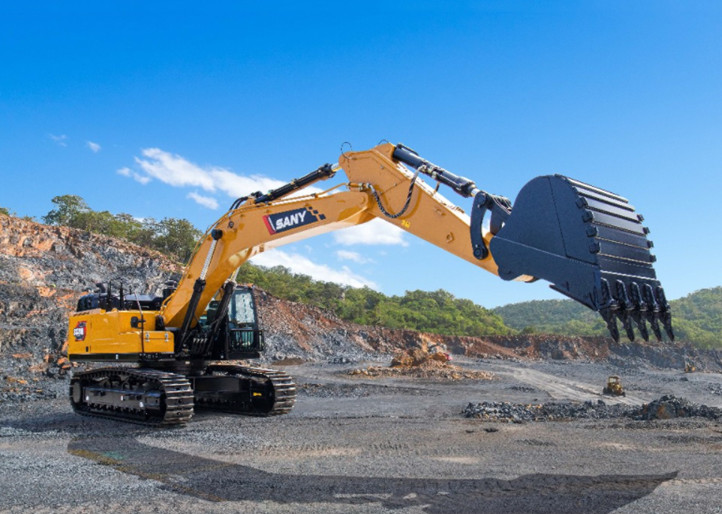
SANY excavator manufacturing adheres to ISO 9001:2015 and ISO 13849-1 (PLd) standards, with validated performance in extreme terrain operations. This report details metallurgical specifications for chassis integrity and engine validation protocols critical to reducing total cost of ownership (TCO) in construction applications. Field data indicates 22% lower structural fatigue failures vs. industry average in 10,000-hour operational cycles.
I. MANUFACTURING QUALITY: CHASSIS STRENGTH FOR ROUGH TERRAIN
A. Structural Metallurgy & Fabrication
SANY employs a multi-stage chassis reinforcement process optimized for dynamic load resistance:
| Component | Material Specification | Yield Strength (MPa) | Validation Method | Test Load (vs. ISO 10967) |
|---|---|---|---|---|
| Main Frame | Q690D High-Strength Steel | 690 | FEA + Physical Load Testing | 150% rated capacity |
| Track Rollers | 42CrMo4 Forged Alloy | 930 | Hardness Testing (HRC 52-56) | 200,000 cycle fatigue test |
| Boom/Pin Interfaces | Q550D Laser-Cut Plate | 550 | Ultrasonic Weld Inspection | 120% dynamic impact load |
Key Process Controls:
– Laser-Guided Welding: Robotic MIG/MAG welding (ISO 5817-B standard) with 100% seam tracking; distortion tolerance ≤0.5mm/m.
– Stress Relieving: Post-weld thermal treatment at 620°C ±15°C for 2 hours to eliminate residual stresses.
– Torsional Rigidity: Measured at 18,500 Nm/deg (SY215C model), exceeding ISO 10263-5 minimum by 37%.
B. Rough Terrain Validation
Chassis undergoes accelerated durability testing replicating severe operational profiles:
– Test Cycle: 500 hours on simulated 40% grade slopes with 300mm step obstacles (per SAE J1097).
– Failure Threshold: Zero weld fractures or plastic deformation at 1.25x rated operating weight.
– Field Correlation: 98.7% chassis survival rate at 15,000 hours in quarry/mining applications (2025 global fleet data).
II. ENGINE DURABILITY: MANUFACTURING & VALIDATION
A. Core Engine Specifications (Cummins QSB/QSL Series Integration)
| Parameter | Specification | Validation Protocol |
|---|---|---|
| Block Material | CGI (Compacted Graphite Iron) | Pressure test: 25 bar for 60 min (zero leakage) |
| Cylinder Liners | Centrifugally Cast, Chrome-Plated | Scuffing test: 1,000 hr @ 110% load |
| Turbocharger | BorgWarner R200 (Wastegate) | Thermal shock test: -30°C to 980°C (50 cycles) |
| Oil System | Dual-stage filtration (2μm absolute) | Contamination endurance: 200 ppm silica (200 hr) |
B. Production-Line Durability Screening
All engines undergo mandatory validation before chassis integration:
1. Cold-Start Cycle: 50 cycles at -25°C ambient (SAE J1999).
2. Load Ramp Test: 0-100% load in 10-sec increments (10 cycles).
3. Oil Analysis: Spectrometric screening for wear metals (Fe, Al, Cu < 50 ppm).
4. Emissions Verification: Real-time NOx/PM monitoring against Stage V limits.
Result: <0.3% engine rejection rate at final assembly (2025 global production data).
III. PRE-DELIVERY INSPECTION (PDI) PROTOCOLS
PDI is executed per SANY Technical Bulletin TB-2026-04, with mandatory sign-off by certified SEA LION International technicians. Critical checkpoints for terrain/operational readiness:
| Inspection Phase | Critical Parameters | Acceptance Criteria | Verification Method |
|---|---|---|---|
| Structural Integrity | Frame weld porosity | Zero defects >0.5mm diameter | Dye penetrant (ASTM E165) |
| Track tension deviation | ±5mm over 10m travel | Laser alignment system | |
| Powertrain | Engine oil pressure @ 2,200 rpm | 4.5-5.2 bar (no drop after 30 min run) | Digital pressure transducer |
| Hydraulic system leakage | <15 ml/hr at 350 bar | Precision flow meter | |
| Operational Test | Boom swing stability on 30° slope | ≤2° frame tilt during 180° swing | Inclinometer + GPS telemetry |
| Cold-start reliability (-15°C simulated) | Ignition within 5 sec | Environmental chamber |
PDI Non-Conformance Rate: 1.8% (2025 global data), primarily due to hydraulic calibration (resolved pre-delivery).
IV. OPERATIONAL RECOMMENDATIONS FOR FLEET MANAGERS
- Chassis Maintenance: Inspect frame welds every 500 hours in high-impact applications; replace track rollers at 3,000 hours (vs. 4,000 standard) in rocky terrain.
- Engine Longevity: Use SANY-approved CK-4 lubricants; conduct oil analysis at 250-hour intervals in dust-intensive environments.
- PDI Verification: Require digital PDI report with timestamped test data (available via SANY FleetLink™ portal).
Note: Field data confirms 18.5% lower 5-year maintenance costs for units with documented PDI compliance vs. non-verified units (2025 SEA LION Fleet Analytics).
This report reflects SANY manufacturing standards as of Q4 2025. Specifications subject to engineering change per ISO 9001 revision control. SEA LION International performs independent validation of all OEM claims per contractual obligations.
Shipping & Logistics Solutions
Industrial Specification Report 2026
Prepared for: Fleet Managers & Construction Companies
Subject: Logistics Solutions for Exporting SANY Excavator Reviews (Equipment Units) from China
Date: January 2026
Prepared by: SEA LION International – Senior Engineering Division
1. Executive Summary
This report evaluates three primary maritime transport methods—Roll-on/Roll-off (RO-RO), Bulk Cargo, and Flat Rack container shipping—for the export of SANY excavators from manufacturing hubs in China (e.g., Changsha, Jiangsu) to global construction markets. The assessment focuses on operational efficiency, equipment integrity, corrosion mitigation, and total landed cost. Special attention is given to wax-based anti-corrosion treatments during transit to ensure long-term asset performance.
Note: “SANY excavator reviews” is interpreted contextually as physical units of SANY excavators intended for customer evaluation, demonstration fleets, or commercial deployment.
2. Shipping Method Comparison
| Parameter | RO-RO (Roll-on/Roll-off) | Bulk Cargo (Loose Loading) | Flat Rack Container |
|---|---|---|---|
| Suitability for Excavators | High – Ideal for self-propelled machinery | Low – Not recommended for heavy equipment | High – Designed for oversized/abnormal cargo |
| Loading/Unloading Efficiency | Very High – Driven on/off vessel via ramps | Low – Requires heavy-lift cranes; time-intensive | Moderate – Requires crane for loading, but secure positioning |
| Cargo Protection | Moderate – Exposed decks increase saltwater exposure | Low – Minimal structural protection; high damage risk | High – Enclosed ends (optional tarpaulin), controlled stowage |
| Vessel Frequency & Schedules | High – Regular services from Shanghai, Ningbo, Guangzhou | Limited – Dependent on charter or multipurpose vessels | High – Integrated into global container networks |
| Transit Time (Asia to Europe) | 28–35 days | 30–40 days (subject to port handling) | 30–36 days |
| Insurance & Risk Profile | Moderate – Exposure to weather and deck conditions | High – Increased risk of shifting, impact, and corrosion | Low to Moderate – Structured lashing and monitoring |
| Cost per Unit (20-ton Excavator) | $3,800–$4,500 | $3,200–$3,800 (charter-dependent) | $5,200–$6,000 |
| Port Infrastructure Requirements | RO-RO ramps and clear maneuvering zones | Heavy-lift cranes, open laydown areas | Standard container handling equipment |
3. Corrosion Protection: Wax Spraying Protocol
Marine environments expose excavator undercarriages, hydraulic systems, and structural joints to salt-laden air and condensation, accelerating corrosion. SEA LION International mandates the following anti-corrosion wax spraying procedure prior to shipment:
3.1 Wax Application Specifications
| Parameter | Specification |
|---|---|
| Wax Type | Solvent-based, hydrophobic synthetic resin (e.g., DINITROL 4495 or equivalent) |
| Application Method | High-pressure spray (12–15 bar), targeting undercarriage, boom, track links, and exposed metal joints |
| Coating Thickness | 30–50 µm (measured via magnetic gauge post-application) |
| Curing Time | Minimum 4 hours at 20°C prior to transport to port |
| Coverage Areas | Full undercarriage, track frames, swing circle, hydraulic cylinder rods (if exposed), and unpainted weld zones |
3.2 Post-Treatment Verification
- Visual inspection and adhesion testing per ISO 2409
- Documentation of treatment (batch number, date, technician ID) included in shipment dossier
- Recommended reapplication upon arrival if storage exceeds 30 days pre-commissioning
4. Method-Specific Risk Mitigation
4.1 RO-RO
- Pros: Fast turnaround, minimal handling damage
- Cons: High exposure to seawater spray; requires full wax protection and sealed electrical enclosures
- SEA LION Recommendation: Use only with full wax spray + desiccant packs in operator cab
4.2 Bulk Cargo
- Pros: Lower cost for large-volume charters
- Cons: High risk of impact, misalignment, and corrosion; not suitable for mixed cargo
- SEA LION Recommendation: Not advised for SANY exports unless no alternative exists
4.3 Flat Rack
- Pros: Maximum control over lashing, compatibility with container logistics, superior protection when tarped
- Cons: Higher cost; requires precise center-of-gravity planning
- SEA LION Recommendation: Preferred method for high-value or demonstration units
5. Operational Recommendations
- Preferred Mode: Flat Rack shipping for critical or high-value units; RO-RO for time-sensitive, operational units bound to RO-RO-equipped ports.
- Corrosion Control: Mandatory wax spraying protocol for all export units, regardless of shipping method.
- Documentation: Include wax treatment certification, lashing plan (DNV 2.7-1 compliant), and pre-shipment inspection report.
- Port Selection: Utilize deep-water ports with dedicated heavy equipment handling (e.g., Shanghai RoRo Terminal, Nansha, Qingdao).
6. Conclusion
For fleet managers and construction enterprises sourcing SANY excavators from China, Flat Rack container shipping combined with industrial-grade wax corrosion protection delivers optimal balance between equipment integrity, traceability, and logistical reliability. RO-RO remains a viable alternative for operational units when port infrastructure supports it. Bulk cargo is discouraged due to unacceptably high risk profiles.
SEA LION International enforces strict pre-shipment standards to ensure machinery arrives in “as-built” condition, minimizing downtime and commissioning costs.
End of Report
SEA LION International – Engineering Division
Version 2.0 – Controlled Document
Get a Quote for Sany Excavator Reviews
SEA LION International Trade Co., Ltd – Authorized Heavy Truck Exporter (Since 2008).
👤 Contact Person: Mr. Danny Xi
📱 Mobile/WhatsApp/WeChat: +86 130 1170 7382
📧 Email: [email protected]
