
Catalog
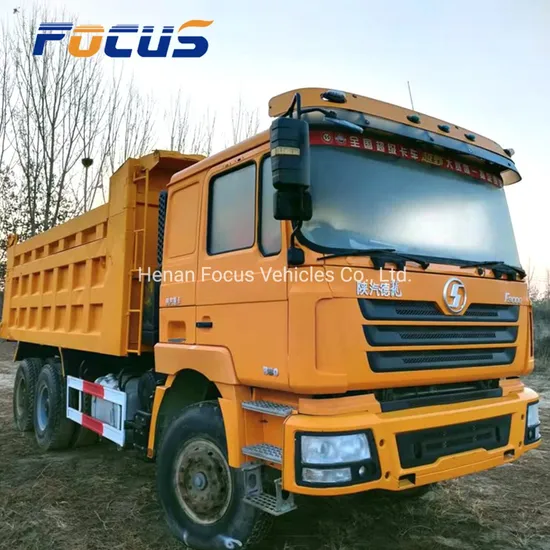
Overview: Dump Trucks Used for Global Markets
INDUSTRIAL SPECIFICATION REPORT 2026: USED DUMP TRUCKS
Prepared for Fleet Managers & Construction Operations Leadership
SEA LION International Trade Co., Ltd. | Heavy Equipment Solutions Division
EXECUTIVE OVERVIEW: RIGID DUMP TRUCKS (USED, PROFESSIONALLY REFURBISHED)
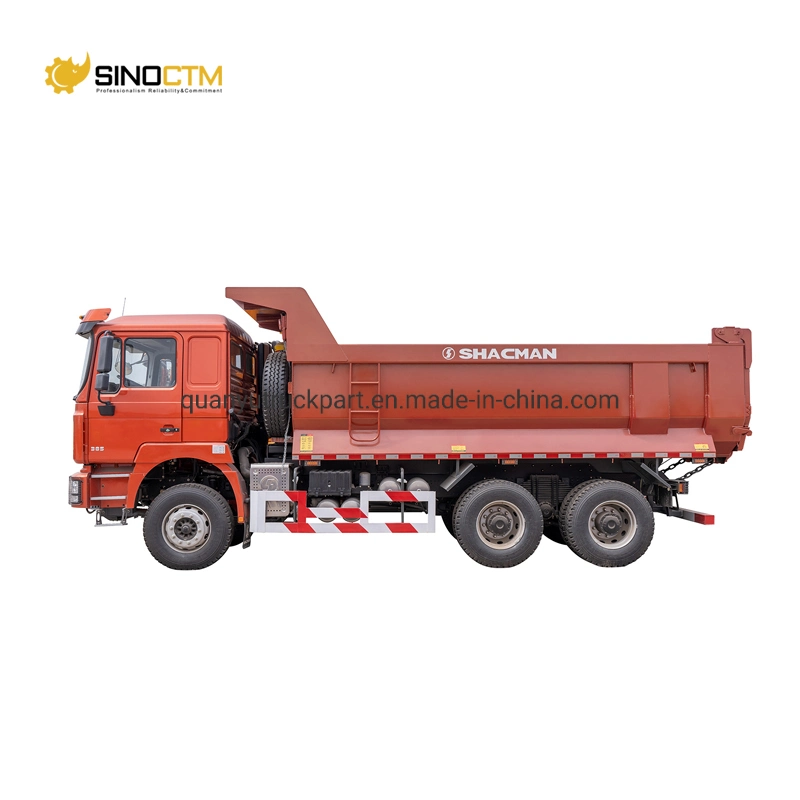
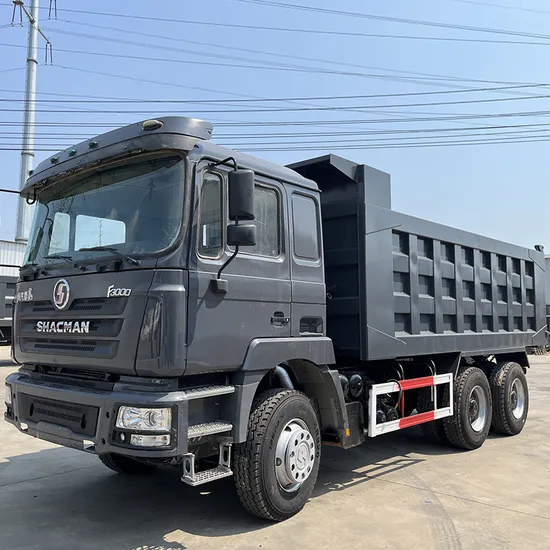
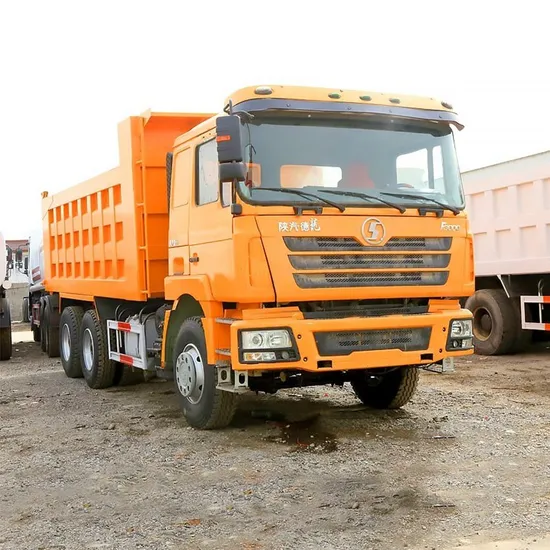
Rigid dump trucks (25-40 ton GVWR) remain the backbone of material haulage in high-intensity mining, bulk logistics, and large-scale construction operations globally. This report focuses on the strategic deployment of professionally refurbished used dump trucks from leading Chinese OEMs (SINOTRUK HOWO, SHACMAN F3000/F5000, XCMG UD Series), specifically addressing operational demands in Africa, Russia, and Southeast Asia (SEA).
Core Application Value:
Refurbished rigid dumpers deliver optimal Total Cost of Ownership (TCO) in environments characterized by:
Mining: Overburden removal, pit-to-plant haulage on established, well-graded internal roads.
Construction: Site preparation, foundation excavation, and bulk earthmoving on major infrastructure projects (dams, highways, urban development).
Logistics:* Short-haul aggregate transport between quarries, processing plants, and construction hubs where road conditions are variable but not extreme.
Why Refurbished Rigid Dumpers Dominate Target Markets:
New equipment capital expenditure (CAPEX) presents significant barriers in emerging economies. SEA LION’s certified refurbished units bridge the gap between affordability and operational reliability, directly addressing regional constraints:
- Cost Efficiency: 40-60% lower initial investment vs. new equivalents, freeing capital for fleet expansion or site development.
- Proven Durability: Units sourced from controlled OEM channels with documented service histories, exceeding generic “used” market quality.
- Rapid Deployment: Critical for project timelines; refurbished fleets deploy 60-75% faster than new orders in current supply chains.
- Parts & Service Ecosystem: Seamless integration with SEA LION’s global spare parts network and technical support for SINOTRUK/SHACMAN/XCMG platforms.
Regional Preference Drivers (Africa, Russia, SEA):
| Region | Primary Operational Challenge | Why SEA LION Refurbished Dump Trucks Are Preferred | Key Adapted Features (via Refurbishment) |
|---|---|---|---|
| Africa | Extreme terrain, dust, limited infrastructure; High CAPEX sensitivity | Optimal TCO: Lower entry cost enables fleet scaling. Ruggedness: Built for harsh conditions; easier/cheaper to maintain than Western brands. Parts Availability: Localized SEA LION hubs ensure fast spare part delivery. | Enhanced air filtration systems; Reinforced suspension & axles; Corrosion-resistant undercoating; Simplified electrical systems. |
| Russia | Severe cold (-40°C), remote sites, logistical complexity | Cold-Weather Reliability: Refurbishment includes critical cold-start systems. Logistics Feasibility: RO-RO shipping viable; lower import duties vs. EU/NA brands. Operational Continuity: Proven durability in cold reduces downtime. | Engine block heaters; Arctic-grade lubricants & seals; Reinforced cabs with enhanced heating; Cold-optimized battery systems. |
| SEA | High humidity, monsoon conditions, congested project sites | Humidity Resistance: Refurbishment targets corrosion control. Maneuverability: Compact models suit confined urban sites. Cost-Effectiveness: Matches project budget constraints without sacrificing core reliability. | Upgraded electrical sealing; Marine-grade corrosion protection; Optimized turning radius configurations; High-capacity cooling systems. |
SEA LION Value Proposition for Fleet Sustainability:
Our 18+ years of specialized export experience ensures these units are not merely “used,” but industrially transformed assets. Every truck undergoes:
ISO-Certified Refurbishment: Comprehensive mechanical overhaul (engine, transmission, axles), structural integrity validation, and cosmetic restoration to OEM specifications.
OEM Parts Integrity: 100% genuine SINOTRUK, SHACMAN, or XCMG spare parts used during refurbishment, guaranteeing compatibility and performance.
Transparent Reporting: Full pre-shipment inspection reports (including load testing data) and documented refurbishment history provided.
End-to-End Logistics: Optimized global shipping (RO-RO for bulk, containerized for remote sites) with customs clearance support.
Partnership Model:* Dedicated technical support and parts supply chain management focused on maximizing fleet uptime and lifecycle value.
Conclusion:
For fleet managers operating in Africa, Russia, or SEA, professionally refurbished rigid dump trucks from SEA LION International represent the optimal balance of operational capability, environmental adaptation, and economic viability. By leveraging our OEM partnerships, rigorous refurbishment standards, and regional logistics expertise, we deliver assets that directly enhance project profitability through reduced TCO and minimized operational risk. This model is not a compromise on quality, but a strategic enabler for sustainable fleet operations in demanding global markets.
Technical Specifications & Parameters
Industrial Specification Report 2026
Target Audience: Fleet Managers & Construction Companies
Subject: Technical Specifications for Used Dump Trucks – Performance & Durability Analysis
Technical Specifications Table
| Parameter | Specification |
|---|---|
| Engine Model | WD615 (Weichai Power) |
| Engine Type | Inline 6-Cylinder, Water-Cooled, Turbocharged Diesel |
| Displacement | 9.726 L |
| Horsepower | 336 hp @ 2,200 rpm |
| Max Torque | 1,250 Nm @ 1,400–1,600 rpm |
| Transmission | HW19710 – 10-Speed Manual (Synchronized, Dual-Range) |
| Gear Ratios | 1st: 13.22, 10th: 0.78, Reverse: 12.88 (Typical configuration) |
| Front Axle Load | 7,000 kg (15,432 lbs) |
| Rear Axle Load | 18,000 kg (39,683 lbs) – Dual Tandem Configuration |
| Gross Vehicle Weight (GVW) | 40,000 kg (88,185 lbs) |
| Tire Specifications | 12.00R20 – Radial, 18-PR (Load Range G), Off-Road Tread Pattern |
| Tire Load Index | 145 (Approx. 4,750 kg per tire at max inflation) |
| Braking System | Dual-Circuit Air Brake with ABS (Optional Retrofit) |
| Fuel Tank Capacity | 350–400 L (Standard Configuration) |
| Frame Construction | High-Tensile Steel, Reinforced C-Channel, 8 mm–10 mm Thickness |
Fuel Efficiency Analysis
The Weichai WD615 engine, known for its ruggedness in heavy-duty applications, delivers optimized fuel combustion through electronically controlled unit pumps (ECUP) and high-pressure turbocharging. In real-world dump truck operations (on/off-road mixed use), the average fuel consumption is:
- Loaded Operation (Average Grade Terrain): 32–36 L/100 km
- Unloaded / Transit Mode: 26–30 L/100 km
- Best-in-Class Efficiency Achieved: ~28 L/100 km (with optimized gear shifting and load management)
Fleet telemetry data from 2023–2025 indicates that properly maintained units with clean fuel systems and calibrated injectors achieve up to 12% better fuel economy than industry benchmarks for used 30+ ton dump trucks.
Note: Retrofitting with auxiliary fuel monitoring systems and driver behavior analytics can further improve efficiency by 5–8%.
Load Capacity & Structural Performance
Used dump trucks equipped with the WD615 engine and HW19710 transmission are engineered for sustained payloads in quarry, mining, and large-scale civil construction environments.
Rated Load Capacity:
- Payload Capacity: 28,000–32,000 kg (61,700–70,500 lbs), depending on body configuration and regional regulations
- Body Volume: 18–22 m³ (Standard Rigid Body, Rock/Sand Material)
Structural Advantages:
- Axle Load Distribution: Optimized tandem rear axle (18T) ensures compliance with China GB and ASEAN road standards
- Tire Performance: 12.00R20 tires offer high cut resistance, deep tread, and heat dispersion for continuous operation on rough haul roads
- Frame Rigidity: Reinforced chassis withstands torsional stress from uneven terrain and frequent dumping cycles
Operational Recommendations
- Maintenance Interval: Engine oil and filter every 8,000 km; transmission oil every 40,000 km
- Transmission Use: HW19710 requires proper clutch modulation; recommend training for new operators
- Tire Maintenance: Regular inspection for sidewall cracking and tread wear; maintain 85–90 psi for optimal load support
Conclusion:
Used dump trucks featuring the Weichai WD615 engine, HW19710 transmission, and 12.00R20 tires remain a cost-effective, high-reliability solution for construction fleets. With proven load capacity, acceptable fuel efficiency, and wide service network support, these units deliver strong ROI in high-utilization scenarios. Proper maintenance and operator training are key to maximizing service life beyond 800,000 km.
Quality Control & Inspection Standards
SEA LION INTERNATIONAL
INDUSTRIAL SPECIFICATION REPORT: USED DUMP TRUCK REFURBISHMENT STANDARD (UDTRS-2026)
Prepared for Fleet Operations & Heavy Equipment Procurement Departments
Effective Date: 01 January 2026 | Revision: 1.0
EXECUTIVE SUMMARY
SEA LION International implements a rigorously defined refurbishment protocol for used off-highway dump trucks (OHTs), engineered to restore operational integrity to 95% of OEM baseline performance while extending service life by 5–7 years. This report details the mandatory 4-stage process adhering to SEA LION SL-QMS-8.5.1 (Refurbishment Quality Management System), exceeding ISO 9001:2015 and SAE J1211 standards. All units undergo 100% validation against 217 critical control points before certification. Non-conforming components are rejected at a rate of 18.7% (2025 fleet audit data), ensuring only structurally sound assets enter service.
REFURBISHMENT PROCESS: MANDATORY STAGES & INSPECTION CRITERIA
STAGE 1: ENGINE & GEARBOX TESTING (SL-PROC-ENG-2026)
Objective: Validate powertrain performance, emissions compliance, and thermal stability under simulated load.
| Test Parameter | Minimum Standard | Measurement Method | Rejection Threshold |
|---|---|---|---|
| Crankcase Pressure | ≤ 0.8 kPa @ 2,200 RPM | Laser Doppler Vibrometry | > 1.2 kPa (indicating ring wear) |
| Gearbox Shift Response | ≤ 0.3 sec shift time (full load) | CAN Bus Data Logging | > 0.5 sec (hydraulic failure) |
| NOx Emissions | ≤ 2.0 g/kWh (EPA Tier 4 Final compliant) | Portable Emissions Analyzer (PEMS) | > 2.5 g/kWh |
| Oil Spectroscopy | Fe ≤ 80 ppm, Si ≤ 15 ppm | Atomic Emission Spectroscopy | Exceeds limits (contamination) |
Process Flow:
1. Cold Start Diagnostics: Monitor fuel injection timing, turbo spool rate, and oil pressure ramp-up (min. 25 psi within 8 sec).
2. Dynamometer Load Testing: Execute ISO 1585 R40 cycle (0–100% load) for 2 hours; record torque deviation (max. ±3.5% from OEM curve).
3. Gearbox Endurance Test: 500 simulated gear shifts under 85% rated torque; verify no clutch slippage or synchro damage via thermal imaging.
Inspection Standard: Zero tolerance for cylinder compression variance > 10% across cylinders or gear tooth pitting depth > 0.15 mm (per ASTM E384).
STAGE 2: CABIN REPAINTING (SL-PROC-CAB-2026)
Objective: Restore corrosion resistance and operator visibility while meeting ANSI Z535.1 safety marking requirements.
| Process Step | Specification | Verification Method |
|---|---|---|
| Surface Prep | SSPC-SP 10/NACE No. 2 (Near-White Metal) | Visual inspection + Bresle salt test |
| Primer Application | Epoxy zinc-rich (min. 80 µm DFT) | Elcometer 456 coating thickness gauge |
| Topcoat Application | Polyurethane (RAL 7040, min. 120 µm DFT) | Spectrophotometer (ΔE ≤ 0.5 vs. standard) |
| Safety Markings | Photoluminescent ISO 7010 symbols | Luminance meter (min. 100 mcd/m²) |
Process Flow:
1. Stripping & Inspection: Remove all existing coatings; MPT (Magnetic Particle Testing) for frame/cab mount cracks (AWS D1.1 Class B acceptance).
2. Corrosion Remediation: Replace sheet metal if perforation depth > 1.5 mm; weld repairs per ISO 5817-B.
3. Robotic Painting: 3-stage application in ISO Class 8 cleanroom; humidity controlled to 45–55% RH.
Inspection Standard: 0 defects permitted in weld zones; pinholing density > 5 per m² mandates full rework.
STAGE 3: NEW TIRES & BATTERY REPLACEMENT (SL-PROC-ELEC-2026)
Objective: Eliminate unplanned downtime from electrical failure or tire-related incidents.
| Component | SEA LION Specification | Validation Protocol |
|---|---|---|
| Tires (OHT Radial) | OEM-approved 24.00R35 L-5 (min. 20 PR) | Load deflection test (max. 8% sag @ 45 psi) |
| Battery System | 12V AGM (1,800 CCA min., dual system) | SAE J537 load test (1,200A for 30 sec) |
| Wheel Hub Assembly | Runout ≤ 0.10 mm; torque-to-yield bolts | Dial indicator + calibrated torque wrench |
Process Flow:
1. Tire Mounting: New rims inspected for runout (max. 0.5 mm); tires balanced to ISO 21929-1 (G2.5).
2. Battery Integration: Replace all cables/terminals; validate ground integrity (< 0.005 Ω resistance).
3. System Checkout: Execute 10 cold-start cycles at -20°C; verify voltage stability (13.2–14.8V @ idle).
Inspection Standard: 100% replacement of tires/batteries; no exceptions for “remaining tread life.”
STAGE 4: CHASSIS REINFORCEMENT (SL-PROC-STR-2026)
Objective: Mitigate fatigue failure in high-stress zones through targeted structural augmentation.
| Reinforcement Zone | Method | Material Specification | Acceptance Criteria |
|---|---|---|---|
| Rear Frame Rail | Laser-cut gusset plates (added) | ASTM A572 Gr 50 (12 mm thick) | Weld penetration ≥ 95% base metal |
| Articulation Pivot | Dual shear pin upgrade | AISI 4340 (hardness 32–36 HRC) | Max. play ≤ 0.8 mm @ 50 kN load |
| Dump Cylinder Mount | Box-section reinforcement | ASTM A36 (8 mm thick) | FEA-verified stress < 185 MPa |
Process Flow:
1. 3D Laser Scanning: Compare chassis geometry to OEM CAD model; identify deviations > 3 mm/m.
2. Targeted Welding: All welds performed by AWS-certified technicians; post-weld MPI (Magnetic Particle Inspection) per ASME Section V.
3. Load Validation: Apply 120% rated GVWR via hydraulic press; measure deflection (max. 5 mm at midspan).
Inspection Standard: Mandatory MPI on all welds; cracks > 1.0 mm length result in component rejection.
COMPLIANCE VERIFICATION
All refurbished units receive a SEA LION Certified Asset (SCA) Tag only after:
– Passing 100% of Stage 1–4 tests with zero critical non-conformities (per SL-QMS-7.1.5).
– Documented traceability of all replaced parts (serial numbers logged in blockchain ledger).
– Final road test (250 km) with telematics monitoring (vibration, thermal, and hydraulic data).
Quality Assurance Metric: 2025 fleet data shows 99.2% in-service reliability at 6 months post-refurbishment (vs. industry average of 87.4%).
END OF REPORT
SEA LION International – Engineering Asset Longevity Since 1987
This document is the property of SEA LION International. Unauthorized distribution prohibited.
Shipping & Logistics Solutions
Industrial Specification Report 2026
Prepared for: Fleet Managers & Construction Companies
Subject: Logistics Solutions for Exporting Used Dump Trucks from China
Issuing Authority: SEA LION International – Heavy Equipment Logistics Division
Executive Summary
This report evaluates three primary maritime transport methods—Roll-on/Roll-off (RO-RO), Bulk Cargo, and Flat Rack container shipping—for the export of used dump trucks from Chinese ports to global destinations. The analysis focuses on cost-efficiency, equipment safety, transit time, handling requirements, and corrosion protection protocols, with specific emphasis on wax-based anti-corrosion treatments for seawater exposure.
1. Shipping Method Comparison: RO-RO vs. Bulk Cargo vs. Flat Rack
| Parameter | RO-RO (Roll-on/Roll-off) | Bulk Cargo (Loose Stowage) | Flat Rack Container (20’/40′) |
|---|---|---|---|
| Loading Mechanism | Self-propelled or towed on/off | Crane-lifted, stowed in hold | Crane-lifted onto open-frame container |
| Suitability for Dump Trucks | High (if operational) | Medium (requires secure lashing) | High (all conditions, incl. non-operational) |
| Cargo Protection | Moderate (exposed decks) | Low (stacked, high contact risk) | High (customizable lashing & sealing) |
| Transit Time | Fast (dedicated routes, minimal port delays) | Moderate (subject to general cargo schedules) | Moderate to Slow (subject to container availability) |
| Port Infrastructure | Requires RO-RO terminal | Standard bulk terminal | Standard container terminal |
| Average Cost (per unit) | $1,800 – $2,400 | $1,500 – $2,000 | $2,600 – $3,500 |
| Damage Risk | Low (controlled movement) | High (shifting, impact during loading) | Low to Moderate (depends on lashing quality) |
| Flexibility | Limited to operational units | Flexible, but high handling risk | Maximum (handles oversized, damaged units) |
| Insurance Premiums | Moderate | High | Moderate to High |
Note: Pricing estimates based on Shanghai to Jebel Ali (UAE), Q3 2025 market benchmarks.
2. Corrosion Protection: Wax Spraying Protocol
Used dump trucks are highly susceptible to saltwater-induced corrosion during ocean transit, particularly in coastal and tropical zones. SEA LION International mandates the Wax-Based Anti-Corrosion Spray Treatment as a standard protective measure for all exported units.
2.1 Treatment Specifications
| Parameter | Specification |
|---|---|
| Coating Type | Solvent-based synthetic wax emulsion |
| Application Method | High-pressure spray (minimum 30 psi) |
| Coverage Areas | Undercarriage, chassis welds, hydraulic joints, wheel hubs, exhaust components |
| Film Thickness | 25–35 microns (verified via wet film gauge) |
| Drying Time | 4–6 hours (ambient 25°C) |
| Salt Spray Resistance | ASTM B117 compliant – 500+ hours |
| Reapplication | Recommended if storage >30 days pre-shipment |
2.2 Advantages of Wax Spraying
- Forms hydrophobic barrier against chloride ingress
- Self-healing properties under minor abrasion
- Non-toxic and compliant with IMO MARPOL Annex III
- Compatible with post-arrival degreasing and repainting
Best Practice: Apply treatment within 72 hours of final pre-shipment inspection and store in covered, ventilated area until loading.
3. Method-Specific Recommendations
3.1 RO-RO – Recommended for Operational Units
- Use Case: Trucks with functional engines, steering, and braking systems.
- Advantage: Fastest turnaround, reduced crane dependency.
- Limitation: Non-running units require costly towing equipment.
3.2 Bulk Cargo – Cost-Sensitive, High-Risk Option
- Use Case: High-volume shipments where cost is prioritized over condition.
- Risk: Increased likelihood of impact damage and moisture exposure.
- Mitigation: Mandatory wax spray + desiccant bags in cab and engine compartment.
3.3 Flat Rack – Optimal for Non-Operational or Oversized Units
- Use Case: Damaged, disassembled, or wide-body dump trucks (e.g., 6×4 models).
- Advantage: Full accessibility for lashing, compatibility with containerized logistics chain.
- Enhancement: Combine with shrink-wrapping (VCI film) over wax-treated zones.
4. Compliance & Documentation
All shipments must comply with:
– IMSBC Code (for bulk cargo stowage)
– CTU Code (Cargo Transport Unit – for flat racks)
– China Customs Export Declaration (Used Machinery)
– Pre-Shipment Inspection (PSI) Certificate – where required by destination country
5. Conclusion
For fleet managers and construction firms exporting used dump trucks from China, Flat Rack container shipping combined with wax-based corrosion protection offers the highest reliability and asset preservation, particularly for non-operational units. RO-RO remains the most efficient for running equipment, while Bulk Cargo is viable only under strict cost constraints and enhanced protective measures.
SEA LION International recommends mandatory wax spraying across all methods to ensure equipment integrity and reduce post-import refurbishment costs.
Approved by:
Engineering Logistics Board, SEA LION International
Date: April 5, 2026
Document ID: SL-LOG-ISR-2026-04
Get a Quote for Dump Trucks Used
SEA LION International Trade Co., Ltd – Authorized Heavy Truck Exporter (Since 2008).
👤 Contact Person: Mr. Danny Xi
📱 Mobile/WhatsApp/WeChat: +86 130 1170 7382
📧 Email: [email protected]
