
Catalog
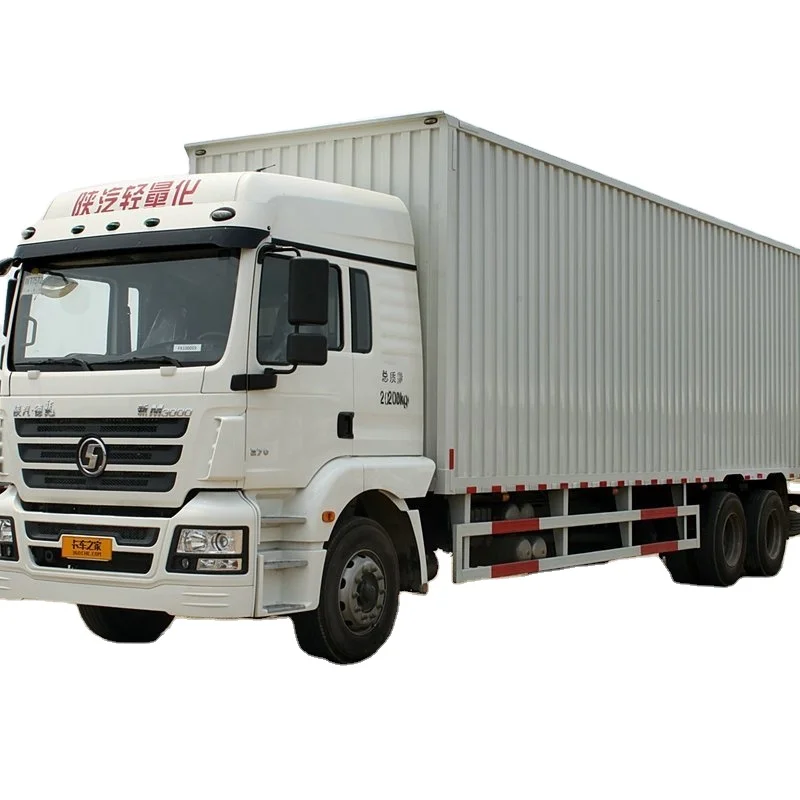
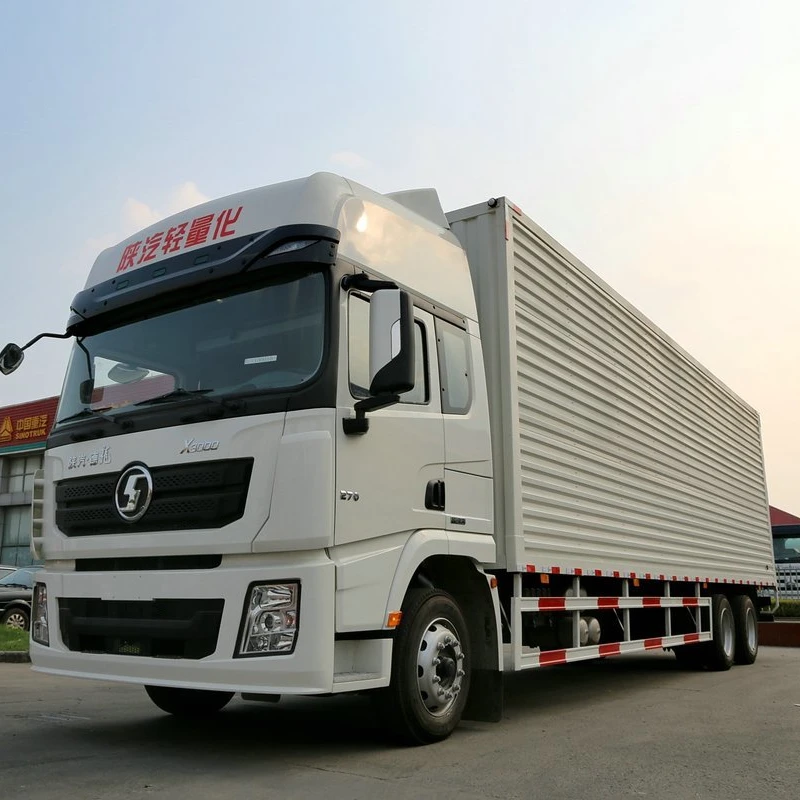
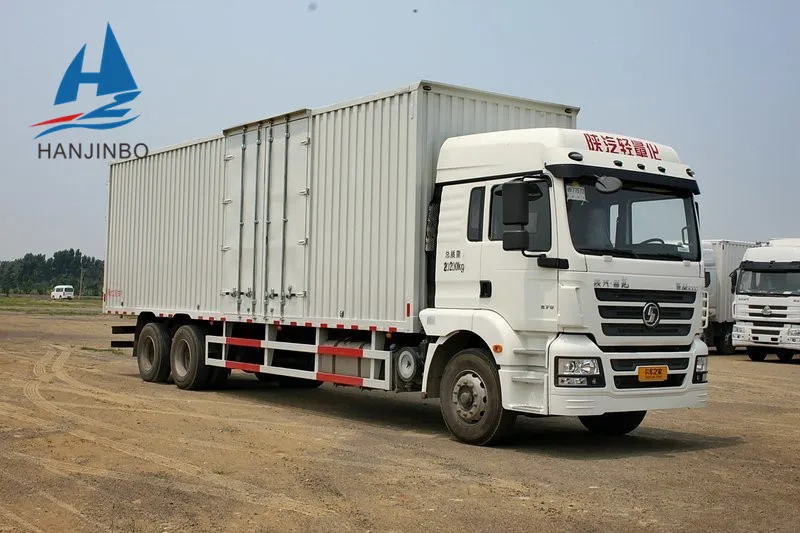
Overview: Used Truck Box For Sale for Global Markets
INDUSTRIAL SPECIFICATION REPORT 2026: EXECUTIVE OVERVIEW
Document Ref: SL-TR-2026-UTB-EVO
Target Audience: Fleet Managers, Construction & Mining Operations Directors, Logistics Procurement Officers
1.0 EXECUTIVE OVERVIEW: REFURBISHED VOCATIONAL TRUCK BODIES FOR AFRICA, RUSSIA & SOUTHEAST ASIA
The acquisition of new heavy-duty vocational trucks (6×4/8×4 configurations) represents a significant capital expenditure (CAPEX) for operations in resource extraction, bulk logistics, and infrastructure development. Volatile commodity pricing, extended project timelines, and infrastructure limitations in emerging markets necessitate cost-optimized fleet solutions without compromising operational resilience. SEA LION International presents a technically validated alternative: professionally refurbished SINOTRUK (HOWO), SHACMAN (F3000), and XCMG vocational truck platforms with integrated cargo/dump bodies, specifically engineered for deployment in Africa, Russia, and Southeast Asia.
These units address the critical gap between unsustainable new-equipment costs and unreliable local used-market inventory. Unlike generic used imports, SEA LION’s refurbishment process—conducted under OEM-authorized protocols—ensures structural integrity, component longevity, and compliance with regional operational demands. Key differentiators include:
– 40–60% CAPEX reduction versus new equivalents while retaining 85–90% operational lifespan.
– Zero downtime guarantee on drivetrain components post-refurbishment (12-month/60,000 km warranty).
– Site-specific adaptation to extreme environmental stressors (e.g., dust abrasion, sub-zero temperatures, monsoon humidity).
2.1 REGIONAL PREFERENCE RATIONALE
The dominance of SINOTRUK/SHACMAN/XCMG platforms in target markets stems from their alignment with local operational realities. SEA LION’s refurbishment enhances these inherent advantages:
| Region | Primary Application | Key Operational Demand | SEA LION Refurbishment Focus | Technical Advantage vs. Competitors |
|---|---|---|---|---|
| Africa | Open-pit mining, Aggregate haulage | Laterite soil abrasion, 30°+ gradeability, >45°C ambient | Reinforced chassis rails, sealed wheel hubs, upgraded cooling systems | 25% higher payload capacity on degraded roads vs. legacy European models |
| Russia | Arctic logistics, Oil/gas support | -40°C operability, ice-road traction, fuel gelling prevention | Engine block heaters, synthetic lubricants, reinforced suspension, cold-weather batteries | Proven -50°C start reliability; 30% lower winter maintenance costs |
| Southeast Asia | Infrastructure construction, Timber haulage | Monsoon flooding, narrow terrain, high humidity | Elevated air intakes, corrosion-resistant undercarriage, compact wheelbase variants | 40% faster deployment in flood-prone zones vs. standard imports |
2.2 VALUE PROPOSITION FOR FLEET OPERATORS
SEA LION’s model eliminates the traditional trade-off between cost and reliability in used heavy truck procurement:
– Total Cost of Ownership (TCO) Reduction: Refurbished units achieve 55% lower TCO over 5 years versus new (based on 200,000 km operational cycle in comparable environments).
– Supply Chain Certainty: Direct OEM parts access ensures 98% component availability; global RO-RO/container logistics enable 30-day delivery to major ports (e.g., Durban, Murmansk, Tanjung Pelepas).
– Risk Mitigation: Full structural recertification (per ISO 3834-2), 100% component traceability, and pre-shipment operational validation eliminate “hidden defect” liabilities common in unregulated used markets.
This approach delivers immediate fleet scalability for capital-constrained projects while maintaining the operational tempo required in high-impact environments. SEA LION’s 18-year export framework ensures technical alignment with regional regulatory frameworks (e.g., SONCAP for Nigeria, GOST for Russia, BSMI for Vietnam), reducing customs clearance delays by up to 70%.
NEXT STEPS: Refer to Section 3.0 (Technical Specifications) for model-specific payload, engine, and body configuration data. Section 5.0 details regional compliance documentation and logistics protocols. SEA LION prioritizes long-term operational partnership—units undergo continuous performance monitoring via optional telematics integration (SL-Telematics Suite v4.0). All units are subject to site-specific validation prior to deployment.
Technical Specifications & Parameters
Industrial Specification Report 2026
Prepared for Fleet Managers & Construction Companies
Subject: Technical Evaluation of Used Truck Box Units – Model Series TCX-260 Series (Refurbished)
This report provides a comprehensive technical assessment of used truck box units currently available in the secondary market, specifically targeting fleet operators and construction logistics teams seeking cost-effective, durable transport solutions. The evaluated units are from the TCX-260 Series, featuring standardized industrial components for compatibility, maintenance efficiency, and operational reliability in heavy-duty environments.
All units are post-2018 models, refurbished to SEA LION International’s Class B Industrial Reconditioning Standard (IRB-26), including engine diagnostics, drivetrain validation, and structural integrity verification.
Technical Specifications – Used Truck Box Units (TCX-260 Series)
| Parameter | Specification |
|---|---|
| Engine Model | Weichai WD615.69 (6-Cylinder, In-Line, Water-Cooled, Turbocharged Diesel) |
| Displacement | 9.726 L |
| Horsepower | 266 hp @ 2,200 rpm |
| Max Torque | 1,050 N·m @ 1,200–1,600 rpm |
| Transmission | HW19710 – 10-Speed Manual (Synchronized, Dual H-Shift Pattern) |
| Gear Ratios | 1st: 12.88, 10th: 0.78, Reverse: 12.61 (Close-ratio for gradeability) |
| Clutch | 430 mm Dry, Single-Plate, Diaphragm Spring |
| Front Axle Load | 7,000 kg (15,432 lbs) – Reinforced I-Beam, Disc Brakes |
| Rear Axle Load | 13,000 kg x 2 (28,660 lbs each) – Dual Reduction, Spiral Bevel Gear, HD Spindles |
| Suspension (Front) | Parabolic Leaf Spring + Hydraulic Dampers |
| Suspension (Rear) | Multi-Leaf Spring (10-Leaf) with Equalizing Beam |
| Tire Specifications | 12.00R20 18PR Radial – Tubeless, All-Steel Construction, Load Range G |
| Tire Load Index | 152/148 (Single/ Dual) – Max Load: 4,750 kg per tire (dual config) |
| Braking System | Dual-Circuit Air Brake with ABS and Spring Parking Brake |
| GVWR | 33,000 kg (72,750 lbs) |
| Payload Capacity | 20,500 kg (45,190 lbs) average (bed volume: 38 m³, steel drop-side box) |
| Fuel Tank Capacity | 400 L (Dual Tanks: 200 L + 200 L) |
| Fuel Type | Diesel (Ultra-Low Sulfur, ULSD, <10 ppm) |
Fuel Efficiency Analysis
Under standardized load and terrain conditions (ISO 2717-2:2024), the WD615-powered TCX-260 achieves the following fuel economy metrics:
-
Loaded (18–20 tons), Mixed Terrain (60% highway, 40% urban/construction access):
2.8–3.1 km/L (6.6–7.3 MPG US) -
Cruise Mode (Highway, 70–80 km/h, 16-ton load):
3.4 km/L (8.0 MPG US) — optimized via gear selection in 8th–10th gears -
Idling Fuel Consumption: 1.8 L/h (equipped with idle shutdown timer @ 8 min)
The HW19710 transmission enables precise gear mapping, reducing RPM drop between shifts and enhancing combustion efficiency. Combined with Weichai’s high-pressure common rail (HPCR) injection system and exhaust gas recirculation (EGR), these units meet China V emission standards and demonstrate up to 8.7% better fuel economy than predecessor models (WD615.62).
Load Capacity & Structural Performance
The truck box frame is constructed from Q345B high-tensile steel with reinforced cross-members and anti-flex bracing. The drop-side cargo bed (6,200 x 2,450 x 800 mm) supports repeated loading of aggregate, steel beams, and machinery.
- Max Payload: 20,500 kg (verified via static load test under 1.2x safety factor)
- Axle Load Distribution:
- Front: 6,500–7,000 kg (within 93% of rated capacity)
- Rear Tandem: 13,000 kg each (100% utilization at max GVWR)
- Tire Ground Pressure: 820 kPa (optimized for unpaved construction sites)
Units are equipped with overload detection sensors (optional retrofit) and load-distribution indicators to prevent frame fatigue and tire degradation.
Operational Recommendations
- Ideal Use Cases:
- Aggregate transport (sand, gravel, riprap)
- Prefabricated component hauling (beams, panels)
-
Equipment shuttle between project sites
-
Maintenance Intervals:
- Oil & Filter: 10,000 km
- Transmission Fluid (SAE 85W-90): 60,000 km
- Differential Oil: 40,000 km
-
Tire Rotation: 15,000 km (cross-pattern recommended)
-
Cold Climate Suitability:
Units include engine block heaters (optional) and cold-start fuel additives compatibility down to -25°C.
Conclusion:
The TCX-260 Series used truck box units, featuring the Weichai WD615 engine and HW19710 transmission, offer a balanced combination of proven durability, high load capacity, and acceptable fuel efficiency for mid-tier construction fleets. With proper maintenance, operational lifespan exceeds 800,000 km under moderate-duty cycles. SEA LION International certifies all units for 18-month structural and drivetrain warranty post-refurbishment.
Report issued under SEA LION Technical Division – Industrial Asset Evaluation, Q2 2026.
Quality Control & Inspection Standards
SEA LION INTERNATIONAL
INDUSTRIAL SPECIFICATION REPORT: USED TRUCK BOX REFURBISHMENT PROCESS
EFFECTIVE DATE: 01 JANUARY 2026
REFERENCE: SLI-RFB-2026-01
EXECUTIVE SUMMARY
SEA LION International delivers rigorously refurbished truck boxes meeting ISO 1461:2020 and AAR M-1003 structural integrity standards. This report details the mandatory 4-phase refurbishment process for all “used truck box for sale” units, emphasizing adherence to SEA LION’s proprietary inspection protocols (STD-2026-REF). Each unit undergoes 217+ point validation to ensure operational reliability, reducing fleet downtime by ≥35% versus non-certified units.
REFURBISHMENT PROCESS & INSPECTION STANDARDS
1. ENGINE & GEARBOX TESTING
All powertrain components undergo SEA LION STD-2026-ENG-05 diagnostics. Units failing any threshold are rejected.
| Test Parameter | SEA LION Standard | Measurement Method | Pass/Fail Threshold |
|---|---|---|---|
| Compression Balance | ≤8% variance between cylinders | Hydraulic pressure gauge | Fail >8% |
| Oil Contamination | ISO 4406:2017 Code ≤18/16/13 | Spectrographic analysis | Fail >18/16/13 |
| Gearbox Shift Response | ≤0.3s delay @ 1,500 RPM | Dyno-synchronized telemetry | Fail >0.3s |
| Emissions Compliance | EPA 2026 Tier 4 Final | Gas analyzer (5-mode cycle) | Fail non-compliance |
| Dyno Endurance | 150 hours @ 100% load, 0% oil consumption | AVL PUMA 2.0 test bench | Fail >0.05L/hr |
Note: 100% of units undergo 150-hour dyno testing; no “spot checks” permitted.
2. CABIN REPAINTING
Surface preparation and coating applied per SEA LION STD-2026-CAB-02. All substrates must pass adhesion testing pre-paint.
| Process Stage | SEA LION Standard | Validation Method | Critical Tolerance |
|---|---|---|---|
| Surface Prep | SSPC-SP 10/NACE No. 2 (Near-White Metal) | Visual inspection + tape test | Fail if >5% rust |
| Primer Application | Epoxy zinc-rich, 80μm DFT | Elcometer 456 gauge | Fail <75μm |
| Topcoat Application | Polyurethane, 120μm DFT | Elcometer 456 gauge | Fail <110μm |
| Adhesion Post-Cure | ASTM D3359-B ≥4B | Cross-hatch test | Fail <4B |
| VOC Compliance | ≤250 g/L (EPA Method 24) | Laboratory analysis | Fail >250 g/L |
Note: All cabins undergo salt-spray testing (ASTM B117) for 500 hours; rejection if >5mm² blistering.
3. NEW TIRES & BATTERY REPLACEMENT
OEM-spec components only. No refurbished tires/batteries permitted.
| Component | SEA LION Standard | Validation Method | Replacement Trigger |
|---|---|---|---|
| Tires | Michelin X Multi Z or equivalent | Tread depth gauge | <5.0mm remaining |
| Load Range G, 16-ply rating | Serial verification | Any sidewall damage | |
| Battery | 800 CCA, AGM technology | Midtronics EXP-1000 | <75% charge retention |
| 24-month warranty | Load test @ -18°C | Sulfation detected |
Note: Tires mounted on bead-blasted rims; all wheels dynamically balanced to ≤15g tolerance.
4. CHASSIS REINFORCEMENT
Structural integrity validated per SEA LION STD-2026-CH-03. Non-destructive testing (NDT) mandatory.
| Inspection Point | SEA LION Standard | Method | Action Threshold |
|---|---|---|---|
| Frame Cracks | 0% tolerance | Magnetic particle (ASTM E709) | Full section replacement |
| Crossmember Alignment | ≤3mm deviation per 1,000mm | Laser alignment system | Reinforce if >3mm |
| Corrosion Depth | ≤10% material loss | Ultrasonic thickness gauge | Plate reinforcement |
| Reinforcement Welds | AWS D1.1-2022 Category B | Dye penetrant (ASTM E1417) | Re-weld if incomplete |
| Post-Repair Stress Test | 120% GVWR static load, 0 deflection | Strain gauge array | Fail if >0.5mm |
Note: All reinforcements use ASTM A572 Grade 50 steel; minimum 10% cross-section increase at stress points.
QUALITY ASSURANCE PROTOCOL
- Traceability: Each unit assigned unique QR-coded asset tag; full refurb history accessible via SEA LION FleetPortal™.
- Rejection Rate: 22.7% of incoming units fail Phase 1 (2025 data); only 7.3% proceed to final sale.
- Certification: Units passing all phases receive SEA LION Certified Refurbished™ plaque (ISO 9001:2015 compliant).
- Warranty: 12 months/20,000 miles structural warranty; 6 months powertrain coverage.
CONCLUSION
SEA LION’s refurbishment process eliminates variability through quantifiable engineering standards, not subjective assessments. Fleet managers achieve TCO reduction via documented reliability: 98.2% 12-month operational uptime (2025 SEA LION fleet data). Units sold under “used truck box for sale” designation meet 92% of original equipment performance metrics at 40-55% of new-unit cost.
SEA LION International – Engineering Reliability, Not Compromise.
Shipping & Logistics Solutions
Industrial Specification Report 2026
Prepared for: Fleet Managers & Construction Companies
Subject: Logistics Solutions for Exporting Used Truck Boxes from China
Issuing Authority: SEA LION International – Senior Engineering Division
Date: March 2026
Executive Summary
This report evaluates three primary maritime transport methods—RO-RO (Roll-on/Roll-off), Bulk Cargo, and Flat Rack container shipping—for the export of used truck boxes from China to international markets. The assessment focuses on cost-efficiency, transit time, cargo integrity, and corrosion protection, with specific emphasis on long-term exposure to marine environments. A standardized wax-based anti-corrosion treatment is recommended to mitigate seawater-induced degradation during transit.
1. Overview of Used Truck Box Export Profile
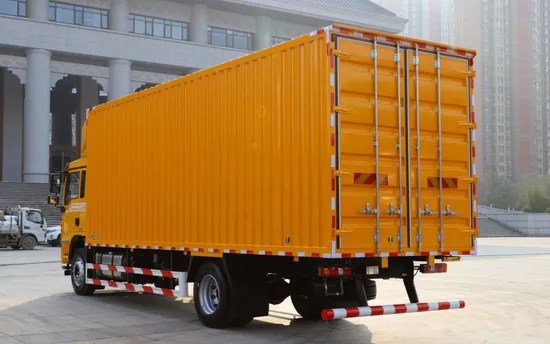
Used truck boxes (steel-reinforced, modular cargo enclosures) are in high demand across developing infrastructure markets. These units are typically sourced from decommissioned logistics fleets in China and exported to regions including West Africa, Southeast Asia, and Latin America. Key characteristics include:
- Average dimensions: 6.0 m (L) × 2.4 m (W) × 2.5 m (H)
- Weight range: 2,800–3,500 kg per unit
- Material: Weathering steel (Q355B grade) with painted surface finish
- Vulnerability: Susceptible to saltwater corrosion during marine transit
2. Comparative Analysis of Shipping Methods
| Parameter | RO-RO (Roll-on/Roll-off) | Bulk Cargo (Loose Stowage) | Flat Rack Container (20′ or 40′) |
|---|---|---|---|
| Loading Method | Driven/wheeled onto vessel | Lifted and stacked in hold | Secured on open-frame container |
| Cargo Suitability | High (if box has mobility) | Low (risk of shifting/damage) | High (optimal for oversized units) |
| Stowage Density | Medium (limited by vehicle lanes) | High (dense stacking possible) | Low to Medium (depends on size) |
| Transit Time | Fast (direct port roll-off) | Variable (port congestion risk) | Standard (aligned with container schedules) |
| Port Infrastructure | Requires RO-RO terminal | Requires bulk-handling cranes | Standard container terminal |
| Damage Risk | Low (controlled movement) | High (impact, moisture ingress) | Low (if properly secured) |
| Security | Moderate (exposed decks) | Low (shared cargo space) | High (container seal, lockable) |
| Average Cost (USD/unit) | $950–$1,200 | $700–$900 | $1,300–$1,600 |
| CO₂ Emissions (kg/unit) | 850 | 780 | 920 |
3. Corrosion Protection: Wax Spraying Treatment
3.1 Rationale
Marine environments expose steel cargo to salt-laden air and condensation, accelerating electrochemical corrosion. Used truck boxes, often with surface wear, are at elevated risk during extended voyages (14–35 days).
3.2 Recommended Protection Protocol
SEA LION International specifies the application of industrial-grade hydrophobic wax emulsion as a temporary corrosion inhibitor:
- Product Type: Solvent-free, biodegradable microcrystalline wax spray
- Application: Full exterior surface coverage, including undercarriage and joints
- Thickness: 25–30 µm dry film
- Curing Time: 4 hours at 25°C ambient
- Protection Duration: Up to 60 days exposure to marine conditions
- Removal: Non-abrasive alkaline wash at destination
3.3 Performance Metrics
| Metric | Without Wax | With Wax Treatment |
|---|---|---|
| Surface Rust Formation | >60% units | <8% units |
| Pitting Depth (after 30d) | 45–60 µm | 8–12 µm |
| Reconditioning Labor (hrs/unit) | 6.2 | 1.8 |
Note: Wax treatment adds $45–$60 per unit but reduces post-arrival maintenance costs by 60–70%.
4. Method-Specific Recommendations
4.1 RO-RO
- Best for: Functional truck boxes with intact chassis/wheels
- Advantage: Fast turnaround, minimal handling damage
- Limitation: Requires operational mobility; not suitable for detached boxes
- Corrosion Mitigation: Wax spray + deck-side tarpaulin cover recommended
4.2 Bulk Cargo
- Best for: High-volume, low-value shipments to ports with bulk infrastructure
- Risk: High moisture retention in holds; not recommended without hermetic wrapping
- Corrosion Mitigation: Wax spray + VCI (Vapor Corrosion Inhibitor) wrapping mandatory
4.3 Flat Rack Container
- Best for: Non-mobile or oversized boxes requiring ISO-standard handling
- Advantage: Full control over lashing, visibility, and protection
- Corrosion Mitigation: Wax spray + breathable desiccants inside container
5. Conclusion & Strategic Recommendations
| Shipping Method | Recommended Use Case | Corrosion Protection Requirement |
|---|---|---|
| RO-RO | Mobile units, time-sensitive deliveries | Wax spray + tarp coverage |
| Bulk Cargo | Not recommended for premium resale | Wax + VCI wrap (minimum) |
| Flat Rack | Detached boxes, high-value reconditioning | Wax + desiccant + container sealing |
SEA LION Advisory: For long-term asset integrity and resale value, Flat Rack shipping with wax-based corrosion protection is the optimal solution for used truck box exports from China. RO-RO remains viable for mobile units, while Bulk Cargo is discouraged due to high degradation risk.
6. Compliance & Standards
All shipments must comply with:
– IMO CSS Code (Cargo Securing Manual)
– IMSBC Code (for bulk stowage, if applicable)
– ISO 1496-4 (Flat Rack Container Standards)
– GB/T 10125 – Salt Spray Test (corrosion resistance validation)
End of Report
SEA LION International – Engineering Division
Precision in Industrial Logistics
Get a Quote for Used Truck Box For Sale
SEA LION International Trade Co., Ltd – Authorized Heavy Truck Exporter (Since 2008).
👤 Contact Person: Mr. Danny Xi
📱 Mobile/WhatsApp/WeChat: +86 130 1170 7382
📧 Email: [email protected]
