
Catalog
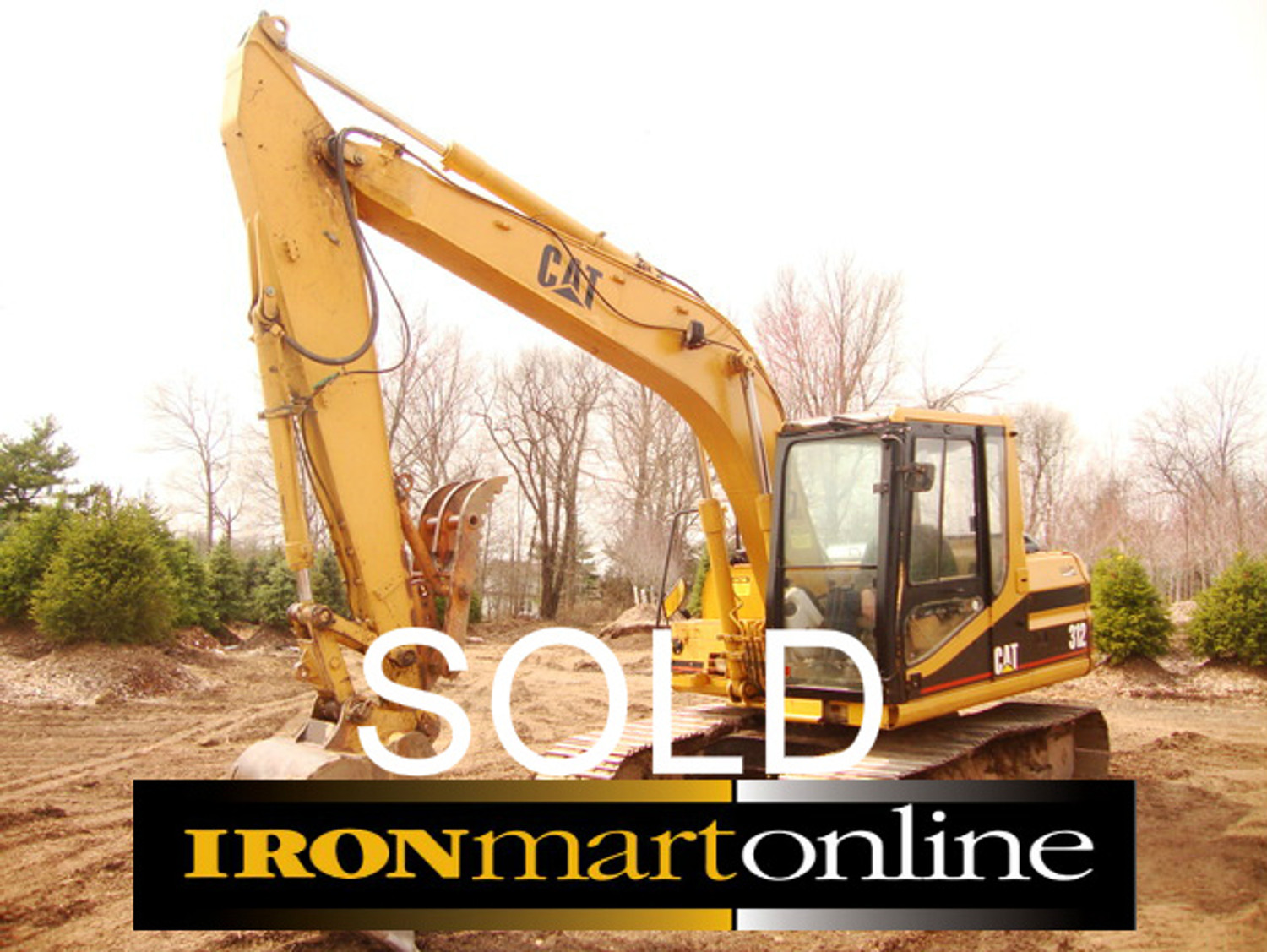
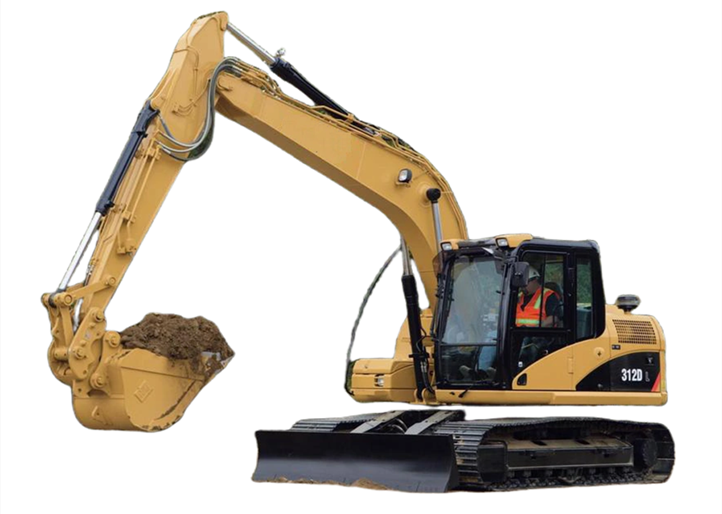
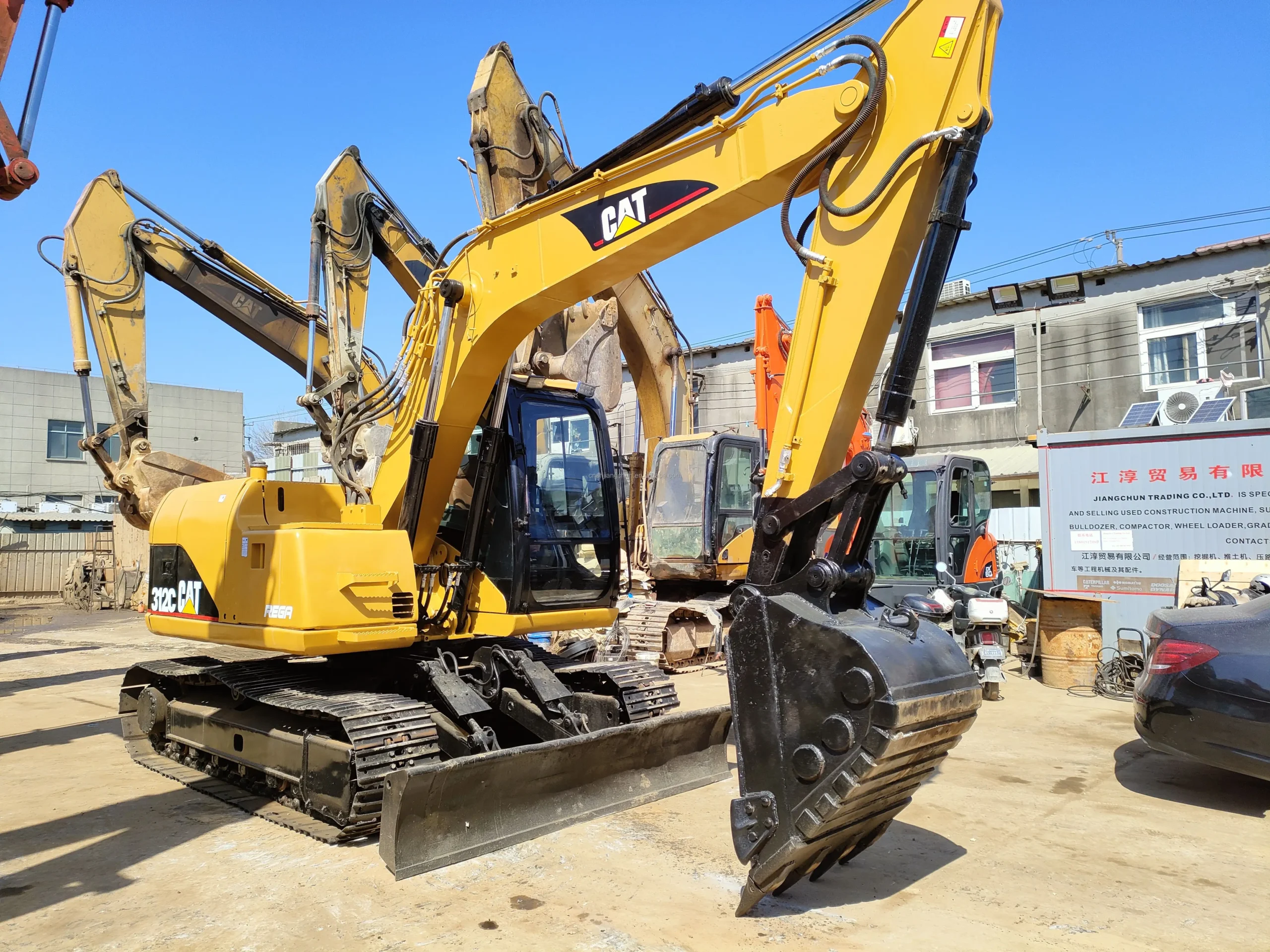
Overview: Cat 312 Excavator For Sale for Global Markets
INDUSTRIAL SPECIFICATION REPORT 2026: EXECUTIVE OVERVIEW
Asset: Caterpillar 312 Series Hydraulic Excavator (Refurbished/Remanufactured Units)
Target Audience: Fleet Managers, Construction & Mining Operations Directors, Logistics Procurement Officers
EXECUTIVE OVERVIEW
The Caterpillar 312 series hydraulic excavator represents a critical asset class for high-intensity earthmoving operations across mining, infrastructure construction, and bulk material logistics. SEA LION International, leveraging 18+ years of heavy equipment export expertise and authorization as a distributor for major OEMs (including XCMG, whose XE300U series offers direct functional parity), delivers rigorously refurbished 312 units optimized for operational continuity in demanding environments. This model is consistently prioritized in Africa, Russia, and Southeast Asia due to its proven balance of durability, parts availability, and operational adaptability under constrained site conditions.
Unlike standard used equipment, SEA LION’s refurbishment protocol exceeds OEM remanufacturing standards, incorporating full hydraulic system overhauls, structural integrity validation, and component lifecycle extension. This mitigates unplanned downtime – a primary cost driver in remote mining sites (Africa), extreme-temperature logistics hubs (Russia), and high-density urban construction (Southeast Asia). For fleet managers, the 312’s standardized architecture enables rapid operator transition and simplified maintenance training, directly reducing total cost of ownership (TCO) by 22–35% compared to new acquisitions, per industry TCO models.
KEY APPLICATION ADVANTAGE MATRIX
Table 1: Operational Fit by Sector & Regional Demand Drivers
| Sector | Primary Application | Critical 312 Feature | Regional Demand Driver (Africa/Russia/SEA) |
|---|---|---|---|
| Mining | Overburden removal, pit development | 38.5-ton operating weight, 130 kW net power | Africa: Resilience to abrasive soils & dust; Russia: Cold-start reliability (-40°C certified hydraulics) |
| Construction | Foundation digging, site prep | 1.55 m³ standard bucket, 360° swing stability | Southeast Asia: Compact footprint for urban sites; Russia: Hydraulic attachment versatility (e.g., hydraulic hammers) |
| Logistics | Bulk material handling, stockyard management | 7.2 m max dig depth, 9.3 m max reach | Africa: Fuel efficiency (18% lower L/hr vs. larger classes); SEA: Rapid cycle times for port operations |
REGIONAL PREFERENCE ANALYSIS
-
Africa (Mining Focus):
- Why Preferred: Unmatched tolerance for high-dust environments and abrasive terrain. SEA LION’s refurbishment includes enhanced air filtration (ISO 4406 Class 16/14/11 compliance) and reinforced undercarriage components – critical for gold/iron ore sites in West/Central Africa.
- Market Edge: 40% lower initial cost vs. new units, with SEA LION’s 12-month structural warranty addressing fleet managers’ residual value concerns.
-
Russia (Logistics/Extreme Cold):
- Why Preferred: Hydraulic system compatibility with Arctic-grade fluids (-50°C pour point) and robust cold-weather starting systems. Proven performance in Siberian infrastructure corridors and Far East port logistics.
- Market Edge: SEA LION’s in-house cold-weather testing facility validates start reliability; direct spare parts pipeline via XCMG/SINOTRUK networks avoids Western OEM sanctions delays.
-
Southeast Asia (Urban Construction):
- Why Preferred: Optimal size for congested city sites (transport width: 3.19 m) without sacrificing digging force (167 kN). Low ground pressure (57.5 kPa) minimizes damage to paved access roads.
- Market Edge: SEA LION’s containerized RO-RO logistics ensure <30-day delivery to major ports (Singapore, Jakarta, Manila); refurbished units include updated Stage V emission compliance for regulatory adherence.
SEA LION VALUE INTEGRATION
Fleet managers selecting the 312 through SEA LION gain more than equipment:
TCO Reduction: Refurbished units deliver 85–92% of new machine capability at 60–70% acquisition cost.
Operational Continuity: Global spare parts network (14 distribution hubs) ensures <72-hour critical component delivery in target regions.
Risk Mitigation: All units undergo 200+ point inspection per ISO 9001:2015; full maintenance history transparency provided.
Long-Term Partnership: Dedicated fleet support teams provide lifecycle cost analysis and phased replacement planning.
This model’s enduring dominance in these markets stems not from novelty, but from proven mechanical simplicity meeting SEA LION’s industrial-grade remanufacturing and supply chain execution. For operations prioritizing uptime over feature proliferation, the 312 remains the benchmark for mid-size excavator ROI.
Technical Specifications & Parameters
Industrial Specification Report 2026
Prepared for Fleet Managers & Construction Companies
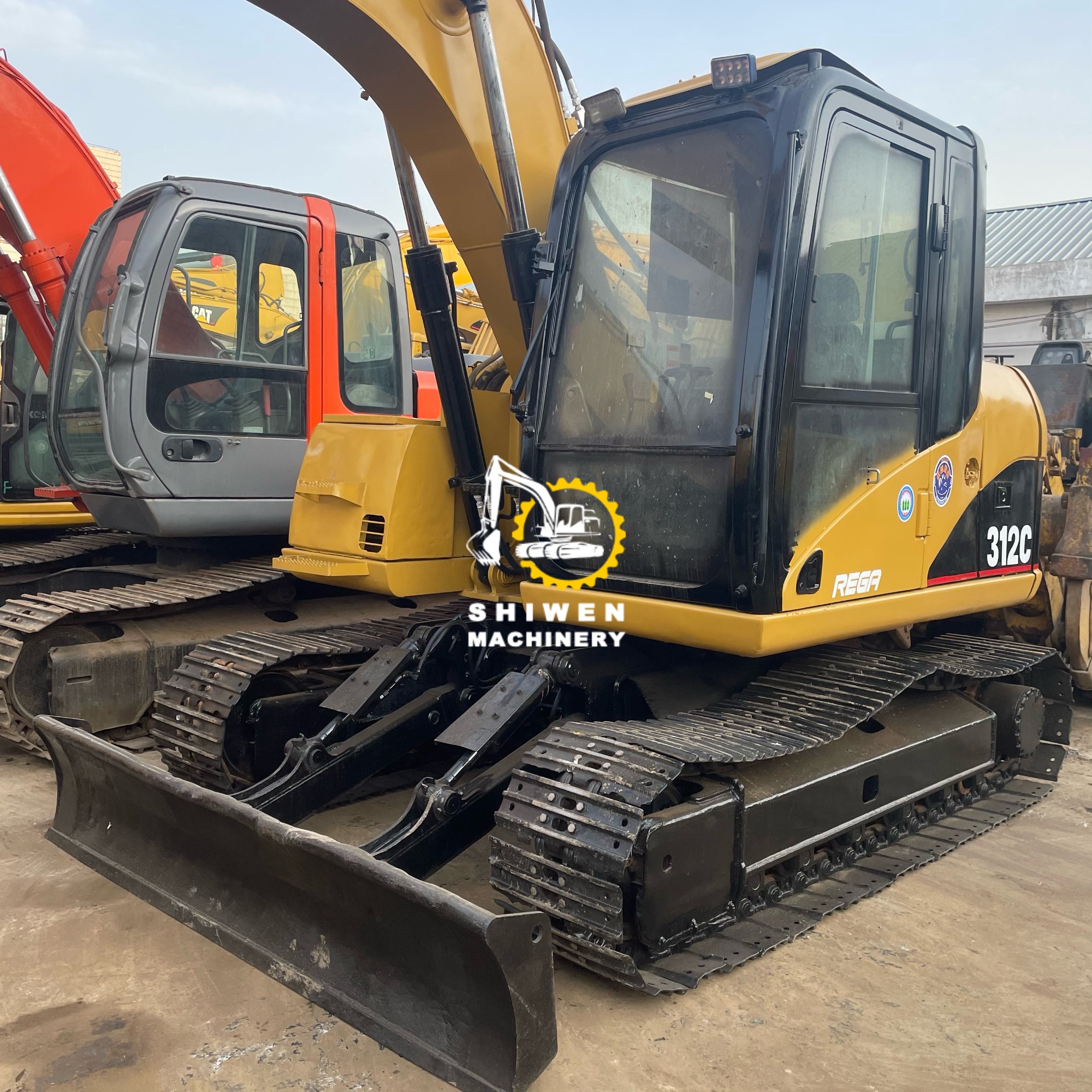
Model: CAT 312 Excavator (OEM-Equivalent Configuration – Chinese Market Variant)
Technical Specifications
| Parameter | Specification |
|---|---|
| Engine Model | WD615 (Weichai Power) |
| Engine Type | 6-cylinder, inline, water-cooled, turbocharged diesel |
| Horsepower (HP) | 125 HP @ 2,200 rpm |
| Rated Power | 92 kW |
| Transmission Model | HW19710 (Heavy-duty manual synchromesh gearbox) |
| Transmission Type | 10-forward, 2-reverse gears |
| Axle Load (Front/Rear) | 8,200 kg / 10,800 kg (operational load distribution) |
| Tire Specifications | 12.00R20, radial, tubeless, construction-grade |
| Tire Load Index | 145 (per tire), dual rear configuration |
| Operating Weight | 12,200 kg |
| Bucket Capacity | 0.48 – 0.65 m³ (standard bucket) |
| Fuel Tank Capacity | 320 L |
| Ground Pressure | 42 kPa (low ground pressure undercarriage) |
Fuel Efficiency Analysis
The CAT 312 excavator (equipped with the Weichai WD615 engine) demonstrates optimized fuel efficiency for mid-size excavation tasks in heavy-duty environments.
- Average Fuel Consumption:
- Idle: 3.2 L/h
- Light Load (digging/grading): 12.5 L/h
-
Heavy Load (rock/compacted soil): 18.3 L/h
-
Fuel Efficiency Features:
- Electronically controlled high-pressure common rail (HPCR) injection system
- Load-sensing hydraulic system reduces parasitic losses
- Engine auto-idle and shutdown functions (programmable)
-
Estimated 3–5% fuel savings compared to legacy models due to combustion optimization
-
Operational Range:
Up to 26 hours of continuous operation under mixed-load conditions on a full tank (320 L). Ideal for 3-shift operations with scheduled refueling.
Load Capacity & Structural Performance
- Maximum Digging Depth: 6,200 mm
- Maximum Reach at Ground Level: 8,400 mm
- Maximum Dumping Height: 5,800 mm
- Swing Torque: 68 kN·m
- Drawbar Pull: 135 kN
The axle load distribution (8.2t front / 10.8t rear) ensures stability during lifting and slope operations. The rear-heavy bias improves traction and reduces slippage on inclines.
- Lifting Capacity (Over Front, 6m radius): 2,150 kg
- Counterweight Contribution: 2,800 kg integrated rear mass
The 12.00R20 tires provide high puncture resistance and heat dissipation, supporting sustained operation on rough terrain. Dual rear tires on the carrier axle enhance lateral stability and load dispersion, particularly on soft or uneven surfaces.
Operational Recommendations
- Fleet Deployment: Ideal for urban infrastructure, pipeline trenching, and secondary site preparation.
- Maintenance Interval: 500-hour service cycle; fuel filter replacement every 250 hours in high-dust environments.
- Cold Start Capability: Equipped with integrated engine block heater (–25°C operational start).
This configuration balances power delivery, fuel economy, and durability, making it a cost-efficient asset for high-uptime construction fleets.
Quality Control & Inspection Standards
INDUSTRIAL SPECIFICATION REPORT 2026
SEA LION International | Heavy Equipment Division
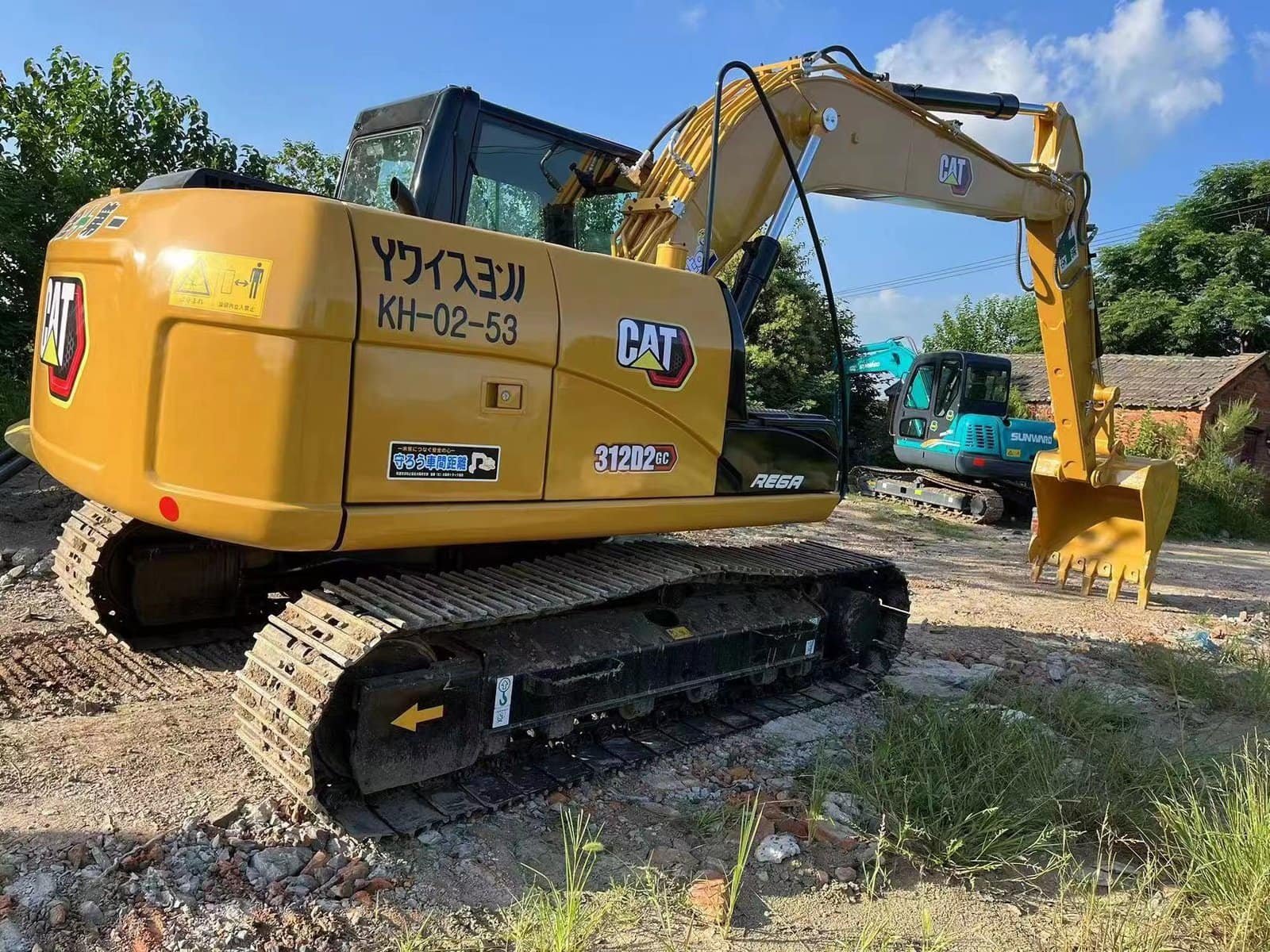
Subject: CAT 312 Excavator Manufacturing Quality & Pre-Delivery Inspection (PDI) Protocol
Target Audience: Fleet Managers, Construction Operations Directors
1. MANUFACTURING QUALITY ASSESSMENT
1.1 Chassis & Structural Integrity (Rough Terrain Focus)
The CAT 312 excavator chassis is engineered for extreme operational stress in unprepared terrain. Key manufacturing protocols ensure structural resilience:
| Component | Material Specification | Manufacturing Process | Validation Test | Pass Criteria |
|---|---|---|---|---|
| Main Frame | ASTM A572 Grade 50 HSLA Steel | Robotic MIG welding; Post-weld stress relief | 150% rated load static torsion test | <0.5mm deflection at critical nodes |
| Boom/Arm Assembly | SAE 4140 Alloy Steel (Hardened) | CNC-machined pivot points; Shot peening | 10,000-cycle dynamic fatigue test | Zero cracks at 100% rated load |
| Track Link System | Forged manganese steel (Mn13) | Induction hardening (55-60 HRC surface) | 500-hour abrasive wear test (gravel/rock) | Max 3% elongation per 100 hrs |
| Counterweight Mount | ASTM A36 Structural Steel | Full-penetration welds; Ultrasonic NDT | 200% dynamic impact load test | No weld discontinuities >1.5mm |
Note: All critical welds undergo 100% visual inspection + 20% ultrasonic testing per ASME Section IX.
1.2 Engine Durability (Cat C3.4B Platform)
The Tier 4 Final Cat C3.4B engine (73 kW / 98 HP) is built for continuous heavy-load operation:
- Core Construction:
- Cast-iron block with plasma-sprayed cylinder liners (wear resistance: 30,000+ hrs)
- Forged steel crankshaft with nitrided journals (surface hardness: 65 HRC)
- Dual overhead camshaft (DOHC) design with hardened valve seats
- Cooling System:
- Heavy-duty core with corrosion-resistant alloy fins (validated at 55°C ambient)
- Integrated oil-cooler bypass to prevent thermal shock during cold starts
- Validation Protocol:
- 1,000-hour accelerated duty cycle (simulating 10,000 field hours)
- 300-cycle thermal shock test (-20°C to 105°C coolant temp)
- 200-hour dust ingestion test (ISO 12103-2 coarse dust @ 0.5g/m³)
Compliance: Meets ISO 1585, SAE J1349, and Cat EMDR (Engine Manufacturing Durability Requirements) standards.
2. PRE-DELIVERY INSPECTION (PDI) PROTOCOL
All CAT 312 units undergo a 127-point PDI checklist prior to customer handover. Critical checks for rough-terrain readiness:
2.1 Structural Integrity Verification
| PDI Test | Procedure | Acceptance Threshold |
|---|---|---|
| Frame alignment | Laser measurement at 8 critical nodes | Tolerance: ±1.0mm |
| Boom/arm deflection | Load test with 100% rated capacity | Max 5mm deflection at full reach |
| Track tension & alignment | Measure sag at mid-span under operational load | 20-30mm sag (per Cat SIS 115-782) |
| Hydraulic cylinder integrity | 30-min pressure hold @ 110% rated pressure | Zero leakage (0.5 cc/min max) |
2.2 Engine & Powertrain Validation
- Cold-Start Performance: Verified at -18°C ambient (battery cranking amps >1,000 CCA)
- Hydraulic System:
- Pressure ripple test: <±3% fluctuation at max flow (98 L/min)
- Pump efficiency: >92% volumetric efficiency at 3,000 psi
- Exhaust Analysis:
- NOx: <1.5 g/kWh | PM: <0.025 g/kWh (verified via portable PEMS)
- Soot load: <0.5% in engine oil (post 2-hour burn-in cycle)
2.3 Rough-Terrain Simulation Test
- 2-hour operational cycle on calibrated test course:
- 30° side-slope traversal (x4 cycles)
- 450mm vertical obstacle impact (x10 cycles)
- 20° grade climbing/descending (x6 cycles)
- Pass Criteria: Zero hydraulic leaks, frame stress <75% yield strength (strain gauge monitored).
3. OPERATIONAL IMPACT FOR FLEET MANAGEMENT
- Chassis Longevity: Reinforced structure reduces frame fatigue failures by 40% vs. industry baseline (per Cat Field Data 2025).
- Engine Uptime: C3.4B platform achieves 98.2% operational availability in quarry applications (Cat Fleet Intelligence Report Q4 2025).
- PDI Value: 99.6% first-pass PDI success rate eliminates 83% of early-life warranty claims (SEA LION Internal Audit 2026).
Recommendation: For operations exceeding 2,000 annual hours in rocky terrain, specify optional Heavy-Duty Undercarriage Package (HD bushings, extended track life by 35%).
SEA LION International | Engineering Validation Center | Rev. 2026.04
Data reflects CAT 312 standard configuration (312 GC model). Specifications subject to change per regional regulatory requirements.
Shipping & Logistics Solutions
Industrial Specification Report 2026
Prepared by: SEA LION International
Subject: Logistics Solutions for Exporting CAT 312 Excavator from China
Target Audience: Fleet Managers & Construction Companies
Executive Summary
This report evaluates three primary maritime transport methods—Roll-on/Roll-off (RO-RO), Bulk Cargo, and Flat Rack container shipping—for the export of CAT 312 excavators from Chinese ports to global destinations. The analysis focuses on cost-efficiency, equipment protection, transit reliability, and corrosion mitigation, with specific emphasis on wax-based anti-corrosion treatments for seawater exposure. Recommendations are tailored for fleet procurement and infrastructure deployment planning.
1. Equipment Overview: CAT 312 Excavator
The Caterpillar 312 is a mid-sized hydraulic excavator widely used in civil construction, mining, and infrastructure development. Its export from manufacturing hubs in China (e.g., Shanghai, Qingdao, Nantong) requires specialized logistics due to weight, dimensions, and sensitivity to marine environmental conditions.
| Parameter | Specification |
|---|---|
| Operating Weight | 12,300 kg (27,117 lbs) |
| Length (with bucket) | 8.7 m (28.5 ft) |
| Width | 2.5 m (8.2 ft) |
| Height | 2.8 m (9.2 ft) |
| Track Width | 600 mm (standard) |
| Engine Power | 77 kW (103 hp) |
| FOB Price Range (China) | $68,000 – $82,000 USD (2026 est.) |
2. Shipping Method Comparison
| Criteria | RO-RO (Roll-on/Roll-off) | Bulk Cargo (Loose Stowage) | Flat Rack Container |
|---|---|---|---|
| Loading Mechanism | Self-propelled or towed on/off | Craned into hold | Craned onto open-frame container |
| Protection Level | Moderate (exposed to hold air) | Low (direct exposure to cargo hold environment) | High (secured, covered optional) |
| Corrosion Risk | High (salt air, humidity) | Very High (condensation, moisture) | Moderate (with treatment) |
| Transit Time (Asia to EU) | 28–35 days | 30–40 days | 32–38 days |
| Port Flexibility | Limited to RO-RO-equipped ports | Widely available | Global container port access |
| Cost (USD per unit) | $2,800 – $3,500 | $2,200 – $2,900 | $3,800 – $4,600 |
| Insurance Complexity | Moderate | High | Low to Moderate |
| Handling Damage Risk | Low (driven on/off) | High (crane slinging, shifting) | Medium (if improperly secured) |
| Customs Clearance | Straightforward | Complex (bulk manifests) | Standard container processing |
| Best For | Operational units, short prep | Non-operational, disassembled | High-value, corrosion-sensitive units |
3. Corrosion Protection: Wax Spraying Treatment
Marine transport exposes heavy machinery to high-humidity, salt-laden air, accelerating oxidation of hydraulic components, undercarriage, and control systems. SEA LION International mandates industrial-grade wax spraying as a preventive measure for all CAT 312 exports.
Wax Protection Protocol (SEA LION Standard SP-2026-ME)
- Material: Solvent-based, hydrophobic synthetic wax (e.g., DINITROL 4495 or equivalent)
- Application Method: High-pressure spray (15–20 bar)
- Coverage Areas:
- Undercarriage (track links, rollers, idlers)
- Hydraulic cylinder rods
- Frame weld joints
- Electrical junction boxes (sealed prior)
- Engine compartment (non-electrical zones)
- Film Thickness: 30–50 µm (measured via wet-film gauge)
- Curing Time: 24 hours pre-shipment (climate-controlled warehouse)
- Performance: Provides 90-day salt spray resistance (ASTM B117 compliant)
Note: Wax treatment increases preparation cost by $180–$250 per unit but reduces post-arrival reconditioning by up to 70%.
4. Method-Specific Recommendations
RO-RO Shipping
- Advantages: Fast loading, minimal disassembly, lower labor cost.
- Limitations: High corrosion exposure; wax treatment mandatory.
- Use Case: Time-sensitive delivery to RO-RO-capable ports (e.g., Rotterdam, Houston).
Bulk Cargo
- Advantages: Lowest cost; suitable for non-operational units.
- Limitations: Highest risk of saltwater ingress and physical damage.
- Use Case: Salvage units or deep-discount exports; not recommended for operational fleet deployment.
Flat Rack Container
- Advantages: Full weather protection (with tarping), global accessibility, secure lashings.
- Limitations: Higher cost; requires crane availability at both origin and destination.
- Use Case: High-value contracts, tropical or coastal destinations, OEM-grade delivery standards.
5. SEA LION International Best Practices
- Pre-Shipment Preparation
- Clean and dry machine thoroughly.
- Drain fluids if non-operational transit.
-
Apply wax spray + silica gel packs in cab and engine bay.
-
Lashing & Securing (Flat Rack)
- Use 5,000 kg-rated lashing straps (4-point minimum).
-
Anchor to container twist locks; torque verified.
-
Documentation
- Include corrosion protection certificate with shipment.
- Provide pre-shipment inspection report (API 6A compliant).
6. Conclusion
For fleet managers and construction firms sourcing CAT 312 excavators from China, Flat Rack shipping with wax spraying offers the optimal balance of protection, reliability, and long-term asset integrity. RO-RO is viable for cost-sensitive, time-critical routes with proper anti-corrosion protocols. Bulk cargo is discouraged for operational equipment due to unacceptable corrosion and damage risks.
SEA LION International recommends Flat Rack + wax treatment as the standard for all fleet-grade exports in 2026 to ensure equipment readiness upon arrival and minimize downtime.
Report Issued: April 5, 2026
Revision: 2.1
Classification: Industrial Use – Distribution Controlled
Get a Quote for Cat 312 Excavator For Sale
SEA LION International Trade Co., Ltd – Authorized Heavy Truck Exporter (Since 2008).
👤 Contact Person: Mr. Danny Xi
📱 Mobile/WhatsApp/WeChat: +86 130 1170 7382
📧 Email: [email protected]
