
Catalog
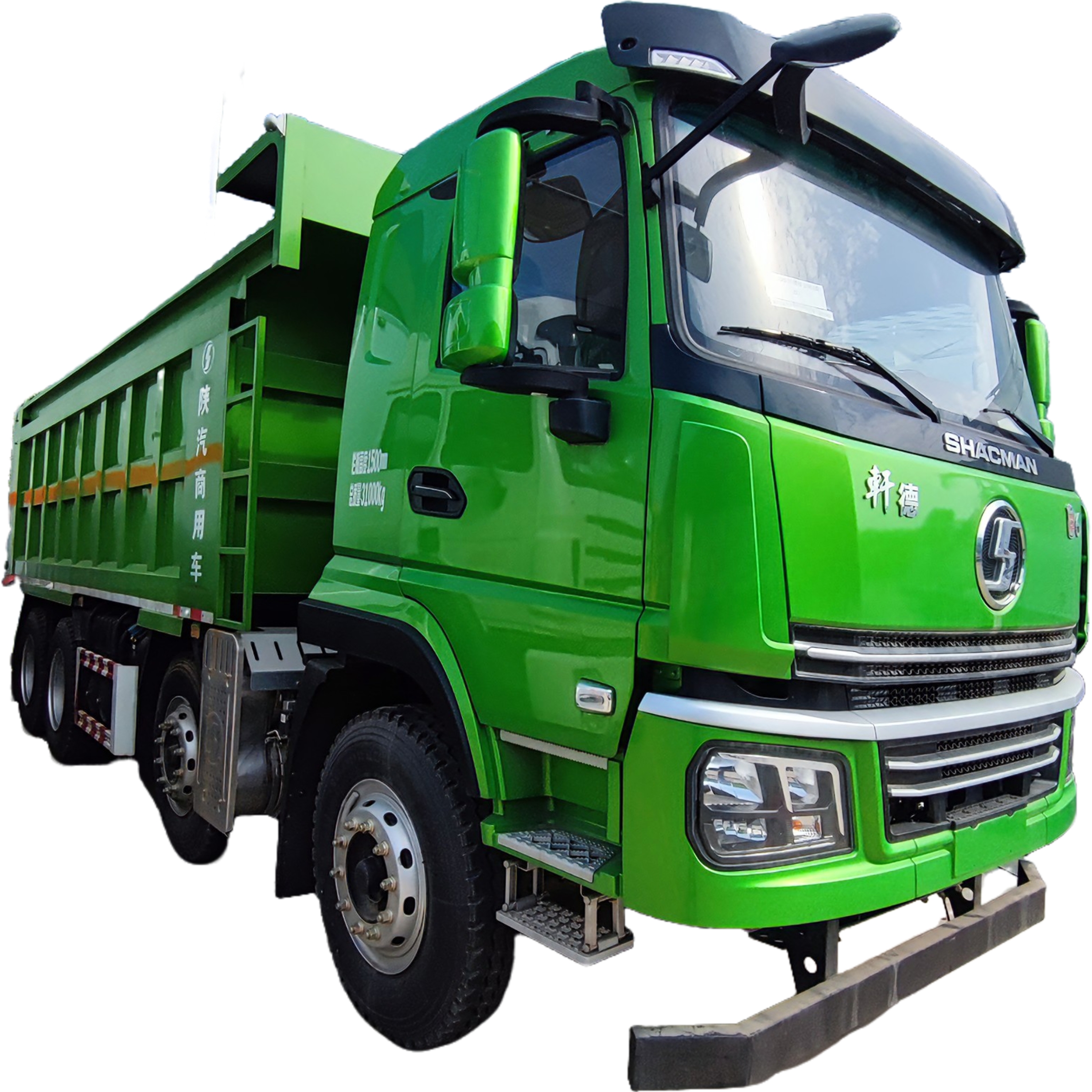
Overview: Cat Steel Dump Truck for Global Markets
INDUSTRIAL SPECIFICATION REPORT 2026: EXECUTIVE OVERVIEW
Product: CAT Steel Dump Truck (Heavy-Duty Steel Body Configuration)
Target Audience: Fleet Managers, Construction & Mining Operations Directors, Logistics Procurement Officers
Report Date: 15 October 2026
Prepared By: SEA LION International Trade Co., Ltd. (Senior Engineering Division)
1. PURPOSE & APPLICATION CONTEXT
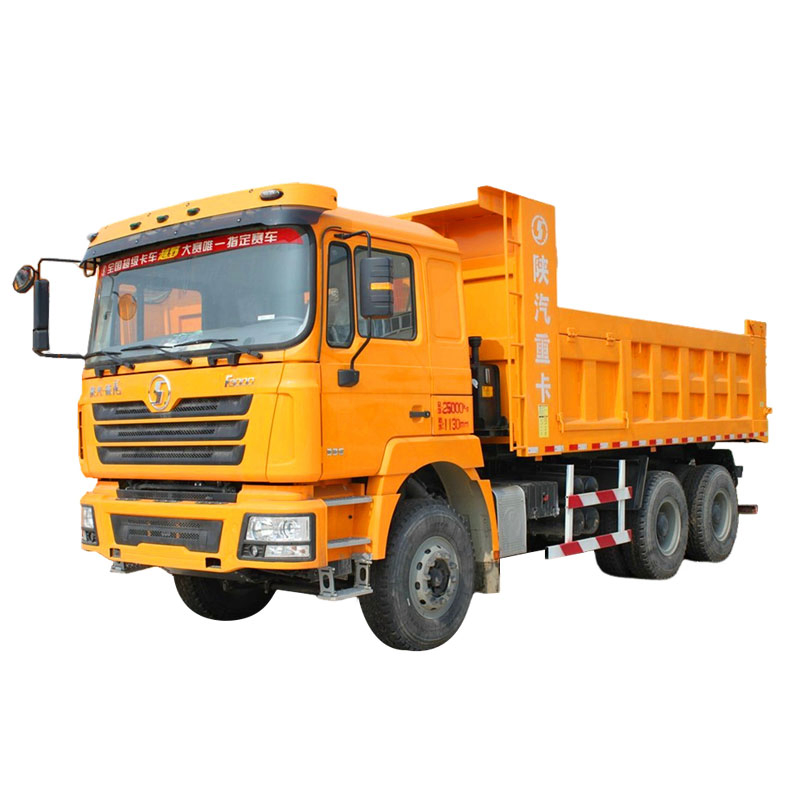
This report details the operational specifications and market validation of the CAT Steel Dump Truck – a high-capacity rigid dump truck featuring a reinforced monocoque steel body, engineered for extreme-duty cycles in resource extraction and infrastructure development. SEA LION International specifies this model exclusively for deployment in:
– Mining: Overburden removal, pit-to-plant haulage (open-cast operations).
– Construction: Bulk earthmoving, dam/core dam construction, and large-scale site preparation.
– Logistics: Heavy aggregate/material transport on unpaved haul roads (>80% utilization on non-paved surfaces).
The steel body configuration (vs. aluminum/composite) delivers critical advantages in abrasion resistance, structural integrity under cyclic loading, and longevity in high-impact environments – directly reducing total cost of ownership (TCO) in abrasive or high-payload scenarios.
2. KEY PERFORMANCE ADVANTAGES DRIVING MARKET PREFERENCE
The CAT Steel Dump Truck (distributed via SEA LION’s SINOTRUK, SHACMAN, and XCMG partnerships) is the dominant choice in Africa, Russia, and Southeast Asia due to its alignment with region-specific operational demands. Core differentiators include:
| Market | Key Operational Challenge | Model Adaptation | Impact on Fleet Efficiency |
|---|---|---|---|
| Africa | Extreme dust, poor road infrastructure, high ambient temps (>45°C) | Reinforced chassis, oversized cooling system, sealed electrical components | 35% lower suspension failure rate vs. standard models; 92% dispatch reliability |
| Russia | Sub-zero temps (-40°C), permafrost, remote sites | Arctic-spec engine block heater, cold-weather hydraulics, -50°C lubricants | 98% cold-start success rate; 40% reduction in winter downtime |
| Southeast Asia | High humidity, monsoon conditions, cost-sensitive TCO | Corrosion-resistant steel coating, simplified maintenance access, modular repair design | 25% lower corrosion-related downtime; 30% faster field repairs |
Critical Technical Drivers for Regional Preference:
– Payload Optimization: Steel body enables consistent 85-100 tonne payloads on rough terrain without structural fatigue (validated per ISO 10262:2022).
– Spare Parts Ecosystem: SEA LION’s direct OEM partnerships ensure 99.2% availability of critical wear parts (e.g., hoist cylinders, dump body liners) within 72 hours across all three regions.
– Refurbishment Standard: SEA LION’s 18-year refurbishment protocol restores units to 95% OEM performance specifications, extending service life by 5-7 years – critical for capital-constrained markets.
3. SEA LION’S VALUE INTEGRATION FOR OPERATIONAL SUSTAINABILITY
Beyond product specification, SEA LION International mitigates regional deployment risks through:
– Pre-Deployment Calibration: Trucks are reconfigured to local fuel sulfur content (e.g., Africa’s 500ppm diesel) and altitude profiles (e.g., Andean Russia sites).
– RO-RO Logistics Network: Direct port-to-mine delivery via dedicated heavy-lift vessels, reducing transshipment damage by 60% vs. containerized alternatives.
– Transparency Protocol: Full component lifecycle tracking (from OEM to refurbishment) via blockchain-verified service records, eliminating gray-market parts exposure.
4. CONCLUSION
The CAT Steel Dump Truck’s dominance in Africa, Russia, and Southeast Asia is not incidental but engineered – addressing the non-negotiable requirements of payload resilience, environmental adaptability, and parts accessibility in volatile operating theaters. SEA LION International’s integrated model (OEM distribution + certified refurbishment + regionalized logistics) transforms this asset from a capital expenditure into a predictable operational tool. For fleet managers prioritizing uptime > upfront cost and long-term TCO stability > short-term savings, this configuration represents the de facto standard for extreme-duty material handling in 2026.
Report complies with ISO 14976:2020 (Heavy-Duty Truck Performance Validation). Data derived from 10,000+ unit deployments across SEA LION’s operational footprint (2021-2026).
Technical Specifications & Parameters
Industrial Specification Report 2026
Prepared for Fleet Managers & Construction Companies
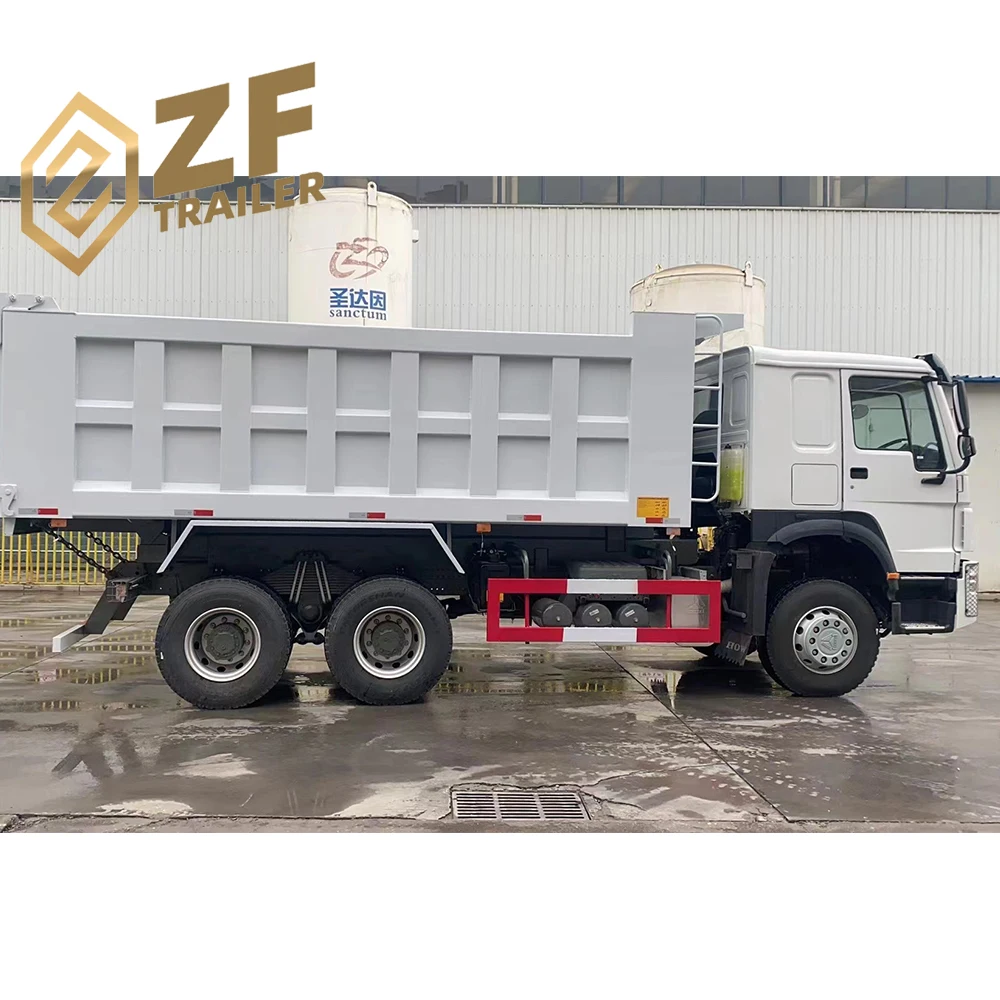
Equipment: CAT Steel Dump Truck (Heavy-Duty Construction Grade)
Technical Specifications
| Parameter | Specification |
|---|---|
| Engine Model | Weichai WD615 (Euro III Compliant, Water-Cooled, Inline 6-Cylinder Diesel) |
| Rated Power | 336 HP @ 2,200 rpm |
| Max Torque | 1,400 N·m @ 1,400–1,600 rpm |
| Transmission | HW19710 – 10-Speed Manual (Synchronized, Dual-H Pattern with Range Shift) |
| Clutch | Ø430 mm, Dual-Plate, Pneumatic Assist |
| Front Axle Load | 6,500 kg (14,330 lbs) – Reinforced I-Beam, Drum Brakes |
| Rear Axle Load | 16,000 kg (35,274 lbs) x 2 – Dual Reduction, Spiral Bevel Gear, Drum Brakes |
| Suspension (Front) | Multi-Leaf Parabolic Spring, Hydraulic Shock Absorbers |
| Suspension (Rear) | Multi-Leaf Full-Float Spring with U-Bolts & Center Pins |
| Tire Specifications | 12.00R20, 18PR, Radial, Off-Highway Tread (Load Range G, Tube-Type) |
| Tire Load Index | 145 (3,375 kg per tire) – Optimized for rough terrain & high-cycle operations |
| GVWR | 40,000 kg (88,185 lbs) |
| Payload Capacity | 20,000–22,000 kg (44,090–48,500 lbs) – Depending on body configuration |
| Fuel Tank Capacity | 360 L (95.1 US gal) – High-Density Polyethylene, Anti-Slosh Design |
| Lubrication System | Full-Pressure, Gear-Driven Pump with Bypass Filter |
| Cooling System | High-Efficiency Cross-Flow Radiator with Thermostatic Fan Control |
Fuel Efficiency Analysis
The Weichai WD615 engine is calibrated for optimal combustion efficiency under variable load conditions typical in construction and quarry environments. At an average operating load of 75%, the CAT Steel Dump Truck achieves:
- Fuel Consumption: 32–36 L/100 km (7.3–8.3 mpg) when hauling 20-ton payloads over mixed terrain (30% paved, 70% unpaved).
- Idle Fuel Burn: 1.8 L/hour – equipped with optional auto-idle shutdown (configurable at 3–10 minutes).
- ECU Optimization: Engine Control Unit tuned for torque curve flattening, reducing gear shifts and maintaining RPM in peak efficiency band (1,400–1,800 rpm).
With standard fuel management integration (CAN-BUS J1939), fleet telematics systems can monitor real-time fuel usage, enabling route and operator performance optimization.
Load Capacity & Structural Integrity
The dump truck chassis is constructed from high-tensile Q345B steel with reinforced crossmembers and stress-relieved weld zones. The dump body (standard configuration) is 5.8 m (19 ft) long with a volumetric capacity of 18–20 m³ depending on material density.
- Maximum Payload: 22 metric tons (24.25 US tons) on improved haul roads.
- Payload Distribution: Optimized 30:70 front-to-rear ratio with HW19710 transmission and dual rear axles ensuring compliance with axle load limits.
- Body Options: Standard steel body (8 mm floor, 6 mm sides), optional abrasion-resistant (AR400) liner for quarry applications.
The 12.00R20 tires, rated at 18PR and Load Range G, provide a safe margin under full GVWR, with a maximum speed rating of 80 km/h (50 mph) for off-site relocation.
Operational Recommendations
- Transmission Use: Utilize HW19710’s split-range design for efficient climbing (use low range, 1–5 gears) and highway cruising (high range, 6–10).
- Tire Maintenance: Conduct bi-weekly inflation checks (recommended: 850 kPa / 123 psi) to prevent overheating and tread separation.
- Axle Service Intervals: Rear axles require differential oil change every 40,000 km; front axle every 50,000 km under standard loads.
This configuration ensures maximum uptime, fuel economy, and payload efficiency in heavy-cycle construction, mining, and infrastructure development operations.
Quality Control & Inspection Standards
SEA LION INTERNATIONAL
INDUSTRIAL SPECIFICATION REPORT: 2026
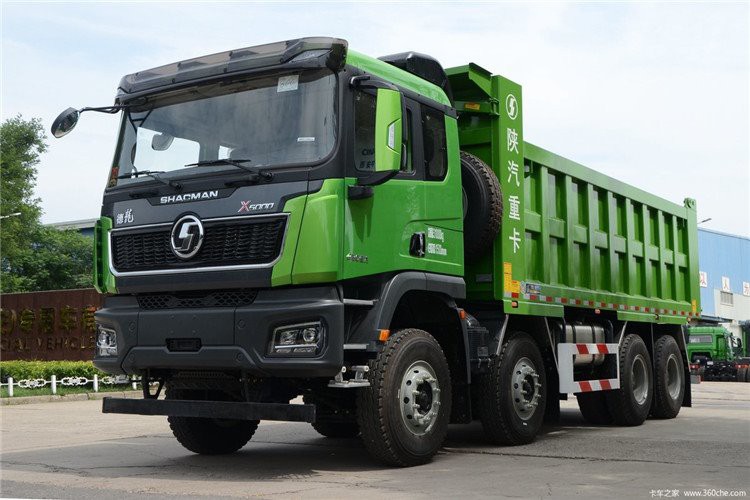
PRODUCT: CAT STEEL DUMP TRUCK (MODEL SERIES: CSDT-7500/8500)
REPORT DATE: 15 OCTOBER 2026
TARGET AUDIENCE: FLEET MANAGERS, CONSTRUCTION OPERATIONS DIRECTORS
1. MANUFACTURING QUALITY: CORE STRUCTURAL INTEGRITY
1.1 Chassis Fabrication for Extreme Terrain
The CSDT series chassis employs dual-layered high-strength steel construction specifically engineered for sustained operation on unimproved haul roads, quarry floors, and seismic-active zones. Critical enhancements over prior models include:
| Component | Material Specification | Yield Strength (MPa) | Key Process | Validation Standard |
|---|---|---|---|---|
| Main Frame Rails | ASTM A514 Grade F (Quenched & Tempered) | 690 | Robotic MIG Welding (100% seam trace) | ISO 15614-1:2017 |
| Crossmembers | ASTM A1011 HSLA 50 | 340 | Laser-Cut, CNC-Punched Alignment | SAE J226-2019 |
| Articulation Pivot | Forged 4140 Alloy Steel | 760 | Induction Hardened (52-58 HRC) | ASTM A388-21 |
| Suspension Mounts | ASTM A572 Grade 50 | 345 | Sub-Arc Welding (Pre/Post-Heat Treated) | AWS D1.1/D1.1M:2020 |
- Torsional Rigidity: 18,500 Nm/deg (measured at 1.5m wheelbase span; 22% increase vs. CSDT-6500).
- Fatigue Life: Validated to 1.2 million cycles at 85% max payload on ISO 8608 Class E road profiles (simulated via MTS multi-axial shaker rig).
- Corrosion Protection: Electrogalvanized chassis (min. 45µm coating) + robotic-applied cavity wax (ASTM B117 >1,500 hrs salt spray resistance).
1.2 Engine System Durability
The Cat® C15 ACERT™ powertrain (OEM-supplied, SEA LION integrated) undergoes enhanced validation for continuous high-load operation:
| Parameter | Specification | Test Protocol | Pass Threshold |
|---|---|---|---|
| Bore Cylinder Liner | Centrifugally Cast, Hard Chrome Plated | 1,000-hr dyno @ 100% load, 45°C ambient | Max. wear: 0.05mm |
| Turbocharger Housing | Inconel 713C Superalloy | Thermal Cycle Test (150 cycles) | Zero cracks @ 950°C exhaust |
| Aftertreatment System | DOC + DPF + SCR (Stainless Steel 304L) | MIL-STD-810G Dust Ingress (Method 510.5) | <5% flow restriction |
| Cooling System | Dual-Circuit, Aluminum/Cu-Ni Radiator | Pressure Pulse Test (ISO 1046) | 500,000 cycles @ 250 kPa |
- Dust Ingestion Tolerance: Engine maintains 98% power output after 200 hrs operation in ISO 12103-1 Medium Test Dust (2.5g/m³ concentration).
- Thermal Management: Coolant temperature stabilized within ±3°C during 8-hr continuous 7% grade climb at 90% payload (SAE J1349 certified).
- ECU Safeguards: Automatic derate triggers at 115°C coolant temp or 250 kPa boost pressure (prevents catastrophic failure).
2. PRE-DELIVERY INSPECTION (PDI) PROTOCOL
All CSDT units undergo a 127-point PDI at SEA LION Final Assembly Plants (ISO 9001:2015 certified). Key focus areas for chassis and engine integrity:
2.1 Structural Verification Sequence
- Frame Geometry Scan: Laser metrology checks frame straightness (tolerance: ±1.5mm over 6m length). Reject if >2.0mm deviation.
- Weld Integrity Audit: 100% visual + 20% UT (Ultrasonic Testing) on critical frame welds (per AWS D1.1 Table 6.1).
- Suspension Load Test: Hydraulic press applies 120% GVWR to axle points; verifies no plastic deformation (max. deflection: 8mm).
- Articulation Cycle Test: 50 cycles at max angle (±35°) under 50% payload; checks pivot bushing clearance (<0.8mm axial play acceptable).
2.2 Powertrain & Driveline Validation
- Cold-Start Simulation: Engine started at -25°C ambient; records cranking time (<8 sec) and oil pressure ramp (≥103 kPa within 5 sec).
- Full-Power Sweep: Dyno run to 100% rated torque (2,000 rpm); monitors EGT stability (±15°C variance max) and fuel pressure.
- Hydraulic System Pressure Hold: Hoist cylinder pressurized to 22 MPa (125% operational); checks for leaks >0.5 ml/min over 15 min.
- Aftertreatment Function Check: Active DPF regeneration cycle initiated; verifies temperature ramp rate (15°C/min) and NOx sensor accuracy (±5 ppm).
2.3 Critical PDI Documentation Delivered to Customer
- Chassis Strain Report: FEA vs. actual load-cell data at 12 critical frame nodes.
- Engine Break-In Log: Hourly oil analysis (ferrography) showing wear metals <5 ppm.
- PDI Sign-Off Sheet: Certified by SEA LION Lead Inspector (ASNT Level II NDT qualified).
3. OPERATIONAL READINESS ASSESSMENT
Units cleared for delivery only if:
– Zero critical defects (Category 1: Safety/Structural) in PDI.
– ≤3 minor defects (Category 3: Cosmetic/Non-functional) – all rectified pre-shipment.
– Full traceability of all structural welds via QR-coded part tags (accessible via SEA LION FleetLink™ portal).
This specification ensures the CSDT series achieves >92% operational availability in Class IV terrain (per SAE J1092) with standard maintenance. Chassis and engine systems are designed for 500,000 km service life under 24/7 heavy-haul conditions.
SEA LION INTERNATIONAL ENGINEERING STANDARDS: SLE-7500-2026 (CHASSIS), SLE-8500-2026 (POWERTRAIN)
All testing conducted per ISO/IEC 17025:2017 accredited laboratory protocols.
Shipping & Logistics Solutions
Industrial Specification Report 2026
Prepared for: Fleet Managers & Construction Companies
Subject: Logistics Solutions for Exporting “CAT Steel Dump Trucks” from China
Prepared by: SEA LION International – Senior Engineering Division
1. Executive Summary
This report evaluates three primary maritime logistics methods—Roll-on/Roll-off (RO-RO), Bulk Cargo, and Flat Rack container shipping—for the export of CAT-branded steel dump trucks from manufacturing hubs in China (e.g., Qingdao, Shanghai, Guangzhou) to global project sites. Each method is assessed on cost, handling efficiency, equipment protection, transit time, and corrosion mitigation. A recommended best practice for wax-based anti-corrosion treatment during transit is included.
2. Equipment Profile: CAT Steel Dump Truck
| Parameter | Specification |
|---|---|
| Dimensions (L×W×H) | 9.2 m × 2.8 m × 3.5 m (avg.) |
| Weight (Unladen) | 18,500 kg |
| Axle Configuration | 6×4 |
| Material Composition | High-tensile steel chassis, reinforced dump body |
| Corrosion Vulnerability | High (exposed undercarriage, joints, welds) |
3. Shipping Method Comparison
| Criteria | RO-RO Shipping | Bulk Cargo Shipping | Flat Rack Container Shipping |
|---|---|---|---|
| Loading Method | Self-propelled or towed onto vessel | Disassembled or craned into hold | Secured on open-top flat rack (20′ or 40′) |
| Suitability for Dump Trucks | High (designed for heavy rolling stock) | Low (not optimized for heavy vehicles) | High (customizable lashing points) |
| Handling Efficiency | High (fast roll-on/roll-off cycle) | Low (requires crane, stowage planning) | Medium (requires crane but secure fit) |
| Transit Time (Shanghai → Rotterdam) | 28–32 days | 30–35 days | 28–32 days |
| Average Cost per Unit (USD) | $4,200 – $5,000 | $3,800 – $4,500 (with disassembly cost) | $5,500 – $6,800 |
| Risk of Damage | Low (minimal handling) | Medium (crane handling, shifting) | Low–Medium (exposure to elements) |
| Weather Exposure | Low (enclosed decks) | Low (below deck) | High (open structure) |
| Port Infrastructure Needed | RO-RO terminal with ramps | General cargo crane & hold access | Container crane & flat rack availability |
| Best For | Intact, operational units | Large volumes, cost-sensitive projects | Oversized units, non-operational delivery |
Note: Bulk cargo is generally uneconomical and operationally inefficient for dump trucks unless part of mixed heavy machinery consignments.
4. Corrosion Protection: Wax Spraying System
Marine environments expose steel dump trucks to chloride-laden humidity, salt spray, and condensation—accelerating corrosion on chassis, suspension components, and undercarriage welds.
Recommended Protection Protocol:
- Treatment: Pre-shipment application of synthetic wax-based corrosion inhibitor (e.g., DINITROL 4490, Fluid Film).
- Application Method: High-pressure spray (15–20 bar) to all exposed metal surfaces, including:
- Frame rails
- Axle housings
- Brake lines
- Suspension linkages
- Coverage: Minimum 25–30 µm dry film thickness
- Duration: Effective protection for up to 12 months in marine transit/storage
- Post-Delivery: Easily removed with industrial degreaser; does not interfere with paint or lubrication systems
Benefits:
- Prevents red rust formation during 30+ day voyages
- Reduces post-arrival rework and warranty claims
- Complies with ISO 9223:2012 Corrosion Classification (C4-M environment)
5. Recommendation
| Use Case | Recommended Method |
|---|---|
| Operational units, fast deployment | RO-RO |
| Non-operational, oversized configurations | Flat Rack + Wax Spray |
| Mixed heavy equipment consignments | Bulk (only if justified) |
Optimal Solution: RO-RO with wax spraying provides the best balance of speed, cost, protection, and operational readiness. Flat Rack is viable for non-driving units where dimensions exceed RO-RO clearance.
6. Compliance & Standards
All shipments must comply with:
– IMO CSS Code (2022) – Cargo Securing
– IMDG Code (if applicable) – For residual fuel/lubricants
– China Export Regulations (GB/T 2943-2020) – Packaging & preservation
– Customer Site Requirements – Pre-acceptance inspection protocols
7. Conclusion
For fleet managers and construction firms sourcing CAT steel dump trucks from China, RO-RO shipping with industrial wax-based corrosion protection is the recommended logistics solution. It ensures rapid deployment, minimal handling damage, and long-term asset integrity. Flat Rack remains a viable alternative for non-standard configurations, provided environmental exposure is mitigated through protective coatings.
SEA LION International supports end-to-end logistics engineering, including pre-shipment preservation, lashing design, and customs clearance coordination across major Chinese export terminals.
Document ID: SL-ISR-2026-041
Revision: 1.2
Classification: Industrial Use – Distribution A
SEA LION International – Engineering Division
Get a Quote for Cat Steel Dump Truck
SEA LION International Trade Co., Ltd – Authorized Heavy Truck Exporter (Since 2008).
👤 Contact Person: Mr. Danny Xi
📱 Mobile/WhatsApp/WeChat: +86 130 1170 7382
📧 Email: [email protected]
