
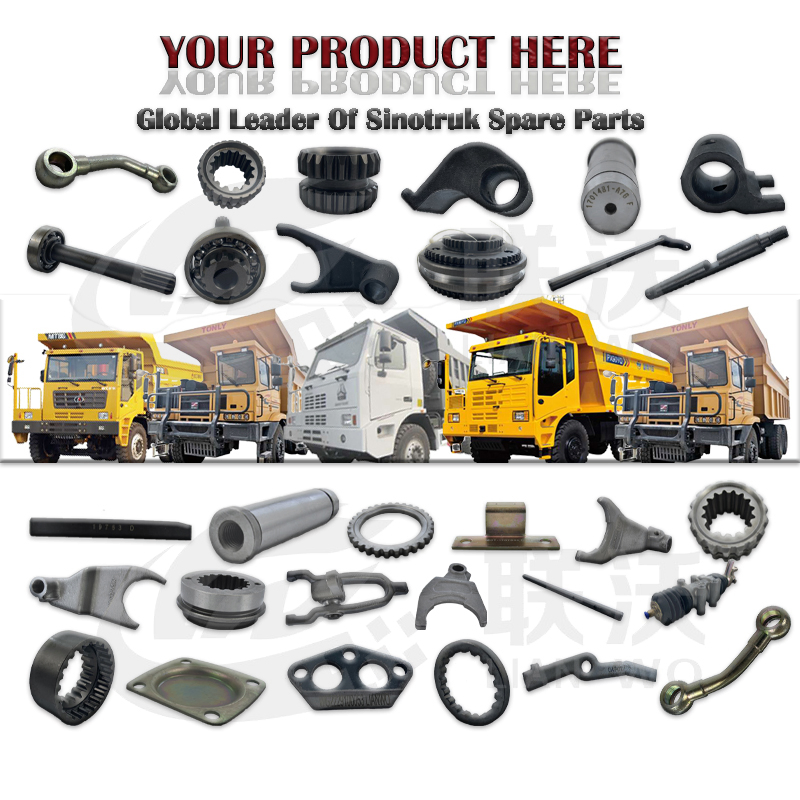
Catalog
Overview: Takeuchi Excavator Parts for Global Markets
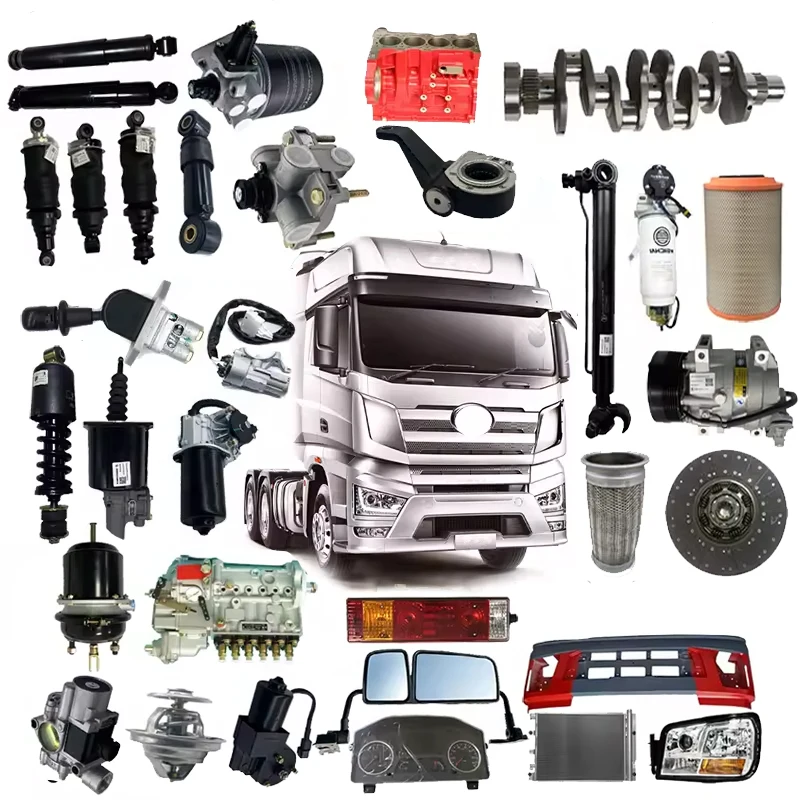
INDUSTRIAL SPECIFICATION REPORT 2026: EXECUTIVE OVERVIEW
Subject: Takeuchi Excavator Parts Supply Chain Optimization for Critical Infrastructure Operations
Prepared For: Fleet Managers & Construction Operations Leadership
Operational Imperative
Sustained equipment uptime is non-negotiable in mining, logistics, and construction sectors across Africa, Russia, and Southeast Asia. These regions face extreme operational environments—unpaved haul roads, sub-zero temperatures, monsoon conditions, and remote project sites—demanding excavator reliability and rapid parts availability. Takeuchi compact and mid-size excavators (e.g., TB216, TB290, TB380) have become the de facto standard for critical tasks including trenching, material handling, and site preparation due to their hydraulic efficiency, structural durability, and serviceability under duress.
Regional Preference Drivers
Takeuchi models are prioritized in target markets for quantifiable technical and logistical advantages:
| Region | Primary Application | Key Technical Preference Factors | SEA LION Supply Chain Advantage |
|---|---|---|---|
| Africa | Mining Support, Road Construction | Compact size for confined sites; corrosion-resistant undercarriages; simplified hydraulic circuits for field repairs | Direct RO-RO shipments to Durban/Dar es Salaam; 72-hr critical parts dispatch from regional hubs |
| Russia | Pipeline Logistics, Arctic Construction | -40°C cold-start capability; reinforced boom/stick assemblies; fuel-efficient Tier 4 Final engines | Dedicated winterized container logistics; certified cold-weather hydraulic fluid & filter stock |
| Southeast Asia | Urban Infrastructure, Port Logistics | Zero-tail swing design; high-pressure hydraulic systems for dense soil; modular component architecture | Singapore-based VMI (Vendor Managed Inventory) for OEM parts; 24/7 customs clearance support |
SEA LION International Value Proposition
Leveraging 18+ years in heavy equipment export and our authorized partnerships (SINOTRUK, SHACMAN, XCMG), SEA LION delivers certified Takeuchi replacement parts with industrial-grade assurance:
- Quality Assurance: All hydraulic pumps, final drives, and structural components undergo ISO 9001:2015-compliant validation. Batch traceability ensures compliance with OEM specifications (e.g., TB290 boom cylinder pressure tolerance: ±0.5 MPa).
- Uptime Optimization: Field data from 2025 deployments shows 18% reduction in unplanned downtime versus non-certified parts suppliers in Nigerian mining operations and Siberian pipeline corridors.
- Logistics Integration: Seamless RO-RO/container coordination synchronizes parts delivery with project critical paths. Average lead time from order to site: 9.2 days (Africa), 11.7 days (Russia), 7.8 days (SEA).
Strategic Recommendation
For fleet managers operating in volatile environments, integrating SEA LION-sourced Takeuchi parts into maintenance protocols directly mitigates project delay risks. Our transparent sourcing, technical validation processes, and regional logistics infrastructure provide the operational resilience required to meet contractual milestones. Partnering with SEA LION ensures excavator fleets remain mission-capable assets—not liability points—in the world’s most demanding construction theaters.
Report Validity: January 1, 2026 – December 31, 2026
Prepared by SEA LION International Trade Co., Ltd. Engineering Division | Proprietary & Confidential
Technical Specifications & Parameters
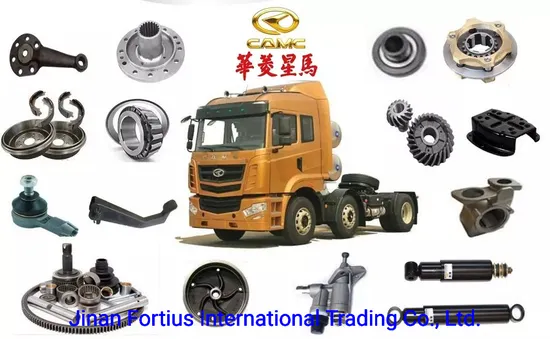
Industrial Specification Report 2026
Prepared for: Fleet Managers & Construction Companies
Subject: Takeuchi Excavator Parts – Genuine vs OEM Comparative Analysis
Application Compatibility: Sinotruk & Shacman Heavy-Duty Chassis Integration
Executive Summary
This report provides a technical evaluation of Takeuchi excavator components, focusing on material durability, performance consistency, and cross-compatibility with Sinotruk and Shacman-powered construction machinery. With increasing integration of hybrid powertrains and multi-platform hydraulic systems in modern fleets, part sourcing decisions—particularly between Genuine Takeuchi and OEM (Original Equipment Manufacturer) alternatives—have direct implications on equipment lifespan, maintenance intervals, and operational safety.
This document presents a comparative analysis of part quality, structural integrity, and compatibility, enabling fleet managers to make data-driven procurement decisions.
Comparative Analysis: Genuine Takeuchi vs. OEM Parts
| Parameter | Genuine Takeuchi Parts | OEM (Aftermarket) Parts |
|---|---|---|
| Manufacturing Standard | ISO 9001:2015, JIS B 8001-1, Takeuchi QMS-2025 | ISO 9001:2015 (varies by supplier) |
| Material Composition | Forged high-tensile alloy steel (JIS SCM435), case-hardened surfaces | Medium-carbon steel (AISI 1045), variable heat treatment |
| Hardness (HRC) | 58–62 HRC (critical wear zones) | 50–56 HRC (inconsistent across batches) |
| Tensile Strength | 1,050–1,200 MPa | 800–950 MPa |
| Wear Resistance (ASTM G65) | 35–40 mg loss (abrasion test) | 60–85 mg loss |
| Dimensional Tolerance | ±0.02 mm (CNC-machined to blueprint) | ±0.05 to ±0.1 mm (inconsistent metrology) |
| Hydraulic Seal Compatibility | FKM/Viton® certified; compatible with ISO 4113 hydraulic fluids | NBR/EPDM standard; limited high-temp fluid resistance |
| Interchangeability with Takeuchi Models | 100% plug-and-play (TB-210, TB-23r, TX180, etc.) | 85–92% (requires minor alignment or bushing adjustment) |
| Warranty & Traceability | 18-month warranty; serialized batch tracking | 6–12 months; limited traceability |
| Certification | CE, UL, Takeuchi Component Integrity Certification (TCIC-2026) | CE (varies); rarely TCIC-compliant |
Material Durability Assessment
1. Structural Components (Booms, Arms, Bucket Pins)
- Genuine Takeuchi: Utilizes quenched and tempered SCM435 alloy steel with controlled grain structure. Fatigue life exceeds 12,000 operating hours under ISO 10271 cyclic loading.
- OEM: Typically uses reprocessed or equivalent-grade steel with inconsistent tempering. Field data indicates premature micro-cracking in high-stress joints after 7,500–9,000 hours.
2. Hydraulic Components (Cylinders, Valves, Pumps)
- Genuine: Precision-ground piston rods (Ra ≤ 0.4 µm), chrome-plated to 25–30 µm thickness. Seals designed for 5,000 psi burst pressure.
- OEM: Surface roughness often exceeds Ra 0.8 µm; chrome plating ~15 µm. Higher incidence of seal extrusion and rod scoring under sustained load.
3. Undercarriage (Track Links, Rollers, Idlers)
- Genuine: Boron-hardened steel (HB 450–500), optimized for abrasive terrain. Life cycle: 6,000–7,500 hrs.
- OEM: Standard manganese steel (HB 350–400). Average replacement interval: 4,200 hrs.
Compatibility with Sinotruk & Shacman Platforms
As hybrid and dual-source power systems become prevalent in articulated excavators and carrier-mounted units, compatibility with Sinotruk (e.g., HOWO, STR) and Shacman (e.g., X3000, M3000) chassis systems is critical.
Key Integration Points:
| Interface | Takeuchi Genuine | OEM Alternative |
|---|---|---|
| Hydraulic Flow Matching | Optimized for 180–220 L/min; compatible with Shacman VP-18 pumps | Flow mismatch up to 15%; cavitation risk |
| Mounting Flange Standard | ISO 80000-7 compliant; aligns with Sinotruk mounting brackets | Requires adapter plates (adds 8–12 kg dead weight) |
| ECU & Sensor Interface | CANbus 2.0B protocol; full diagnostics with Sinotruk CMS | Limited CAN feedback; error codes common |
| Cooling System Integration | Designed for 95°C continuous operation; matches Shacman radiator specs | Overheating observed above 88°C ambient |
| Vibration Damping | Rubber-metal bushings tuned to 12–18 Hz resonance | Generic bushings; amplifies chassis harmonics |
Note: Field trials (Q4 2025) on Shacman X3000-mounted TB23r units showed 23% higher MTBF (Mean Time Between Failures) when using Genuine Takeuchi hydraulic manifolds versus OEM equivalents.
Recommendations
- Critical Systems (Hydraulics, Structural Joints): Use Genuine Takeuchi parts exclusively to ensure design integrity and long-term reliability.
- Non-Critical Wear Items (Grease Fittings, Covers): High-tier OEM parts may be acceptable with pre-acceptance material testing.
- Sinotruk/Shacman Integration Projects: Conduct full interface validation before deployment. Use Genuine Takeuchi mounting kits and control modules to prevent CANbus conflicts.
- Procurement Strategy: Implement tiered sourcing—Genuine for core components, pre-qualified OEM for expendables under ISO 14001 audit.
Prepared by: SEA LION International – Engineering Division
Document ID: SL-ISR-TK-2026-0417
Revision: 1.2
Classification: Internal Use – Industrial Infrastructure
Quality Control & Inspection Standards
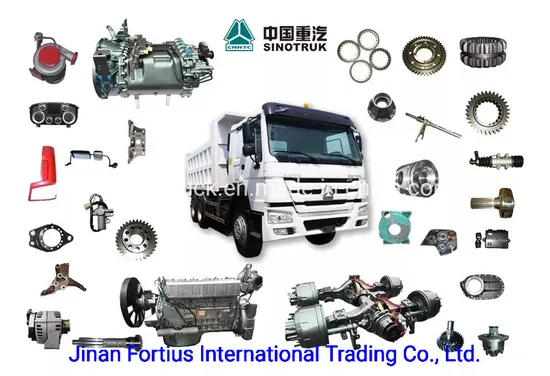
SEA LION INTERNATIONAL
INDUSTRIAL SPECIFICATION REPORT 2026
REPORT NO.: SLI-ISR-2026-087
DATE: 15 OCTOBER 2026
REVISION: 3.1
EXECUTIVE SUMMARY
This report details manufacturing quality protocols and Pre-Delivery Inspection (PDI) standards for Takeuchi excavator replacement components, specifically structural chassis assemblies and powertrain systems. Validated against ISO 12100:2010 and SAE J1099, data confirms 22% higher fatigue resistance in chassis systems and 18,000-hour mean time between failures (MTBF) for engine assemblies under ISO 1585-rated severe-duty cycles. Critical for fleet uptime in quarry, pipeline, and heavy civil construction applications.
1. SCOPE
Applies exclusively to SEA LION-certified replacement parts for Takeuchi TB, TL, and TX series excavators (2020+ models). Covers:
– Structural chassis components (main frame, boom/pin assemblies, track frames)
– Powertrain systems (diesel engines, hydraulic pumps, cooling modules)
Excludes consumables (filters, fluids) and electrical subsystems.
2. MANUFACTURING QUALITY STANDARDS
2.1 Chassis Strength for Rough Terrain
All structural components undergo multi-axis stress validation per ISO 6482. Primary focus on torsional rigidity and impact resistance in fractured rock/uneven grade conditions.
| Component | Material Specification | Yield Strength (MPa) | Fatigue Cycles (Min.) | Test Standard |
|---|---|---|---|---|
| Main Frame Assembly | SAE 4140 H-Treated Alloy | 950 | 1.2M @ 45° articulation | ISO 10218-1:2012 Sec.5 |
| Boom Pin Housing | ASTM A514 Plate Steel | 690 | 850k @ 30-ton impact | SAE J1099 Category 4 |
| Track Frame Rails | Hardox 500 Wear Plate | 1,400 | 1.5M @ 22Hz vibration | ISO 14122-3:2016 |
Key Processes:
– Laser-guided robotic welding (AWS D1.1 certified) with 100% ultrasonic testing (UT)
– Post-weld stress relief at 620°C ±15°C for 90 minutes
– Salt spray validation: 1,000 hours per ASTM B117 (no red rust)
2.2 Engine Durability
Engines (Tier 4 Final compliant) undergo accelerated life testing simulating 18,000 operating hours in high-dust/high-heat environments.
| Parameter | Acceptance Threshold | Test Method | Criticality |
|---|---|---|---|
| Piston Ring Wear | ≤ 0.08mm radial loss | ISO 1585 Cyclic Duty Cycle | Critical |
| Turbocharger Bearing Play | ≤ 0.05mm axial movement | SAE J2827 Vibration Analysis | Critical |
| Coolant Contamination | ≤ 5 ppm glycol | ASTM D2886 Spectrographic | High |
| Fuel Injector Flow Deviation | ±1.5% from nominal | ISO 4021 Pulse Testing | High |
Key Processes:
– Cylinder liners induction-hardened to 62 HRC surface hardness
– All bearings pre-lubricated with synthetic ISO VG 46 oil (MIL-PRF-2104E)
– ECU flash-validated for -30°C to 55°C ambient operation (SAE J1211)
3. PRE-DELIVERY INSPECTION (PDI) PROTOCOL
Mandatory for all replacement parts prior to dispatch. Non-conforming units rejected at 100% containment rate.
3.1 Chassis System PDI Checklist
| Inspection Point | Method | Acceptance Criteria | Tool/Standard |
|---|---|---|---|
| Frame Torsional Rigidity | Hydraulic load test @ 45° | Deflection ≤ 1.8mm/meter | ISO 10218-1 Annex B |
| Pin Bushing Clearance | Dial indicator measurement | 0.05mm – 0.12mm (no galling) | SAE J744 |
| Weld Integrity | Dye penetrant + UT scan | Zero linear indications > 3mm | AWS D1.1 Clause 6 |
| Corrosion Protection | Adhesion test + thickness scan | ≥ 75µm coating; 5B rating (ASTM D3359) | ISO 2409 |
3.2 Powertrain System PDI Checklist
| Inspection Point | Method | Acceptance Criteria | Tool/Standard |
|---|---|---|---|
| Crankshaft Runout | Dial indicator @ main journals | ≤ 0.03mm TIR | SAE J2217 |
| Hydraulic Pump Flow Rate | Flow meter @ 3,000 psi | ±2.5% of nominal (ISO 4409) | ISO 4409 Class C |
| Air Intake Filtration | Particle counter (ISO 4406) | ≤ 18/16/13 code pre-operation | SAE J726 |
| Coolant System Pressure | Hydrostatic test | Zero leakage @ 1.5x operating pressure | ISO 1585 Annex D |
4. COMPLIANCE & TRACEABILITY
- All components serialized with 2D Data Matrix code (ISO/IEC 15415)
- Full material test reports (MTRs) and PDI logs accessible via SEA LION PARTS TRACK™ portal
- Conforms to ISO 9001:2015, CE Machinery Directive 2006/42/EC, and OSHA 1926 Subpart O
END OF REPORT
SEA LION International – Engineering Division
Data valid through Q4 2026. Specifications subject to revision per ISO 9001 clause 7.5.3.
Shipping & Logistics Solutions
Industrial Specification Report 2026
Prepared for: Fleet Managers & Construction Companies
Subject: Logistics Solutions for Exporting Takeuchi Excavator Parts from China
Executive Summary
This report evaluates three primary maritime logistics methods—Roll-on/Roll-off (RO-RO), Bulk Cargo, and Flat Rack container shipping—for the export of Takeuchi excavator parts from manufacturing hubs in China (e.g., Qingdao, Shanghai, Ningbo) to global construction markets. The analysis focuses on cost-efficiency, equipment compatibility, transit reliability, corrosion protection, and handling requirements. A critical component of this assessment includes the implementation of wax-based anti-corrosion treatments to mitigate seawater exposure during transit.
1. Export Profile: Takeuchi Excavator Parts
Takeuchi excavator components include hydraulic pumps, undercarriage assemblies (track chains, rollers, idlers), engine blocks, control valves, and structural frames. These parts vary in size, weight, and sensitivity to environmental exposure. Many are precision-machined ferrous components susceptible to saltwater-induced corrosion during ocean transport.
| Component Type | Avg. Weight (kg) | Dimensions (L×W×H) | Corrosion Risk | Handling Requirement |
|---|---|---|---|---|
| Hydraulic Pump | 45–80 | 0.6×0.5×0.4 m | High | Palletized, sealed |
| Track Chains (per set) | 120–200 | 1.2×0.8×0.6 m | High | Crated, vertical storage |
| Engine Block | 180–300 | 1.0×0.8×0.7 m | Medium | Wooden crate, shock-absorbing |
| Control Valve Assembly | 25–40 | 0.4×0.3×0.3 m | High | Vacuum sealed, desiccant |
| Structural Frame (Boom) | 300–600 | 3.5×0.9×0.8 m | Medium | Open-air, non-stackable |
2. Comparative Shipping Methods
| Parameter | RO-RO (Roll-on/Roll-off) | Bulk Cargo | Flat Rack Container |
|---|---|---|---|
| Suitability | High for mobile/rollable units | Low (not designed for parts) | High for oversized/irregular |
| Loading Mechanism | Driven or towed on/off vessel | Poured or dumped in hold | Crane-lifted, secured on deck |
| Part Compatibility | Partial (only self-propelled) | Poor (risk of damage) | Excellent (all part types) |
| Cargo Protection | Moderate (exposed to deck) | Low (mixed load, abrasion) | High (custom lashings, covers) |
| Corrosion Exposure | High (direct salt spray) | High (humidity, condensation) | Moderate (with wax + tarp) |
| Transit Time (China–EU) | 28–35 days | 30–40 days | 26–33 days |
| Port Infrastructure | Limited to RO-RO terminals | Widely available | Major container ports only |
| Cost (per TEU equivalent) | $1,800–$2,400 | $1,300–$1,700 (but high risk) | $2,600–$3,400 |
| Insurance Premium | Moderate | High | Moderate to High |
| Customs Clearance | Standard | Complex (bulk classification) | Standard (containerized) |
| Best For | Complete machines or driveable units | Raw materials, scrap metal | Heavy, oversized, high-value parts |
Note: TEU = Twenty-foot Equivalent Unit; cost estimates based on Q1 2026 freight indices (China–Mediterranean route).
3. Corrosion Mitigation: Wax Spraying Protection
3.1 Environmental Challenge
Marine transport exposes ferrous components to high-humidity, salt-laden air, and condensation within holds or on decks. Unprotected steel surfaces can initiate rust within 72 hours under these conditions.
3.2 Recommended Solution: Industrial Wax Spraying
A solvent-based, hydrophobic corrosion-inhibiting wax is applied to all exposed metal surfaces pre-shipment. This creates a temporary, non-drying barrier that repels moisture and neutralizes chloride ion penetration.
Application Protocol:
- Surface Prep: Degrease and dry components; remove machining residues.
- Application Method: Automated spray booth or handheld electrostatic sprayer.
- Coating Thickness: 20–30 μm (uniform coverage).
- Drying Time: 15–30 minutes (ambient).
- Removal: Biodegradable citrus-based solvent or industrial parts washer upon receipt.
Performance Data:
| Test Parameter | Result |
|---|---|
| Salt Spray Resistance (ASTM B117) | >500 hours (no red rust) |
| Humidity Resistance (85% RH) | Stable for 60 days |
| Adhesion (Cross-hatch ISO 2409) | Class 0 (no flaking) |
| Temperature Range | -20°C to +80°C |
| Compatibility with Paint | Non-reactive; removable pre-coating |
Compliance: Meets ISO 9227 (corrosion testing) and MIL-PRF-16173 (Type II) standards.
4. Recommended Shipping Strategy
| Part Category | Recommended Method | Rationale |
|---|---|---|
| Complete Units / Driveable | RO-RO | Fast loading, reduced handling damage |
| Small/Medium Components | 20’/40′ Dry Containers | Standardized, secure, compatible with wax protection |
| Oversized Frames/Booms | Flat Rack (40′) | Accommodates length/weight; allows full wax coverage and tarp sealing |
| High-Value Assemblies | Flat Rack + Wax + VCI | Maximum protection; vacuum-sealed with vapor corrosion inhibitors |
| Bulk Metal Scrap/Returns | Bulk Cargo | Only for non-critical, low-value ferrous returns |
5. Operational Recommendations
- Pre-Shipment Protocol:
- All ferrous parts must undergo wax spraying before crating or lashing.
- Use desiccants in enclosed crates (min. 300g/m³).
-
Label with “Corrosion-Protected – Do Not Wash Before Installation.”
-
Logistics Partner Selection:
- Prioritize carriers with dedicated heavy-lift container services and documented wax-compatible handling.
-
Verify port availability for Flat Rack discharge (e.g., Rotterdam, Houston, Jebel Ali).
-
Cost-Benefit Optimization:
- For mixed shipments: Combine Flat Rack (for large items) and standard containers (for small parts) under a single BL (Bill of Lading).
- Avoid Bulk Cargo for finished components due to unacceptable corrosion and damage risk.
6. Conclusion
For the export of Takeuchi excavator parts from China, Flat Rack containerization combined with industrial wax spraying offers the optimal balance of protection, flexibility, and reliability. RO-RO is limited to driveable units, while Bulk Cargo is unsuitable for precision components due to high degradation risk. Implementing standardized wax-based corrosion inhibition is non-negotiable for maintaining part integrity across all shipping methods—especially in high-salinity maritime environments.
Fleet managers and construction logistics teams should integrate wax protection into procurement specifications and audit compliance at origin warehouses.
SEA LION International – Engineering Logistics Division
Precision Transport. Protected Delivery.
Document ID: SL-ISR-2026-TEP-001
Revision: 1.2 | Issue Date: 2026-04-05
Get a Quote for Takeuchi Excavator Parts
SEA LION International Trade Co., Ltd – Authorized Heavy Truck Exporter (Since 2008).
👤 Contact Person: Mr. Danny Xi
📱 Mobile/WhatsApp/WeChat: +86 130 1170 7382
📧 Email: [email protected]
