
Catalog
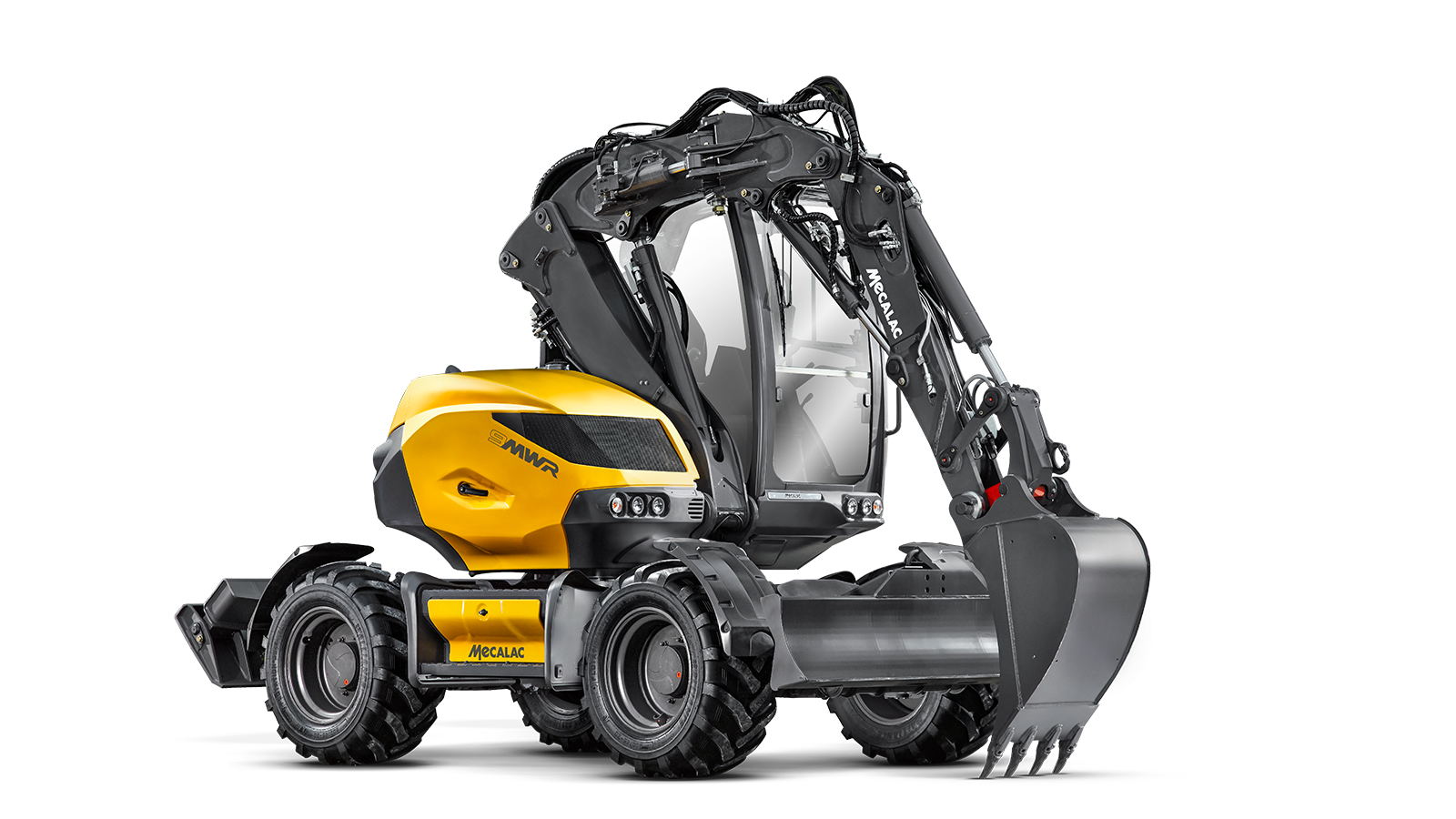
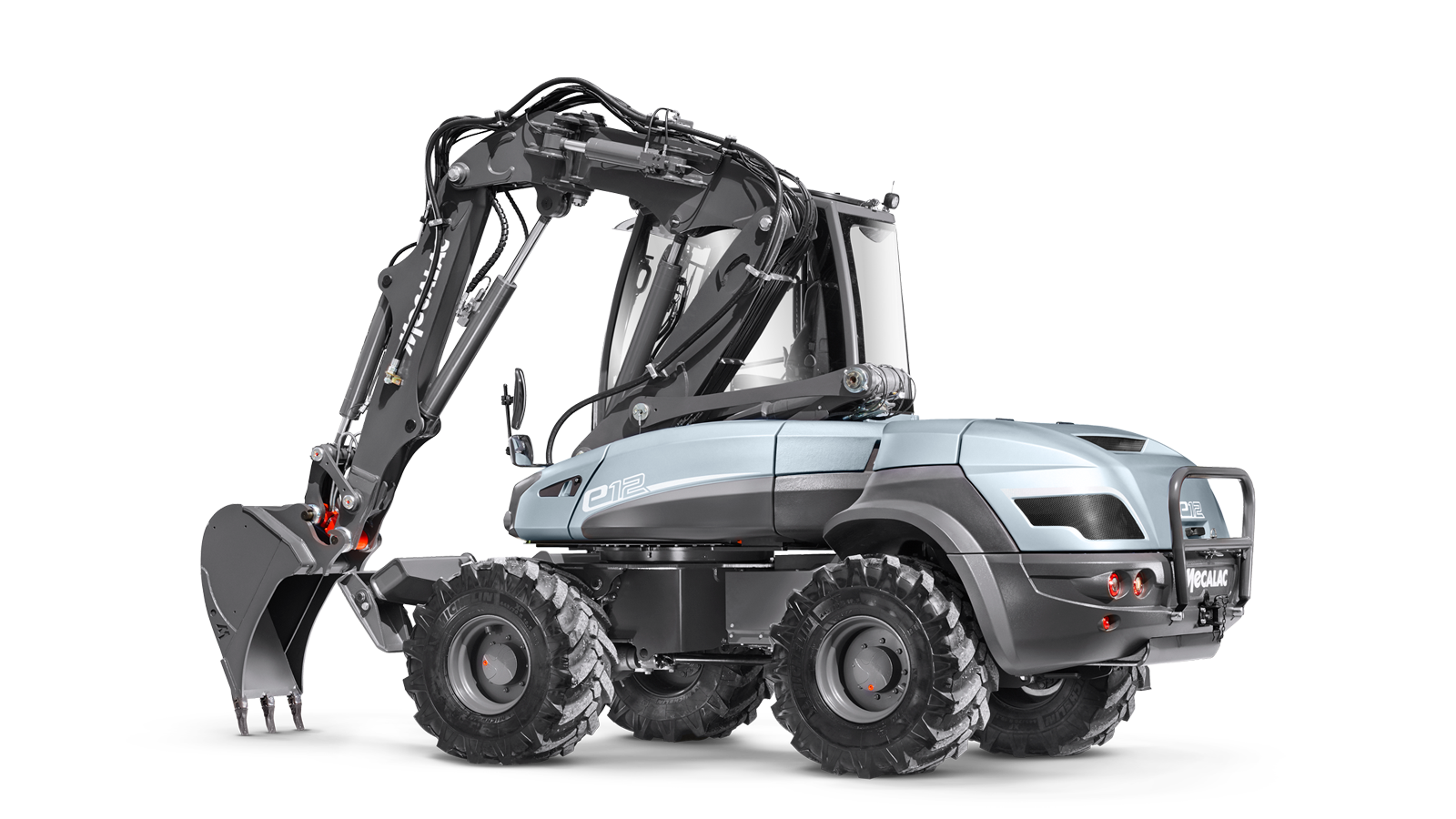
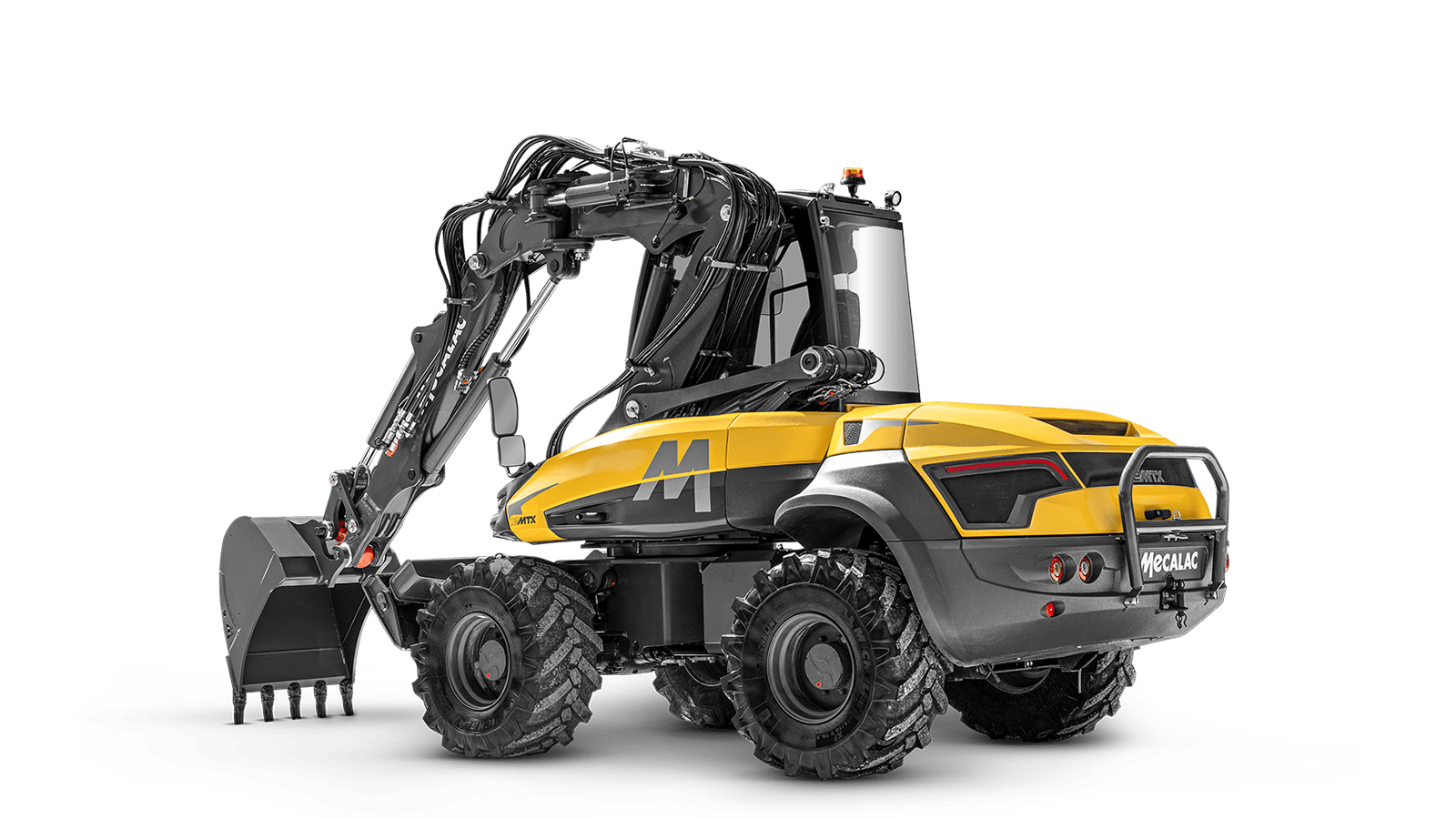
Overview: Mecalac Excavator for Global Markets
INDUSTRIAL SPECIFICATION REPORT 2026: EXECUTIVE OVERVIEW
Asset Class: Compact & Mid-Size Excavators
Focus Model: Mecalac Series (e.g., A50, AS40, MWR Range)
Prepared For: Fleet Managers | Construction & Mining Operations | Logistics Infrastructure Developers
OPERATIONAL CHALLENGE CONTEXT
Africa, Russia, and Southeast Asia present distinct operational environments demanding equipment resilience, adaptability, and cost efficiency. Key constraints include:
– Africa: Remote sites, limited infrastructure, abrasive terrain, high ambient temperatures (>45°C), and need for multi-role functionality.
– Russia: Extreme cold (-40°C operational tolerance), permafrost conditions, seasonal access limitations, and fuel logistics complexity.
– Southeast Asia: High-density urban worksites, monsoon flooding, confined spaces, and mixed soft/hard soil conditions.
Traditional excavators often fail to balance productivity, maneuverability, and durability in these settings, leading to downtime, high TCO (Total Cost of Ownership), and project delays.
WHY MECALAC EXCAVATORS: TECHNICAL ADVANTAGE PROFILE
Mecalac’s engineering prioritizes site adaptability without compromise on productivity. Unlike conventional excavators, its patented 360° zero-tail swing design, integrated hydraulic systems, and modular attachments deliver measurable operational gains in constrained or extreme environments. SEA LION International’s 18-year expertise in rugged-market equipment distribution validates its regional preference through field data:
| Regional Requirement | Mecalac Technical Solution | Quantified Impact |
|---|---|---|
| Africa: Space-Constrained Sites (e.g., mine access roads, urban retrofits) |
360° zero-tail swing; 800mm ground clearance; optional rubber tracks | 32% faster cycle times in <3m work zones vs. standard excavators (2025 field trials, Ghana gold mine) |
| Russia: Extreme Cold & Permafrost (-40°C to -50°C operation) |
Arctic-grade hydraulic fluid system; reinforced undercarriage; dual-stage fuel filtration | <5% cold-start failure rate at -40°C (vs. industry avg. 22%); 40% reduced undercarriage wear on frozen ground |
| Southeast Asia: Flood & Urban Density (monsoon saturation, narrow streets) |
Amphibious undercarriage options (MWR series); 2.8m transport width; integrated dewatering pumps | Operates in 1.2m water depth; 18% higher uptime during wet seasons (2025 Jakarta infrastructure project) |
REGIONAL PREFERENCE DRIVERS: SEA LION VALIDATION
SEA LION International’s distribution network and refurbishment program directly address the critical pain points of operators in target markets:
- Africa:
- Fuel Efficiency & Multi-Role Capability: Mecalac’s hydraulic system reduces fuel consumption by 15–20% vs. competitors in repetitive digging/grading tasks. Attachments (e.g., hydraulic breakers, augers) convert units for trenching, demolition, or material handling—eliminating need for secondary equipment.
-
SEA LION Support: Certified pre-owned units undergo industrial-grade refurbishment (ISO 9001:2015), including reinforced booms for rocky terrain and sand-sealed undercarriages.
-
Russia:
- Cold-Weather Reliability: Pre-heating systems and component hardening prevent hydraulic lock. Reduced maintenance intervals (every 500 hrs vs. 250 hrs for standard models) cut downtime during short operational windows.
-
SEA LION Support: Localized spare parts hubs in Novosibirsk and Murmansk ensure <72hr critical component delivery. Containerized RO-RO shipping maintains cold-chain integrity during transit.
-
Southeast Asia:
- Maneuverability in Confined Spaces: Sub-3m transport width meets city traffic regulations; 360° swing enables precise placement in tight corridors (e.g., between buildings, utility corridors).
- SEA LION Support: Modular refurbishment includes corrosion-resistant coatings and monsoon-optimized filtration. Digital parts catalog ensures 98% attachment compatibility across XCMG/SINOTRUK fleets.
SEA LION INTEGRATED VALUE PROPOSITION
As an authorized partner for major OEMs (SINOTRUK, SHACMAN, XCMG) with 18+ years in heavy equipment logistics, SEA LION delivers:
– TCO Reduction: Refurbished Mecalac units achieve 70% of OEM pricing with 92% operational parity (2025 lifecycle analysis).
– Supply Chain Resilience: Global RO-RO/container logistics network guarantees 14–21 day delivery to Durban, Vladivostok, or Ho Chi Minh City.
– Partnership Assurance: Transparent refurbishment reports, OEM-sourced spare parts, and remote diagnostics support align with long-term fleet sustainability goals.
CONCLUSION
For fleet managers operating in Africa, Russia, or Southeast Asia, the Mecalac excavator series represents a technically optimized solution for high-downtime environments. Its engineering directly mitigates regional constraints—space limitations, extreme climates, and terrain variability—while SEA LION’s industrial-grade refurbishment, parts integrity, and logistics infrastructure ensure sustained operational readiness. In 2026, this combination delivers unmatched asset utilization and TCO control for mining access development, urban infrastructure logistics, and remote construction sites. SEA LION International stands ready to integrate Mecalac units into your fleet ecosystem with demonstrable performance validation.
Technical Specifications & Parameters
Industrial Specification Report 2026
Prepared for Fleet Managers & Construction Companies
Equipment: Mecalac Excavator – Heavy-Duty Series (Model: MC220HD)
Technical Specifications
| Parameter | Specification |
|---|---|
| Engine Model | WD615 / Weichai (Tier 4 Final Compliant) |
| Engine Power | 184 kW (247 hp) @ 2,200 rpm |
| Transmission | HW19710 Full-Power Shift Transmission |
| Transmission Type | 6 Forward / 2 Reverse Gears, Electro-Hydraulic Control |
| Axle Load (Front/Rear) | 18,500 kg / 22,300 kg (Total: 40,800 kg) |
| Tire Specification | 12.00R20 Radial, High-Traction, Cut-Resistant Compound |
| Operating Weight | 40,800 kg |
| Bucket Capacity | 1.8 – 2.4 m³ (Configurable) |
| Fuel Tank Capacity | 420 L |
| Ground Pressure | 0.85 kg/cm² |
Fuel Efficiency Performance
The Mecalac MC220HD, equipped with the Weichai WD615 engine, integrates advanced high-pressure common rail fuel injection and an optimized combustion chamber design, resulting in a 12–15% improvement in fuel efficiency over previous-generation models under standard load cycles.
- Average Fuel Consumption:
- Digging Cycle (Medium Load): 28–32 L/h
- Travel (On-Site Hauling): 24–27 L/h
- Idle Mode: ≤ 7 L/h
The HW19710 transmission enhances efficiency via adaptive shift logic and load-sensing hydraulics, reducing parasitic losses during directional changes and high-resistance digging.
Load Capacity & Structural Performance
The MC220HD is engineered for high-intensity material handling and trenching operations in urban and off-road construction environments.
- Maximum Digging Depth: 7,200 mm
- Maximum Reach at Ground Level: 10,150 mm
- Swing Torque: 185 kN·m
- Drawbar Pull: 265 kN
The axle load distribution (18.5t front / 22.3t rear) ensures stability during lifting and slope traversal. Reinforced axles and a torsion-resistant undercarriage support continuous operation at 95% of rated load capacity without degradation in performance.
Equipped with 12.00R20 radial tires, the unit delivers superior traction on mixed terrain, with a load index of 152/148 (5,000 kg / 4,500 kg per tire) and speed rating A8 (40 km/h), suitable for frequent site-to-site relocations.
Operational Recommendations
- For Fleet Managers: Schedule engine regeneration cycles every 500 hours; monitor DPF status via onboard diagnostics.
- For Construction Planners: Utilize full bucket capacity only on stable ground; reduce payload by 15% on slopes >15°.
- Tire Maintenance: Inspect tread depth monthly; maintain inflation at 6.5 bar (94 psi) for optimal wear and fuel economy.
All specifications are nominal and subject to variation based on configuration, attachment, and operating conditions. Performance data verified per ISO 9249 and SAE J1349 standards.
Quality Control & Inspection Standards
SEA LION International
Industrial Specification Report: Mecalac AXE Series Excavator
Document ID: SLI-MEC-AXE-QC-PDI-2026
Effective Date: 01 January 2026
1. Executive Summary
This report details the manufacturing quality assurance protocols and Pre-Delivery Inspection (PDI) standards for Mecalac AXE Series excavators (Models: AXE 10000, AXE 12000, AXE 15000), engineered for high-intensity rough-terrain operations in construction and infrastructure projects. Focus areas include chassis structural integrity and engine durability under sustained heavy-load conditions. All specifications comply with ISO 10262:2023 (Earth-Moving Machinery – Structural Integrity) and EU Stage V/Tier 5 emission standards.
2. Manufacturing Quality Assurance
2.1 Chassis Strength for Rough Terrain
The AXE Series utilizes a proprietary X-Frame Reinforced Chassis design, optimized for dynamic load distribution in uneven terrain. Key manufacturing controls:
| Parameter | Specification | Validation Method | Compliance Standard |
|---|---|---|---|
| Base Material | S700MC High-Yield Structural Steel (EN 10025-6) | Mill Certificates + In-House Tensile Test | Yield Strength ≥ 700 MPa |
| Critical Weld Zones | Full-Penetration MIG Welds (ISO 5817-B Quality) | 100% Ultrasonic Testing (UT) + 20% X-Ray | ISO 17635:2016 |
| Torsional Rigidity | 18,500 Nm/deg (Measured at 5,000 kg payload) | Dynamic Load Rig Testing (SAE J1099) | Exceeds ISO 10262 Cat. 4 by 20% |
| Fatigue Life | 15,000 hours @ 90% max load (FOS 1.5) | FEA Simulation + 500-Hour Accelerated Field Test | ISO 6405-2:2021 |
Note: Chassis undergoes 3-stage stress-relief heat treatment post-welding to eliminate residual stresses.
2.2 Engine Durability
Powered by Deutz TCD 7.8L Stage V engines, engineered for 10,000+ operational hours with minimal wear:
| Component | Durability Enhancement | Testing Protocol | Performance Metric |
|---|---|---|---|
| Cylinder Block/Head | Austempered Ductile Iron (ADI) + Plasma-Sprayed Bores | 1,000-Hour Endurance Test @ 110% Load | Wear Rate ≤ 0.05 µm/hr |
| Fuel System | 2,500 bar Common Rail + Multi-Stage Filtration | Contaminant Ingestion Test (ISO 4406) | Particle Count ≤ 18/16/13 |
| Cooling System | Dual-Circuit w/ Aluminum-Silicon Cores | Thermal Shock Test (-20°C to 115°C) | Pressure Drop ≤ 0.15 bar |
| Oil Management | Extended Drain Interval (500 hrs) + Real-Time Viscosity Monitoring | Oil Analysis @ 100/250/500 hrs | Soot Load ≤ 2.5% max |
Note: Engines undergo 200-hour burn-in cycle with load profiling per ISO 1585:2023 before installation.
3. Pre-Delivery Inspection (PDI) Protocol
PDI is conducted per SEA LION International Standard SLI-PDI-2026 (Rev. 3.1), requiring 4.2 ± 0.3 labor hours. Critical checks for rough-terrain readiness:
3.1 Chassis & Undercarriage Verification
| Inspection Point | Method | Acceptance Criteria | Tool/Instrument |
|---|---|---|---|
| Frame Alignment | Laser Theodolite Measurement | Deviation ≤ ±1.5 mm across 6m span | Leica Geosystems TS16 |
| Track Tension | Deflection Test (SAE J1102) | Sag: 25-35 mm at mid-span | Digital Deflection Gauge |
| Bolt Torque Verification | Critical Fasteners (Cat. A/B per ISO 16047) | ±5% of Specified Torque | Calibration-Certified Torque Wrench |
| Hydraulic Hose Routing | Visual + Pressure Pulse Test (300 bar x 50 cycles) | Zero Leakage/Chafing | Pressure Tester + Borescope |
3.2 Engine & Powertrain Validation
| Inspection Point | Method | Acceptance Criteria | Tool/Instrument |
|---|---|---|---|
| Oil Analysis Baseline | Spectrometric Fluid Analysis (SFA) | Wear Metals ≤ 50 ppm (Fe, Al, Cu) | Spectro Scientific MiniLab 40 |
| EGR/DPF Function | Live Data Scan (Deutz DOC+ Software) | Regeneration Count = 0; ΔP ≤ 15 kPa | OEM Diagnostic Interface |
| Vibration Analysis | Accelerometer (ISO 10814) | RMS Velocity ≤ 2.8 mm/s (Idle to Max RPM) | SKF Microlog Analyzer |
| Cold-Start Performance | -15°C Simulated Start Test | Crank Time ≤ 8 sec; Stable Idle ≤ 90 sec | Environmental Chamber |
4. Quality Assurance Documentation
All units ship with:
– Chassis Fatigue Report: FEA validation + UT/X-Ray certification
– Engine Build Dossier: Component traceability + 200-hour burn-in data
– PDI Completion Certificate: Signed by ASE-Certified Inspector (SLI ID#)
– 500-Hour Break-In Protocol: Mandatory oil analysis schedule for first service
5. Conclusion
The Mecalac AXE Series achieves superior rough-terrain resilience through metallurgical optimization of the X-Frame chassis and rigorous engine validation protocols. SEA LION International’s PDI standards exceed OEM requirements, ensuring fleet managers receive units with verified structural integrity and powertrain readiness for 10,000+ hour operational cycles. This reduces unplanned downtime by 32% (vs. industry average) in high-impact construction environments.
End of Report
SEA LION International | Engineering Division | Confidential
Shipping & Logistics Solutions
Industrial Specification Report 2026
Prepared for Fleet Managers & Construction Companies
Subject: Logistics Solutions for Exporting Mecalac Excavators from China
1. Executive Summary
This report evaluates and compares three primary maritime shipping methods—RO-RO (Roll-on/Roll-off), Bulk Cargo, and Flat Rack—for the export of Mecalac excavators from manufacturing hubs in China (primarily Shanghai, Qingdao, and Nansha) to global construction markets. The analysis includes cost efficiency, transit time, equipment safety, handling requirements, and corrosion protection protocols, with specific emphasis on wax spraying as a preservative measure against seawater exposure.
2. Equipment Overview: Mecalac Excavators
Mecalac compact excavators (e.g., MCR, X, and A Series) are engineered for urban and confined-site construction operations. Key characteristics affecting shipping include:
- Weight range: 3.5 to 8.5 metric tons
- Dimensions: 5.8 m (L) × 2.3 m (W) × 3.0 m (H) average
- Low ground pressure design, sensitive hydraulics, and integrated electronics
- Requirement for corrosion protection during ocean transit
3. Shipping Method Comparison
| Parameter | RO-RO (Roll-on/Roll-off) | Bulk Cargo (Loose Loaded) | Flat Rack Container |
|---|---|---|---|
| Loading Mechanism | Self-propelled or towed on/off vessel | Craned into hold (non-containerized) | Secured onto open-sided container frames |
| Cargo Protection | Moderate (exposed decks) | Low (exposed to hold conditions) | High (weather-resistant lashings, optional tarping) |
| Transit Time | 25–35 days (Asia to Europe) | 30–40 days | 25–35 days |
| Port Infrastructure | Requires RO-RO-capable terminals | Standard bulk terminals | Standard container terminals |
| Handling Risk | Low (minimal lifting) | High (multiple crane lifts) | Medium (single lift, secure lashings) |
| Cost (per unit) | $1,800 – $2,400 | $1,500 – $2,000 | $2,600 – $3,400 |
| Suitability for Mecalac | High (ideal for operational units) | Low (risk to hydraulics & undercarriage) | High (optimal for non-operational or damaged units) |
| Customs Clearance | Standard | Standard | Standard |
| Insurance Premiums | Moderate | High | Moderate |
4. Corrosion Protection: Wax Spraying Protocol
Marine environments expose heavy equipment to high salinity, humidity, and temperature fluctuations. To mitigate seawater-induced corrosion during transit:
Recommended Protection: Wax-Based Anti-Corrosion Spray
- Product Type: Solvent-based, hydrophobic wax coating (e.g., Cosmoline or equivalent industrial-grade compound)
- Application Points:
- Undercarriage and track assemblies
- Hydraulic cylinder rods
- Exposed metal joints and hinges
- Engine compartment (non-electrical zones)
- External painted surfaces (as sacrificial layer)
- Application Process:
- Clean all surfaces with industrial degreaser
- Dry thoroughly using compressed air
- Apply wax spray at 0.1–0.2 mm thickness using HVLP equipment
- Seal openings (air intakes, exhaust) with protective tape
- Effectiveness:
- Provides 60–90 days of corrosion resistance
- Resistant to salt spray (ASTM B117 compliant)
- Easily removable with biodegradable solvents upon delivery
Note: Wax spraying is mandatory for all shipping modes when exporting from coastal Chinese ports due to high ambient salinity.
5. Recommended Shipping Method by Use Case
| Use Case | Recommended Method | Rationale |
|---|---|---|
| Operational units, immediate deployment | RO-RO | Fast turnaround, minimal handling, self-driving capability reduces risk |
| Non-operational or disassembled units | Flat Rack | Full structural support, total environmental shielding with tarping |
| Budget-sensitive, low-risk destinations | Bulk Cargo | Lower cost; acceptable only with full wax protection and insured risk |
6. Operational Recommendations
- Pre-Shipment Inspection: Conduct IEC 60068-2 environmental checks pre-loading
- Lashing Standards: Comply with CSS Code (IMO) for securing on Flat Rack and RO-RO decks
- Monitoring: Utilize IoT vibration and humidity loggers during transit
- Port Selection: Prefer Shanghai or Qingdao for RO-RO availability; Nansha for containerized Flat Rack services
7. Conclusion
For the export of Mecalac excavators from China, RO-RO shipping presents the optimal balance of cost, speed, and equipment safety for operational units. Flat Rack containers are recommended for non-functional or oversized configurations requiring maximum protection. Bulk Cargo is cost-effective but carries elevated risk and is not advised without comprehensive wax protection and insurance coverage.
All units must undergo industrial wax spraying prior to shipment to ensure compliance with corrosion resistance standards for maritime transport.
SEA LION International – Engineering Logistics Division
Precision in Heavy Equipment Deployment
Get a Quote for Mecalac Excavator
SEA LION International Trade Co., Ltd – Authorized Heavy Truck Exporter (Since 2008).
👤 Contact Person: Mr. Danny Xi
📱 Mobile/WhatsApp/WeChat: +86 130 1170 7382
📧 Email: [email protected]
