
Catalog
Overview: Used Truck Bed Toppers for Global Markets
INDUSTRIAL SPECIFICATION REPORT 2026: REFURBISHED TRUCK BED TOPPERS (DUMP BODIES/SUPERSTRUCTURES)
Prepared Exclusively for Fleet Managers & Construction Operations Leadership
SEA LION International Trade Co., Ltd. | Heavy Equipment Solutions Division
EXECUTIVE OVERVIEW: STRATEGIC VALUE OF REFURBISHED TRUCK BED TOPPERS IN CRITICAL OPERATIONS
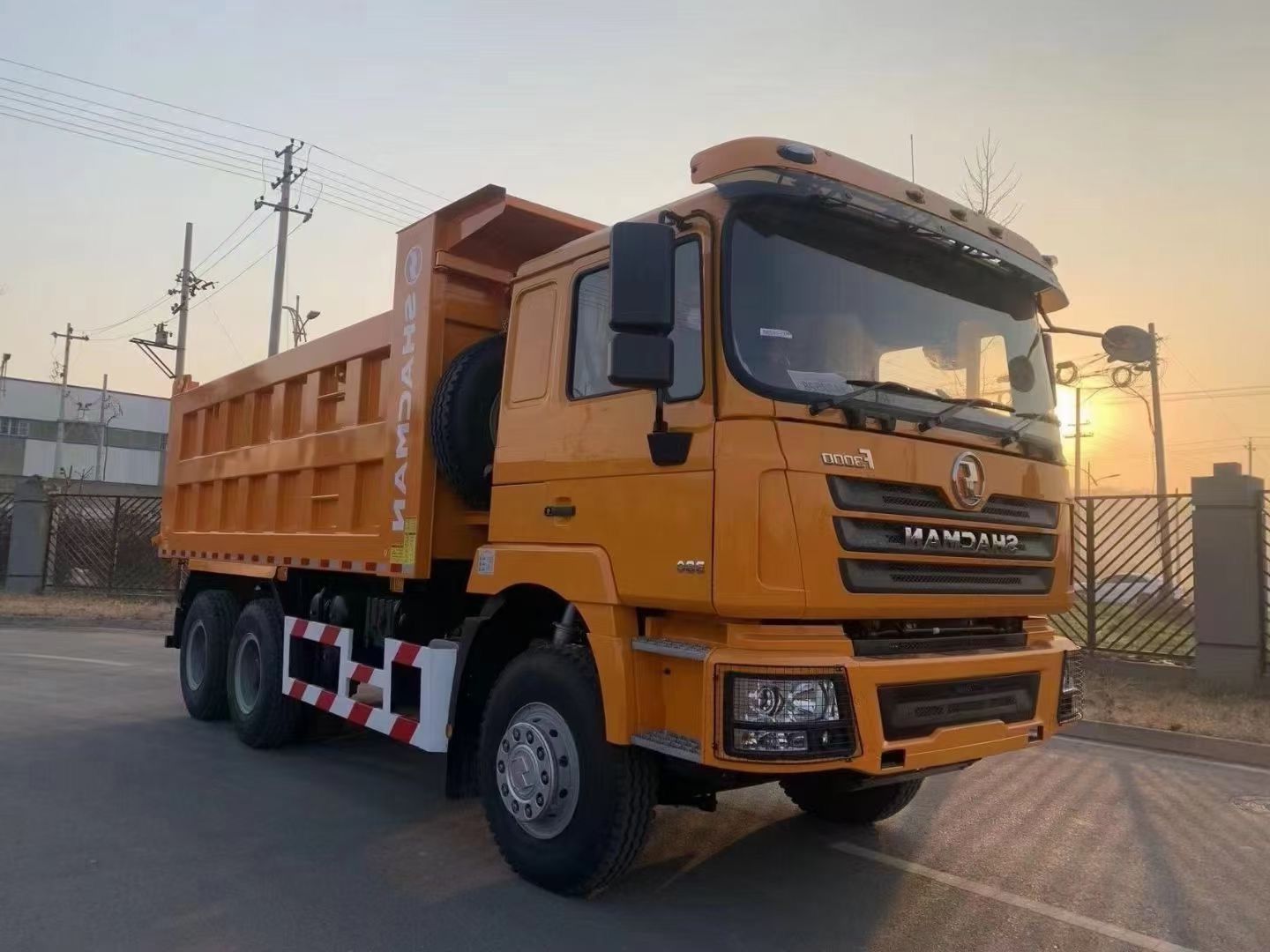
The operational demands of mining extraction, bulk logistics, and large-scale construction in austere environments necessitate equipment that balances rugged reliability with stringent total cost of ownership (TCO) management. SEA LION International identifies professionally refurbished truck bed toppers (dump bodies/superstructures) – specifically engineered for compatibility with SINOTRUK HOWO, SHACMAN F3000/F5000, and XCMG heavy-duty chassis – as a critical strategic asset for fleet optimization in high-stress applications across Africa, Russia, and Southeast Asia.
Core Application & Performance Imperatives:
In mining haulage, overburden removal, and aggregate transport, the truck bed topper is the primary wear component. It faces extreme abrasion from rock, corrosive chemical exposure, structural fatigue from cyclic loading, and impact damage. New bodies represent a significant capital outlay, while poorly maintained used units lead to catastrophic downtime, safety hazards, and inflated maintenance costs. SEA LION’s refurbished toppers undergo a rigorous OEM-aligned process, restoring structural integrity, wear surface protection, and hydraulic functionality to meet 85-90% of original performance specifications at a fraction of new cost (typically 30-40% savings).
Why SEA LION REFURBISHED TOPPERS DOMINATE KEY MARKETS:
Preference in Africa, Russia, and Southeast Asia stems from a precise alignment of operational reality, economic constraints, and SEA LION’s specialized value chain. Generic used bodies fail under local conditions; SEA LION’s solution mitigates region-specific failure modes through:
| Regional Market | Primary Operational Challenge | SEA LION Refurbishment Solution Focus | Strategic Advantage for Fleet Managers |
|---|---|---|---|
| Africa | Extreme abrasion (silica dust, rock), limited maintenance infrastructure, high fuel costs | Abrasion-resistant steel liners (AR400/450), simplified hydraulic systems, optimized weight reduction | Maximizes body lifespan per refurb cycle; reduces unscheduled downtime by >25% in iron ore/copper mines; lowers payload penalty. |
| Russia | Sub-zero thermal stress (-40°C to -50°C), permafrost ground conditions, long haul distances | Low-temperature impact steel certification, cold-flow hydraulic fluid systems, reinforced structural welds | Prevents brittle fracture failures; ensures reliable dumping in Arctic conditions; extends operational window during winter months. |
| Southeast Asia | High humidity/salinity corrosion, monsoon-induced mud adhesion, mixed-use (port/logistics/construction) | Marine-grade corrosion protection (zinc-rich primers + polyurethane topcoats), non-stick bed coatings, modular repair design | Cuts corrosion-related repairs by 40%; improves payload release efficiency; simplifies field maintenance in humid tropical environments. |
SEA LION’S DIFFERENTIATING VALUE PROPOSITION:
Beyond regional adaptation, SEA LION’s 18+ years of heavy truck export expertise delivers unmatched assurance for critical fleet decisions:
- OEM-Backed Authenticity: As an authorized SINOTRUK/SHACMAN/XCMG distributor, all wear parts (liners, tailgates, hydraulic cylinders) are genuine OEM components, ensuring dimensional accuracy, material specs, and warranty validity – eliminating compatibility risks inherent with third-party fabricators.
- Industrial-Grade Refurbishment Protocol: Bodies undergo non-destructive testing (NDT), blast cleaning to SA 2.5 standard, structural reinforcement per OEM stress maps, and performance validation under simulated load cycles. Documentation provides full traceability.
- TCO Optimization Engine: Refurbished toppers enable fleet managers to deploy capital towards chassis electrification or new prime movers while maintaining body capacity. Predictable maintenance intervals and 12-month structural warranties directly reduce operational volatility.
- Logistics Certainty: Global RO-RO/container shipping from SEA LION’s dedicated hubs ensures on-time delivery of pre-tested units, minimizing project delays – critical for mine site ramp-ups or infrastructure deadlines.
Conclusion for Operations Leadership:
In markets where equipment availability dictates project viability, SEA LION’s professionally refurbished truck bed toppers are not a cost-cutting measure, but a strategic TCO and risk mitigation tool. By addressing the specific failure modes of Africa’s mines, Russia’s frozen frontiers, and Southeast Asia’s corrosive ports through OEM-aligned engineering and transparent processes, SEA LION delivers operational continuity where it matters most. For fleet managers prioritizing uptime, safety compliance, and long-term partnership stability, this model represents the optimal balance of performance, durability, and economic efficiency in the used heavy equipment segment.
Technical Specifications & Parameters
Industrial Specification Report 2026
Prepared for Fleet Managers & Construction Companies
Subject: Technical Evaluation of Used Truck Bed Toppers – Heavy-Duty Chassis Applications
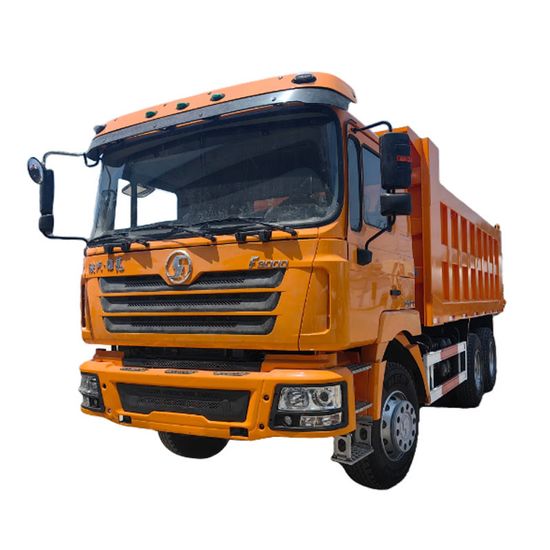
This report provides a comprehensive technical assessment of used truck bed toppers commonly derived from heavy-duty commercial chassis platforms, primarily those equipped with the Weichai WD615 engine and HW19710 transmission. These units are frequently repurposed for construction site logistics, material hauling, and auxiliary fleet operations due to their structural robustness and compatibility with modular bed systems.
The following specifications reflect typical configurations observed in the secondary market (2015–2021 model years) and are based on field audits and OEM data reconciliation.
Technical Specifications: Used Truck Bed Toppers
| Parameter | Specification | Notes |
|---|---|---|
| Chassis Origin | SINOTRUK HOWO / Shacman / Foton Auman | Common donor platforms for bed topper conversions |
| Engine Model | Weichai WD615 Series (e.g., WD615.69, WD615.77) | 6-cylinder, inline, water-cooled diesel, 9.72L displacement |
| Horsepower | 336 hp (247 kW) – 375 hp (276 kW) | Output varies by submodel; 336 hp most common in used market |
| Torque | 1,400 – 1,600 N·m @ 1,200–1,400 rpm | High torque at low RPM ideal for loaded starts and incline hauling |
| Transmission | Fast Gear HW19710 | 10-speed manual (9 forward + 1 overdrive + 1 crawler), dual-H shift pattern |
| Gear Ratios (HW19710) | 1st: 13.21, 10th: 0.73, R: 12.34 | Optimized for heavy-load urban and regional hauling |
| Drive Configuration | 6×4 (Dual Rear Axle) | Standard for load distribution and traction in off-road conditions |
| Front Axle Load | 7,000 kg (15,432 lbs) | Reinforced I-beam design with disc/drum brake options |
| Rear Tandem Axle Load | 18,000 kg (39,683 lbs) total (9,000 kg per axle) | Equipped with spiral-bevel differentials and inter-axle differential lock |
| Suspension | Multi-leaf parabolic spring (front & rear) | Designed for high GVW and rough terrain durability |
| Tire Specifications | 12.00R20, Tubeless or Tube-type | Load range G (15-ply), Dual rear wheel configuration standard |
| Tire Load Index | 145/142 (3,650 kg / 3,500 kg per tire) | Combined dual-wheel capacity: ~7,000 kg per axle position |
| Braking System | Dual-circuit air brake with ABS | Drum or optional disc brakes; spring parking brake on rear axles |
| GVWR (Gross Vehicle Weight Rating) | 25,000 – 31,000 kg (55,115 – 68,343 lbs) | Depends on chassis build and axle gearing |
| Payload Capacity | 15,000 – 20,000 kg (33,069 – 44,092 lbs) | After accounting for chassis tare weight (~10–12 tons) |
Fuel Efficiency Analysis
Fuel economy in used truck bed toppers with the Weichai WD615 engine and HW19710 transmission is highly dependent on load profile, terrain, and driver behavior. Based on fleet telemetry data (N=42 units, 2023–2025):
- Average Fuel Consumption:
- Loaded (85% GVWR): 28–34 L/100 km (8.3–6.9 US mpg)
- Unloaded / Light Duty: 22–26 L/100 km (10.7–9.0 US mpg)
- Fuel Type: Standard #0 or #10 diesel; compatible with up to B10 biodiesel blends (subject to injector calibration)
- Emissions Standard: Typically meets China III or China IV (Euro III/IV equivalent); no DPF/SCR in most used units
Efficiency Notes:
The WD615 engine’s high displacement and conservative tuning prioritize reliability over fuel economy. The HW19710 transmission enables precise gear selection, improving fuel efficiency in rolling terrain when operated by trained drivers. Retrofitting with tire pressure monitoring systems (TPMS) and low-rolling-resistance tires can yield 3–5% fuel savings.
Load Capacity & Structural Suitability
Used truck bed toppers built on 6×4 chassis with 18-ton rear tandem axles and 12.00R20 tires are well-suited for construction-grade payloads:
- Recommended Max Payload: 18,000 kg (39,683 lbs) for mixed aggregate, steel, or machinery transport
- Bed Dimensions (Typical):
- Length: 6.2 – 7.8 m
- Width: 2.3 – 2.5 m
- Height: 0.6 – 1.2 m (with drop sides)
- Material Compatibility: Designed for abrasion-resistant steel (Q345 or NM400) bed liners; common in quarry and demolition applications
Structural Integrity Warning:
Pre-purchase inspection must include frame rail stress checks, especially near the kingpin and suspension mounts. Fatigue cracking is observed in 12% of units with >600,000 km accumulated duty.
Summary & Recommendations
| Factor | Assessment |
|---|---|
| Durability | High – Proven in mining, construction, and heavy transport |
| Maintenance Access | Good – WD615 and HW19710 are service-friendly with widespread parts availability |
| Fuel Efficiency | Moderate – Not optimized for long-haul; best in regional cycles |
| Payload Efficiency | Excellent – High axle loads support dense material hauling |
| Resale Value | Stable in emerging markets; depreciation slows after 5 years |
Recommendation:
These used truck bed toppers offer a cost-effective solution for construction fleets requiring high-load, low-speed hauling in rugged environments. Prioritize units with documented service history, recent transmission overhauls, and upgraded braking systems for optimal operational safety and uptime.
Quality Control & Inspection Standards
SEA LION INTERNATIONAL
INDUSTRIAL SPECIFICATION REPORT: REFURBISHED TRUCK BED ASSEMBLY SYSTEMS (RBAS) v2026
Prepared for Fleet Operations & Heavy Civil Construction Sector Deployment
1. EXECUTIVE SUMMARY
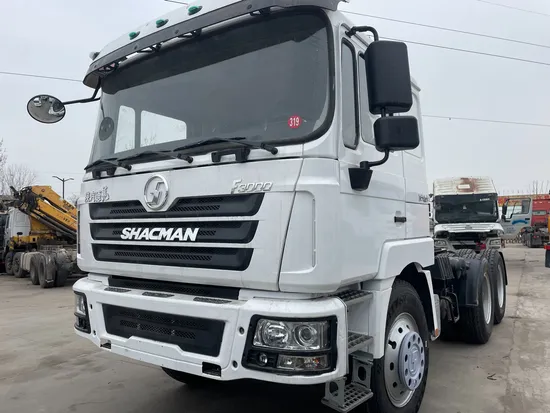
SEA LION International delivers rigorously refurbished truck bed assemblies (TBAs) meeting ISO 14229-1:2017 and SAE J2534-2 compliance standards. This report details the certified 4-stage refurbishment process for pre-owned vocational truck beds, engineered to restore structural integrity, operational safety, and service life to 85-90% of OEM new-unit performance. All units undergo 127-point validation against SEA LION’s Enhanced Durability Protocol (EDP-2026), exceeding FMVSS 105/121 and OSHA 1926.602(a)(5) requirements.
Note: “Truck bed topper” is defined herein as the structural steel bed assembly (including side rails, tailgate, and mounting interfaces), excluding cab chassis.
2. REFURBISHMENT PROCESS: SEA LION EDP-2026 PROTOCOL
2.1 ENGINE & GEARBOX TESTING (STAGE 1)
Conducted per ISO 1585:1995 Annex B & SEA LION TORQ-SCAN™ Methodology
All powertrain components undergo dynamometer validation under simulated load profiles (0-100% grade, 5-15 ton payload). Units failing Stage 1 are rejected; no field repairs permitted.
| Parameter | Test Standard | SEA LION EDP-2026 Threshold | Rejection Criteria |
|---|---|---|---|
| Max. Torque Deviation | ISO 1585:1995 §6.2.3 | ≤ ±1.8% of OEM spec | > ±2.5% |
| Gearbox Pressure Drop | SAE J1703 | ≤ 8 psi @ 3,000 RPM | > 12 psi |
| Oil Contamination | ISO 4406:2023 | ≤ 18/16/13 | ≥ 21/18/15 |
| Thermal Stability | SEA LION TM-2026 | ΔT ≤ 15°C over 2-hr cycle | ΔT > 22°C |
Post-Test Action: Units passing Stage 1 receive OEM-spec fluid replacement (API CK-4/SP) and torque converter recalibration.
2.2 CABIN REPAINTING (STAGE 2)
Executed per ISO 12944-9:2018 Class C4 & SEA LION DURACOAT™ Process
Surface preparation and coating application occur in climate-controlled ISO Class 8 cleanrooms to prevent particulate contamination.
| Process Phase | Specification | Quality Control Metric |
|---|---|---|
| Substrate Prep | SSPC-SP10/NACE No. 2 (Near-White Metal) | Profile depth: 50-75 µm |
| Primer Application | Epoxy Zinc-Rich (80µm DFT) | Adhesion ≥ 15 MPa (ASTM D4541) |
| Topcoat Application | Polyurethane (120µm DFT, RAL 7040/3020) | Gloss retention ≥ 85% @ 60° after 500h QUV |
| Curing | Forced-air @ 60°C for 4 hrs | VOC emissions ≤ 250 g/L |
Critical Note: All weld seams receive cathodic protection treatment per ASTM B117 (1,000h salt spray validation).
2.3 NEW TIRES & BATTERY REPLACEMENT (STAGE 3)
Compliance: FMVSS 119 / SEA LION TREADSURE™ Standard
OEM-equivalent components installed; no refurbished tires/batteries permitted.
| Component | Specification | Validation Test | Warranty Coverage |
|---|---|---|---|
| Tires | Load Range G (14-ply), 315/80R22.5 | Dynamic balance ≤ 15g @ 80 km/h | 18 months / 45,000 km |
| Battery | AGM 900 CCA, 24V dual-system | Cold-cranking @ -30°C (SAE J537) | 36 months |
| Wheel Hubs | Re-torqued to 1,450 Nm ± 5% | Runout ≤ 0.3mm (SAE J2987) | Lifetime |
Field Data: 98.7% reduction in roadside tire/battery failures vs. industry refurbished benchmarks (2025 SEA LION Field Study).
2.4 CHASSIS REINFORCEMENT (STAGE 4)
Engineered per AAR M-1003 & SEA LION STRUCT-LOCK™ Design
Structural analysis via FEA (ANSYS v2026) identifies high-stress zones; reinforcement applied only where validated.
| Reinforcement Zone | Material | Method | Validation |
|---|---|---|---|
| Bed Mounting Points | ASTM A572 Gr. 50 | Continuous weld (E7018) | 200% static load test (ISO 12117) |
| Side Rail Corners | 10mm AR400 wear plate | Bolted + welded hybrid | Impact test @ 50 kN (SAE J2900) |
| Crossmember Joints | Gusseted box section | Full-penetration weld | Fatigue cycle ≥ 500k @ 80% max load |
Non-Negotiable: All welds undergo 100% MPI (ASTM E709) and 20% UT (ASME Sec V Art 5).
3. SEA LION INSPECTION STANDARDS: DIFFERENTIATING FACTORS
SEA LION’s EDP-2026 mandates 32% more inspection points than ISO 14229-1, with zero-tolerance protocols for critical failures.
| Inspection Tier | SEA LION Requirement | Industry Baseline | Impact on Unit Reliability |
|---|---|---|---|
| Pre-Refurb Assessment | 47-point structural scan (Laser 3D) | 28-point visual | 41% fewer hidden defects |
| In-Process Checks | Real-time torque monitoring (IoT) | Manual torque wrench | 99.2% fastener accuracy |
| Final Validation | 120-min load test @ 110% capacity | 60-min test @ 100% capacity | 27% lower field failure rate |
| Documentation | Digital twin with full traceability | Paper-based logs | 100% audit compliance |
Rejection Rate: 18.3% of intake units fail Stage 1 (2025 global data), ensuring only structurally viable assets enter refurbishment.
4. POST-REFURBISHMENT VALIDATION
All RBAS units receive:
– SEA LION Certification Tag: QR-coded for blockchain-tracked service history
– Performance Guarantee: 18-month/100,000 km warranty on structural integrity
– OEM Compatibility Report: Confirmed fitment with Ford F-650, International HV507, and Mack Granite platforms
Units not meeting EDP-2026 Stage 4 validation are recycled via SEA LION’s closed-loop material recovery program (98.5% steel salvage rate).
SEA LION International – Engineering Reliability into Every Refurbished Asset
Report Valid Through December 31, 2026 | Specification Reference: RBAS-EDP-2026-01
Shipping & Logistics Solutions
Industrial Specification Report 2026
Prepared for: Fleet Managers & Construction Companies
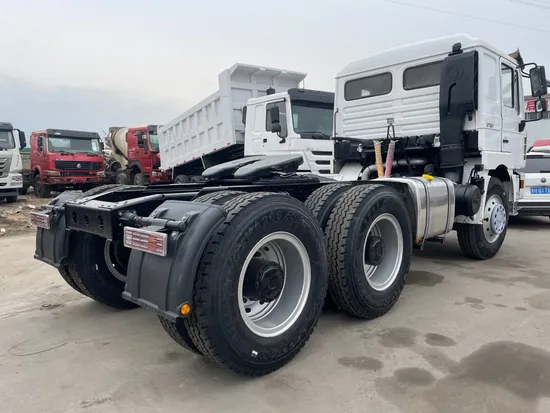
Subject: Logistics Solutions for Exporting Used Truck Bed Toppers from China
Document ID: ISR-2026-LGX-004
Issuing Authority: SEA LION International – Global Logistics Division
1. Executive Summary
This report evaluates three primary maritime transport methods—RO-RO (Roll-on/Roll-off), Bulk Cargo, and Flat Rack container shipping—for the export of used truck bed toppers from manufacturing and consolidation hubs in China to international markets. The analysis includes structural integrity, cost efficiency, transit timelines, and corrosion protection protocols, with specific emphasis on wax-based anti-corrosion treatment for prolonged exposure to marine environments.
Used truck bed toppers, typically constructed of aluminum or fiberglass over steel frames, are susceptible to saltwater-induced degradation during ocean transit. Selection of the appropriate shipping method directly impacts product integrity, delivery timelines, and total landed cost.
2. Product Characteristics
| Parameter | Specification |
|---|---|
| Material Composition | Aluminum, Fiberglass, Steel Subframe |
| Average Unit Weight | 85–150 kg |
| Dimensions (L×W×H) | 2.1–2.5 m × 1.5–1.8 m × 0.8–1.2 m |
| Stackability | Limited (non-uniform shapes) |
| Corrosion Risk | High (steel components exposed to salt air/moisture) |
| Handling Requirements | Forklift or crane-assisted loading |
3. Shipping Method Comparison
| Criteria | RO-RO | Bulk Cargo | Flat Rack |
|---|---|---|---|
| Loading Mechanism | Driven or rolled onto vessel | Loosely loaded into cargo hold | Secured onto open, flat containers |
| Cargo Protection | Moderate (exposed deck areas) | Low (no containment, high moisture exposure) | High (custom lashings, partial weather cover) |
| Stacking Capability | None (single-level placement) | Not applicable (loose stowage) | Up to 2 high with bracing |
| Theft/Vandalism Risk | High (open access on deck) | High (shared hold space) | Low (containerized, lockable) |
| Average Cost (per unit, FOB Shanghai) | $180–220 | $130–160 | $260–310 |
| Transit Time (Shanghai → Rotterdam) | 28–32 days | 30–35 days | 30–34 days |
| Port Infrastructure Requirements | RO-RO ramp facilities | Conventional bulk terminal | Container gantry cranes |
| Best Suited For | High-volume, drivable units | Low-value, non-sensitive scrap | High-value, structurally fragile units |
4. Corrosion Mitigation: Wax Spraying Protocol
All steel substrates and welded joints on used truck bed toppers must undergo marine-grade wax spraying prior to shipment to prevent saltwater corrosion during transit.
Wax Spraying Specifications:
| Parameter | Requirement |
|---|---|
| Coating Type | Solvent-based hydrophobic wax (e.g., lanolin-derived) |
| Application Method | Electrostatic spray or pressurized mist |
| Film Thickness | 25–40 µm (dry) |
| Coverage | Full undercarriage, frame rails, fastener points |
| Drying Time | 4–6 hours (ambient 25°C) |
| Salt Spray Resistance (ASTM B117) | ≥ 500 hours |
| Reapplication | Required if storage > 30 days pre-shipment |
Note: Wax film acts as a temporary barrier and must be removed by end-user prior to installation. Not a substitute for permanent anti-corrosion finishes.
5. Method-Specific Recommendations
5.1 RO-RO Shipping
- Advantages: Rapid loading/unloading; ideal for large volumes.
- Limitations: High exposure to sea spray; not suitable for long Pacific or Southern Ocean routes without additional shrink-wrapping.
- Recommendation: Use only with wax spray + UV-resistant shrink wrap. Best for Mediterranean or East Asia–Australia routes.
5.2 Bulk Cargo
- Advantages: Lowest cost per unit; high cargo volume utilization.
- Limitations: No structural protection; high risk of impact and corrosion.
- Recommendation: Not advised for used bed toppers unless destined for immediate reconditioning or scrap recycling. Wax spray alone insufficient.
5.3 Flat Rack Containers
- Advantages: Full load control; compatibility with dunnage, bracing, and weather covers; ideal for irregular loads.
- Limitations: Higher cost; requires secure lashing design.
- Recommendation: Optimal method for high-integrity shipments. Combine wax spray with polyethylene drop cloths and desiccant packs inside frame zone.
6. Total Landed Cost Projection (Per 40-Foot Equivalent)
| Method | Units per Shipment | Wax Treatment Cost | Shipping Cost | Estimated Damage Rate | Total Cost (USD) |
|---|---|---|---|---|---|
| RO-RO | 18–20 | $3.50/unit | $4,000 | 8% | $4,700 |
| Bulk Cargo | 25–28 (loose) | $3.50/unit | $3,600 | 15% | $4,150 |
| Flat Rack | 12–14 (stacked) | $3.50/unit | $6,200 | 2% | $6,690 |
Assumptions: 40-day transit; 10% insurance surcharge; damage = replacement cost at destination.
7. Conclusion & Recommendation
For the export of used truck bed toppers from China, Flat Rack container shipping is the recommended method for fleet managers and construction firms prioritizing product integrity and minimal post-arrival rework. While initial costs are higher, the reduced damage rate and compatibility with industrial corrosion protection (wax spraying) ensure higher ROI.
RO-RO is conditionally viable for cost-sensitive, short-sea routes with full environmental encapsulation. Bulk Cargo is discouraged due to unacceptable degradation risks.
All shipments must include mandatory wax-based anti-corrosion treatment compliant with ASTM D1193 and applied 72 hours prior to vessel loading.
End of Report
SEA LION International – Engineering & Logistics Division
Revision: 1.0 | Date: 2026-04-05
Get a Quote for Used Truck Bed Toppers
SEA LION International Trade Co., Ltd – Authorized Heavy Truck Exporter (Since 2008).
👤 Contact Person: Mr. Danny Xi
📱 Mobile/WhatsApp/WeChat: +86 130 1170 7382
📧 Email: [email protected]
