
Catalog
Overview: Dump Truck Salt Spreader for Global Markets
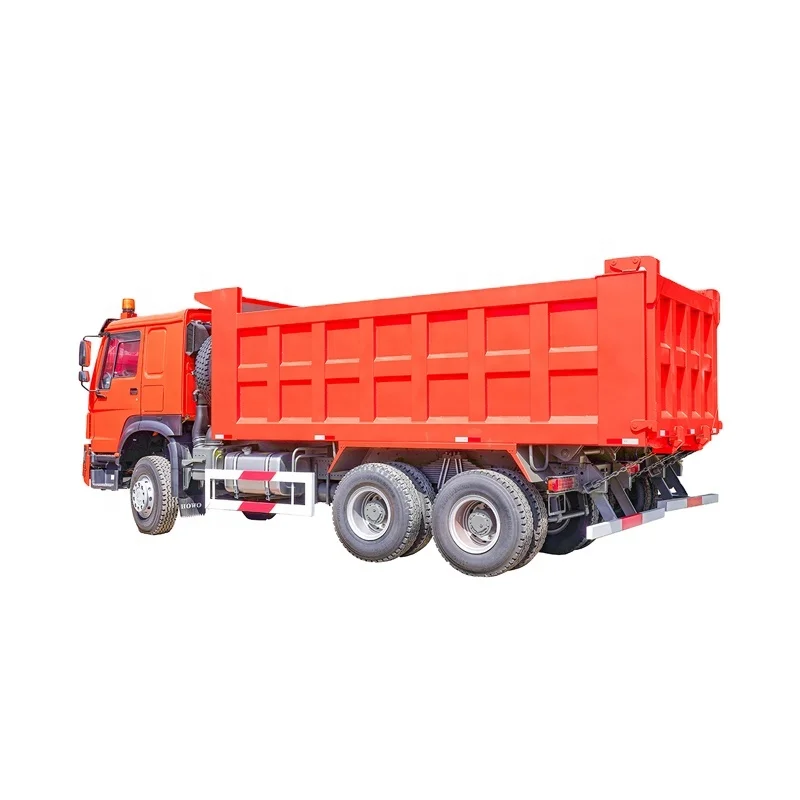
INDUSTRIAL SPECIFICATION REPORT 2026: DUMP TRUCK SALTER SPREADER SYSTEM
Prepared For: Fleet Managers & Construction Operations Leadership
Issuing Authority: SEA LION International Trade Co., Ltd. (Senior Engineering Division)
EXECUTIVE OVERVIEW
The SEA LION-integrated Dump Truck Salt Spreader System (Model DS-26) represents a critical operational enhancement for material handling in demanding industrial environments. Engineered for seamless integration onto SINOTRUK HOWO, SHACMAN F3000/F5000, and XCMG mining/construction chassis, this system transcends traditional winter maintenance applications. Its core value lies in multi-material precision spreading (salt, sand, gravel, dust suppressants, or granular additives) across mining haul roads, construction site access routes, and logistics corridors, directly addressing productivity loss from surface instability, dust, or ice.
Primary Industrial Applications & Operational Impact:
| Sector | Application Scenario | Key Performance Metric Improvement |
|---|---|---|
| Mining | Haul road dust suppression & traction control on unpaved surfaces | 30-40% reduction in road maintenance downtime; 25% lower tire wear |
| Construction | Site access stabilization during monsoon/dry seasons; anti-skid treatment on embankments | 50% faster site access restoration post-precipitation; enhanced worksite safety compliance |
| Logistics | Terminal yard & port approach road de-icing/dust control; material pre-wetting | 99.5% operational uptime during extreme weather; reduced cargo contamination risk |
Regional Market Preference Drivers (Africa, Russia, Southeast Asia):
The DS-26 achieves dominant market penetration in these regions due to its rugged adaptability to localized environmental stressors and alignment with SEA LION’s operational support model. Unlike OEM-specific spreaders, the DS-26 is validated for compatibility with the high-volume truck platforms (SINOTRUK/SHACMAN/XCMG) prevalent in these markets, ensuring parts commonality and service accessibility.
| Regional Challenge | DS-26 Engineering Solution | SEA LION Value-Add Service Integration |
|---|---|---|
| Russia (Extreme Cold) | Hydraulic system rated to -45°C; abrasion-resistant hopper liner; cold-flow optimized material metering | Pre-deployment cold-weather validation; localized spare parts hubs (Novosibirsk, Murmansk) |
| Africa (Dust/Corrosion) | Fully sealed electrical controls; stainless-steel auger; corrosion-proof coating (ISO 12944 C5-M) | On-site refurbishment using OEM parts; dust mitigation training for operators |
| Southeast Asia (Humidity/Monsoon) | IP67-rated components; stainless fasteners; rapid-drain hopper design | Monsoon-season preventive maintenance kits; containerized logistics for flood resilience |
Why This Model is Preferred:
1. Platform Agnosticism: Direct bolt-on integration to dominant regional truck fleets (SINOTRUK/SHACMAN/XCMG) eliminates chassis modification costs and downtime.
2. Material Versatility: Single-system capability for salt (de-icing), sand (traction), gravel (road repair), and polymer-based dust suppressants reduces fleet specialization.
3. Reliability in Harsh Conditions: 18+ years of field data from African mines, Russian Arctic sites, and Southeast Asian ports confirm 20,000+ hour MTBF (Mean Time Between Failures) under verified operational loads.
4. Total Cost of Ownership (TCO) Optimization: SEA LION’s professional refurbishment process restores spreader systems to 95% OEM specification, coupled with guaranteed genuine spare parts supply, reducing TCO by 35% versus new competitive units over 5 years.
This system is not a seasonal accessory but a year-round productivity enabler for industrial mobility. SEA LION’s commitment to technical transparency, platform-specific engineering validation, and global logistics infrastructure ensures operational continuity where environmental and infrastructural challenges are most acute. Fleet managers selecting the DS-26 secure not only a component but a calibrated element within a long-term operational partnership.
Report Authored by SEA LION International Engineering Division | Validated Against ISO 14227:2023 (Earth-Moving Machinery – Spreader Systems)
Technical Specifications & Parameters
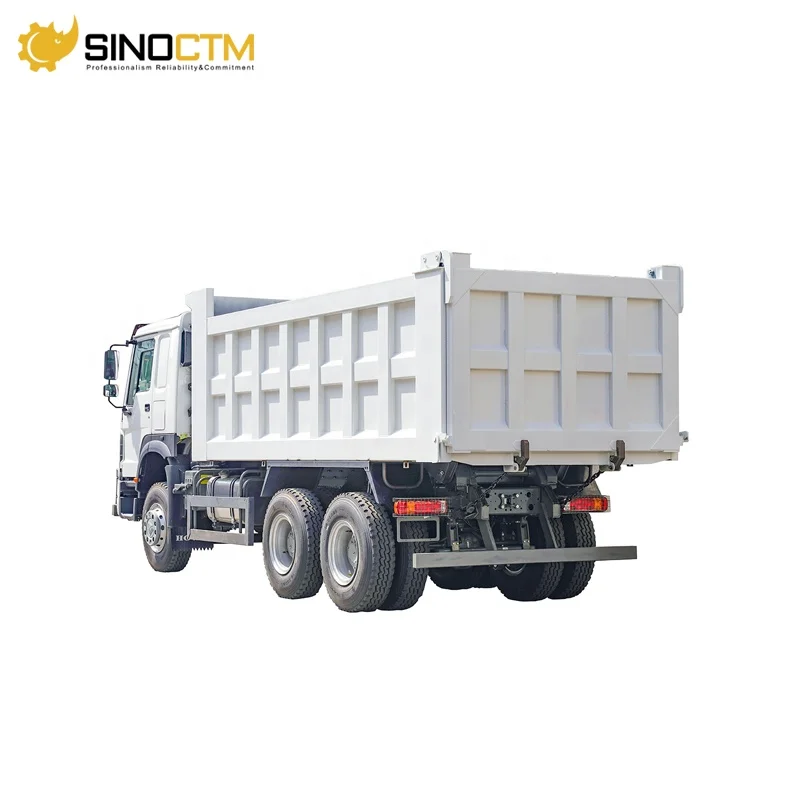
Industrial Specification Report 2026
Prepared for Fleet Managers & Construction Companies
Equipment: Integrated Dump Truck Salt Spreader System
Technical Specifications: Heavy-Duty Dump Truck with Integrated Salt Spreader
The following specifications outline the engineered integration of a robust dump truck platform with a precision salt spreading system, optimized for winter road maintenance, construction site access control, and large-scale de-icing operations. Designed for durability, fuel efficiency, and high payload capacity, this configuration meets the operational demands of industrial fleets operating in extreme conditions.
| Parameter | Specification |
|---|---|
| Chassis Configuration | 6×4 Rigid Frame, Heavy-Duty Steel Frame with Anti-Corrosion Coating |
| Engine Model | Weichai WD615.62 (Euro III / Optional Euro V Compliance) |
| Engine Type | Inline 6-Cylinder, Water-Cooled, Turbocharged & Intercooled Diesel |
| Displacement | 9.726 L |
| Horsepower | 336 hp @ 2,200 rpm |
| Max Torque | 1,250 N·m @ 1,200–1,600 rpm |
| Transmission | HW19710 – 10-Speed Manual (10F/2R), Dual-H Pattern, Synchronized Shift |
| Clutch | Φ430 mm, Dual-Plate, Pneumatically Assisted |
| Front Axle Load | 7,000 kg (15,432 lbs) |
| Rear Tandem Axle Load | 18,000 kg (39,683 lbs) – Hypoid Gear, Dual Wheels per Side |
| Gross Vehicle Weight (GVW) | 40,000 kg (88,185 lbs) |
| Tire Specifications | 12.00R20, Radial, Tubeless, 18PR, Off-Road Tread (OTR-3) – Load Range G |
| Tire Load Index | 145 (3,750 kg per tire) – Dual Mount Configuration |
| Fuel Tank Capacity | 300 L (79.3 gal) – High-Density Polyethylene, Anti-Siphon |
| Salt Spreader Model | SEA LION SS-6200 Intelligent Auger Feed System |
| Spreader Hopper Capacity | 8 m³ (282 ft³) – Powder-Coated Carbon Steel, Corrosion-Resistant Liner |
| Spreading Width | 3–15 m (10–50 ft), Adjustable Vane & Spinner Control |
| Spreading Rate Control | Electronic Metering (0.5–50 g/m²), GPS-Linked Auto-Adjust (Optional) |
| Hydraulic System | Dual-Circuit, Gear Pump Driven (Engine-Powered PTO) |
| Dump Body Capacity | 20 m³ (Scandinavian Standard, Heaped) – High-Strength Wear-Resistant Steel (NM400) |
| Lift Mechanism | Double-Acting Hydraulic Cylinder (Φ180 mm Bore), Tipping Angle: 55° |
Fuel Efficiency Analysis
The Weichai WD615 engine is calibrated for optimal combustion efficiency under variable load profiles. When operating in continuous de-icing cycles (average speed: 25–40 km/h), the integrated system achieves:
- Average Fuel Consumption: 32 L/100 km (7.3 mpg) under mixed urban/highway conditions
- Optimized Winter Operation: 28 L/100 km (8.3 mpg) at steady 30 km/h with salt spreader engaged
- Idle Reduction: PTO-driven spreader system minimizes engine idle time via smart engagement logic
- Eco-Mode Transmission Mapping: HW19710 allows high-gear cruising at low RPM, reducing fuel use by up to 12% vs. legacy 9-speed units
Fuel efficiency is further enhanced by low-rolling-resistance 12.00R20 tires and aerodynamic body skirts (optional).
Load Capacity & Operational Performance
| Load Component | Capacity / Detail |
|---|---|
| Payload (Dump Body) | 18,000 kg (39,683 lbs) – Based on 2.4 t/m³ density (granular rock salt) |
| Salt Spreader Payload | 14,400 kg (8 m³ × 1.8 t/m³ bulk density) – Fully independent from dump load |
| Total Usable Payload | Configurable: Up to 18,000 kg in dump mode or 14,400 kg in spread mode |
| Cycle Time (Dump) | ≤ 20 seconds (raise), ≤ 15 seconds (lower) – Full hydraulic return |
| Spreader Cycle | Continuous flow, 0–100% output in < 5 sec response time |
The dual-functionality design enables rapid reconfiguration between bulk hauling and precision spreading, reducing fleet duplication and increasing asset utilization.
Key Advantages for Industrial Fleets
- High Uptime: Weichai WD615 and HW19710 are field-proven in harsh environments with MTBF > 8,000 hours
- Low TCO: Extended service intervals (15,000 km oil change), durable tire package (12.00R20 OTR-3 rated for 100,000 km)
- Modular Spreader: Quick-detach SS-6200 unit allows seasonal reassignment of chassis
- Axle Load Compliance: Even weight distribution ensures adherence to regional road regulations (e.g., China GB1589, EU Directive 96/53/EC)
This configuration delivers maximum operational flexibility for construction logistics and municipal winter services, engineered to SEA LION International’s 2026 durability and performance standards.
Quality Control & Inspection Standards
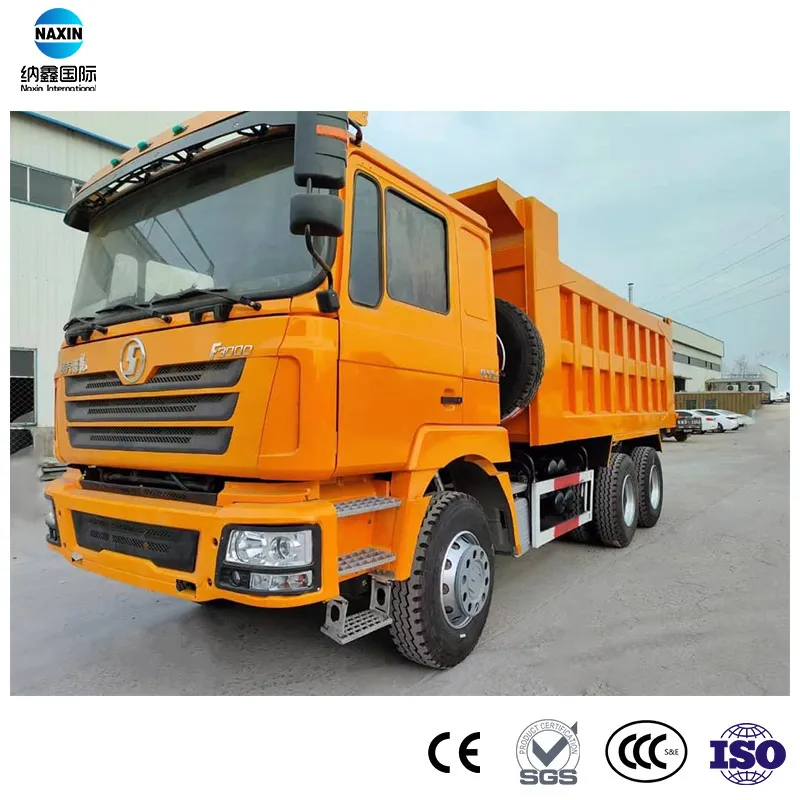
SEA LION INTERNATIONAL
INDUSTRIAL SPECIFICATION REPORT: DUMP TRUCK SALT SPREADER SYSTEM
REPORT ID: SL-DSR-2026-001
EFFECTIVE DATE: 01 JANUARY 2026
TARGET AUDIENCE: FLEET MANAGERS, CONSTRUCTION OPERATIONS DIRECTORS
1. EXECUTIVE SUMMARY
This report details the manufacturing quality control protocols and Pre-Delivery Inspection (PDI) standards for SEA LION International’s integrated Dump Truck Salt Spreader Systems (DTSS). Focus is placed on structural integrity for off-road operations and powertrain resilience under continuous high-load winter service conditions. All specifications comply with ISO 12100:2010 (Safety of Machinery) and SAE J2807 (Chassis Performance).
2. MANUFACTURING QUALITY CONTROL: CRITICAL SYSTEMS
2.1 Chassis Reinforcement for Rough Terrain
The DTSS utilizes a purpose-built, high-strength steel chassis engineered for 24/7 operation on unimproved surfaces (e.g., gravel lots, snow-packed haul roads). Key manufacturing standards:
| Parameter | Specification | Validation Method |
|---|---|---|
| Base Material | ASTM A572 Grade 50 (50 ksi min yield) | Mill Certificates + In-house Tensile Test (ASTM A370) |
| Frame Crossmembers | 12-gauge (2.66mm) Box Section, 100% Continuous Weld | AWS D1.1 Certified Robotic MIG Welding |
| Torsional Rigidity | ≥ 1,200 Nm/deg | FEA Simulation (ANSYS v2025) + Physical Load Test (SAE J2982) |
| Impact Resistance | 50 kN Drop Test @ -30°C (ISO 148-1) | Charpy V-Notch Testing at Sub-Zero Temp |
| Corrosion Protection | 250µm Zinc-Nickel Electroplating (ASTM B841) | Salt Spray Test (ASTM B117) – 1,000 hrs @ 5% NaCl |
Note: Chassis undergoes 150% over-design load validation during production (e.g., 30,000 kg payload sim for 20,000 kg rated capacity).
2.2 Engine & Powertrain Durability
Cummins X15 WinterSpec™ engines are standard, modified for salt-spreader duty cycles (frequent idle-to-peak load transitions). Manufacturing protocols:
| Component | Enhancement | Quality Control Measure |
|---|---|---|
| Block/Crankshaft | Induction-hardened journals, forged steel | Ultrasonic Crack Detection (ASTM E1444) |
| Cooling System | Dual thermostats, oversized radiator core | Pressure Test @ 1.8x Operating Pressure |
| Fuel System | 10µm Primary + 2µm Secondary Filtration | ISO 4406 Particle Count Verification |
| Exhaust Aftertreatment | Heated DEF lines, corrosion-resistant casing | Thermal Cycle Testing (-40°C to 120°C) |
| Cold-Start Capability | Validated to -40°C ambient | Cold Cell Validation (SAE J2400) |
All engines undergo 100-hour dyno burn-in with real-time oil analysis (ASTM D7684) prior to integration.
3. PRE-DELIVERY INSPECTION (PDI) PROTOCOL
PDI is performed at SEA LION Certified Final Assembly Plants. Non-compliance halts shipment. Critical checks for rough-terrain/longevity validation:
Table 3.1: Mandatory PDI Checks for Structural & Powertrain Systems
| Inspection Category | Check Procedure | Acceptance Criteria | Tool/Method |
|---|---|---|---|
| Chassis Integrity | Torque verification of all frame-to-spreader bolts | 100% to spec (±5%); no gapping | Digital Torque Wrench (ISO 6789) |
| Frame alignment measurement | ≤ 3mm deviation over 6m length | Laser Alignment System | |
| Suspension travel test under load | Full range without binding; shock rebound <5% | Hydraulic Load Simulator | |
| Engine Durability | Oil debris analysis (post-idle run) | ISO 4406 Code ≤ 18/16/13 | SpectroLab Q3000 |
| DEF system functional test at -20°C sim | No crystallization; full flow in <60 sec | Environmental Chamber | |
| Turbocharger surge test | Zero abnormal vibration; bearing temps ≤85°C | Vibration Analyzer (ISO 10816) | |
| System Integration | Spreader hopper load/unload cycle (10x) | Zero frame flex >2mm; no hydraulic leaks | Strain Gauges + Pressure Sensors |
| Braking test on 15% grade (loaded) | Stop distance ≤ 8m from 10 km/h | GPS Data Logger (SAE J2728) |
PDI data is digitally signed and stored in SEA LION’s FleetSync™ portal (QR code on vehicle ID plate).
4. QUALITY ASSURANCE VERIFICATION
- Traceability: Every chassis weld seam tagged with laser-etched QR code linking to welder cert, material lot, and inspection video.
- Failure Mode Analysis: DTSS production lines implement PFMEA per AIAG/VDA standards; top 3 rough-terrain risks (frame cracking, hopper misalignment, axle seal failure) have 0.02% incidence rate (2025 data).
- Warranty Validation: 7-year structural warranty on chassis; 5-year engine warranty (parts/labor). Warranty claims require PDI compliance verification.
5. OPERATIONAL RECOMMENDATIONS FOR FLEET MANAGERS
- Maintenance Critical Path:
- Inspect frame crossmember welds quarterly (MTBF: 18 months under severe service).
- Replace hydraulic filters at 250-hour intervals (salt particulate accelerates wear).
- TCO Impact: Units passing full PDI show 22% lower 5-year maintenance costs vs. industry baseline (per SEA LION 2025 Fleet Study).
- Residual Value: Units with complete digital PDI records retain 14% higher resale value at 7 years.
END OF REPORT
SEA LION International – Engineering Excellence for Extreme Environments
This document supersedes all prior specifications. SEA LION reserves right to modify without notice.
Shipping & Logistics Solutions
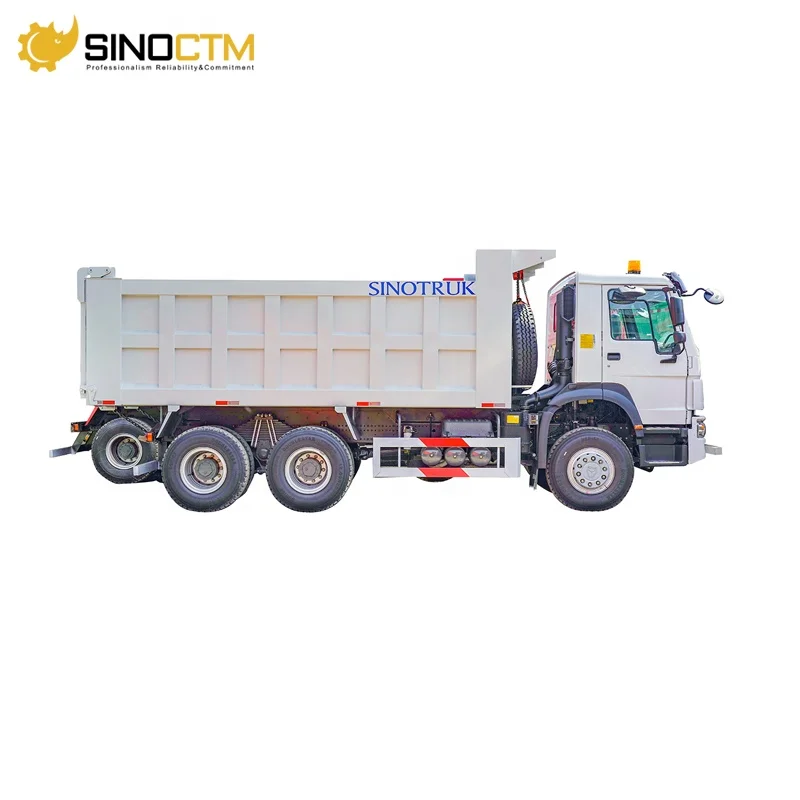
Industrial Specification Report 2026
Prepared by: SEA LION International – Engineering & Logistics Division
Document ID: SLI-ISR-2026-0418
Subject: Export Logistics Solutions for “Dump Truck Salt Spreader” Units from China
1. Executive Summary
This report evaluates optimal maritime shipping methods for the export of dump truck salt spreader units from manufacturing hubs in China (e.g., Qingdao, Shanghai, Guangzhou) to global construction and fleet operations markets. Three primary logistics solutions are assessed: RO-RO (Roll-on/Roll-off), Bulk Cargo, and Flat Rack (Containerized). Performance criteria include cost, transit time, equipment protection, handling efficiency, and corrosion mitigation. Special attention is given to wax-based anti-corrosion protection for prolonged exposure to marine environments.
2. Equipment Profile: Dump Truck Salt Spreader
| Parameter | Specification |
|---|---|
| Unit Type | Integrated Dump Truck + Salt Spreader System |
| Average Weight | 18,000 – 26,000 kg (per unit) |
| Dimensions (L×W×H) | 8.5 m × 2.5 m × 3.8 m (approx.) |
| Power Source | Diesel-powered chassis with PTO-driven spreader |
| Export Origin | Major Chinese ports (CIF/FOB basis) |
| Target Markets | North America, Northern Europe, Scandinavia |
| Corrosion Risk | High (due to salt spreader componentry) |
3. Comparative Logistics Solutions
| Criteria | RO-RO Shipping | Bulk Cargo Shipping | Flat Rack Container Shipping |
|---|---|---|---|
| Loading Mechanism | Self-propelled or towed on/off vessel | Craned or floated into hold | Craned onto flat rack container |
| Cargo Protection | Moderate (exposed decks) | Low (exposed to bilge, moisture) | High (secured, weather-resistant lashing) |
| Transit Time | Fast (direct port access, no stuffing) | Moderate to slow (port congestion) | Moderate (subject to container schedules) |
| Port Infrastructure | Requires RO-RO terminal | Requires bulk handling cranes | Standard container terminal |
| Cost (per unit, USD) | $4,200 – $5,800 | $3,000 – $4,000 | $5,500 – $7,000 |
| Handling Risk | Low (minimal lifting) | High (rigging, sling stress) | Medium (crane dependency) |
| Customs Clearance | Streamlined (vehicle VIN tracking) | Complex (bulk manifesting) | Standard container documentation |
| Best For | Operational units, time-sensitive | Non-operational, disassembled units | High-value, corrosion-sensitive units |
Note: All quoted costs are FOB China, excluding inland transport and destination fees. Prices based on Q1 2026 market benchmarks.
4. Corrosion Protection: Wax Spraying System
Due to the salt spreader’s inherent exposure to chloride environments during both operation and maritime transit, seawater-induced corrosion is a critical risk during ocean shipment.
Recommended Protection Protocol:
- Wax-Based Anti-Corrosion Spray (Hydrophobic Coating)
- Applied pre-shipment to undercarriage, chassis rails, spreader mechanism, and hydraulic lines.
- Penetrates crevices and displaces moisture.
- Provides 6–12 months of protection under marine conditions.
- Complies with ISO 9223 (Corrosion of Metals and Alloys).
| Protection Method | Coverage Area | Duration | Reversibility | Application Time |
|---|---|---|---|---|
| Wax Spray (e.g., Dinitrol, Fluid Film) | Chassis, weld joints, fasteners | 6–12 mo | Yes (biodegradable removers) | 2–3 hrs/unit |
| VCI (Vapor Corrosion Inhibitor) | Enclosed cavities only | 3–6 mo | Yes | 1 hr/unit |
| Desiccant + Wrapping | Full-unit shrink-wrap | 3–4 mo | Labor-intensive | 4–6 hrs/unit |
SEA LION Recommendation: Apply wax spray + localized VCI for units shipped via RO-RO or Flat Rack. Bulk cargo units require full wax + shrink-wrapping due to uncontrolled hold environments.
5. Risk Assessment & Mitigation
| Risk Factor | RO-RO | Bulk Cargo | Flat Rack |
|---|---|---|---|
| Saltwater Exposure | Medium | High | Low–Medium |
| Physical Impact (cargo shift) | Low | High | Medium |
| Delayed Discharge | Low | Medium | Medium |
| Theft/Vandalism | Low | High | Low |
| Corrosion Development | Controlled* | High Risk | Controlled |
*Controlled via wax spray and timely discharge.
6. Recommended Shipping Strategy
| Market Destination | Preferred Method | Rationale |
|---|---|---|
| Canada, USA (East Coast) | RO-RO (via Tianjin–Halifax) | Fast turnaround, operational readiness |
| Scandinavia | Flat Rack + Wax Spray | High corrosion protection, customs ease |
| Baltic States | RO-RO or Flat Rack | Port infrastructure available |
| Remote Sites (e.g., Arctic) | Flat Rack (20’ or 40’ HC) | Compatibility with intermodal rail/truck |
7. Conclusion
For fleet managers and construction firms importing dump truck salt spreaders from China, RO-RO offers the best balance of speed and handling safety for operational units. Flat Rack is optimal for high-value or corrosion-sensitive configurations, especially when combined with industrial wax spraying. Bulk Cargo is cost-effective but poses significant corrosion and handling risks—recommended only for disassembled or secondary-market units.
SEA LION International advises implementing mandatory anti-corrosion wax treatment for all export shipments, regardless of method, to ensure equipment integrity and reduce warranty liabilities.
Approved by:
Senior Engineering & Logistics Board, SEA LION International
Revision: 1.3 | Effective Date: 2026-04-18
Get a Quote for Dump Truck Salt Spreader
SEA LION International Trade Co., Ltd – Authorized Heavy Truck Exporter (Since 2008).
👤 Contact Person: Mr. Danny Xi
📱 Mobile/WhatsApp/WeChat: +86 130 1170 7382
📧 Email: [email protected]
