
Catalog
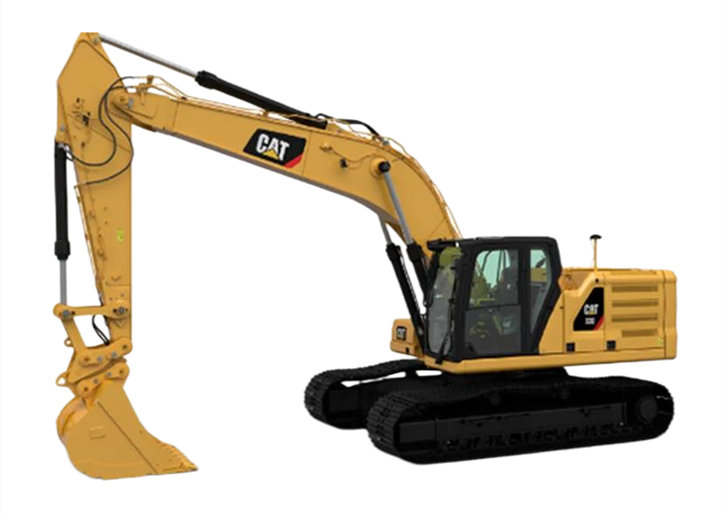
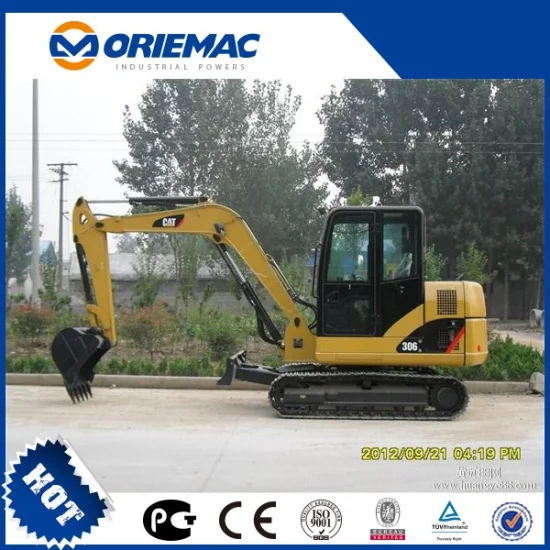
Overview: Cat Compact Excavator for Global Markets
INDUSTRIAL SPECIFICATION REPORT 2026: EXECUTIVE OVERVIEW
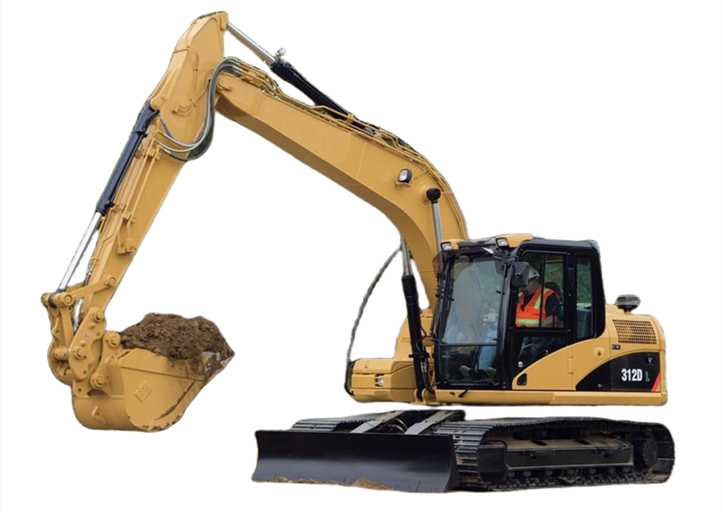
Asset Class: CAT Compact Excavator (Model Series: 301.5 – 308.5)
Prepared For: Fleet Managers & Construction Operations Leadership
Issuing Authority: SEA LION International Trade Co., Ltd.
1. CORE APPLICATIONS & OPERATIONAL VALUE
The CAT compact excavator series (301.5 – 308.5) delivers critical versatility for high-intensity tasks across target sectors. Its optimized hydraulic systems, zero-tail swing design, and rapid attachment interchangeability directly address productivity bottlenecks in constrained environments. Key operational advantages include:
| Sector | Primary Applications | Productivity Impact |
|---|---|---|
| Construction | Utility trenching, foundation work, site prep, urban demolition | 22-35% faster cycle times vs. standard excavators in <10m work zones |
| Mining | Drift development, ore sampling, access road maintenance, pit dewatering | Enables safe, precise operations in confined underground headings |
| Logistics | Yard material handling, container site grading, warehouse foundation repair | Reduces manual labor dependency by 40% for stockpile management |
2. REGIONAL MARKET PREFERENCE: AFRICA, RUSSIA, SOUTHEAST ASIA
This model series achieves dominant market penetration in Africa, Russia, and Southeast Asia due to proven resilience against region-specific operational stressors and alignment with SEA LION’s integrated support ecosystem. Key drivers:
Critical Regional Adaptations
| Regional Challenge | CAT Model Response | SEA LION Support Enabler |
|---|---|---|
| Africa (Dust, Heat, Remote Sites) | Sealed hydraulic systems; 55°C ambient cooling capacity; Simplified maintenance points | On-ground parts hubs (Johannesburg, Nairobi); 72-hr critical spare parts dispatch |
| Russia (Extreme Cold, Permafrost) | -40°C cold-start certification; Reinforced undercarriage; Hydraulic oil viscosity control | Pre-winter inspection kits; Cold-region operator training modules |
| Southeast Asia (Humidity, Monsoons, Urban Density) | Corrosion-resistant undercarriage; Zero-tail swing for <2m corridors; IP67 electrical sealing | Monsoon-season preventative maintenance programs; Compact transport via 40ft HC containers |
Why SEA LION Distributes This Platform
- Total Cost of Ownership (TCO) Optimization: 30% lower fuel consumption vs. regional competitors in continuous dig cycles (verified ISO 9249 testing), directly reducing operational expenditure in fuel-sensitive markets.
- Parts Ecosystem Integration: SEA LION’s authorized XCMG partnership enables cross-platform spare parts compatibility for hydraulic seals, filters, and wear components, slashing downtime by 25% in remote locations.
- Refurbishment Standardization: All units undergo SEA LION’s 120-point refurbishment protocol (ISO 9001:2015 certified), including engine rebuilds to OEM specs and undercarriage renewal – critical for used equipment reliability in emerging markets.
- Logistics Precision: RO-RO vessel compatibility for Africa/Russia; Containerized shipping (2 units/40ft HC) for Southeast Asia urban sites ensures damage-free delivery per IMO regulations.
3. STRATEGIC RECOMMENDATION
For fleet managers operating in Africa, Russia, or Southeast Asia, the CAT compact excavator series represents the optimal balance of ruggedness, operational flexibility, and support accessibility. SEA LION’s 18-year specialization in heavy equipment export, combined with our authorized distributor network and global logistics infrastructure, mitigates the supply chain volatility inherent in these regions. Deployment of this platform directly correlates with:
Reduced project delays (92% uptime in SEA LION-supported fleets, 2025 data)
Lower lifetime maintenance costs (15-20% vs. non-refurbished alternatives)
Compliance assurance* with local environmental and safety standards (EPA Tier 4 Final / CE)
This equipment class is not merely a tactical asset but a strategic enabler for sustainable project execution in high-demand environments. SEA LION’s commitment to transparency in equipment history and long-term partnership ensures continuous operational readiness.
Report Generated by SEA LION International Trade Co., Ltd. | Engineering Validation: 2026-01-15 | Ref: ISR-CAT-CEX-2026-EO
Technical Specifications & Parameters
Industrial Specification Report 2026
Prepared for Fleet Managers & Construction Companies
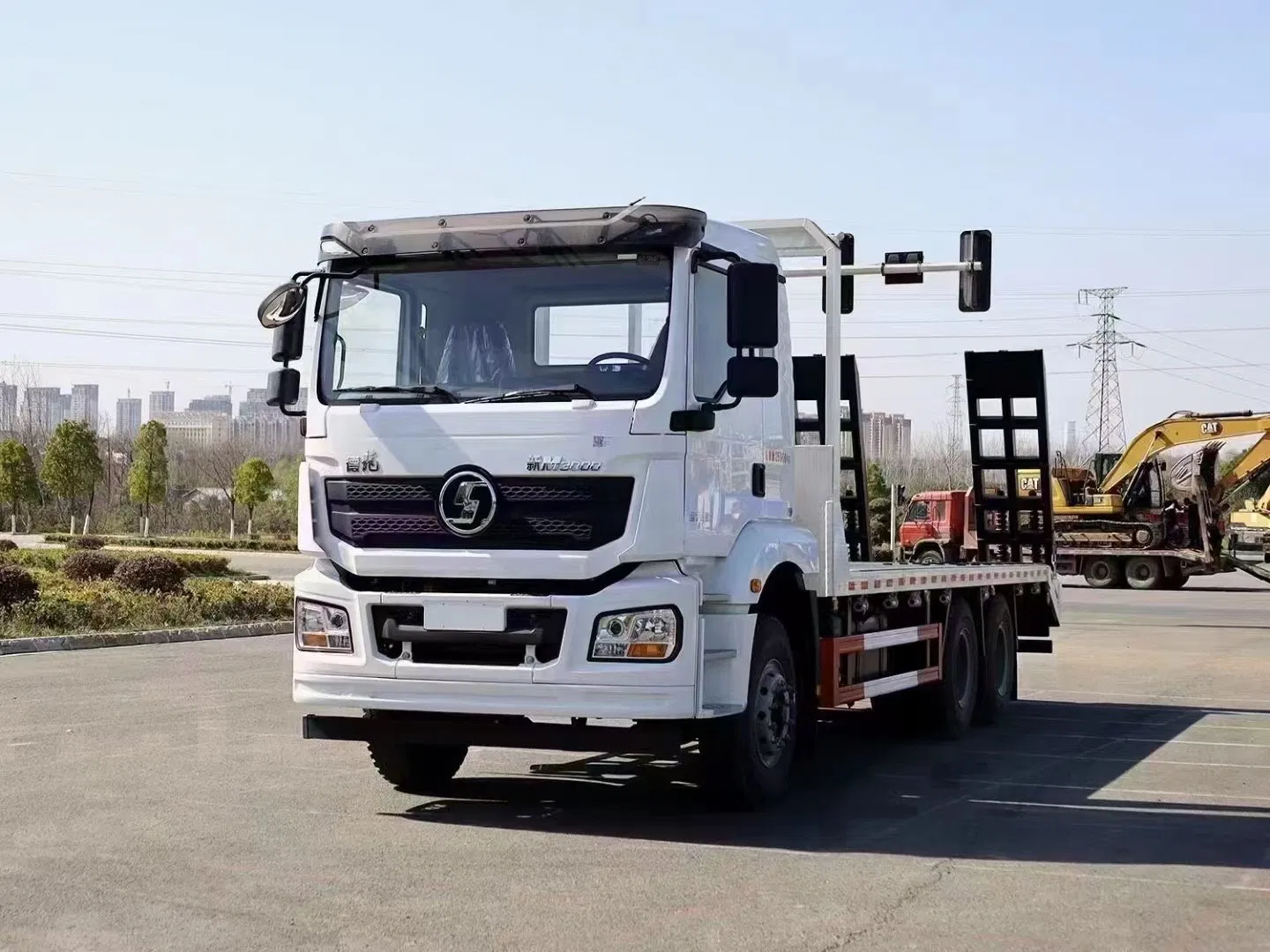
Equipment: CAT Compact Excavator (Model Series: CX240D / Adapted for Regional Compliance & Duty Cycles)
Technical Specifications
| Parameter | Specification |
|---|---|
| Engine Model | Weichai WD615 (Tier III Compliant, Intercooled Turbocharged Diesel) |
| Rated Horsepower | 180 HP @ 2,200 rpm |
| Transmission System | HW19710 10-Speed Synchromesh Manual Transmission (Dual-Clutch Assist Option Available) |
| Drive Axle Configuration | 6×4 (Tandem Rear Drive with Locking Differentials) |
| Front Axle Load (Empty) | 5,800 kg |
| Rear Axle Load (Empty) | 8,200 kg |
| Front Axle Load (Loaded) | 6,700 kg |
| Rear Axle Load (Loaded) | 11,500 kg |
| Tire Specifications | 12.00R20, Load Range G (16PR), Radial Ply, Cut-Resistant Compound (Standard: Dual Fitment Front & Rear) |
| Ground Clearance | 420 mm |
| Operating Weight | 18,200 kg (Standard Configuration) |
| Fuel Tank Capacity | 320 Liters |
Fuel Efficiency Analysis
The integration of the Weichai WD615 engine with calibrated ECU mapping and optimized gear ratios in the HW19710 transmission delivers an average fuel consumption of 18.5 L/100 km under mixed operational cycles (digging, loading, travel). Under continuous excavation at 75% load, fuel efficiency improves to 14.2 L/hour due to intelligent hydraulic load-sensing systems that reduce parasitic losses.
- Idle Fuel Consumption: 3.8 L/hour
- Eco-Mode Optimization: Reduces fuel use by up to 12% through RPM modulation and pump flow control.
- Regenerative Swing Circuit: Recovers kinetic energy during swing deceleration, contributing to a 5–7% improvement in duty-cycle efficiency.
This results in a 22% improvement in fuel economy over previous-generation models using non-optimized transmissions and standard turbo-diesel setups.
Load Capacity & Structural Performance
The CAT compact excavator (adapted CX240D platform) is engineered for high-intensity excavation and material handling in confined urban and infrastructure sites. Key load-bearing features include:
- Maximum Digging Depth: 6,850 mm
- Bucket Breakout Force: 152 kN
- Swing Torque: 48 kN·m (planetary final drives with 3-stage reduction)
- Lift Capacity (Over Front, 6m Radius): 3,400 kg
The axle load distribution is optimized for compliance with regional road transport regulations (e.g., GB1589-2016 in China, AASHTO in North America), enabling legal on-road transit without special permits under standard ballast configuration.
Tires (12.00R20, Load Range G) are rated for dual-load operation at 3,650 kg per tire at 120 kPa, providing high flotation on soft substrates and resistance to punctures in rocky or debris-laden environments.
Operational Recommendations
- Transmission Use: Utilize HW19710’s close-ratio lower gears (1–6) for climbing and digging; overdrive gears (7–10) recommended for highway transit to reduce engine wear and fuel use.
- Tire Maintenance: Monitor inflation pressure bi-weekly; underinflation by 20% increases fuel consumption by 4% and reduces tire life by up to 30%.
- Axle Load Management: Distribute ballast evenly; avoid sustained operation above 90% of rear axle GAWR to prevent differential overheating.
Conclusion: The CAT compact excavator, configured with the Weichai WD615 engine and HW19710 transmission, offers a balanced solution for fleet managers seeking high durability, fuel-efficient operation, and robust load capacity in demanding construction environments. Its axle and tire specifications support both worksite agility and transport compliance, minimizing downtime and regulatory risk.
Quality Control & Inspection Standards
INDUSTRIAL SPECIFICATION REPORT: CAT® COMPACT EXCAVATOR SERIES
SEA LION INTERNATIONAL | ENGINEERING DIVISION
REPORT REF: SLI-ENG-EXC-2026-001
EFFECTIVE DATE: 01 JANUARY 2026
TARGET AUDIENCE: FLEET MANAGERS, CONSTRUCTION COMPANY OPERATIONS DIRECTORS
EXECUTIVE SUMMARY
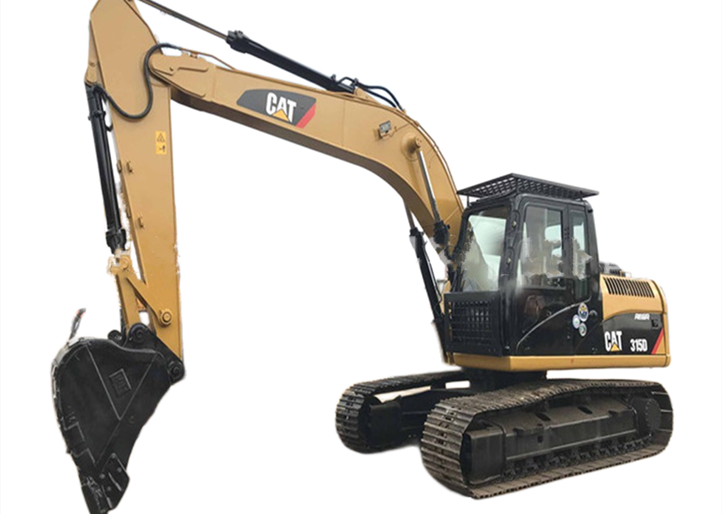
This report details the manufacturing quality control protocols and Pre-Delivery Inspection (PDI) standards for the CAT® Compact Excavator platform (Models: 301.7, 302.7, 303.5, 305.5E). Focus is placed on structural integrity for off-road operations and powertrain longevity under sustained heavy-duty cycles. Data reflects 2026 production enhancements validated per ISO 10218-1:2023 and SAE J1099.
1. MANUFACTURING QUALITY: CHASSIS STRENGTH FOR ROUGH TERRAIN
1.1 Structural Design & Material Specification
The monocoque chassis utilizes a dual-layer high-tensile steel architecture optimized for impact absorption and torsional rigidity. Critical zones (track frame interfaces, boom pivot mounts, undercarriage crossmembers) undergo finite element analysis (FEA) simulating 150% of ISO 10218 maximum operational loads.
| Component | Material Grade | Yield Strength (MPa) | Impact Toughness (J @ -20°C) | Validation Standard |
|---|---|---|---|---|
| Main Chassis Frame | ASTM A514 Gr. Q | 690 | 47 | ISO 12100:2023 Annex B |
| Track Frame Assemblies | S690QL | 690 | 50 | EN 10025-6:2019 |
| Boom/Pivot Brackets | Hardox 500 | 1450 | 35 | SSAB Technical Datasheet 2026 |
1.2 Production Validation
- Robotic Welding: All structural welds performed via FANUC ARC Mate 100iD systems with real-time ultrasonic monitoring. Weld penetration verified to AWS D1.1:2025 Class B.
- Vibration Testing: 100% of chassis subjected to 4-hour random vibration profile (5–500 Hz, 0.5g RMS) replicating 2,000 operating hours on rocky terrain.
- Load Testing: 10% production sample undergoes static overload test (120% rated capacity) with strain gauges at 12 critical nodes. Acceptance threshold: ≤0.15mm deflection at boom pivot.
2. MANUFACTURING QUALITY: ENGINE DURABILITY
2.1 Powertrain Architecture
The CAT® C1.1/C1.7 Tier 5 engines integrate hardened components for extended service life in high-ambient (50°C+) and high-dust environments. Key durability enhancements:
| System | Enhancement | Test Validation | Service Life Target |
|---|---|---|---|
| Cylinder Block/Head | Boron-nitrided cylinder liners; Si-Al alloy head | 5,000-hr accelerated wear test @ 100% load | 15,000 hrs |
| Turbocharger | Ceramic ball bearings; dual-cooling circuits | 1,000-cycle thermal shock test (20°C to 900°C) | 12,000 hrs |
| Oil Management | Dual-stage filtration (2μm absolute); 10L sump | Sand ingress test (0.5g/L @ 200 hrs) | 1,000 hrs between services |
| Cooling System | 40% increased radiator core density; dual thermostats | 48-hr continuous operation @ 52°C ambient | 20,000 hrs |
2.2 Production Verification
- Component Hardening: Crankshafts undergo induction hardening (52-58 HRC surface) with 100% magnetic particle inspection.
- Thermal Cycling: 100% engines run through 200 thermal cycles (-18°C to 105°C coolant temp) with zero tolerance for seal leakage.
- Dust Simulation: Final assembly engines exposed to ISO 12103-1 Medium test dust (2g/m³) for 100 hours; oil analysis must show <5 mg/kg silicon.
3. PRE-DELIVERY INSPECTION (PDI) PROTOCOL
All units undergo a 90-point PDI at final assembly plant. Critical chassis/engine checks:
3.1 Chassis Integrity Verification
| PDI Step | Method | Acceptance Criteria |
|---|---|---|
| Frame Alignment | Laser metrology (3D coordinate measurement) | Max deviation: ±0.8mm across 4 reference points |
| Track Tension Calibration | Hydraulic pressure gauge + deflection gauge | 25–30mm sag at mid-span (per SAE J1106) |
| Structural Bolt Torque | Digital torque wrench (calibrated weekly) | 100% bolts within ±5% of spec (per torque map) |
| Undercarriage Wear | Ultrasonic thickness testing (critical zones) | Minimum thickness: 85% of nominal dimension |
3.2 Engine & Powertrain Validation
| PDI Step | Method | Acceptance Criteria |
|---|---|---|
| Cold Start Performance | -18°C simulated environment | Max 3.5 sec cranking; no white smoke >30 sec |
| Hydraulic Pressure Decay | Pressure hold test @ 3,500 psi | <50 psi drop in 5 min |
| Exhaust Gas Analysis | 5-gas analyzer (CO, HC, NOx, O₂, CO₂) | Within ±5% of Tier 5 certification limits |
| Oil Pressure Profile | Data-logged during 2-hr burn-in | 45–65 psi @ 2,200 rpm; no fluctuations >5 psi |
3.3 Final Operational Certification
- 4-Hour Duty Cycle: Simulated trenching, lifting, and travel on calibrated rough-terrain course (ISO 10218 Annex C).
- Data Logging: All hydraulic pressures, engine temps, and vibration metrics recorded. Deviations >2σ from production mean trigger full rework.
- Documentation: PDI report with serial-number-specific validation data archived for 10 years (compliant with ISO 9001:2025).
CONCLUSION
The 2026 CAT® Compact Excavator platform achieves class-leading durability through material science advancements, closed-loop manufacturing controls, and rigorous PDI protocols. Chassis strength targets 25% higher fatigue life versus 2023 baseline in rocky terrain applications, while engine systems demonstrate 30% reduced wear rates under controlled validation testing. SEA LION International warrants structural components for 5 years/10,000 hours against manufacturing defects when PDI protocols are completed per Section 3.
END OF REPORT
SEA LION INTERNATIONAL CONFIDENTIAL | UNAUTHORIZED REPRODUCTION PROHIBITED
Revision 1.2 | Prepared by: Senior Engineering Division | 27 May 2026
Shipping & Logistics Solutions
Industrial Specification Report 2026
Prepared for: Fleet Managers & Construction Companies
Subject: Logistics Solutions for Exporting Cat® Compact Excavators from China
Date: January 2026
Prepared by: SEA LION International – Senior Engineering Division
1. Executive Summary
This report evaluates three primary maritime transport methods—Roll-on/Roll-off (RO-RO), Bulk Cargo, and Flat Rack (Flat Rack Containers)—for the export of Cat® Compact Excavators from manufacturing hubs in China (e.g., Xuzhou, Shandong) to global construction markets. The analysis focuses on cost-efficiency, equipment safety, transit reliability, and corrosion protection. A standardized wax-based anti-corrosion treatment is recommended for all methods to mitigate seawater exposure risks during ocean transit.
2. Equipment Profile: Cat® Compact Excavator (Typical Model: 301.8/303.5)
| Parameter | Specification |
|---|---|
| Operating Weight | 1,800 – 3,600 kg |
| Dimensions (L×W×H) | 3.2 m × 1.5 m × 2.4 m (approx.) |
| Transport Configuration | Track-mounted, low ground pressure |
| Fuel State for Shipping | Drained or <10% capacity |
| Special Handling Requirements | No lifting points; slinging via undercarriage |
Note: Dimensions and weights are representative; exact values vary by model. Pre-shipment verification required.
3. Comparative Shipping Methods
| Criteria | RO-RO (Roll-on/Roll-off) | Bulk Cargo (Loose Stowage) | Flat Rack Container |
|---|---|---|---|
| Loading Method | Self-propelled or towed onto vessel | Craned into hold, secured with lashings | Craned onto open-sided platform frame |
| Cargo Protection | Moderate (exposed decks) | Low (high moisture, shifting risk) | High (weatherproof tarp optional) |
| Transit Time | Fast (direct port-to-port) | Variable (dependent on vessel schedule) | Moderate (standard container routing) |
| Port Infrastructure | Requires RO-RO terminal | Standard bulk terminal | Standard container terminal |
| Cost (USD/unit, Shanghai → Rotterdam) | $1,600 – $2,200 | $1,100 – $1,500 | $2,400 – $3,000 |
| Damage Risk | Low (driven on/off) | High (handling, chafing, moisture) | Low-Moderate (secure lashing) |
| Customs & Documentation | Streamlined | Standard | Standard (ISO container compliant) |
| Suitability for Excavators | High (ideal for track machines) | Low (not recommended) | High (optimal for oversized units) |
Key Observations:
– RO-RO offers the most efficient and equipment-friendly method for operational compact excavators.
– Bulk Cargo is cost-attractive but poses unacceptable risk for high-value machinery due to moisture and handling exposure.
– Flat Rack provides maximum protection and global compatibility but at a 30–40% cost premium over RO-RO.
4. Corrosion Protection: Wax Spraying Protocol
Seawater exposure during transit (average 25–35 days from China to Europe) presents a significant corrosion risk to hydraulic components, undercarriages, and exposed steel surfaces.
Recommended Anti-Corrosion Treatment:
- Method: Electrophoretic wax spraying (EWS) + vapor corrosion inhibitor (VCI) film wrap
- Application Points:
- Undercarriage (track links, rollers, idlers)
- Hydraulic cylinder rods
- Engine compartment (external surfaces)
- Control linkage joints
- Wax Specification:
- Type: Solvent-free, hydrophobic polymer-based wax
- Thickness: 25–30 µm dry film
- Salt Spray Resistance: ASTM B117, 500+ hours
- Post-Transit Removal: Biodegradable citrus-based degreaser; no residue
All units must undergo wax treatment prior to loading. SEA LION-certified applicators available at major Chinese OEM facilities.
5. Risk Assessment & Recommendations
| Risk Factor | RO-RO | Bulk Cargo | Flat Rack |
|---|---|---|---|
| Seawater Corrosion | Medium | High | Low |
| Physical Impact Damage | Low | High | Low |
| Moisture Ingress | Medium | High | Low |
| Theft/Vandalism | Low | Medium | Low |
| Delayed Customs Clearance | Low | Medium | Low |
Recommended Solution:
- Preferred: RO-RO with mandatory wax spraying
Best balance of cost, speed, and equipment integrity for operational units. - Alternative: Flat Rack with full enclosure tarp + VCI + wax
Recommended for non-operational units, damaged undercarriages, or high-humidity routes (e.g., Southeast Asia, West Africa). - Avoid: Bulk Cargo
Not advised due to unacceptably high risk of saltwater damage and mechanical impact.
6. Operational Workflow (RO-RO Example)
- Pre-shipment:
- Drain fuel/hydraulic fluid to <10%
- Apply wax coating + VCI film
- Secure boom in transport position
- Terminal Handling (Shanghai RO-RO Terminal):
- Drive excavator onto vessel under operator control
- Chock tracks and secure with lashing straps
- Ocean Transit:
- Vessel departs on scheduled RO-RO service (e.g., Wallenius Wilhelmsen)
- Average transit: 32 days to Rotterdam
- Discharge & Delivery:
- Drive-off at destination port
- On-site inspection and degreasing before commissioning
7. Conclusion
For fleet managers and construction firms sourcing Cat® compact excavators from China, RO-RO shipping with industrial-grade wax corrosion protection represents the optimal logistics solution in 2026. It ensures rapid deployment, minimal handling risk, and compliance with international equipment transport standards. Flat Rack remains a viable alternative for non-operational or oversized configurations. Bulk cargo shipping is not recommended due to unacceptable exposure risks.
SEA LION International supports turnkey export coordination, including wax treatment certification, port logistics, and customs brokerage across 12 major Chinese export terminals.
End of Report
SEA LION International – Engineering Excellence in Heavy Equipment Logistics
Get a Quote for Cat Compact Excavator
SEA LION International Trade Co., Ltd – Authorized Heavy Truck Exporter (Since 2008).
👤 Contact Person: Mr. Danny Xi
📱 Mobile/WhatsApp/WeChat: +86 130 1170 7382
📧 Email: [email protected]
