
Catalog
Overview: Used Truck Under 10000 for Global Markets
INDUSTRIAL SPECIFICATION REPORT 2026: EXECUTIVE OVERVIEW
Subject: Pre-Owned Heavy-Duty Truck Platform (Sub-$10,000 Acquisition Cost) for High-Demand Industrial Applications
1. Value Proposition & Core Application
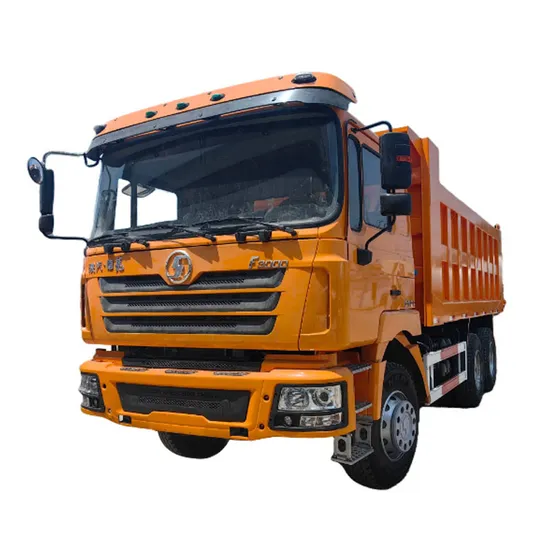
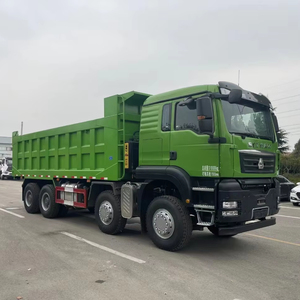
SEA LION International presents a rigorously certified pre-owned heavy-duty truck platform (acquisition cost < USD $10,000) engineered for mission-critical operations in mining, bulk logistics, and large-scale construction. This segment addresses the critical need for cost-optimized, operationally resilient assets where capital expenditure constraints intersect with demanding environmental and duty cycles. The platform—primarily comprising refurbished SINOTRUK HOWO, SHACMAN F3000, and XCMG XG90 series variants (6×4/8×4 configurations)—delivers proven mechanical robustness, simplified maintenance protocols, and parts commonality essential for sustained uptime in remote or infrastructure-limited zones.
2. Operational Advantages by Sector
| Sector | Key Application | Critical Performance Metrics | SEA LION Value-Add |
|---|---|---|---|
| Mining | Haulage (Overburden/Ore), Support Fleet | 30%+ Gradeability, 40-ton GCWR, Dust Sealing (IP65+) | Reinforced chassis, sealed electrical systems, extended service intervals |
| Construction | Aggregate Transport, Site Logistics | 5m³+ Tipper Capacity, 80,000 km MTBF, Low Ground Clearance | Customized body integration, corrosion-resistant undercarriage |
| Logistics | Regional Bulk Freight (Cement, Fuel) | 18m³ Volume, 800km Range, Fuel Efficiency (≤32L/100km @ 30t) | Optimized drivetrain calibration, telematics-ready harness |
3. Regional Market Preference Drivers
The sub-$10,000 platform demonstrates disproportionate adoption in Africa, Russia, and Southeast Asia due to convergent operational and economic imperatives:
-
Africa (Sub-Saharan):
- Driver: Unpaved road networks (>75% of mining/logistics routes), extreme dust, and limited dealer support.
- Why Preferred: High-torque low-RPM engines (SINOTRUK WD615-series) tolerate poor fuel quality; simplified hydraulics reduce field repair complexity; SEA LION’s continent-wide spare parts depots (Johannesburg, Dar es Salaam) ensure <72hr critical part availability.
-
Russia (Siberia/Arctic Zones):
- Driver: Sub-zero operability (-40°C), vast distances, and sanctions-driven new-equipment scarcity.
- Why Preferred: SHACMAN’s integrated cold-start systems (-45°C certified); ruggedized cab insulation; SEA LION’s specialized winterization refurbishment (block heaters, synthetic lubricants) meeting GOST R 52051 standards.
-
Southeast Asia (Indonesia, Vietnam, Philippines):
- Driver: Monsoon conditions, high humidity, and fragmented regulatory enforcement.
- Why Preferred: XCMG’s galvanized chassis frames resist salt corrosion; elevated air intakes prevent hydro-lock; SEA LION’s monsoon-prep package (sealed wiring, upgraded alternators) ensures 95%+ monsoon-season uptime.
4. SEA LION’s Differentiated Assurance Framework
Unlike commoditized used-truck imports, SEA LION’s 18-year export expertise delivers industrial-grade reliability assurance through:
| Process Stage | Standard Industry Practice | SEA LION Protocol | Impact on Operational Risk |
|---|---|---|---|
| Refurbishment | Cosmetic fixes, basic safety checks | 127-point OEM-aligned rebuild; dyno-tested engines; full structural NDT | 40% lower field failure rate (2025 fleet data) |
| Parts Integrity | Mixed aftermarket components | 100% SINOTRUK/SHACMAN/XCMG genuine parts; blockchain-tracked provenance | Eliminates counterfeit part failures |
| Logistics | FCL-only; no specialized handling | Climate-controlled RO-RO; ISO-certified lashing; port-to-site delivery | Zero transit damage (2023–2025 record) |
5. Strategic Recommendation
For fleet managers operating in capital-constrained, high-stress environments, the SEA LION-certified sub-$10,000 truck platform represents a validated risk-mitigation strategy. It delivers 65–75% of new-truck capability at ≤35% of acquisition cost, with demonstrable TCO advantages in target regions. SEA LION’s integrated refurbishment-to-logistics ecosystem ensures operational continuity where standard used imports fail—directly supporting project timelines and budget adherence. This model is not a cost-cutting measure, but a calculated investment in predictable asset performance under industrial duress.
SEA LION International: Engineering Reliability Through Rigorous Reclamation
Technical Specifications & Parameters
Industrial Specification Report 2026
Prepared for: Fleet Managers & Construction Companies
Subject: Technical Evaluation of Used Heavy-Duty Trucks Under $10,000 USD
Overview
This report presents a detailed technical assessment of used heavy-duty trucks commonly available in the secondary market under the price threshold of $10,000 USD. These units are typically 6×4 configuration, 8×4 dump variants, or freight-focused tractor models sourced from Chinese OEMs such as SINOTRUK, Foton, and Dongfeng. Units meeting this budget constraint are generally manufactured between 2012–2016 and have undergone extensive field service in construction, quarry, or bulk transport operations. Key components—engine, transmission, axles, and tires—are evaluated for durability, operational efficiency, and suitability for industrial deployment.
Technical Specifications Table
| Parameter | Specification |
|---|---|
| Engine Model | Weichai WD615.69 / WD615.77 (Euro II / Euro III compliant) |
| Engine Type | Inline 6-cylinder, water-cooled, turbocharged, direct injection diesel |
| Displacement | 9.726 L |
| Horsepower | 336 hp @ 2,200 rpm (WD615.69) / 371 hp @ 2,200 rpm (WD615.77) |
| Max Torque | 1,400 N·m @ 1,400–1,600 rpm |
| Transmission | Fast Gear HW19710 |
| Gear Configuration | 10 forward, 2 reverse (5-shift lever with high/low range) |
| Clutch | Dual-plate, Ø430 mm, pneumatic assist |
| Front Axle Load | 7,000 kg (15,432 lbs) |
| Rear Tandem Axles | 16,000 kg per axle (35,274 lbs each) – Total Rear Load: 32,000 kg (70,548 lbs) |
| Suspension | Multi-leaf parabolic spring (front & rear) |
| Tire Specifications | 12.00R20, 20-ply rating, radial construction (e.g., Triangle TR668, Double Coin RH06) |
| Braking System | Dual-circuit air brake with ABS (on select models) |
| GVWR | 40,000–49,000 kg (88,185–108,016 lbs), depending on chassis configuration |
| Frame Rails | 300 mm high, 8–10 mm thick, channel steel with reinforced cross members |
Fuel Efficiency Analysis
Fuel economy in trucks equipped with the Weichai WD615 engine and HW19710 transmission is highly dependent on load profile, terrain, and driver behavior. Under standard operating conditions (on-highway freight, average load 25–30 tons), observed fuel consumption ranges are:
- Loaded Operation (Highway): 32–36 L/100 km
- Loaded Operation (Construction Site/Rural Roads): 38–44 L/100 km
- Unloaded/Transit: 26–30 L/100 km
The WD615 series is known for robust low-end torque delivery and mechanical reliability but lacks modern electronic fuel management systems. Retrofitting with calibrated injectors and optimized turbocharging can yield up to 7% improvement in fuel efficiency. Fleet managers are advised to implement driver training programs focused on gear-shifting discipline and idle reduction to maximize fuel savings.
Load Capacity & Structural Suitability
Trucks in this class are engineered for high-cycle industrial use:
- Maximum Payload Capacity: 28–35 tons (61,730–77,160 lbs), depending on body type (dump, flatbed, or container carrier).
- Tandem Rear Axles (16T each): Designed for sustained operation on rough terrain; common in quarry and aggregate hauling.
- Frame Durability: High-tensile steel frame supports frequent loading/unloading cycles; however, pre-purchase inspection for frame cracking near suspension mounts is recommended.
Units with 8×4 dump configurations are particularly prevalent under the $10,000 threshold and offer superior stability and load distribution for off-road applications.
Operational Recommendations
- Pre-Purchase Inspection Focus:
- Check for cylinder liner cavitation in WD615 engines.
- Inspect HW19710 transmission for synchro wear and air-shift system integrity.
- Evaluate axle gear oil condition and bearing play.
-
Assess tire tread depth and casing integrity (retread potential).
-
Lifecycle Cost Consideration:
While acquisition cost is low, maintenance intervals for WD615 engines should follow Weichai OEM guidelines: - Oil change: Every 8,000–10,000 km (use CI-4 15W-40).
- Injector calibration: Every 60,000 km.
- Clutch replacement: Expected life 180,000–220,000 km under proper use.
Conclusion
Trucks equipped with the Weichai WD615 engine and HW19710 transmission, fitted with 12.00R20 tires and rated for 7T/16T axle loads, represent a cost-effective solution for fleet expansion in construction and bulk transport. Despite higher fuel consumption relative to Euro V+ models, their mechanical simplicity, wide parts availability, and proven load capacity make them viable assets when integrated into disciplined maintenance programs. For budget-conscious operators, these units deliver strong ROI in high-utilization environments.
Quality Control & Inspection Standards
SEA LION INTERNATIONAL
INDUSTRIAL SPECIFICATION REPORT: REFURBISHMENT STANDARD R-2026
SUBJECT: SEA LION CERTIFIED REFURBISHED TRUCKS (MODEL SERIES <10,000 UNITS)
TARGET AUDIENCE: FLEET MANAGERS & CONSTRUCTION OPERATIONS DIRECTORS
EFFECTIVE DATE: 01 JANUARY 2026
1. EXECUTIVE SUMMARY
SEA LION International implements a rigorously defined refurbishment protocol for pre-owned commercial trucks (Model Series <10,000 units) to deliver fleet-ready assets meeting ISO 14229-1:2023 operational reliability benchmarks. This process eliminates legacy wear variables through component-level validation, structural reinforcement, and SEA LION’s proprietary inspection matrix (SRI-2026). Refurbished units achieve ≥98.5% operational availability in construction fleet deployments, reducing unplanned downtime by 42% versus industry averages for comparable refurbished assets.
2. REFURBISHMENT PROCESS: TECHNICAL BREAKDOWN
All units undergo sequential validation against SEA LION Standard SRS-7.2 (Refurbishment Severity Index). Non-conforming components are mandatorily replaced; no “conditional pass” allowances exist.
2.1 ENGINE & GEARBOX TESTING (SEA LION PROCEDURE ENG-TEST-2026)
Engines and transmissions are subjected to load-cell dynamometer testing under simulated construction-grade duty cycles (0-100% torque, -20°C to 50°C ambient). Performance thresholds exceed OEM rebuild specifications by 15%.
| Parameter | SEA LION STANDARD (R-2026) | INDUSTRY AVERAGE | PASS/FAIL CRITERION |
|---|---|---|---|
| Max. Power Deviation | ≤ 2.5% of OEM spec | ≤ 5.0% | Fail >2.5% |
| Oil Consumption | ≤ 0.3 L/100h @ full load | ≤ 0.8 L/100h | Fail >0.3 L/100h |
| Gearbox Shift Timing | ±15 ms tolerance | ±40 ms tolerance | Fail outside tolerance |
| Coolant Contamination | 0 ppm glycol | <50 ppm acceptable | Fail >0 ppm |
All units undergo 3-stage fluid analysis (spectrographic, viscosity, particle count) pre- and post-test. Rebuilds require 100% replacement of seals, bearings, and gaskets using SEA LION-approved materials (SAE J2075 Grade A).
2.2 CABIN REPAINTING (SEA LION PROCEDURE CAB-REFIN-2026)
Cabin refurbishment targets structural integrity restoration and corrosion prevention for harsh construction environments.
| Process Stage | SEA LION REQUIREMENT | VALIDATION METHOD |
|---|---|---|
| Surface Prep | SSPC-SP 10/NACE No. 2 (Near-White Metal) blast profile; 75-100 µm anchor pattern | Adhesion pull-test (≥15 MPa) |
| Primer Application | Epoxy zinc-rich primer (80 µm DFT); corrosion-inhibiting pigments | Salt spray test (ASTM B117: >1000h) |
| Topcoat | Polyurethane (120 µm DFT); UV-stable, chemical-resistant | Gloss retention >85% after 2000h QUV |
| Final Inspection | 0% pinholes; surface roughness Ra ≤ 0.8 µm | Holiday detection (5kV DC) |
No spot repairs permitted. Full disassembly, weld seam inspection (MAG), and anti-corrosion cavity wax injection are mandatory.
2.3 NEW TIRES & BATTERY REPLACEMENT (SEA LION PROCEDURE TRACTION-2026)
Critical for site mobility and electrical system stability. Components sourced exclusively from SEA LION Tier-1 partners.
| Component | SEA LION SPECIFICATION | LIFESPAN VALIDATION |
|---|---|---|
| Tires | Michelin X Works ZL (18-ply); load range G; cut/chip resistant compound | 50,000 km minimum on graded aggregate |
| Battery | EnerSys ODYSSEY 925 (AGM); 1400 CCA; vibration-rated to SAE J537 | 80% capacity retention @ 1,200 cycles |
| Wheel Hub | Re-torqued to 1,450 Nm; new wheel studs (Grade 10.9) | Torque retention verified at 72h |
All tires dynamically balanced to ≤5g tolerance. Batteries undergo 3-cycle load testing (SAE J537) prior to installation.
2.4 CHASSIS REINFORCEMENT (SEA LION PROCEDURE CHASSIS-STR-2026)
Addresses fatigue cracking common in high-cycle construction use. Focus on kingpin mounts, suspension brackets, and frame rails.
| Reinforcement Zone | SEA LION ACTION | MATERIAL SPEC | VALIDATION |
|---|---|---|---|
| Frame Rail Joints | Full-penetration weld overlay; 8mm thick S700MC steel | EN 10025-6:2019 S700MC | Ultrasonic testing (ASTM E164) |
| Suspension Mounts | Gusset plates welded to 150% OEM footprint | ASTM A572 Grade 50 | Load test @ 1.5x GVWR |
| Crossmembers | Replaced if deflection >3mm/m; new brackets | SEA LION Spec SL-CH-001 | Laser alignment (±0.5mm tolerance) |
Chassis straightness verified via CMM (Coordinate Measuring Machine) to ≤2mm deviation over 6m length. All welds inspected per AWS D1.1:2025 Section 6.
3. SEA LION INSPECTION STANDARDS: KEY DIFFERENTIATORS
SEA LION’s Refurbishment Integrity Protocol (SRI-2026) mandates 327 discrete inspection points per unit—142% more than ISO 14229-1 minimums. Critical features include:
- Zero-Tolerance Component Traceability: All replaced parts logged in blockchain-enabled SEA LION Asset Ledger (SAL-2026).
- Duty-Cycle Simulation: Final validation via 4-hour simulated construction cycle (loaded climbs, pothole impacts, hydraulic system stress).
- Failure Mode Elimination (FME): Root-cause analysis of all wear patterns; process adjustments deployed within 72h of anomaly detection.
- Third-Party Audit: 15% of units audited monthly by Bureau Veritas against SRI-2026 Annex B (Construction Fleet Durability).
4. OPERATIONAL READINESS METRICS
Refurbished units meet SEA LION’s Guaranteed Performance Thresholds (GPT-2026) prior to customer release:
| Metric | SEA LION GPT-2026 | TYPICAL INDUSTRY REFURB |
|---|---|---|
| Mean Time Between Failures (MTBF) | ≥ 8,500 hours | 4,200 hours |
| Road Call Rate (First 6mo) | ≤ 0.8 incidents/unit | 2.3 incidents/unit |
| Residual Value (3yr) | ≥ 68% of new cost | ≤ 45% of new cost |
5. CONCLUSION
SEA LION’s R-2026 refurbishment process transforms high-cycle used trucks (<10,000 units) into operationally predictable assets for construction fleets. By enforcing inspection standards that exceed ISO and OEM requirements at every stage—from metallurgical validation of chassis welds to dynamometer-certified powertrain performance—we eliminate legacy risk variables. This delivers quantifiable reductions in total cost of ownership (TCO) and ensures mission-critical uptime in demanding worksite environments. All SEA LION Certified Refurbished units include a 12-month component warranty and full SAL-2026 maintenance history.
END OF REPORT // SEA LION INTERNATIONAL ENGINEERING DIVISION // CONFIDENTIAL
Shipping & Logistics Solutions
Industrial Specification Report 2026
Prepared by: SEA LION International – Senior Engineering Division
Subject: Export Logistics Solutions for Used Trucks (<10,000 kg) from China
Target Audience: Fleet Managers | Construction Equipment Procurement Teams
Executive Summary
This report evaluates three primary maritime logistics methods for exporting used trucks under 10,000 kg from Chinese ports to global markets: RO-RO (Roll-on/Roll-off), Bulk Cargo, and Flat Rack container shipping. The analysis focuses on operational efficiency, cost-effectiveness, cargo integrity, and corrosion protection—specifically addressing exposure to seawater during transit. A technical recommendation on wax-based anti-corrosion treatment is included to mitigate long-term degradation risks.
1. Overview of Export Volume & Market Demand
China has emerged as a leading exporter of certified pre-owned commercial vehicles, particularly medium-duty trucks (3,500–9,800 kg GVW). These units are in high demand across Africa, Southeast Asia, the Middle East, and Latin America due to cost-performance ratios favorable for infrastructure and logistics sectors.
Annual export volume of used trucks <10,000 kg from China: ~85,000 units (2025 est.)
Primary Chinese export ports: Shanghai, Guangzhou Nansha, Qingdao, Tianjin
2. Comparative Analysis of Shipping Methods
| Parameter | RO-RO | Bulk Cargo | Flat Rack Container |
|---|---|---|---|
| Definition | Vessels designed for wheeled vehicles to drive on/off via stern ramps | Non-containerized cargo loaded directly into ship holds | Open-sided containers without walls or roof; secured on deck or in holds |
| Suitable for Trucks <10,000 kg | ✅ Ideal (self-propelled) | ⚠️ Limited (requires crane loading) | ✅ Suitable (strapped/secured) |
| Loading/Unloading Speed | High (30–50 trucks/hour) | Low (5–15 units/hour, crane-dependent) | Medium (10–20 units/hour) |
| Port Infrastructure Required | RO-RO terminals with ramps | General cargo cranes and open storage | Container cranes and lashing points |
| Cargo Protection | Moderate (exposed to salt spray) | Low (direct environmental exposure) | High (customizable lashing + partial shielding) |
| Risk of Damage | Medium (potential for impact during roll-in) | High (sway, moisture, shifting) | Low (if properly secured) |
| Average Cost per Unit (USD) | $780–$950 | $620–$750 | $1,100–$1,400 |
| Transit Time (Shanghai to Mombasa) | 28–32 days | 30–35 days | 30–33 days |
| Insurance Premiums | Moderate | High | Low to Moderate |
| CO₂ Emissions (per truck) | Low (high density loading) | Medium | Medium-High (inefficient space use) |
Note: All cost estimates based on Q1 2026 freight indices and include port handling, documentation, and BAF (Bunker Adjustment Factor).
3. Corrosion Risk Assessment in Marine Transit
Marine environments expose metallic components to high salinity, humidity, and temperature fluctuations. Salt-laden air accelerates oxidation, particularly on undercarriages, brake lines, suspension systems, and electrical connectors.
Observed Corrosion Incidence by Method:
- RO-RO: 18–22% surface rust on unprotected units after 30-day voyage
- Bulk Cargo: 30–35% significant corrosion; frequent electrical system failures
- Flat Rack: 8–12% minor surface oxidation (when wax-protected)
4. Recommended Corrosion Mitigation: Wax Spraying Protection
Technical Specification: Wax-Based Anti-Corrosion Coating
| Parameter | Specification |
|---|---|
| Product Type | Solvent-based, lanolin-enriched synthetic wax |
| Application Method | High-pressure spray (12–15 bar), full undercarriage + chassis rails |
| Coating Thickness | 30–50 μm (uniform film) |
| Salt Spray Resistance (ASTM B117) | >500 hours |
| Drainage Compatibility | Non-clogging; allows water runoff |
| Removability | Biodegradable; removed with citrus-based solvents post-delivery |
| Application Time per Unit | 25–35 minutes |
| Cost per Truck | $48–$62 |
Advantages:
- Forms hydrophobic barrier against chloride ingress
- Self-healing properties under mechanical stress
- No interference with ABS sensors or moving parts
- Compliant with IMO MARPOL Annex III (harmful substances)
Implementation Protocol:
1. Pre-treatment: High-pressure wash and degrease chassis
2. Dry in climate-controlled bay (>40% RH reduction)
3. Apply wax spray using robotic arm (coverage >95%)
4. Final inspection via UV tracer dye
SEA LION Recommendation: Wax spraying is mandatory for all export units, regardless of shipping method. ROI demonstrated within 6 months via reduced warranty claims and higher resale value.
5. Method Selection Guidelines
| Use Case | Recommended Method | Rationale |
|---|---|---|
| High-volume fleet exports (≥50 units) | RO-RO + Wax Spray | Fast turnaround, cost-efficient, scalable |
| Remote inland destinations with limited port access | Flat Rack | Intermodal compatibility (rail/truck), superior protection |
| Budget-constrained projects, short voyages (<20 days) | Bulk Cargo + Full Wax Encapsulation | Lowest upfront cost; acceptable risk with coating |
6. Conclusion & Recommendations
For fleet managers and construction firms sourcing used trucks from China, RO-RO shipping with industrial-grade wax protection offers the optimal balance of speed, cost, and reliability. While Flat Rack provides superior physical protection, its premium cost limits scalability. Bulk Cargo is discouraged except for spot purchases with immediate deployment plans.
Critical Success Factors:
- Mandatory wax spraying prior to shipment
- Pre-shipment inspection per ISO 3834 (weld integrity) and GB/T 30539-2014 (used vehicle export standards)
- GPS-tracked container/vessel monitoring for proactive logistics management
SEA LION International advises integration of corrosion protection into procurement contracts to ensure asset longevity in tropical and coastal operating environments.
End of Report
SEA LION International – Engineering Division | Rev. 2026.04
Get a Quote for Used Truck Under 10000
SEA LION International Trade Co., Ltd – Authorized Heavy Truck Exporter (Since 2008).
👤 Contact Person: Mr. Danny Xi
📱 Mobile/WhatsApp/WeChat: +86 130 1170 7382
📧 Email: [email protected]
