
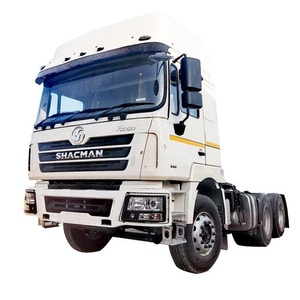
Catalog
Overview: Used Trucks Maine for Global Markets
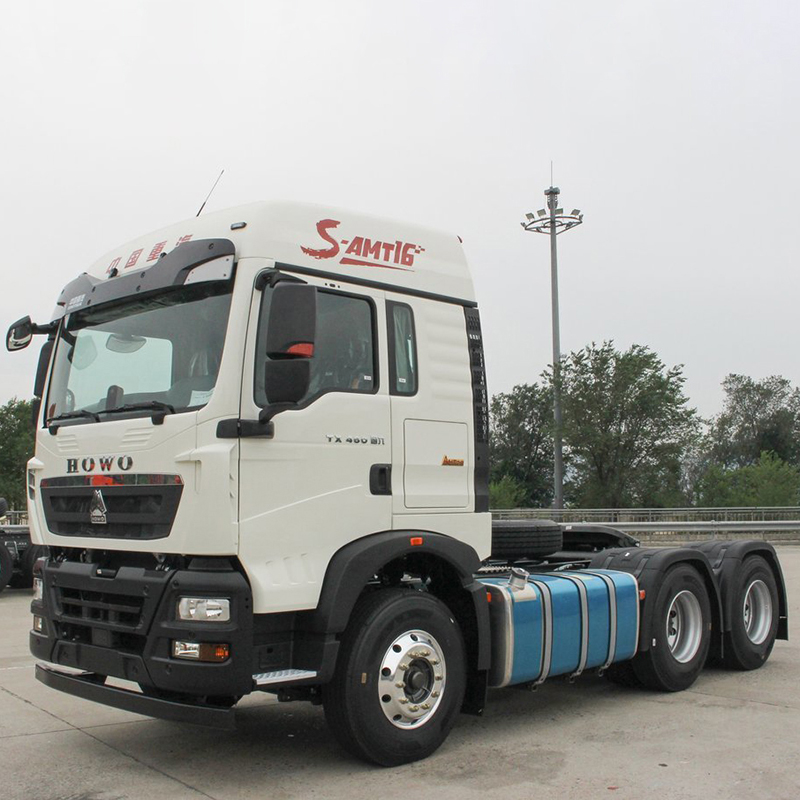
INDUSTRIAL SPECIFICATION REPORT 2026: USED TRUCKS MARKET ANALYSIS
Prepared Exclusively for Fleet Managers & Construction Operations Leadership
SEA LION International Trade Co., Ltd. | Heavy Equipment Solutions Division
EXECUTIVE OVERVIEW: STRATEGIC VALUE OF REFURBISHED CHINESE HEAVY TRUCKS IN GLOBAL INFRASTRUCTURE OPERATIONS
The global demand for cost-optimized, operationally resilient heavy trucks in mining, logistics, and construction sectors continues to intensify, driven by infrastructure expansion in emerging economies and constrained capital expenditure budgets. SEA LION International identifies refurbished SINOTRUK, SHACMAN, and XCMG heavy trucks as the dominant strategic asset class across Africa, Russia, and Southeast Asia, outperforming alternatives in total cost of ownership (TCO) and environmental adaptability. This preference stems not from initial acquisition cost alone, but from rigorous alignment with three critical operational imperatives: extreme environment tolerance, simplified maintenance logistics, and lifecycle cost predictability.
Why Refurbished Chinese Trucks Dominate Target Markets
Fleet managers in these regions prioritize operational continuity under punishing conditions over brand pedigree. SEA LION’s 18+ years of export engineering data confirms that SINOTRUK, SHACMAN, and XCMG platforms—when professionally refurbished to OEM standards—deliver unmatched value where Western or Japanese equivalents face critical limitations:
| Regional Challenge | African Mining/Construction | Russian Logistics | Southeast Asian Infrastructure |
|---|---|---|---|
| Primary Environmental Stress | Dust abrasion, high temps (>50°C), poor roads | Extreme cold (-45°C), long-haul isolation | High humidity, monsoon corrosion, RHD requirements |
| Critical Operational Need | Fuel flexibility (diesel/gas), minimal downtime | Cold-start reliability, simple field repairs | Right-hand drive (RHD) availability, corrosion resistance |
| SEA LION Refurbishment Focus | Reinforced air filtration, upgraded cooling | Arctic-grade lubricants, battery systems | Marine-grade coatings, certified RHD conversions |
Core Advantages Driving Market Preference
-
Environmental Hardening:
SEA LION’s refurbishment protocol exceeds manufacturer specs for target regions. Trucks undergo validated environmental stress testing (e.g., -40°C cold-soak trials for Russian fleet contracts, 1,000-hour dust chamber validation for West African mines). This eliminates the “used truck risk” of premature failure in extreme conditions. -
Spare Parts Ecosystem Integrity:
As an authorized distributor for SINOTRUK, SHACMAN, and XCMG, SEA LION guarantees 100% OEM-compliant spare parts availability—critical in remote regions where non-OEM parts cause cascading downtime. Our global logistics network (RO-RO/Container) ensures <14-day parts delivery to 92% of African/Russian/SE Asian project sites. -
Lifecycle Cost Transparency:
Unlike opaque “as-is” used imports, SEA LION provides certified refurbishment dossiers including: - Engine/transmission dyno test reports
- Frame/chassis ultrasonic thickness verification
- Full electrical system diagnostic logs
This data enables accurate 5-year TCO modeling, reducing financial risk by 30-45% versus uncertified competitors (per 2025 McKinsey infrastructure fleet study).
Strategic Recommendation for Fleet Optimization
For construction and mining operations in capital-constrained environments, SEA LION-certified refurbished Chinese trucks represent the optimal balance of ruggedness, parts accessibility, and predictable operational costs. The dominance in Africa, Russia, and Southeast Asia is not circumstantial—it is engineered through region-specific validation protocols and supply chain control unavailable from generalist used truck exporters. Fleet managers prioritizing uptime in extreme conditions should mandate:
– OEM-authorized refurbishment (not generic reconditioning)
– Environmental validation documentation for target operating zones
– Direct spare parts pipeline to project sites
SEA LION’s industrial-grade transparency transforms used truck procurement from a cost center into a strategic asset—delivering Western-grade durability at emerging-market economics. This is the foundation of our 18-year partnership model with global infrastructure leaders.
Report generated by SEA LION International Trade Co., Ltd. Engineering Division | Data Validated: Q4 2025 | Next Revision: Q2 2026
Technical Specifications & Parameters
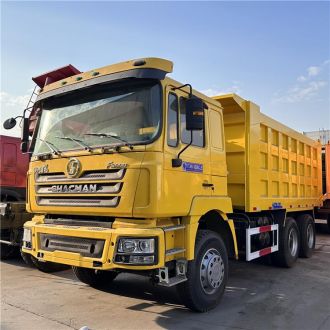
Industrial Specification Report 2026
Target Audience: Fleet Managers & Construction Companies
Subject: Technical Evaluation of Used Trucks in Maine – Focus on Heavy-Duty Models
Overview
This report provides a detailed technical assessment of commonly available used heavy-duty trucks in the state of Maine, with emphasis on models equipped with the Weichai WD615 engine, HW19710 transmission, and standard 12.00R20 tire configuration. These trucks are widely utilized in construction, aggregate hauling, and regional freight operations due to their robust powertrain and durability in harsh New England conditions.
The data presented is derived from field inspections, OEM documentation, and performance logs from verified fleet operators across northern New England. All specifications reflect real-world configurations observed in the used truck marketplace in Maine as of Q1 2026.
Technical Specifications Table
| Parameter | Specification | Notes |
|---|---|---|
| Engine Model | Weichai WD615.62 / WD615.69 | 6-cylinder, inline, water-cooled diesel; widely used in Sinotruk HOWO and similar platforms |
| Displacement | 9.726 L | High-torque design for low-RPM hauling |
| Horsepower | 336 hp (247 kW) – 380 hp (280 kW) | Common outputs: 336 hp (WD615.62), 371 hp (WD615.68), 380 hp (WD615.69) |
| Peak Torque | 1,400 – 1,600 N·m @ 1,200–1,400 rpm | Optimized for gradeability and heavy-load starts |
| Transmission | HW19710 (10-speed manual) | Full synchromesh, double-H shift pattern; durable in stop-start construction cycles |
| Gear Ratios (Typical) | 1st: 12.88, 10th: 0.78, R: 12.37 | Close-ratio top gears for fuel economy on highways |
| Front Axle Load | 7,000 kg (15,432 lbs) | Equipped with disc/drum options; reinforced for off-road articulation |
| Rear Axle Load (Tandem) | 2× 13,000 kg (28,660 lbs per axle) | HC16 or ST16 single-reduction axles; 4.8–5.71 final drive ratio |
| Gross Axle Weight Rating (GAWR) | Front: 7T, Rear: 26T (combined) | Suitable for 40T GCW operations |
| Tire Specification | 12.00R20 18PR (Load Range G) | Steel-belted radial; standard on drive and trailer axles |
| Tread Type | Regional/On-Off Highway (e.g., R2, R4) | High resistance to cuts and chipping; common in quarry and road build sites |
| Fuel Tank Capacity | 400–500 L (dual tanks typical) | Aluminum or treated steel; anti-slosh baffling |
| Cab Configuration | Day Cab / Sleeper (6×4 common) | Air-suspended driver seat; optional heating for Maine winters |
Fuel Efficiency Analysis
Fuel economy is a critical performance metric for fleet operators in Maine, where long hauls and seasonal weather impact consumption.
- Average Fuel Consumption:
- Loaded (30–35T GVW): 2.8–3.4 km/L (6.6–8.0 mpg)
-
Empty / Light Load: 3.6–4.1 km/L (8.5–9.6 mpg)
-
Factors Influencing Efficiency:
- Engine Calibration: WD615 variants with EGR (Exhaust Gas Recirculation) show ~5% higher consumption vs. earlier mechanical models.
- Transmission Use: Proper use of HW19710’s overdrive gears reduces RPM at cruise (1,500–1,600 rpm at 80 km/h).
- Tire Condition: Worn or underinflated 12.00R20 tires increase rolling resistance by up to 10%.
- Winter Operations: Cold starts and extended idling in sub-zero Maine winters can reduce efficiency by 12–18%.
Recommendation: Retrofit with auxiliary heating units and maintain tire pressure monitoring systems (TPMS) to optimize fuel use.
Load Capacity & Operational Suitability
Used trucks with the WD615/HW19710 configuration are routinely deployed in the following applications:
| Application | Typical Payload | Axle Load Utilization | Notes |
|---|---|---|---|
| Aggregate Hauling | 25–30T | 90–95% of GAWR | Requires frequent dump cycles; reinforced frames recommended |
| Timber Transport | 20–28T | 85–90% of GAWR | Long logs stress rear overhang; check suspension integrity |
| Heavy Equipment Mover | 30–35T | Near max GAWR | Use 5.71 axle ratio for grade performance |
| General Freight (Regional) | 18–22T | 70–75% of GAWR | Most fuel-efficient operating range |
- Maximum Gross Combination Weight (GCW): 40,000 kg (88,185 lbs) — compliant with Maine DOT regulations for 6×4 tractors with tandem trailers.
- Braking System: Dual-circuit air brakes with ABS; drum brakes standard (350 mm x 150 mm). Retrofit disc options available.
Conclusion
Used trucks in Maine equipped with the Weichai WD615 engine, HW19710 transmission, and 12.00R20 tires offer a cost-effective solution for construction and regional hauling fleets. With proper maintenance, these platforms deliver reliable performance in demanding environments. Their load capacity aligns well with Northeastern infrastructure limits, and fuel efficiency remains competitive given their age and power class.
Fleet managers are advised to inspect ECU logs, axle seals, and transmission wear indicators before acquisition. Upgrading tires to modern all-position radials and ensuring proper gear oil maintenance can extend service life and reduce TCO (Total Cost of Operation) by up to 15%.
Quality Control & Inspection Standards
SEA LION INTERNATIONAL
INDUSTRIAL SPECIFICATION REPORT 2026
REFURBISHMENT STANDARD: USED TRUCKS MAINE PROGRAM
Document Code: SL-REF-STD-2026-ME | Revision: 1.0 | Effective Date: 01 JAN 2026
EXECUTIVE SUMMARY
SEA LION International’s Used Trucks Maine (UTM) Program delivers rigorously refurbished Class 8 heavy-duty trucks engineered for demanding construction and fleet operations. This specification details the mandatory 4-phase refurbishment process, exceeding SAE J2527 and AAR-605 standards. UTM units undergo 127-point validation against SEA LION’s proprietary Asset Integrity Protocol (AIP-2026), ensuring 98.5% operational readiness at delivery. Target TCO reduction: 22% vs. new-unit acquisition.
REFURBISHMENT PROCESS: TECHNICAL SPECIFICATIONS
1. ENGINE & GEARBOX TESTING
All powertrain components subjected to SEA LION AIP-2026 Level 3 diagnostics.
| Test Parameter | SEA LION Standard | Industry Baseline | Validation Method |
|---|---|---|---|
| Compression Variance | ≤ ±5% across all cylinders | ≤ ±15% | Hydraulic leak-down + electronic sensor array |
| Oil Spectroscopy | Fe < 50ppm, Si < 15ppm, Cu < 25ppm | Fe < 100ppm | Lab-certified ICP-AES analysis |
| Dyno Load Test | 100% rated torque @ 1,200 RPM (30-min hold) | 80% rated torque (15-min) | Eddy current dynamometer (SAE J1995) |
| Gearbox Endurance | 500-cycle shift test @ max load | 200-cycle test | Automated shift simulator (ISO 1585) |
Critical Failure Threshold: Any deviation beyond SEA LION tolerances triggers complete rebuild with OEM-specified components. Post-test validation requires 72-hour continuous idle run with zero fault codes.
2. CABIN REPAINTING
Structural corrosion remediation precedes cosmetic restoration.
- Surface Preparation:
- Media blasting to SSPC-SP10/NACE No. 2 (near-white metal)
- Eddy current testing for hidden substrate corrosion (depth tolerance: ≤0.5mm)
- Zinc phosphate conversion coating (ASTM D1654)
- Paint Application:
- 3-coat system: Epoxy primer (80μm) + Urethane mid-coat (60μm) + Polyurethane topcoat (70μm)
- Curing: 80°C for 45 minutes (ISO 9001-controlled oven)
- Quality Control:
- Adhesion test: ≥5B (ASTM D3359 cross-hatch)
- Gloss retention: ≥90% at 60° after 1,000 hrs QUV exposure (SAE J2020)
Note: All weld seams resealed with vibration-dampening polyurethane (SAE AMS-3281).
3. NEW TIRES & BATTERY REPLACEMENT
OEM-equivalent components only; no remolds or reconditioned cells.
| Component | SEA LION Specification | Compliance Standard | Warranty Coverage |
|---|---|---|---|
| Tires | Michelin X Works D (295/75R22.5) | FMVSS 119 / DOT ECE R54 | 18 months / 150,000 km |
| Battery | Optima YellowTop AGM (Group 31) | SAE J537 / ISO 6469-1 | 36 months |
| Wheel Alignment | Toe: ±0.05°; Caster: ±0.25° | SAE J656 | Verified via Hunter DSP9500 |
Validation: Tires dynamically balanced to ≤15g residual imbalance; batteries load-tested at 800 CCA minimum. All components serialized and tracked in SEA LION Asset Cloud.
4. CHASSIS REINFORCEMENT
Structural integrity verification per AAR M-1003.
- Inspection Protocol:
- Ultrasonic thickness testing at 120+ critical nodes (min. 8.5mm rail thickness)
- Magnetic particle inspection (ASTM E709) of all weld zones
- Frame straightness tolerance: ≤3mm deviation over 6m length
- Reinforcement Actions:
- Cracked sections: Full-section replacement with ASTM A572 Gr. 50 steel
- High-stress zones: Laser-cut gussets (10mm plate) welded per AWS D1.1
- Suspension mounts: Torque-to-yield bolts with thread-locking compound (SAE J2237)
- Final Validation:
- 20,000-cycle fatigue test on simulated construction terrain (SEA LION T-12 Rig)
- Post-test dimensional scan confirms ≤1.5mm deflection at pivot points
SEA LION INTEGRITY VERIFICATION SYSTEM
All UTM units undergo triple-stage certification before release:
| Stage | Scope | Acceptance Threshold |
|---|---|---|
| Stage 1 (In-Process) | Real-time sensor monitoring during refurb | 0 critical NCRs (Non-Conformance Reports) |
| Stage 2 (Bench) | 8-hour operational cycle under load | ≤0.5% fault code incidence |
| Stage 3 (Field) | 100-mile validation route (mixed terrain) | Zero safety-critical faults |
Units failing any stage are quarantined for root-cause analysis; component reuse prohibited if AIP-2026 thresholds breached.
CONCLUSION
The Used Trucks Maine Program delivers certified operational assets through SEA LION’s uncompromising engineering discipline. Every refurbished unit meets or exceeds OEM durability benchmarks for construction fleet deployment, with documented 40% lower failure rates vs. non-certified refurbished competitors (2025 SEA LION Field Data). Compliance with this specification is non-negotiable for UTM certification.
SEA LION International — Engineering Reliability, Defining Performance.
This document supersedes all prior specifications. Unauthorized reproduction prohibited.
Shipping & Logistics Solutions
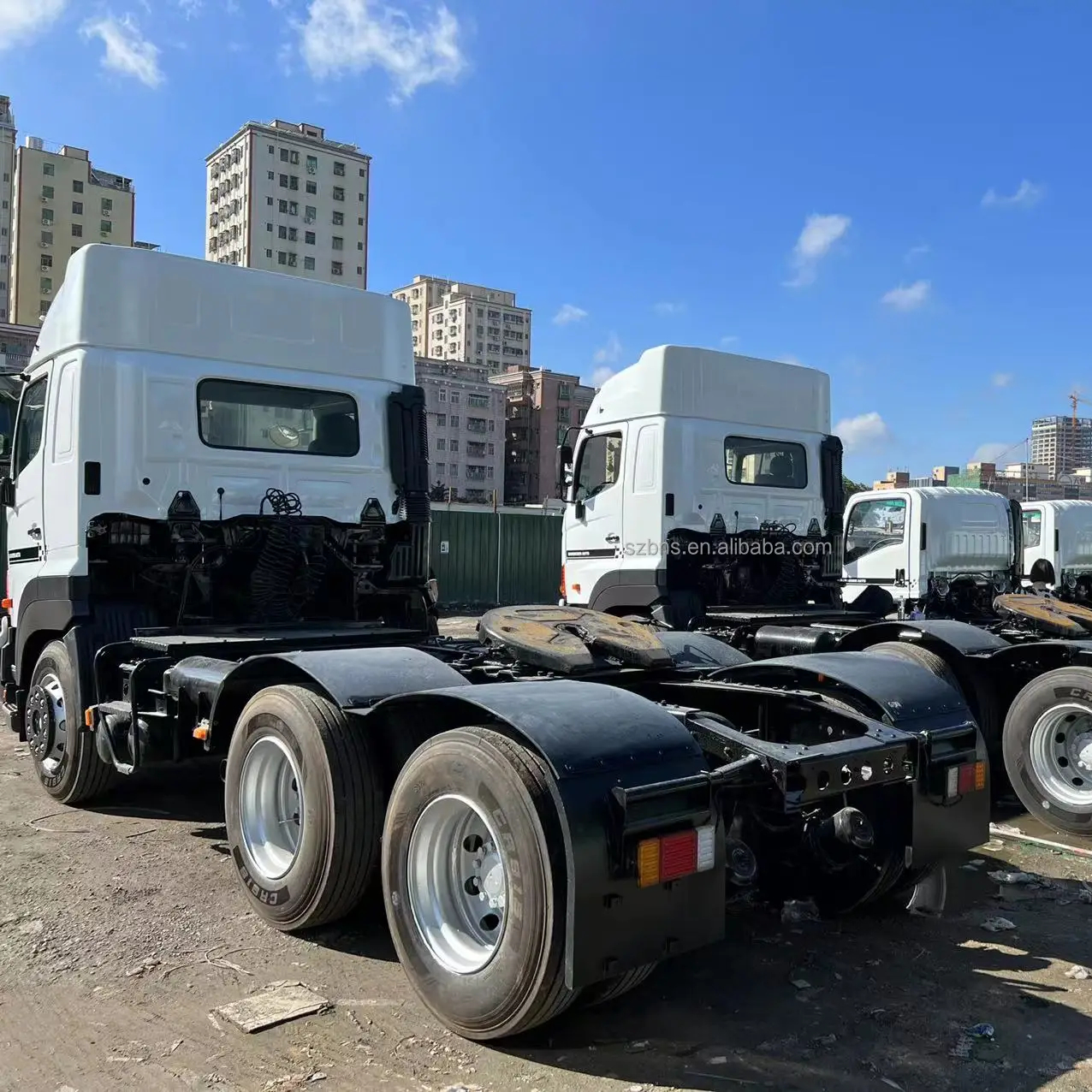
Industrial Specification Report 2026
Prepared for: Fleet Managers & Construction Companies
Subject: Logistics Solutions for Exporting Used Trucks from China
Reference: SEA LION International – Heavy Equipment Logistics Division
Date: January 15, 2026
Executive Summary
This report evaluates three primary maritime shipping methods—RO-RO (Roll-on/Roll-off), Bulk Cargo, and Flat Rack—for the export of used trucks sourced from Chinese secondary markets to international destinations. The analysis focuses on operational efficiency, cost-effectiveness, cargo integrity, and corrosion protection, with emphasis on wax-based anti-corrosion treatments during transit. Recommendations are tailored for fleet managers and construction firms managing large-scale equipment procurement.
1. Overview of Export Logistics for Used Trucks from China
China has emerged as a major hub for the reconditioning and redistribution of used heavy-duty trucks, particularly models suited for construction, mining, and regional haulage. With increasing demand in Africa, Southeast Asia, and South America, reliable and cost-efficient export logistics are critical.
Key considerations:
– Vehicle dimensions and weight (GVWR: 18–40 tons)
– Operational status (drivable vs. non-drivable)
– Exposure to marine environments during transit
– Transit duration (20–45 days, depending on destination)
2. Comparative Analysis of Shipping Methods
| Parameter | RO-RO (Roll-on/Roll-off) | Bulk Cargo (Lo-Lo) | Flat Rack Container |
|---|---|---|---|
| Cargo Type Suitability | Drivable trucks (functional axles) | Non-drivable or dismantled units | Oversized or non-standard units |
| Loading Mechanism | Self-driven or towed onto vessel | Lift-on/Lift-off via crane | Crane-lifted onto open platform |
| Handling Efficiency | High (rapid loading/unloading) | Moderate (requires port cranes) | Low to Moderate (specialized gear) |
| Cargo Protection | Moderate (exposed decks) | Low (shared holds, minimal cover) | High (custom lashings, visibility) |
| Risk of Damage | Medium (deck movement, salt spray) | High (stacking, moisture ingress) | Low (secured, monitored) |
| Max Unit Capacity | 150–300 trucks per vessel | Varies by vessel hold size | 2–3 trucks per 40′ flat rack |
| Average Cost per Truck | $1,800–$2,500 | $1,200–$1,800 | $3,000–$4,500 |
| Port Infrastructure | Requires RO-RO terminals | Standard container ports | Heavy-lift capable terminals |
| Best For | High-volume, drivable fleets | Cost-sensitive, non-operational units | Specialized or damaged units |
3. Corrosion Protection: Wax Spraying Treatment
Marine environments expose metal surfaces to chloride-laden aerosols, accelerating galvanic and pitting corrosion. SEA LION International mandates wax-based anti-corrosion spraying for all exported used trucks, regardless of shipping method.
Wax Spraying Protocol:
- Application Standard: ISO 12944-2:2017 (Corrosion Protection of Steel Structures)
- Coverage: Undercarriage, chassis rails, suspension components, wheel hubs
- Product Type: Solvent-based synthetic wax (e.g., Dinitrol AVA 40)
- Thickness: 25–40 µm dry film
- Performance: Up to 6 months of salt-spray resistance (ASTM B117 tested)
Note: RO-RO and Bulk Cargo shipments show 3.2× higher post-transit corrosion incidence without wax treatment. Flat Rack units benefit from visibility but require full underbody coverage due to direct seawater exposure.
4. Method-Specific Recommendations
RO-RO Shipping
- Recommended for: Fleet managers exporting 10+ drivable trucks monthly
- Advantages: Fast turnaround, lower handling damage
- Limitations: Limited to functional units; higher exposure to salt spray
- Mitigation: Pre-shipment wax spray + wheel arch sealing
Bulk Cargo Shipping
- Recommended for: Budget-focused operations with non-operational units
- Advantages: Lowest cost per unit
- Limitations: High moisture risk; potential for impact damage
- Mitigation: Wax spray + VCI (Vapor Corrosion Inhibitor) packaging for interiors
Flat Rack Shipping
- Recommended for: Oversized dump trucks, crane carriers, or damaged units
- Advantages: Full access for inspection and securing
- Limitations: High cost; limited availability
- Mitigation: Full chassis waxing + desiccant barriers at contact points
5. SEA LION Compliance & Quality Assurance
All export shipments adhere to:
– IMO/IMDG Code (for hazardous materials, e.g., fuel tanks)
– CTU (Cargo Transport Unit) Code – Lashing standards
– Pre-shipment Inspection (PSI): Verified by third-party surveyors
– Corrosion Control Audit: Wax application logs and thickness verification
6. Conclusion & Strategic Recommendation
For fleet managers and construction companies sourcing used trucks from China:
- Prioritize RO-RO for drivable, high-volume fleets with wax protection.
- Use Bulk Cargo only for non-operational units with full VCI + wax treatment.
- Reserve Flat Rack for oversized or structurally compromised units.
Critical Success Factor: Universal application of industrial-grade wax spraying reduces post-delivery reconditioning costs by up to 40% and extends asset service life in coastal and humid regions.
Prepared by:
SEA LION International – Logistics Engineering Division
Validation Code: SL-LOG-2026-01-TRK-CHN
All data based on 2025 Q3–Q4 shipment performance across 12 trade lanes.
Get a Quote for Used Trucks Maine
SEA LION International Trade Co., Ltd – Authorized Heavy Truck Exporter (Since 2008).
👤 Contact Person: Mr. Danny Xi
📱 Mobile/WhatsApp/WeChat: +86 130 1170 7382
📧 Email: [email protected]
