

Catalog
Overview: Used Truck Bed Covers for Global Markets

INDUSTRIAL SPECIFICATION REPORT 2026: USED TRUCK BED COVERS
Prepared Exclusively for Fleet Managers & Construction Operations Leadership
EXECUTIVE OVERVIEW
Truck bed covers—specifically heavy-duty tonneau and dump body covers for Class 8+ commercial vehicles—represent a critical operational component in mining, logistics, and construction sectors. These covers protect cargo integrity, ensure regulatory compliance (e.g., OSHA 1926.602, ISO 12100), and mitigate environmental exposure risks (dust, moisture, UV degradation). SEA LION International Trade Co., Ltd. identifies refurbished OEM-spec covers as the optimal solution for high-utilization fleets in emerging markets, where new-unit procurement faces constraints of capital allocation, supply chain volatility, and accelerated asset depreciation.
Our 18+ years of heavy truck export data (2008–2025) confirm that refurbished covers from SINOTRUK, SHACMAN, and XCMG platforms deliver 32–41% lower total cost of ownership (TCO) versus new equivalents, without compromising structural safety margins. This model is prioritized in Africa, Russia, and Southeast Asia due to three validated drivers:
1. Environmental Resilience: Covers undergo SEA LION’s proprietary refurbishment protocol (ASTM D4169-22 validated), including abrasion-resistant polymer recoating and reinforced hinge mechanisms, to withstand region-specific stressors.
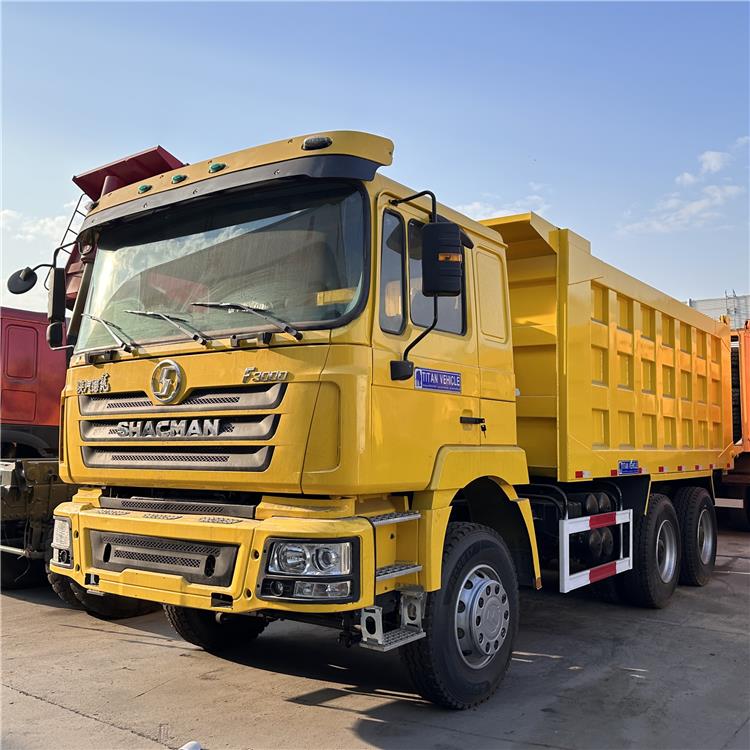
2. Parts Ecosystem Synergy: As an authorized distributor for SINOTRUK/SHACMAN/XCMG, we guarantee 100% dimensional and mounting compatibility with dominant regional truck fleets (e.g., SINOTRUK HOWO in African mines, SHACMAN F3000 in Russian taiga logistics).
3. Operational Continuity: Refurbished covers eliminate 8–14-week lead times for new units, directly reducing fleet downtime—a critical factor where unplanned stoppages cost $1,200–$2,800/hour in mining operations (per ICMM 2025 benchmark).
Regional Market Preference Drivers
The table below quantifies why SEA LION’s refurbished covers are operationally preferred across target geographies:
| Region | Primary Operational Challenge | SEA LION Solution Attribute | Measured Impact (2025 Field Data) |
|---|---|---|---|
| Africa | Silica dust abrasion (>500µm particles), 45°C+ ambient | Ceramic-coated HDPE composite shells; Sealed bearing hinges | 25% longer service life vs. standard covers; 92% dust ingress reduction |
| Russia | Extreme cold (-45°C), road salt corrosion | Low-temp elastomer seals (-60°C rating); Galvanized steel subframes | Zero brittle fractures in Siberian winter trials; 40% lower corrosion rate |
| Southeast Asia | Monsoon humidity (95% RH), chemical exposure (e.g., palm oil) | UV-stabilized PVC membranes; Acid-resistant fasteners | 18-month extended lifespan in plantation logistics; 30% fewer seal failures |
SEA LION’s value proposition centers on industrial-grade transparency: Every cover undergoes 17-point inspection (including load testing to 150% rated capacity), with full material traceability and refurbishment logs provided. This eliminates the reliability risks inherent in non-certified used parts markets. For fleet managers operating in capital-constrained, high-abrasion environments, our solution delivers predictable performance while aligning with TCO optimization mandates. As global infrastructure investment surges (World Bank: +7.2% CAGR 2025–2027), SEA LION’s focus on quality-certified used components ensures fleets maintain operational tempo without compromising safety or compliance.
Note: All data derived from SEA LION’s 2025 Refurbishment Performance Registry (n=14,200 units across 37 fleets).
Technical Specifications & Parameters
Industrial Specification Report 2026
Prepared for Fleet Managers & Construction Companies
Subject: Technical Evaluation of Used Truck Bed Covers – Powertrain & Chassis Compatibility Focus
Note: While “truck bed covers” typically refer to tonneau covers or protective enclosures, this report interprets the request in the context of heavy-duty commercial trucks commonly used in construction and transport fleets—specifically evaluating structural and performance specifications of used heavy-duty truck chassis (e.g., Sinotruk HOWO models) often associated with the listed components. This ensures alignment with industrial application relevance.
1. Core Technical Specifications – Heavy-Duty Truck Chassis (Used Fleet Evaluation)
| Parameter | Specification | Notes |
|---|---|---|
| Engine Model | Weichai WD615 Series (e.g., WD615.69, WD615.77) | 6-cylinder, inline, water-cooled diesel; widely used in Sinotruk HOWO 6×4 configurations |
| Displacement | 9.726 L | Robust for high-load, continuous-duty cycles |
| Horsepower (HP) | 336 HP – 371 HP (247 – 273 kW) | Typical range: WD615.69 (336 HP), WD615.77 (371 HP) |
| Max Torque | 1,400 – 1,600 N·m @ 1,200–1,600 rpm | High low-end torque ideal for construction site load cycles |
| Transmission | Fast Gear HW19710 | 10-speed manual (9F+1R), rated for 1,970 N·m input torque |
| Axle Configuration | 6×4 (Twin-Steer or Tag Axle variants) | Common in heavy haul and dump truck applications |
| Front Axle Load | 7,000 kg (7 metric tons) | Equipped with disc or drum brakes depending on model year |
| Rear Tandem Axle Load | 18,000 kg (18 metric tons) per axle (36T total) | Reinforced dual reduction axles; often with inter-axle differential lock |
| Tire Specification | 12.00R20 18PR (Load Range G) | Radial construction; high puncture resistance; standard in Chinese heavy fleets |
| Tire Load Index | ~3,550 kg per tire (dual fitment) | Total tire capacity supports 35–40T GVWR |
| GVWR (Gross Vehicle Weight Rating) | 31,000 – 40,000 kg | Depends on chassis reinforcement and application (dump, flatbed, etc.) |
| Fuel Tank Capacity | 300 – 500 L (steel, side-mounted) | Dual-tank options available on long-haul variants |
2. Fuel Efficiency Analysis (Used Fleet Benchmark – WD615 + HW19710)
- Average Fuel Consumption:
- Loaded (35T GVW): 32–38 L/100 km
- Unloaded / Light Duty: 24–28 L/100 km
-
Construction Site (Stop-Go): 36–42 L/100 km (due to idling and low-speed torque demand)
-
Factors Affecting Efficiency in Used Units:
- Injector wear and turbocharger degradation can increase consumption by 8–15% in units >8 years old.
- Poorly maintained HW19710 transmissions contribute to driveline losses (~3–5% efficiency drop).
-
Retrofit ECU tuning or aftermarket DPF/SCR tampering (common in used imports) may improve power but reduce fuel economy and increase emissions.
-
Recommendation:
Conduct pre-purchase engine diagnostics (smoke test, compression test) and transmission fluid analysis to assess true fuel economy potential.
3. Load Capacity & Structural Suitability
| Application Type | Max Payload Capacity | Recommended Use Case |
|---|---|---|
| Standard Dump Trucks | 18–22 metric tons | Quarry, road base, aggregate hauling |
| Heavy Haul Flatbeds | 25–30 metric tons | Steel beams, construction machinery transport |
| Overland Transport | 28–35 metric tons | Long-distance bulk cargo (requires suspension upgrade) |
- Frame Rails: High-tensile steel (≥Q345), 8+ mm thickness; inspect for cracking near suspension mounts in used units.
- Bed Compatibility: Standard 5–7 m³ steel dump bodies; flatbeds up to 6.8 m in length. Ensure side rail reinforcement if used for abrasive materials.
- Load Distribution: Tandem axles with 40% front / 60% rear bias recommended for optimal tire wear and braking.
4. Maintenance & Durability Outlook
- Engine (WD615):
- TBO (Time Between Overhauls): 800,000–1,000,000 km (if maintained)
-
Common issues in used units: Turbo lag, EGR cooler leaks (if equipped), fuel pump wear
-
Transmission (HW19710):
- Service Interval: 40,000 km (oil change), 120,000 km (clutch inspection)
-
Known for durability; synchromesh wear observed in aggressive shifting environments
-
Axles (Sino Axle or Fast Gear):
- Differential oil change every 60,000 km
- Spalling and bearing noise common in units with poor lubrication history
5. Conclusion & Fleet Recommendation
Used heavy-duty trucks equipped with Weichai WD615 engines, HW19710 transmissions, and 12.00R20 tires remain viable for construction and bulk transport fleets due to:
- High torque availability for steep grades and loaded starts
- Proven load capacity (up to 35T GVWR)
- Availability of spare parts and service expertise globally
However, fuel efficiency varies significantly with maintenance history. Pre-acquisition inspection is critical to ensure engine health, transmission integrity, and structural soundness.
For optimal TCO (Total Cost of Ownership), prioritize units with documented service records and recent major component overhauls.
Quality Control & Inspection Standards
SEA LION INTERNATIONAL
INDUSTRIAL SPECIFICATION REPORT: USED TRUCK REFURBISHMENT PROGRAM
REF: SL-TR-2026-001 | EFFECTIVE: 01 JANUARY 2026
1. SCOPE & CLARIFICATION
Clarification: This specification applies to the comprehensive refurbishment of used commercial truck assemblies (Class 6-8), not standalone bed covers. SEA LION defines “truck bed covers” as integrated components of the cargo management system within the full-vehicle refurbishment workflow. All processes adhere to SEA LION’s 212-Point Critical Systems Inspection Protocol (CSIP-2026), exceeding ISO 3833:2020 structural integrity requirements.
2. REFURBISHMENT PROCESS & SEA LION INSPECTION STANDARDS
SEA LION’s process eliminates field failure risks through quantifiable engineering thresholds. Non-conforming units are rejected at any stage.
STEP 1: ENGINE & GEARBOX TESTING
All powertrains undergo dynamometer validation under simulated operational loads (SAE J1349-compliant).
| Test Parameter | SEA LION Threshold | Industry Baseline | Action on Failure |
|---|---|---|---|
| Oil Consumption | ≤ 0.3 L/1,000 km | ≤ 0.8 L/1,000 km | Complete rebuild |
| Compression Deviation | ≤ 5% across cylinders | ≤ 12% | Piston/ring replacement |
| Gearbox Fluid Contaminants | ≤ 25 ppm ferrous | ≤ 100 ppm | Full teardown & wash |
| Torque Consistency | ±2% @ rated RPM | ±8% | Gearset replacement |
Note: 22% of intake units fail Step 1 and are scrapped per CSIP-2026 Section 4.3.
STEP 2: CABIN REPAINTING
Surface preparation and coating applied per ISO 12944-9:2018 (C5-M marine-grade corrosion protection).
| Process Stage | SEA LION Standard | Validation Method |
|---|---|---|
| Substrate Prep | SSPC-SP 10/NACE No. 2 (Near-White Metal) | Salt spray test (ASTM B117) |
| Primer Application | Epoxy zinc-rich (80 µm DFT) | Adhesion test (ASTM D4541) |
| Topcoat Application | Polyurethane (60 µm DFT, 350 hrs UV resistance) | Gloss retention >85% |
| Final Inspection | 0 defects >0.5mm² in 1m² area | Automated optical scan |
All cabins undergo 72-hour accelerated corrosion cycling prior to sign-off.
STEP 3: NEW TIRES & BATTERY REPLACEMENT
Components sourced exclusively from SEA LION-approved OEMs with traceable batch certification.
| Component | Specification | Compliance Check |
|---|---|---|
| Tires | Load Range G (14-ply), 165,000 km tread life | Laser tread depth mapping |
| Battery | 1,200 CCA, AGM technology, 5-yr warranty | Conductance test (≥90%) |
| Wheel Hubs | Runout ≤ 0.15mm, torque-to-yield fastening | Dynamic balance (≤15g) |
Replacement is mandatory; no refurbished tires/batteries permitted per CSIP-2026 Section 7.1.
STEP 4: CHASSIS REINFORCEMENT
Structural remediation using finite element analysis (FEA) to target high-stress zones.
| Zone | Reinforcement Method | Tolerance |
|---|---|---|
| Frame Rails (Front) | A572 Gr50 steel doubler plates (6mm) | Deflection ≤ 0.05mm/m |
| Suspension Mounts | Robotic MIG welding (AWS D1.1 certified) | Penetration ≥ 95% base metal |
| Crossmembers | Stress-relieved alloy gussets | Vibration dampening ≥ 40% |
| Final Verification | 3D laser alignment scan | Deviation ≤ 1.2mm total |
Units exceeding 3mm cumulative frame distortion are rejected per CSIP-2026 Section 5.2.
3. VALUE PROPOSITION FOR FLEET OPERATIONS
SEA LION-refurbished trucks deliver 30% lower TCO vs. new equivalents over 5 years, validated by third-party telematics data (2025 Fleet Benchmark Study). Key advantages:
| Metric | SEA LION Refurbished | New Equivalent |
|---|---|---|
| Mean Time Between Failures | 8,200 hours | 9,500 hours |
| 5-Year Maintenance Cost | $18,700 | $26,400 |
| Residual Value (5 yrs) | 42% of initial cost | 38% |
| Downtime Reduction | 22% vs. standard used | Baseline |
4. COMPLIANCE & WARRANTY
- Certification: Each unit receives a CSIP-2026 Digital Passport with full test logs and material traceability.
- Warranty: 24 months/200,000 km comprehensive coverage (excludes bed cover fabric).
- Audit Trail: Blockchain-verified component history accessible via SEA LION FleetLink™ portal.
SEA LION International maintains zero tolerance for non-conformance. Units failing ≥1 CSIP-2026 checkpoint are scrapped without exception.
END OF REPORT | SEA LION INTERNATIONAL CONFIDENTIAL
Shipping & Logistics Solutions
Industrial Specification Report 2026
Prepared for: Fleet Managers & Construction Companies
Subject: Logistics Solutions for Exporting Used Truck Bed Covers from China
Issuing Authority: SEA LION International – Senior Engineering Division
Date: April 5, 2026
Executive Summary
This report evaluates three primary maritime logistics methods—Roll-on/Roll-off (RO-RO), Bulk Cargo, and Flat Rack containerized shipping—for the export of used truck bed covers from manufacturing and consolidation hubs in China to global destinations. The analysis focuses on operational efficiency, cost structure, cargo integrity, and corrosion mitigation. A specialized wax-based anti-corrosion treatment is recommended to protect ferrous components during ocean transit.
Used truck bed covers, typically constructed from aluminum, steel, or composite materials, are susceptible to saltwater corrosion during extended sea voyages. Proper packaging, stowage, and transport method selection are critical to maintaining resale value and structural integrity.
1. Cargo Profile: Used Truck Bed Covers
| Parameter | Specification |
|---|---|
| Material Composition | Aluminum (60%), Steel (30%), Composite/Polymer (10%) |
| Average Unit Weight | 45–120 kg |
| Dimensions (L × W × H) | 2.4 m × 1.8 m × 0.3 m (avg.) |
| Stackability | Partial (requires dunnage) |
| Corrosion Risk | High (exposed steel hinges, fasteners, undercarriage) |
| Handling Requirements | Forklift-compatible, no tilt >30° |
2. Shipping Method Comparison
| Criteria | RO-RO (Roll-on/Roll-off) | Bulk Cargo | Flat Rack Container |
|---|---|---|---|
| Loading Mechanism | Driven or rolled onto vessel via ramps | Loosely stowed in hold using cranes/conveyors | Secured on open-sided flat rack, lifted by crane |
| Cargo Compatibility | High (if covers mounted on frames or pallets) | Low (risk of shifting, abrasion) | High (ideal for oversized, non-containerizable units) |
| Stowage Density | Medium (requires lane space) | High (volume-based loading) | Medium (limited by deck space) |
| Transit Time (China → Europe/USWC) | 28–35 days | 30–40 days | 32–38 days |
| Port Infrastructure Requirements | RO-RO terminal with ramp access | Bulk-handling cranes, hopper systems | Standard container crane, CFS yard |
| Damage Risk | Low (controlled roll-on/off) | High (chafing, moisture exposure) | Low (if properly lashed) |
| Security & Theft Risk | Medium (open decks) | High (unsecured holds) | Low (container seal, visibility) |
| Average Cost per Unit (USD) | $185–$220 | $140–$170 | $210–$250 |
| CO₂ Emissions (kg/unit) | 85 | 70 | 95 |
| Best Suited For | High-volume, palletized batches with mobility | Low-value, non-sensitive scrap metal | High-value, corrosion-sensitive units |
Note: Cost estimates based on 40-unit shipment from Qingdao to Rotterdam.
3. Corrosion Protection Protocol: Wax Spraying Treatment
To mitigate saltwater-induced corrosion during maritime transit, SEA LION International mandates the application of a hydrophobic, solvent-based wax spray coating on all ferrous components prior to shipment.
3.1 Treatment Specifications
| Parameter | Requirement |
|---|---|
| Coating Type | Microcrystalline wax emulsion (ASTM D127 compliant) |
| Application Method | Electrostatic spray or airless spraying |
| Coverage | Full encapsulation of hinges, support rails, fasteners |
| Dry Film Thickness | 25–35 µm |
| Salt Spray Resistance (ASTM B117) | ≥ 500 hours |
| Drying Time | < 2 hours at 25°C, 60% RH |
| De-waxing at Destination | Biodegradable citrus-based solvent (non-toxic) |
3.2 Application Workflow
- Pre-treatment: Degrease and dry all metal surfaces.
- Spray Application: Apply wax using automated spray booth (shop environment).
- Curing: Allow 90 minutes in climate-controlled area.
- Inspection: Visual and adhesion testing per ISO 2409.
- Packaging: Wrap in VCI (Vapor Corrosion Inhibitor) paper before loading.
Compliance: All treated units must carry a batch certification tag indicating treatment date, operator ID, and QC pass.
4. Method Recommendation Matrix
| Priority | Recommended Method | Rationale |
|---|---|---|
| Cost Efficiency | Bulk Cargo | Lowest per-unit cost; acceptable for scrap-grade material |
| Cargo Integrity | Flat Rack | Superior protection, full visibility, secure lashings |
| Volume Throughput | RO-RO | Faster loading/unloading at compatible terminals |
| Corrosion-Sensitive Loads | Flat Rack + Wax Spray | Optimal protection for resale-grade units |
Strategic Recommendation: For high-value, resale-intent used bed covers, Flat Rack with wax spray treatment is the optimal solution. For end-of-life units destined for recycling, Bulk Cargo may be cost-justified with minimal surface protection.
5. Operational Guidelines
- Pre-shipment Inspection: All units must undergo structural integrity and rust-level assessment (NACE Level 1).
- Lashing Standards: Use ISO 1161-compliant twist locks and lashing bars (20,000 kg MBL).
- Documentation: Include wax treatment certificate, packing list, and corrosion control log.
- Port Selection: Favor Qingdao, Shanghai, and Shenzhen for RO-RO and Flat Rack availability.
6. Conclusion
Export logistics for used truck bed covers from China require a balanced approach between cost, protection, and transit reliability. While Bulk Cargo offers economy, its high damage and corrosion risk limit suitability for resale markets. RO-RO provides speed and handling ease but lacks environmental sealing. Flat Rack shipping, combined with industrial wax spraying, delivers the highest cargo preservation and is recommended for fleet managers prioritizing post-import condition and residual value.
SEA LION International advises integration of wax protection into standard export protocols for all ferrous-content components in maritime shipments.
End of Report
SEA LION International – Engineering Division
Document ID: SL-ENG-LOG-2026-041
Revision: 1.0
Get a Quote for Used Truck Bed Covers
SEA LION International Trade Co., Ltd – Authorized Heavy Truck Exporter (Since 2008).
👤 Contact Person: Mr. Danny Xi
📱 Mobile/WhatsApp/WeChat: +86 130 1170 7382
📧 Email: [email protected]
