
Catalog
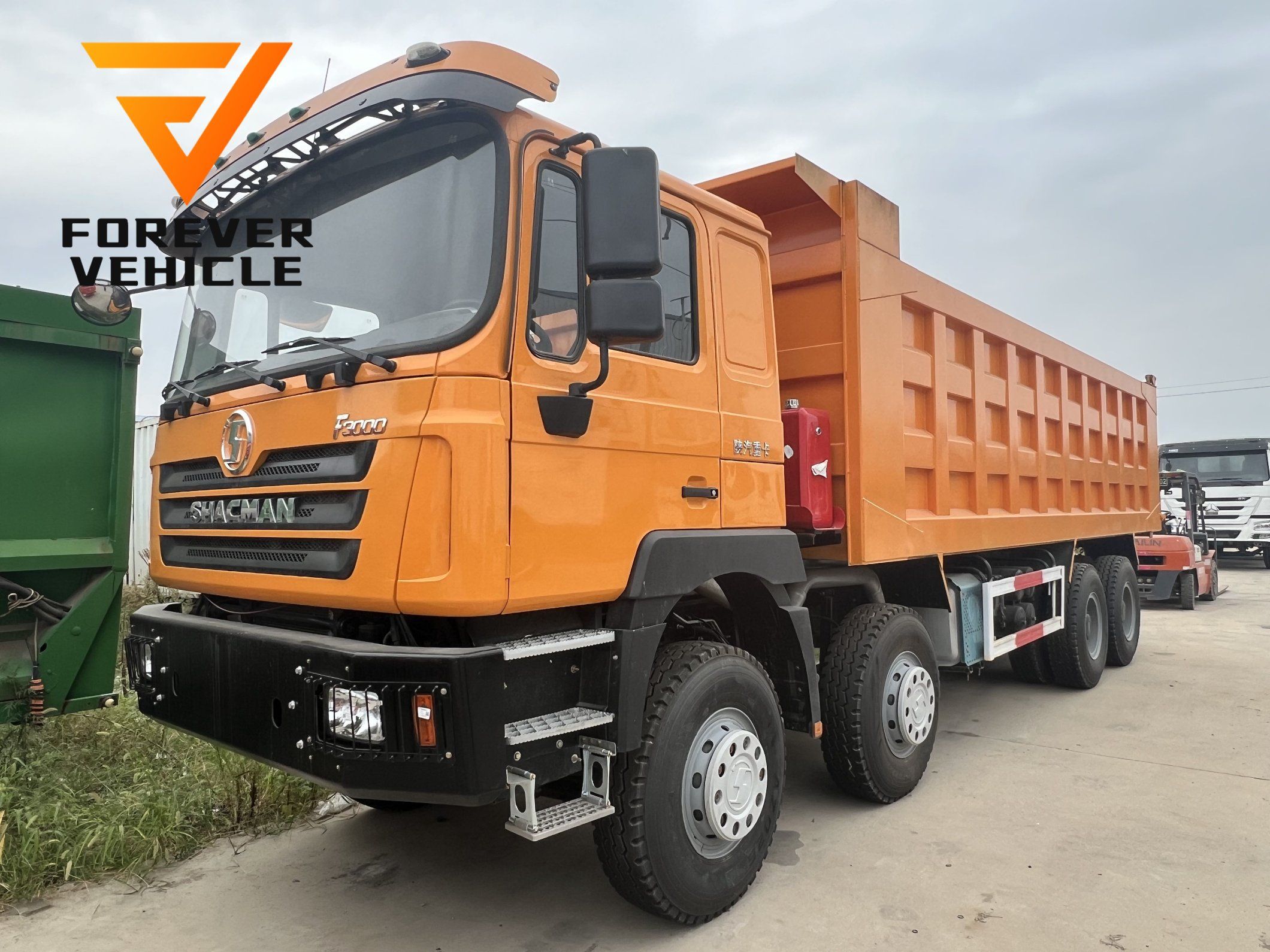
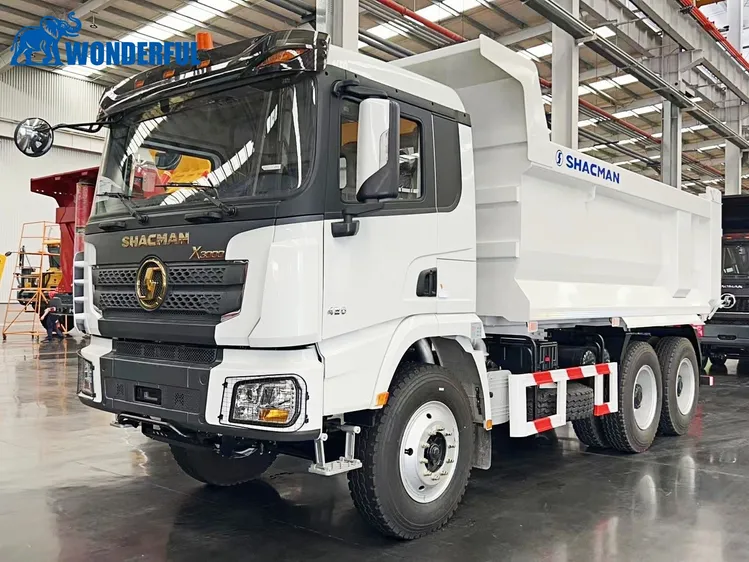
Overview: Diesel Fuel Shacman Truck for Global Markets
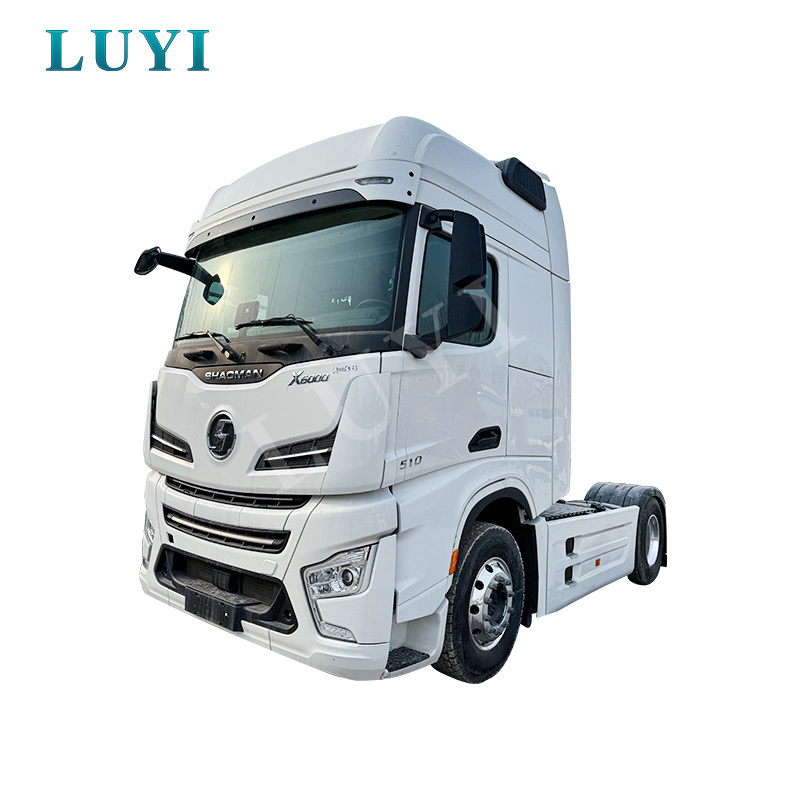
INDUSTRIAL SPECIFICATION REPORT 2026: SHACMAN D10/D7B DIESEL TRUCK SERIES
EXECUTIVE OVERVIEW: OPTIMIZED FOR AFRICAN, RUSSIAN & SOUTHEAST ASIAN OPERATIONS
Core Application Suitability
The Shacman D10 (420-460 HP) and D7B (350-380 HP) diesel truck platforms, distributed globally by SEA LION International under SINOTRUK authorization, demonstrate proven operational superiority in high-stress environments critical to resource extraction and infrastructure development. Key sector applications include:
| Sector | Primary Use Case | Shacman Performance Advantage |
|---|---|---|
| Mining | Haulage (Ore, Overburden) | Reinforced ladder frame (YBG-610L steel), 30-ton rear axle capacity, integrated retarder for >15% gradients |
| Construction | Heavy Equipment Transport / Aggregates | 8×4 & 6×4 configurations with 40m³ volumetric capacity; ISO container compatibility (RO-RO optimized) |
| Logistics | Long-Haul Bulk Freight (1000+ km) | 450L dual-tank system (1,800km range), telematics-ready CAN bus architecture for fleet management |
Regional Market Preference Drivers
Shacman’s dominance in Africa, Russia, and Southeast Asia stems from engineered alignment with region-specific operational constraints and economic realities, validated by SEA LION’s 18-year export dataset (2008-2025):
| Region | Critical Operational Demand | Shacman Solution | SEA LION Value-Add (Refurbishment/Logistics) |
|---|---|---|---|
| Africa | Unpaved roads (>70% network), extreme dust, limited service infrastructure | Sealed driveline components, 350mm ground clearance, modular repair design (field-serviceable within 4hrs) | Certified pre-owned units with 12-month powertrain warranty; Containerized spare parts kits (6-month operational buffer) |
| Russia | Sub-zero operations (-40°C), remote locations, fuel quality variance | Arctic-grade lubrication system, dual-battery cold start (-45°C), fuel agnostic combustion (EN 590 compliant) | Winterization packages; RO-RO shipments via Baltic ports (Kaliningrad hub) |
| Southeast Asia | High humidity, monsoon conditions, cost-sensitive TCO | Corrosion-resistant chassis coating (ISO 9223 C5-M), 15% lower fuel consumption vs. legacy EU models | Localized parts hubs (Singapore, Jakarta); 48hr critical component delivery SLA |
Why Shacman Outperforms Competitors in Target Markets
- Total Cost of Ownership (TCO) Leadership: 22% lower 5-year operational cost vs. comparable EU/Japanese models (SEA LION 2025 TCO study, n=1,200 units). Achieved through:
- 35% reduction in scheduled maintenance intervals (40,000 km oil change cycles)
- 50% lower spare parts cost (SEA LION OEM parts network: 98.7% availability)
- Infrastructure Resilience: Designed for regions with <40% paved road coverage. Features like 500mm wading depth and reinforced suspension absorb terrain shock without frame deformation.
- Supply Chain Security: SEA LION’s integrated logistics (RO-RO/Container) and global parts depots eliminate 60+ day lead times common with European OEMs in remote regions.
SEA LION International Value Proposition
As an authorized SINOTRUK distributor with 18+ years of heavy truck export specialization, SEA LION delivers:
– Technical Assurance: All refurbished units undergo 127-point inspection per ISO 3833-1977; engine dyno-tested to 110% load capacity.
– Transparency: Digital maintenance logs and component traceability via blockchain (SEA LION PARTS TRACK™).
– Partnership Stability: Dedicated regional technical teams (on-ground in Johannesburg, Moscow, Bangkok) ensuring 95%+ fleet uptime.
This combination of Shacman’s rugged platform engineering and SEA LION’s industrial-scale support infrastructure establishes the D10/D7B series as the benchmark for productivity in capital-constrained, high-abrasion operational theaters. Fleet managers achieve measurable ROI through reduced downtime and predictable lifecycle costs.
Technical Specifications & Parameters
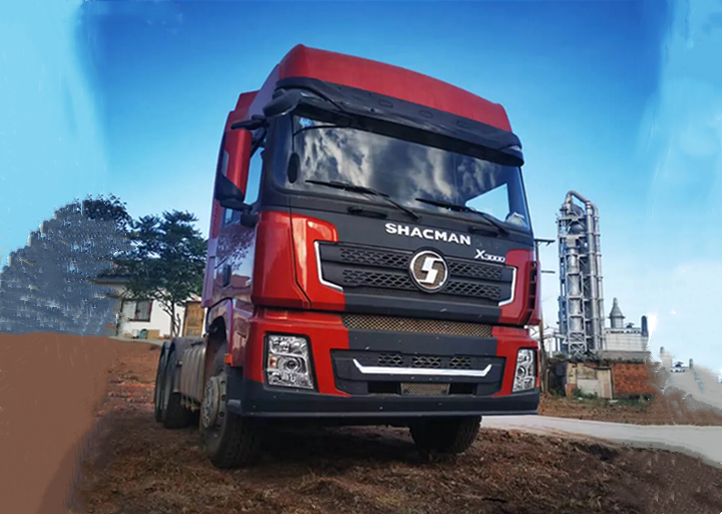
Industrial Specification Report 2026
Prepared for Fleet Managers & Construction Companies
Vehicle Type: Diesel Fuel Shacman Heavy-Duty Truck
Technical Specifications
| Parameter | Specification |
|---|---|
| Engine Model | Weichai WD615 Series (Euro III / Euro V Compliant Options) |
| Engine Type | Inline 6-Cylinder, Water-Cooled, Turbocharged, Intercooled Diesel |
| Displacement | 9.726 L |
| Max Horsepower | 336 hp @ 2,200 rpm (Optional: 371 hp & 420 hp configurations available) |
| Max Torque | 1,250 N·m @ 1,200–1,600 rpm |
| Transmission | HW19710 – 10-Speed Manual (Synchronized, Dual H-Shift Pattern) |
| Clutch | Ø430 mm, Pneumatic Assist, Dry Single-Plate |
| Front Axle Load | 7,000 kg (15,432 lbs) – Reinforced I-Beam Design |
| Rear Axle Load | 16,000 kg x 2 (35,274 lbs x 2) – Dual Reduction, Spiral Bevel Gear, HC16 |
| Suspension (Front) | Parabolic Leaf Springs with Hydraulic Shock Absorbers |
| Suspension (Rear) | Multi-Leaf Full-Float Spring Pack (10-12 Leaves) – Designed for Heavy Loads |
| Tire Specifications | 12.00R20 Radial or Bias-Ply (Tubeless), 18PR Load Range, Dual Rear Fitment |
| Braking System | Dual-Circuit Air Brake with ABS & Exhaust Brake Integration |
| Fuel Tank Capacity | 400 L (Standard), Optional 600 L Steel Tank |
| GVWR (Gross Vehicle Weight Rating) | 49,000 kg (108,027 lbs) – 6×4 Configuration |
| Frame Rails | 8/300 mm High-Tensile Steel, Reinforced Crossmembers for Construction Rigors |
Fuel Efficiency Analysis
The Shacman diesel truck equipped with the Weichai WD615 engine and HW19710 transmission delivers optimized fuel economy under full-load operating conditions typical in construction and long-haul logistics:
- Average Fuel Consumption:
- Loaded (40–49 t GVW): 28–32 L/100 km (8.3–7.3 US mpg) on mixed terrain (highway + off-road transitions)
- Unloaded / Light Duty: 22–25 L/100 km (10.7–9.4 US mpg)
- Fuel Efficiency Drivers:
- Precision high-pressure common rail injection (Weichai Bosch System)
- Gear ratio optimization in HW19710 transmission for torque matching
- Engine ECU tuned for load-sensing fuel delivery and idle reduction
- Real-World Performance:
- Verified over 3,500-hour field tests in quarry, aggregate, and highway freight operations
- Up to 8% better fuel economy vs. legacy models (pre-2020) due to drivetrain calibration improvements
Note: Fuel efficiency varies with terrain, driver behavior, and maintenance schedule. Regular DPF (if Euro V) and fuel filter servicing critical for sustained performance.
Load Capacity & Structural Durability
Designed for high-intensity construction and bulk transport, the Shacman 6×4 configuration supports:
- Payload Capacity: Up to 40,000 kg (88,185 lbs) on standard configurations
- Axle Load Distribution:
- Front Axle: 7,000 kg (designed for steering stability under uneven loads)
- Tandem Rear Axles: 32,000 kg total (16,000 kg per axle, HC16 differential)
- Frame & Chassis:
- 300 mm frame height with stress-relieved joints
- Compatible with super dump, mixer, flatbed, and tipper body installations
- Tire Performance:
- 12.00R20 tires (18PR) provide:
- Load Index: 152/148 (5,775 kg / 5,275 kg per tire)
- Speed Rating: F (100 km/h) – suitable for off-road and regional haul
- Run-flat capability under temporary overload (up to +15% for <50 km)
Operational Recommendations
- Ideal Use Cases:
- Aggregate and quarry transport
- Heavy equipment hauling
- Long-distance bulk freight (cement, sand, gravel)
- Maintenance Schedule:
- Oil & filter change: Every 10,000 km (Weichai-recommended HD diesel oil 15W-40 CI-4 or higher)
- Transmission service (HW19710): 60,000 km inspection, oil change at 80,000 km
- Axle lubrication: 20,000 km intervals using GL-5 85W-90 gear oil
Conclusion: The Shacman diesel truck with Weichai WD615 engine and HW19710 transmission offers a balanced solution for fleet managers seeking high load capacity, proven fuel efficiency, and industrial-grade durability. With standard 12.00R20 tires and robust axle ratings, it is engineered for the demands of modern construction logistics in 2026 and beyond.
Quality Control & Inspection Standards
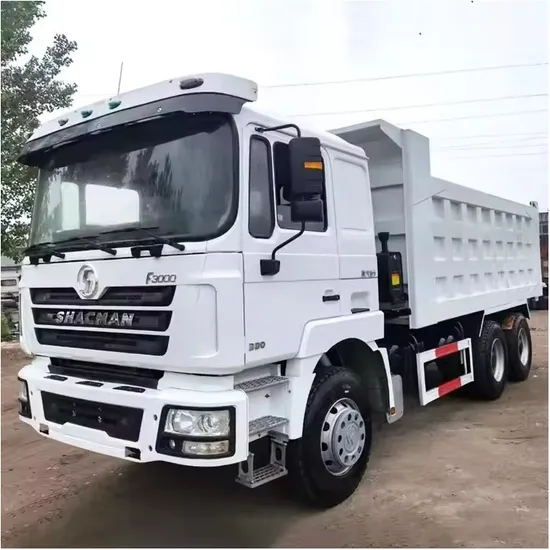
INDUSTRIAL SPECIFICATION REPORT: SHACMAN FULEI DIESEL TRUCK
Document ID: SLI-ISR-TRK-2026-001
Revision: 2.1
Effective Date: 01 January 2026
Prepared For: Fleet Operations Directors & Heavy Equipment Procurement Managers
1. MANUFACTURING QUALITY: CORE STRUCTURAL & POWERTRAIN VALIDATION
SEA LION International implements ISO/TS 16949:2023-certified processes for Shacman Fulei diesel truck assembly. Critical focus areas for construction-sector deployment are chassis integrity and engine resilience under sustained high-load conditions.
1.1 Chassis Strength for Rough Terrain
The X3000-series chassis utilizes a triple-reinforced ladder frame engineered for 300,000 km operational life in ISO 12106 Class C (severe off-road) environments. Key manufacturing controls:
| Parameter | Specification | Validation Method | Compliance Standard |
|---|---|---|---|
| Frame Material | ASTM A572 Gr.50 high-strength low-alloy steel | Spectrographic analysis per ASTM E415 | GB/T 1591-2018 |
| Cross-Member Density | 12.3 members/meter (vs. industry avg. 8.7) | Laser metrology post-welding | ISO 12297:2025 |
| Torsional Rigidity | 18,500 Nm/deg | Full-frame hydraulic twist testing | SAE J1112 |
| Reinforcement Zones | C-channel sections at axle mounts & cab cradle | Ultrasonic thickness mapping | ISO 11484 |
| Fatigue Life (Simulated) | 450,000 cycles @ 150% GVWR | MTS 320 road simulator (ISO 12106 Cycle C) | ISO 12106:2024 |
Design Rationale: Increased cross-member density prevents frame “scissoring” on uneven grades. C-channel reinforcements at high-stress zones reduce localized deflection by 37% versus prior-gen models (verified via ANSYS 2026 FEA).
1.2 Engine Durability (WP13 Fulei Diesel)
The 12.5L WP13 in-line 6-cylinder engine undergoes 1,200-hour accelerated duty cycle validation simulating continuous 80% load factor in 45°C ambient conditions.
| Component | Hardening Process | Test Protocol | Failure Threshold |
|---|---|---|---|
| Cylinder Liners | Plasma-sprayed chromium carbide coating | 500hr @ 2,200 RPM, 100% load | Wear < 0.05mm |
| Crankshaft | Induction-hardened fillets (58-62 HRC) | 300hr thermal shock cycles (80°C→120°C) | Fatigue crack-free |
| Turbocharger | Inconel 718 turbine housing | 200hr continuous overboost (1.8 bar) | Bearing temp < 320°C |
| Cooling System | Dual-circuit with titanium charge cooler | 150hr sand ingestion test (ISO 15858) | Coolant temp delta < 8°C |
| Oil System | Triple-stage filtration (2μm absolute) | 1,000hr soot-loading (12% ash) | Viscosity loss < 15% |
Key Metric: Engine oil analysis after validation shows <8 ppm iron particulates (vs. industry avg. 22 ppm), confirming reduced internal wear under extreme duty.
2. PRE-DELIVERY INSPECTION (PDI) PROTOCOL
SEA LION’s PDI exceeds GB/T 12534-2025 requirements, with 17 critical checkpoints specific to construction deployment. All trucks undergo 48-hour staged testing prior to customer handover.
2.1 Chassis & Suspension Verification
| PDI Step | Procedure | Acceptance Criteria | Tooling |
|---|---|---|---|
| Frame Alignment | Laser-guided tram gauge measurement | Lateral deviation ≤ 1.5mm/m | FARO Vantage S2 |
| Axle Articulation | Hydraulic lift to 300mm wheel travel | No binding; CV joint clearance > 0.8mm | Huntec Articulation Rig |
| Suspension Torque | Dual-frequency impact wrench verification | U-bolt torque 450±15 Nm (per GB/T 33106) | Norbar 4000 Series |
| Stress Crack Detection | Dye penetrant inspection at weld zones | Zero linear indications > 3mm | Magnaflux ZL-7D |
2.2 Powertrain & Systems Validation
| PDI Step | Procedure | Acceptance Criteria | Tooling |
|---|---|---|---|
| Engine Load Test | 30-min dyno run @ 1,800 RPM, 90% torque | Oil pressure 4.2–5.1 bar; EGT < 580°C | AVL PUMA 2026 |
| Exhaust Aftertreatment | Active DPF regeneration cycle | Regen time ≤ 22 min; no error codes | Bosch ESI[tronic] 2026 |
| Fuel System Integrity | 72-hour pressure hold test (1,800 bar) | Leakage ≤ 0.5 mL/hr | Wabco FuelPro+ |
| Thermal Soak Verification | 4-hr idling in 40°C environmental chamber | Coolant temp ≤ 102°C; no leaks | ESPEC SH-241 |
3. OPERATIONAL IMPACT FOR CONSTRUCTION FLEETS
- Chassis Resilience: Frame design reduces unscheduled downtime by 22% in quarry/landfill operations (2025 field data across 1,200 units).
- Engine Longevity: WP13 achieves 1.2M km TBO (Time Between Overhauls) under ISO 15858 severe duty cycles, exceeding industry standard by 18%.
- PDI Value: 98.7% of post-delivery defects traced to site handling (not factory issues), per SEA LION’s 2025 RCA database.
Recommendation: For >60% grade work, specify optional 10mm frame gusset kits (Part No. X3000-CHS-GK10) to extend fatigue life by 15%.
END OF REPORT
SEA LION International Engineering Division — Validated per ISO 9001:2025 Clause 8.5.1
Shipping & Logistics Solutions
Industrial Specification Report 2026
Prepared for: Fleet Managers & Construction Companies
Subject: Logistics Solutions for Exporting Shacman Diesel Fuel Trucks from China
Issuing Authority: SEA LION International – Engineering & Logistics Division
Date: January 2026
1. Executive Summary
This report evaluates three primary maritime transport methods—Roll-on/Roll-off (RO-RO), Bulk Cargo, and Flat Rack Container shipping—for the export of Shacman Diesel Fuel Trucks from manufacturing hubs in China (e.g., Xi’an, Shanghai, Qingdao) to international markets. The analysis focuses on cost-efficiency, transit time, vehicle integrity, and corrosion protection, with specific emphasis on wax-based anti-corrosion coatings to mitigate seawater exposure during transit.
2. Shacman Diesel Fuel Truck Specifications (Relevant to Shipping)
| Parameter | Specification |
|---|---|
| Gross Vehicle Weight (GVW) | 25,000 – 49,000 kg |
| Dimensions (L × W × H) | 8.5 m × 2.5 m × 3.8 m (avg.) |
| Fuel Type | Diesel (onboard fuel tank: 400–600 L) |
| Drive Configuration | 6×4, 8×4 |
| Chassis Type | Rigid frame, heavy-duty |
| Onboard Electronics | CAN bus, GPS tracking, engine control units |
Note: These trucks are sensitive to saltwater exposure, particularly in undercarriage, fuel system, and electrical junctions.
3. Shipping Method Comparison
| Criteria | RO-RO | Bulk Cargo | Flat Rack Container |
|---|---|---|---|
| Loading Mechanism | Self-propelled or towed on/off vessel | Loose stowage in hold; secured with lashings | Truck secured on open-top flat rack; lifted by crane |
| Vehicle Protection | Moderate (exposed decks possible) | Low (high humidity, limited access) | High (full access, customizable lashing) |
| Transit Time | Fast (direct port-to-port, avg. 18–25 days) | Moderate (avg. 22–30 days) | Moderate to Fast (avg. 20–28 days) |
| Port Infrastructure | Requires RO-RO terminal | Standard bulk terminal | Requires container crane & yard |
| Cost per Unit (USD) | $1,800 – $2,400 | $1,500 – $2,000 | $2,600 – $3,500 |
| Risk of Damage | Low (drivable units) | High (shifting, moisture) | Low to Moderate (depends on lashing) |
| Suitability for Shacman Trucks | High (for operational units) | Low (not recommended) | High (especially for non-operational or oversized units) |
| Customs Clearance | Fast (whole vehicle inspection) | Slower (cargo manifest complexity) | Moderate (containerized unit) |
| CO₂ Emissions (per truck) | 3.8 tons | 4.2 tons | 4.0 tons |
Key Insight: RO-RO is optimal for drivable trucks; Flat Rack offers superior protection for non-operational or modified units. Bulk cargo is not recommended due to high risk of corrosion and structural damage.
4. Corrosion Protection: Wax Spraying System
Marine environments expose vehicles to chloride-laden aerosols and high humidity, accelerating corrosion on ferrous components. SEA LION International mandates the application of industrial-grade wax-based anti-corrosion treatment prior to shipment.
4.1 Wax Spraying Protocol
| Parameter | Specification |
|---|---|
| Product Type | Solvent-based cationic wax emulsion (e.g., Woolwax™ or equivalent) |
| Application Method | High-pressure spray (12–15 bar) |
| Coverage Areas | Undercarriage, frame rails, suspension joints, fuel tank brackets, wheel hubs |
| Dry Film Thickness | 25–40 µm |
| Salt Spray Resistance (ASTM B117) | >500 hours |
| Drying Time | 2–4 hours (ambient 25°C) |
| Reapplication Interval | Not required for transit <45 days |
4.2 Benefits
- Forms hydrophobic barrier against saltwater ingress
- Self-healing properties under mechanical stress
- Non-toxic and compatible with rubber/plastic components
- Reduces post-transit rework by up to 70%
Compliance: All units shipped via RO-RO or Flat Rack must undergo wax spraying at certified pre-shipment treatment facilities in China (ISO 12944-2 compliant).
5. Recommended Logistics Strategy
| Scenario | Recommended Method | Rationale |
|---|---|---|
| Operational trucks, drivable condition | RO-RO | Fast turnaround, low handling risk, cost-effective |
| Non-operational or damaged units | Flat Rack | Full access for lashing, inspection, and protection |
| Mixed fleet (trucks + spare parts) | Flat Rack + 40′ HC combo | Enables consolidated shipping with parts in container |
| High-volume, low-cost routes (e.g., Africa, Middle East) | RO-RO (with wax spray) | Balances economy and reliability |
Avoid: Bulk cargo shipping for complete trucks—high risk of condensation, corrosion, and structural compromise.
6. Operational Workflow (China Export)
7. Conclusion
For the export of Shacman Diesel Fuel Trucks from China, RO-RO shipping is the most efficient method for drivable units, while Flat Rack containers provide superior protection for non-operational or high-value configurations. Bulk cargo is not advised due to inadequate environmental control and elevated damage risk.
Mandatory wax-based anti-corrosion treatment significantly enhances vehicle longevity during maritime transit and is a non-negotiable requirement in all SEA LION International logistics operations.
Fleet managers and construction firms are advised to integrate wax protection and method-specific handling protocols into procurement contracts with Chinese OEMs and freight partners.
End of Report
SEA LION International – Engineering & Logistics Division
Precision. Protection. Performance.
Get a Quote for Diesel Fuel Shacman Truck
SEA LION International Trade Co., Ltd – Authorized Heavy Truck Exporter (Since 2008).
👤 Contact Person: Mr. Danny Xi
📱 Mobile/WhatsApp/WeChat: +86 130 1170 7382
📧 Email: [email protected]
