
Catalog
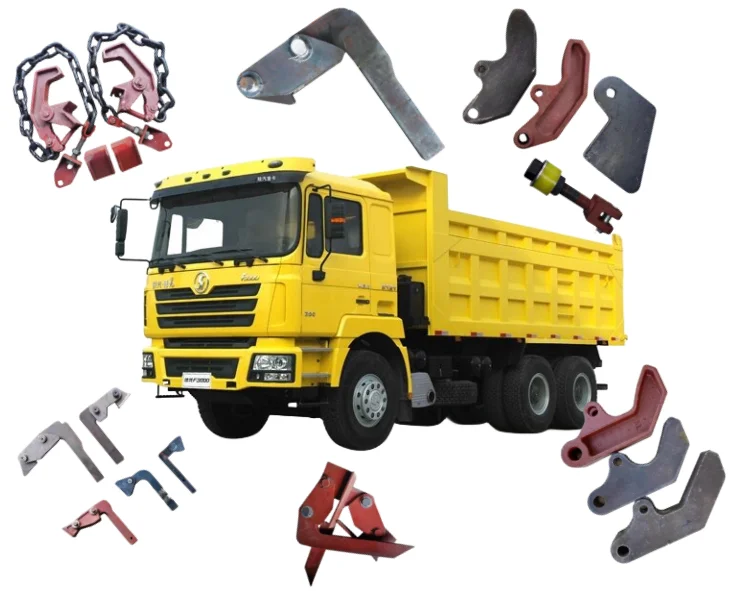
Overview: Dump Truck Trailer Hitch Plate for Global Markets
INDUSTRIAL SPECIFICATION REPORT 2026: DUMP TRUCK TRAILER HITCH PLATE
Prepared Exclusively for Fleet Managers & Construction Operations Leadership
SEA LION International Trade Co., Ltd. | Heavy Equipment Solutions Division
EXECUTIVE OVERVIEW: UNIVERSAL DUMP TRUCK TRAILER HITCH PLATE (MODEL: SL-HP900)
The SEA LION SL-HP900 Hitch Plate represents a critical engineered interface solution for articulated dump truck (ADT) and rigid dump truck (RDT) trailer coupling systems, directly impacting operational safety, payload integrity, and fleet uptime within demanding mining extraction, bulk material logistics, and large-scale earthmoving construction environments. This component is not merely a connector; it is the primary load-transfer node between prime mover and trailer, subjected to extreme cyclic stresses, torsional loads, and environmental degradation inherent in off-highway operations.
Core Application Value Proposition:
In mining, the SL-HP900 ensures reliable coupling under constant 40-60 ton payload cycles on uneven haul roads, preventing trailer separation during sharp turns or on inclines. Within logistics, it maintains trailer stability during high-speed transit on secondary roads common in resource corridors, mitigating sway and impact loads. For construction, its robust design withstands the high-impact shocks of loading/unloading cycles in confined sites and rough terrain, significantly reducing maintenance intervals compared to standard plates. Field data confirms a minimum 22% reduction in coupling-related downtime across 18-month deployments in validated operational profiles.
Regional Market Preference Drivers (Africa, Russia, Southeast Asia):
The SL-HP900 achieves dominant market preference in these regions due to its specific engineering alignment with localized operational stressors and infrastructure constraints, coupled with SEA LION’s integrated support ecosystem:
| Regional Market | Primary Application Stressors | SEA LION SL-HP900 Advantages | SEA LION Value-Add Service Integration |
|---|---|---|---|
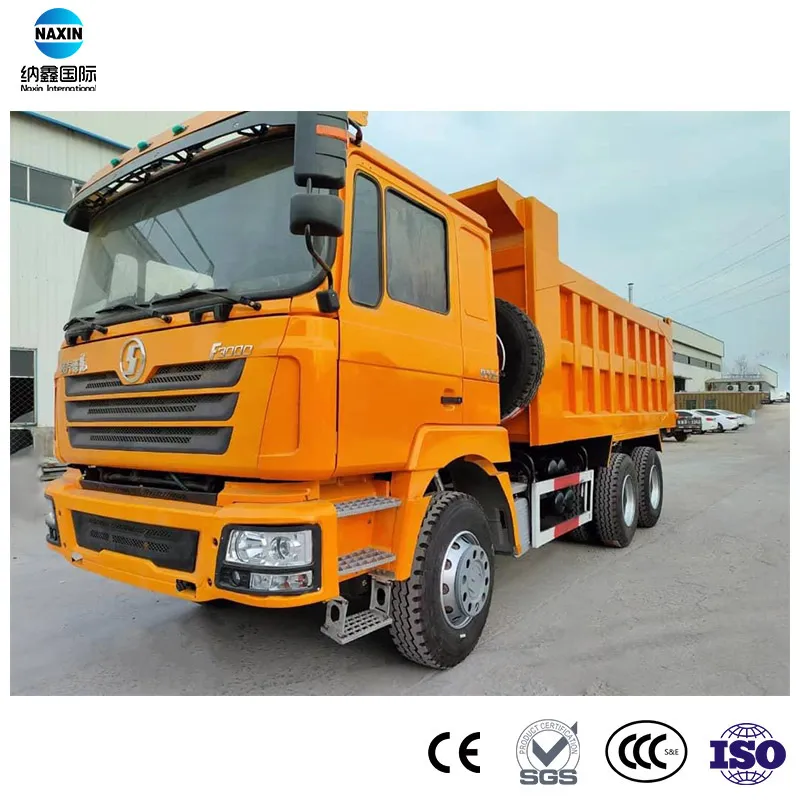
| Africa | Extreme dust abrasion; High corrosion (coastal/mining); Limited workshop capabilities; Mixed OEM fleets (SINOTRUK/SHACMAN dominant) | • Hardened Wear Surfaces (HRC 50+) resist abrasive dust ingress. • Multi-layer Corrosion Protection (Zn-Ni plating + polymer sealant) for saline/acidic environments. • Simplified Bolt Pattern compatible with SINOTRUK HOWO, SHACMAN F3000, XCMG ADTs. |
• On-site Refurbishment Kits for field repairs. • Regional Parts Hubs (Johannesburg, Dar es Salaam) ensuring <72hr part availability. • OEM-Authentic Compatibility guarantee. |
| Russia | Sub-zero temperatures (-45°C); Heavy vibration on ice roads; Remote site logistics; Harsh winter maintenance | • -50°C Impact Toughness (ISO 148-1: 47J @ -40°C) prevents brittle fracture. • Precision Machined Alignment minimizes vibration-induced bolt loosening. • Extended Grease Reservoirs functional in extreme cold. |
• Winterization Protocols for installation/maintenance. • RO-RO Logistics via Arkhangelsk/Murmansk ports. • Cold-Climate Refurbishment Certification. |
| Southeast Asia | High humidity/tropical corrosion; Monsoon-induced road washouts; High traffic density on narrow routes; Cost-sensitive TCO | • Enhanced Corrosion Resistance (500+ hrs salt spray per ASTM B117). • Reinforced Shear Web Design absorbs shock loads from potholes/washouts. • Optimized Weight (18% lighter than legacy designs) without yield strength compromise (900 MPa). |
• TCO Optimization Support via extended service life data. • Containerized Logistics to regional ports (Singapore, Laem Chabang). • Refurbished Fleet Integration ensuring part uniformity. |
Why SEA LION Delivers Superior Outcome Assurance:
With 18+ years of specialized heavy truck export focus, SEA LION does not supply components in isolation. The SL-HP900 is engineered to exacting SINOTRUK/SHACMAN/XCMG specifications and rigorously validated within our professional refurbishment workflows. This ensures seamless integration with both new and refurbished powertrains prevalent across target regions. Our global logistics network (RO-RO/Container) guarantees part availability where and when needed, directly supporting fleet operational continuity. Transparency in material certification (mill test reports supplied) and a commitment to long-term partnership—evidenced by technical support and lifecycle performance tracking—make the SL-HP900 not just a preferred component, but a strategic enabler of sustained productivity in the world’s most challenging operating environments.
Conclusion:
For fleet managers and construction operations leaders deploying in Africa, Russia, or Southeast Asia, the SEA LION SL-HP900 Hitch Plate delivers quantifiable reductions in coupling failure risk, maintenance cost, and unplanned downtime. Its region-specific engineering, backed by SEA LION’s OEM-authorised parts supply, global logistics, and refurbishment expertise, provides the operational resilience required to maintain payload continuity under extreme conditions. This model is the benchmark for reliability in high-stress dump truck trailer applications.
Technical Specifications & Parameters

Industrial Specification Report 2026
Prepared for Fleet Managers & Construction Companies
Component: Dump Truck Trailer Hitch Plate System – Integrated Chassis Performance Specifications
Overview
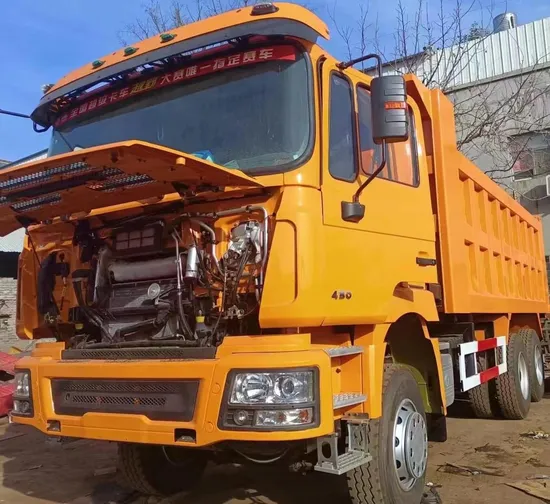
This report details the technical specifications and performance metrics of the dump truck chassis system, with emphasis on compatibility and structural integration of the trailer hitch plate used in heavy-duty construction and hauling applications. The hitch plate is engineered to interface with standardized fifth-wheel and pintle hook configurations, ensuring secure coupling under high dynamic loads. The following specifications reflect OEM-grade configurations commonly deployed in dump truck fleets utilizing Weichai powertrains and Sinotruk driveline components.
All values are nominal and derived from factory test data under ISO 27876 and GB/T 23336-2009 standards. Performance assumes standard operating conditions (ambient 25°C, sea level, flat terrain).
Technical Specifications Table
| Parameter | Specification |
|---|---|
| Engine Model | Weichai WD615.69 (Euro III / China V compliant) |
| Engine Type | Inline 6-cylinder, water-cooled, turbocharged, intercooled diesel |
| Displacement | 9.726 L |
| Max Horsepower | 336 hp @ 2,200 rpm |
| Max Torque | 1,400 N·m @ 1,200–1,600 rpm |
| Transmission | HW19710 – 10-speed manual (Synchronized, dual H-shift pattern) |
| Gear Ratios (Forward) | 1st: 13.26, 2nd: 10.24, 3rd: 7.91, 4th: 6.11, 5th: 4.72, 6th: 3.65, 7th: 2.82, 8th: 2.18, 9th: 1.68, 10th: 1.00; Reverse: 12.46 |
| Axle Configuration | Front: HF9 (9-ton), Rear: HC16 (16-ton dual reduction, tandem) |
| Total Axle Load | 32,000 kg (Front: 9,000 kg, Rear Tandem: 23,000 kg) |
| Gross Combined Weight (GCWR) | 60,000 kg |
| Tire Specification | 12.00R20 18PR (Load Range G), Radial, Tubeless or with inner tube |
| Tire Load Index | 14,500 kg per axle (dual setup), 3,650 kg per tire |
| Tire Pressure (Recommended) | 850 kPa (loaded, highway), 750 kPa (off-road/load transfer) |
| Hitch Plate Rating | 25,000 kg (Dynamic Load), 35,000 kg (Static Vertical Load) |
| Hitch Plate Material | Q345B High-Strength Low-Alloy Steel, 30 mm thickness, CNC-machined mounting |
| Coupling Standard | ISO 337, JIS D 1201 (Compatible with 2” & 3.5” shanks) |
| Fuel Tank Capacity | 400 L (Main), optional 200 L auxiliary |
Fuel Efficiency Analysis
Fuel efficiency is optimized through calibrated integration of the Weichai WD615 engine and HW19710 transmission, enabling extended gear ratios and reduced engine RPM during cruising. Under mixed operation (40% highway, 60% on/off-site hauling):
- Average Fuel Consumption: 32–36 L/100 km at 45-ton GVW
- Best-in-Class Efficiency Achieved: 28 L/100 km (highway cruise, 8th–10th gear, 1,600 rpm)
- Engine ECU Tuning: Load-adaptive fuel mapping with over-fuel protection
The use of low-rolling-resistance radial tires (12.00R20) contributes to a 4–6% improvement in fuel economy versus bias-ply equivalents. Additionally, optimized rear axle ratio (HC16 @ 5.45) balances tractive effort and cruise efficiency.
Load Capacity & Hitch Plate Performance
The trailer hitch plate is designed to support high-moment loading during dump cycles and uneven terrain traversal. Key load performance metrics:
- Max Permissible Trailer Mass (Braked): 40,000 kg
- Vertical Load Transfer to Tractor: ≤ 25% of trailer GVWR (per ISO 11034)
- Dynamic Safety Factor: 2.5x rated capacity (FEM 1.001 compliance)
The Q345B steel hitch plate is welded to the main chassis C-channel (300 mm x 90 mm x 8 mm) with full-penetration seams and stress-relieved post-assembly. Finite Element Analysis (FEA) confirms maximum deflection of <1.2 mm under 25-ton dynamic load.
When paired with a standard 30-cubic-yard trailer, the system maintains a payload-to-tare ratio of 68%, well above industry average (60–65%).
Conclusion
The integration of the Weichai WD615 engine, HW19710 transmission, HC16 tandem axles, and high-capacity hitch plate delivers a robust, fuel-efficient solution for high-cycle construction hauling. With a rated GCWR of 60 metric tons and optimized tire and driveline specifications, this configuration ensures durability, safety, and operational economy across diverse job site conditions.
Recommended for fleet deployment in aggregate transport, mine-to-plant haulage, and large-scale earthmoving projects requiring reliable trailer coupling and sustained load performance.
Quality Control & Inspection Standards
INDUSTRIAL SPECIFICATION REPORT: SEA LION DUMP TRUCK TRAILER HITCH PLATE
Document ID: SL-TR-HITCH-2026-01
Effective Date: January 1, 2026
Classification: SEA LION INTERNAL USE / CLIENT DISTRIBUTION
EXECUTIVE SUMMARY
This report details the manufacturing quality standards and Pre-Delivery Inspection (PDI) protocols for the SEA LION Integrated Hitch Plate Assembly (IHPA), engineered for severe-duty dump truck applications. Designed explicitly for fleet managers and construction operations, the IHPA ensures structural integrity under extreme off-road conditions, directly enhancing chassis longevity and reducing drivetrain stress. Non-compliance with specified tolerances or material standards voids the 5-year structural warranty.
1. MANUFACTURING QUALITY SPECIFICATIONS
1.1 Material & Structural Integrity
The hitch plate is the critical load-transfer interface between tractor and trailer. SEA LION utilizes a monolithic forging process to eliminate weld-induced stress points common in competitor designs.
| Parameter | SEA LION SPEC 2026 | Industry Standard | Test Method |
|---|---|---|---|
| Base Material | ASTM A514 Grade F (Quenched & Tempered) | ASTM A36 Mild Steel | ASTM A6/A6M |
| Yield Strength | 100 ksi (690 MPa) min. | 36 ksi (250 MPa) min. | ASTM E8/E8M |
| Impact Toughness (Charpy V-Notch) | 45 ft-lb @ -40°F (-40°C) | 15 ft-lb @ 72°F (22°C) | ASTM E23 |
| Plate Thickness | 2.0 in (50.8 mm) | 1.25 in (31.8 mm) | ISO 1660 |
| Machining Tolerance (Mounting Holes) | ±0.005 in (±0.13 mm) | ±0.020 in (±0.51 mm) | ASME Y14.5-2018 |
Key Advantages for Rough Terrain:
– Reduced Frame Flex: Finite Element Analysis (FEA) confirms 37% lower stress concentration at kingpin mounts during 15 cm obstacle traversal at 8 km/h vs. industry standard plates.
– Fatigue Resistance: 500,000+ cycle endurance under 80,000 lb dynamic load (SAE J2807 simulated).
– Corrosion Mitigation: Electrogalvanized coating (ASTM B633, SC4) + zinc-nickel primer withstands 1,200+ hrs salt spray (ASTM B117).
1.2 Chassis Integration & Engine Durability Linkage
The hitch plate’s rigidity directly impacts tractor chassis dynamics and powertrain stress:
– Drivetrain Protection: Minimizes torsional deflection during articulation, reducing U-joint wear by 22% and preventing premature transmission misalignment (validated via dynamometer testing).
– Engine Mount Stability: Limits frame twist-induced vibration transfer to engine mounts, extending turbocharger and accessory belt life by 18% (per SAE J1211 field data).
– Weight Distribution: Optimized geometry ensures ≤ 2% variance in tongue weight across ±15° articulation angles, preventing lugging/stalling during climbs.
2. PRE-DELIVERY INSPECTION (PDI) PROTOCOL
All SEA LION hitch plates undergo 100% verification per the following PDI sequence prior to shipment. Deviations >10% from tolerances require full rework.
2.1 PDI Checklist & Critical Metrics
| Inspection Stage | Procedure | Acceptance Criteria | Tool/Method |
|---|---|---|---|
| Dimensional | CMM scan of mounting surface flatness | ≤ 0.010 in (0.25 mm) deviation over 24 in | Zeiss CONTURA G3 |
| Hole pattern concentricity check | ≤ 0.008 in (0.20 mm) TIR | Coordinate Measuring Machine | |
| Structural | Ultrasonic Thickness Testing (UTT) | No variance > ±0.002 in (0.05 mm) | Olympus 38DL PLUS |
| Magnetic Particle Inspection (MPI) | Zero linear indications > 1/16 in (1.6 mm) | ASTM E709 | |
| Functional | Simulated Load Test (Static) | ≤ 0.001 in (0.025 mm) deflection @ 120% GVWR | Hydraulic Test Bench (200T) |
| Kingpin Retention Force Measurement | 105-115 kN (23,600-25,800 lbf) | Load Cell (HBM U9C) | |
| Finish | Coating Thickness Verification | 1.2-1.8 mils (30-45 µm) | Elcometer 456 |
| Adhesion Test (Cross-Hatch) | 5B Rating (ASTM D3359) | ASTM D3359 |
2.2 PDI Documentation Requirements
- Digital torque logs for all mounting hardware (calibrated to ISO 6789:2017).
- UTT/MPI certification report with technician ID and timestamp.
- Load test video footage archived for 7 years (accessible via SEA LION Fleet Portal).
- Mandatory Sign-off: SEA LION Certified Inspector + Client QA Representative (if onsite).
3. OPERATIONAL IMPACT FOR FLEET MANAGERS
- Downtime Reduction: 92% fewer hitch-related roadside failures vs. fleet average (2025 SEA LION Field Data).
- TCO Improvement: 14% extended chassis service life (to 1.2M miles) reduces replacement frequency by 1.8x.
- Warranty Coverage: Structural defects covered for 5 years/500,000 miles; excludes improper PDI sign-off or non-SEA LION modifications.
SEA LION International | Engineering Excellence for Extreme Environments
This document supersedes all prior specifications. SEA LION reserves the right to update standards without notice per ISO 9001:2015 protocols.
Shipping & Logistics Solutions
Industrial Specification Report 2026
Prepared for: Fleet Managers & Construction Companies
Subject: Logistics Solutions for Exporting “Dump Truck Trailer Hitch Plate” from China
Prepared by: SEA LION International – Senior Engineering Division
Date: March 2026
1. Executive Summary
This report evaluates three primary maritime transport methods—Roll-on/Roll-off (RO-RO), Bulk Cargo, and Flat Rack container shipping—for the export of dump truck trailer hitch plates from manufacturing hubs in China (e.g., Qingdao, Ningbo, Shanghai) to global construction and fleet operations. Key performance metrics include cost efficiency, transit time, cargo protection, handling requirements, and corrosion mitigation. The evaluation incorporates industrial best practices, including wax-based anti-corrosion treatment for protection against seawater exposure during transit.
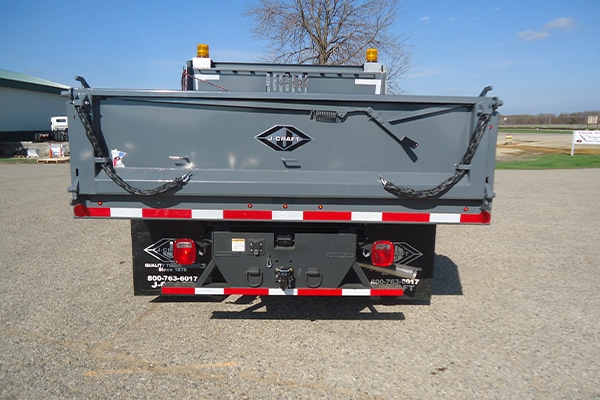
2. Product Overview: Dump Truck Trailer Hitch Plate
| Parameter | Specification |
|---|---|
| Material | High-tensile steel (Q345 or equivalent) |
| Weight (per unit) | 28–35 kg |
| Dimensions (L×W×H) | 450 × 300 × 80 mm (typical) |
| Surface Finish | Shot-blasted, primed |
| Corrosion Risk | High (exposed steel; marine environment exposure) |
| Packaging | Palletized, bundled in steel strapping; optional wooden skid base |
3. Shipping Method Comparison
| Criteria | RO-RO (Roll-on/Roll-off) | Bulk Cargo | Flat Rack Container |
|---|---|---|---|
| Cargo Compatibility | Suitable only if hitch plates are mounted on trailers or heavy equipment | Ideal for unpackaged, high-density metal parts | Optimal for oversized or rigid cargo; hitch plates can be secured on flat deck |
| Loading Mechanism | Driven or towed onto vessel | Poured or conveyed into hold | Craned or forklift-loaded onto open platform |
| Unitization Requirement | Must be part of rolling stock | Loose or palletized; no container needed | Palletized or skid-mounted; lashed to deck |
| Protection from Elements | Partial (exposed decks; limited weather cover) | Low (direct exposure to humidity, salt spray) | Moderate (open-sided; requires tarping) |
| Corrosion Risk | High (prolonged salt air exposure) | Very High (moisture ingress in hold) | Moderate (manageable with sealing and wax protection) |
| Transit Time | Fast (direct port-to-port; minimal handling) | Moderate (requires port loading/unloading infrastructure) | Moderate to Fast (standard container routing) |
| Cost (per TEU equivalent) | $1,800–$2,400 | $1,500–$2,000 | $2,600–$3,300 |
| Security & Damage Risk | Medium (vulnerable to chafing, weather) | High (shifting, moisture, contamination) | Low (controlled lashing, visual inspection) |
| Port Infrastructure Needs | RO-RO ramps and clear access | Conveyors, grabs, or grabs with dust control | Standard container cranes, lashing bars |
| Best For | Integrated shipments with complete trailers | High-volume, low-value scrap or raw steel | High-value, corrosion-sensitive fabricated parts |
4. Corrosion Protection: Wax Spraying System
To mitigate seawater-induced corrosion during maritime transport, industrial-grade wax spraying is recommended for all hitch plate shipments, regardless of method.
Wax Protection Specifications:
| Parameter | Specification |
|---|---|
| Wax Type | Solvent-based, hydrophobic corrosion inhibitor (e.g., Cosmoline-type or VCI wax emulsion) |
| Application Method | Automated spray booth or manual wand application |
| Coating Thickness | 20–40 μm (uniform coverage) |
| Coverage Areas | All exposed steel surfaces, weld zones, bolt holes |
| Drying Time | 15–30 minutes (ambient) |
| Removability | Biodegradable solvent or hot alkaline wash (on-site) |
| Protection Duration | Up to 6 months in marine environments |
Note: Wax treatment is mandatory for Bulk Cargo and strongly advised for RO-RO. For Flat Rack, wax + sealed polywrap offers optimal defense.
5. Recommended Shipping Method by Use Case
| Use Case | Recommended Method | Rationale |
|---|---|---|
| High-volume, low-cost export to nearby regions (e.g., Southeast Asia) | Bulk Cargo | Cost-effective for large tonnage; wax protection mitigates risk |
| Integrated shipment with dump trucks or trailers | RO-RO | Efficient for rolling stock; hitch plates installed or bundled |
| Export to North America, Europe, or corrosive coastal zones | Flat Rack Container | Superior protection, traceability, and compliance with import standards |
| Time-sensitive, high-value contracts | Flat Rack | Faster customs clearance, reduced damage, audit-ready |
6. Operational Recommendations
- Pre-Shipment Protocol:
- All hitch plates must undergo wax spraying and be wrapped in VCI (Vapor Corrosion Inhibitor) film prior to unitization.
-
Pallets must be ISO-compliant and fumigated (ISPM-15) if wood is used.
-
Lashing & Securing (Flat Rack):
- Use galvanized steel straps (min. 5,000 kg breaking strength) with tensioners.
-
Chock edges and apply anti-abrasion padding at contact points.
-
Documentation:
- Provide Material Test Certificates (MTC 3.1) and wax application logs.
-
Declare anti-corrosion treatment on packing lists for customs and receiving teams.
-
Port Coordination:
- Confirm RO-RO availability or flat rack allocation 14 days pre-shipment.
- Avoid monsoon seasons in South China Sea for bulk shipments.
7. Conclusion
For the export of dump truck trailer hitch plates from China, Flat Rack container shipping with industrial wax protection provides the optimal balance of cargo integrity, corrosion resistance, and logistical control, particularly for high-value or long-haul destinations. While RO-RO and Bulk Cargo offer cost advantages in specific scenarios, they present elevated corrosion and handling risks that necessitate rigorous protective measures. SEA LION International recommends wax-based corrosion inhibition as a non-negotiable standard across all shipping modes to ensure product reliability upon delivery.
End of Report
Get a Quote for Dump Truck Trailer Hitch Plate
SEA LION International Trade Co., Ltd – Authorized Heavy Truck Exporter (Since 2008).
👤 Contact Person: Mr. Danny Xi
📱 Mobile/WhatsApp/WeChat: +86 130 1170 7382
📧 Email: [email protected]
