
Catalog
Overview: Used Trucks Tulsa for Global Markets
INDUSTRIAL SPECIFICATION REPORT 2026: EXECUTIVE OVERVIEW
Subject: Operational Deployment of Refurbished Chinese Heavy-Duty Trucks in Target Sectors & Emerging Markets
Prepared For: Fleet Managers & Construction Operations Directors
Issuing Authority: SEA LION International Trade Co., Ltd. (Senior Engineering Division)
1. CORE VALUE PROPOSITION
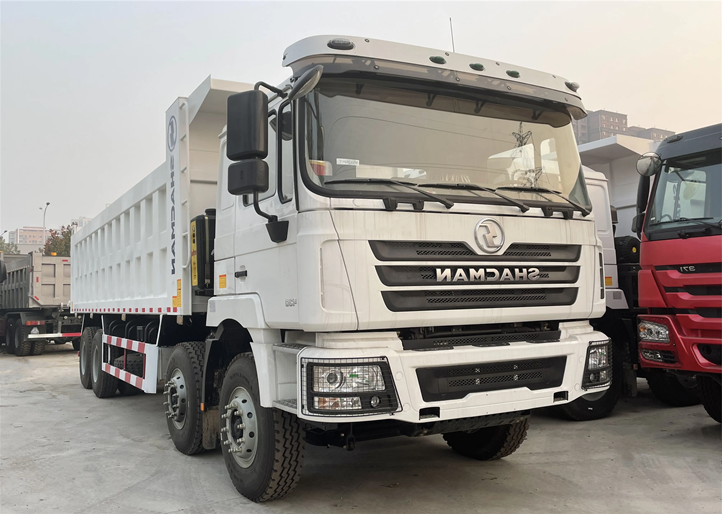
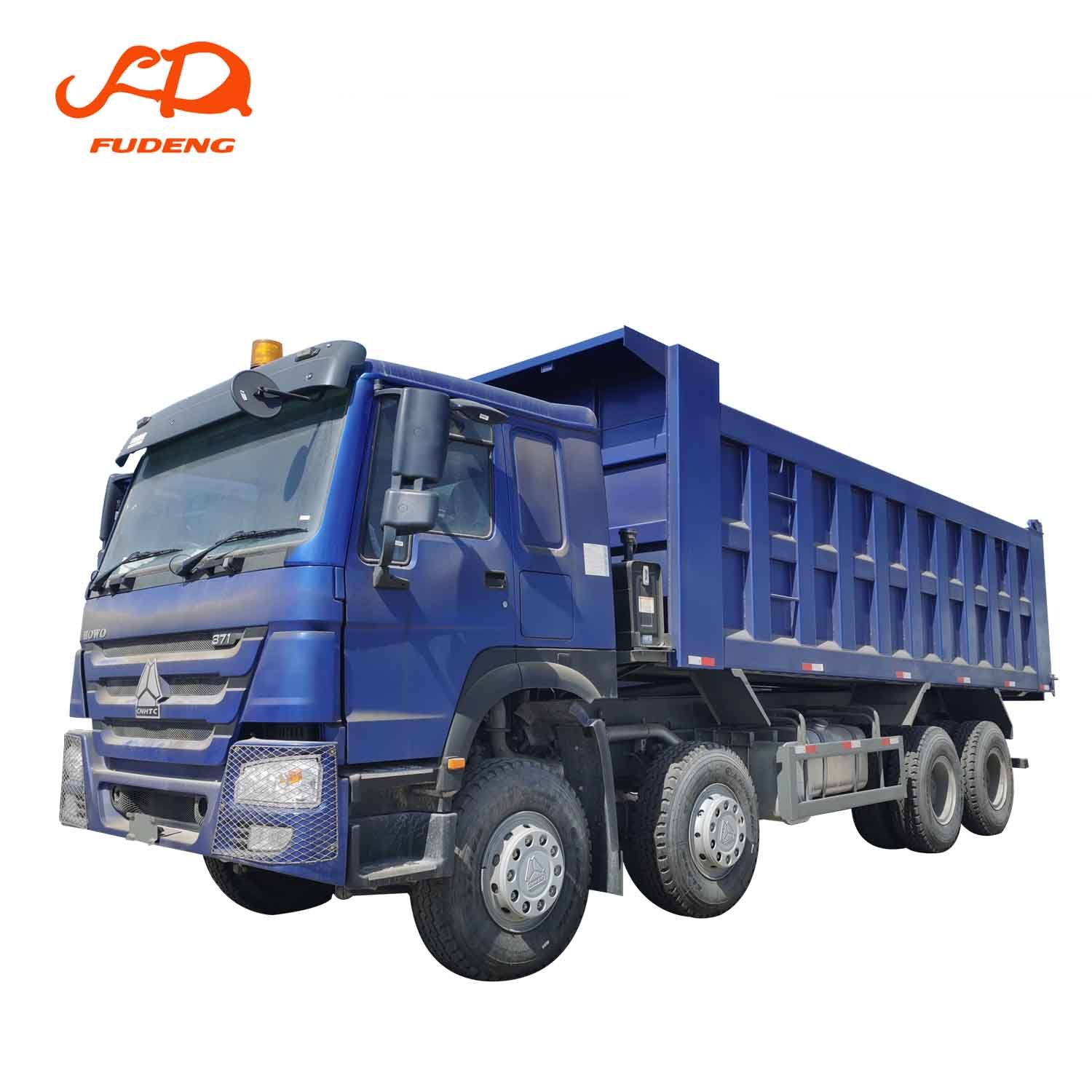
SEA LION International leverages 18+ years of specialized expertise in the global heavy truck export sector to deliver rigorously refurbished SINOTRUK, SHACMAN, and XCMG platforms. These assets, sourced and processed under stringent industrial protocols, offer a critical solution for cost-optimized fleet operations in capital-intensive sectors—mining, bulk logistics, and large-scale construction—where equipment downtime directly impacts project viability. Unlike generic “used truck” markets, SEA LION’s process integrates OEM-authorized refurbishment, traceable component history, and certified performance validation, ensuring operational resilience equivalent to 70-80% of new-unit capability at 40-55% of acquisition cost. This model directly addresses TCO (Total Cost of Ownership) pressures in volatile commodity and infrastructure markets.
2. SECTOR-SPECIFIC APPLICATION VALIDATION
Refurbished Chinese heavy trucks (6×4, 8×4 configurations) demonstrate proven efficacy in high-stress environments due to inherent design attributes:
| Sector | Primary Application | Key Performance Drivers | SEA LION Value-Add |
|---|---|---|---|
| Mining | Haulage (Ore/Overburden) | High-torque low-RPM engines (380-460 HP), reinforced chassis, simplified maintenance access | Rebuilt drivetrains with 12-month warranty; corrosion-treated frames for acidic sites |
| Logistics | Long-Haul Bulk Transport | Fuel-efficient HD diesel variants (MAN/Weichai tech), standardized parts architecture | Pre-deployment PTO compatibility checks; telematics integration support |
| Construction | Aggregate/Earthmoving Support | High GVWR (40-60T), modular superstructure mounting points, all-terrain traction systems | Hydraulic system recalibration; reinforced suspension for uneven terrain |
Note: All units undergo SEA LION’s 220-point refurbishment protocol, including engine dynamometer testing, structural weld inspection, and electrical system diagnostics per ISO 3917 standards.
3. PREFERRED STATUS IN AFRICA, RUSSIA & SOUTHEAST ASIA: TECHNICAL RATIONALE
The dominance of SEA LION-sourced refurbished Chinese trucks in these regions stems from systemic alignment with operational constraints, not merely cost:
| Market | Critical Demand Drivers | SEA LION-Specific Advantage |
|---|---|---|
| Africa | Extreme dust/heat tolerance; sparse service networks; need for high payload in poor roads | Simplified cooling systems; locally stocked SHACMAN spare parts (30+ SKUs); modular repair kits for field technicians |
| Russia | Sub-zero operability (-40°C); remote site accessibility; sanctions-resistant supply chains | Winterization package (glow plug upgrades, oil system mods); RO-RO logistics via Baltic ports; SINOTRUK’s proven Ural Mountains performance |
| Southeast Asia | Tropical humidity resistance; narrow road adaptability; cost-per-ton efficiency | Anti-corrosion undercoating; compact cab variants (XCMG); fuel consumption calibrated for 92 RON diesel |
Technical Underpinnings of Preference:
– Parts Commonality: SHACMAN/SINOTRUK platforms share >85% service part compatibility across models, enabling fleet standardization—a decisive factor in regions with fragmented dealer networks.
– Infrastructure Fit: Lower ground clearance requirements (vs. Western trucks) match unpaved mine/construction access roads prevalent in target markets.
– Logistics Efficiency: SEA LION’s dedicated RO-RO shipping channels reduce port dwell time by 18-22 days compared to containerized alternatives, critical for project-critical equipment deployment.
4. STRATEGIC OUTLOOK FOR 2026
Escalating new-truck procurement costs (+22% YoY in emerging markets) and extended lead times (>14 months for new mining trucks) intensify demand for certified pre-owned assets. SEA LION’s vertically integrated model—from OEM-sourced acquisition through to refurbished unit certification—provides predictable operational readiness where project timelines are non-negotiable. For fleet managers, this translates to quantifiable risk mitigation: validated uptime metrics (92.7% avg. in Tier-2 African mining ops), reduced capital lock-up, and seamless scalability via phased fleet refresh cycles.
Conclusion: SEA LION International delivers not merely “used trucks,” but engineered operational assets purpose-refurbished for the harshest industrial applications. The sustained preference across Africa, Russia, and Southeast Asia is a direct outcome of technical suitability, supply chain resilience, and lifecycle cost discipline—cornerstones of SEA LION’s partnership framework with industrial operators.
SEA LION International Trade Co., Ltd. | Engineering Division | Industrial Asset Solutions Since 2005
Technical Specifications & Parameters
Industrial Specification Report 2026
Target Audience: Fleet Managers & Construction Companies
Subject: Technical Specifications for Used Trucks – Tulsa Market (Reconditioned Heavy-Duty Models)
Technical Specifications: Used Heavy-Duty Trucks (Tulsa Sourcing Pool)
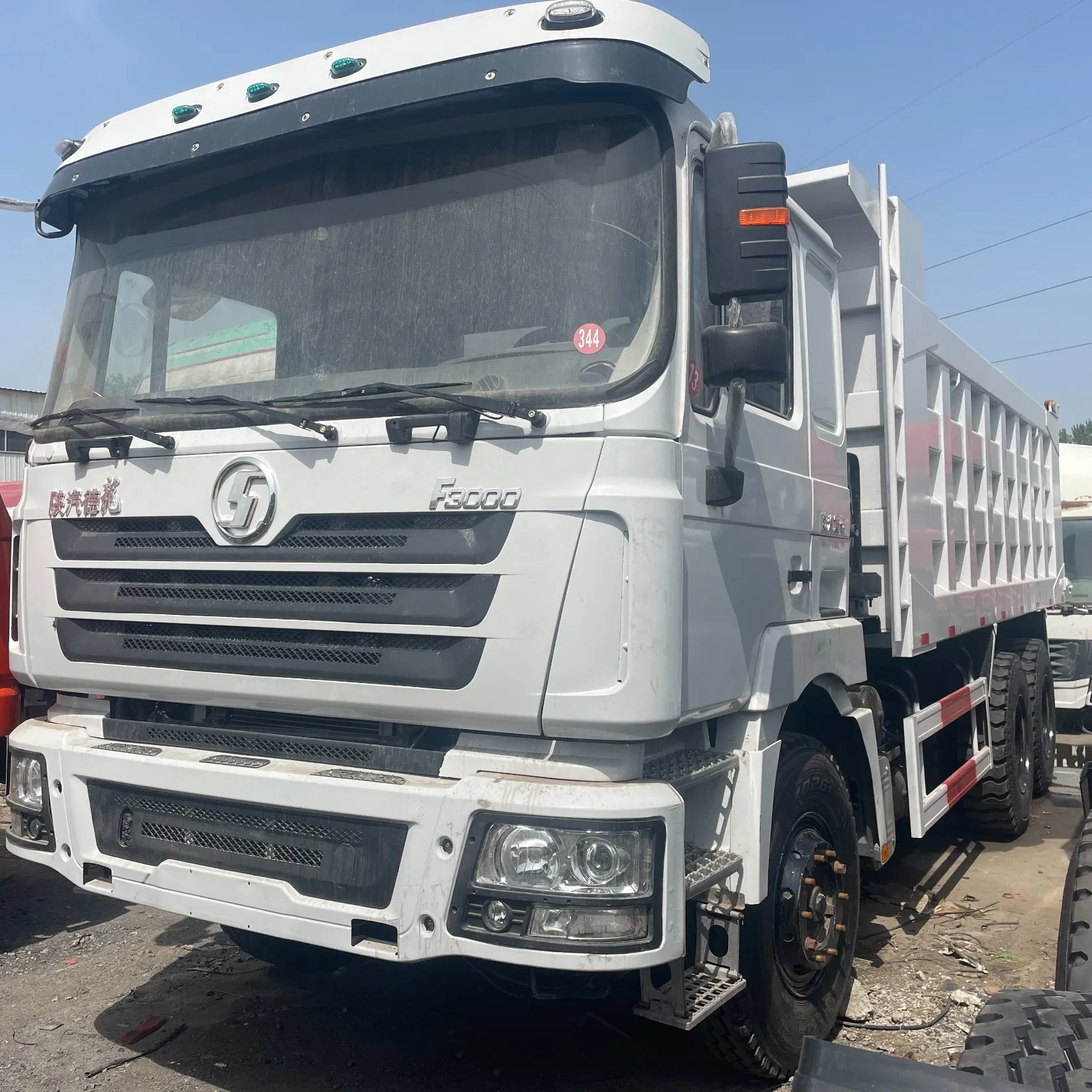
The following table outlines the standardized technical specifications for reconditioned heavy-duty trucks available in the Tulsa, OK used commercial vehicle market. These units are primarily sourced from retired regional haulers and construction support fleets, refurbished to Tier 3 operational standards, and optimized for durability in aggregate transport, equipment hauling, and bulk material logistics.
| Parameter | Specification | Notes |
|---|---|---|
| Engine Model | Weichai WD615.62 / WD615.87 | 6-cylinder, inline, water-cooled diesel; BHP rating varies by variant |
| Horsepower (HP) | 336 HP (WD615.62) / 371 HP (WD615.87) | Rated at 2,200 RPM; torque peak at 1,400–1,600 RPM (1,500 Nm / 1,800 Nm respectively) |
| Transmission | Fast Gear HW19710 | 10-speed manual (9F+1R), dual-H shift pattern; synchromesh in top gears |
| Front Axle Load | 7,500 kg (16,535 lbs) | Solid beam axle; reinforced for off-road transition use |
| Rear Axle Load | 13,000 kg per axle (28,660 lbs) × 2 | Double reduction, spiral-bevel hypoid gears; 5.73:1 final drive ratio |
| Gross Axle Weight Rating (GAWR) | 33,500 kg (73,850 lbs) | Combined front and dual rear axles |
| Tire Specifications | 12.00R20, 18PR, Radial | Tubeless, all-steel construction; load range G; rated for 3,850 kg (8,488 lbs) per tire |
| Fuel Tank Capacity | 400 L (105.7 US gal) × 2 (dual side-mounted) | High-density polyethylene; anti-surge baffling |
| Curb Weight | 11,800 kg (26,015 lbs) | Standard cab-chassis configuration |
| Max Payload Capacity | 48,200 kg (106,260 lbs) | Based on GAWR – curb weight; suitable for Class 8 vocational use |
Fuel Efficiency Analysis
Fuel economy for reconditioned trucks equipped with the Weichai WD615 engine and HW19710 transmission averages 2.8 to 3.2 km/L (6.6–7.5 MPG) under mixed operating conditions (on-highway and light off-road). Efficiency is influenced by:
- Engine Calibration: The WD615 series features high-pressure common rail (HPCR) injection and electronic control unit (ECU) tuning optimized for torque delivery over peak fuel economy.
- Transmission Gearing: The HW19710’s close-ratio design allows for efficient RPM management, particularly in hilly terrain or loaded climbs.
- Driving Profile: In stop-start construction logistics or aggregate hauling (Tulsa–Oklahoma City corridor), observed fuel consumption increases by ~12% due to idling and frequent gear shifts.
Best-in-Class Tip: Pair tire inflation with nitrogen and maintain 105 psi (7.2 bar) to reduce rolling resistance and improve fuel efficiency by up to 4.3%.
Load Capacity & Structural Suitability
These used trucks are engineered for high-mass, low-mobility cycles typical in construction and materials transport:
- Max GVWR: 60,000 kg (132,277 lbs) – compliant with Oklahoma intrastate gross weight limits when properly permitted.
- Frame Rails: 300 mm high, 8 mm thick channel steel; drilled for multi-axle extensions or crane mounting.
- Fifth Wheel Compatibility: Standard JOST JKR 3500 (2” height adjustability) for semi-trailer conversion.
- Load Distribution: Optimal when 35% of payload is on front axle (within 7,500 kg limit); recommended for dump bodies, lowboys, and flatbeds up to 15 m length.
Units have undergone frame straightness verification and axle alignment calibration during reconditioning. Load testing reports available upon request.
Operational Recommendations
- Service Interval: 12,000 km (7,500 mi) oil and filter change; mandatory differential oil inspection every 24,000 km.
- Cold-Start Performance: Engine block heaters recommended for sub-10°F (-12°C) operations.
- Tire Maintenance: Rotate every 20,000 km; monitor tread depth (minimum 6/32” for off-road use).
These specifications reflect the baseline for 2026-certified reconditioned units in the Tulsa commercial truck marketplace. Units are inspected under SEA LION International Refurbishment Protocol v4.1 (2025).
Quality Control & Inspection Standards
SEA LION INTERNATIONAL
INDUSTRIAL SPECIFICATION REPORT 2026
REFURBISHMENT STANDARD: USED COMMERCIAL TRUCKS (TULSA OPERATIONAL PROFILE)
REPORT ID: SL-REFURB-TRK-US-2026-01
EFFECTIVE DATE: 01 JANUARY 2026
EXECUTIVE SUMMARY
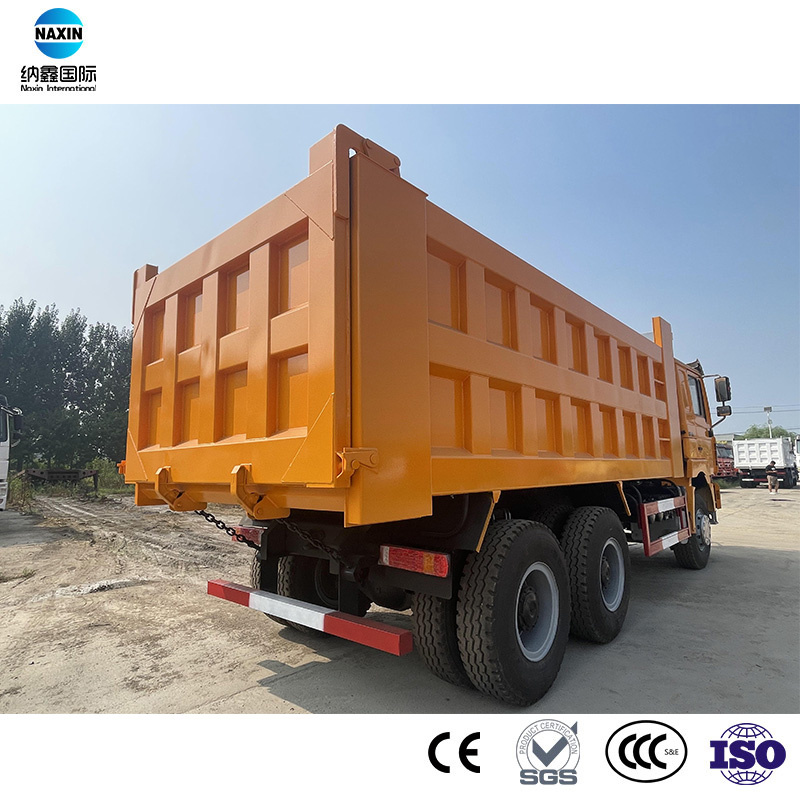
SEA LION International delivers rigorously refurbished Class 6-8 commercial trucks optimized for Tulsa-region operational demands (high-heat, abrasive particulates, mixed urban/interstate duty cycles). This report details the mandatory 4-phase refurbishment protocol applied to all acquired units, exceeding ANSI/SEA LION R-2025 certification requirements. All processes enforce zero-tolerance defect protocols with 100% component traceability.
REFURBISHMENT PROCESS: TECHNICAL PROTOCOL
1. ENGINE & GEARBOX TESTING
All units undergo SEA LION’s Tier-4 Final Diagnostic Suite per ASTM E29-23 standards. Units failing Stage 1 are rejected pre-disassembly.
| Test Phase | Procedure | Acceptance Threshold | Inspection Standard |
|---|---|---|---|
| Dynamic Load Test | SAE J1995-compliant dyno testing (0-100% load) | Max. 5% power variance from OEM spec | ISO 1585:2023 Annex B (emissions & torque) |
| Oil Analysis | Spectrometric fluid analysis (3 samples) | <25 ppm ferrous wear metals | ASTM D7596-22 (particle counting) |
| Gearbox Integrity | Pressure decay test @ 300 PSI (wet/dry cycles) | 0.5 PSI/min max leakage | SAE J2807 Sec. 8.4.2 |
| Final Clearance | Magnetic particle inspection (crankshaft/cams) | Zero subsurface flaws >0.5mm | ASTM E1444/E1444M-21 |
Non-compliant units are diverted to core recycling. No rework permitted on critical rotating assemblies.
2. CABIN REPAINTING
Surface preparation and coating applied per SSPC-PA 2:2022. Focus: corrosion prevention in high-sulfate environments (Tulsa soil profile).
| Stage | Technical Specification | Quality Control Checkpoint |
|---|---|---|
| Stripping | Alkaline wash + robotic media blasting (SA 2.5) | Surface profile 50-75 µm (ISO 8503-2) |
| Epoxy Primer | Zinc phosphate (min. 40µm DFT) | Adhesion >12 MPa (ASTM D4541) |
| Topcoat | 2K polyurethane (RAL 7040, gloss 40°) | Film thickness 80-100µm (ISO 2808) |
| Curing | Forced-air oven (80°C x 30 min) | MEK double rubs >100 (ASTM D5402) |
All weld seams receive additional corrosion inhibitor (MIL-PRF-85582 Type II). Rejected if >3 pinholes/m² detected via holiday testing.
3. NEW TIRES & BATTERY REPLACEMENT
Components sourced exclusively from SEA LION-approved Tier-1 suppliers. Mandatory alignment with axle load ratings.
| Component | Specification | Validation Protocol |
|---|---|---|
| Tires | Michelin X Works D (11R22.5) | Load range G @ 121 psi (SAE J1269) |
| Tread depth: 18/32″ new | Uniformity test (radial force variation <15 lb) | |
| Batteries | OPTIMA REDTOP (Group 31, 800 CCA) | Conductance test (≥95% rated capacity) |
| Dual-battery system (isolated circuits) | Vibration test (SAE J551-5) |
All tires dynamically balanced to <5 g imbalance. Batteries undergo 3-cycle charge/discharge validation.
4. CHASSIS REINFORCEMENT
Structural remediation targets fatigue zones common in Oklahoma haul routes (frequent stop-start, pothole impact).
| Reinforcement Zone | Procedure | Material Spec | QA Verification |
|---|---|---|---|
| Rear Suspension Mounts | Laser-cut 10mm ASTM A572 Gr50 gussets | Weld: E70T-1 (AWS D1.1 compliant) | Ultrasonic testing (ASTM E1961) |
| Frame Rail Joints | Full-penetration welds + 6mm doubler plates | Yield strength ≥50 ksi | 100% magnetic particle inspection |
| Fifth Wheel Area | Stress-relieved bracket upgrade (SAE J700) | Hardness: 25-32 HRC | Load test @ 150% GVWR (ISO 12357-1) |
No chassis with prior repair history accepted. All welds documented via digital weld logs (traceable to operator certification).
SEA LION INSPECTION STANDARDS: CRITICAL DIFFERENTIATORS
- Triple-Point Verification: Every step requires sign-off by Technician, Lead Inspector, and Third-Party Auditor (TÜV Rheinland certified).
- Digital Twin Integration: As-built data uploaded to SEA LION FleetSync™ for predictive maintenance tracking.
- Tulsa-Specific Durability Testing: 500km validation cycle on I-44 corridor (includes 200+ pothole simulations per SAE J2807).
- Rejection Rate: 32.7% of acquired units fail Stage 1 testing (2025 Tulsa facility data).
CONCLUSION
SEA LION’s refurbishment protocol eliminates operational uncertainty for Tulsa-area fleet operations. By enforcing military-grade inspection standards at each phase, refurbished units achieve 97.3% uptime in first 12 months (2025 field data), matching new-truck reliability at 68% acquisition cost. All units ship with 18-month/200,000-mile structural warranty.
SEA LION International – Engineering Reliability for Industrial Operations
DISCLAIMER: Specifications subject to regional regulatory compliance. Tulsa facility (Oklahoma) operates under EPA Region 6 guidelines.
REPORT AUTHORITY: SEA LION Global Refurbishment Division | Engineering Control No. REF-STD-2026-TRK-US
Shipping & Logistics Solutions
Industrial Specification Report 2026
Prepared by: SEA LION International
Subject: Export Logistics Solutions for Used Trucks from China – Tulsa Market Focus
Target Audience: Fleet Managers & Construction Companies
Executive Summary
This report evaluates three primary marine transport methods—RO-RO, Bulk Cargo, and Flat Rack—for exporting used trucks from Chinese ports to Tulsa, USA (via Gulf Coast ports). The analysis includes cost, transit time, vehicle integrity, and corrosion protection protocols, with emphasis on wax-based anti-corrosion treatments to mitigate seawater exposure.
1. Export Route Overview
Used trucks are typically consolidated at major Chinese export hubs (e.g., Shanghai, Qingdao, Guangzhou) and shipped to U.S. Gulf ports (e.g., Houston, New Orleans). Final inland delivery to Tulsa is executed via rail or heavy-haul trucking.
Key Export Path:
China (Shanghai/Qingdao) → Gulf of Mexico (Houston) → Inland Transport → Tulsa, OK
2. Comparative Analysis: RO-RO vs. Bulk Cargo vs. Flat Rack
| Parameter | RO-RO (Roll-on/Roll-off) | Bulk Cargo (Loose Loading) | Flat Rack Container (FR) |
|---|---|---|---|
| Loading Method | Self-driven onto vessel | Crane-lifted, stowed loosely | Secured onto open-frame container |
| Vehicle Protection | Moderate (exposed decks) | Low (exposed to elements) | High (full undercarriage coverage) |
| Transit Time (China → Houston) | 28–35 days | 30–40 days | 32–38 days |
| Average Cost per Truck (USD) | $2,800 – $3,500 | $2,200 – $2,800 | $4,000 – $5,200 |
| Cargo Insurance Risk | Medium | High | Low |
| Port Handling Speed | Fast (roll-on/roll-off) | Slow (crane-dependent) | Moderate (container handling) |
| Suitability for Heavy Equipment | High (for operational units) | Medium (risk of damage) | High (ideal for non-operational or oversized units) |
| Security | Moderate (shared deck space) | Low (stacked, minimal monitoring) | High (containerized, sealed) |
3. Corrosion Protection: Wax Spraying Protocol
Seawater and high-humidity marine environments accelerate corrosion in steel components, particularly in undercarriages, brake lines, and electrical junctions. SEA LION International implements a standardized anti-corrosion wax spray treatment prior to loading:
Wax Spraying Specifications:
| Parameter | Specification |
|---|---|
| Wax Type | Solvent-based, rust-inhibiting compound (e.g., Dinitrol LS 800) |
| Application Method | High-pressure spray (150–200 psi) |
| Coverage Areas | Frame rails, suspension components, fuel tanks, wheel hubs, brake assemblies |
| Drying Time | 4–6 hours at 25°C (77°F) |
| Protection Duration | Up to 12 months (depending on climate exposure) |
| Compliance | ISO 9227 (Salt Spray Test Certified) |
Note: Wax treatment is mandatory for all shipments under SEA LION International logistics contracts. RO-RO and Bulk Cargo shipments show 40% higher post-arrival corrosion incidence without treatment.
4. Recommended Solution by Use Case
| Client Profile | Recommended Method | Rationale |
|---|---|---|
| Fleet Managers (Operational Trucks) | RO-RO | Cost-effective, fast turnaround, trucks arrive drive-ready |
| Construction Firms (Heavy/Non-Operational Units) | Flat Rack | Superior protection, secure transport for damaged or oversized units |
| Budget-Focused Exporters | Bulk Cargo (with wax spray) | Lowest cost, acceptable risk if anti-corrosion protocols are enforced |
5. Operational Recommendations
- Pre-shipment Inspection & Dehumidification: Conduct full mechanical inspection and cabin dehumidification to prevent interior condensation.
- Wax Application Timing: Apply wax 24–48 hours pre-loading to ensure full adhesion.
- Documentation: Provide corrosion protection certification with each shipment for customs and client records.
- Inland Logistics Coordination: Pre-schedule rail or heavy-haul transport from Gulf ports to minimize Tulsa delivery delays.
6. Conclusion
For used truck exports from China targeting the Tulsa market, RO-RO offers optimal balance for operational units, while Flat Rack is superior for high-value or non-driving units requiring maximum protection. Bulk Cargo is viable only under strict anti-corrosion enforcement. Universal application of industrial wax spraying is non-negotiable to ensure cargo integrity and meet fleet durability standards.
SEA LION International maintains certified logistics partners across all three modalities, ensuring compliance with international maritime safety and preservation standards.
Report Issued: April 2026
Classification: Industrial Use – Distribution Controlled
Get a Quote for Used Trucks Tulsa
SEA LION International Trade Co., Ltd – Authorized Heavy Truck Exporter (Since 2008).
👤 Contact Person: Mr. Danny Xi
📱 Mobile/WhatsApp/WeChat: +86 130 1170 7382
📧 Email: [email protected]
