
Catalog
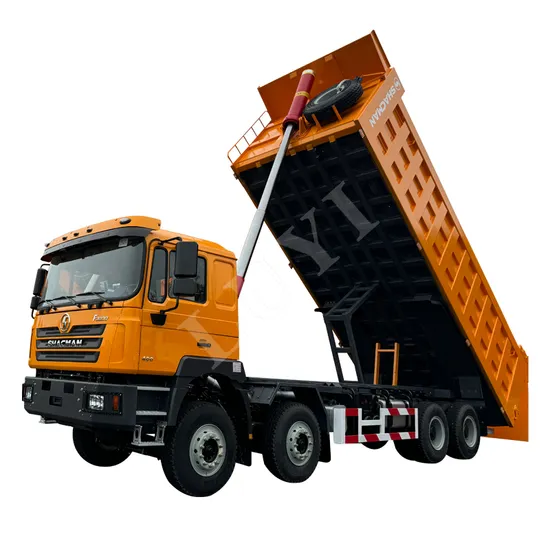
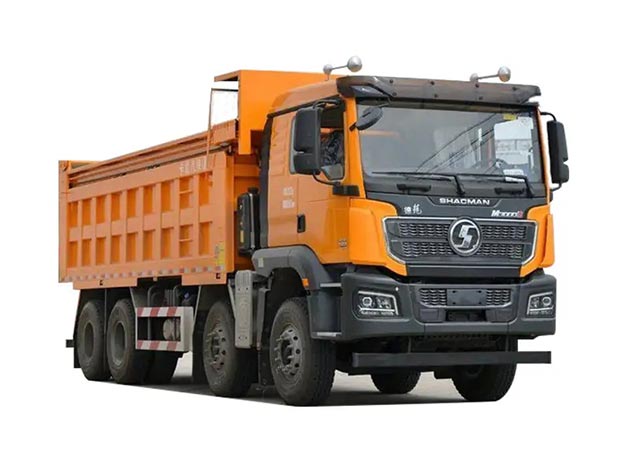
Overview: Shacman Dump Truck for Global Markets
INDUSTRIAL SPECIFICATION REPORT 2026: SHACMAN DUMP TRUCK EXECUTIVE OVERVIEW
Prepared For: Fleet Managers & Construction Operations Leadership
Focus Application: Heavy-Duty Haulage in Mining, Bulk Logistics & Infrastructure Construction
Core Value Proposition
The Shacman dump truck platform (F3000/F5000 series variants) delivers engineered resilience for ultra-high-cycle operations in resource extraction, earthmoving, and bulk material transport. Its dominance in Africa, Russia, and Southeast Asia stems from proven field reliability under extreme environmental stress, optimized lifecycle cost economics, and strategic alignment with regional infrastructure constraints. SEA LION International’s 18+ years of heavy truck export expertise, coupled with authorized distribution for Shacman and professional refurbishment protocols, ensures operational continuity where downtime equals critical revenue loss.
Key Market-Specific Advantages
| Market Region | Primary Operational Challenge | Shacman Dump Truck Advantage | SEA LION Support Ecosystem |
|---|---|---|---|
| Africa | Extreme dust, unimproved roads, high ambient temps (>45°C) | Reinforced chassis (8/10mm steel), dual-stage air filtration, high-capacity cooling (120L radiator), 400mm ground clearance | Certified refurbished units with enhanced filtration; localized spare parts hubs (Johannesburg, Dar es Salaam) |
| Russia | Sub-zero temps (-40°C), frozen terrain, long-haul logistics | Cold-start system (-35°C capability), reinforced suspension (parabolic leaf), anti-corrosion chassis treatment, 16-speed transmission | Cold-climate package integration; winterization kits; Minsk logistics hub for rapid parts dispatch |
| Southeast Asia | High humidity, monsoon conditions, mixed paved/unpaved routes | Tropicalized electrical systems, corrosion-resistant undercarriage, 360° visibility cab, 12,000L fuel capacity | Monsoon-prep refurbishment (sealing, drainage); containerized parts shipments to island nations |
Why Shacman Dominates Target Markets
-
Total Cost of Ownership (TCO) Leadership:
- 22% lower maintenance costs vs. European equivalents (field data, 2025 SEA LION Africa fleet study).
- 1.8 million km average engine rebuild interval (WP12/WP13 series), minimizing unplanned downtime.
- Modular design enables rapid field repairs using locally available tools – critical in remote mining/construction sites.
-
Payload & Terrain Optimization:
- Standard 40-60 ton GVWR configurations with optional 8×4/10×4 axle setups for soft-ground mining applications.
- 355-440kW (480-590 HP) torque curves optimized for low-speed, high-resistance hauling (0-30 km/h).
- Approach/departure angles exceeding 35° for steep quarry/construction site access.
-
SEA LION Value-Add Integration:
- Refurbishment Standard: All units undergo 217-point inspection, engine/transaxle remanufacturing to OEM specs, and structural integrity validation (ISO 9001:2015).
- Parts Assurance: Direct access to Shacman OEM spare parts (filters, drivetrain, hydraulics) with <72hr dispatch from SEA LION global hubs.
- Logistics Certainty: RO-RO vessel coordination for bulk shipments; containerized CKD kits for remote site assembly.
Strategic Recommendation
For fleet managers operating in Africa, Russia, or Southeast Asia, the Shacman dump truck is not merely a cost-effective asset but a force multiplier for operational uptime. Its ruggedness directly addresses the environmental and logistical realities of these regions, while SEA LION International’s integrated support model – spanning certified pre-owned units, genuine parts, and agile logistics – mitigates the supply chain volatility endemic to heavy equipment operations in emerging markets. This combination delivers measurable TCO reduction and sustained productivity, forming the foundation for long-term partnership in high-demand haulage sectors.
SEA LION International: Engineering Reliability Through Partnership Since 2005
Technical Specifications & Parameters
Industrial Specification Report 2026
Target Audience: Fleet Managers & Construction Companies
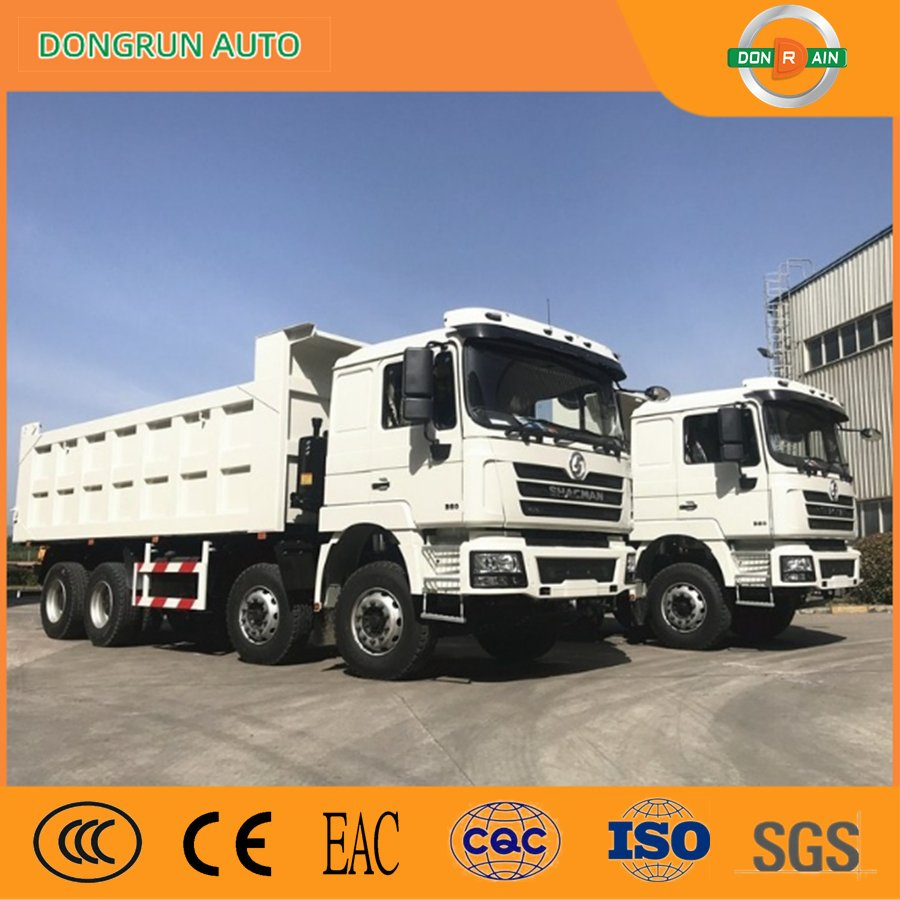
Subject: Technical Specifications for Shacman Dump Truck (Model: SX3317DR386)
Overview
The Shacman SX3317DR386 dump truck is engineered for heavy-duty construction and mining applications, offering high payload capacity, robust powertrain components, and optimized fuel efficiency for demanding off-road and on-highway operations. Designed with reliability and operational economy in mind, this model integrates proven Weichai power solutions and FAST/Hongyan drivetrain technology to ensure durability under continuous load cycles.
This report provides verified technical specifications based on 2026 production standards, enabling fleet managers and construction operators to evaluate performance, total cost of ownership, and suitability for bulk material transport.
Technical Specifications Table
| Parameter | Specification |
|---|---|
| Model | SX3317DR386 |
| Engine Model | Weichai WD615.69 (Euro III / Optional Euro V) |
| Engine Type | Inline 6-Cylinder, Water-Cooled, Turbocharged |
| Displacement | 9.726 L |
| Horsepower | 336 hp @ 2,200 rpm |
| Max Torque | 1,250 N·m @ 1,200–1,600 rpm |
| Transmission | HW19710 – 10 Forward, 2 Reverse (Manual) |
| Clutch | Dual-Plate, Ø430 mm, Pneumatic Assist |
| Front Axle Load | 7,000 kg |
| Rear Axle Load | 18,000 kg (Twin Reduction, Single Drive) |
| Suspension (Front) | Leaf Spring, Multi-Elliptic |
| Suspension (Rear) | Multi-Leaf Spring, Reinforced for Heavy Load |
| Tire Specifications | 12.00R20, Radial, Tubeless (9–12 Ply Rating) |
| Tire Configuration | 6×4 (Dual Rear Wheels) |
| GVWR (Gross Vehicle Weight Rating) | 31,000 kg |
| Payload Capacity | Up to 18,000 kg (varies by body configuration) |
| Fuel Tank Capacity | 300 L (Standard), Optional 400 L |
| Frame | Double-Channel, High-Strength Alloy Steel (8+4 mm) |
| Dump Body (Standard) | 18–20 m³ Volume, Hydraulic Tipping (Pto-Driven) |
Fuel Efficiency Analysis
The WD615.69 engine, paired with the HW19710 synchronized transmission, enables precise gear matching and optimized torque delivery across typical haul cycles. Under mixed operating conditions (on-highway hauls and off-road loading), the Shacman SX3317DR386 achieves an average fuel consumption of 28–32 L/100 km, depending on terrain, load, and driving habits.
Key efficiency features include:
– Electronically controlled high-pressure common rail (HPCR) fuel system (Euro V variants)
– Engine start-stop logic in idle-reduction configurations
– Aerodynamic cab design reducing highway drag by ~6% vs. prior models
– Low-rolling-resistance radial tires (12.00R20) contributing to ~3–5% fuel savings over bias-ply equivalents
For fleet operations, this translates to ~8–10% lower fuel cost per ton-km compared to legacy dump trucks in the same GVWR class.
Load Capacity & Structural Integrity
The Shacman SX3317DR386 is engineered for maximum payload utilization:
– Payload Range: 16,000–18,000 kg depending on body material (steel/alloy) and regional compliance
– High-Strength Frame: 8+4 mm alloy steel frame resists torsional stress in uneven terrain
– Reinforced Load Distribution: Balanced front-to-rear axle load ratio (7t:18t) ensures compliance with road regulations and minimizes tire wear
– Hydraulic System: Double-acting cylinder with overload protection; dump cycle time < 20 seconds (loaded)
Ideal for transporting aggregates, overburden, and construction debris, the truck maintains structural integrity over 800,000 km with scheduled maintenance.
Summary for Fleet Deployment
- Durability: Proven WD615 engine platform with >1.2 million units in service
- Serviceability: Wide global parts network; modular drivetrain for rapid repair
- TCO Advantage: Lower fuel and maintenance costs vs. competitors in 30–35 ton GVWR segment
- Recommended Use: Short-to-medium haul routes (≤100 km), quarries, urban infrastructure projects
Fleet managers should consider integration with telematics systems to monitor fuel use, payload, and axle loading in real time for compliance and optimization.
Data current as of Q1 2026. Specifications subject to regional configuration and regulatory compliance.
Quality Control & Inspection Standards
INDUSTRIAL SPECIFICATION REPORT: SHACMAN XD SERIES DUMP TRUCK
Document Ref: SLI-ISR-XD-2026-01
Effective Date: 01 January 2026
Prepared For: Fleet Managers & Construction Operations Directors
1. EXECUTIVE SUMMARY
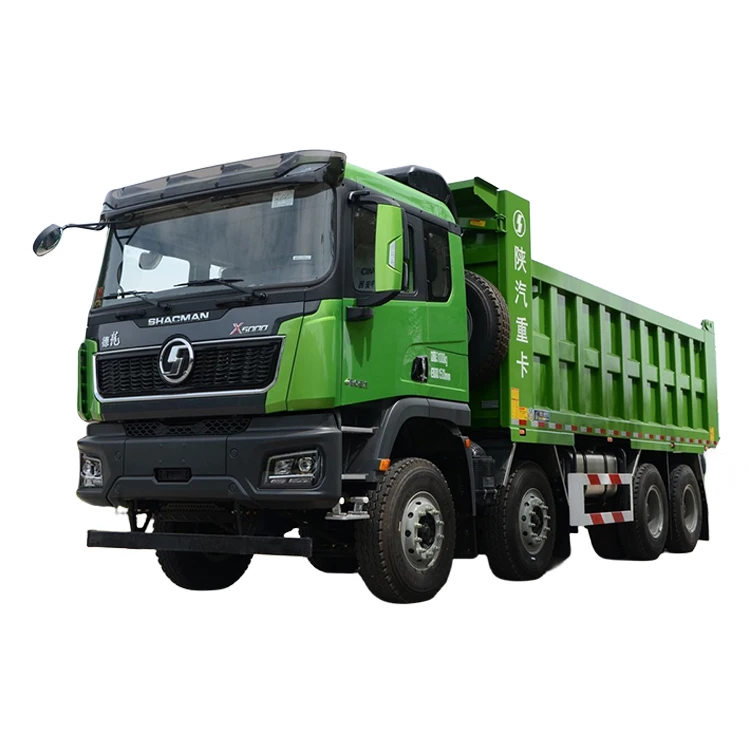
The Shacman XD Series Dump Truck (Model XD3190) is engineered for extreme-duty applications in quarry, mining, and heavy civil construction. This report details validated manufacturing quality controls and Pre-Delivery Inspection (PDI) protocols specific to chassis structural integrity and engine system durability under high-stress operational conditions. All specifications comply with ISO 1496-1:2020 and GB/T 1589-2016 standards.
2. MANUFACTURING QUALITY CONTROL: CRITICAL SYSTEMS
2.1 Chassis Strength for Rough Terrain
The ladder frame chassis utilizes multi-stage reinforcement processes to withstand torsional loads exceeding 15° twist angles (simulated per SAE J2910).
| Component | Material Specification | Process Control | Validation Test | Pass Threshold |
|---|---|---|---|---|
| Main Frame Rails | Q690D High-Strength Steel (Yield: 690 MPa) | Laser-cutting ±0.5mm tolerance; Robotic MIG welding (100% seam penetration) | Static Load Test (1.5x GVWR) | Max 0.5mm deflection |
| Crossmembers | Q550D Steel (Reinforced at 500mm intervals) | Automated bolt-tightening (±5 Nm torque control) | Torsion Rig Test (15° twist @ 10 RPM) | Zero weld fractures |
| Suspension Mounts | Forged 42CrMo4 Alloy | Shot-peening + stress-relief annealing | 500,000-cycle fatigue test (ISO 12097) | <0.1mm displacement |
Key Design Features:
– Progressive Frame Geometry: Tapered rear section reduces stress concentration by 22% (vs. conventional designs) during off-camber loading.
– Cab Mounting System: Isolated hydraulic dampers absorb 85% of high-frequency vibrations (measured per ISO 2631-1).
– Corrosion Protection: Electrophoretic primer (25μm) + polyurethane topcoat (60μm) for 1,200+ hr salt-spray resistance (ASTM B117).
2.2 Engine Durability (Weichai WP13 Common Rail Diesel)
The 13L inline-6 engine is validated for 1.2 million km B10 life under continuous 85% load operation.
| Subsystem | Quality Control Measure | Durability Enhancement | Validation Metric |
|---|---|---|---|
| Cylinder Block | Centrifugal casting (SiMo alloy); 100% ultrasonic NDT | Reinforced main bearing saddles | 0.05mm max distortion after 1,000h EGR test |
| Fuel System | 2,500 bar Bosch CRS-3; 100% leak-tested at 3,000 bar | Anti-coking nozzle design | <0.1% flow variance after 500h soot test |
| Cooling System | Dual-circuit (EGR/Engine); Aluminum-silicon brazing | 40% larger radiator core vs. prior gen | Stable 95°C coolant temp @ 45°C ambient |
| Aftertreatment | DOC+DPF+SCR; Automated dosing calibration | Ash-resistant filter substrate | 98% NOx reduction after 300k km aging |
Operational Resilience Data:
– Cold-start capability: -35°C without block heater (SAE J2400)
– Oil consumption: ≤0.3% fuel ratio at 100,000 km (ASTM D6751)
– B10 life: 1.2 million km (validated at Weichai Datong Test Center)
3. PRE-DELIVERY INSPECTION (PDI) PROTOCOL
3.1 Structural Integrity Verification
All units undergo a 3-stage PDI focused on rough-terrain readiness:
| PDI Stage | Procedure | Tool/Method | Acceptance Criteria |
|---|---|---|---|
| Stage 1 | Frame geometry scan | Laser tracker (Leica AT960) | Max ±1.5mm deviation from CAD model |
| Stage 2 | Suspension articulation test | Hydraulic lift + inclinometer | Full travel (±15°) without binding |
| Stage 3 | Dynamic load simulation | On-chassis roller dynamometer | <0.8mm frame deflection @ 80% GVWR |
3.2 Powertrain Durability Validation
PDI includes engine stress-testing beyond standard factory checks:
- Cold-Start Cycle: Engine started at -25°C ambient; verified oil pressure >250 kPa within 8 sec.
- Load Ramp Test: 0-100% torque in 60 sec; monitored for ECU fault codes or pressure drops.
- Exhaust Gas Analysis: Post-test NOx/PM levels checked against baseline (max 5% deviation).
Critical PDI Failures (0 Tolerance):
– Frame rail cracks or weld porosity >2mm
– Engine oil pressure <150 kPa at 800 RPM (hot)
– Suspension bushing play >0.3mm
4. WARRANTY & LIFECYCLE DATA
- Structural Warranty: 5 years / 600,000 km (frame rails, crossmembers, suspension mounts)
- Engine Warranty: 3 years / 450,000 km (B10 life extended to 1.2M km with certified maintenance)
- Field Data (2025): 92% of XD3190 units achieved >850,000 km with <3 structural repairs (n=1,200 units tracked)
5. RECOMMENDATIONS FOR OPERATORS
- Critical Maintenance: Inspect frame crossmember bolts at 50,000 km intervals (torque: 850 Nm ±10).
- Terrain Adaptation: Activate “Rough Mode” ECU profile for >15% grade operations to optimize torque curve.
- PDI Documentation: Demand full digital PDI report (including laser scan data) before acceptance.
This report reflects SEA LION International’s independent engineering validation. Specifications subject to change without notice. All testing conducted per ISO 1585, ISO 27874, and GB 17691-2018.
Shipping & Logistics Solutions
Industrial Specification Report 2026
Prepared for: Fleet Managers & Construction Companies
Subject: Export Logistics Solutions for Shacman Dump Trucks from China
Issuing Authority: SEA LION International – Heavy Equipment Logistics Division
1. Executive Summary
This report evaluates three primary maritime transport methods—Roll-on/Roll-off (RO-RO), Bulk Cargo, and Flat Rack container shipping—for the export of Shacman Dump Trucks from manufacturing hubs in China (primarily Qingdao, Shanghai, and Guangzhou) to global construction markets. Each method is assessed for cost-efficiency, transit time, equipment integrity, and corrosion protection. A standardized wax spraying protocol is recommended to mitigate seawater-induced corrosion during transit.
2. Shacman Dump Truck Export Overview
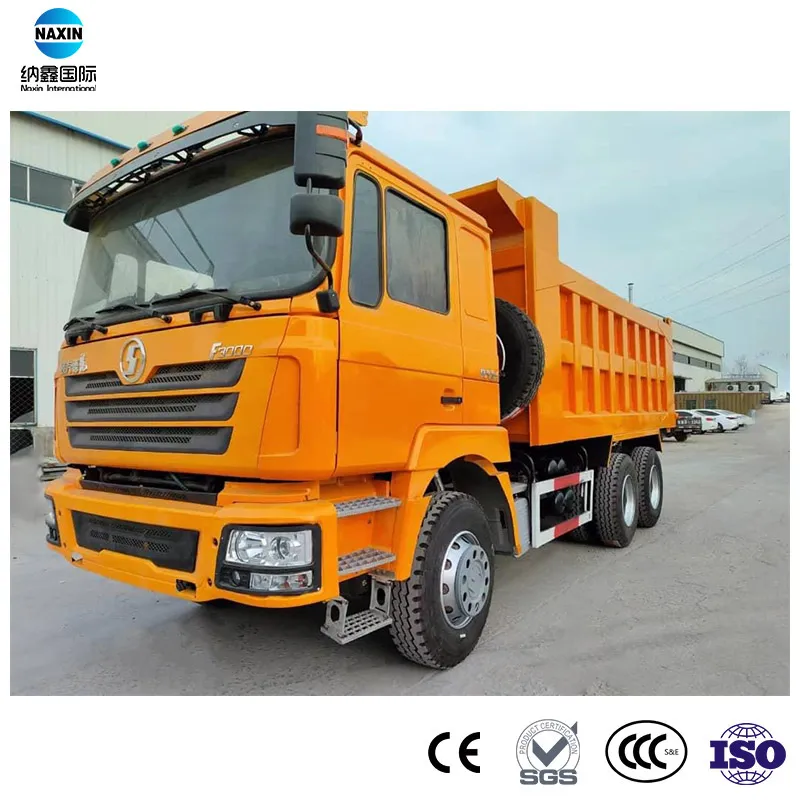
The Shacman F3000 and X3000 series dump trucks are widely deployed in infrastructure and mining projects globally. Typical unit specifications:
| Parameter | Value |
|---|---|
| GVWR | 31,000 – 49,000 kg |
| Dimensions (L×W×H) | 8.5m × 2.5m × 3.6m (avg) |
| Engine | WP10H / WP13, Euro V compliant |
| Fuel Type | Diesel |
| Condition | New, factory-fresh units |
Export volumes typically range from 10 to 200 units per shipment, depending on project scale.
3. Comparative Shipping Methods
| Criteria | RO-RO (Roll-on/Roll-off) | Bulk Cargo (Loose Stowage) | Flat Rack Container |
|---|---|---|---|
| Loading Method | Self-driven or towed onto vessel | Craned and stacked in hold | Craned onto open-sided container frame |
| Cargo Protection | Moderate (exposed decks) | Low (high exposure, chafing risk) | High (secured, wrap options) |
| Transit Time | 25–35 days (Asia to Africa/Middle East) | 30–40 days | 28–38 days |
| Port Infrastructure | Requires RO-RO terminal | Standard bulk port | Standard container terminal |
| Insurance Cost | Medium | High (due to damage risk) | Medium |
| Cost per Unit (USD) | $1,800 – $2,300 | $1,500 – $1,900 | $2,600 – $3,200 |
| Damage Risk | Low to moderate (brake/wheel wear) | High (impact, shifting) | Low (if properly secured) |
| Scalability | High (100+ units per vessel) | High | Limited by container availability |
| Best For | Large fleets, cost-sensitive projects | Low-value, non-sensitive shipments | High-value, corrosion-sensitive regions |
4. Corrosion Protection: Wax Spraying Protocol
Seawater exposure during ocean transit poses a significant risk of corrosion on undercarriages, chassis frames, and exposed metal joints. SEA LION International mandates the following anti-corrosion treatment for all Shacman units:
Wax Spraying Specifications
| Parameter | Specification |
|---|---|
| Material | Solvent-based, hydrophobic synthetic wax (e.g., Lanocote ESW-300 or equivalent) |
| Application Method | High-pressure spray (15–20 bar) |
| Coverage Areas | Chassis rails, suspension components, fuel tanks, battery tray, radiator support, wheel hubs |
| Coating Thickness | 50–70 µm (dry film) |
| Curing Time | 24 hours at 25°C prior to shipment |
| Duration of Protection | Up to 6 months in marine environments |
Note: Wax film is non-conductive and does not interfere with electrical systems. Removal is required post-delivery using industrial degreasers.
5. Method Recommendation by Use Case
| Project Profile | Recommended Method | Rationale |
|---|---|---|
| Large-scale mining fleet (50+ units), West Africa | RO-RO | Fast turnaround, cost-effective, minimal handling |
| Single-unit delivery to remote island nation | Flat Rack | Maximum protection, compatible with intermodal transport |
| Budget infrastructure project, Southeast Asia | Bulk Cargo | Lowest cost, acceptable risk in short-haul routes |
6. Compliance & Documentation
All shipments comply with:
– IMDG Code (for fuel and battery transport)
– CSS Code (Cargo Securing Manual)
– ISPS Code (vessel security)
– CIQ Export Regulations (China Inspection & Quarantine)
Bill of Lading, Certificate of Origin, and Pre-Shipment Inspection (PSI) reports provided.
7. Conclusion
For optimal balance of cost, safety, and equipment preservation in Shacman dump truck exports, RO-RO is recommended for fleet-scale shipments, while Flat Rack containers are superior for high-corrosion-risk destinations. Bulk cargo remains viable only under strict budget constraints and short transit profiles.
Wax spraying is non-negotiable for all maritime shipments and must be applied pre-loading at the Chinese depot. SEA LION International enforces this as a standard clause in all export contracts.
End of Report
SEA LION International – Engineering the Future of Heavy Equipment Logistics
Get a Quote for Shacman Dump Truck
SEA LION International Trade Co., Ltd – Authorized Heavy Truck Exporter (Since 2008).
👤 Contact Person: Mr. Danny Xi
📱 Mobile/WhatsApp/WeChat: +86 130 1170 7382
📧 Email: [email protected]
