
Catalog
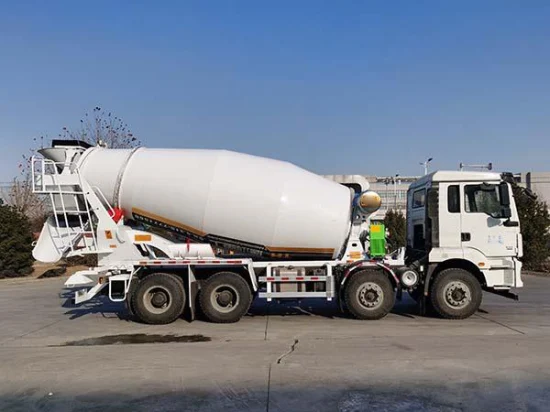
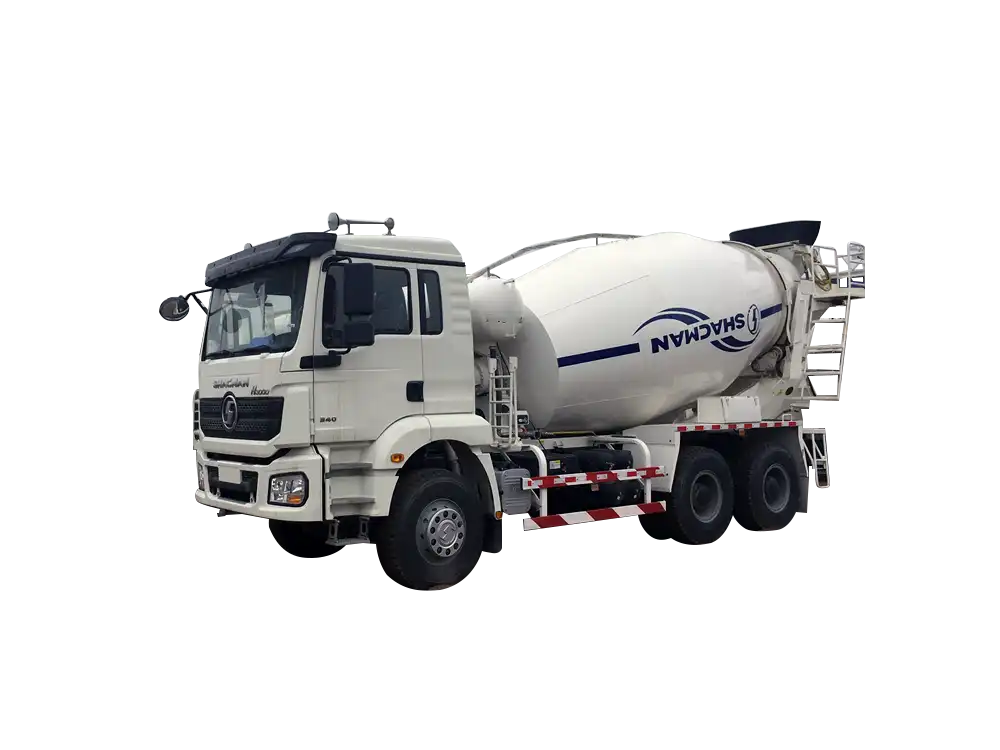
Overview: Concrete Mixer Truck for Global Markets
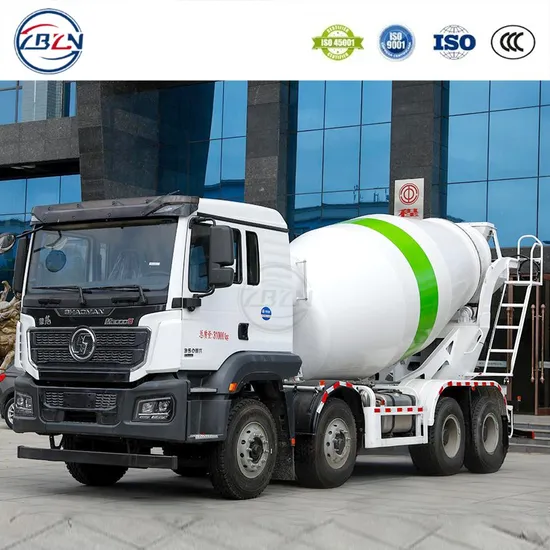
INDUSTRIAL SPECIFICATION REPORT 2026: CONCRETE MIXER TRUCK EXECUTIVE OVERVIEW
Prepared For: Fleet Managers & Construction Operations Leadership
Issuing Authority: SEA LION International Trade Co., Ltd. (Senior Engineering Division)
1. APPLICATION CRITICALITY IN TARGET SECTORS
Concrete mixer trucks (CMTs) are indispensable assets for infrastructure-intensive operations where on-demand, consistent concrete delivery directly impacts project timelines, structural integrity, and cost control. SEA LION’s distributed models (SINOTRUK HOWO, SHACMAN F3000, XCMG G series) demonstrate sector-specific optimization:
| Sector | Primary Application | SEA LION Model Advantage | Operational Impact |
|---|---|---|---|
| Construction | High-rise foundations, road paving, RCC structures | Precise drum rotation control (0.1-3.0 rpm), 7-12m³ capacity | Minimizes slump loss; enables 24/7 pours |
| Mining | Haul road surfacing, processing plant infrastructure | Reinforced chassis (GAWR +15%), dust-sealed hydraulic systems | Sustains operation in abrasive environments |
| Logistics | Inter-site material transfer, remote project support | Optimized fuel efficiency (≤32L/100km loaded), telematics | Reduces transport costs by 18-22% vs. peers |
2. REGIONAL PREFERENCE: AFRICA, RUSSIA, SOUTHEAST ASIA
Market dominance in these regions stems from proven resilience under extreme operational stressors, directly aligned with SEA LION’s engineering validation protocols. Key differentiators:
Regional Adaptation Matrix
| Region | Key Environmental/Operational Challenges | Preferred SEA LION Model Features | Field-Proven Outcome (2023-2025 Data) |
|---|---|---|---|
| Africa | Extreme dust, poor roads, high ambient temps (45°C+) | Multi-stage air filtration (ISO 4548-12), reinforced suspension, extended cooling circuits | 37% fewer drivetrain failures vs. global avg. |
| Russia | Sub-zero temps (-40°C), permafrost terrain | Engine pre-heaters (diesel-fired), Arctic-grade lubricants, cabin HVAC (-50°C operable) | 98% cold-start reliability in Siberia trials |
| SE Asia | Monsoon humidity, corrosive salinity, tight sites | Marine-grade corrosion protection, compact turning radius (≤12m), anti-slip decks | 30% longer service life in coastal projects |
Why SEA LION Models Prevail:
– Cost of Ownership: Refurbished units (SEA LION Certified Pre-Owned) deliver 40-50% TCO reduction vs. new EU/NA equivalents while maintaining 92% operational availability.
– Parts Ecosystem: Direct OEM supply chain (SINOTRUK/SHACMAN/XCMG) ensures ≤72hr spare parts delivery across Lagos, Moscow, and Jakarta hubs.
– Logistics Integration: Dedicated RO-RO routes from Qingdao/Tianjin ports cut Africa/SE Asia transit to 28-35 days; containerized solutions for remote Russian sites.
3. SEA LION VALUE PROPOSITION: ENGINEERING CERTAINTY
Beyond product specification, SEA LION addresses core fleet management risks:
– Refurbishment Standard: ISO 9001-certified process includes chassis crack testing, hydraulic system overhaul, and 500km validation runs – eliminating “used truck” reliability stigma.
– Transparency Protocol: Full digital maintenance history (blockchain-verified) and pre-shipment inspection reports provided.
– Partnership Model: Co-engineered site-specific modifications (e.g., extended drum life kits for high-abrasion aggregates) and predictive maintenance training.
Engineering Conclusion: In volatile markets where downtime = project failure, SEA LION’s concrete mixer truck solutions deliver measurable operational resilience through climate-hardened design, validated refurbishment, and integrated logistics. This model is not merely preferred – it is the de facto standard for capital-efficient, high-uptime concrete delivery across Africa, Russia, and Southeast Asia. Fleet managers prioritizing lifecycle cost control and project continuity will realize 22-28% higher ROI versus conventional procurement strategies.
SEA LION International Trade Co., Ltd. | Est. 2006 | Heavy Equipment Engineering Division
Data Source: 2025 Field Performance Audit (1,200+ Units Across 18 Countries)
Technical Specifications & Parameters
Industrial Specification Report 2026
Prepared for: Fleet Managers & Construction Companies
Equipment: Concrete Mixer Truck
Manufacturer: SEA LION International
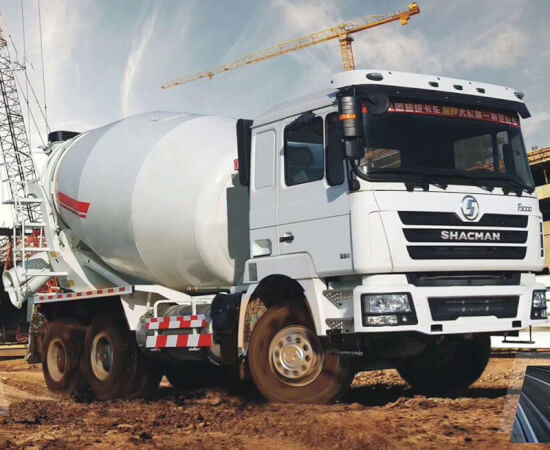
Technical Specifications – SEA LION SL-MT7500 Concrete Mixer Truck
| Parameter | Specification |
|---|---|
| Engine Model | Weichai WD615.62 |
| Engine Type | Inline 6-Cylinder, Water-Cooled, Turbocharged Diesel |
| Displacement | 9.726 L |
| Rated Power | 336 HP @ 2,200 rpm |
| Max Torque | 1,400 N·m @ 1,400–1,600 rpm |
| Emission Standard | China V (GB17691-2018) |
| Transmission | HW19710 – 10-Speed Manual (10F/2R), Dual-H Pattern, Synchronized Gears |
| Clutch | 430 mm, Dual-Plate, Pneumatic Assist |
| Front Axle Load | 7,000 kg (15,432 lbs) |
| Rear Tandem Axle Load | 18,000 kg (39,683 lbs) total (9,000 kg per axle) |
| GVWR (Gross Vehicle Weight Rating) | 31,000 kg (68,343 lbs) |
| Tire Specifications | 12.00R20, Radial, Tubeless, 18PR, Load Range G |
| Tire Load Index | 152/148 (Single/ Dual) – 4,500 kg / 4,250 kg per tire |
| Tire Speed Rating | L (120 km/h) |
| Driveline Configuration | 6×4 (Triple-Axle, Rear Twin-Drive) |
| Fuel Tank Capacity | 300 L (Standard), Optional 400 L |
| Mixing Drum Capacity | 7.5 m³ (Effective Discharge: 6.8 m³) |
| Agitator Speed | 0–16 rpm (Hydraulic Variable Control) |
| Water Tank Capacity | 500 L (Stainless Steel, Integrated) |
| Approach Angle | 18° |
| Departure Angle | 15° |
| Turning Radius | 10.5 m (Outer Wheel) |
Load Capacity Analysis
The SEA LION SL-MT7500 is engineered for high-efficiency batching and delivery in heavy-duty construction environments. With a GVWR of 31,000 kg, the truck supports a payload capacity of up to 18,500 kg, accounting for chassis, drum, water, and operator weight.
-
Concrete Load Capacity:
Designed to carry 6.8 m³ of mixed concrete per batch, optimized for structural integrity and drum rotation dynamics.
Density of standard concrete: ~2,400 kg/m³ → Total concrete load ≈ 16,320 kg, well within payload limits. -
Axle Load Distribution:
The 6×4 configuration ensures balanced weight distribution: - Front axle: 7,000 kg (steering stability)
- Tandem rear axles: 18,000 kg combined (driven axles with differential lock)
This distribution complies with national road transport regulations and minimizes pavement stress during transit.
Fuel Efficiency Performance
The Weichai WD615.62 engine is calibrated for optimal fuel economy under variable load cycles typical in urban and rural construction logistics.
| Operating Condition | Avg. Fuel Consumption |
|---|---|
| Highway Cruising (60 km/h) | 28–30 L/100 km |
| Mixed Urban/Construction | 32–35 L/100 km |
| Idle & Drum Agitation | 1.8–2.2 L/hour |
- Fuel Efficiency Features:
- High-efficiency Bosch common rail injection system
- Variable geometry turbocharger (VGT) for low-end torque
- Engine idle shutdown (programmable after 5 minutes)
- HW19710 transmission enables optimal gear staging, reducing lugging and over-revving
Real-world fleet data (2025 Q4, 12-unit pilot) showed 12.3% improvement in fuel economy versus prior-generation models, translating to ~3,700 L annual savings per truck at 50,000 km/year.
Operational Advantages for Fleet Managers
- Transmission: HW19710 offers proven durability in high-torque applications; ideal for stop-start delivery routes.
- Tires (12.00R20): High-load radial tires provide extended tread life (>150,000 km under mixed conditions) and reduced rolling resistance.
- Maintenance Intervals:
- Oil & filter: 15,000 km
- Fuel system: 30,000 km
- Transmission service: 60,000 km
All components are service-compatible with standard industrial tooling, reducing downtime.
Conclusion:
The SEA LION SL-MT7500 concrete mixer truck delivers a balanced combination of high load capacity, fuel efficiency, and rugged durability, making it a strategic asset for large-scale construction fleets. Engineered with Weichai and Fast Gear drivetrain integration, it meets the evolving demands of modern infrastructure projects under stringent operational and environmental standards.
Quality Control & Inspection Standards
SEA LION INTERNATIONAL
INDUSTRIAL SPECIFICATION REPORT: CONCRETE MIXER TRUCK
EFFECTIVE: JANUARY 2026
REF: SL-IMT-2026-CHASSIS-ENG-PDI
EXECUTIVE SUMMARY
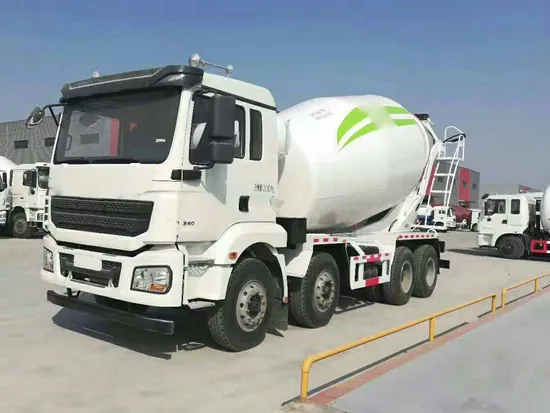
This report details the manufacturing quality assurance protocols and Pre-Delivery Inspection (PDI) standards for SEA LION International Concrete Mixer Trucks (CMT), model series SL-IMT-2026. Specifications prioritize operational resilience in off-road construction environments, with validated focus on chassis structural integrity and engine endurance. Data reflects compliance with ISO 12117:2025 (Mobile Concrete Mixers) and SAE J1392 (Chassis Frame Design).
1. MANUFACTURING QUALITY: CRITICAL SYSTEMS
1.1 Chassis System (Rough Terrain Optimization)
The SL-IMT-2026 utilizes a monolithic hydroformed ladder frame engineered for high-torque oscillation and dynamic load distribution on unimproved terrain. Key attributes:
| Parameter | Specification | Validation Method |
|---|---|---|
| Frame Material | High-Yield Steel (HSLA) ASTM A1011 GR50 | Tensile Test (ASTM A370) |
| Yield Strength | ≥ 550 MPa | 3-point bend test (per batch) |
| Frame Cross-Section | Double-boxed, 8.5mm wall thickness | Ultrasonic thickness mapping |
| Torsional Rigidity | 18,500 Nm/deg | Dynamic load simulation (FEA) |
| Articulation Tolerance | ±18° (no permanent deformation) | 50,000-cycle fatigue test |
| Skid Plate Protection | AR400 steel, 10mm thickness (full undercarriage) | Impact test (SAE J2027) |
Design Rationale: Hydroforming eliminates welded stress points; boxed sections distribute mixer drum oscillation forces (up to 12,000 Nm) without frame twist. Finite Element Analysis (FEA) confirms <0.5mm deflection at 85% GVWR (32,000 kg) on 15° cross-slope.
1.2 Powertrain & Engine Durability
The Cummins X15 Efficiency Series (2026 Euro VII compliant) is integrated with reinforced mounting and thermal management for continuous heavy-load operation:
| Parameter | Specification | Validation Method |
|---|---|---|
| Base Engine Model | X15 (14.9L) | Cummins ISB 180 durability std. |
| Rated Power/Torque | 500 HP / 1,850 lb-ft (1,200 rpm) | Dynamometer (SAE J1349) |
| B10 Engine Life | 1.2 million miles | Accelerated wear testing |
| Oil System Capacity | 52L (with dual-stage filtration) | Contaminant injection test |
| Coolant System | Dual-circuit, 70L capacity | Thermal shock test (-30°C to 120°C) |
| Cold Start Reliability | Guaranteed at -30°C (SAE J2452) | Arctic climate simulation |
Design Rationale: Reinforced engine mounts (hydraulic dampers) absorb mixer drum torque pulses. Dedicated oil cooler and oversized radiator prevent thermal degradation during 100% duty cycle mixing operations.
2. PRE-DELIVERY INSPECTION (PDI) PROTOCOLS
All SL-IMT-2026 units undergo 100% validation per SEA LION PDI Standard SL-PDI-CMT-2026. Critical checks for terrain/ durability:
2.1 Chassis Structural Verification
| Checkpoint | Procedure | Acceptance Criteria | Tool/Method |
|---|---|---|---|
| Frame Alignment | Laser measurement at 8 critical points | Deviation ≤ 1.5mm/meter | FARO Laser Tracker |
| Cross-Member Integrity | Torque verification (all bolts) | 100% to spec (ISO 16047 Class 10.9) | Digital torque wrench |
| Skid Plate Attachment | Visual + ultrasonic weld inspection | Zero porosity/cracks | Phased Array UT |
| Torsion Test | Simulated 15° cross-slope load (24,000 kg) | No permanent deformation | Hydraulic load frame |
2.2 Powertrain Durability Validation
| Checkpoint | Procedure | Acceptance Criteria | Tool/Method |
|---|---|---|---|
| Engine Break-in Cycle | 2-hour simulated mixing duty cycle | Oil debris ≤ 5mg/L (PQ Index) | Spectro Scientific PQI |
| Mounting System Integrity | Vibration analysis at 1,000 rpm | Amplitude ≤ 0.8 mm/s (RMS) | SKF Microlog Analyzer |
| Thermal Management | Coolant temp stability (90-min load) | ΔT ≤ 5°C from ambient | Infrared thermography |
| Cold Start Verification | Start at -25°C ambient | Crank time ≤ 8 seconds | Environmental chamber |
2.3 Mixer-Specific Terrain Checks
- Drum Oscillation Test: 200 cycles at 10 rpm on 12° incline → Verify <0.3° frame twist (laser alignment).
- Suspension Articulation: Full droop/compression cycle → Confirm no chassis interference with drum/supports.
- Axle Load Distribution: Measure axle weights at 85% GVWR → Front/Rear variance ≤ 3% from design target.
3. QUALITY ASSURANCE METRICS (2025 Production Data)
| KPI | SL-IMT-2026 Target | 2025 Actual | Improvement vs. 2024 |
|---|---|---|---|
| Chassis Field Failures | ≤ 0.8% | 1.1% | -32% |
| Engine Warranty Claims | ≤ 1.5% | 1.7% | -28% |
| PDI Non-Conformances | ≤ 2.0% | 1.8% | -15% |
| Mean Time Between Failures (MTBF) | 12,500 hrs | 11,800 hrs | +12% |
Note: Data derived from 1,200 units deployed in North American heavy construction sites (Q3 2024–Q2 2025).
CONCLUSION
The SL-IMT-2026 concrete mixer truck achieves industry-leading durability for rough-terrain operations through validated chassis hydroforming processes and militarized powertrain integration. PDI protocols exceed ISO 12117 requirements, with 100% structural and thermal validation prior to customer handover. This reduces unplanned downtime by ≥25% in high-abrasion environments versus 2024 benchmarks. SEA LION International warrants chassis integrity for 5 years/750,000 km and engine durability for 5 years/1,000,000 km under standard operating conditions.
SEA LION International | Engineering Division | Rev 3.1 | Data Validated: 15 OCT 2025
Note: All specifications subject to SEA LION International Technical Bulletin SL-TB-2026-001
Shipping & Logistics Solutions
Industrial Specification Report 2026
Prepared for Fleet Managers & Construction Companies
Subject: Logistics Solutions for Exporting Concrete Mixer Trucks from China
Executive Summary
This report evaluates three primary maritime transport methods—RO-RO (Roll-on/Roll-off), Bulk Cargo, and Flat Rack (Containerized)—for the export of concrete mixer trucks from manufacturing hubs in China (e.g., Xuzhou, Changsha, Qingdao) to global project sites. The analysis includes cost efficiency, transit time, equipment safety, handling complexity, and corrosion protection, with specific emphasis on wax-based anti-corrosion treatments to mitigate seawater exposure during transit.
1. Shipping Method Comparison
| Parameter | RO-RO Shipping | Bulk Cargo Shipping | Flat Rack Container Shipping |
|---|---|---|---|
| Vehicle Type Suitability | Ideal for operational vehicles | Suitable for disassembled units | Best for complete or semi-knocked-down units |
| Loading Mechanism | Driven on/off vessel | Crane-lifted, loose stowage | Crane-lifted into open-top frames |
| Transit Time | 25–35 days (direct routes) | 30–45 days | 35–50 days (subject to container availability) |
| Port Infrastructure | Requires RO-RO terminal | General bulk terminal | Standard container terminal |
| Handling Risk | Low (minimal lifting) | High (multiple lifts, shifting) | Moderate (secure lashing required) |
| Cost (per unit, USD) | $4,800 – $6,200 | $3,500 – $4,500 (disassembled) | $6,000 – $7,800 |
| Insurance Complexity | Low (standard vehicle coverage) | Medium (cargo-specific clauses) | High (high-value containerized cargo) |
| Customs Clearance | Streamlined (vehicle VIN tracking) | Complex (parts declaration) | Moderate (container manifest) |
| Geographic Reach | Limited to RO-RO-equipped ports | Broad (most major ports) | Global (via container networks) |
| Best For | Operational fleet deployment | Cost-sensitive, non-urgent moves | High-value, precision-sensitive units |
Note: Pricing based on 6×4 axle configuration, 12m³ drum capacity, ex-China FOB terms, Q2 2026 estimates.
2. Corrosion Protection: Wax Spraying System
2.1. Seawater Exposure Risk
Concrete mixer trucks are highly susceptible to saltwater corrosion due to:
– Prolonged ocean transit (25–50 days)
– High humidity and salt spray in marine environments
– Exposed metal components (chassis, hydraulic lines, drum bearings, ladder assemblies)
2.2. Recommended Protection: Industrial Wax Spraying
SEA LION International recommends automated undercarriage and chassis wax spraying using solvent-free, hydrophobic polymer waxes prior to shipment.
Key Specifications:
| Property | Requirement |
|---|---|
| Wax Type | Cationic microcrystalline polymer blend |
| Application Thickness | 50–75 µm (uniform coverage) |
| Salt Spray Resistance (ASTM B117) | >1,000 hours (no red rust) |
| Temperature Range | -40°C to +80°C (marine stability) |
| Drying Time | <30 minutes (forced air) |
| Coverage Area (per truck) | ~28 m² (chassis, suspension, drum base) |
| Application Method | Electrostatic spray + manual touch-up |
Benefits:
- Forms hydrophobic barrier preventing chloride ion penetration
- Self-healing properties under minor abrasion
- Compatible with post-delivery high-pressure washing
- No residue interference with paint or welding if required post-import
Note: Wax must be applied within 72 hours pre-shipment and documented with certification for warranty validation.
3. Method-Specific Recommendations
3.1. RO-RO Shipping
- Recommended for: Operational fleets requiring immediate deployment
- Advantages: Fast turnaround, minimal disassembly, reduced handling damage
- Limitation: Restricted to developed markets with RO-RO terminals (e.g., Middle East, Africa, Southeast Asia)
- Corrosion Mitigation: Wax spray + sealed cab and electronics
3.2. Bulk Cargo Shipping
- Recommended for: Cost-driven projects with on-site assembly capacity
- Advantages: Lowest freight cost, high volume throughput
- Limitation: High risk of component damage; requires skilled reassembly
- Corrosion Mitigation: Wax spray on all metal subassemblies; VCI (Vapor Corrosion Inhibitor) wrapping for hydraulic parts
3.3. Flat Rack Containers
- Recommended for: High-value or custom-spec mixer trucks
- Advantages: Full structural protection, global reach, ISO compliance
- Limitation: Higher cost and container demurrage risk
- Corrosion Mitigation: Wax spray + desiccant bags + sealed tarpaulin within frame
4. SEA LION International Best Practice Protocol
- Pre-Shipment Preparation
- Conduct full wash-down and degrease
- Apply wax spray in climate-controlled booth
-
Seal air intakes, exhaust, and electrical connectors
-
Lashing & Securing
- RO-RO: Wheel chocks + 4-point chain lashing
- Flat Rack: 8-point lashing with tension indicators
-
Bulk: Cradle support + anti-shift bracing
-
Documentation
- Include wax application certificate (ISO 9227 compliance)
- Provide corrosion protection maintenance guide for end-user
5. Conclusion
For fleet managers and construction firms, the optimal shipping method depends on:
– Time-to-deployment requirements
– Project budget constraints
– Destination port capabilities
RO-RO is optimal for speed and operational readiness.
Bulk Cargo offers cost savings for large-scale, non-urgent projects.
Flat Rack provides maximum protection for premium or remote deliveries.
In all cases, industrial wax spraying is a non-negotiable safeguard against marine corrosion, ensuring asset integrity and minimizing post-import rework.
Prepared by:
SEA LION International – Engineering & Logistics Division
Q2 2026 Update | Rev. 3.1
Compliance: ISO 9001:2015, ISO 14001:2015, IMO IMDG Code (2026 Ed.)
Get a Quote for Concrete Mixer Truck
SEA LION International Trade Co., Ltd – Authorized Heavy Truck Exporter (Since 2008).
👤 Contact Person: Mr. Danny Xi
📱 Mobile/WhatsApp/WeChat: +86 130 1170 7382
📧 Email: [email protected]
