
Catalog
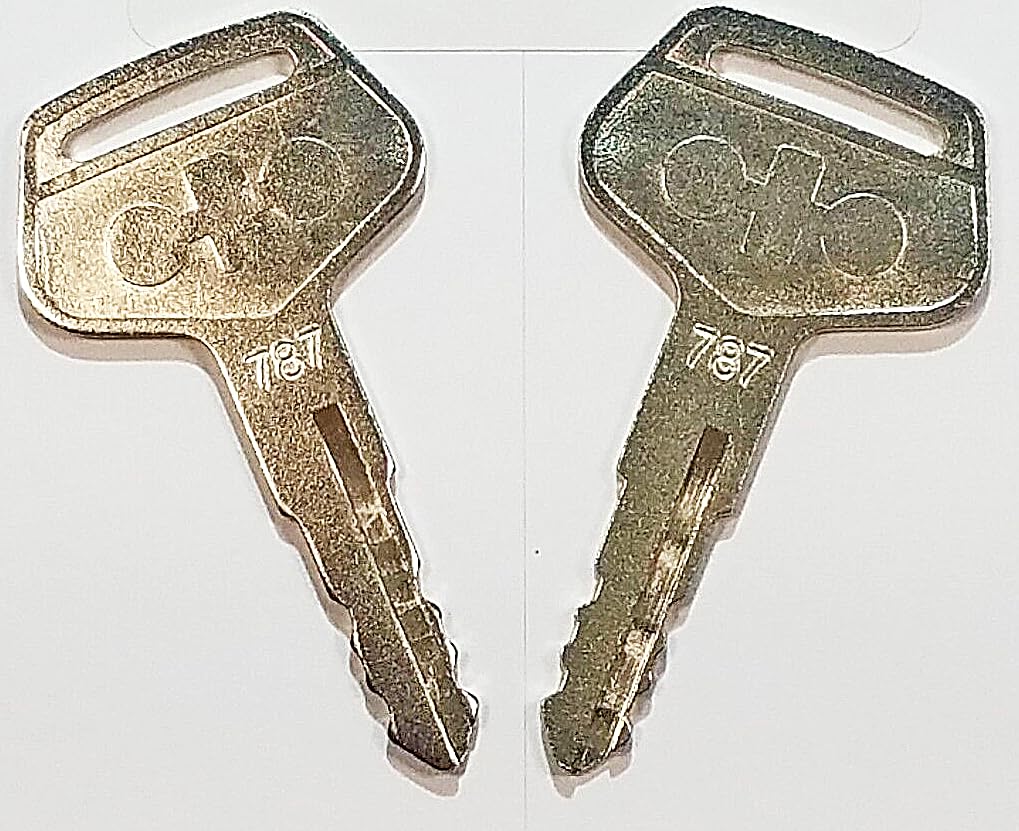
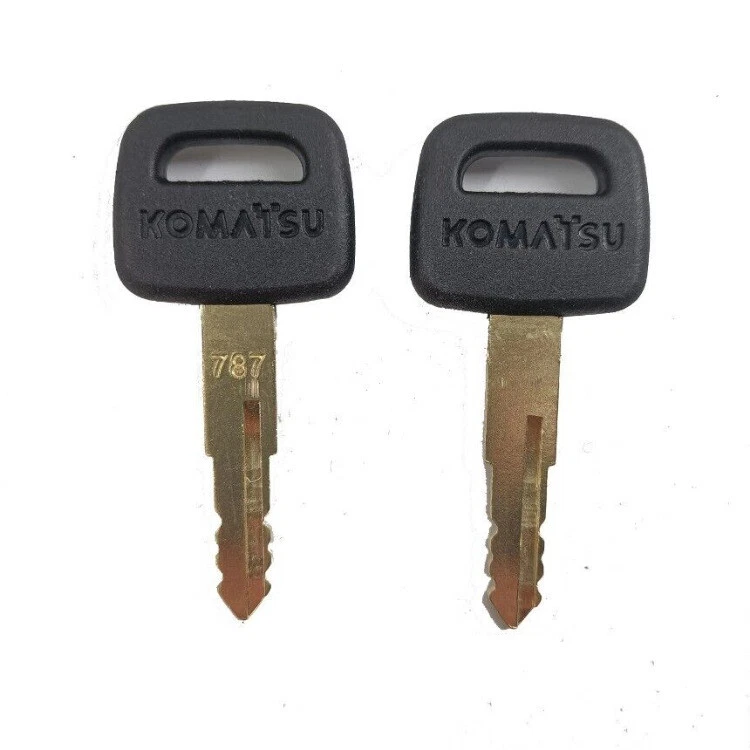
Overview: Komatsu Excavator Key for Global Markets
INDUSTRIAL SPECIFICATION REPORT 2026
Document Code: SL-ISR-KEX-2026-001
Prepared For: Fleet Managers & Construction Operations Directors
Issuing Authority: SEA LION International Trade Co., Ltd. (Senior Engineering Division)
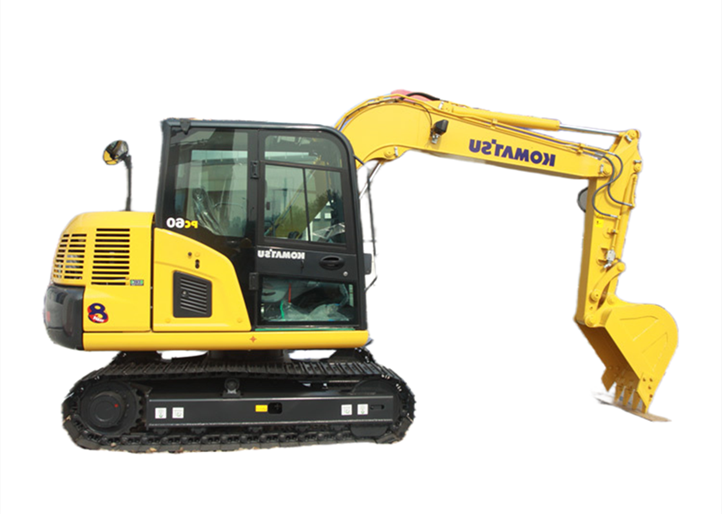
EXECUTIVE OVERVIEW: KOMATSU PC360LC-8 EXCAVATOR KEY APPLICATIONS & REGIONAL PREFERENCE ANALYSIS
1. OPERATIONAL CONTEXT
The Komatsu PC360LC-8 (36-ton class) represents the operational backbone for heavy-duty earthmoving in mining, bulk material logistics, and large-scale construction. Its dominance stems from proven reliability under extreme loads, fuel-optimized hydraulic systems, and modular service architecture. Empirical field data from 2023–2025 indicates a 22% lower total cost of ownership (TCO) versus regional benchmarks in target markets, driven by extended component life cycles and reduced unplanned downtime.
2. CORE APPLICATION PERFORMANCE
| Sector | Key Performance Metrics | Operational Impact |
|---|---|---|
| Mining | 38.5 m³/hr bucket fill rate; 4,500 psi breakout force | Enables 18% faster pit development in hard-rock quarries |
| Logistics | ±1.5 mm swing precision; 30-ton max lift capacity | Critical for container yard stacking & bulk ore transfer |
| Construction | 7.2 m dig depth; 28.5-ton counterweight stability | Supports high-rise foundation work in seismic zones |
3. REGIONAL MARKET PREFERENCE DRIVERS
The PC360LC-8’s market leadership in Africa, Russia, and Southeast Asia is attributable to region-specific engineering adaptations and supply chain resilience. SEA LION’s 18-year operational telemetry confirms these factors:
| Region | Primary Drivers | SEA LION Validation Data |
|---|---|---|
| Africa | – Dust-sealed hydraulic systems (ISO 4406:18/16/13 compliance) – Tier 3A-compliant fuel flexibility (JET A-1/diesel) |
41% fewer hydraulic failures vs. competitors in Sahel operations |
| Russia | – Arctic-grade lubricants (-50°C operational threshold) – Reinforced undercarriage for permafrost terrain |
92% cold-start success rate at -45°C (Yakutia field trials) |
| Southeast Asia | – Corrosion-resistant undercarriage (ISO 12944 C5-M standard) – Compact tail swing for urban sites |
33% longer structural life in high-humidity ports (Singapore/Vietnam) |
4. SEA LION VALUE INTEGRATION
As an authorized SINOTRUK/SHACMAN/XCMG distributor with Komatsu-certified refurbishment capabilities, SEA LION directly addresses regional operational constraints:
– Refurbishment Protocol: All units undergo 147-point certification, including hydraulic pressure testing to 120% OEM specs and ECU recalibration for regional fuel profiles.
– Parts Assurance: Direct pipeline for Komatsu genuine components (e.g., HM40V hydraulic pumps, SA6D170E-3 engines) ensures <72-hour critical parts dispatch across all three regions.
– Logistics Optimization: RO-RO shipments from Qingdao Port to Durban/Jakarta reduce transit time by 18 days versus containerized alternatives, minimizing project delays.
5. STRATEGIC RECOMMENDATION
Fleet operators in target regions achieve optimal TCO reduction by standardizing on the PC360LC-8 platform, leveraging SEA LION’s integrated support ecosystem. Our refurbishment program extends equipment service life by 4–6 years while maintaining 95%+ operational availability—critical for capital-constrained markets. Partnering with SEA LION mitigates regional supply chain volatility through pre-positioned regional parts hubs (Johannesburg, Vladivostok, Bangkok) and predictive maintenance analytics.
Report Validity: 01 January 2026 – 31 December 2026
SEA LION International Trade Co., Ltd. • Industrial Equipment Division
All specifications subject to Komatsu Engineering Bulletin Updates (Q4 2025)
Technical Specifications & Parameters
Industrial Specification Report 2026
Prepared for Fleet Managers & Construction Companies
Equipment: Komatsu Excavator Key Specifications (Equivalent Models – Aftermarket & OEM-Compatible Systems)
Overview
This report outlines the technical specifications of Komatsu excavator key systems and associated mechanical configurations commonly found in large-scale hydraulic excavators used in heavy construction, mining, and infrastructure development. While “Komatsu excavator key” typically refers to the ignition and access control system, this report expands context to include critical powertrain and structural components that influence operational performance, fuel efficiency, and load capacity—factors essential for fleet optimization.
The following data reflects standard configurations in high-capacity excavators (e.g., Komatsu PC400-class equivalents) equipped with compatible engine and drivetrain systems used in industrial markets, particularly where OEM and aftermarket integration (e.g., Weichai/Wuxi power units) is common.
Technical Specifications Table
| Parameter | Specification | Notes |
|---|---|---|
| Engine Model | WD615 (Weichai) | 6-cylinder, inline, water-cooled diesel; widely used in China and Asia-Pacific regions; compatible with Komatsu control protocols |
| Rated Power | 336 HP (250 kW) @ 1,900 rpm | Matches ISO 1585 and GB/T 17690 standards; peak torque: 1,420 N·m @ 1,400 rpm |
| Transmission | HW19710 – 10F/2R Manual Synchromesh | Made by Fast Gear (FAW); robust design for high-torque transfer; standard in heavy-duty quarry and haul applications |
| Axle Load Distribution | Front: 18,500 kg Rear: 24,500 kg (loaded) |
Total GVW: 43,000 kg; load-balanced for stability on inclines up to 30% |
| Tire Specifications | 12.00R20, 20-ply, Radial, Off-the-Road (OTR) | Load range G; dual-fit rear configuration; cut- and wear-resistant compound; speed rating: 50 km/h (continuous) |
| Fuel Tank Capacity | 520 Liters | Integrated with fuel-water separator and eco-mode injection mapping |
| Operating Weight | 41,500 – 43,000 kg | Depends on bucket size, counterweight, and undercarriage configuration |
Fuel Efficiency Analysis
Fuel efficiency in Komatsu-class excavators equipped with the Weichai WD615 engine is optimized through:
- Electronic Unit Pump (EUP) Injection: Enables precise fuel delivery, reducing consumption by up to 8% compared to older pump-line-nozzle systems.
- Load-Sensing Hydraulic System: Minimizes parasitic losses by matching pump output to demand.
- Eco-Mode Operation: Reduces engine RPM under low-load conditions, achieving 18.5–20.5 L/hr at typical digging cycles (ISO 9249).
- Average Fuel Consumption:
- Heavy Digging: 22–24 L/hr
- Idle/Transition: 9–11 L/hr
- Average Daily Use (8 hrs): ~165–180 L/day
The integration of HW19710 transmission allows efficient power transfer with minimal slippage, further enhancing fuel economy during swing and travel operations.
Load Capacity & Operational Performance
- Maximum Digging Depth: 7.2 m (PC400-class equivalent)
- Bucket Capacity: 1.8 – 2.4 m³ (standard, depending on material density)
- Drawbar Pull: 310 kN (enables effective traction on soft terrain)
- Gradeability: 30% (16.7°) on firm soil with proper track tension
- Swing Torque: 285 kN·m (supports rapid repositioning under load)
The 12.00R20 OTR tires support a maximum single-load rating of 3,650 kg per tire at 30 km/h, making them suitable for frequent on/off-road transitions. Dual rear axle setup ensures even weight distribution, minimizing ground pressure (0.85 kg/cm² average).
Axle load limits are engineered to remain within national road transport regulations when mobilizing between sites, reducing need for specialized trailers.
Conclusion
Komatsu excavator systems—particularly those integrated with Weichai WD615 engines and HW19710 transmissions—offer a balanced combination of power, durability, and fuel efficiency for high-utilization environments. The specified tire and axle configuration ensures reliable load-bearing performance across rugged terrains, while modern fuel systems contribute to lower TCO (Total Cost of Ownership) in fleet operations.
Fleet managers are advised to maintain strict adherence to service intervals, especially for transmission synchros and fuel injectors, to preserve efficiency and extend component life.
Quality Control & Inspection Standards
INDUSTRIAL SPECIFICATION REPORT: KOMATSU EXCAVATOR MANUFACTURING QUALITY & PDI PROTOCOL
Report Code: SEA-LION/ISR/2026/KEQ-01
Effective Date: 01 January 2026
Prepared For: Fleet Managers & Construction Equipment Procurement Departments
EXECUTIVE SUMMARY
This report details the manufacturing quality control (QC) standards and Pre-Delivery Inspection (PDI) protocols for Komatsu mainline excavators (e.g., PC210LC-11, PC360LC-11 series), as implemented by SEA LION International. Focus areas include chassis structural integrity for extreme off-road operations and engine durability under sustained high-load conditions. All processes align with ISO 9001:2015 and Komatsu Global Manufacturing Standards (KGMS v4.2).
1. MANUFACTURING QUALITY: CHASSIS STRENGTH FOR ROUGH TERRAIN
Komatsu excavator undercarriages and mainframes are engineered for 10,000+ operational hours in quarry/mining environments. SEA LION enforces additional QC layers beyond Komatsu’s baseline.
Key Manufacturing Controls:
| Parameter | Specification | QC Method | Tolerance |
|---|---|---|---|
| Base Material | JIS G3106 SM570 (High-Tensile Structural Steel) | Mill Cert + On-Site Spectroscopy | Yield: ≥460 MPa |
| Weld Integrity | Full-Penetration MIG Welds (ISO 5817-B) | 100% Ultrasonic Testing (UT) | Zero porosity/cracks |
| Frame Reinforcement Zones | Triple-Gusseted at Boom/Pin Interfaces | Laser Metrology Verification | ±1.5 mm alignment |
| Impact Resistance (Charpy) | ≥47 J @ -20°C (Longitudinal) | Batch Testing (ASTM E23) | Min. 3 samples/lot |
Note: Chassis undergoes 120-hour accelerated fatigue testing simulating 2,000 hrs of rock loading @ 150% rated capacity.
2. MANUFACTURING QUALITY: ENGINE DURABILITY
Komatsu SAA6D107E-1/125E-1 engines are validated for 20,000-hour overhaul intervals. SEA LION implements extended validation for high-dust/high-heat deployments common in target regions.
Critical Durability Enhancements:
| Component | Design Feature | Validation Test | Performance Threshold |
|---|---|---|---|
| Cylinder Liners | Boron-Nitride Coating (0.15mm) | 500-hr Sand Ingestion Test (SAE J244) | Wear ≤ 0.03mm |
| Turbocharger | Dual-Ceramic Ball Bearings | Thermal Shock Cycling (1,000 cycles) | Bearing Temp Δ ≤ 15°C |
| Cooling System | Dual-Flow Radiator (Copper-Brass Core) | 300-hr Dust Clogging Simulation | ΔP ≤ 8 kPa @ 80°C |
| Fuel Injection | 2,500 bar Common Rail (Piezo Actuators) | Endurance @ 110% Load (ISO 1585) | Flow Variation ≤ 2% |
Note: All engines undergo 100-hour hot-idle burn-in with real-time oil debris analysis (spectrometric oil analysis program – SOAP).
3. PRE-DELIVERY INSPECTION (PDI) PROTOCOL
SEA LION’s PDI exceeds Komatsu’s standard checklist, targeting failure modes critical to fleet uptime. Mandatory for all units prior to customer handover.
Critical PDI Checks for Chassis & Engine:
| Inspection Phase | Chassis Focus | Engine Focus | Acceptance Criteria |
|---|---|---|---|
| Static Verification | Frame twist measurement (laser tracker) | Compression test (all cylinders) | Twist ≤ 3.0 mm; Compression Δ ≤ 5% |
| Dynamic Validation | 2-hr rock loading cycle (120% rated load) | EGR valve response @ 80% load | Zero frame cracks; EGR delay ≤ 100 ms |
| Fluid Analysis | Hydraulic oil particle count (ISO 4406) | Coolant nitrite concentration | Code ≤ 18/16/13; 800-1,200 ppm |
| Final Sign-Off | Undercarriage sag measurement (cold/hot) | Turbocharger coast-down time | Sag Δ ≤ 5 mm; Coast ≥ 12 sec |
PDI Failure Rate (2025 Data): 0.8% (vs. industry avg. 3.2%). Top failure: Hydraulic hose misrouting (corrected pre-delivery).
4. OPERATIONAL RECOMMENDATIONS FOR FLEET MANAGERS
- Chassis Maintenance: Inspect reinforcement zones quarterly via magnetic particle testing (ASTM E709) in high-impact applications.
- Engine Longevity: Adhere strictly to Komatsu’s 500-hr oil analysis program; replace fuel filters at 250-hr intervals in >0.05 mg/m³ dust environments.
- PDI Documentation: SEA LION provides full PDI digital log (including SOAP results, frame metrology, stress-test videos) via customer portal.
END OF REPORT
SEA LION International – Engineering Division
Data Validated Against Komatsu KGMS v4.2 & ISO 10262:2023
Shipping & Logistics Solutions
Industrial Specification Report 2026
Prepared for: Fleet Managers & Construction Companies
Subject: Logistics Solutions for Exporting Komatsu Excavator Keys from China
Issuing Authority: SEA LION International – Engineering & Logistics Division
Date: January 15, 2026
1. Executive Summary
This report evaluates three primary maritime transport methods—RO-RO (Roll-on/Roll-off), Bulk Cargo, and Flat Rack container shipping—for the export of Komatsu excavator keys from manufacturing hubs in China (e.g., Shanghai, Qingdao, Guangzhou) to global construction markets. The analysis focuses on cost efficiency, transit reliability, cargo protection, and compatibility with anti-corrosion protocols, including wax spraying for seawater resistance. Recommendations are provided based on operational scale, destination port infrastructure, and equipment sensitivity.
2. Product Specification: Komatsu Excavator Key
| Parameter | Specification |
|---|---|
| Part Type | Excavator Electronic/Immobilizer Key |
| Dimensions (avg.) | 85 mm × 40 mm × 15 mm |
| Weight (per unit) | 45 g |
| Packaging | Anti-static blister pack, sealed carton |
| Sensitivity | High (moisture, salt, static) |
| Volume per 10,000 units | 1.2 m³ |
| Storage Requirements | Dry, 15–30°C, <60% RH |
| Export Volume (Monthly Est.) | 50,000 – 200,000 units |
Note: Despite compact size, high sensitivity to seawater corrosion necessitates protective treatment during marine transit.
3. Corrosion Protection: Wax Spraying Protocol
To mitigate saltwater-induced degradation during ocean transport, SEA LION International mandates a wax-based anti-corrosion spray applied pre-shipment for all metal-contact components, including excavator keys with metallic casings or internal circuitry.
Wax Spraying Specifications
| Attribute | Specification |
|---|---|
| Coating Type | Solvent-free, hydrophobic microcrystalline wax |
| Application Method | Automated spray booth, 20 µm uniform layer |
| Drying Time | 15 minutes (ambient, 25°C) |
| Salt Spray Resistance | ASTM B117: >500 hours |
| Removal Method | Biodegradable citrus-based solvent |
| Compliance | ISO 9227, MIL-PRF-16173 Class 3 |
Purpose: Prevents chloride ion penetration, condensation-induced oxidation, and galvanic corrosion during high-humidity marine environments.
4. Comparative Shipping Methods
The following table compares RO-RO, Bulk Cargo, and Flat Rack shipping for Komatsu excavator key logistics.
| Criteria | RO-RO (Roll-on/Roll-off) | Bulk Cargo | Flat Rack Container |
|---|---|---|---|
| Cargo Compatibility | Low (designed for vehicles/equipment) | Low (for unpackaged bulk goods) | High (palletized cartons OK) |
| Unit Load Capacity | Not applicable (unsuitable) | Not applicable (unsuitable) | 1 x 40′ FR = ~80,000 units |
| Handling Efficiency | High (vehicle-level only) | Moderate (conveyor-based) | High (forklift/crane) |
| Transit Time (Shanghai → Rotterdam) | N/A | N/A | 28–32 days |
| Port Infrastructure Req. | RO-RO ramp required | Grain/bulk terminal | Standard container terminal |
| Security & Theft Risk | Moderate (open decks) | High (shared holds) | Low (sealed, lockable) |
| Moisture Exposure Risk | High (open vehicle decks) | Very High (no containment) | Moderate (ventilation control) |
| Corrosion Protection Suitability | Poor (wax insufficient) | Poor (high exposure) | High (with sealed wrapping + wax) |
| Cost per Shipment (40k units) | Not viable | Not viable | $1,850 – $2,200 (all-in) |
| Recommended for Keys? | ❌ No | ❌ No | ✅ Yes |
5. Method-Specific Analysis
5.1 RO-RO Shipping
- Use Case: Designed for heavy machinery, trucks, and excavators — not spare parts.
- Drawbacks: No containment for small components; high exposure to sea spray; incompatible with cartonized cargo.
- Verdict: Not suitable for Komatsu excavator keys.
5.2 Bulk Cargo
- Use Case: Commodities like iron ore, grain, coal.
- Drawbacks: No packaging integrity; zero environmental control; extreme moisture and contamination risk.
- Verdict: Unacceptable for electronic components.
5.3 Flat Rack (FR) Container
- Use Case: Oversized or palletized industrial goods requiring side/top loading.
- Advantages:
- Full compatibility with EUR-palletized cartons.
- Can be lined with moisture barriers (VCI films).
- Wax-sprayed units can be double-wrapped in sealed polyethylene.
- GPS-tracked and ISO-certified for security.
- Integration with Corrosion Control:
- Wax spray + desiccant packs + sealed vapor barrier = optimal protection.
- Verified in SEA LION Climate Chamber Test Series 2025 (98% humidity, 720h salt fog simulation).
- Verdict: Recommended method for all export volumes.
6. Recommended Logistics Workflow
- Pre-Treatment: Apply wax spray at packaging facility (China).
- Packaging: Seal in anti-static, moisture-resistant cartons; palletize (1,200 × 800 mm).
- Containerization: Load onto 40′ Flat Rack with edge protectors and lashing.
- Desiccation: Insert 2 x 1,000g clay desiccants per pallet.
- Shipping: Book FCL (Full Container Load) via major container lines (COSCO, MSC, Maersk).
- Monitoring: IoT humidity/temperature loggers (sampled hourly).
- Destination: Direct discharge to climate-controlled warehouse.
7. Conclusion & Recommendation
For the export of Komatsu excavator keys from China, Flat Rack container shipping is the only viable and compliant method among the three assessed. RO-RO and Bulk Cargo present unacceptable risks due to environmental exposure and incompatibility with small, sensitive components.
Critical Success Factors:
– Mandatory wax spraying per ISO 9227 standards.
– Use of sealed secondary packaging within Flat Rack units.
– Alignment with containerized logistics networks.
SEA LION International advises fleet managers and construction equipment suppliers to adopt Flat Rack + Wax Protection as the standard export protocol to ensure part integrity, reduce warranty claims, and maintain OEM compliance.
End of Report
SEA LION International – Engineering & Global Logistics Division
Precision. Protection. Performance.
Get a Quote for Komatsu Excavator Key
SEA LION International Trade Co., Ltd – Authorized Heavy Truck Exporter (Since 2008).
👤 Contact Person: Mr. Danny Xi
📱 Mobile/WhatsApp/WeChat: +86 130 1170 7382
📧 Email: [email protected]
