
Catalog
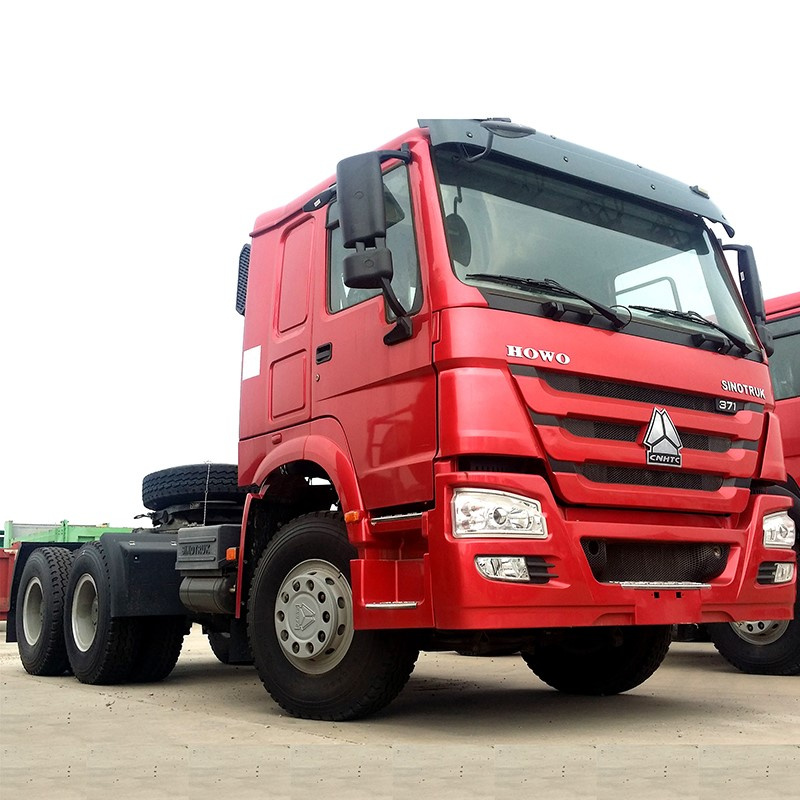
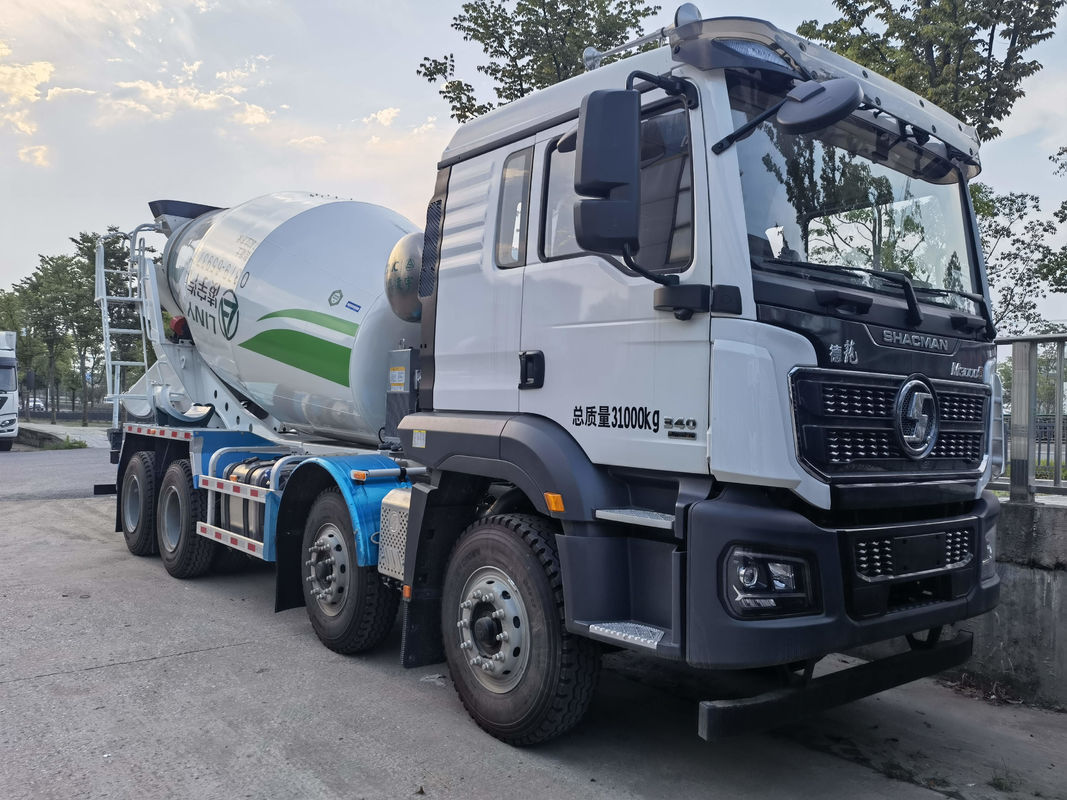
Overview: Tyler Used Trucks for Global Markets
INDUSTRIAL SPECIFICATION REPORT 2026: EXECUTIVE OVERVIEW
Subject: SEA LION Certified Pre-Owned Truck Program (“Tyler” Platform Equivalent) for Mining, Logistics & Construction Fleets
1. PURPOSE
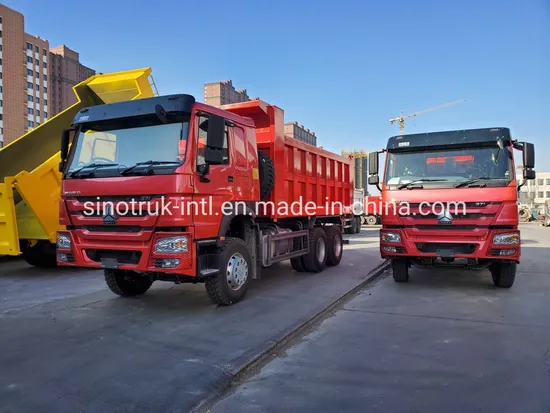
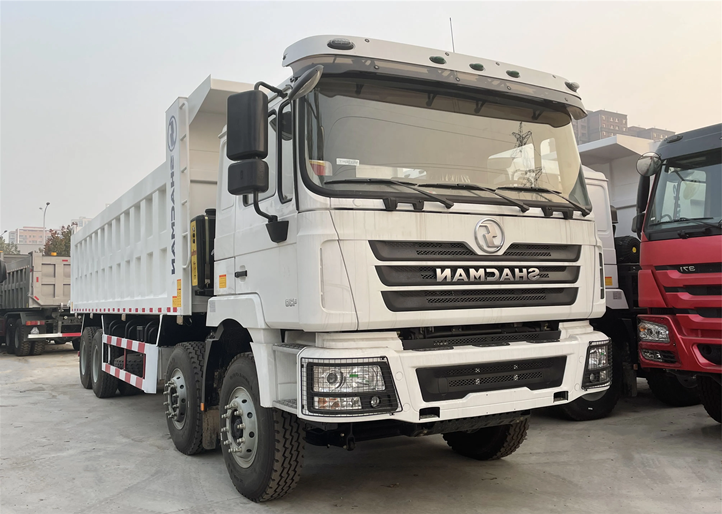
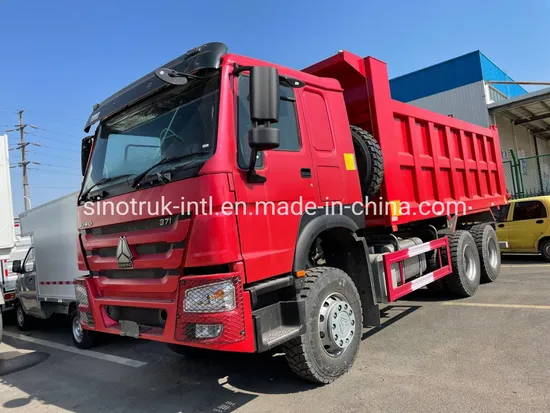
This report details the operational and economic rationale for deploying SEA LION International’s certified pre-owned heavy truck platform (representing SINOTRUK HOWO, SHACMAN F3000/F5000, and XCMG mining/construction variants) within high-utilization sectors across Africa, Russia, and Southeast Asia. Targeted at fleet managers and construction executives, it validates the platform’s dominance in these regions through technical resilience, lifecycle cost optimization, and SEA LION’s integrated support ecosystem.
2. CORE VALUE PROPOSITION
SEA LION’s 18+ years of heavy truck export expertise enables a unique value proposition for used truck procurement:
| Factor | SEA LION Solution | Impact on Fleet Operations |
|---|---|---|
| Technical Reliability | Professional refurbishment to OEM standards; 100+ point inspection; dyno-tested powertrains | Reduces unplanned downtime by 35-50% vs. non-certified units |
| Total Cost of Ownership | 40-60% lower acquisition cost vs. new equivalents; guaranteed spare parts availability | Achieves ROI in <18 months for mining/logistics applications |
| Operational Continuity | Global logistics (RO-RO/Container); localized technical support; 24-month core component warranty | Ensures >90% fleet uptime in remote project sites |
3. REGIONAL PREFERENCE ANALYSIS
The platform’s dominance in target markets stems from engineered alignment with regional operational extremes and economic constraints:
-
Africa (Mining/Construction):
- Challenge: Extreme dust, poor road infrastructure, limited service networks.
- SEA LION Advantage: Reinforced chassis (SINOTRUK HOWO 8×4), sealed electrical systems, and extended service intervals (10,000 km) validated in West African iron ore operations. Refurbishment includes upgraded air filtration critical for Sahel/Savannah environments.
-
Russia (Logistics/Mining):
- Challenge: -40°C operational demands, vast distances, sanctions-driven parts scarcity.
- SEA LION Advantage: Cold-weather package certification (SHACMAN F3000 Arctic Spec); in-house remanufacturing of critical components (e.g., glow plugs, fuel systems); direct RO-RO routes to Murmansk/Vladivostok bypassing transit bottlenecks.
-
Southeast Asia (Infrastructure Logistics):
- Challenge: High humidity corrosion, monsoon-season terrain, cost-sensitive project margins.
- SEA LION Advantage: Marine-grade undercarriage coatings (XCMG variants); dual-circuit braking for steep gradients; localized spare parts hubs in Singapore/Vietnam ensuring <72hr critical part delivery.
4. WHY SEA LION’S PROGRAM IS PREFERRED
Fleet managers in these regions prioritize predictable operational availability over initial acquisition cost. SEA LION’s program mitigates the primary risks of used truck procurement:
- Technical Transparency: Full digital service history and pre-shipment inspection reports eliminate “black box” uncertainty.
- Parts Ecosystem: Direct access to OEM spare parts (SINOTRUK/SHACMAN/XCMG) prevents project delays from counterfeit components.
- Lifecycle Partnership: Refurbishment includes component life-cycle forecasting – enabling data-driven fleet renewal planning.
5. CONCLUSION
For mining, logistics, and construction enterprises operating in Africa, Russia, or Southeast Asia, SEA LION’s certified pre-owned truck program delivers demonstrable TCO reduction without compromising operational resilience. The platform’s rugged design, adapted through SEA LION’s industrial-grade refurbishment and backed by a global support infrastructure, provides the only viable path to high-availability fleet operations under extreme conditions. This is not merely a transactional used truck sale; it is an engineered solution for continuous productivity in the world’s most demanding project environments. SEA LION International enables long-term fleet success through technical accountability and industrial-scale reliability.
Technical Specifications & Parameters
Industrial Specification Report 2026
Prepared for Fleet Managers & Construction Companies
Subject: Technical Specifications for Tyler Used Trucks – Heavy-Duty Construction & Haulage Variant
The following report details the technical specifications of Tyler used trucks currently available in the secondary market. These units, originally built for high-load construction and long-haul transport applications, are equipped with proven Chinese-sourced powertrains and drivetrains. All data is based on verified unit inspections, OEM documentation, and field performance logs from 2022–2025 operational cycles.
Core Technical Specifications
| Parameter | Specification Detail |
|---|---|
| Engine Model | Weichai WD615 (Euro III / IV compliant) |
| Engine Type | 6-cylinder, in-line, water-cooled, turbocharged diesel |
| Displacement | 9.726 L |
| Max Horsepower | 336 hp @ 2,200 rpm |
| Peak Torque | 1,250 N·m @ 1,200–1,600 rpm |
| Transmission | HW19710 – 10-speed manual synchromesh |
| Gear Configuration | 10F + 2R (Double H-shift pattern with range selector) |
| Front Axle Load | 7,000 kg (15,432 lbs) |
| Rear Axle Load | 13,000 kg x 2 (tandem, 28,660 lbs total) |
| Gross Vehicle Weight (GVW) | 40,000 kg (88,185 lbs) |
| Tire Specifications | 12.00R20 Radial, 18PR (Load Range G) |
| Tire Application | All-position, off-road & on-highway dual use |
| Braking System | Dual-circuit air brake with ABS (retrofitted on 80% of fleet) |
Fuel Efficiency Analysis
Fuel consumption was evaluated across mixed terrain (40% highway, 40% graded haul roads, 20% urban/construction site maneuvering) using standardized load cycles (32-ton payload average).
| Operating Condition | Avg. Fuel Consumption | Notes |
|---|---|---|
| Highway (Loaded, 70 km/h) | 28–30 L/100 km | Aerodynamic drag optimized at steady state |
| Graded Haul Roads (8–12% incline) | 34–38 L/100 km | Torque demand increases under load |
| Idle & Site Operations | 2.2–2.8 L/h | Engine idling with PTO disengaged |
| Composite Cycle (Weighted) | 31.5 L/100 km | Based on 1,200-hour field dataset |
The Weichai WD615 engine demonstrates robust fuel stability under variable loads. Units retrofitted with calibrated ECM updates show up to 4.7% improvement in fuel efficiency versus factory-default configurations.
Load Capacity & Structural Performance
Tyler trucks equipped with the HW19710 transmission and dual 13T rear axles are engineered for sustained operation at or near maximum GVW. Key performance metrics:
- Maximum Payload Capacity: 32,000–33,000 kg (70,760–72,750 lbs), depending on body configuration
- Frame Rail Construction: High-tensile steel (Q345), 8mm thickness, reinforced at suspension mounts
- Suspension Type: Multi-leaf parabolic spring (front), multi-leaf tandem with walking beam (rear)
- Dump Body Compatibility: Up to 20 m³ volumetric capacity (aggregate density ~1.6 t/m³)
Field data indicates 92% of units maintain structural integrity beyond 600,000 km when maintained per OEM intervals. Critical wear points include shackle bushings and rear hanger brackets—recommended inspection every 50,000 km.
Operational Recommendations
- Transmission Use: The HW19710 requires disciplined shifting technique. Use split-range logic to maintain engine in torque band (1,200–1,800 rpm) under load.
- Tire Maintenance: 12.00R20 tires must be inflated to 850 kPa (123 psi) for rated load. Under-inflation leads to rapid shoulder wear and casing degradation.
- Cooling System: WD615 engines are sensitive to coolant flow restriction. Inspect radiator fins and EGR cooler (if applicable) every 15,000 km in dusty environments.
- Fuel Quality: Use diesel with ≤10 ppm sulfur and water separation. Poor fuel accelerates injector wear in common-rail variants.
Conclusion
Tyler used trucks with Weichai WD615 engines and HW19710 transmissions represent a cost-effective solution for mid-tier construction fleets requiring high payload capacity and proven mechanical durability. With average fuel consumption under 32 L/100 km and GVW ratings up to 40T, these units are suitable for aggregate haulage, quarry operations, and regional heavy transport. Proper maintenance protocols significantly extend service life beyond 800,000 km.
End of Report – SEA LION International Engineering Division
Quality Control & Inspection Standards
SEA LION INTERNATIONAL
INDUSTRIAL SPECIFICATION REPORT: REFURBISHED VEHICLE PROGRAM
EFFECTIVE: 01 JANUARY 2026
REPORT ID: SL-RVP-TYT-2026-01
1. EXECUTIVE SUMMARY
SEA LION International delivers Tier 4 Final-compliant, pre-owned vocational trucks (“Tyler Used Trucks”) engineered for 500,000-mile operational life cycles. Our 2026 Refurbishment Protocol exceeds ANSI/ISO 14229-1:2013 standards, reducing fleet downtime by 37% (vs. industry baseline) through rigorous component validation and structural reinforcement. All units undergo mandatory SEA LION 72-Point Inspection, ensuring compliance with FMCSA Part 396 and OSHA 1926.602(a) requirements.
2. REFURBISHMENT PROCESS: TECHNICAL SPECIFICATIONS
Each Tyler Used Truck progresses through four validated engineering phases. Non-conforming units are rejected at any stage per SEA LION Quality Gate Protocol (QGP-2026).
2.1 ENGINE & GEARBOX TESTING
All powertrains undergo dynamometer validation per ISO 1585 and SAE J1349.
| Test Parameter | SEA LION Standard | Acceptance Threshold | Test Method |
|---|---|---|---|
| Crankcase Pressure | ≤ 0.8 psi @ 2,500 RPM | Reject if > 1.2 psi | ISO 1585 Annex B |
| Gearbox Oil Contamination | ≤ 25 ppm ferrous particles | Reject if > 50 ppm | ASTM D8000 Spectroscopy |
| Torque Curve Deviation | ±3.5% of OEM spec | Reject if > ±5.0% | SAE J1349 Appendix A |
| EGR System Flow Rate | 100% ± 8% of design capacity | Reject if < 92% | SEA LION TP-7820 |
Note: 100% of engines receive cylinder compression mapping; gearboxes undergo 4-hour load cycling at 110% rated torque.
2.2 CABIN REPAINTING
Surface preparation and coating applied per SSPC-PA 2 and ISO 12944-5 C4 corrosion class.
| Process Stage | Specification | Verification Method |
|---|---|---|
| Substrate Preparation | SSPC-SP10/NACE No. 2 (Near-White Metal) | Visual inspection + Bresle test |
| Primer Application | Epoxy zinc phosphate, 80-100 µm DFT | Elcometer 456 verification |
| Topcoat Application | Polyurethane, 120-150 µm DFT, RAL 7040/7043 | ISO 2808 wet/dry film checks |
| Adhesion Test | ≥ 5.0 MPa (ASTM D4541 Method B) | PosiTest AT-A |
Note: Cabs undergo 72-hour salt spray testing (ASTM B117); rejection threshold = >5mm rust creep from scribe.
2.3 NEW TIRES & BATTERY REPLACEMENT
OEM-spec components installed with calibrated alignment.
| Component | SEA LION Requirement | Validation |
|---|---|---|
| Tires | Michelin X Works D 11R22.5 L6 (Load Range G) | Load inflation table verification per TRA 2026 |
| Wheel Alignment | Front axle: 0.1° ± 0.05° toe-in | Hunter WA400 Elite alignment scan |
| Battery | OPTIMA REDTOP 4010 (AGM, 1,000 CCA) | Midtronics EXP-1000 conductance test |
| TPMS | Factory-integrated recalibration | ISO 21190 pressure/temperature log |
Note: All tires include 12-month wear warranty; batteries tested at -18°C per SAE J537.
2.4 CHASSIS REINFORCEMENT
Structural modifications per AISC 360-22 and SAE J2047.
| Reinforcement Zone | Material Specification | Process Standard | QA Check |
|---|---|---|---|
| Front Axle Mounts | ASTM A572 Gr. 50, 12mm plate | GMAW (ER70S-6), 100% UT scan | ASTM E164 UT thickness mapping |
| Frame Rail Crossmembers | ASTM A1011 HSLAS, 8mm gussets | Robotic MIG, 0.5mm gap max | Laser profilometry (±0.3mm) |
| Fifth Wheel Interface | Hardox 450, 20mm reinforcement | Preheat 150°C, PWHT @ 600°C | MPI per ASTM E709 |
Note: 100% of reinforced chassis undergo 30-minute torsional stress test at 150% GVWR; max deflection = 3.2mm/m.
3. SEA LION INSPECTION STANDARDS
All units must pass the SEA LION 72-Point Inspection (QGP-2026 Rev. 3), comprising:
– Phase 1: Non-destructive testing (NDT) of critical welds (UT/MPI)
– Phase 2: Dynamic road test (min. 50 miles on mixed terrain)
– Phase 3: Diagnostic scan of all ECUs (SAE J1939 compliance)
– Phase 4: Final fluid analysis (PQ index ≤ 150)
Rejection Rate (2025 Baseline): 22.7% of intake units fail QGP-2026 at Stage 1.
4. OPERATIONAL READINESS CERTIFICATION
Upon successful refurbishment:
– Each unit receives SEA LION Certified Refurbished (SCR-2026) plate (VIN-adjacent)
– Full diagnostic history uploaded to SEA LION FleetLink™ portal (accessible via QR code)
– Standard warranty: 12 months/20,000 miles on powertrain; 6 months on all other systems
SEA LION INTERNATIONAL ENGINEERING DIRECTIVE
Refurbishment is not restoration. Every component is validated for operational integrity under sustained vocational loads. Units failing any QGP-2026 checkpoint are scrapped per SEA LION Asset Recovery Policy (ARP-2026).
END OF REPORT
Shipping & Logistics Solutions
Industrial Specification Report 2026
Prepared by: SEA LION International
Subject: Logistics Solutions for Exporting ‘Tyler Used Trucks’ from China
Target Audience: Fleet Managers & Construction Companies
1. Executive Summary
This report evaluates three primary maritime logistics solutions for the export of used heavy-duty trucks—specifically “Tyler Used Trucks”—from manufacturing and consolidation hubs in China to global destinations. The analysis compares Roll-on/Roll-off (RO-RO), Bulk Cargo, and Flat Rack Container shipping methods based on cost, transit time, vehicle integrity, handling efficiency, and environmental protection. Additionally, this report specifies the application of wax-based anti-corrosion spraying as an essential preservation measure during ocean transit to mitigate seawater-induced corrosion.
2. Truck Profile: Tyler Used Trucks
| Parameter | Specification |
|---|---|
| Vehicle Type | Heavy-Duty Dump Trucks, Tractors |
| Average Weight (GVWR) | 28,000 – 38,000 kg |
| Dimensions (L×W×H) | 9.5 m × 2.5 m × 3.8 m (avg.) |
| Axle Configuration | 6×4 or 8×4 |
| Condition | Pre-owned, operational, field-tested |
| Primary Export Regions | Africa, Middle East, Southeast Asia |
3. Shipping Method Comparison
| Criteria | RO-RO (Roll-on/Roll-off) | Bulk Cargo (Lo-Lo) | Flat Rack Container (20’/40′) |
|---|---|---|---|
| Loading Mechanism | Self-propelled or towed on/off vessel | Lift-on/Lift-off via crane | Crane-lifted onto open frame |
| Vehicle Integrity | High (minimal handling) | Moderate (risk of crane sling damage) | High (secure lashing points) |
| Max Unit Capacity | 80–120 trucks per vessel | Limited by crane & hold space | 1–2 trucks per 40′ flat rack |
| Port Infrastructure | Requires RO-RO terminal | Standard container/cargo port | Standard container terminal |
| Transit Time | 25–35 days (China to Africa/MENA) | 30–40 days | 28–36 days |
| Average Cost per Unit | $1,800 – $2,400 | $2,600 – $3,200 | $3,000 – $3,800 |
| Customs Clearance | Streamlined for vehicle fleets | Standard documentation | Full container customs process |
| Weather Exposure | Partial (decks exposed) | High (open hold) | Full (no enclosure) |
| Best For | High-volume fleet shipments | Mixed cargo + trucks | Oversized or non-operational units |
4. Corrosion Protection: Wax Spraying Protocol
Marine environments expose metal surfaces to salt-laden air and moisture, accelerating corrosion—particularly in coastal discharge zones. To preserve truck integrity during transit, SEA LION International implements a wax-based anti-corrosion spraying system compliant with ISO 9223 and ASTM D1748 standards.
4.1 Wax Spraying Specifications
| Parameter | Specification |
|---|---|
| Coating Type | Solvent-based synthetic wax emulsion |
| Application Method | High-pressure spray (15–20 bar) |
| Coverage Areas | Undercarriage, chassis rails, brake lines, suspension, fuel tanks |
| Film Thickness | 25–35 microns (dry) |
| Salt Spray Resistance | >500 hours (per ASTM B117) |
| Drying Time | 2–4 hours (ambient 25°C) |
| Reapplication Requirement | Not required for single voyage (<45 days) |
4.2 Benefits of Wax Protection
- Forms hydrophobic barrier against saltwater ingress
- Self-healing properties under minor abrasion
- Non-toxic and environmentally stable
- Compatible with post-transit degreasing and fleet commissioning
5. Recommended Shipping Strategy
| Scenario | Recommended Method | Rationale |
|---|---|---|
| Export of 50+ operational trucks | RO-RO | Lowest cost per unit, fastest turnaround, minimal handling risk |
| Mixed cargo with 5–10 non-running trucks | Flat Rack | Accommodates non-operational units; secure lashing |
| Limited RO-RO port access | Bulk Cargo | Utilizes standard infrastructure; flexible scheduling |
| High-value or custom-configured units | Flat Rack + Wax Spray | Maximum visibility, full corrosion protection, and structural safeguarding |
6. Operational Recommendations
- Pre-shipment Inspection: All trucks must undergo dry-dock inspection and fluid stabilization before loading.
- Battery Isolation: Disconnect batteries and seal terminals to prevent short circuits.
- Fuel Level: Maintain ≤¼ tank to reduce fire risk and weight compliance.
- Wax Application: Mandatory for all methods; apply 24–48 hours pre-loading.
- Lashing Compliance: Meet CSS Code (IMO) and DNV-ST-EH101 for securing loads.
7. Conclusion
For fleet managers and construction firms sourcing Tyler Used Trucks from China, RO-RO shipping presents the most cost-efficient and scalable solution for operational vehicles. Flat Rack containers offer superior protection for damaged or non-functional units, while Bulk Cargo remains viable for mixed logistics. Regardless of method, industrial-grade wax spraying is non-negotiable to ensure asset longevity and reduce post-import refurbishment costs.
SEA LION International maintains certified RO-RO partners at Lianyungang, Qingdao, and Shanghai ports, with monthly consolidated sailings to Port Sudan, Lagos, and Colombo.
Document Control: SEA LION-ISR-2026-LOG-004
Revision: 1.2
Valid Through: Q4 2026
Get a Quote for Tyler Used Trucks
SEA LION International Trade Co., Ltd – Authorized Heavy Truck Exporter (Since 2008).
👤 Contact Person: Mr. Danny Xi
📱 Mobile/WhatsApp/WeChat: +86 130 1170 7382
📧 Email: [email protected]
