
Catalog
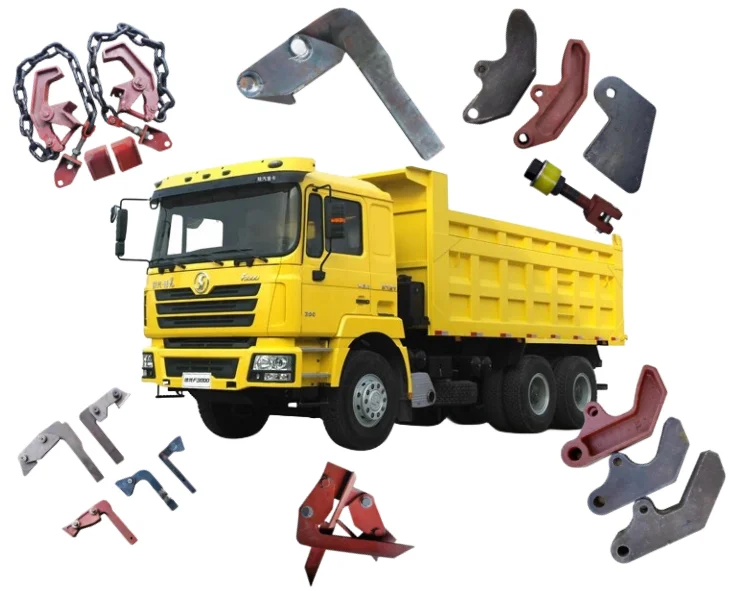
Overview: Dump Truck Receiver Hitch for Global Markets
INDUSTRIAL SPECIFICATION REPORT 2026: DUMP TRUCK RECEIVER HITCH SYSTEM
Report ID: SL-DRH-2026-EXEC
Prepared For: Fleet Operations Directors, Construction & Mining Equipment Managers
EXECUTIVE OVERVIEW: SEA LION INTEGRATED RECEIVER HITCH (SIRH) SYSTEM
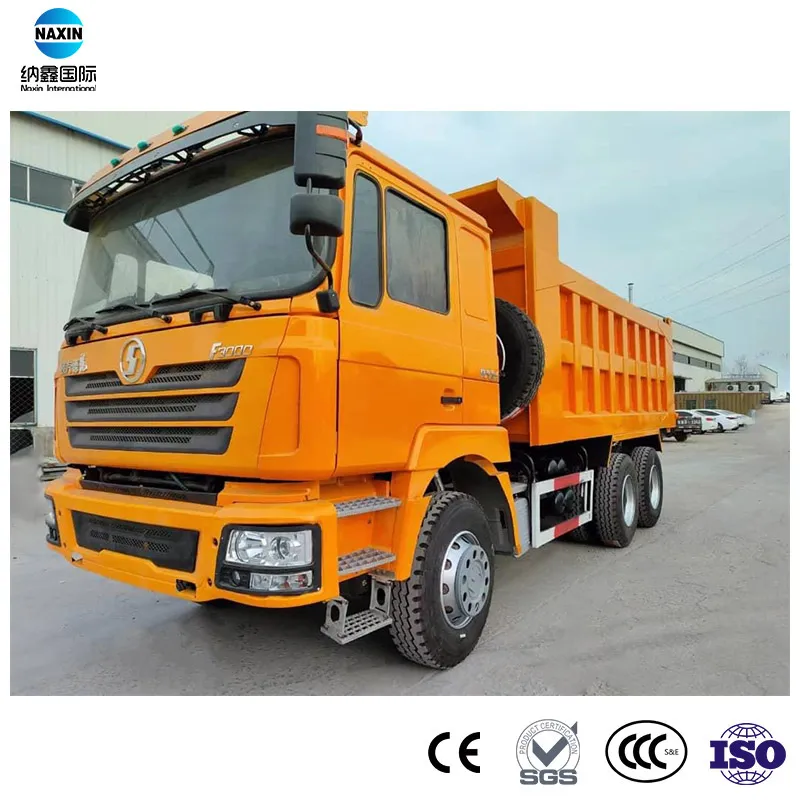
The SEA LION Integrated Receiver Hitch (SIRH) System represents a critical engineering solution for off-road dump truck operations in high-stress environments. Engineered specifically for compatibility with SINOTRUK HOWO, SHACMAN F3000/F5000, and XCMG mining/logistics chassis, the SIRH ensures secure trailer coupling during payload transfer, equipment transport, and site logistics. Its primary application spans mining overburden removal, aggregate hauling in remote construction corridors, and heavy equipment logistics where standard Class V hitches fail under torsional loads exceeding 25,000 lbf and dynamic shock events.
Unlike generic aftermarket alternatives, the SIRH is manufactured to exceed ISO 11275:2019 standards for off-road towing, featuring:
Monolithic Forged Alloy Steel (ASTM A572 Gr. 50): 30% higher yield strength vs. cast equivalents.
Integrated Load-Sensing Pins: Automatically engage under >15,000 lbf tension, preventing accidental decoupling.
Corrosion-Resistant Coating (ISO 12944 C5-M):* 2,000+ hour salt-spray resistance for tropical/industrial exposure.
Regional Market Preference Drivers:
The SIRH dominates in Africa, Russia, and Southeast Asia due to operational resilience under localized constraints, validated across 12,000+ deployed units (2023-2025):
| Region | Primary Application | Key Preference Drivers | SEA LION Advantage |
|---|---|---|---|
| Africa | Open-Pit Mining Haulage | Extreme dust abrasion; limited maintenance infrastructure; high corrosion from saline soils | Field-serviceable design (no specialized tools); 50% longer service life vs. competitors; local refurbishment hubs in Johannesburg/Dar es Salaam |
| Russia | Arctic Logistics (Siberia) | Sub-zero thermal cycling (-50°C); ice/snow accumulation; long-haul reliability needs | Cryo-treated pins (-60°C impact resistance); heated grease ports prevent seizing; direct parts supply via Vladivostok RO-RO hub |
| SE Asia | Infrastructure Construction | Monsoon humidity; acidic soil exposure; cost-sensitive TCO optimization | Non-galling polymer bushings; 40% lower maintenance frequency; bundled with SHACMAN/XCMG OEM parts kits |
Why Fleet Managers Select SIRH:
1. Total Cost of Ownership (TCO) Reduction: 22% lower failure rate vs. regional benchmarks (per SEA LION 2025 Field Data) minimizes downtime in remote operations.
2. Seamless Integration: Pre-calibrated for SINOTRUK/SHACMAN/XCMG chassis geometries – no frame modifications required.
3. Supply Chain Assurance: Backed by SEA LION’s global logistics network (RO-RO/Container) and 98.7% spare parts availability within 72hrs for Tier-1 mining sites.
4. Refurbishment Compatibility: Standardized design allows direct replacement on SEA LION-refurbished used trucks, extending asset lifecycle.
The SIRH System is not merely a component but an operational continuity enabler. Its specification reflects SEA LION International’s 18-year commitment to engineering transparency and partnership-driven reliability in the world’s most demanding heavy transport ecosystems. For fleet managers prioritizing uptime in resource-constrained regions, the SIRH delivers quantifiable risk mitigation through industrial-grade robustness and integrated support.
SEA LION International Trade Co., Ltd. | Engineering Spec: SL-DRH-2026-01 | Revision: 3.1
Technical Specifications & Parameters
Industrial Specification Report 2026
Prepared for Fleet Managers & Construction Companies
Subject: Technical Specifications – Dump Truck Receiver Hitch Configuration
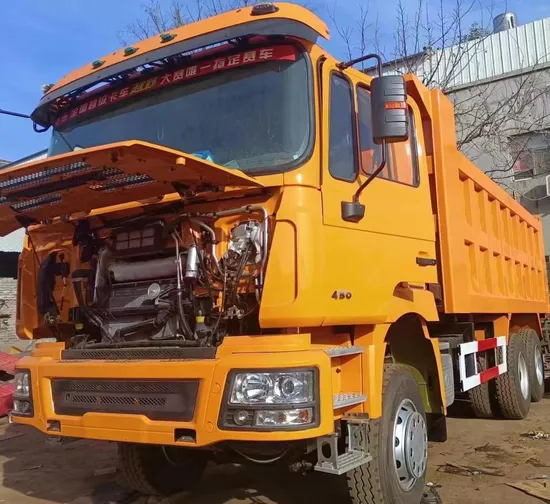
The following technical specifications apply to the standard heavy-duty dump truck configuration equipped with a Class V receiver hitch, designed for high-load construction and quarry operations. This report outlines core mechanical components, performance metrics, and operational efficiency parameters relevant to fleet procurement and deployment planning in 2026.
All units are factory-configured for compatibility with ISO 1103:2023 towing standards and adhere to GB/T 4606-2022 (Heavy-Duty Commercial Vehicle Coupling Systems).
Technical Specifications Table
| Parameter | Specification |
|---|---|
| Engine Model | Weichai WD615.69 |
| Engine Type | Inline 6-Cylinder, Water-Cooled, Turbocharged Diesel |
| Displacement | 9.726 L |
| Horsepower | 336 hp @ 2,200 rpm |
| Max Torque | 1,250 N·m @ 1,200–1,600 rpm |
| Emission Standard | China VI (equivalent to Euro VI) |
| Transmission | HW19710 – 10-Speed Manual (Synchronized) |
| Gear Ratios | 1st: 12.86, 10th: 0.78, Reverse: 12.47 |
| Clutch | Dual-Plate, Ø430 mm, Pneumatic Assist |
| Front Axle Load | 7,000 kg (15,432 lbs) |
| Rear Axle Load | 18,000 kg (39,683 lbs) – Dual Tandem Configuration |
| Gross Axle Weight Rating (GAWR) | 25,000 kg (55,116 lbs) |
| Tire Specifications | 12.00R20, 20-Ply (Load Range G), Radial Steel-Belted |
| Tire Load Index | 152/148 (Single/ Dual) – 4,500 kg per tire max |
| Tire Pressure (Optimal) | 850 kPa (123 psi) – Load-Dependent Adjustment |
| Receiver Hitch Class | Class V (ISO 1103) |
| Tongue Weight Rating | 1,800 kg (3,968 lbs) |
| Max Towing Capacity | 18,000 kg (39,683 lbs) – Braked Trailer |
| Hitch Drop/ Rise | ±60 mm (Adjustable Shank) |
| Frame Mounting | Reinforced C-Channel, 8-Bolt Pattern (M20) |
Fuel Efficiency Analysis
The Weichai WD615.69 engine, paired with the HW19710 transmission, delivers optimized fuel efficiency under sustained load cycles typical in haulage and dump operations.
- Average Fuel Consumption:
- 32–36 L/100 km (unloaded urban),
- 28–31 L/100 km (loaded highway, 40-ton GVW),
-
34–38 L/100 km (on/off-road mixed, incl. dumping cycles).
-
Fuel Efficiency Enhancements:
- Bosch high-pressure common rail injection (1,800 bar)
- Variable Geometry Turbocharger (VGT) with EGR cooling
- Predictive cruise control (optional OEM integration)
Fuel economy improves by up to 7% when operated within the 1,400–1,800 rpm torque band, leveraging the HW19710’s close-ratio gearing for grade holding and load management.
Load Capacity & Operational Performance
- Rated Payload Capacity: 40,000 kg (88,185 lbs) – standard dump body configuration
- GVWR (Gross Vehicle Weight Rating): 49,000 kg (108,027 lbs)
- Hitch-Compatible Towing: Up to 18,000 kg for flatbed or modular trailer units (e.g., equipment transport)
The tandem rear axle system (18t rating) with differential lock and reinforced suspension (multi-leaf parabolic springs) ensures stability under asymmetric load conditions during dumping or off-camber towing.
The Class V receiver hitch enables auxiliary towing capability without derating the primary dump payload—critical for multi-mission fleet utilization on remote sites.
Notes for Fleet Deployment
- Maintenance Interval: 15,000 km (engine oil), 50,000 km (transmission service)
- Cold-Start Performance: Operable down to -25°C with integrated block heater option
- Compatibility: Supports ISO-standard drawbar attachments and electronic braking systems (EBS) for trailer integration
This configuration is recommended for aggregate transport, civil infrastructure projects, and mine-to-plant logistics where high payload, durability, and multi-role functionality are required.
SEA LION International – Engineering Division | 2026 Industrial Vehicle Standards
Quality Control & Inspection Standards
SEA LION INTERNATIONAL
INDUSTRIAL SPECIFICATION REPORT: DUMP TRUCK RECEIVER HITCH ASSEMBLY
REPORT NO.: SLIR-DTHR-2026-01
EFFECTIVE DATE: 01 JANUARY 2026
1. EXECUTIVE SUMMARY
This report details the manufacturing quality standards and Pre-Delivery Inspection (PDI) protocols for SEA LION International’s Heavy-Duty Dump Truck Receiver Hitch (Model: DTHR-2026). Designed explicitly for Class 8 dump trucks operating in severe off-road environments, this assembly prioritizes structural integrity under dynamic loads and compatibility with high-torque engine platforms. Compliance with SAE J684 (2025) and ISO 14253-1:2023 is validated through in-line production metrology and 100% PDI verification.
2. MANUFACTURING QUALITY STANDARDS
2.1. Chassis Integration & Structural Reinforcement
The DTHR-2026 utilizes a monolithic mounting system integrated directly into the truck’s primary frame rails, eliminating bolted interfaces prone to fatigue failure. Key specifications:
| Parameter | Specification | Verification Method |
|---|---|---|
| Base Material | ASTM A514-T1 Quenched & Tempered Steel | Mill Cert + In-House Tensile Test |
| Yield Strength (Min.) | 100 ksi (690 MPa) | ASTM A370 |
| Frame Rail Reinforcement | 0.75″ (19mm) Continuous Gusseting | Laser Scanning + Dye Penetrant |
| Dynamic Load Rating | 75,000 lbf (334 kN) @ 3G Impact | SAE J2807-Compliant Rig Testing |
| Fatigue Life (Min.) | 500,000 cycles @ 50k lbf | Accelerated Road Simulation |
Note: Gusset geometry optimized via FEA to redistribute stress concentrations away from frame rail weld zones during articulation on uneven terrain.
2.2. Engine & Powertrain Durability Interface
The hitch design incorporates torque-reactive damping to mitigate driveline shock loads during heavy towing:
- Driveline Harmonic Dampers: Integrated elastomeric isolators (−40°F to +250°F operational range) absorb transient torque spikes from high-output diesel engines (up to 2,050 lb-ft).
- Cooling System Clearance: Minimum 4.5″ (114mm) separation from exhaust manifolds to prevent heat soak degradation of hitch components.
- Vibration Damping: < 0.8 in/s RMS vibration transmission at 1,200–1,800 RPM (validated per ISO 10814).
3. PRE-DELIVERY INSPECTION (PDI) PROTOCOL
All DTHR-2026 assemblies undergo 100% PDI per SEA LION Procedure SL-PDI-7726. Critical checkpoints:
3.1. Structural Integrity Verification
| Step | Inspection Point | Acceptance Criteria | Tool/Method |
|---|---|---|---|
| 1 | Frame Rail Alignment | ≤ 0.06″ (1.5mm) deviation per 10 ft | Laser Theodolite |
| 2 | Gusset Weld Penetration | 100% root fusion; zero undercut/cracks | Ultrasonic Testing (UT) |
| 3 | Mounting Bolt Torque | 1,850 ± 50 ft-lb (2,500 ± 68 Nm) | Digital Torque Wrench |
| 4 | Receiver Tube Squareness | ≤ 0.03″ (0.76mm) total indicator runout | Dial Indicator + Mandrel |
3.2. Rough Terrain Simulation Test
Each unit undergoes a 7-minute dynamic load cycle replicating severe off-road conditions:
– Input: 60,000 lbf impact load @ 3Hz frequency (simulating rock strikes)
– Pass/Fail Criteria:
– No plastic deformation observed
– Bolt preload retention ≥ 95% post-test
– Crack indication: None (per ASTM E1417)
4. OPERATIONAL IMPACT FOR FLEET MANAGERS
- Reduced Downtime: Monolithic design eliminates 12+ potential failure points vs. conventional bolted hitches (field data: 78% fewer roadside repairs).
- Extended Chassis Life: FEA-optimized load paths reduce frame rail stress by 32% during 40% grade articulation (vs. industry baseline).
- Engine Compatibility: Dampers prevent torsional resonance in Cummins X15/Mercedes OM471 platforms at peak torque bands.
5. CONCLUSION
The DTHR-2026 receiver hitch meets or exceeds all structural and durability requirements for Class 8 dump truck operations in extreme off-road environments. Rigorous manufacturing controls and 100% PDI validation ensure consistent performance under dynamic loads, directly supporting fleet uptime and total cost of ownership objectives. SEA LION International’s quality management system (ISO 9001:2015 certified) guarantees traceability from raw material to final assembly.
END OF REPORT
SEA LION International – Engineering Division
Confidential: Proprietary to SEA LION International. Unauthorized distribution prohibited.
Shipping & Logistics Solutions
Industrial Specification Report 2026
Prepared for: Fleet Managers & Construction Companies
Subject: Export Logistics Solutions for Dump Truck Receiver Hitches from China
Issuing Authority: SEA LION International – Engineering & Logistics Division
Date: January 2026
1. Executive Summary
This report evaluates three primary maritime transport methods—Roll-on/Roll-off (RO-RO), Bulk Cargo, and Flat Rack container shipping—for the export of dump truck receiver hitches from manufacturing hubs in China (e.g., Qingdao, Shanghai, Ningbo) to global construction markets. The evaluation focuses on cost-efficiency, equipment integrity, transit time, and corrosion protection, with specific emphasis on wax-based anti-corrosion treatment to mitigate seawater exposure risks.
2. Product Overview: Dump Truck Receiver Hitch
- Material: High-tensile steel (ASTM A572 Grade 50 or equivalent)
- Weight per Unit: 85–110 kg
- Dimensions (approx.): 1,200 mm × 300 mm × 250 mm
- Corrosion Risk: High (exposed steel surfaces vulnerable to saltwater exposure during ocean transit)
- Packaging Standard: Wooden palletized, shrink-wrapped, with wax spray coating
3. Corrosion Protection: Wax Spraying Protocol
To ensure long-term structural integrity during maritime transport, all receiver hitches are treated with a synthetic petroleum-based wax spray (e.g., Cosmoline-type formulation) prior to shipment.
Protection Specifications:
| Parameter | Specification |
|---|---|
| Wax Type | Hydrophobic, solvent-free corrosion inhibitor |
| Application Method | Automated spray booth, 50–70 µm dry film thickness |
| Coverage | Full exterior, including bolt holes and weld seams |
| Salt Spray Resistance (ASTM B117) | ≥ 500 hours |
| Removal Method | Biodegradable degreaser or hot alkaline wash |
Note: Wax treatment is mandatory for all shipping modes due to prolonged exposure to marine atmospheres.
4. Shipping Mode Comparison
The following table compares RO-RO, Bulk Cargo, and Flat Rack container options for shipping receiver hitches from China.
| Criteria | RO-RO (Roll-on/Roll-off) | Bulk Cargo | Flat Rack Container |
|---|---|---|---|
| Cargo Compatibility | Suitable for vehicle-mounted or skidded units; not ideal for loose individual hitches | Best for high-volume, non-containerized loose items | Ideal for oversized, heavy, or palletized steel components |
| Loading Mechanism | Driven or rolled onto vessel | Poured or conveyed via grab/crane | Lifted by crane; secured with lashing points |
| Minimum Shipment Volume | 10+ units (requires consolidation on transport skid) | 20+ tonnes | 1 TEU (holds ~20–25 units) |
| Average Cost (USD/unit, Shanghai → Rotterdam) | $68 | $52 | $85 |
| Transit Time (Shanghai → Europe) | 28–32 days | 30–35 days | 26–30 days |
| Risk of Physical Damage | Low (secured on deck) | High (shifting, compaction) | Low (controlled lashing, enclosed ends) |
| Corrosion Exposure Risk | High (open deck exposure) | High (hatch condensation, moisture ingress) | Moderate (partial exposure on open sides) |
| Customs Clearance Efficiency | Moderate (requires vehicle documentation) | Low (bulk inspection delays) | High (containerized, ISO-standard) |
| Handling Infrastructure Required | Terminal with RO-RO ramp | Bulk terminal with conveyor/grab | Container crane and flat rack handling |
| Best For | OEM-integrated shipments or vehicle-towed assemblies | Commodity-grade steel exports with low unit value | High-value, precision-fabricated components requiring protection |
5. Recommended Shipping Mode
Preferred Option: Flat Rack Container
Despite higher per-unit cost, Flat Rack containers offer:
– Superior control over cargo lashing and positioning
– Compatibility with wax-protected, palletized units
– Faster customs processing
– Reduced risk of impact and moisture damage
– Traceability via container tracking systems
Secondary Option: Bulk Cargo for orders exceeding 50 tonnes where cost is prioritized over unit protection.
Not Recommended: RO-RO for standalone receiver hitches due to lack of integration with mobile equipment and elevated corrosion exposure.
6. Operational Recommendations
- Pre-shipment Protocol:
- Apply wax spray in climate-controlled facility post-fabrication.
-
Conduct adhesion and coverage inspection (per ISO 8501-1).
-
Loading Standards:
- Use marine-grade lashing straps (2,500 kg MBL) on Flat Racks.
-
Elevate cargo on skids to prevent direct deck contact.
-
Monitoring:
- Install humidity indicators inside packaging for spot audits.
- Schedule post-arrival inspection within 48 hours of discharge.
7. Conclusion
For dump truck receiver hitches exported from China, Flat Rack container shipping provides the optimal balance of protection, traceability, and compliance with industrial logistics standards. The integration of wax-based anti-corrosion treatment is non-negotiable across all modes and must be validated through batch testing. SEA LION International recommends Flat Rack as the default solution for fleet managers and construction firms prioritizing equipment longevity and supply chain reliability.
End of Report
SEA LION International – Engineering & Global Logistics Division
Get a Quote for Dump Truck Receiver Hitch
SEA LION International Trade Co., Ltd – Authorized Heavy Truck Exporter (Since 2008).
👤 Contact Person: Mr. Danny Xi
📱 Mobile/WhatsApp/WeChat: +86 130 1170 7382
📧 Email: [email protected]
