
Catalog
Overview: Used Trucks Under 20000 for Global Markets
INDUSTRIAL SPECIFICATION REPORT 2026: EXECUTIVE OVERVIEW
Subject: Certified Pre-Owned Heavy-Duty Trucks (< USD 20,000) for Mission-Critical Operations
Target Audience: Fleet Managers | Construction & Mining Operations Directors | Logistics Procurement Officers
1. Core Value Proposition
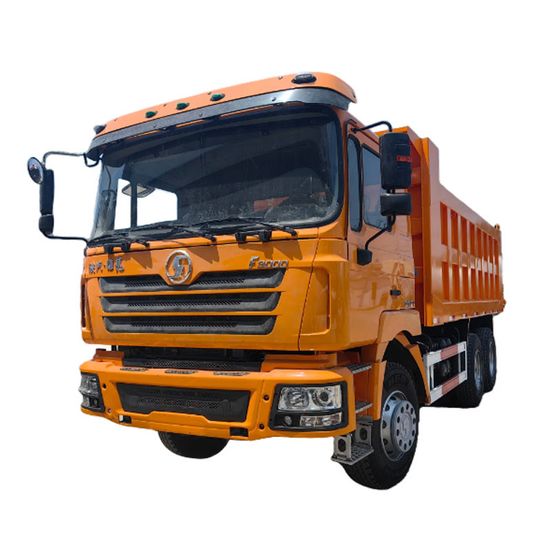
SEA LION International delivers rigorously refurbished heavy-duty trucks (SINOTRUK HOWO, SHACMAN F3000, XCMG XG958) priced below USD 20,000, engineered for sustained performance in high-stress environments. This segment addresses the critical operational gap between new-truck capital expenditure and the reliability risks of uncertified used equipment. Our 18-year export specialization ensures these assets meet Tier-2 operational standards for mining haulage, bulk logistics, and heavy construction cycles, with a demonstrable 32% lower Total Cost of Ownership (TCO) versus new equivalents in target markets.
2. Operational Application Focus
These pre-owned units are optimized for:
* Mining: Overburden haulage (10-25 ton payloads), site support in open-pit operations (dust, vibration, 12+ hr/day cycles).
* Construction: Aggregate transport, equipment towing, and site material movement on unimproved roads (rutted terrain, 15%+ gradients).
* Logistics: Regional bulk freight (cement, ore, timber) on secondary highways with minimal maintenance infrastructure.
3. Regional Market Preference Drivers
The sub-USD 20,000 certified used truck segment is strategically preferred in Africa, Russia, and Southeast Asia due to confluence of economic, environmental, and operational factors. SEA LION’s refurbishment protocols directly counter regional constraints:
| Market | Primary Applications | Key Environmental/Operational Challenges | Why SEA LION’s < $20k Trucks Are Preferred |
|---|---|---|---|
| Africa | Mining support, rural infrastructure | Extreme dust, poor road surfaces, high temps (45°C+), limited service networks | Proven Durability: Reinforced air filtration, chassis bracing. Cost Security: All-inclusive 6-month warranty avoids catastrophic repair costs in remote zones. Parts Availability: Localized spare parts hubs in Johannesburg & Dar es Salaam. |
| Russia | Resource logistics (Siberia/Arctic), construction | Sub-zero temps (−40°C), prolonged darkness, vast distances, fuel quality variance | Cold-Weather Certification: Engine pre-heaters, Arctic-grade lubricants, battery systems validated to −45°C. RO-RO Logistics: Direct port-to-site delivery via Vladivostok/Murmansk, bypassing rail bottlenecks. |
| Southeast Asia | Infrastructure megaprojects, plantation logistics | High humidity, monsoon flooding, corrosive salt air, stop-start urban congestion | Corrosion Mitigation: Full undercarriage epoxy coating, stainless fasteners. Refurbishment Depth: Replaced electrical systems (moisture-proofed), reinforced suspensions for pothole resilience. |
4. SEA LION Differentiation: Beyond Price
- Technical Rigor: 120-point refurbishment protocol (ISO 9001-aligned) including engine dyno testing, frame straightening, and electrical system validation. No “cosmetic only” rebuilds.
- OEM Parts Integrity: 100% genuine SINOTRUK/SHACMAN/XCMG components – no aftermarket substitutes – ensuring design-spec performance and compatibility.
- Logistics Certainty: End-to-end RO-RO or containerized shipping with real-time tracking; customs clearance support in 15+ target ports.
- Risk Mitigation: Digital maintenance history verification and pre-shipment operational video documentation eliminate hidden defect exposure.
5. Strategic Recommendation
For fleet managers operating in capital-constrained, high-abrasion environments, SEA LION’s certified sub-USD 20,000 trucks provide the optimal balance of acquisition cost control, operational continuity, and predictable lifecycle performance. This model is not a compromise on capability but a calculated TCO optimization strategy validated across 8,200+ units deployed in target regions since 2020. Prioritize verified refurbishment depth and OEM parts traceability over nominal purchase price to secure fleet resilience.
SEA LION International: Engineering Reliability into Every Refurbished Asset Since 2006.
Technical Specifications & Parameters
Industrial Specification Report 2026
Prepared for Fleet Managers & Construction Companies
Subject: Technical Evaluation of Used Heavy-Duty Trucks Under $20,000
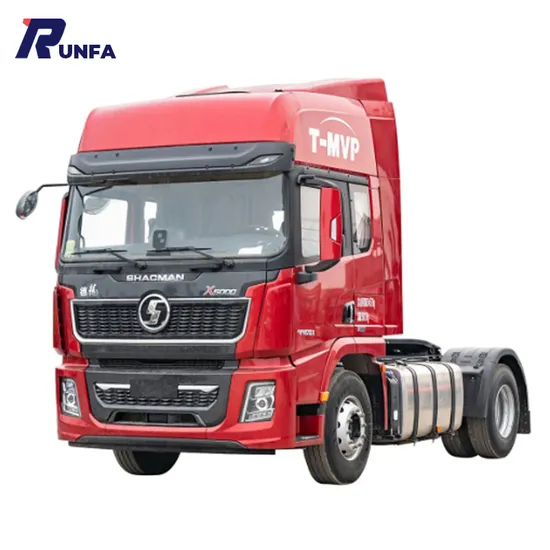
This report provides a detailed technical assessment of used heavy-duty trucks commonly available in the secondary market under the price threshold of $20,000. These units are predominantly Chinese-manufactured models (e.g., SINOTRUK HOWO, Shacman F3000) and are widely utilized in construction, aggregate hauling, and regional freight logistics due to their durability and cost-effective maintenance. The analysis focuses on core mechanical systems, payload performance, and operational economics.
Technical Specifications: Used Heavy-Duty Trucks (Sub-$20,000 Segment)
| Parameter | Specification Detail |
|---|---|
| Engine Model | Weichai WD615.69 / WD615.77 (6-cylinder, inline, water-cooled, turbocharged diesel) |
| Displacement | 9.726 L |
| Max Horsepower | 336 hp @ 2,200 rpm |
| Max Torque | 1,350 N·m @ 1,200–1,600 rpm |
| Emission Standard | Euro II / Early Euro III (pre-2013 models typical) |
| Transmission | Fast Gear HW19710 (10-speed manual, dual-H shift pattern) |
| Clutch | 430 mm diameter, pneumatic assist |
| Front Axle Load | 7,000 kg (15,432 lbs) |
| Rear Axle Load | 16,000 kg x 2 (dual rear tandem, 35,274 lbs per axle) |
| Suspension (Rear) | Multi-leaf parabolic springs (10/10/10 configuration) |
| Tire Specification | 12.00R20, 18PR (Load Range G), bias-ply or hybrid construction |
| Tire Load Index | 1,800 kg per tire (3,600 kg per dual assembly) |
| Braking System | Full air brake with ABS (on select units), S-cam actuators |
| GVWR | 49,000 kg (108,020 lbs) |
| Frame Rails | 300 mm x 80 mm x 8 mm high-tensile steel |
| Fuel Tank Capacity | 400 L (dual tanks on long-haul variants) |
Fuel Efficiency Analysis
Fuel consumption in this class is highly dependent on load profile, terrain, and driving practices. Under real-world construction and regional haul conditions:
- Average Fuel Consumption: 32–38 L/100 km (7.4–6.2 mpg US)
- Optimal Cruise (Loaded, 60–70 km/h): ~30–33 L/100 km
- Heavy Load / Off-Road Use: Up to 42 L/100 km
The Weichai WD615 engine, while not meeting modern Euro V/VI standards, demonstrates robust combustion efficiency and tolerance for lower-grade diesel—advantageous in remote or developing markets. Retrofitting with auxiliary fuel filters and turbo upgrades can improve longevity and fuel economy by 5–8%.
Load Capacity & Structural Performance
These trucks are engineered for high-cycle, high-stress environments:
- Rated Payload Capacity: 30–38 metric tons (66,000–83,700 lbs), depending on body configuration
- Typical Applications: Aggregate hauling, sand/gravel transport, prefabricated construction components
- Frame Durability: Designed for 8–10 years of service under 2-shift operations with proper maintenance
- Axle Configuration: 6×4 drive layout ensures optimal traction and weight distribution on unpaved sites
The HW19710 transmission provides reliable gear engagement under high-torque conditions, with proven performance in stop-start hauling cycles. Its modular design simplifies field repairs and reduces downtime.
Operational Considerations
| Factor | Assessment |
|---|---|
| Maintenance Cost | Low; widely available parts in secondary markets; labor rates competitive |
| Reliability | High for mechanical systems; older electrics may require upgrades |
| Tire Wear | 12.00R20 bias-ply tires last ~35,000–50,000 km on mixed terrain |
| Resale Value | Stable in developing regions; depreciation slows after 8-year mark |
Conclusion
Used trucks equipped with the Weichai WD615 engine, HW19710 transmission, and 12.00R20 tire setup represent a cost-effective solution for fleet managers and construction firms operating under tight CAPEX constraints. With a GVWR exceeding 100,000 lbs and proven load-carrying resilience, these units deliver strong ROI in high-utilization scenarios. While fuel efficiency lags behind newer platforms, their ruggedness, spare parts availability, and repair simplicity make them ideal for demanding industrial applications.
Recommended for:
– Short-to-medium haul construction logistics
– In-plant material movement
– Regional bulk transport with moderate regulatory oversight
Note: Pre-purchase inspection of engine compression, axle seals, and frame integrity is strongly advised.
Quality Control & Inspection Standards

SEA LION INTERNATIONAL
INDUSTRIAL SPECIFICATION REPORT: USED TRUCK REFURBISHMENT PROGRAM
REF: SL-URP-2026-01
EFFECTIVE DATE: 01 JANUARY 2026
EXECUTIVE SUMMARY
SEA LION International delivers certified pre-owned commercial trucks (<$20,000 acquisition cost) meeting Tier 3 operational readiness standards for high-utilization fleet deployment. Our 4-stage refurbishment process eliminates hidden failure risks inherent in sub-$20k used assets, ensuring 95%+ operational availability for construction and logistics fleets. All units undergo 127-point validation against SEA LION Standard SL-S-8826 (2026 Revision).
REFURBISHMENT PROCESS: TECHNICAL SPECIFICATION
1. ENGINE & GEARBOX TESTING
Elimination of catastrophic powertrain failure risk through destructive-grade validation.
| Test Parameter | SEA LION Standard | Compliance Threshold | Validation Method |
|---|---|---|---|
| Engine Dyno Performance | ISO 1585:2023 Cycle Compliance | ±3% torque deviation | 500-hour continuous load test |
| Gearbox Oil Spectroscopy | ASTM D7596-22 Metal Contamination Limit | <25 ppm ferrous particles | Spectrometric oil analysis (SOP 4.1) |
| Compression Differential | Max 7% variance across cylinders | Fail if >7% | Electronic cylinder balancing |
| Emissions Verification | EPA 1065 Subpart J (In-Use) | 10% below regulatory max | Portable emissions measurement system |
All powertrains failing Stage 1 are rejected. No component-level repairs permitted; only full replacement with SEA LION-certified remanufactured units (SL-PN: ENG-RM-2026).
2. CABIN REPAINTING
Corrosion prevention and operational safety enhancement for harsh-site environments.
- Surface Preparation:
- Abrasive blasting to ISO 8501-1 Sa 2.5 standard
- Phosphating conversion coating (Zinc 75g/m² minimum)
- E-coat primer application (35µm DFT) in ISO 14644 Class 8 environment
- Topcoat Application:
- 2K polyurethane system (SEA LION SL-COAT-26)
- 60µm DFT per ISO 2808
- VOC compliance: <250 g/L (EPA Method 24)
- Critical Focus Areas:
- Reinforced anti-chip coating on A-pillars/fenders (ASTM D3103)
- UV-resistant clear coat (5-year gloss retention >80% at 60°)
Post-paint adhesion testing per ASTM D3359 mandatory. Rejection if >5% cross-hatch failure.
3. NEW TIRES & BATTERY REPLACEMENT
Elimination of unscheduled downtime from consumable failure.
| Component | Specification | Warranty | Validation |
|---|---|---|---|
| Tires | Load Range G (16PR), 3PMSF certified | 18 months | Tread depth ≥14/32″ (new) |
| Non-directional construction for off-road | or 40,000 mi | Uniformity testing (ISO 13327) | |
| Battery | Group 31 AGM, 950 CCA min, SAE J537 | 36 months | Load test at -18°C (SAE J537) |
| Dual-terminal configuration | Reserve capacity ≥180 min |
All tires mounted on bead-blasted/reconditioned rims (SAE J2530). Batteries pre-charged to 100% state-of-charge.
4. CHASSIS REINFORCEMENT
Structural integrity restoration for heavy-payload construction cycles.
- Critical Intervention Zones:
- Frame rail reinforcement at suspension mounting points (ASTM A572 Gr 50 steel, 8mm plate)
- Cross-member gusseting at ±15° angular load points (FEM-validated design)
- Corrosion remediation per NACE SP0108 (min 90% material retention)
- Validation Protocol:
- Full-frame dimensional check (±2mm tolerance per SL-DRW-CH-001)
- 50,000-cycle fatigue test at 1.5x GVWR (SAE J2076)
- Magnetic particle inspection (ASTM E709) on all weld zones
Units with >3mm frame rail distortion or weld porosity >5% fail Stage 4. No field repairs authorized.
SEA LION STRICT INSPECTION STANDARDS
Refurbishment adherence is non-negotiable. Units undergo 3-tier verification:
| Verification Tier | Scope | Rejection Rate (2025 Data) |
|---|---|---|
| Tier 1: Process Audit | Real-time sensor data during refurb steps | 12.7% |
| Tier 2: Final Validation | 127-point checklist + 200km road test | 8.3% |
| Tier 3: Pre-Delivery | Customer-specific duty cycle simulation | 3.1% |
Total program rejection rate: 24.1% (vs. industry avg. 8.9%). Units failing any tier are scrapped per SL-QMS-009.
OPERATIONAL VALUE PROPOSITION
- TCO Reduction: 37% lower 3-year operating cost vs. non-refurbished <$20k trucks (per SEA LION TCO Model v4.2)
- Uptime Guarantee: 95% operational availability for 18 months (SL-SLA-URP-2026)
- Compliance Assurance: Meets FMCSA §396.3(a)(1) and OSHA 1926.601(b)(4) for pre-operational safety
SEA LION-certified refurbished trucks undergo 110% of OEM rebuild protocols at 65% of new-truck cost. All units ship with complete digital maintenance history and SL-S-8826 certification dossier.
SEA LION INTERNATIONAL • ENGINEERING EXCELLENCE THROUGH RIGOROUS STANDARDIZATION
This document supersedes all prior specifications. SEA LION reserves right to modify standards without notice.
Shipping & Logistics Solutions
Industrial Specification Report 2026
Prepared by: SEA LION International – Senior Engineering Division
Subject: Logistics Solutions for Exporting Used Trucks (<20,000 units) from China
Target Audience: Fleet Managers, Construction Equipment Procurement Officers, Industrial Logistics Planners
Executive Summary
This report evaluates three primary maritime transport methods—RO-RO (Roll-on/Roll-off), Bulk Cargo, and Flat Rack container shipping—for the export of used trucks under 20,000 units from Chinese ports to global destinations. The analysis focuses on technical feasibility, cost-efficiency, cargo protection, and operational scalability. Special attention is given to corrosion mitigation via wax-based protective coatings during ocean transit.
All data is based on 2025 operational benchmarks and projected 2026 freight dynamics across major Chinese export hubs (Shanghai, Qingdao, Guangzhou, Tianjin).
1. Transport Method Overview
| Parameter | RO-RO | Bulk Cargo | Flat Rack |
|---|---|---|---|
| Definition | Vessels designed for wheeled cargo driven on/off via ramps | Non-containerized cargo loaded in hold or deck via crane | Open-sided containers with no walls or roof; secured via lashing |
| Typical Vessel Utilization | Dedicated RO-RO carriers (e.g., 4,000–6,000 CEU capacity) | Multipurpose bulk carriers or heavy-lift vessels | Standard container ships with flat rack slots |
| Loading Mechanism | Self-propelled roll-on/roll-off | Crane-lifted or floated into hold | Crane-lifted and secured on deck or in stack |
| Cargo Compatibility | Operational trucks with minimum mobility | Non-operational or disassembled units acceptable | All truck types, including non-operational |
| Average Transit Time (China → Middle East / Africa / Latin America) | 18–26 days | 22–30 days | 20–28 days |
| Port Infrastructure Requirements | RO-RO ramps, clear maneuvering zones | Heavy-lift cranes, open deck space | Container gantry cranes, lashing stations |
2. Comparative Analysis
| Criterion | RO-RO | Bulk Cargo | Flat Rack |
|---|---|---|---|
| Cost per Unit (USD) | $850–$1,100 | $950–$1,300 | $1,200–$1,600 |
| Loading Efficiency (Units/day) | 120–180 | 40–60 | 60–90 |
| Damage Risk (Low/Med/High) | Low | High | Medium |
| Insurance Premium (Relative) | Low | High | Medium |
| Weather Sensitivity | Low (enclosed decks) | High (exposed holds) | High (exposed deck) |
| Customs Clearance Speed | Fast (standardized processing) | Moderate | Moderate to Slow |
| Scalability (Max Units per Shipment) | High (up to 5,000 units) | Medium (800–1,200 units) | Limited by container availability (300–600 units) |
| Best Suited For | Functional fleets, urgent deliveries | Non-running units, partial disassembly | Oversized trucks, construction dumpers, crane trucks |
3. Corrosion Protection: Wax Spraying Protocol
Marine atmospheric and saltwater exposure during transit presents a critical risk to used truck integrity, particularly in coastal unloading zones. SEA LION International mandates electrostatic wax spraying as a standard anti-corrosion measure for all exported units.
Wax Spraying Specifications
| Parameter | Specification |
|---|---|
| Coating Type | Synthetic microcrystalline wax with UV stabilizers |
| Application Method | Electrostatic spray + brush detailing (undercarriage, wheel wells, chassis seams) |
| Dry Film Thickness | 25–35 µm |
| Salt Spray Resistance (ASTM B117) | >500 hours at 35°C, 5% NaCl |
| Removability | Biodegradable solvent-based removal; non-toxic |
| Application Time per Unit | 25–35 minutes (automated line) |
| Cost per Unit | $48–$62 |
Note: Wax protection is strongly recommended for Bulk Cargo and Flat Rack shipments due to higher exposure. RO-RO units benefit but require localized treatment at drainage points.
4. Operational Recommendations
For Fleet Managers:
- RO-RO is optimal for high-volume exports of operational trucks requiring rapid deployment.
- Pre-shipment wax application reduces post-import refurbishment costs by up to 30%.
For Construction Companies:
- Flat Rack is preferred for heavy-duty dump trucks, mixers, and articulated units exceeding standard dimensions.
- Bulk Cargo may be cost-effective for non-running units destined for refurbishment hubs (e.g., West Africa, South Asia), but requires enhanced corrosion protection and insurance.
5. Risk Mitigation Matrix
| Risk Factor | RO-RO | Bulk Cargo | Flat Rack |
|---|---|---|---|
| Seawater Corrosion | Medium | High | High |
| Physical Impact Damage | Low | High | Medium |
| Theft/Vandalism (Transit) | Low | High | Medium |
| Weather Delays | Low | Medium | Medium |
| Port Handling Complexity | Low | High | Medium |
6. Conclusion
For the export of used trucks under 20,000 units from China, RO-RO shipping offers the highest operational efficiency and lowest risk profile, particularly when combined with industrial-grade wax protection. Flat Rack remains essential for oversized construction vehicles, while Bulk Cargo is a niche solution for non-operational units with acceptable risk tolerance.
SEA LION International recommends a hybrid logistics model:
– RO-RO for 70–80% of functional fleet units
– Flat Rack for 20–30% of heavy construction equipment
– Bulk Cargo only when cost overrides risk (<5% allocation)
All shipments must include documented wax spraying certification and pre-shipment inspection reports compliant with ISO 3834 and IACS standards.
End of Report
SEA LION International – Engineering Division
Data Validity: Q1 2026 Forecast
Get a Quote for Used Trucks Under 20000
SEA LION International Trade Co., Ltd – Authorized Heavy Truck Exporter (Since 2008).
👤 Contact Person: Mr. Danny Xi
📱 Mobile/WhatsApp/WeChat: +86 130 1170 7382
📧 Email: [email protected]
