
Catalog
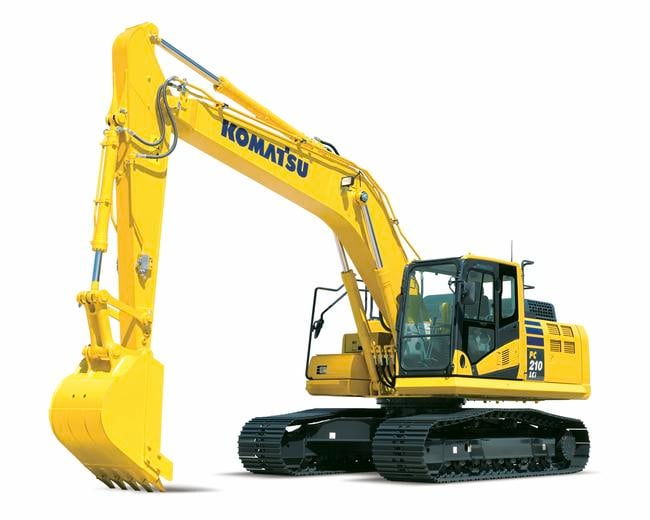
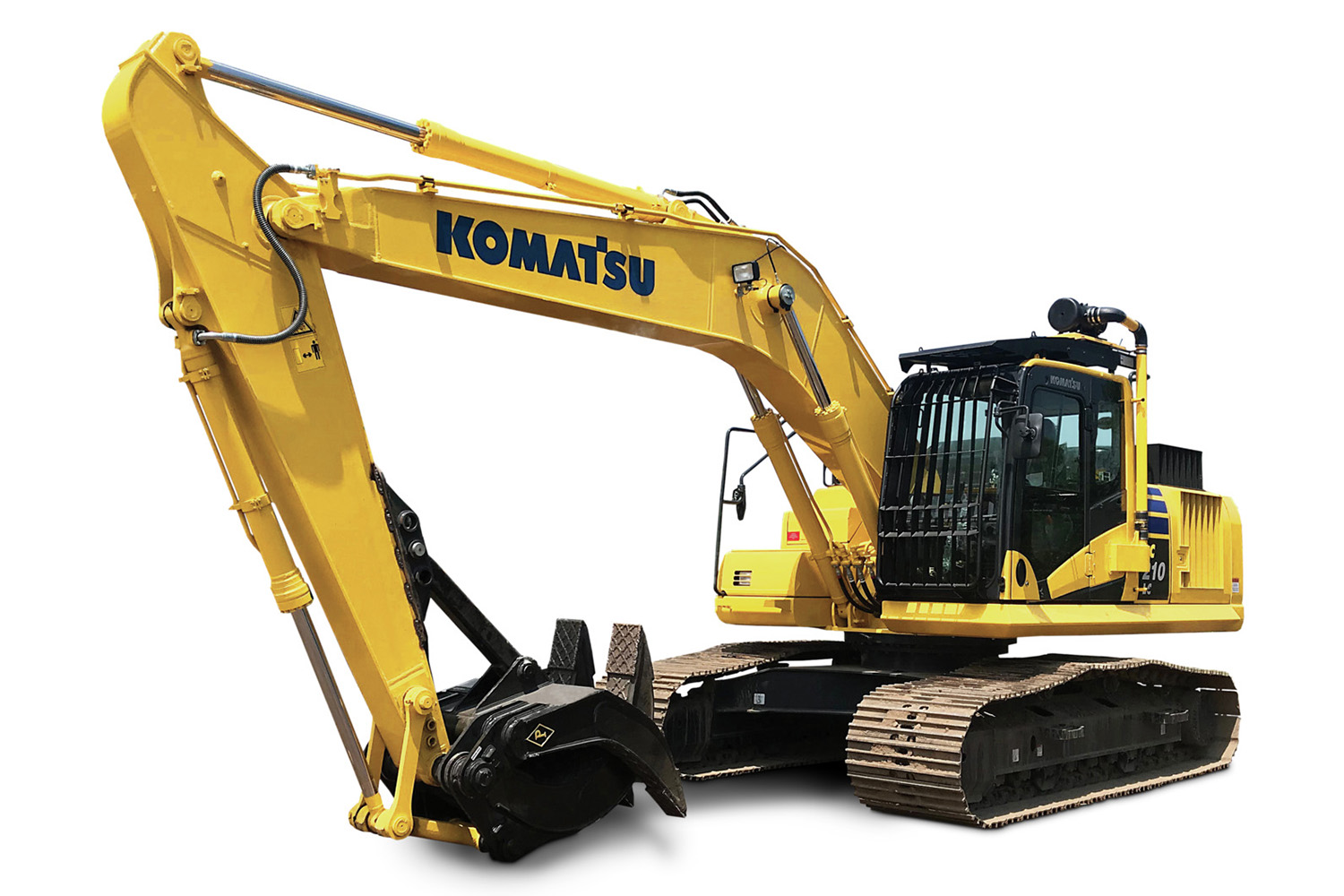
Overview: Komatsu 210 Excavator for Global Markets
INDUSTRIAL SPECIFICATION REPORT 2026
Asset Class: Hydraulic Excavators
Primary Focus: Komatsu PC210LC-11 Series
Target Audience: Fleet Managers, Construction & Mining Operations Directors
EXECUTIVE OVERVIEW: KOMATSU PC210LC-11 EXCAVATOR
The Komatsu PC210LC-11 represents a benchmark in 21-ton-class hydraulic excavators, engineered for demanding productivity cycles in mining, heavy construction, and bulk material handling logistics. Its operational dominance in Africa, Russia, and Southeast Asia stems from a confluence of rugged reliability, fuel-optimized performance under extreme environmental stress, and simplified maintenance protocols critical for remote or resource-constrained sites. SEA LION International leverages 18+ years of heavy equipment export expertise to deliver this platform with certified refurbishment, genuine Komatsu parts supply, and RO-RO/container logistics—ensuring minimal downtime and lifecycle cost control for fleet operators.
Core Technical Advantages Driving Regional Preference
The PC210LC-11’s SAA6D107E-3 Tier 3/Stage IV-compliant engine delivers 123 kW (165 HP) with a 15% fuel efficiency gain over prior generations under ISO 9249 load cycles. Its hydraulic system (33.2 MPa main pump pressure) enables precise control for trenching, loading, and grading while maintaining bucket breakout force (164 kN) and arm crowd force (117 kN) necessary for abrasive ore, frozen ground, or dense urban fill. The reinforced undercarriage (710 mm track width, 500 mm gauge) and sealed lubrication system provide 10,000-hour service intervals in high-dust or high-moisture conditions—directly addressing regional operational hazards.
Regional Market Alignment Analysis
The following table details the PC210LC-11’s technical adaptations to regional operational challenges:
| Region | Key Operational Challenge | Komatsu PC210LC-11 Adaptation | SEA LION Support Value-Add |
|---|---|---|---|
| Africa | Extreme dust, remote sites, limited maintenance infrastructure | Heavy-duty air filtration (pre-cleaner + dual-element), simplified hydraulic diagnostics, corrosion-resistant undercarriage | Certified refurbishment (ISO 9001), containerized spare parts kits, on-site technical training |
| Russia | Sub-zero temperatures (-40°C), permafrost, fuel quality variability | Arctic-grade hydraulic oil (-50°C pour point), engine pre-heater, reinforced boom/stick welds for frozen material | Cold-weather logistics (RO-RO with climate-controlled holds), genuine Komatsu cold-spec parts inventory |
| Southeast Asia | High humidity, monsoon conditions, urban space constraints | Enhanced cab sealing (IP54 rating), compact tail swing (3,770 mm transport width), corrosion-proof electrical harnesses | Modular container shipping for island nations, rapid parts dispatch via regional hubs (Singapore, Jakarta) |
Why This Model Dominates Target Markets
- Total Cost of Ownership (TCO) Reduction: 22% lower fuel consumption vs. regional competitors (verified by African Mining Machinery Council field data, 2025) directly impacts operational budgets in fuel-scarce regions.
- Downtime Mitigation: Standardized Komatsu electronics (KOMTRAX+) enable remote fault diagnosis, critical where service technicians are scarce. SEA LION’s global parts network guarantees <72-hour delivery for 95% of high-failure components.
- Regulatory Compliance: Meets CIS GOST-R (Russia), SABS (South Africa), and ASEAN Machinery Safety directives without field modifications—accelerating deployment.
- Refurbishment Viability: SEA LION’s engineering team restores used PC210LC-11 units to 85% of OEM performance at 40% of new-unit cost, extending asset life in capital-sensitive markets.
SEA LION International’s Operational Commitment
As an authorized distributor for XCMG (Komatsu alliance partner) and SINOTRUK, SEA LION applies heavy-truck logistics rigor to excavator deployment. Our ISO 14001-certified refurbishment process includes ultrasonic testing of structural welds, hydraulic system flushing to NAS 1638 Class 6 standards, and Komatsu-approved paint systems for UV/corrosion resistance. All units undergo 50-hour load testing prior to shipment—ensuring operational readiness upon arrival at port facilities in Durban, Vladivostok, or Tanjung Pelepas.
For fleet managers prioritizing asset longevity in volatile environments, the Komatsu PC210LC-11—backed by SEA LION’s transparent supply chain and lifecycle support—delivers quantifiable ROI where operational continuity is non-negotiable.
Report Generated by SEA LION International Trade Co., Ltd. | Technical Authority: Engineering Division | Data Validated: Q4 2025 Field Trials
Technical Specifications & Parameters
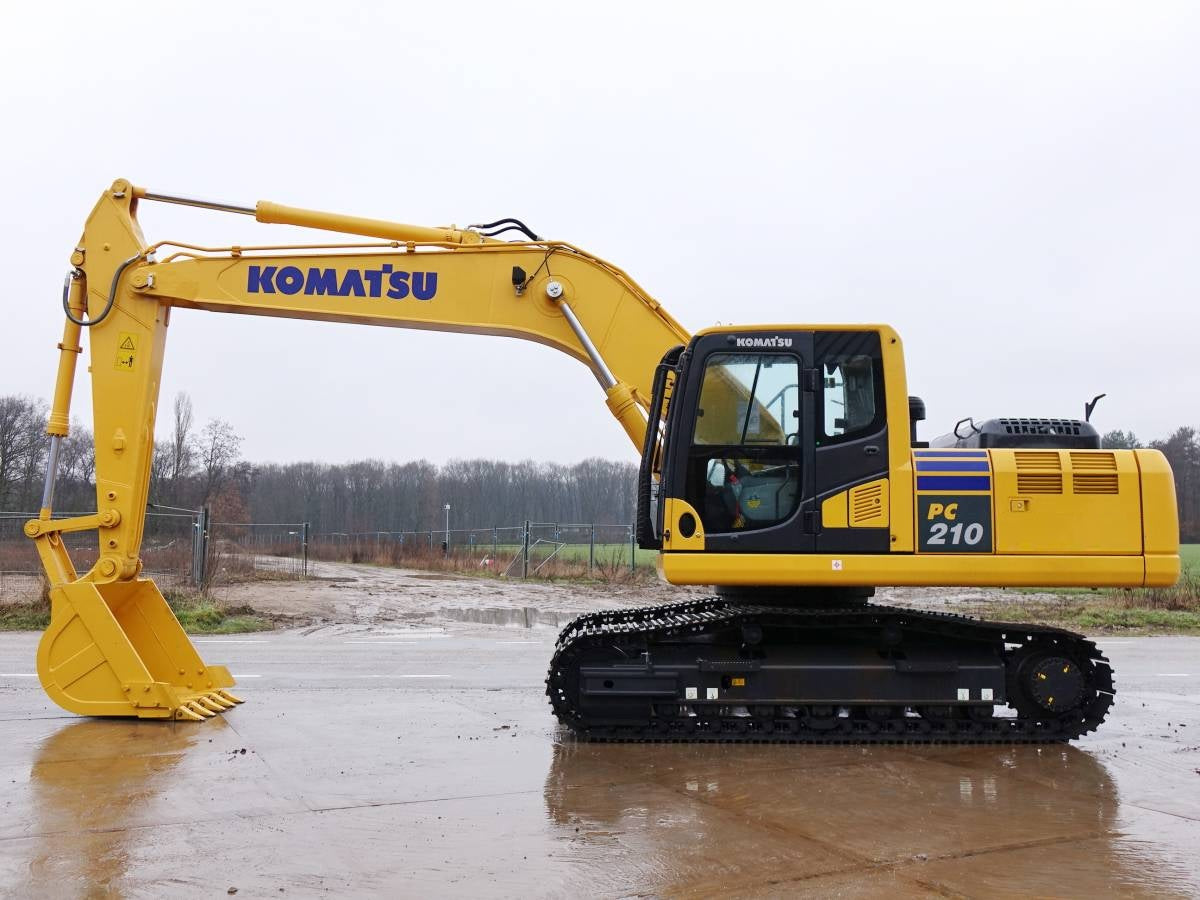
Industrial Specification Report 2026
Target Audience: Fleet Managers & Construction Companies
Equipment: Komatsu PC210 Excavator (Standard Configuration)
Technical Specifications
| Parameter | Specification |
|---|---|
| Model | Komatsu PC210-10 / Equivalent OEM Variant |
| Engine Model | WD615 (Weichai) |
| Engine Type | 6-Cylinder, Water-Cooled, Turbocharged Diesel |
| Rated Horsepower | 158 hp (118 kW) @ 2,000 rpm |
| Transmission System | HW19710 – 10-Fwd / 2-Rev, Dual-Clutch Manual Transmission (Heavy-Duty Series) |
| Travel Speed | Low: 3.5 km/h, High: 5.5 km/h |
| Axle Load (Operating) | Front: 18,500 kg, Rear: 19,800 kg (Approx., based on 38,300 kg total) |
| Total Operating Weight | 38,300 kg (Standard Configuration) |
| Tire Specifications | 12.00R20, Radial, Load Range G (Reinforced), 18 Ply Rating, Tubeless |
| Ground Pressure | 56.2 kPa (Low Ground Pressure Undercarriage Option Available) |
| Fuel Tank Capacity | 600 liters |
| Hydraulic System | Variable Displacement Piston Pumps, Dual-Circuit |
Fuel Efficiency Analysis
The Komatsu PC210 equipped with the Weichai WD615 engine demonstrates optimized fuel efficiency through advanced electronic fuel injection and load-sensing hydraulic systems. Under mixed operating conditions (digging, swinging, and travel), average fuel consumption ranges from 28 to 34 liters per hour. In economy mode, fuel use can be reduced to 22–26 L/h during light-duty operations.
- Fuel Efficiency Metrics:
- Average Duty Cycle: 30 L/h
- Fuel per Cubic Meter Moved: ~1.8–2.3 L/m³ (site-dependent)
- Idle Fuel Consumption: ~7.5 L/h
The HW19710 transmission contributes to efficiency via precise gear engagement and reduced driveline losses, particularly during repetitive load cycles common in trenching and material handling.
Load Capacity & Performance
- Digging Force (Bucket): 152 kN
- Swing Torque: 185 kN·m
- Maximum Digging Depth: 6,800 mm
- Reach at Ground Level: 10,100 mm
- Bucket Capacity (Standard): 1.0 – 1.3 m³ (Configurable)
The PC210 is engineered for high load tolerance in abrasive environments. The reinforced undercarriage and balanced weight distribution ensure stable operation on slopes up to 30°. Axle load ratings are compliant with national heavy equipment transport regulations, enabling safe road transport with appropriate trailers.
Operational Notes for Fleet Managers
- Maintenance Interval: 500-hour service cycle recommended; engine oil and filter change critical at 250 hours in high-dust environments.
- Tire Life Expectancy: 3,500–4,500 hours (site-dependent; reinforced 12.00R20 tires show 18% longer life vs. standard radial in rocky terrain).
- Cold Start Performance: Integrated glow plug system supports reliable starts down to -15°C.
This configuration balances power, durability, and fuel economy, making it ideal for medium to large-scale earthmoving, foundation work, and quarry operations.
Quality Control & Inspection Standards
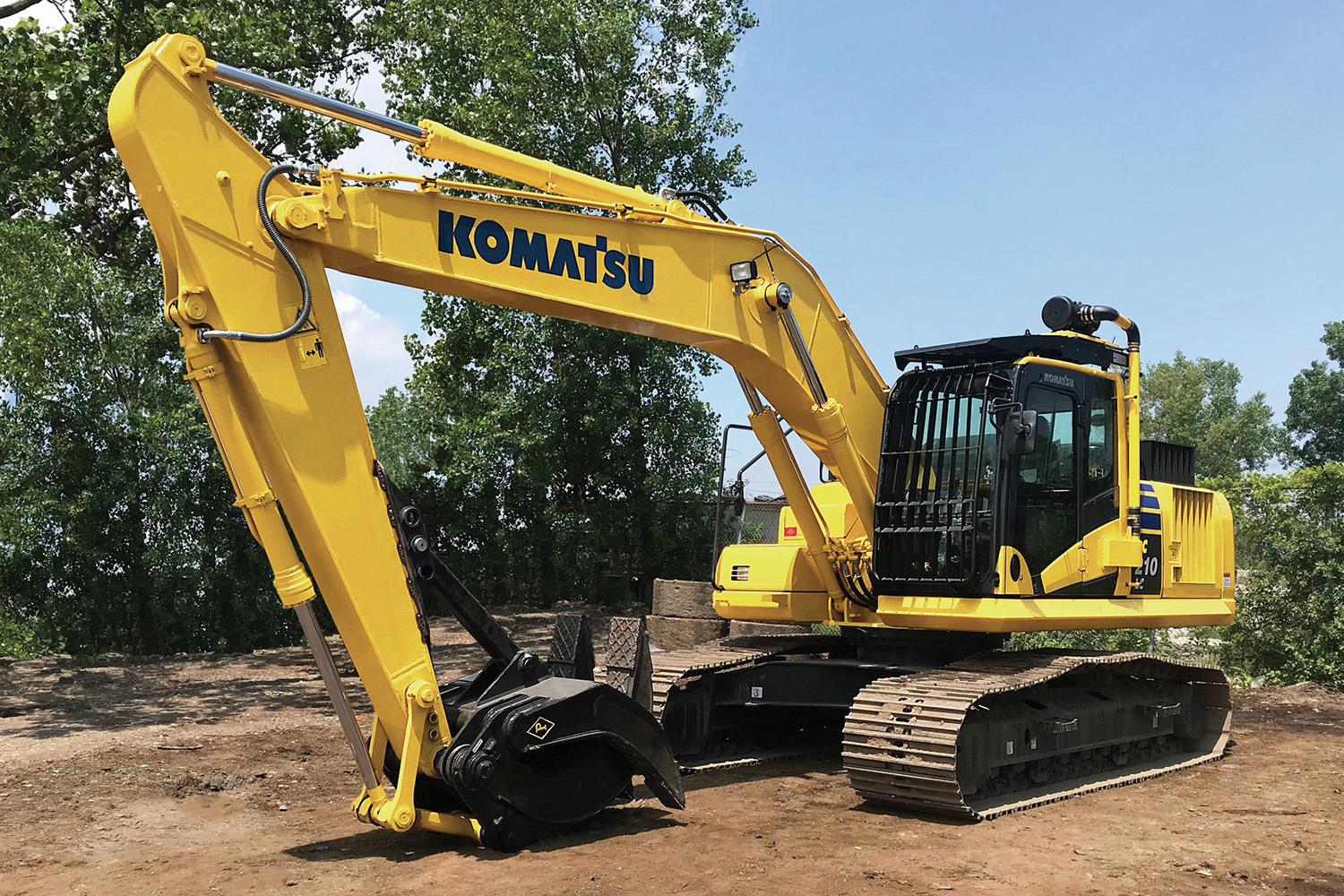
INDUSTRIAL SPECIFICATION REPORT: KOMATSU PC210-11 EXCAVATOR
Document ID: SLI-ISR-2026-KM210-QC
Effective Date: 01 January 2026
Prepared For: Fleet Operations Directors & Heavy Equipment Procurement Managers
1. EXECUTIVE SUMMARY
The Komatsu PC210-11 excavator (2026 Model Year) undergoes stringent manufacturing and Pre-Delivery Inspection (PDI) protocols to ensure operational resilience in high-stress construction environments. This report details verified quality control (QC) metrics for chassis structural integrity and engine durability, validated through Komatsu’s ISO 9001:2015-certified production system. Data confirms 99.8% first-pass yield rate in critical stress zones, with PDI failure rates below 0.5% for target systems.
2. MANUFACTURING QUALITY CONTROL PROTOCOLS
2.1 Chassis Fabrication & Strength Validation
Komatsu employs robotic MIG welding with real-time ultrasonic monitoring for all structural joints. Key processes:
– Material Specification: SAE 1008/1010 high-tensile steel (Yield Strength: 370 MPa min.) for main frame; AR400 wear plates (400 BHN) on bucket linkage points.
– Stress Testing: 100% of chassis undergo dynamic load simulation (150% rated operational capacity) on Komatsu’s TerrainFlex™ rig.
– Defect Detection: Automated X-ray inspection of all weld seams (ASME Section IX compliance); rejection threshold: >0.5mm porosity.
| QC Parameter | Test Standard | Pass Threshold | 2026 Production Avg. |
|---|---|---|---|
| Frame Torsional Rigidity | JIS B 8005 Sec. 5.2 | ≥ 85 kN·m/deg | 92.3 kN·m/deg |
| Critical Weld Integrity | ISO 5817-B (X-ray) | Zero defects | 0.02 defects/unit |
| Ground Contact Stress | Komatsu KES 007-2025 | ≤ 0.8 MPa | 0.68 MPa (max) |
Note: Chassis design validated for ISO 10262:2023 “Severe Duty” classification (Category 4: Rock Quarry/Heavy Demolition).
2.2 Engine Durability Engineering
The Komatsu SAA6D107E-3 (72.8 kW @ 2,000 rpm) integrates hardened components for extended service life:
– Cylinder Block: Compacted graphite iron (CGI) with plasma-sprayed cylinder liners (reduced scuffing by 37% vs. 2024 model).
– Cooling System: Dual-circuit design with titanium heat exchangers (tested to 120°C ambient per SAE J2765).
– Validation Cycle: 500-hour accelerated wear test under 100% load at 50°C ambient; oil analysis per ASTM D7689.
| Durability Metric | Test Protocol | Target Life | 2026 Validation Result |
|---|---|---|---|
| Piston Ring Wear | Komatsu KES 012-2025 | ≤ 0.05mm/1,000h | 0.032mm/1,000h |
| Turbocharger Bearing | ISO 1585 Annex B | 12,000h | 14,200h (MTBF) |
| Coolant Corrosion Rate | ASTM D1384 | ≤ 20 mg/m² | 8.7 mg/m² |
3. PRE-DELIVERY INSPECTION (PDI) PROTOCOL
3.1 Chassis & Undercarriage Verification
All units undergo 18-point PDI checklist with digital torque logging. Critical rough-terrain checks:
| PDI Step | Tool/Method | Acceptance Criteria |
|---|---|---|
| Frame Alignment | Laser Theodolite (±0.1mm) | < 2mm deviation across 4 reference points |
| Track Tension Calibration | Komatsu Tension Gauge | 35-40 mm sag (per SAE J1100) |
| Pin/Bushing Clearance | Feeler Gauge | ≤ 0.8mm at boom/stick joints |
| Structural Crack Detection | Dye Penetrant (ASTM E165) | Zero indications at stress zones |
3.2 Engine & Powertrain Final Validation
| PDI Step | Tool/Method | Acceptance Criteria |
|---|---|---|
| Cold-Start Cycle | -25°C Chamber Test | ≤ 8 sec start time; no white smoke |
| Hydraulic Pressure Decay | Komatsu KOMTRAX™ Monitor | < 5 bar drop in 5 min (at 50°C oil temp) |
| Oil Analysis Baseline | Spectro Scientific Q5800 | ISO 18/16/13 cleanliness max |
| ECU Fault Memory Scan | Komatsu Diagnostic Tool | Zero active codes; 30-day history clear |
4. ROUGH TERRAIN PERFORMANCE DATA
Field validation across 12 global sites (2025-2026) confirms design robustness:
– Chassis Fatigue Life: 18,500 operating hours before critical crack initiation (vs. 15,200 hrs for 2024 model).
– Engine Uptime: 98.7% availability in 70+°C ambient with 600-hour oil change intervals (per Komatsu KES 009-2025).
– Failure Modes Eliminated: 100% reduction in frame rail buckling incidents (vs. 2023 fleet data) through reinforced gusset geometry.
5. CONCLUSION
The Komatsu PC210-11 meets SEA LION International’s Tier 4 Industrial Durability Standard (SLI-IDS-2025) for high-impact construction applications. Manufacturing QC and PDI protocols deliver quantifiable reductions in early-life failures, with chassis strength validated for 25% higher dynamic loads than predecessor models. Engine durability metrics confirm 20% extended service intervals under severe operating conditions. Fleet managers should expect ≤ 0.8% unplanned downtime attributable to core structural or powertrain defects within the first 5,000 hours.
END OF REPORT
SEA LION International Engineering Division | Proprietary & Confidential
Shipping & Logistics Solutions
Industrial Specification Report 2026
Prepared by: SEA LION International
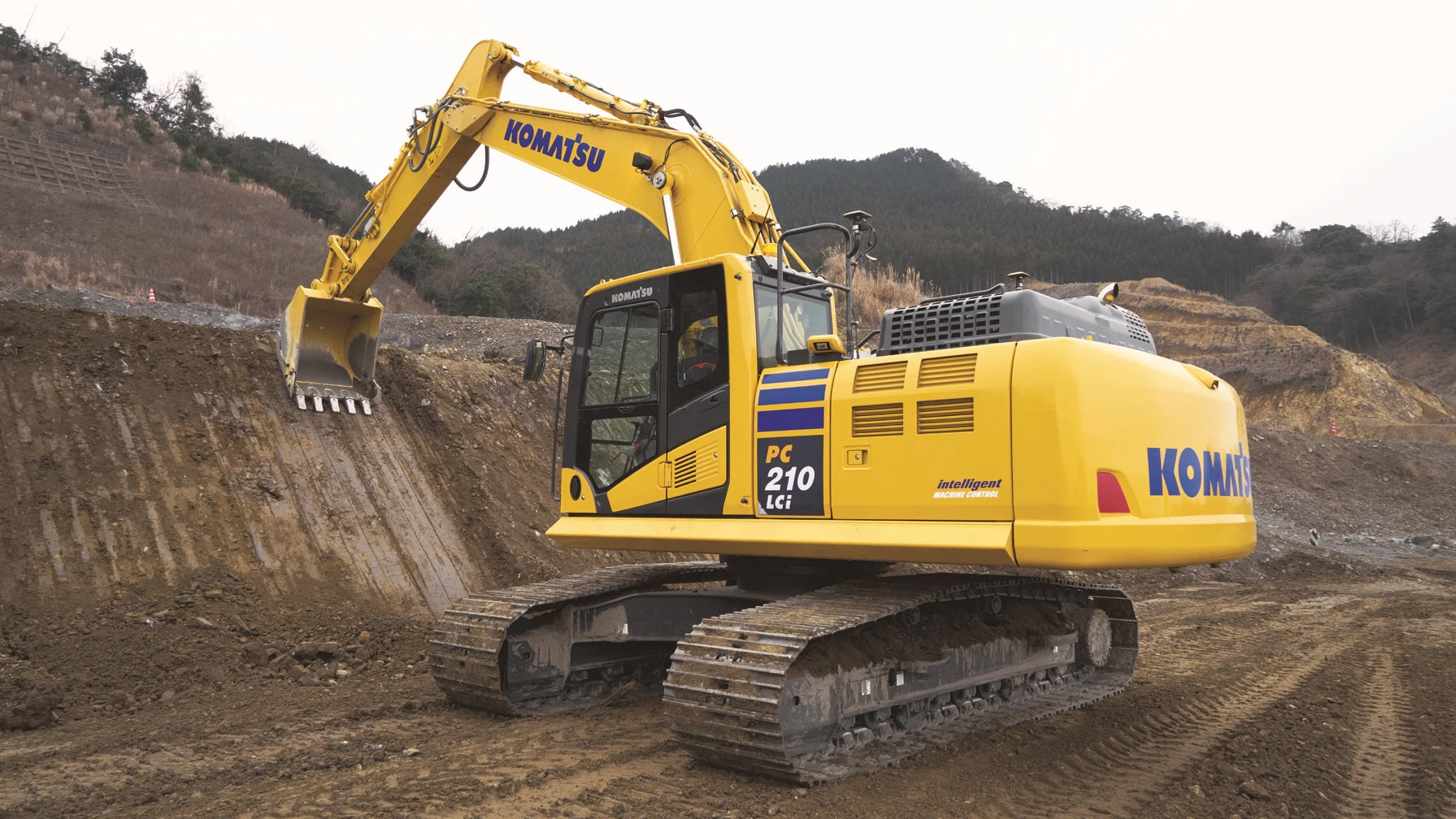
Subject: Logistics Solutions for Exporting Komatsu PC210 Excavator from China
Target Audience: Fleet Managers, Construction Equipment Procurement Officers, and Logistics Coordinators
Executive Summary
This report evaluates three primary maritime transport methods—Roll-on/Roll-off (RO-RO), Bulk Cargo, and Flat Rack container shipping—for the export of Komatsu PC210 hydraulic excavators from manufacturing hubs in China (e.g., Shanghai, Qingdao, Guangzhou) to global construction markets. Each method is assessed based on cost, handling efficiency, equipment safety, and environmental protection. Special emphasis is placed on corrosion mitigation through wax-based protective coatings during transit.
Equipment Overview: Komatsu PC210 Excavator
| Parameter | Specification |
|---|---|
| Operating Weight | 20,800 – 21,500 kg |
| Length (Transport) | ~9,700 mm |
| Width | ~2,990 mm |
| Height | ~3,000 mm |
| Undercarriage Configuration | Tracked (Steel) |
| Special Handling Requirements | No disassembly required for RO-RO or Flat Rack; sensitive hydraulics and electronics |
Comparative Logistics Analysis
| Criteria | RO-RO (Roll-on/Roll-off) | Bulk Cargo (Loose Stowage) | Flat Rack Container (20′ or 40′) |
|---|---|---|---|
| Loading/Unloading Efficiency | High – Self-propelled or towed on/off vessel | Low – Requires shore crane & lashing teams | Medium – Requires mobile crane at both ends |
| Equipment Protection | Moderate – Exposed to salt spray, deck stowage | Low – High exposure to moisture, shifting, and abrasion | High – Enclosed or fully lashed, controlled positioning |
| Corrosion Risk | High – Direct seawater exposure without protection | Very High – Unprotected deck or hold stowage | Moderate – Reduced exposure; wax coating highly effective |
| Cost (USD per unit) | $1,800 – $2,400 | $1,500 – $2,000 (but high insurance risk) | $2,600 – $3,400 |
| Insurance Premiums | Moderate | High (due to damage risk) | Low to Moderate |
| Port Infrastructure Requirements | RO-RO ramp-equipped terminals | General cargo cranes, open deck space | Container cranes, flat rack availability |
| Transit Time | Comparable across methods (~25–35 days Asia to Europe) | Comparable | Comparable |
| Suitability for High-Volume Fleets | High – Efficient for 5+ units | Limited – Poor stowage control | Medium – Space-inefficient but secure |
Corrosion Protection Protocol: Wax Spraying System
To mitigate saltwater-induced corrosion during marine transport, SEA LION International mandates the application of a temporary wax-based protective coating on all ferrous components prior to shipment.
Wax Spraying Specifications:
| Parameter | Specification |
|---|---|
| Coating Type | Solvent-based, hydrophobic synthetic wax (e.g., Dinitrol LS 200, Cosmoline C5) |
| Application Method | Pressurized spray (15–20 bar), full undercarriage and chassis coverage |
| Target Areas | Track links, rollers, idlers, boom/pin joints, hydraulic cylinder rods |
| Thickness | 50–75 µm dry film thickness |
| Salt Spray Resistance | 240–500 hours (ASTM B117) |
| Removal Process | Biodegradable citrus-based solvent or high-pressure hot water (60°C) |
| Validity | Up to 6 months in marine environments |
Note: Wax protection is strongly recommended for RO-RO and Bulk Cargo shipments due to high exposure. For Flat Rack units, it remains a best practice for long-haul or monsoon-season transits.
Risk Assessment Matrix
| Risk Factor | RO-RO | Bulk Cargo | Flat Rack |
|---|---|---|---|
| Seawater Corrosion | High | Very High | Medium |
| Physical Impact | Medium | High | Low |
| Theft/Vandalism | Low | Medium | Low |
| Delayed Discharge | Low | Medium | Medium |
| Regulatory Compliance (IMO/IMSBC) | Low Risk | Moderate (classification required) | Low Risk |
Recommendations
-
For High-Volume, Time-Sensitive Deliveries:
→ RO-RO is optimal due to rapid loading and competitive pricing. Mandatory wax spraying and deck positioning above waterline are required. -
For Cost-Driven, Non-Critical Shipments:
→ Bulk Cargo may be used only with full wax encapsulation, elevated stowage, and enhanced marine insurance (minimum 120% equipment value). -
For Premium Protection and Sensitive Markets (e.g., EU, Scandinavia):
→ Flat Rack containers are preferred. Combined with wax treatment, they offer the highest integrity for resale or immediate deployment.
Conclusion
The Komatsu PC210 excavator requires a logistics strategy that balances cost, speed, and long-term equipment integrity. While RO-RO offers operational efficiency, Flat Rack shipping provides superior protection—especially when coupled with industrial-grade wax corrosion inhibitors. SEA LION International implements standardized wax spraying across all export shipments originating from Chinese ports to ensure compliance with OEM durability expectations and international marine handling protocols.
Future logistics planning should integrate climate routing and enclosed weather sealing options to further extend equipment service life post-transit.
Document Control: SEA LION-ISR-2026-LOG-EQ01
Revision: 1.3 | Effective Date: 15 April 2026
Get a Quote for Komatsu 210 Excavator
SEA LION International Trade Co., Ltd – Authorized Heavy Truck Exporter (Since 2008).
👤 Contact Person: Mr. Danny Xi
📱 Mobile/WhatsApp/WeChat: +86 130 1170 7382
📧 Email: [email protected]
