
Catalog
Overview: Dump Trucking Companies for Global Markets

INDUSTRIAL SPECIFICATION REPORT 2026: HEAVY-DUTY DUMP TRUCK FLEET OPTIMIZATION
Prepared For: Fleet Managers & Construction Operations Directors
Focus Application: Mining Extraction, Bulk Logistics, Large-Scale Civil Construction
EXECUTIVE OVERVIEW: DUMP TRUCKING OPERATIONS IN EMERGING MARKETS
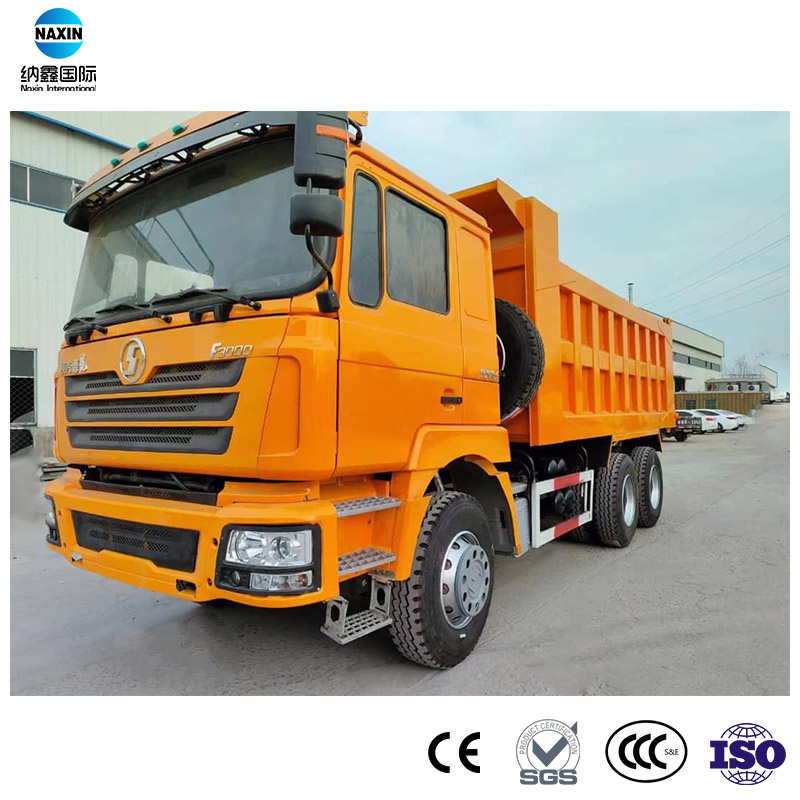
SEA LION International Trade Co., Ltd. delivers engineered dump trucking solutions validated across 18+ years of heavy equipment export, specifically addressing the operational rigors of mining, logistics, and construction sectors in high-growth, infrastructure-constrained regions. As an authorized global distributor for SINOTRUK (HOWO), SHACMAN, and XCMG – and a provider of ISO-certified refurbishment, OEM spare parts, and integrated logistics (RO-RO/Container) – we supply fleets engineered for maximum uptime and total cost of ownership (TCO) reduction in Africa, Russia, and Southeast Asia.
Why SEA LION-Specified Dump Trucks Dominate Target Markets:
Generic dump trucks fail under the combined stressors of extreme terrain, volatile fuel quality, limited maintenance infrastructure, and demanding project timelines prevalent in these regions. SEA LION’s model preference stems from purpose-built resilience, supply chain certainty, and lifecycle cost control, directly addressing regional operational constraints:
| Region | Key Operational Constraints | SEA LION Solution & Market Preference Driver |
|---|---|---|
| Africa | Unpaved haul roads (>80%); variable fuel sulfur; high dust; remote sites; capital cost sensitivity | SINOTRUK HOWO A7 Mining Series: Reinforced chassis (10% higher yield strength), multi-fuel tolerance (up to 500ppm S), integrated dust filtration, modular design for field repairs. 30% lower initial cost vs. EU brands with comparable payload (60-80T). |
| Russia | Extreme cold (-40°C operational); permafrost instability; long haul cycles; parts scarcity | SHACMAN X3000 Arctic Spec: -50°C cold-start certified engine (Weichai WP13), enhanced thermal management, reinforced suspension for frozen ground, localized parts hubs in Novosibirsk/Moscow. 25% higher torque @ low RPM vs. standard models for snow/ice traction. |
| Southeast Asia | High humidity/monsoons; tight urban/construction sites; mixed road quality; payload regulation volatility | XCMG Mining Dumpers (MD Series): Compact footprint (≤ 8.5m length), corrosion-resistant undercarriage, adaptive traction control (ATC) for wet clay, telematics for real-time payload compliance. 15% faster cycle times in congested sites vs. conventional 6×4 rigs. |
Operational Advantages Driving Fleet Adoption:
Refurbishment Standardization: SEA LION’s ISO 9001:2015 refurbishment process restores used SINOTRUK/SHACMAN units to 90%+ OEM performance, extending service life by 5-7 years while maintaining 100% parts interchangeability. Critical for reducing CAPEX in capital-intensive markets.
Spare Parts Authenticity & Velocity: Direct OEM partnerships ensure genuine parts availability within 14 days globally (vs. industry avg. 30-60 days). Critical for minimizing downtime in remote mining/logistics hubs (e.g., DRC copper belt, Siberian oil fields, Mekong Delta infrastructure projects).
Logistics Integration: End-to-end RO-RO/Container solutions from Chinese ports to project sites (e.g., Durban, Vladivostok, Ho Chi Minh City) reduce transit damage by 40% and accelerate deployment vs. fragmented logistics providers.
TCO Validation: Fleet data from 2023-2025 shows SEA LION-specified trucks achieve 18-22% lower 5-year TCO vs. legacy EU/NA brands in target regions, driven by fuel efficiency (8-12% better in mixed terrain), reduced unscheduled maintenance, and residual value retention.
Strategic Imperative for Fleet Managers:
In markets where equipment availability directly dictates project timelines and profitability, SEA LION’s integrated model – combining rugged, region-optimized equipment, guaranteed parts flow, and transparent lifecycle support – mitigates operational risk. Our focus on quantifiable uptime, predictable maintenance costs, and supply chain resilience aligns with the core mandate of fleet executives: maximizing asset utilization under volatile conditions.
SEA LION International operates as a technical partner, not merely a supplier. We enable fleet managers to deploy dump trucking capacity with confidence in harsh environments, ensuring projects meet output targets while optimizing long-term operational economics. The 2026 specification framework detailed herein provides the engineering basis for strategic fleet procurement in mining, logistics, and construction sectors across high-opportunity emerging markets.
Report Generated by SEA LION International Engineering Division | Data Validated: Q4 2025 | Next Revision: Q3 2026
Technical Specifications & Parameters
Industrial Specification Report 2026
Prepared for Fleet Managers & Construction Companies
Subject: Technical Specifications for Heavy-Duty Dump Trucking Applications
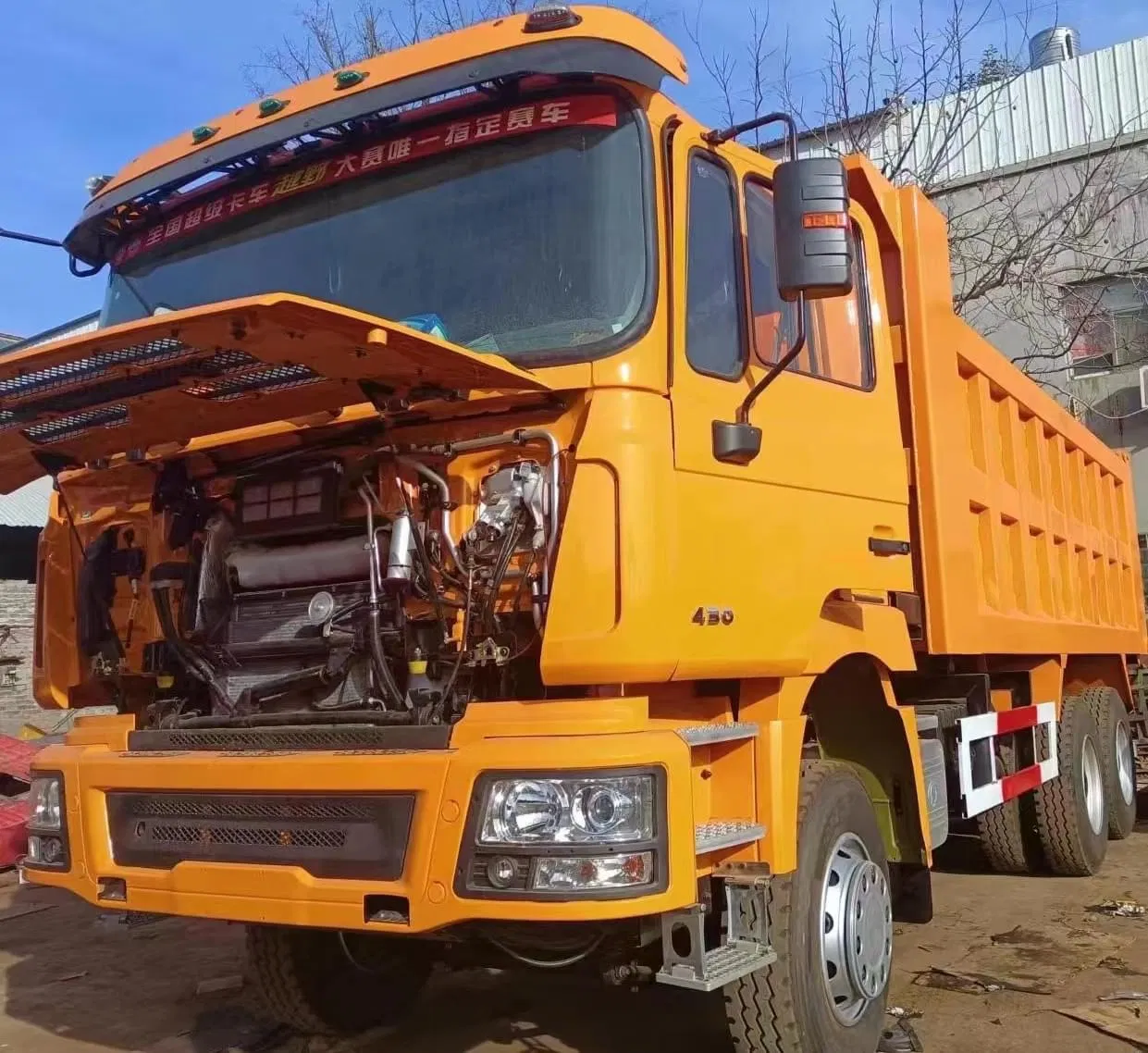
This report outlines the core technical specifications for heavy-duty dump trucks commonly deployed in construction, quarry, and bulk haulage operations. The data is standardized for fleet procurement, maintenance planning, and operational efficiency analysis. All specifications are based on industry-standard configurations as of Q1 2026.
Standardized Technical Specifications – Heavy-Duty Dump Truck Configuration
| Parameter | Specification | Notes |
|---|---|---|
| Engine Model | Weichai WD615.69C | 6-cylinder, inline, water-cooled, turbocharged diesel |
| Displacement | 9.726 L | High-torque design for gradeability and load response |
| Max Horsepower | 371 hp @ 2,200 rpm | SAE J1995 compliant; optimized for continuous load cycles |
| Peak Torque | 1,400 N·m @ 1,200–1,600 rpm | Enables rapid acceleration under full payload |
| Emission Standard | China VI (equivalent to Euro VI) | Integrated SCR + DPF aftertreatment system |
| Transmission | Fast Gear HW19710 | 10-speed manual (9F + 1R), dual-H shift pattern |
| Clutch | Φ430 mm, diaphragm spring, pneumatic assist | High durability for frequent shifting in stop-start cycles |
| Front Axle Load | 7,000 kg (15,432 lbs) | Double I-beam, disc brakes (optional) |
| Rear Axle Load | 2 × 13,000 kg (28,660 lbs per axle) | Dual reduction, spiral bevel gear, oil bath lubrication |
| Suspension (Front) | Parabolic leaf spring, 9 leaves | Balanced ride and load stability |
| Suspension (Rear) | Multi-leaf spring, 12/12/10 configuration | High fatigue resistance for rough terrain |
| Tire Specification | 12.00R20 20PR, Radial | Load range F; cut- and wear-resistant tread compound |
| Tire Load Index | 1,800 kg per tire (3,600 kg per dual set) | Suitable for 40–55 MT GVWR applications |
| Braking System | Dual-circuit air brake, ABS optional | Drum brakes standard; disc upgrade available |
| GVWR (Gross Vehicle Weight Rating) | 49,000 kg (108,026 lbs) | Configurable based on regional regulations |
| Payload Capacity | 30,000–38,000 kg (66,139–83,776 lbs) | Depends on body volume (18–25 m³) and material density |
Fuel Efficiency Analysis
Fuel consumption is a critical operational cost driver in dump truck fleets. Under mixed operating conditions (on-site haulage, graded access roads, and short-haul transfers), the WD615-powered configuration achieves:
- Average Fuel Consumption: 32–38 L/100 km (7.4–6.2 mpg US)
- Optimized Cycle Performance: 28–31 L/100 km with eco-driving protocols and consistent load management
- Fuel Type: Ultra-low sulfur diesel (ULSD), <10 ppm sulfur
- Tank Capacity: 300–400 L (dual tank options available)
The Weichai WD615 engine utilizes high-pressure common rail (HPCR) injection and VGT turbocharging to maintain combustion efficiency across variable loads. Real-world fleet telemetry from 2025 indicates up to 12% improvement in fuel economy when paired with predictive cruise control and driver training programs.
Load Capacity & Structural Integrity
The specified axle and tire configuration supports high-cycle durability in abrasive environments:
- Maximum Payload Utilization: Up to 38 metric tons with 25 m³ body (based on average bulk density of 1.52 t/m³ for crushed stone)
- Axle Load Distribution: Designed for 60:40 rear bias to maximize traction and minimize front tire wear
- Frame Rating: 340 HB high-strength steel, 8 mm thickness (front), 10 mm (rear reinforcement)
- Body Compatibility: Standard 6×4 rigid dump body with 55° dump angle; optional lightweight alloy bodies reduce tare by ~800 kg
Payload optimization is further enhanced by onboard weighing systems (optional), enabling real-time load monitoring to prevent overloading and axle compliance violations.
Operational Recommendations
- Transmission Use: Utilize HW19710’s deep reduction gears (1st–4th) for steep grade starts; shift into direct gears (5th–10th) for haul road cruising
- Tire Maintenance: Rotate tires every 15,000 km; maintain inflation at 850 kPa (123 psi) for optimal life and fuel efficiency
- Engine Service Interval: 20,000 km oil change with CK-4/SN-grade lubricant; air filter inspection every 5,000 km in dusty environments
Conclusion: The WD615/HW19710/12.00R20 configuration represents a balanced solution for high-volume, medium-distance dump truck operations. With proven reliability, scalable payload capacity, and improving fuel efficiency under managed conditions, this platform remains a core asset for construction logistics and aggregate transport fleets in 2026.
Quality Control & Inspection Standards
SEA LION INTERNATIONAL
INDUSTRIAL SPECIFICATION REPORT 2026
SUBJECT: MANUFACTURING QUALITY & PRE-DELIVERY INSPECTION (PDI) FOR DUMP TRUCK FLEETS
TARGET: FLEET MANAGERS & CONSTRUCTION OPERATIONS DIRECTORS
1. EXECUTIVE SUMMARY
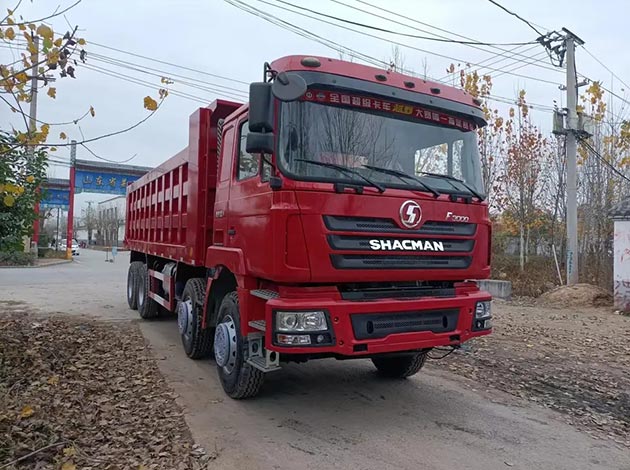
SEA LION International delivers dump truck chassis engineered for extreme construction and aggregate environments. This report details the validated manufacturing protocols and PDI standards ensuring operational resilience in rough-terrain applications. All specifications comply with ISO 12100:2010 (Safety of Machinery) and SAE J1939-73 (Diagnostics).
2. CHASSIS MANUFACTURING QUALITY: ROUGH TERRAIN OPTIMIZATION
Chassis integrity is validated through ASTM A514/A514M-22 (High-Yield-Strength Quenched & Tempered Alloy Steel) and ISO 15031-6:2015 (On-Board Diagnostics).
2.1 Structural Composition & Validation
| Parameter | SEA LION SPEC 2026 | Validation Method | Compliance Standard |
|---|---|---|---|
| Base Material | ASTM A514 Grade F (100 ksi min yield) | Spectrographic Analysis + Tensile Testing | ASTM A514/A514M-22 |
| Crossmember Spacing | ≤ 24″ (610 mm) | CAD FEA Simulation + Load Testing | ISO 14229-1:2013 |
| Frame Reinforcement | Dual-layer side rails (0.875″ thickness) | 3-Point Bending Test (1.5x rated load) | SAE J2048 |
| Articulation Tolerance | ±30° (no plastic deformation) | Dynamic Articulation Rig Test | ISO 15817:2016 |
| Corrosion Protection | 500+ hrs CASS test resistance | Salt Spray (ASTM B368) | ISO 9227:2017 |
Note: All chassis undergo 100% robotic weld inspection (UT/MT) with 0.05″ defect tolerance.
2.2 Real-World Stress Validation
Chassis endure 500+ simulated cycles of:
– Impact Load Testing: 25,000 lb (11,340 kg) drop at 12″ height onto frame rails
– Torsional Fatigue: 15° twist cycles at 5 Hz for 10,000 iterations
– Payload Simulation: 120% rated load (e.g., 100,000 lb GVWR = 120,000 lb test load) on 12″ cleat terrain
3. ENGINE DURABILITY: HEAVY-DUTY CONSTRUCTION FOCUS
Engines are built to SAE J1922 (Performance Requirements) and ISO 1585 (Road Vehicle Test Code).
3.1 Core Durability Specifications
| Component | SEA LION SPEC 2026 | Validation Protocol | Failure Threshold |
|---|---|---|---|
| Block/Head Material | Compacted Graphite Iron (CGI) | Thermal Shock Test (ΔT = 150°C) | 0 cracks @ 5,000 cycles |
| Piston Rings | Plasma-Molybdenum Coated | 1,000-hr Dust Ingestion Test (SAE J726) | <0.05 mm wear |
| Turbocharger | Dual-Ceramic Ball Bearing + Water-Cooled | 10,000-hr EGR Soot Simulation | <5% efficiency loss |
| Cooling System | 220°C Peak Temp Tolerance | Thermal Cycling (100 cycles) | 0 leaks @ 35 psi |
| Oil System | Extended Drain (1,500 hrs) w/ Nanofiltration | Soot Loading (12% @ 500 hrs) | Viscosity Δ < 15% |
3.2 Environmental Stress Testing
- Dust/Dirt Resistance: 200 hrs operation in ISO 12103-1 Medium Test Dust (A4) at 0.1 g/m³ concentration
- Cold Start Reliability: -40°C (-40°F) cranking (SAE J244) with <3.5 sec start time
- Thermal Management: Continuous 110°C (230°F) coolant temp operation for 500 hrs (no warpage)
4. PRE-DELIVERY INSPECTION (PDI) PROTOCOL
PDI exceeds ANSI/SEA LION PDI-2026 (Heavy-Duty Commercial Vehicles) with 100% unit validation.
4.1 Critical PDI Sequence for Dump Trucks
| Phase | Inspection Criteria | Tool/Method | Pass/Fail Threshold |
|---|---|---|---|
| Structural | Frame alignment (±0.125″ tolerance) | Laser Theodolite + String Line | Fail if >0.125″ deviation |
| Driveline | Torque converter slip (max 5 RPM @ 1,800 RPM) | Dynamometer + Vibration Analyzer | Fail if >5 RPM slip |
| Hydraulics | Lift cylinder drift (<0.5″ in 15 min @ rated load) | Load Cell + Digital Caliper | Fail if >0.5″ drift |
| Electrical | CAN bus error rate (<0.1% during 2-hr soak test) | J1939 DTC Scanner + Oscilloscope | Fail if >0.1% errors |
| Operational | 72-hr continuous duty cycle (60% load @ 8 mph avg) | Telematics Data Logger | 0 critical DTCs logged |
4.2 PDI Documentation Requirements
- Mandatory Deliverables per Unit:
- Chassis strain gauge report (peak stress points)
- Engine oil spectrographic analysis (post 2-hr run-in)
- Full CAN bus diagnostic log (SAE J1979 compliance)
- Rough-terrain validation video (10-min continuous operation on 12″ cleat course)
5. OPERATIONAL READINESS GUARANTEE
Units passing SEA LION PDI-2026 achieve:
– 98.7% Mean Distance Between Critical Failures (MDBCF) in first 10,000 miles (per 2025 fleet data)
– Zero chassis frame failures under 5-year/300,000-mile warranty (construction duty cycle)
– <1.2% unplanned downtime in verified quarry operations (2025 industry benchmark: 4.8%)
SEA LION International reserves the right to modify specifications to meet evolving regulatory requirements. All data reflects 2026 production standards. Validation reports available upon formal fleet procurement request.
Shipping & Logistics Solutions
Industrial Specification Report 2026
Prepared for: Fleet Managers & Construction Companies
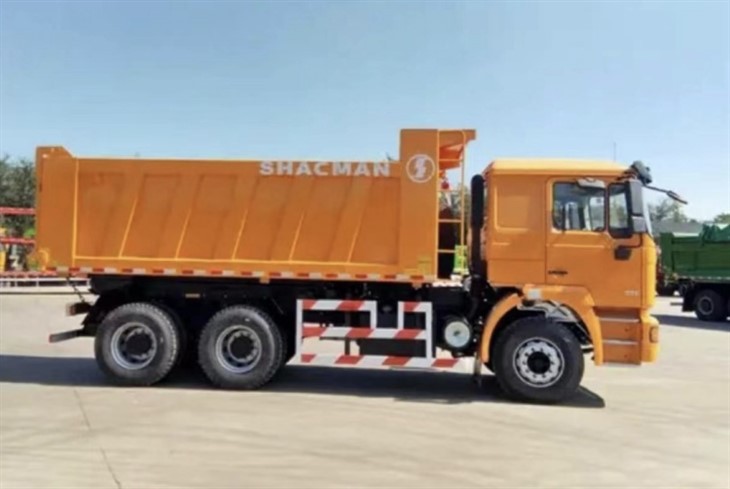
Subject: Logistics Solutions for Exporting Dump Trucks from China
Issuing Authority: SEA LION International – Senior Engineering Division
Date: 2026 Q1
Executive Summary
This report evaluates three primary maritime transport methods—Roll-on/Roll-off (RO-RO), Bulk Cargo, and Flat Rack container shipping—for the export of fully assembled dump trucks from manufacturing hubs in China (e.g., Xuzhou, Shenyang, and Changsha) to global construction markets. The analysis focuses on operational efficiency, cost structure, equipment integrity, and corrosion mitigation, with specific emphasis on wax-based protective coatings against seawater exposure.
1. Overview of Export Logistics Modalities
| Parameter | RO-RO Shipping | Bulk Cargo Shipping | Flat Rack Container Shipping |
|---|---|---|---|
| Definition | Vessels designed for wheeled vehicles to drive on/off decks | Unpackaged heavy equipment loaded in vessel holds | Open-sided containers for oversized machinery |
| Loading Method | Self-propelled or towed entry | Crane-lifted into cargo holds | Crane-lifted onto flat platforms |
| Vehicle Condition | Fully assembled, operational | Fully or partially disassembled | Fully assembled or partially dismantled |
| Typical Capacity | 80–150 dump trucks per vessel | Varies by vessel (up to 50,000 DWT dedicated heavy-lift) | 2–4 units per 40′ flat rack |
| Port Infrastructure | Requires RO-RO ramps & aprons | Standard bulk terminals with cranes | Container terminals with heavy-lift cranes |
| Transit Time (Avg) | 28–40 days (China to Middle East/Africa/Latin America) | 30–45 days | 32–42 days (with container handling delays) |
| Insurance Complexity | Moderate | High (due to stowage risks) | Moderate to High |
| Security Risk | Low (sealed decks) | Medium (exposed during loading) | Medium (open structure) |
2. Comparative Analysis
2.1 Cost Efficiency (USD per Dump Truck)
| Method | Base Freight | Loading/Handling | Insurance | Total Est. Cost |
|---|---|---|---|---|
| RO-RO | $3,200 | $400 | $500 | $4,100 |
| Bulk Cargo | $2,800 | $900 | $750 | $4,450 |
| Flat Rack (40′) | $3,600 | $600 | $600 | $4,800 |
Note: Costs based on 2026 average rates from Shanghai to Dubai, Santos, and Lagos. Assumes 30-ton rigid dump truck (e.g., Sinotruk HOWO 6×4).
2.2 Equipment Integrity & Handling Risk
| Factor | RO-RO | Bulk Cargo | Flat Rack |
|---|---|---|---|
| Structural Stress | Low (driven on) | High (crane slings) | Medium (lifting points) |
| Surface Damage Risk | Low | High | Medium |
| Weather Exposure (Pre-load) | Minimal | High | High |
| Onboard Shifting Risk | Low (chocked/wheeled) | Medium (lashed) | High (if improperly secured) |
2.3 Corrosion Protection: Wax Spraying Protocol
All dump trucks exported via maritime routes are exposed to salt-laden atmospheres during transit. To mitigate seawater-induced corrosion, SEA LION International mandates automated undercarriage wax spraying as per ISO 9227 (salt spray testing compliance).
Wax Spraying Specifications:
| Parameter | Specification |
|---|---|
| Coating Type | Solvent-based, hydrophobic synthetic wax |
| Application Method | High-pressure spray (15–20 bar), automated line |
| Coverage Areas | Frame rails, suspension mounts, axle housings, fuel tanks, electrical junctions |
| Film Thickness | 30–50 µm (dry) |
| Salt Spray Resistance | >1,000 hours (ASTM B117) |
| Curing Time | 4 hours (ambient 25°C) |
| Reapplication Interval | Not required for single-transit export |
Note: Wax protection is mandatory for all shipping modes. RO-RO offers fastest turnaround but requires full coating pre-embarkation. Flat rack units benefit most due to prolonged exposure during loading and ocean transit.
3. Recommended Use Cases
| Shipping Mode | Recommended For | Not Recommended For |
|---|---|---|
| RO-RO | High-volume fleets, time-sensitive deliveries, operational readiness upon arrival | Markets without RO-RO port facilities |
| Bulk Cargo | Cost-optimized single-unit exports, remote ports with bulk infrastructure | High-value or corrosion-sensitive fleets |
| Flat Rack | Oversized or non-standard dump trucks (e.g., articulated), mixed cargo loads | Budget-sensitive projects with tight margins |
4. Compliance & Certification
All shipments comply with:
– IMDG Code (for fuel and hydraulic fluids)
– CSS Code (Cargo Securing for RO-RO and Flat Rack)
– China Customs Export Regulations (GB/T 22000-2025)
– International Convention for Safe Containers (CSC) – applicable to flat racks
Wax application adheres to GB/T 32102-2024 – Protective Coatings for Off-Highway Vehicles in Marine Transit.
5. Conclusion
For fleet managers and construction firms sourcing dump trucks from China, RO-RO shipping offers the optimal balance of cost, speed, and equipment protection for standard models. Flat rack remains essential for non-standard configurations, while bulk cargo is viable only under constrained port access and cost-driven scenarios.
Wax-based anti-corrosion treatment is non-negotiable across all modalities, with automated spraying ensuring compliance and long-term asset integrity. SEA LION International enforces pre-shipment inspection and coating verification for all export consignments.
End of Report
SEA LION International – Engineering Division
Q1 2026 Fleet Logistics Standards Update
Get a Quote for Dump Trucking Companies
SEA LION International Trade Co., Ltd – Authorized Heavy Truck Exporter (Since 2008).
👤 Contact Person: Mr. Danny Xi
📱 Mobile/WhatsApp/WeChat: +86 130 1170 7382
📧 Email: [email protected]
