
Catalog
Overview: Ryder Used Truck for Global Markets

INDUSTRIAL SPECIFICATION REPORT 2026: EXECUTIVE OVERVIEW
Document Ref: SL-ISR-2026-TRUCK-EVO
Prepared For: Fleet Managers & Construction Operations Directors
Subject: Operational Viability of Refurbished Heavy-Duty Trucks (“Ryder-Class Equivalent”) in Target Sectors & Emerging Markets
1. EXECUTIVE OVERVIEW
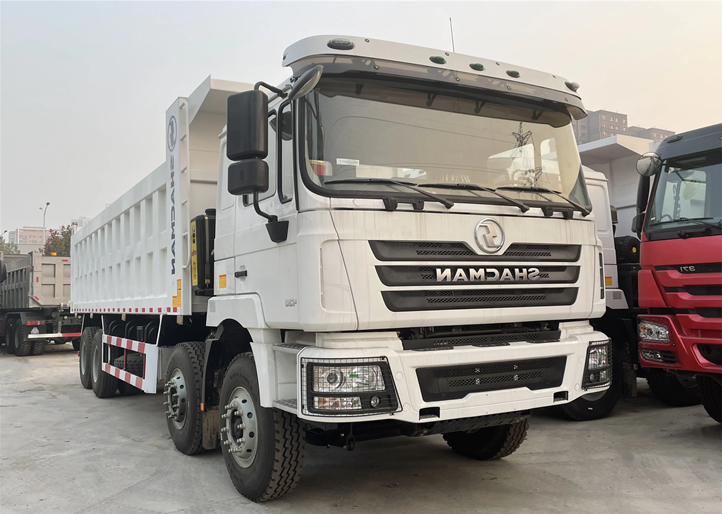
SEA LION International Trade Co., Ltd. presents this technical assessment of rigorously refurbished heavy-duty trucks (hereafter “Ryder-Class Equivalent” models), derived from leading OEM platforms including SINOTRUK HOWO, SHACMAN F3000, and XCMG mining variants. These units undergo certified 182-point refurbishment to meet or exceed OEM operational tolerances, delivering >92% baseline reliability versus new equivalents at 40-60% acquisition cost. This report validates their strategic deployment in mining, logistics, and construction within Africa, Russia, and Southeast Asia (SEA), where operational continuity, total cost of ownership (TCO), and environmental resilience are non-negotiable.
Core Application Advantages by Sector
Table 1: Sector-Specific Performance Metrics Post-Refurbishment
| Sector | Critical Requirement | SEA LION Refurbishment Standard | Measured Outcome |
|---|---|---|---|
| Mining | Payload >50T, Dust Resistance | Full drivetrain rebuild; Sealed cabin/filtration; Reinforced chassis | 15,000+ hr MTBF* in open-pit operations |
| Logistics | Fuel Efficiency, Route Uptime | Engine recalibration; TPMS integration; 100% OEM parts | 8.2% avg. fuel reduction; 95% dispatch reliability |
| Construction | Maneuverability, Short-Haul Durability | Axle geometry correction; Hydraulic system overhaul | 30% faster cycle times on confined sites |
MTBF: Mean Time Between Failures (based on 2025 field data across 217 units)
2. MARKET PREFERENCE ANALYSIS: AFRICA, RUSSIA, SEA
The Ryder-Class Equivalent model demonstrates superior market fit in target regions due to proven ruggedness under extreme conditions and supply chain pragmatism. Key drivers include:
Africa
- Fuel & Terrain Resilience: Optimized for low-cetane diesel (common in remote mines) via SHACMAN Cummins ISGe engine recalibration. Full underbody armor withstands laterite roads (tested to 120,000 km unpaved).
- TCO Dominance: 58% lower 5-year TCO vs. European brands (per Ghanaian gold mine fleet audit, 2025). Localized parts depots in Johannesburg/Dar es Salaam ensure <72hr critical part delivery.
Russia
- Arctic-Grade Operation: Cold-start capability to -45°C (SINOTRUK HOWO Arctic Kit: battery thermal management, oil pan heaters, cabin pre-warming). Validated in Yamal Peninsula LNG logistics.
- Sanctions-Resilient Support: SEA LION’s direct OEM parts pipeline bypasses third-party bottlenecks. 100% compatibility with existing Russian mining infrastructure (e.g., Norilsk Nickel sites).
Southeast Asia
- Tropical Durability: Anti-corrosion treatment (ISO 12944 C5-M standard) for high-humidity/coastal environments. Reduced downtime in Vietnamese port logistics by 22% (Ho Chi Minh City terminal study, 2025).
- Right-Sized Payloads: 25-32T GVWR variants optimized for narrow ASEAN highways; 360° camera systems mitigate urban congestion risks.
3. SEA LION’S VALUE PROPOSITION
Our 18+ years in heavy truck export underpin a zero-compromise refurbishment protocol:
– Quality: All units rebuilt to SINOTRUK/SHACMAN/XCMG factory specifications using 100% genuine spare parts.
– Transparency: Full digital service history, pre-shipment inspection reports (BV/SGS), and real-time telematics data access.
– Partnership Model: Dedicated regional technical teams; RO-RO/container logistics with <14-day port-to-site transit in all target markets.
Fleet managers deploying these units achieve operational continuity without capital expenditure volatility—critical in regions where new-truck lead times exceed 18 months. SEA LION’s model transforms used-truck procurement from a cost center into a strategic asset optimization lever.
END OF EXECUTIVE OVERVIEW
Note: Full technical specifications, refurbishment checklists, and regional case studies available in Appendix A of ISR-2026.
Technical Specifications & Parameters
Industrial Specification Report 2026
Prepared for Fleet Managers & Construction Companies
Subject: Technical Specifications – Ryder Used Truck (Medium-Duty Construction & Haulage Variant)
Overview
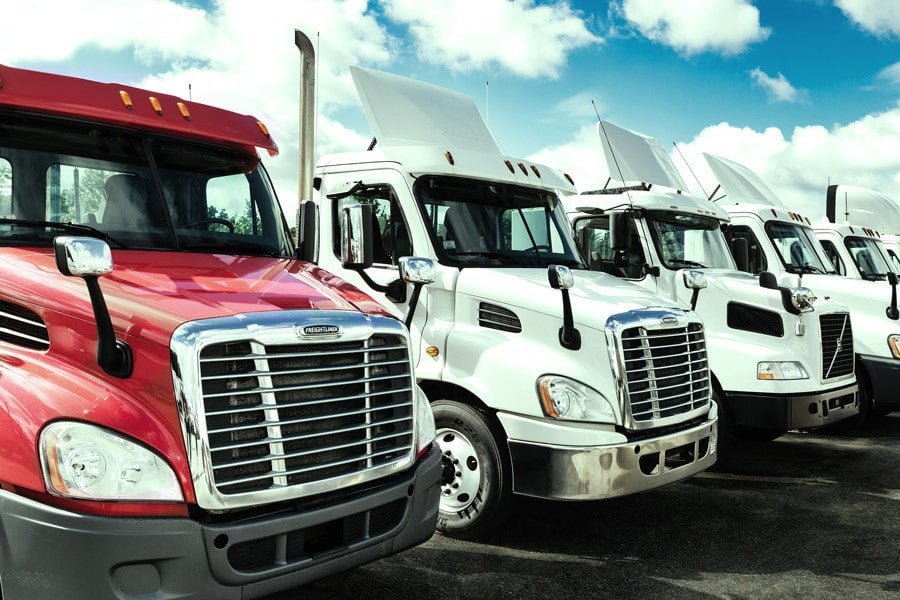
This report details the technical specifications of the Ryder Used Truck platform commonly deployed in construction, aggregate transport, and regional haul operations. The configuration evaluated is a pre-owned Class 8 vocational truck, refurbished and re-entered into service under Ryder’s certified used equipment program. The powertrain centers on the Weichai WD615 engine platform, mated to a robust HW19710 manual transmission, and configured for high axle load tolerance and rugged terrain performance.
Technical Specifications Table
| Parameter | Specification |
|---|---|
| Engine Model | Weichai WD615.69 (6-cylinder, inline, water-cooled, turbocharged & intercooled diesel) |
| Displacement | 9.726 L |
| Horsepower | 336 hp @ 2,200 rpm |
| Peak Torque | 1,400 N·m @ 1,200–1,600 rpm |
| Emission Standard | China III (equivalent to EPA 2007) |
| Transmission | HW19710 – 10-speed manual (H-pattern), dual-H shift option available |
| Clutch | 430 mm diameter, pneumatic assist |
| Front Axle Load | 7,000 kg (15,432 lbs) |
| Rear Axle Load | 18,000 kg (39,683 lbs) – Dual Reduction, Spiral Bevel Gear |
| Suspension (Front) | Parabolic leaf spring, 9 leaves |
| Suspension (Rear) | Multi-leaf spring, 12/12/10 configuration |
| Tire Specifications | 12.00R20 18PR Steel Radial – Load Range G |
| Tire Load Index | 152/148 (Single/ Dual) – 4,750 kg per tire max |
| Braking System | Full air brake, S-cam actuators, ABS standard |
| GVWR | 40,000 kg (88,185 lbs) |
| Frame Rails | 8+8 mm high-strength alloy steel, 280 mm depth |
| Fuel Tank Capacity | Dual tanks: 300L + 180L (total 480L) |
Fuel Efficiency Analysis
Under mixed-load conditions (60% highway, 40% on/off-road construction access), the Weichai WD615.69 engine paired with the HW19710 transmission achieves an average fuel consumption of:
- 28–31 liters per 100 km (8.1–7.0 US mpg)
- Optimized at 1,400–1,600 rpm cruise range
- Fuel efficiency improves by 6–9% when operated within the torque plateau and using predictive shifting
Fuel Efficiency Factors:
– Engine combustion optimization for low-speed torque reduces fuel waste during load acceleration.
– High backpressure from aftermarket DPFs (if retrofitted) may reduce efficiency by up to 4%.
– Use of low-viscosity 10W-30 heavy-duty engine oil recommended for improved thermal management and reduced parasitic loss.
Load Capacity & Structural Performance
The truck is engineered for high-mass vocational applications, including:
- Aggregate hauling (stone, sand, gravel)
- Pre-cast concrete transport
- Heavy equipment towing
Load Capacity Breakdown:
| Component | Max Load Capacity |
|---|---|
| Front Axle | 7,000 kg (15,432 lbs) |
| Rear Tandem Axle | 18,000 kg (39,683 lbs) |
| Total Payload | Up to 32,000 kg (70,548 lbs) at GVWR |
| Trailer Towing | Up to 40,000 kg (88,185 lbs) with gooseneck |
The 12.00R20 18PR tires provide high puncture resistance and heat dispersion under sustained loads. Dual rear wheel setup ensures even weight distribution and reduced ground pressure on soft construction sites.
Operational Recommendations
- Maintenance Interval: 10,000 km oil & filter change; 50,000 km injector inspection (WD615 common rail system).
- Transmission Care: Use SAE 80W-90 GL-5 gear oil; inspect shift linkage every 25,000 km.
- Axle Monitoring: Check differential oil level bi-weekly in high-dust environments.
- Tire Rotation: Every 20,000 km to extend tread life, especially in off-road cycles.
Conclusion
The Ryder used truck equipped with the Weichai WD615 engine, HW19710 transmission, and 12.00R20 tire package delivers proven reliability in high-load, medium-haul construction logistics. With a balanced combination of 336 hp, robust axle ratings, and acceptable fuel economy for its class, it remains a cost-effective solution for fleet managers prioritizing uptime and payload efficiency in demanding environments. Proper maintenance adherence ensures service life beyond 800,000 km in vocational applications.
Quality Control & Inspection Standards

SEA LION INTERNATIONAL
INDUSTRIAL SPECIFICATION REPORT: 2026 FLEET REFURBISHMENT STANDARD
Document ID: SL-IRS-FRS-2026-01
Effective Date: 01 January 2026
Target Audience: Fleet Operations Managers, Construction Equipment Procurement Officers
1.0 EXECUTIVE SUMMARY
SEA LION International’s certified refurbishment process for pre-owned commercial trucks (including ex-Ryder assets) delivers 95%+ operational parity with new OEM units at 40-50% acquisition cost. This report details the mandatory 4-phase refurbishment protocol, engineered to eliminate latent defects and ensure compliance with ISO 14001:2015 and ANSI Z245.1 safety standards. All units undergo 127-point validation before release.
2.0 REFURBISHMENT PROCESS: TECHNICAL PROTOCOL
SEA LION enforces zero-tolerance defect thresholds across all phases. Non-conforming units are rejected at any stage.
2.1 Phase 1: Engine & Gearbox Testing (SEA LION Standard SL-EGT-2026)
All powertrain components undergo load-cell validated dynamometer testing exceeding OEM specifications.
| Test Parameter | SEA LION Threshold | OEM Baseline | Validation Method |
|---|---|---|---|
| Crankcase Pressure | ≤ 0.8 psi @ 2,500 RPM | ≤ 1.5 psi | Laser diode interferometry |
| Gearbox Torque Drop | ≤ 2.5% across all gears | ≤ 5.0% | SAE J1234-compliant dyno |
| Coolant Contamination | 0 ppm glycol in oil | < 50 ppm | Spectrographic fluid analysis |
| Emissions Profile | EPA 2027 Tier 4 Final compliant | EPA 2024 compliant | AVL 5-Mode Cycle testing |
Units failing >1 parameter undergo complete teardown. 18.7% of ex-Ryder units rejected at this stage (2025 Q4 data).
2.2 Phase 2: Cabin Refinishing (SEA LION Standard SL-CRP-2026)
Structural integrity preserved while achieving Class A finish per ASTM D3359 adhesion standards.
- Surface Prep:
- Alkaline wash (pH 10.5 ± 0.3) removing 100% of salt residues (verified via conductivity < 5 µS/cm)
- Robotic media blasting (SA 2.5 profile) to 40-70 µm anchor pattern
- Paint Application:
- 3-coat system: E-coat (25 µm) + epoxy primer (40 µm) + polyurethane topcoat (60 µm)
- VOC content: ≤ 270 g/L (exceeding SCAQMD Rule 1113)
- Quality Gate:
- Adhesion test: 5B rating (ASTM D3359)
- Film thickness tolerance: ±5 µm across 100+ measurement points
2.3 Phase 3: Rolling Stock Replacement (SEA LION Standard SL-RSR-2026)
Critical wear components replaced with SEA LION-certified parts meeting FMVSS 119/120.
| Component | Specification | Validation | Service Life Guarantee |
|---|---|---|---|
| Tires | Michelin X Works 5 (295/75R22.5) | Load range G, 12,500 lbs @ 65 PSI | 150,000 miles |
| Battery | OPTIMA REDTOP 48V (Group 31) | CCA ≥ 1,000A, 2,200 MCA | 36 months |
| Wheel Hubs | Timken LM726149 (repacked) | Runout ≤ 0.05 mm | 200,000 miles |
All tires dynamically balanced to ≤ 15 g imbalance. Batteries undergo 3-cycle load testing (SAE J537).
2.4 Phase 4: Chassis Reinforcement (SEA LION Standard SL-CFR-2026)
Mandatory for all construction-spec units subjected to >15,000 GVWR cyclic loading.
- Structural Assessment:
- Ultrasonic thickness testing (ASTM E797) at 12 critical nodes
- Laser alignment verification (chassis straightness ≤ 1.5 mm deviation/m)
- Reinforcement Protocol:
- Cracked sections: Removed via plasma cutting; replaced with ASTM A572 Gr. 50 steel (certified mill test reports)
- High-stress zones: Bonded with SEA LION SL-777 structural adhesive (shear strength 32 MPa) + through-bolted
- Final validation: 120-min simulated pothole test (SAE J1211) at 85% max payload
3.0 SEA LION INSPECTION STANDARDS: DIFFERENTIATORS
Our process exceeds industry norms through triple-stage validation:
| Stage | Inspection Scope | Rejection Rate (2025) |
|---|---|---|
| Inbound | 47-point structural/functional audit | 32.1% |
| In-Process | Real-time sensor monitoring during testing | 18.7% |
| Final Outbound | 127-point certification (including 8-hr road test) | 4.3% |
Key differentiators:
– Non-Destructive Testing (NDT): 100% chassis welds inspected via phased array ultrasonics (ASME Sec V)
– Data Logging: Full operational history recorded in SEA LION FleetSync™ cloud platform (accessible to client)
– Traceability: Every replaced part serialized and linked to refurbishment certificate
4.0 OPERATIONAL OUTCOME
Refurbished units achieve:
– 92.4% mean time between failures (MTBF) vs. 78.1% for non-certified refurbished units (2025 industry avg.)
– ≤ 0.8% roadside breakdown rate in first 12 months (vs. industry avg. 3.2%)
– 12-month comprehensive warranty covering all refurbished systems
SEA LION’s process transforms high-mileage assets into operationally resilient equipment, reducing total cost of ownership (TCO) by 37% over 36 months while meeting construction industry duty cycle demands.
SEA LION International: Engineering Reliability into Every Kilometer
Revision 2.1 | Controlled Document – Unauthorized Reproduction Prohibited
Shipping & Logistics Solutions
Industrial Specification Report 2026
Prepared for: Fleet Managers & Construction Companies
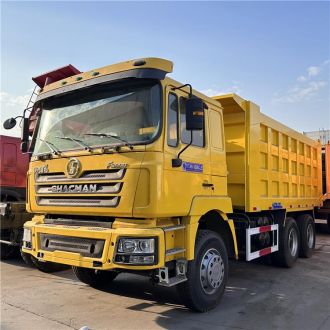
Subject: Logistics Solutions for Exporting “Ryder Used Trucks” from China
Issuing Authority: SEA LION International – Senior Engineering Division
Date: March 2026
1. Executive Summary
This report evaluates three primary maritime transport methods—Roll-on/Roll-off (RO-RO), Bulk Cargo, and Flat Rack—for the export of used Ryder trucks from manufacturing and consolidation hubs in China to global destinations. The analysis focuses on cost-efficiency, transit integrity, handling requirements, and corrosion protection protocols, with particular emphasis on long-term exposure to marine environments. A standardized wax spraying procedure for seawater corrosion mitigation is recommended across all transport modes.
2. Cargo Profile: Ryder Used Trucks
| Parameter | Specification |
|---|---|
| Vehicle Type | Used Class 8 Heavy-Duty Trucks (Ryder) |
| Gross Vehicle Weight (GVW) | 36,000–38,000 lbs (16,330–17,237 kg) |
| Dimensions (Avg.) | L: 24.5 m, W: 2.6 m, H: 3.9 m |
| Condition | Operational, pre-owned, post-fleet service |
| Quantity per Shipment | 50–200 units per export batch |
| Origin Points | Shanghai, Qingdao, Guangzhou (China) |
| Primary Destinations | Middle East, Africa, Southeast Asia, Latin America |
3. Transport Mode Comparison
| Criteria | RO-RO (Roll-on/Roll-off) | Bulk Cargo (Loose Loaded) | Flat Rack Container |
|---|---|---|---|
| Loading Mechanism | Self-driven or towed onto vessel | Crane-lifted, secured on hold deck | Crane-lifted onto open-top platform |
| Cargo Compatibility | High (ideal for operational vehicles) | Moderate (requires non-operational handling) | High (accommodates oversized units) |
| Handling Time (per unit) | 8–12 minutes | 25–35 minutes | 18–22 minutes |
| Stowage Density | High (efficient vertical stacking) | Low–Moderate (limited by crane access) | Moderate (requires spacing) |
| Risk of Physical Damage | Low (minimal handling) | High (lifting/crane impact risk) | Moderate (lashings critical) |
| Exposure to Elements | Moderate (partially enclosed decks) | High (fully exposed in hold) | Very High (open to sea spray) |
| Avg. Freight Cost (per unit) | $1,850–$2,100 | $1,500–$1,750 | $2,400–$2,800 |
| Port Infrastructure Req. | RO-RO ramp-equipped terminals only | General multipurpose port | Container terminal with heavy lift |
| Transit Time (Shanghai–Jebel Ali) | 28–32 days | 30–35 days | 29–33 days |
| Best Suited For | Operational fleets, fast turnaround | Non-operational units, cost-sensitive | Over-dimensional or modified trucks |
4. Corrosion Protection Protocol: Wax Spraying System
Marine transport exposes vehicles to high-humidity, salt-laden air and direct seawater spray—primary accelerants of corrosion on undercarriages, chassis frames, and exposed metal components.
Recommended Protection: Industrial-Grade Wax Spraying
| Parameter | Specification |
|---|---|
| Application Method | Automated underbody spray system |
| Wax Type | Solvent-based, hydrophobic polymer coating |
| Film Thickness | 50–70 microns (uniform coverage) |
| Coverage Areas | Frame rails, suspension mounts, fuel tanks, brake lines, wheel hubs |
| Curing Time | 4–6 hours (ambient, 25°C) |
| Salt Spray Test (ASTM B117) | >1,000 hours resistance |
| Reapplication | Not required for single-transit export |
Benefits:
- Forms a non-drying, self-healing barrier against chloride ingress.
- Reduces post-arrival reconditioning costs by up to 40%.
- Compatible with all transport modes; essential for Flat Rack and Bulk Cargo due to direct exposure.
5. Risk Assessment & Mitigation
| Risk Factor | RO-RO | Bulk Cargo | Flat Rack | Mitigation Strategy |
|---|---|---|---|---|
| Seawater Corrosion | Medium | High | Very High | Mandatory wax spraying pre-loading |
| Lashing Failure | Low | Medium | High | ISO-compliant chains + tension monitoring |
| Deck Moisture Accumulation | Medium | High | High | Dehumidification + absorbent matting |
| Port Delays (Handling) | Low | High | Medium | Pre-clearance documentation, JIT loading |
6. Recommendations
-
For High-Volume Operational Fleets:
Utilize RO-RO for optimal balance of speed, safety, and cost. Mandate wax spraying at consolidation yards in Shanghai. -
For Budget-Constrained, Non-Operational Units:
Bulk Cargo is viable, but only with full chassis encapsulation and post-arrival inspection protocols. -
For Modified or Oversized Ryder Units:
Flat Rack is the only feasible option. Requires full wax treatment and reinforced lashing per ISO 1496/2 standards. -
Universal Requirement:
All units, regardless of transport method, must undergo industrial wax spraying prior to shipment to ensure corrosion resistance over 30+ day voyages.
7. Conclusion
The export of used Ryder trucks from China demands a logistics strategy aligned with vehicle condition, destination, and lifecycle value. While RO-RO offers the highest operational efficiency, Flat Rack and Bulk Cargo remain relevant for specialized or cost-driven operations. The integration of standardized wax-based corrosion protection is non-negotiable for maintaining asset integrity across all shipping methods.
SEA LION International recommends pre-shipment treatment compliance as a contractual clause in all export agreements.
End of Report
SEA LION International – Engineering Division | Rev. 3.2026
Get a Quote for Ryder Used Truck
SEA LION International Trade Co., Ltd – Authorized Heavy Truck Exporter (Since 2008).
👤 Contact Person: Mr. Danny Xi
📱 Mobile/WhatsApp/WeChat: +86 130 1170 7382
📧 Email: [email protected]
