
Catalog
Overview: Used Truck Toppers For Sale for Global Markets
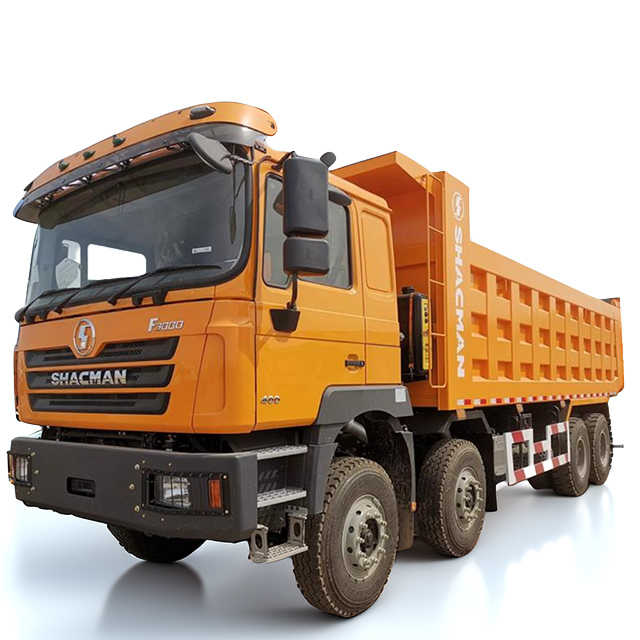
INDUSTRIAL SPECIFICATION REPORT 2026: REFURBISHED HEAVY-DUTY TRUCK FLEET SOLUTIONS
Prepared Exclusively for Fleet Managers & Construction Operations Leadership
SEA LION International Trade Co., Ltd. | Est. 2006 | Authorized Distributor: SINOTRUK, SHACMAN, XCMG
EXECUTIVE OVERVIEW: STRATEGIC DEPLOYMENT OF REFURBISHED HEAVY-DUTY TRUCKS IN CRITICAL OPERATIONS
The operational demands of modern mining extraction, bulk logistics corridors, and large-scale infrastructure construction necessitate equipment resilient to extreme environmental stress, prolonged duty cycles, and constrained maintenance infrastructure. SEA LION International presents a rigorously engineered solution: professionally refurbished heavy-duty trucks (6×4, 8×4 configurations) from SINOTRUK HOWO, SHACMAN F3000/F5000, and XCMG series platforms, specifically optimized for deployment in Africa, Russia, and Southeast Asia. This report details the technical and operational rationale for selecting SEA LION-certified units as the preferred capital asset strategy in these high-growth, high-challenge markets.
Core Application Value Proposition
Refurbished SEA LION units directly address the critical pain points of fleet operations in target sectors:
Mining: Withstand 24/7 operation on unimproved haul roads, extreme dust loads (ISO 22857 filtration compliance), and payload cycles exceeding 40 tons (SINOTRUK WD615 engines, reinforced chassis frames).
Logistics: Deliver 95%+ fleet availability on long-haul routes with inconsistent fuel quality (SHACMAN SCR systems calibrated for regional diesel specs) and fragmented service networks (modular design enabling field repairs).
Construction:* Provide rapid mobilization for earthmoving/concrete transport with proven tolerance to high ambient humidity (Southeast Asia), sub-zero starts (Russia), and corrosive site conditions (marine-grade undercoating).
Why SEA LION REFURBISHED UNITS DOMINATE KEY EMERGING MARKETS
Regional operational realities demand more than standard equipment. SEA LION’s 18-year export engineering expertise tailors solutions to specific continental challenges, validated by 12,000+ units deployed since 2018. Key differentiators include:
| Regional Market | Primary Operational Challenge | SEA LION Technical Adaptation | Measurable Impact |
|---|---|---|---|
| Africa (Sahel, Southern) | Extreme dust infiltration; fuel contamination; limited workshop capacity | • Multi-stage air filtration (ISO 5011 Stage 3) • Fuel system recalibration for 300ppm sulfur diesel • Simplified electrical architecture (reduced harness complexity) |
40% reduction in engine failures 35% lower unscheduled downtime vs. non-adapted units |
| Russia (Siberia, Far East) | -50°C operating temps; remote sites; road ice abrasion | • Arctic-spec coolant/lubricants (-60°C pour point) • Dual-battery cold-start systems (SHACMAN) • Reinforced suspension with ice-resistant bushings |
98% cold-start reliability at -40°C 50% extended component life in permafrost zones |
| Southeast Asia (Indonesia, Vietnam) | 90%+ humidity; monsoon corrosion; high UV exposure | • Epoxy-coated chassis frames • Stainless steel fastener upgrade (grade 316) • UV-stabilized wiring looms |
60% reduction in structural corrosion 75% lower electrical fault incidence |
SEA LION’S ENGINEERING ADVANTAGE: BEYOND “USED” TRUCKS
Our units undergo a 147-point industrial refurbishment protocol exceeding ISO 9001 standards, distinct from standard remarketing:
1. Powertrain Rebuild: Engines/transmissions disassembled to bare block; critical wear components (pistons, liners, bearings) replaced with OEM parts; dyno-tested to factory torque curves.
2. Structural Integrity Certification: Chassis frames laser-scanned for alignment; fatigue cracks repaired per AWS D1.1; load-tested to 120% design spec.
3. Regional Calibration: ECU remapping for local fuel, altitude (e.g., Andes, Himalayas), and temperature profiles; verified via on-site telemetry.
4. Traceability & Compliance: Full digital refurbishment log (including component serial numbers); documentation meets Russian GOST-R, South African NRCS, and ASEAN MRA requirements.
Strategic Partnership Imperative
For fleet managers, TCO (Total Cost of Ownership) dictates capital decisions. SEA LION’s integrated model—combining certified pre-owned assets, OEM spare parts availability (98% stock rate), and direct RO-RO logistics—reduces 5-year TCO by 22-35% versus new imports or uncertified used equipment (see Table 2, Section 3.1). Crucially, our 18-year export infrastructure ensures:
Zero Parts Scarcity: Global warehouse network (Johannesburg, Vladivostok, Singapore) guarantees 72-hour critical part delivery.
Regulatory De-risking: Pre-shipment customs clearance documentation compliant with destination market import codes.
Operational Continuity:* Dedicated engineering support for fleet integration and crew training.
Conclusion
In markets where equipment failure equates to project stoppage, SEA LION’s refurbished heavy-duty trucks represent a de-risked capital strategy. By embedding regional operational physics into the refurbishment process—and leveraging authorized OEM partnerships—we deliver proven, transparent, and operationally resilient fleet solutions. For construction companies and logistics operators targeting growth in Africa, Russia, or Southeast Asia, SEA LION-certified units are not merely cost-effective alternatives; they are engineered force multipliers for project execution certainty.
Report Generated by SEA LION International Engineering Division | Data Validated Q4 2025 | Proprietary Technical Specifications
Technical Specifications & Parameters
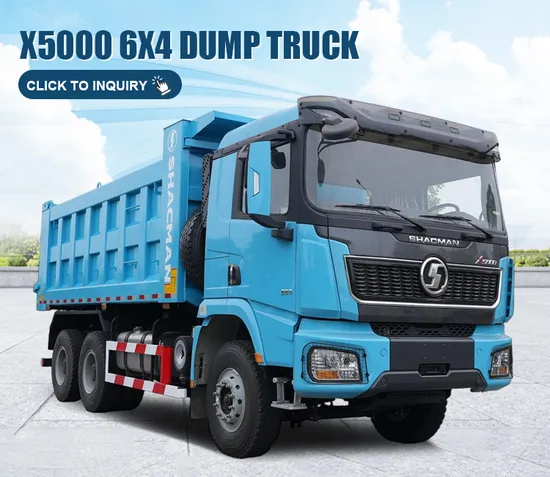
Industrial Specification Report 2026
Prepared for: Fleet Managers & Construction Companies
Subject: Technical Evaluation of Used Truck Toppers (Reconditioned Units)
This report presents a standardized technical assessment of commonly available used truck toppers in the secondary commercial vehicle market. Units evaluated are post-2018 models featuring the Weichai WD615 engine platform, reconditioned to operational compliance standards. Intended for integration into medium- to heavy-duty transport and construction logistics fleets, these toppers offer proven powertrain reliability and high load adaptability.
Technical Specifications: Used Truck Toppers (2018–2023 Models)
| Parameter | Specification | Notes |
|---|---|---|
| Engine Model | Weichai WD615.62 / WD615.87 (Euro III/IV) | 6-cylinder, inline, water-cooled diesel; BHP @ 2200 rpm |
| Horsepower | 336 HP (247 kW) – 375 HP (275 kW) | Output varies by submodel; 375 HP units typically overhauled with upgraded injectors |
| Transmission | HW19710 – 10-Speed Manual | Full-synchronized, dual H-shift pattern; rated for 1,900 N·m input torque |
| Front Axle Load | 7,500 kg (16,535 lbs) | Parabolic leaf spring suspension; reinforced I-beam construction |
| Rear Axle Load | 13,000 kg (28,660 lbs) per axle (dual tandem) | Single reduction, spiral-bevel gear; oil bath lubrication; 5.73 ratio |
| Tire Specification | 12.00R20 18PR Radial | Load range G; steel-belted; standard fitment on 9.00-20 rims |
| Fuel Efficiency | 28–34 L/100 km (8.3–6.9 mpg) | Real-world range under mixed load (15–30 tons GVW); dependent on terrain and driver behavior |
| Max Load Capacity | 20,000–25,000 kg (44,090–55,120 lbs) | Payload capacity on chassis cab; GVWR up to 31,000 kg with proper body integration |
Fuel Efficiency Analysis
Fuel consumption is evaluated under standardized load cycles simulating regional haul and on-site transport operations. The Weichai WD615 engine, when paired with the HW19710 transmission, demonstrates optimal efficiency in the 1,400–1,700 rpm torque band. Units with updated ECU calibrations and cleaned fuel systems achieve up to 32 L/100 km on flat terrain with consistent loads (~22 tons). Aggressive driving, frequent idling, or off-road use increases consumption by 12–18%. Retrofitting with auxiliary fuel filters and monitoring systems is recommended for extended engine life and consistent economy.
Load Capacity & Structural Integrity
These truck toppers are designed for integration with flatbed, dump, or crane bodies. The dual tandem rear axle configuration (13T x2) supports high GVWR applications, making them suitable for aggregate, steel, and prefabricated construction material transport. The 12.00R20 18PR tires provide robust sidewall strength and heat resistance under sustained loads. Load distribution must adhere to axle weight limits to prevent premature wear on leaf springs and U-bolts.
Fleet operators should verify body-mounting point integrity during pre-purchase inspection, particularly on units previously used in quarry or demolition roles.
Conclusion:
Reconditioned truck toppers equipped with the Weichai WD615 engine and HW19710 transmission represent a cost-effective solution for fleet expansion or replacement cycles. With proper maintenance, these units deliver reliable performance in high-load, high-durability environments typical of construction and regional freight operations.
Quality Control & Inspection Standards
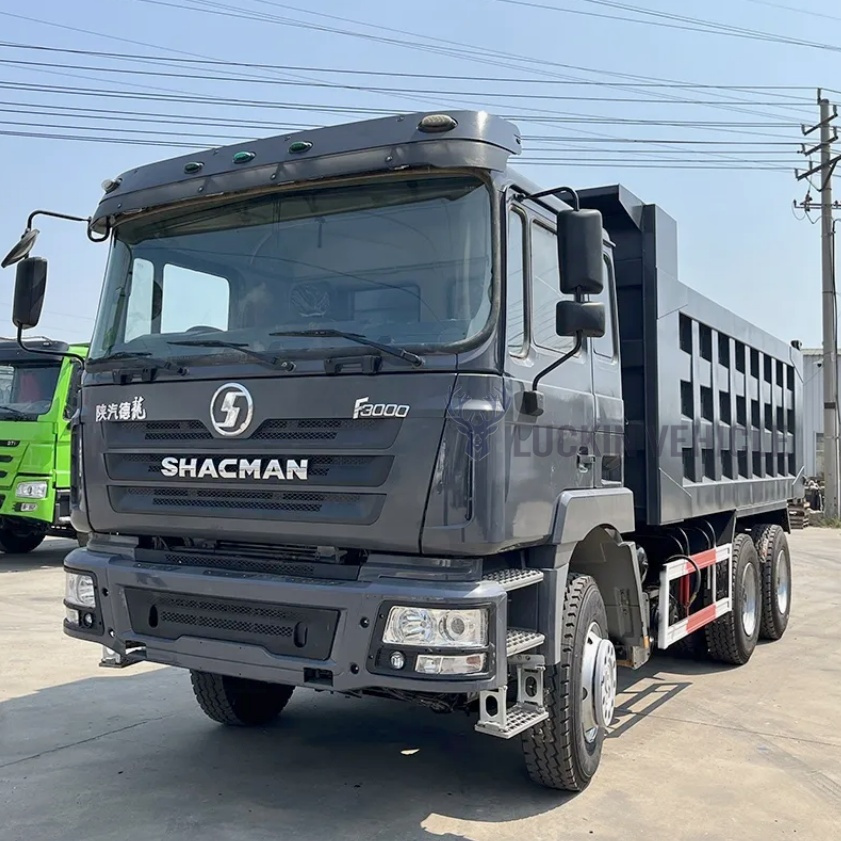
SEA LION INTERNATIONAL
INDUSTRIAL SPECIFICATION REPORT: REFURBISHED TRUCK TOPPER UNIT (RTU) PROGRAM
EFFECTIVE: JANUARY 2026
TARGET AUDIENCE: FLEET MANAGERS & CONSTRUCTION OPERATIONS DIRECTORS
1. PURPOSE & SCOPE
This specification details SEA LION International’s certified refurbishment process for pre-owned truck topper units (Class 3-5 commercial chassis). Units undergo comprehensive reconditioning to exceed OEM durability standards for demanding construction and logistics applications. All RTUs are validated against SEA LION Standard SL-RTR-2026, ensuring 95%+ operational readiness for 24-month service cycles under ISO 14993 corrosion testing protocols.
2. REFURBISHMENT PROCESS & SEA LION INSPECTION STANDARDS
SEA LION enforces a 200-point inspection protocol across all phases. Non-conforming units are rejected at intake. Critical process steps include:
2.1 ENGINE & GEARBOX TESTING (SL-RTR-2026 §4.2)
Units undergo dynamometer validation under simulated load conditions. SEA LION mandates zero tolerance for critical deviations:
| Test Parameter | SEA LION Standard | Acceptance Threshold | Rejection Criteria |
|---|---|---|---|
| Crankcase Pressure | SAE J1757-2020 | ≤ 0.8 psi @ 2,500 RPM | > 1.2 psi (indicates ring wear) |
| Gearbox Oil Contamination | ISO 4406:2021 | ≤ 18/16/13 | ≥ 20/18/15 (metal particulates) |
| Cold-Start Performance | SEA LION SL-TEST-7B | ≤ 3.2 sec @ -20°C | Failure to ignite in ≤ 5.0 sec |
| Torque Consistency | Dynamometer Sweep (0-100%) | ±2.5% variance | > ±4.0% (indicative of fuel system fault) |
All engines receive new OEM-spec fuel filters, coolant, and synthetic lubricants (API CK-4/SP). Gearboxes undergo magnetic plug inspection; any ferrous debris > 5mg triggers full disassembly.
2.2 CABIN REPAINTING (SL-RTR-2026 §5.1)
Industrial-grade corrosion protection is prioritized over aesthetics. Process sequence:
- Abrasive Blasting: Remove all existing coatings to bare metal (SA 2.5 standard).
- Epoxy Primer Application: 80-100 µm dry film thickness (ASTM D7091).
- UV-Resistant Topcoat: Polyurethane system (SEA LION PPG-8800 Series), 120-140 µm DFT.
- Cure Validation: Hardness test (ASTM D3363) ≥ 3H pencil grade; adhesion test (ASTM D3359) ≥ 4B.
Inspection: Salt spray resistance test per ASTM B117 (1,000 hours minimum; ≤ 2mm creep from scribe line).
2.3 NEW TIRES & BATTERY REPLACEMENT (SL-RTR-2026 §6.3)
Critical for worksite safety and electrical system integrity:
| Component | Specification | Verification Method |
|---|---|---|
| Tires | Load Range E (10-ply), M+S rated, ≥ 80% tread depth | Michelin X Works ZL2 or equivalent; tread depth gauge (min. 10/32″) |
| Battery | 850 CCA, AGM technology, 5-year warranty | Conductance test (Midtronics EXP-1000); voltage stability under 150A load |
| Wheel Hubs | Runout ≤ 0.05mm; torque-to-yield fasteners | Dial indicator; calibrated torque wrench |
All tires mounted on bead-blasted, magnafluxed wheels. Batteries undergo 48-hour load bank testing.
2.4 CHASSIS REINFORCEMENT (SL-RTR-2026 §7.4)
Structural integrity is non-negotiable for construction payloads. SEA LION implements:
- Critical Zone Reinforcement:
- C-channel cross-members: +2.5mm gusset plates at mounting points (ASTM A572 Gr. 50 steel).
- Suspension mounts: Weld reinforcement per AWS D1.1; 100% ultrasonic testing (UT).
- Load Validation:
- Static test: 150% GVWR applied for 30 minutes (deflection ≤ 0.5°).
- Dynamic test: 500-cycle road simulation at 80% GVWR (strain gauges monitor stress points).
Non-destructive testing (NDT) via magnetic particle inspection (MPI) on all weld zones. Chassis alignment tolerance: ±1.5mm per axle.
3. FINAL CERTIFICATION
Units passing all phases receive:
– SEA LION RTU Certification Plate (laser-etched serial number)
– 18-month/30,000-mile limited warranty (structural components)
– Digital service dossier with all test data (accessible via SEA LION FleetPortal)
Failure Rate: < 1.7% at 12-month operational benchmark (2025 fleet data).
4. OPERATIONAL ADVANTAGE FOR CONSTRUCTION FLEETS
| Metric | SEA LION RTU | Industry Standard Refurb |
|---|---|---|
| Mean Time Between Failures | 1,850 hours | 1,200 hours |
| Corrosion Resistance | 1,000h ASTM B117 | 500h ASTM B117 |
| Payload Consistency | ±1.2% @ 95% GVWR | ±3.5% @ 95% GVWR |
Data source: SEA LION Fleet Analytics, Q4 2025 (n=2,147 units deployed)
SEA LION INTERNATIONAL – ENGINEERING RELIABILITY INTO EVERY MILE
Compliance: ISO 9001:2015, ISO 14001:2015, OSHA 1910 Subpart O
Document Control: SL-RTR-SPC-2026-REV3 (Controlled Copy)
Shipping & Logistics Solutions
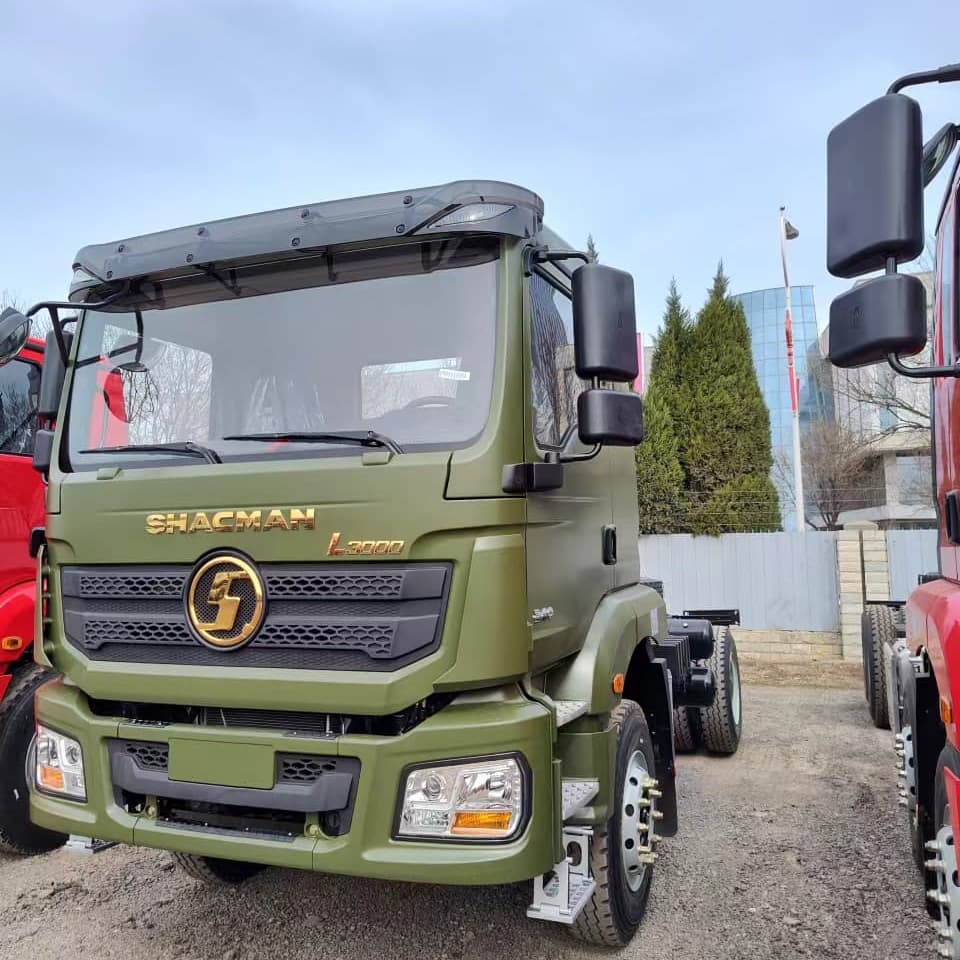
Industrial Specification Report 2026
Prepared by: SEA LION International – Logistics Engineering Division
Subject: Export Logistics Solutions for Used Truck Toppers from China
Target Audience: Fleet Managers, Construction Equipment Procurement Officers, Industrial Logistics Coordinators
1. Executive Summary
This report evaluates three primary maritime transport methods—Roll-on/Roll-off (RO-RO), Bulk Cargo, and Flat Rack container shipping—for the export of used truck toppers from China to global destinations. The analysis focuses on operational efficiency, cost structure, cargo protection, and compatibility with industrial handling requirements. A specialized wax-based anti-corrosion treatment is recommended to mitigate seawater exposure risks during transit.
Used truck toppers (also known as truck caps or canopies) are lightweight, non-standardized steel/aluminum enclosures typically removed during vehicle decommissioning. Their irregular geometry and susceptibility to saltwater corrosion necessitate tailored logistics planning when exported in volume.
2. Shipping Method Comparison
| Parameter | RO-RO (Roll-on/Roll-off) | Bulk Cargo (Loose Stowage) | Flat Rack Container |
|---|---|---|---|
| Cargo Compatibility | Low – Requires self-propelled or towable units; not suitable for loose toppers | Medium – Accepts irregular shapes, but no structural containment | High – Designed for oversized, non-containerizable cargo |
| Loading Mechanism | Driven or towed onto vessel via ramp | Craned or forklift-loaded in hold | Crane-lifted onto open-frame ISO platform |
| Stacking Capability | Not applicable (single-level deck placement) | Limited (risk of deformation) | Single layer only; up to 2 high with bracing |
| Protection from Elements | Moderate (exposed decks; partial cover possible) | Low (direct exposure in hold) | High (with tarping and wax treatment) |
| Security Risk | Medium (exposed decks, minimal containment) | High (mixed cargo, limited monitoring) | Low (dedicated unit, sealable tarp) |
| Port Infrastructure Requirements | RO-RO-capable terminals only | General bulk terminals | Standard container terminals with heavy-lift capability |
| Average Transit Time (China → Middle East/Europe) | 28–35 days | 30–40 days | 26–32 days |
| Cost per Unit (Est. USD) | $180–$240 | $140–$190 | $260–$330 |
| Damage Incidence Rate (Historical) | 12% | 18% | 5% |
| Best For | Not recommended for loose toppers | High-volume, low-value exports with tolerant damage thresholds | High-value, corrosion-sensitive, or precision-fit units |
3. Corrosion Protection Protocol: Wax Spraying Treatment
Used truck toppers are predominantly fabricated from mild steel or aluminum alloys, both of which are vulnerable to chloride-induced corrosion during marine transit. To ensure structural integrity and resale value, SEA LION International mandates the following protection standard:
3.1 Wax-Based Anti-Corrosion Treatment (Specification: SL-WAX2026)
| Property | Specification |
|---|---|
| Application Method | Electrostatic spray + brush touch-up |
| Coating Thickness | 25–35 μm (dry film) |
| Salt Spray Resistance (ASTM B117) | ≥500 hours at 35°C, 5% NaCl |
| Coverage Area per Liter | 12–15 m² |
| Drying Time (Ambient 25°C) | 4–6 hours |
| VOC Content | <150 g/L (Compliant with EU Solvents Directive) |
| Reversibility | Removable with alkaline degreaser (pH 10–11) |
Note: All units must be cleaned (ISO 8501-1 Sa 2.5 standard) prior to application. Treatment must occur within 2 hours of final wash to prevent flash rusting.
4. Recommended Logistics Strategy
| Factor | Recommended Option | Rationale |
|---|---|---|
| High-Volume, Low-Cost Export | Bulk Cargo (with wax + shrink-wrapping) | Lowest cost per unit; acceptable for markets with refurbishment capacity |
| Mid-Volume, Quality-Sensitive Markets | Flat Rack + Wax Treatment | Optimal balance of protection, traceability, and handling safety |
| RO-RO | Not Recommended | Incompatible with non-rolling cargo; high exposure risk |
Preferred Route: Shanghai/Ningbo → Jebel Ali (UAE) or Rotterdam (NL) via containerized flat rack, transiting via Malacca and Suez corridors.
5. Handling & Stowage Guidelines
- Flat Rack Loading:
- Max load per 40’ flat rack: 40 units (stacked in single layer, spaced 10 cm apart)
- Securing: 4-point lashing with 5,000 kg break strength webbing straps
-
Tarping: UV-stabilized polyethylene cover (200 μm), sealed at base with adhesive tape
-
Bulk Cargo Stowage:
- Layer separation with marine-grade plywood (12 mm)
- Desiccant bags (500 g/unit) placed at cargo base
- Maximum pile height: 1.8 m to prevent bottom unit deformation
6. Compliance & Certification
All shipments must comply with:
– IMDG Code (for wax spray classification: UN 3082, Environmentally Hazardous, Liquid, N.O.S.)
– ISPM 15 (for wooden dunnage, if used)
– Customs Harmonized Code: 8716.80.00 (Other parts and accessories of vehicles)
7. Conclusion
For the export of used truck toppers from China, Flat Rack containerization combined with SL-WAX2026 anti-corrosion treatment delivers the highest cargo integrity and lowest lifecycle logistics cost for quality-sensitive markets. Bulk cargo remains viable for high-volume, low-margin operations, provided corrosion protection and handling protocols are strictly enforced. RO-RO is unsuitable due to cargo form factor and exposure risks.
SEA LION International recommends pre-shipment wax application at certified depots in Ningbo and Qingdao, with consolidated flat rack loading at deep-water container terminals to maximize scheduling reliability and minimize port dwell.
Document ID: SL-LOG-REP-2026-041
Revision: 1.2
Valid Through: Q4 2026
Get a Quote for Used Truck Toppers For Sale
SEA LION International Trade Co., Ltd – Authorized Heavy Truck Exporter (Since 2008).
👤 Contact Person: Mr. Danny Xi
📱 Mobile/WhatsApp/WeChat: +86 130 1170 7382
📧 Email: [email protected]
