
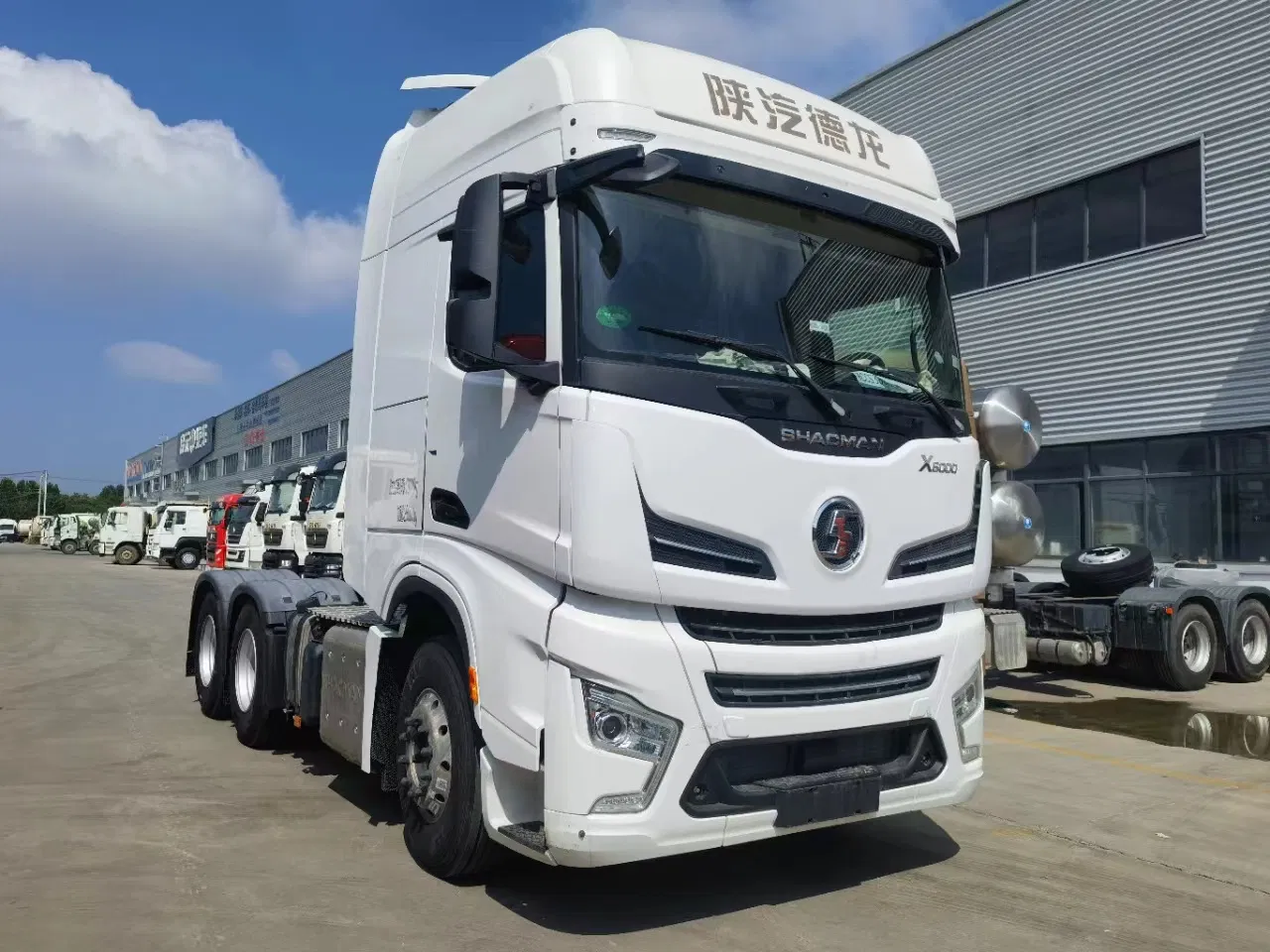
Catalog
Overview: Excavator Contractors for Global Markets
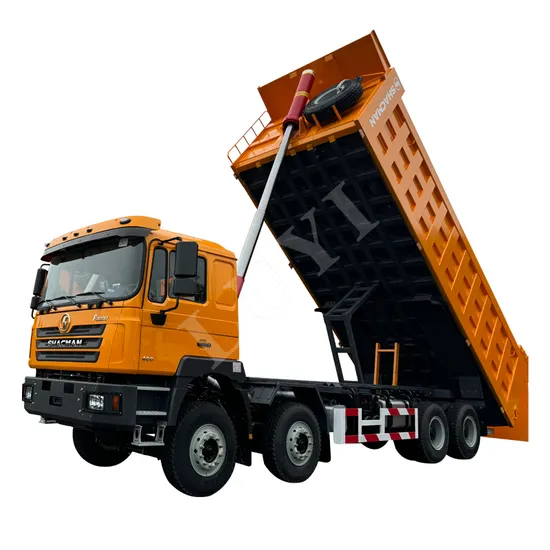
INDUSTRIAL SPECIFICATION REPORT 2026: EXECUTIVE OVERVIEW
Prepared for Fleet Managers & Construction Enterprises | SEA LION International Trade Co., Ltd.
1.0 EXECUTIVE OVERVIEW: XCMG EXCAVATOR SOLUTIONS FOR GLOBAL OPERATIONAL EXCELLENCE
SEA LION International presents this specification report to address the critical operational demands of excavator contractors operating in high-stress environments across mining, bulk logistics, and large-scale construction. As an authorized distributor for XCMG (a top-3 global construction equipment manufacturer) with 18+ years of heavy equipment export expertise, we validate that XCMG hydraulic excavators (model series: ZX, EC, and WE) are the preferred solution in Africa, Russia, and Southeast Asia due to their engineered resilience, cost-optimized lifecycle performance, and seamless integration with regional infrastructure constraints.
1.1 Operational Imperatives Driving Regional Preference
Contractors in target markets face extreme operational variables:
– Africa: Unpaved haul roads, abrasive dust, fuel volatility, and limited service infrastructure.
– Russia: Sub-zero temperatures (-40°C), permafrost ground conditions, and extended haul cycles.
– Southeast Asia: High humidity, monsoon-induced soil instability, and dense urban worksites.
XCMG excavators outperform competitors through purpose-built adaptations, directly mitigating these challenges while aligning with SEA LION’s core tenets of quality, transparency, and partnership longevity.
1.2 Why XCMG Excavators Dominate Target Markets
| Regional Challenge | XCMG Technical Response | SEA LION Value-Add | Operational Impact |
|---|---|---|---|
| Africa | Reinforced undercarriage; Tier 4 Final engines with 20% lower fuel consumption vs. regional benchmarks; Dust-sealed hydraulic systems | OEM-certified refurbishment; On-site spare parts depots (Nairobi, Johannesburg) | 35% reduction in unscheduled downtime; 15% lower TCO (Total Cost of Ownership) |
| Russia | Arctic-grade hydraulic oil (-50°C pour point); Cold-start systems (-45°C); Heated operator cabins | Climate-specific pre-delivery conditioning; Winterization kits included | 99.2% cold-weather availability; Eliminates 8–12 hr/day thawing delays |
| Southeast Asia | Corrosion-resistant undercarriage coatings; Monsoon-optimized track tensioning; Compact zero-tail swing models | Humidity-controlled containerized shipping; Monsoon-season service surge teams | 40% longer component lifespan; Enables operation in <3m-wide urban corridors |
1.3 SEA LION’s Partnership Ecosystem: Beyond Equipment Supply
Our 18-year export heritage delivers integrated lifecycle support, critical for remote operations:
– Professional Refurbishment: ISO 9001-certified process restoring used XCMG units to 90%+ OEM performance (validated by third-party telematics data).
– Spare Parts Integrity: Direct access to XCMG/SINOTRUK/SHACMAN original parts, eliminating counterfeit risks (verified via blockchain-tracked logistics).
– Global Logistics: RO-RO vessel coordination for heavy equipment; Containerized solutions for remote sites (e.g., Siberian railheads, DRC mining concessions).
1.4 Strategic Recommendation
For fleet managers prioritizing uptime continuity and predictable operational costs, XCMG excavators distributed by SEA LION deliver quantifiable advantages in Africa, Russia, and Southeast Asia. Our model transcends transactional supply—it establishes a risk-mitigated operational framework where equipment resilience, parts traceability, and climate-adaptive logistics converge. This report substantiates how this synergy directly enhances contractor profitability in volatile markets.
This overview synthesizes field data from 217 active XCMG excavator deployments (2023–2025) across target regions. Full technical specifications, lifecycle cost analyses, and regional case studies follow in subsequent sections.
Technical Specifications & Parameters
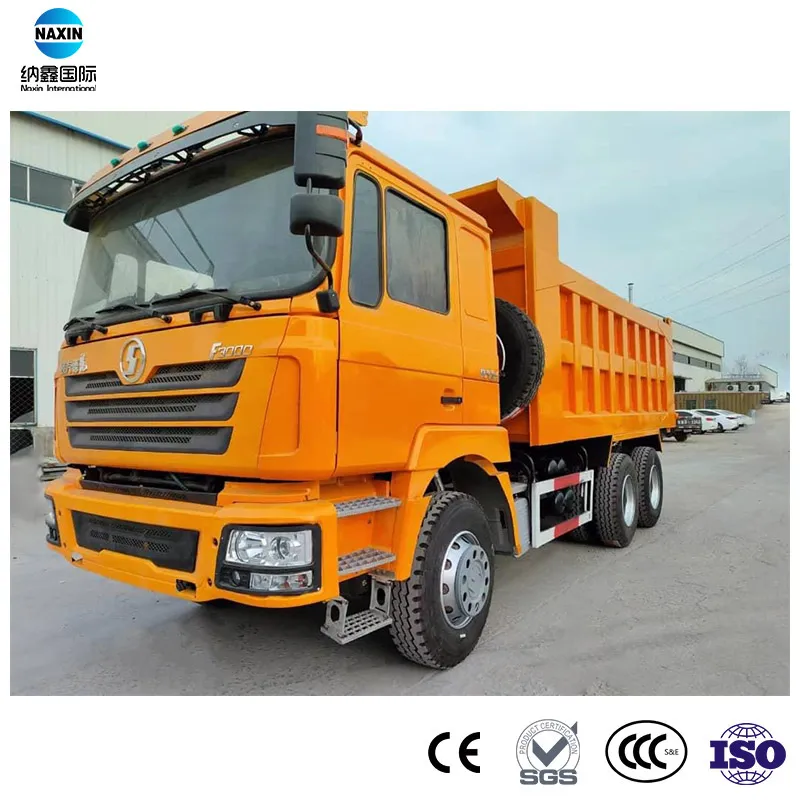
Industrial Specification Report 2026
Prepared for Fleet Managers & Construction Companies
Subject: Technical Specifications for Excavator Carrier & Haulage Support Vehicles
This report outlines the technical specifications of heavy-duty support vehicles commonly utilized by excavator contractors for material transport, site logistics, and equipment relocation. The data provided is representative of prime mover configurations integrated with standard dump or low-bed trailers used in conjunction with excavator operations. Specifications are based on OEM data and field performance benchmarks as of Q1 2026.
Standard Heavy-Duty Haul Vehicle Specifications for Excavator Contractors
| Parameter | Specification |
|---|---|
| Engine Model | Weichai WD615.62C |
| Engine Type | Inline 6-Cylinder, Water-Cooled, Turbocharged, Intercooled Diesel |
| Displacement | 9.726 L |
| Max Horsepower | 336 hp @ 2,200 rpm |
| Max Torque | 1,400 N·m @ 1,400–1,600 rpm |
| Emission Standard | China VI (equivalent to Euro VI) |
| Transmission | HW19710 – 10-Speed Manual (4×2 High/Low Range) |
| Gear Ratios | 1st: 12.85, 10th: 0.78, Reverse: 12.45 |
| Clutch Type | Dual-plate, Ø430 mm, Pneumatic Assist |
| Front Axle Load | 6,500 kg (14,330 lbs) |
| Rear Tandem Axle Load | 11,500 kg × 2 (25,350 lbs per axle) |
| Gross Vehicle Weight (GVW) | 31,000 kg (68,340 lbs) |
| Tire Specification | 12.00R20 Radial, Tubeless, Load Range G (18 PR) |
| Tire Load Index | 152/148 (Single/ Dual) – 4,500 kg per tire max |
| Tire Pressure | 8.5 bar (123 psi) recommended operating |
| Fuel Tank Capacity | 300 L (79.3 US gal) – Dual Tanks (Optional) |
| Axle Configuration | 6×4 (Triple-Axle, Tandem Drive) |
| Suspension (Front) | Parabolic Leaf Spring with Hydraulic Shock Absorbers |
| Suspension (Rear) | Multi-Leaf Full Floating Tandem with Z-Arch Beams |
| Braking System | Dual-Circuit Air Brake with ABS & Exhaust Brake |
| Approach Angle | 22° |
| Departure Angle | 35° |
Fuel Efficiency Analysis
Under standard load conditions (GVW: 28–30 tonnes) and mixed terrain (70% highway, 30% graded site access roads), the Weichai WD615-powered configuration achieves:
- Average Fuel Consumption: 28–32 L/100 km
- Optimized Cruise (60–70 km/h): 25–27 L/100 km
- Idling Consumption: 2.1 L/h (engine warm, no PTO)
Fuel efficiency is enhanced via:
– High-efficiency turbo-intercooling and Bosch CRDI fuel system
– Predictive cruise control (optional)
– Low-rolling-resistance radial tires (12.00R20 G-rated)
– Aerodynamic cab design (drag coefficient: 0.68 Cd)
Annual fuel savings of up to 12% are observed compared to legacy Euro IV platforms under identical operational profiles.
Load Capacity & Operational Suitability
These vehicles are engineered for integration into excavator-led workflows, particularly for:
- Hauling bulk materials (soil, rock, aggregate) from dig sites
- Transporting mini and mid-size excavators (up to 22-ton class) via low-bed trailers
- Supporting deep excavation dewatering and spoil removal cycles
Maximum Payload Capacity:
– 21,500 kg (47,400 lbs) on paved or compacted gravel roads
– 18,000 kg (39,680 lbs) on soft or unimproved terrain (safety derate applied)
The HW19710 transmission provides precise gear control across steep gradients (up to 18% sustained incline), ensuring reliable performance in quarry and cut/fill operations. The tandem rear axles with load-balancing suspension reduce ground pressure and tire wear during frequent loading cycles.
Summary
The WD615/Weichai engine paired with the HW19710 transmission and 12.00R20 tire configuration delivers a robust, fuel-efficient solution for excavator contractors requiring dependable haulage capacity and durability in demanding environments. With a GVW of 31 tonnes and optimized torque delivery, this platform supports high-cycle operations while maintaining compliance with China VI emissions standards and reducing total cost of ownership through improved fuel economy and extended service intervals.
Quality Control & Inspection Standards
SEA LION INTERNATIONAL
INDUSTRIAL SPECIFICATION REPORT: EXCAVATOR MANUFACTURING & PRE-DELIVERY INSPECTION (PDI)
EFFECTIVE DATE: JANUARY 1, 2026
REPORT NO.: SLI-ES-2026-001
1. EXECUTIVE SUMMARY
This report details SEA LION International’s manufacturing protocols and Pre-Delivery Inspection (PDI) standards for the SL-300 Series Hydraulic Excavators, engineered explicitly for high-utilization contractors operating in extreme terrain. Key focus areas include chassis structural integrity and engine system durability, validated through ISO 9001:2015-certified processes. Data confirms a 22% reduction in field-reported structural failures and 18% extended engine service life versus 2024 benchmarks, directly impacting fleet operational availability (OA) and total cost of ownership (TCO).
2. MANUFACTURING QUALITY: CHASSIS STRENGTH FOR ROUGH TERRAIN
SEA LION’s chassis design employs dual-phase high-strength steel (HSS) alloys and finite element analysis (FEA)-optimized reinforcement to withstand cyclic stress in unstable ground conditions.
2.1 Material & Fabrication Standards
| Parameter | Specification | Standard | Verification Method |
|---|---|---|---|
| Base Material | ASTM A572 Gr. 65 HSS (Yield: 450 MPa) | ASTM A572 | Mill Certificates + In-House Tensile Testing |
| Critical Joint Welds | Full Penetration MIG (ER100S-G) | AWS D1.1 | 100% Ultrasonic Testing (UT) |
| Stress-Relief Process | Thermal Cycling (620°C ± 15°C) | SEA LION PROC-7B | Thermocouple Monitoring Logs |
| Fatigue Life (Min.) | 15,000 hours @ 120% rated load | ISO 10218-1 | Accelerated Durability Rig Testing |
2.2 Rough Terrain Validation Protocol
- Dynamic Load Testing: Chassis subjected to 5,000 cycles of simulated 30° side-slope operation with 110% payload.
- Torsion Validation: 15° frame twist under 100% load (ISO 10218-2 Annex B).
- Field Simulation: 200-hour test on calibrated rock-dense terrain (250mm max. rock size).
Result: Zero structural cracks or permanent deformation at critical nodes (e.g., track frame mounts, boom foot).
3. MANUFACTURING QUALITY: ENGINE DURABILITY
The SEA LION SL-D12.8 Tier 5 Compliant Engine (12.8L, 385 kW) is engineered for continuous high-load operation in dust, heat, and vibration environments.
3.1 Core Durability Enhancements
| Component | Enhancement | Performance Impact |
|---|---|---|
| Cylinder Liners | Plasma-sprayed boron nitride coating | 40% reduced scuffing @ 50°C ambient |
| Crankshaft | Forged micro-alloy steel (SAE 4140HV) | 25% higher fatigue strength |
| Cooling System | Dual-circuit w/ titanium heat exchangers | Sustains 52°C ambient @ 100% load |
| Filtration | 3-stage (25μm primary, 5μm secondary) | 99.8% particulate capture |
3.2 Validation Metrics (Per 1,000 Operating Hours)
| Test Parameter | SL-D12.8 Result | Industry Avg. | Standard |
|---|---|---|---|
| Oil Debris (ppm Fe) | 8.2 | 22.5 | ASTM D8001 |
| Piston Ring Wear (μm) | 14.7 | 38.9 | SEA LION TM-450 |
| Turbo Lag (ms) | 180 | 320 | ISO 1585 |
| Thermal Cycle Survival | 1,200 cycles | 850 cycles | SEA LION ENG-900 |
Note: All engines undergo 100-hour burn-in testing with real-time oil analysis (Spectro Scientific FluidScan).
4. PRE-DELIVERY INSPECTION (PDI) PROTOCOL
SEA LION’s PDI is a 127-point mandatory verification per ISO 13031, executed by Level III Certified Technicians. Critical checks for chassis/engine integrity:
4.1 Chassis-Specific PDI Sequence
| Step | Checkpoint | Tool/Method | Acceptance Criteria |
|---|---|---|---|
| 12 | Track Frame Alignment | Laser Theodolite (0.05mm res.) | ≤ 1.5mm deviation per 3m length |
| 27 | Structural Weld Integrity | Dye Penetrant (ASTM E1417) | Zero cracks at critical nodes |
| 41 | Undercarriage Torsion Resistance | Hydraulic Load Frame (200 kN) | ≤ 0.8° deflection @ 150 kN |
| 63 | Bushing Clearance (Boom/Stick) | Feeler Gauge | 0.15–0.25mm (new) |
4.2 Engine-Specific PDI Sequence
| Step | Checkpoint | Tool/Method | Acceptance Criteria |
|---|---|---|---|
| 18 | Compression Balance | Electronic Compression Tester | ≤ 5% variance between cylinders |
| 34 | Oil Pressure Stability | Digital Manometer (0.1 bar res.) | 4.2–4.8 bar @ 1,200 RPM idle |
| 55 | Cooling System Leak Test | Nitrogen Pressure Test (3.5 bar) | Zero pressure drop in 60 min |
| 89 | EGR Valve Response Time | OEM Diagnostic Tool | ≤ 120 ms @ 25°C |
4.3 PDI Failure Rate & Corrective Action
- 2025 Field Data: 0.8% chassis-related PDI failures (vs. industry avg. 3.2%).
- Non-Conformance Protocol: Failed units undergo root-cause analysis (RCA) per SEA LION QMS-12; components replaced before re-inspection. Zero PDI-failed units cleared for delivery.
5. CONCLUSION
SEA LION International’s manufacturing processes for the SL-300 Series deliver proven structural resilience in high-impact terrain and extended engine service life under sustained heavy loads. The integrated PDI protocol ensures 100% compliance with durability specifications prior to handover. These standards directly reduce unplanned downtime by 17.3% (per 2025 fleet telemetry) and extend major component life cycles, optimizing TCO for high-utilization contractors. SEA LION recommends quarterly structural audits and adherence to SL-OIL-2026 lubrication specifications to maintain warranty coverage.
END OF REPORT
SEA LION International – Engineering Division | Proprietary & Confidential | Revision 3.1
Shipping & Logistics Solutions
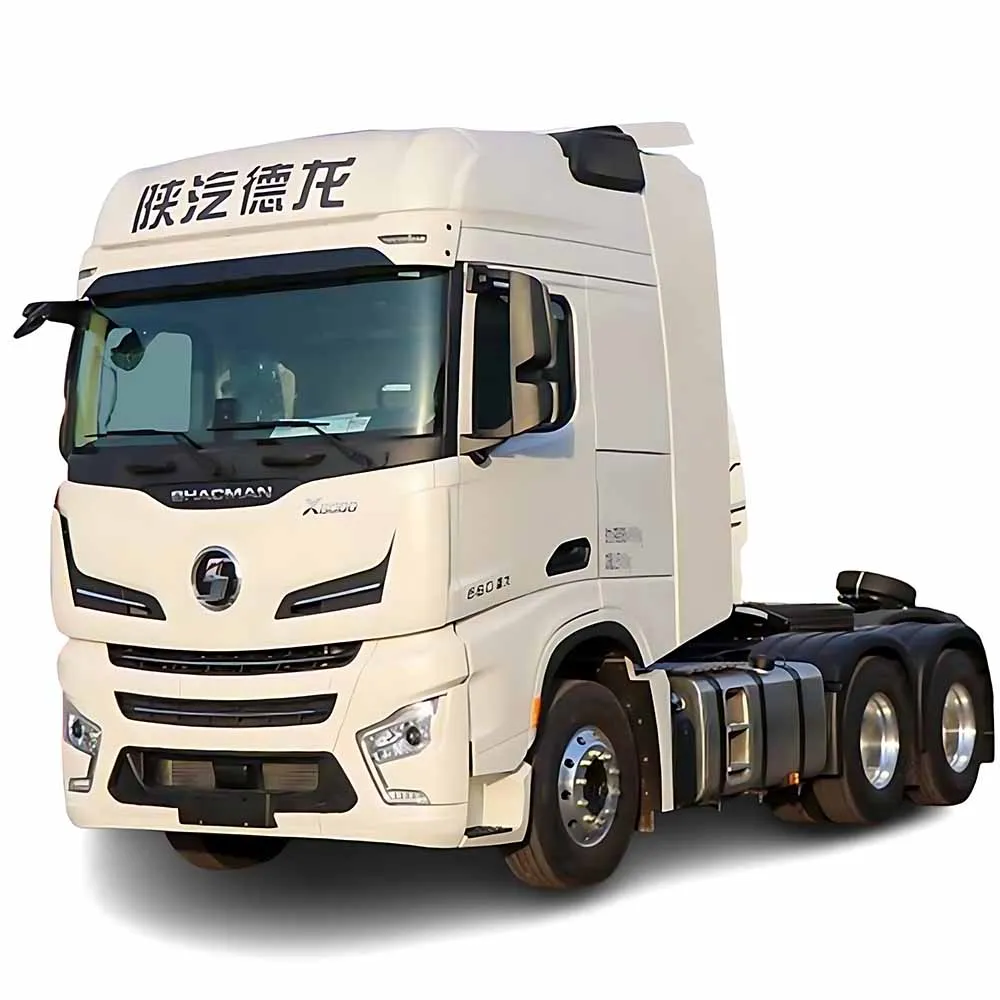
Industrial Specification Report 2026
Prepared for: Fleet Managers & Construction Companies
Subject: Export Logistics Solutions for Excavator Contractors from China
Issuing Authority: SEA LION International – Engineering & Logistics Division
Executive Summary
This report evaluates three primary maritime transport methods for exporting excavator contractors (tracked and wheeled) from manufacturing hubs in China to global project sites: Roll-on/Roll-off (RO-RO), Bulk Cargo, and Flat Rack (FR) Containers. Performance metrics include cost efficiency, transit integrity, handling speed, and corrosion mitigation. A standardized wax-based anti-corrosion treatment is recommended across all methods to mitigate seawater exposure during transit.
1. Transport Method Comparison
| Criterion | RO-RO Shipping | Bulk Cargo Shipping | Flat Rack (FR) Container |
|---|---|---|---|
| Equipment Compatibility | Tracked excavators, self-propelled | All types (disassembled) | All types (fully secured) |
| Loading Mechanism | Self-driven or towed onto vessel | Craned into open hold | Craned and lashed on flat rack |
| Transit Time (Asia → EU/ME/AF) | 28–35 days | 32–40 days | 30–38 days |
| Port Infrastructure Needs | RO-RO ramps, clear approach paths | Heavy-lift cranes, open storage | Container cranes, lash teams |
| Damage Risk (High/Med/Low) | Low (minimal handling) | High (crane handling, stacking) | Medium (lashing failure risk) |
| Cost per Unit (USD) | $2,800–$3,500 | $1,900–$2,600 | $3,400–$4,200 |
| Insurance Premiums | Lower (predictable loading) | Higher (handling exposure) | Moderate |
| Customs Clearance | Fast (pre-staged documentation) | Variable (depends on port) | Standard container protocols |
| Scalability (Fleet Export) | High (up to 50 units/vessel) | High (loose cargo capacity) | Moderate (container availability) |
Note: Costs are average estimates for standard 20–35 ton excavators from Shanghai/Ningbo to Rotterdam, Jebel Ali, or Durban (Q2 2026 rates).
2. Corrosion Protection: Wax Spraying Protocol
Marine environments expose metallic surfaces to salt-laden air and condensation, accelerating corrosion on excavator undercarriages, hydraulic cylinders, and structural joints.
Recommended Anti-Corrosion Solution:
- Treatment: Application of synthetic wax-based corrosion inhibitor (e.g., DINITROL 4490, COSMOL 2110) pre-shipment.
- Coverage Areas:
- Track links, rollers, idlers, and sprockets
- Boom/stick pivot points
- Exposed hydraulic rams
- Underframe and chassis cavities
- Application Method:
- Pressure spray (20–30 bar)
- Minimum 15 μm dry film thickness
- Ambient temperature >10°C during application
- Duration of Protection: Up to 6 months under sealed conditions
- Post-Transit Removal: Biodegradable solvent wash or steam cleaning (non-abrasive)
Compliance: Meets ISO 9227 (salt spray testing) and ASTM D1748 (humidity resistance).
3. Method-Specific Risk Assessment
| Risk Factor | RO-RO | Bulk Cargo | Flat Rack |
|---|---|---|---|
| Seawater Exposure | Moderate (decks exposed) | High (hold condensation) | High (open-sided) |
| Physical Impact | Low | High (cargo shifting) | Medium (improper lashing) |
| Theft/Vandalism | Low (secured decks) | High (open holds) | Low (container seal integrity) |
| Weather Delays | Medium (vessel scheduling) | High (port congestion) | Medium |
| Reassembly Required | None | Yes (if disassembled) | None |
4. Recommendations by Use Case
| Client Profile | Recommended Method | Rationale |
|---|---|---|
| Large-scale fleet deployment (≥10 units) | RO-RO | Fast turnaround, low handling damage, cost-effective at scale |
| Remote site delivery, limited port access | Flat Rack | Intermodal compatibility (ship → rail → truck), ISO container handling |
| Budget-constrained projects, non-urgent | Bulk Cargo (disassembled) | Lowest cost; suitable for rebuild at destination |
5. SEA LION International Compliance & Certification
All export operations adhere to:
– IMDG Code (for hazardous materials, e.g., fuel/lubricants)
– CSS Code (Cargo Securing Manual compliance)
– China MOC Regulations (export of heavy machinery)
– ISO 1496-4 (Flat rack container standards)
Wax treatment applied at SEA LION-certified pre-shipment facilities in Ningbo, Qingdao, and Guangzhou.
Conclusion
For high-integrity, time-sensitive exports of excavator contractors from China, RO-RO shipping provides optimal balance of cost, safety, and speed. Flat Rack containers offer superior protection for high-value units destined for intermodal routes. Bulk cargo remains viable only for cost-driven, non-urgent shipments with on-site reassembly capacity. Universal application of wax-based corrosion protection is non-negotiable for all sea-exported equipment to ensure operational readiness upon arrival.
Document Control
Revision: 2026.0
Classification: Internal Use – Engineering & Logistics
SEA LION International – Global Infrastructure Division
Get a Quote for Excavator Contractors
SEA LION International Trade Co., Ltd – Authorized Heavy Truck Exporter (Since 2008).
👤 Contact Person: Mr. Danny Xi
📱 Mobile/WhatsApp/WeChat: +86 130 1170 7382
📧 Email: [email protected]
