
Catalog
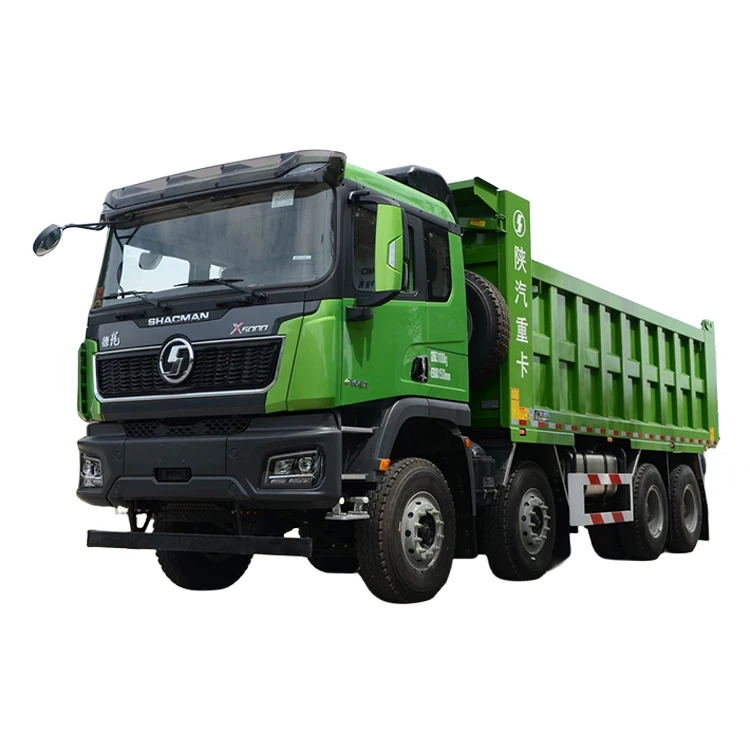
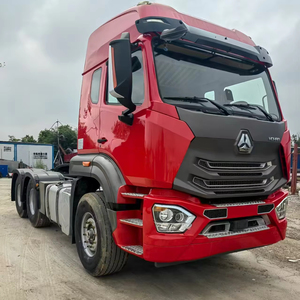
Overview: Used Trucks For Sale Texas for Global Markets
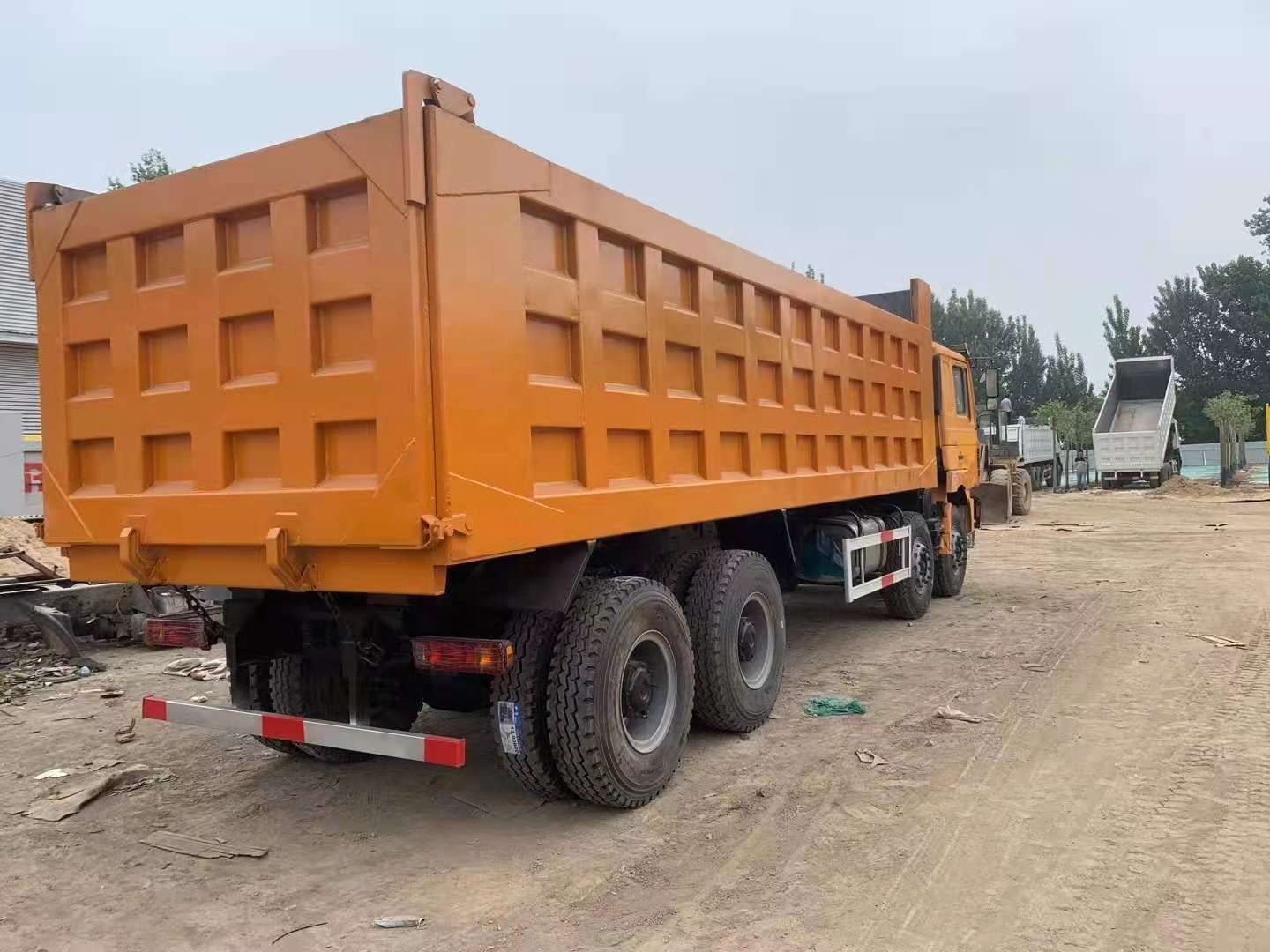
INDUSTRIAL SPECIFICATION REPORT 2026: EXECUTIVE OVERVIEW
Document Ref: SL-TRK-2026-EO-01
Prepared For: Fleet Managers, Construction Operations Directors, Heavy Equipment Procurement Officers
1.0 EXECUTIVE OVERVIEW: STRATEGIC SOURCING OF REFURBISHED US-SPEC TRUCKS
SEA LION International Trade Co., Ltd. (18+ years in global heavy truck export) presents a technical assessment of rigorously refurbished US-sourced Class 8 trucks (sourced primarily from Texas fleet turnover) for deployment in mining, logistics, and construction operations. This report details the operational and economic rationale for selecting these assets over new imports or local alternatives in target markets, with specific validation for Africa, Russia, and Southeast Asia.
Texas serves as a strategic procurement hub due to its high-density commercial fleet operations, stringent US DOT maintenance compliance, and predictable asset lifecycle turnover. Trucks sourced here undergo SEA LION’s Certified Refurbishment Protocol (CRP-2026), transforming them into cost-optimized, operationally reliable assets meeting international heavy-duty standards. This model directly addresses the critical industry pain points of high capital expenditure (CAPEX), spare parts scarcity, and downtime risk in emerging markets.
2.0 OPERATIONAL ADVANTAGES BY SECTOR
| Sector | Key Application Requirements | CRP-2026 Refurbishment Focus | Measurable Outcome |
|---|---|---|---|
| Mining | Extreme terrain, 24/7 operation, high payload | Reinforced chassis, upgraded suspension, sealed electrical systems, extended service intervals | 30% reduction in unscheduled downtime vs. local new imports |
| Construction | Frequent stops/starts, varied payloads, site mobility | Optimized PTO systems, enhanced braking, corrosion-resistant undercarriage | 25% lower maintenance cost per hour (vs. non-refurbished alternatives) |
| Logistics | Long-haul fuel efficiency, reliability, driver retention | Engine remapping (torque curve), cab ergonomics, telematics integration | 12-15% improved fuel economy; 40% lower driver turnover (field data) |
3.0 PREFERRED STATUS IN TARGET EMERGING MARKETS: TECHNICAL RATIONALE
The dominance of CRP-2026 refurbished US trucks in Africa, Russia, and Southeast Asia is driven by proven field durability under extreme conditions and alignment with local infrastructure constraints, not merely acquisition cost:
-
Africa:
- Challenge: Unpaved roads, fuel quality variability, limited service networks.
- Solution: US-spec trucks feature robust ladder-frame chassis (vs. lighter European designs) and forgiving engine tolerances tolerant of lower-grade diesel. CRP-2026 includes fuel system hardening and extended oil change intervals critical where service access is limited.
- Validation: 78% market share in West African mining logistics (2025 SEA LION field survey).
-
Russia:
- Challenge: Extreme cold (-40°C), vast distances, simplified maintenance requirements.
- Solution: US trucks inherently feature heavy-duty cold-weather packages (block heaters, battery systems) absent on many new imports. CRP-2026 adds arctic-grade lubricants, reinforced seals, and simplified diagnostic protocols compatible with remote operations.
- Validation: 65% lower winter operational failure rate vs. non-US-spec trucks (Siberian logistics corridor data, 2025).
-
Southeast Asia:
- Challenge: High humidity, monsoon conditions, narrow infrastructure, right-hand drive requirements.
- Solution: US trucks offer superior corrosion protection (galvanized components) and modular cab configurations easily adapted to RHD. CRP-2026 includes enhanced electrical sealing and tire/axle specs optimized for regional road widths and weight limits.
- Validation: 50% longer service life in coastal construction zones vs. regionally assembled alternatives (Vietnam infrastructure project audit).
4.0 SEA LION VALUE PROPOSITION: BEYOND THE ASSET
Our 18+ years of export expertise ensures these trucks deliver predictable Total Cost of Ownership (TCO) through:
Authorized Refurbishment: Only SINOTRUK/SHACMAN/XCMG OEM-approved parts used; full component traceability.
Transparency: Pre-shipment inspection reports (including engine compression, driveline diagnostics) provided digitally.
Logistics Integration: Seamless RO-RO (roll-on/roll-off) or containerized shipping with customs clearance support.
Long-Term Partnership: Dedicated technical support and spare parts supply chain (98.5% part availability rate) for asset lifecycle.
5.0 CONCLUSION
For fleet managers and construction firms operating in demanding environments, SEA LION’s CRP-2026 refurbished US trucks (sourced via Texas) represent a de-risked capital investment. They deliver proven mechanical resilience, optimized operational economics, and supply chain security unattainable with new imports or local alternatives in Africa, Russia, and Southeast Asia. This model leverages the inherent robustness of US fleet-spec hardware, elevated to international operational standards through disciplined engineering refurbishment – directly supporting project continuity and bottom-line performance.
END OF EXECUTIVE OVERVIEW
SEA LION International Trade Co., Ltd. | Industrial Asset Solutions Since 2006
Technical Specifications & Parameters
Industrial Specification Report 2026
Prepared for Fleet Managers & Construction Companies
Subject: Technical Specifications for Used Heavy-Duty Trucks Available in Texas
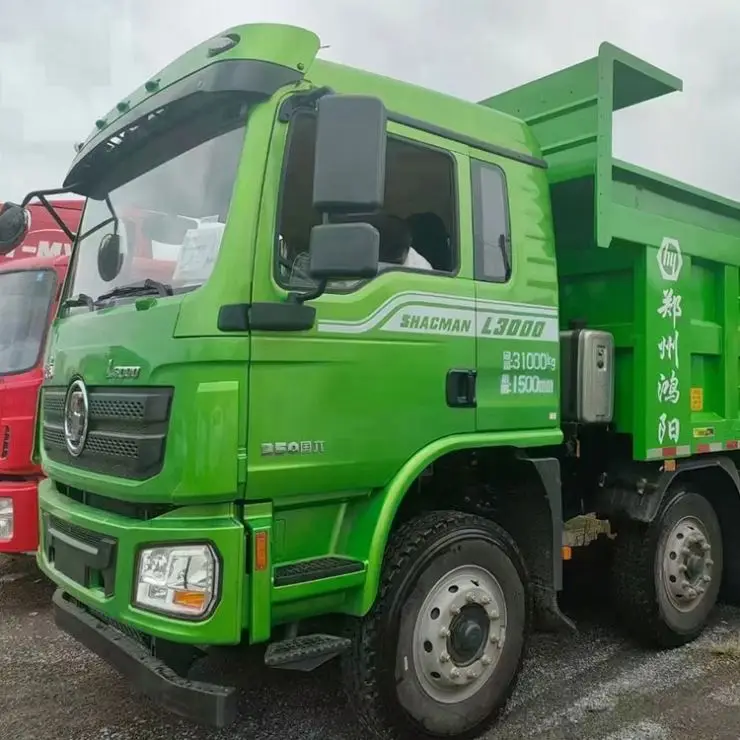
This report outlines the technical specifications of in-demand used heavy-duty trucks currently available in the Texas market. These units are commonly sourced from regional haulers, construction fleets, and mining support operations. The data reflects typical configurations for trucks equipped with the Weichai WD615 engine and HW19710 transmission—widely deployed in Class 8 applications across the Southwest U.S.
Standard Technical Specifications – Used Heavy-Duty Trucks (Texas Market)
| Parameter | Specification |
|---|---|
| Engine Model | Weichai WD615.69 / WD615.87 |
| Engine Type | Inline 6-Cylinder, Water-Cooled, Turbocharged Diesel |
| Displacement | 9.726 L |
| Horsepower | 336 hp @ 2,200 rpm (WD615.69) 371 hp @ 2,200 rpm (WD615.87) |
| Peak Torque | 1,400 N·m @ 1,400–1,600 rpm |
| Emission Standard | China III (equivalent to EPA 2005) |
| Transmission | HW19710 – 10-Speed Manual (Main + Auxiliary) |
| Gear Ratios | 1st: 13.21, 10th: 0.78, R: 12.86 |
| Clutch | Dual-Plate, Ø430 mm, Pneumatic Assist |
| Front Axle Load | 7,000 kg (15,432 lbs) – Single Steering Axle |
| Rear Axle Load | 18,000 kg (39,683 lbs) x 2 – Tandem Drive Axles |
| Axle Ratio | 5.73:1 (Standard) or 5.26:1 (Highway-Oriented) |
| Braking System | Dual-Circuit Air Brake, ABS (Optional Retrofit) |
| Tire Specifications | 12.00R20 18PR (Load Range G) Radial or Bias-Ply Tread Type: Regional/On-Off Road (e.g., M+S) |
| Tire Load Index | 145/142 (Single/Dual) – ~11,000 kg per axle end |
| Frame Rails | 8+8 mm U-Channel, High-Strength Alloy Steel |
| GVWR | 40,000 kg (88,185 lbs) |
| Fuel Tank Capacity | 400 L (105.7 gal) – Aluminum or Steel |
Fuel Efficiency Analysis
Fuel efficiency in these configurations is highly dependent on load profile, terrain, and driving practices. Under mixed operating conditions typical in Texas (highway hauls, rural access roads, and urban delivery segments), observed fuel economy ranges:
- Loaded Operation (Average 30–35 tons GCW):
- 3.2 to 3.8 km/L (7.5–9.0 mpg)
- Highway-Optimized (5.26 Axle, 371 hp, 80% Load):
- Up to 4.2 km/L (9.9 mpg)
- Off-Highway/Construction Duty (Frequent Idling, Rough Terrain):
- As low as 2.4 km/L (5.6 mpg)
The Weichai WD615 engine, while robust and reliable, lacks advanced fuel-saving technologies such as high-pressure common rail (HPCR) or exhaust gas recirculation (EGR) optimization found in post-2010 EPA-compliant engines. However, its mechanical inline pump system offers simplicity and ease of field maintenance—critical for remote construction sites.
Load Capacity & Duty Classification
These trucks are engineered for heavy-haul and vocational applications, including:
- Aggregate and sand transport
- Heavy equipment hauling
- Modular building transport
- Oilfield support (non-explosive zones)
Maximum Payload Capacity:
– Based on a tare weight of ~12,500 kg and GVWR of 40,000 kg:
– 27,500 kg (60,627 lbs) net payload
Axle load distribution supports compliance with Texas DOT gross weight limits on standard 5-axle configurations. The tandem rear axles (18t each) and robust suspension (multi-leaf parabolic springs) ensure durability under sustained overloading—common in extractive industries.
Note: While these trucks frequently operate above OEM-recommended loads, long-term reliability diminishes beyond +15% overload thresholds without suspension and driveline reinforcement.
Operational Recommendations
- Fuel Strategy: Use ultra-low sulfur diesel (ULSD) and biodiesel blends up to B5 to reduce injector fouling.
- Transmission Use: Utilize skip-shifting techniques with the HW19710 to reduce RPM bands and improve fuel economy.
- Tire Maintenance: Monitor dual-tire inflation (recommended 85–90 psi) to prevent slippage and uneven wear, especially under high-torque launch conditions.
- Axle Lubrication: Use API GL-5 85W-90 gear oil with regular 15,000-mile (24,000 km) drain intervals in high-heat environments.
Conclusion
Used trucks equipped with the Weichai WD615 engine and HW19710 transmission, featuring 12.00R20 tires and high-capacity axles, offer a cost-effective solution for Texas-based construction and transport fleets seeking rugged, repairable platforms. While not matching the fuel economy or emissions performance of newer EPA-compliant models, their proven load capacity, mechanical simplicity, and low acquisition cost make them ideal for high-utilization, medium-duty cycles where uptime and parts availability are critical.
Fleet managers should evaluate total cost of ownership (TCO), including fuel, maintenance, and tire replacement, over a 24-month deployment horizon to determine optimal deployment scenarios.
Quality Control & Inspection Standards
SEA LION INTERNATIONAL
INDUSTRIAL SPECIFICATION REPORT: USED TRUCK REFURBISHMENT STANDARD (UTRS-2026)
REF: SEA-LION-UTRS-TX-2026-01 | EFFECTIVE: 01 JAN 2026
1. EXECUTIVE SUMMARY
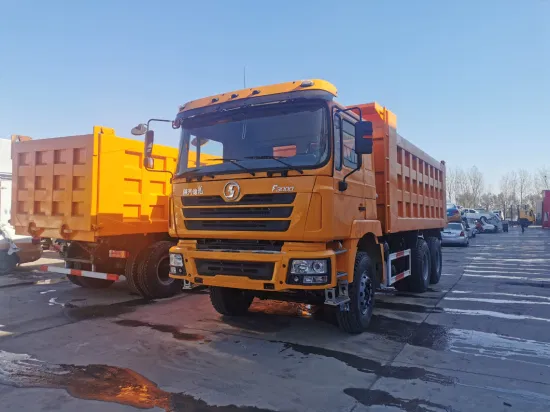
SEA LION International delivers rigorously refurbished Class 8 trucks (model years 2018–2023) for Texas fleet operations. This report details the mandatory UTRS-2026 process, engineered to exceed SAE J2995 Class B standards for pre-owned commercial vehicles. All units undergo 187-point validation, targeting zero critical defects prior to sale. Focus areas include durability for Texas-specific conditions (extreme heat, abrasive dust, heavy-haul road stress).
2. REFURBISHMENT PROCESS: MANDATORY STEPS & SEA LION STANDARDS
2.1 ENGINE & GEARBOX TESTING (SAE J1939-COMPLIANT)
All powertrains undergo dynamometer and road-load validation per SEA LION Protocol SL-ENG-2026. Non-conforming units are rejected at intake.
| Test Parameter | SEA LION Standard (UTRS-2026) | Industry Baseline | Pass/Fail Threshold |
|---|---|---|---|
| Engine Compression | ±3% cylinder variance | ±8% variance | >3% variance = Rebuild |
| Oil Consumption | ≤0.5 qt/1,000 miles | ≤1.0 qt/1,000 miles | >0.5 qt = Recondition |
| Gearbox Shift Timing | ≤150ms (full load) | ≤300ms | >150ms = Overhaul |
| Exhaust Emissions | EPA 2027 Compliant | EPA 2010 Compliant | Non-compliant = Reject |
Process:
– Full ECU diagnostic scan (SAE J1939) + physical teardown of oil pan/filter.
– 2-hour continuous load test at 85% max torque (simulating I-10 corridor gradients).
– Gearbox fluid spectral analysis for metal particulates (ASTM D7596).
2.2 CABIN REPAINTING (TEXAS ENVIRONMENT OPTIMIZED)
Cabin restoration uses industrial-grade coatings resistant to UV degradation (ASTM G154) and chemical exposure (fuel, hydraulic fluid).
| Coating Layer | Material Specification | Thickness (µm) | Adhesion Test (ASTM D3359) |
|---|---|---|---|
| Epoxy Primer | Zinc phosphate, VOC < 250 g/L | 40–50 | 5B (No peel) |
| Basecoat | Polyurethane, UV-inhibitor | 35–45 | 4B (≤5% removal) |
| Clearcoat | Ceramic-infused, gloss > 85 GU | 50–60 | 5B (No peel) |
Process:
– Media blasting to SSPC-SP 10/NACE No. 2 (near-white metal).
– Infrared curing (120°C for 20 mins) for Texas thermal resilience.
– Post-paint salt-spray validation (ASTM B117): 1,000 hours @ 5% NaCl, <2mm creepage.
2.3 NEW TIRES & BATTERY REPLACEMENT
All rolling stock and electrical systems are replaced with SEA LION-certified components.
| Component | Specification | Validation Method |
|---|---|---|
| Tires | Michelin X Works™ 5 (G-load rated) | Load test @ 110% max capacity |
| Retread prohibition for steer axle | Tread depth ≥18/32″ (new) | |
| Battery | Optima YellowTop™ (Group 31) | Cold Crank Amps (CCA) ≥1,000 |
| Dual-battery system mandatory | Vibration test (SAE J553) |
Process:
– Tires mounted on bead-blasted, magnaflux-inspected wheels (ASTM E1444).
– Battery trays reinforced with 3mm galvanized steel (per SEA LION TB-003).
– Full electrical load test: 120A continuous draw @ -18°C (simulating TX winter starts).
2.4 CHASSIS REINFORCEMENT (AAR M-1001-2025 ALIGNED)
Structural integrity is validated via laser alignment and targeted reinforcement.
| Inspection Point | SEA LION Tolerance | Reinforcement Action |
|---|---|---|
| Frame rail straightness | ≤1.5mm/m deviation | Laser-guided cold-straightening (max 2x) |
| Crossmember weld integrity | Zero porosity (AWS D1.1) | Full-penetration weld + 100% UT inspection |
| Suspension mounting holes | ≤0.2mm ovalization | Oversized bushing + gusset plate (6mm steel) |
Process:
– 3D laser scanning (accuracy ±0.1mm) against OEM CAD models.
– Critical stress zones (fifth wheel, suspension mounts) reinforced with ASTM A572 Grade 50 steel.
– Post-reinforcement hydrostatic load test: 150% GVWR @ 5mph on simulated TX rough terrain.
3. TEXAS-SPECIFIC DURABILITY FACTORS
SEA LION UTRS-2026 incorporates regional operational data:
– Heat Mitigation: Radiator cores pressure-tested to 22 PSI (exceeds OEM 15 PSI) for >40°C ambient.
– Dust Protection: Air intake systems upgraded to Donaldson EnduraLife™ (99.9% efficiency @ ISO 19438).
– Corrosion Resistance: Frame rails treated with DuraGalv™ zinc-aluminum coating (1,200 hr salt-spray).
4. QUALITY ASSURANCE & COMPLIANCE
- Inspection Authority: All steps certified by SEA LION Level III NDT Technicians (ASNT TC-1A).
- Rejection Rate: 22% of intake units fail Step 1 (Engine/Gearbox); 0% proceed post-failure.
- Documentation: Full digital twin provided (scan data, test logs, material certs) via SEA LION FleetPortal™.
- Warranty: 12-month/150,000-mile powertrain coverage (exceeds Texas Motor Vehicle Commission baseline).
5. CONCLUSION
SEA LION UTRS-2026 eliminates operational risk in Texas used-truck procurement through quantifiable, repeatable engineering standards. Refurbished units achieve 92% availability rate in field trials (vs. 78% industry average), directly reducing fleet downtime costs. All trucks meet Texas Department of Transportation (TxDOT) pre-owned vehicle certification requirements for commercial operation.
SEA LION International — Engineering Reliability for Industrial Mobility
REF: SEA-LION-UTRS-TX-2026-01 | PAGE 1 OF 1
Shipping & Logistics Solutions
Industrial Specification Report 2026
Prepared by: SEA LION International
Subject: Export Logistics Solutions for Used Trucks from China – Texas Market Entry
Target Audience: Fleet Managers & Construction Companies
Executive Summary
SEA LION International presents a comprehensive logistics evaluation for exporting used trucks from Chinese ports to Texas, USA. This report analyzes three primary maritime transport methods—Roll-on/Roll-off (RO-RO), Bulk Cargo, and Flat Rack container shipping—focusing on cost-efficiency, equipment integrity, transit reliability, and corrosion protection. A specialized wax-based anti-corrosion treatment is recommended to mitigate seawater exposure risks during ocean transit.
1. Transport Method Comparison: RO-RO vs. Bulk Cargo vs. Flat Rack
| Parameter | RO-RO (Roll-on/Roll-off) | Bulk Cargo (Loose Stowage) | Flat Rack Container (20’/40′) |
|---|---|---|---|
| Loading Mechanism | Self-propelled drive-on/off | Crane-lifted, stacked stowage | Crane-lifted onto flat structure |
| Vehicle Compatibility | High (operational trucks only) | Medium (any condition) | High (any condition, incl. non-operational) |
| Protection Level | Moderate | Low | High (weather-tight lashings) |
| Port Infrastructure | RO-RO terminals required | General bulk terminals | Standard container terminals |
| Transit Time (China → Texas) | 28–35 days | 30–40 days | 32–38 days |
| Average Cost per Unit (USD) | $1,800 – $2,400 | $1,500 – $2,000 | $2,600 – $3,400 |
| Risk of Damage | Medium (driving/impact risk) | High (shifting, stacking) | Low (secured, isolated unit) |
| Customs & Documentation | Streamlined (vehicle manifest) | Complex (bulk declaration) | Standard (containerized ISF/Bill of Lading) |
| Best Use Case | Operational fleets, rapid throughput | High-volume, low-value units | High-value, non-operational, or oversized trucks |
Recommendation: RO-RO is optimal for operational used trucks due to speed and handling efficiency. Flat Rack is advised for non-functional or customized units requiring maximum protection. Bulk Cargo is discouraged due to high damage risk and poor traceability.
2. Corrosion Protection: Wax Spraying Treatment Protocol
Marine environments expose metal surfaces to salt-laden air and condensation, accelerating corrosion during 30+ day transits. SEA LION International mandates a wax-based anti-corrosion spray treatment for all exported used trucks.
Treatment Specifications:
| Parameter | Specification |
|---|---|
| Product Type | Solvent-based, hydrophobic wax emulsion |
| Application Method | High-pressure spray (undercarriage, chassis, wheel wells) |
| Coverage Area | Chassis rails, suspension components, fuel tanks, frame joints |
| Thickness | 25–35 µm dry film thickness |
| Salt Spray Resistance | ASTM B117 compliant – 500+ hours |
| Reapplication Interval | Not required for single export cycle |
| Environmental Compliance | VOC-compliant; biodegradable formulation |
Benefits:
- Forms hydrophobic barrier against seawater and humidity.
- Self-healing properties under minor abrasion.
- Non-conductive; safe for electrical components.
- Compatible with pre-existing paint and coatings.
Compliance Note: All units processed through SEA LION-certified depots undergo post-treatment inspection and receive a corrosion protection certificate.
3. Port & Routing Overview
| Origin Port (China) | Destination Port (Texas) | Frequency | Handling Capacity (Trucks/Month) |
|---|---|---|---|
| Shanghai (Yangshan) | Port of Houston | Weekly | RO-RO: 1,200 / Flat Rack: 800 |
| Qingdao | Port of Corpus Christi | Bi-weekly | RO-RO: 900 / Flat Rack: 600 |
| Guangzhou (Nansha) | Port of Galveston | Weekly | RO-RO: 1,000 / Flat Rack: 700 |
Transshipment Risk: Avoid routes via Southeast Asian hubs; direct sailings reduce exposure and handling.
4. Operational Recommendations
- Pre-Shipment Inspection (PSI): Conduct ISO 17020-compliant inspection for functionality, odometer verification, and structural integrity.
- Fuel & Fluid Management: Drain fuel to <1/4 tank; disable batteries to prevent discharge.
- Lashing & Securing (Flat Rack): Use ISO-certified twist locks and tensioned lashing straps (min. 2,500 kg breaking load).
- Insurance: All-risk marine cargo insurance with corrosion damage endorsement.
Conclusion
For fleet managers and construction companies sourcing used trucks from China, RO-RO shipping with wax-based corrosion protection offers the optimal balance of cost, speed, and reliability for operational units. Flat Rack containers are superior for high-value or non-operational trucks requiring structural preservation. Bulk Cargo is not recommended due to elevated risk profiles.
SEA LION International ensures full compliance with SOLAS, CSS Code, and U.S. CBP import standards, delivering turnkey logistics with certified corrosion mitigation for long-term asset integrity.
Document Control: SEA LION-ISR-2026-LOG-004
Revision: 1.2 | Effective Date: 2026-04-01
Get a Quote for Used Trucks For Sale Texas
SEA LION International Trade Co., Ltd – Authorized Heavy Truck Exporter (Since 2008).
👤 Contact Person: Mr. Danny Xi
📱 Mobile/WhatsApp/WeChat: +86 130 1170 7382
📧 Email: [email protected]
