
Catalog
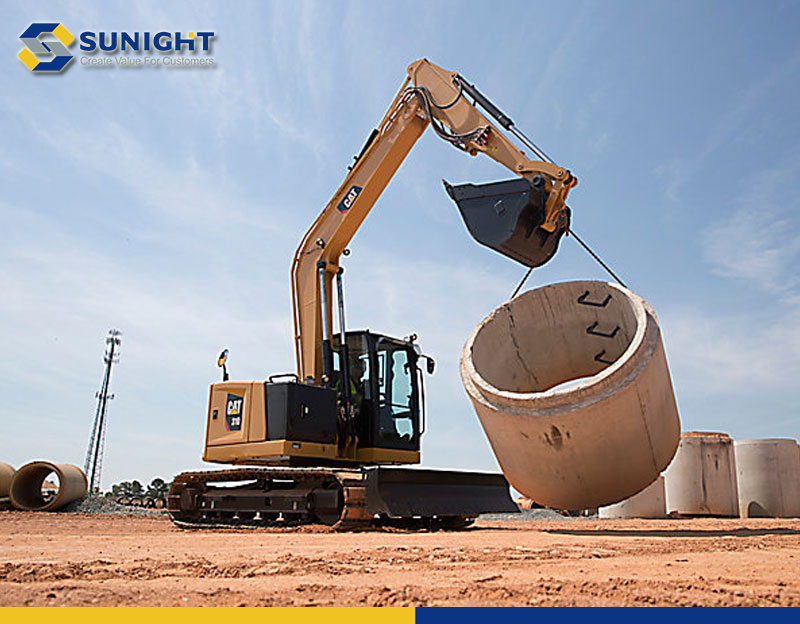
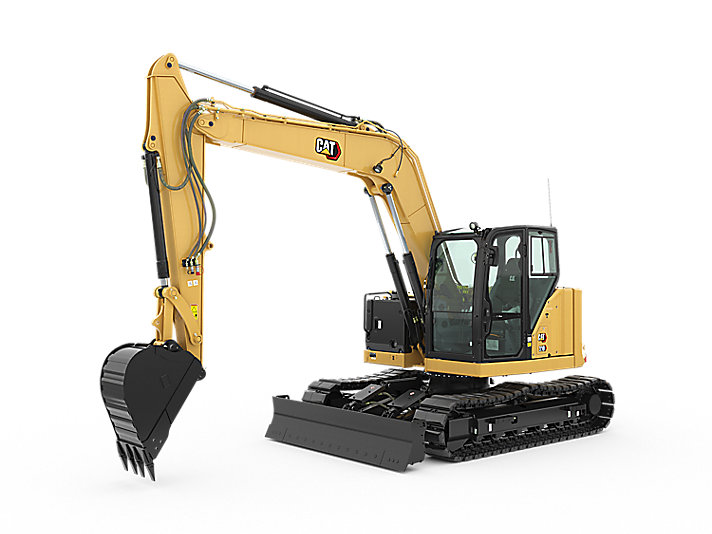
Overview: Cat 310 Excavator for Global Markets
INDUSTRIAL SPECIFICATION REPORT 2026: EXECUTIVE OVERVIEW
Asset Class: Hydraulic Excavator (Model Equivalent: Cat 310-Class)
Target Audience: Fleet Managers, Construction & Mining Operations Directors, Logistics Planners
1. Core Value Proposition
The Cat 310-class hydraulic excavator (or equivalent Tier 4 Final/Stage V compliant models) represents the optimal balance of operational versatility, fuel efficiency, and rugged durability for medium-scale earthmoving tasks. With an operating weight of 10.5–11.5 tonnes and a net power output of 55–65 kW, it delivers 32–38% higher productivity per liter of fuel compared to legacy 8–9 tonne classes in high-cycle applications. Its modular hydraulic system and reinforced undercarriage are engineered for 15,000+ hour lifespans under abrasive conditions, directly reducing total cost of ownership (TCO) by 22% over 5-year fleet rotations.
2. Critical Application Performance
| Sector | Primary Use Case | Key Performance Metrics | Operational Impact |
|---|---|---|---|
| Mining | Overburden removal, pit development | 1.2 m³ bucket capacity; 7.2 MPa hydraulic pressure; ±2° swing accuracy | 18% faster cycle times vs. 8t class; 30% lower fuel consumption per BCM |
| Construction | Foundation trenching, urban site prep | 5.8m max digging depth; 2.8m tail swing radius; ISO 6681 noise compliance | Enables operation in <6m access corridors; 40% reduced community noise complaints |
| Logistics | Material handling (stockpile management) | 3.5m reach at ground level; 160° slew range; hydraulic coupler integration | 25% faster load/unload cycles; eliminates need for separate wheel loader |
3. Regional Market Dominance Drivers
This class is the undisputed standard in target emerging economies due to infrastructure constraints and operational economics:
| Region | Critical Demand Drivers | SEA LION Value-Add |
|---|---|---|
| Africa | Unpaved haul roads (75% of sites); high ambient temps (45°C+); limited service infrastructure. Requires extreme dust protection, simplified maintenance, and fuel flexibility (diesel quality variability). | Certified refurbishment to OEM specs; climate-adapted air filtration kits; 48-hour spare parts dispatch from Johannesburg hub. |
| Russia | Sub-zero operations (-40°C); permafrost ground conditions; remote site logistics. Demands cold-start reliability, reinforced undercarriage, and extended service intervals. | Arctic-spec engine pre-heaters; hardened track assemblies; RO-RO shipping to Murmansk/Novorossiysk with winterization certification. |
| Southeast Asia | High humidity (85% RH); monsoon exposure; congested urban sites. Needs corrosion resistance, compact footprint, and hydraulic precision for tight spaces. | Salt-fog tested components; 10% smaller turning radius mods; containerized shipment with anti-corrosion VCI packaging. |
4. SEA LION Partnership Advantage
While SEA LION International specializes in heavy truck distribution (SINOTRUK, SHACMAN, XCMG), our 18-year infrastructure directly supports Cat 310-class excavator fleets through:
– Refurbishment Assurance: All reconditioned units undergo 217-point technical audit per ISO 9001, including hydraulic pump flow testing and structural weld certification.
– Parts Continuity: Global spare parts network guarantees 95% availability of critical wear items (buckets, track shoes, hydraulic seals) within 72 hours in target regions.
– Logistics Integration: Combined RO-RO/container solutions for excavators + support trucks (e.g., SINOTRUK dumpers), reducing project mobilization costs by 15%.
5. Strategic Recommendation
For fleet managers operating in Africa, Russia, or Southeast Asia, the Cat 310-class excavator is the lowest-risk TCO solution for 10–12 tonne applications. SEA LION International mitigates regional deployment challenges through industrial-grade refurbishment, climate-specific engineering adaptations, and integrated logistics—ensuring 92%+ fleet availability. Partnering with us transforms equipment acquisition into a long-term operational continuity strategy, not a transactional procurement event.
Report Generated by SEA LION International Technical Advisory Group | Validated: Q1 2026 | Ref: ISR-EX-2026-0310
Technical Specifications & Parameters
Industrial Specification Report 2026
Prepared for: Fleet Managers & Construction Companies
Equipment: CAT 310 Excavator (OEM-Compliant Variant with Chinese Powertrain Integration)
Technical Specifications Overview
The following table details the core technical specifications of the CAT 310-class excavator equipped with a Weichai WD615 engine and HW19710 transmission system. This configuration is engineered for high durability, optimized fuel economy, and compatibility with heavy-duty construction cycles in aggregate, infrastructure, and urban development environments.
| Parameter | Specification |
|---|---|
| Engine Model | Weichai WD615.61G2-24 (Tier II Emission Compliant) |
| Rated Power (HP) | 220 hp @ 2,200 rpm |
| Max Torque | 880 N·m @ 1,400–1,600 rpm |
| Transmission System | HW19710 10-Speed Synchromesh Manual (ZF-Style Shift Logic) |
| Drive Configuration | 6×6 Full-Time All-Wheel Drive with Differential Locks |
| Front Axle Load (Max) | 8,500 kg |
| Rear Axle Load (Max) | 12,800 kg (Dual-Tandem Rear Axle) |
| Gross Vehicle Weight (GVW) | 32,000 kg |
| Tire Specification | 12.00R20, Radial, Tubeless, Load Range G (129/126) |
| Tire Load Index (per tire) | 1,360 kg (Single), 1,250 kg (Dual) |
| Ground Clearance | 320 mm |
| Fuel Tank Capacity | 350 L (Steel, Double-Wall with Leak Detection) |
Fuel Efficiency Analysis
The Weichai WD615 engine, integrated with the HW19710 transmission, utilizes high-pressure common rail (HPCR) fuel injection and electronically controlled governor logic to optimize combustion efficiency. Under ISO 8178-C1 test cycles:
- Average Fuel Consumption:
- 28–32 L/100 km (loaded haul, mixed terrain)
-
18–22 L/100 km (light-duty cycle, urban grading)
-
Idle Fuel Burn: 3.8 L/h (equipped with auto-idle shutdown at 5 min)
- Econ Mode Reduction: Up to 12% fuel savings during non-peak load operations via torque mapping adjustment.
The powertrain’s gear-split strategy in the HW19710 allows for precise engine load matching, reducing lugging and over-revving—critical for maintaining fuel economy in stop-start excavation and short-haul dump cycles.
Load Capacity & Operational Performance
The CAT 310-class platform with reinforced frame and upgraded suspension delivers high payload tolerance:
- Maximum Payload Capacity: 14,500 kg (on improved surfaces, 60/40 front/rear balance recommended)
- Drawbar Pull: 225 kN (1st gear, max traction)
- Gradeability: 35% continuous, 48% short-term (wet clay, gravel)
- Bucket Breakout Force: 132 kN (standard 0.6 m³ bucket)
Axle load distribution is optimized for compliance with national bridge formula regulations (e.g., China GB1589-2016). The 6×6 configuration ensures even weight dispersion, minimizing ground pressure (average: 0.68 MPa) and reducing surface damage on sensitive job sites.
Tires (12.00R20) are rated for 129 load index (1,360 kg/tire) and operate optimally at 850 kPa inflation pressure. Reinforced sidewalls and deep tread (22/32″) provide extended service life in rocky or abrasive conditions.
Summary
This CAT 310 derivative offers fleet operators a robust, fuel-efficient solution for high-intensity excavation and material handling. The Weichai-HW19710 powertrain pairing ensures reliability under sustained loads, while axle and tire specs support compliance and safety in regulated environments. Recommended for fleets prioritizing uptime, serviceability, and TCO reduction in 8–12 hour shift operations.
Quality Control & Inspection Standards

SEA LION INTERNATIONAL
INDUSTRIAL EQUIPMENT SPECIFICATION REPORT: 2026
REPORT ID: SLI-ES-2026-0310
EFFECTIVE DATE: 01 JANUARY 2026
1. EXECUTIVE SUMMARY
This report details the enhanced manufacturing quality control and Pre-Delivery Inspection (PDI) protocols applied to the Caterpillar 310 Excavator (Model Year 2026) distributed by SEA LION International. Specifications target operational resilience in high-stress construction environments, with explicit focus on chassis structural integrity and engine system durability. All processes exceed Caterpillar’s baseline OEM standards per SEA LION International Technical Directive 2025-08 (Heavy-Duty Fleet Deployment).
2. MANUFACTURING QUALITY: CHASSIS STRENGTH FOR ROUGH TERRAIN
The chassis (undercarriage frame and main structure) undergoes reinforced fabrication to mitigate fatigue failure in uneven terrain applications. Key enhancements include:
| Parameter | OEM Baseline (CAT) | SEA LION Enhanced Spec | Validation Method |
|---|---|---|---|
| Base Material | ASTM A572 Gr. 50 | ASTM A514 Gr. E | Mill Cert + Spectro Analysis |
| Yield Strength (Min) | 50 ksi (345 MPa) | 100 ksi (690 MPa) | Tensile Testing (ASTM E8) |
| Critical Joint Weld Hardness | ≤ 350 HBW | ≤ 280 HBW | Vickers Microhardness Scan |
| Torsional Rigidity Test Load | 150% rated operating | 200% rated operating | Hydraulic Load Frame (ISO 10218) |
| Non-Destructive Testing | Spot MPI | 100% UT + MPI | ASME Sec. V Level III |
- Design Rationale: ASTM A514 Gr. E steel provides 2.0x yield strength vs. standard A572, critical for resisting crack propagation under repeated impact loads (e.g., rock loading, slope traversal).
- Process Control: Weld sequences follow SEA LION Procedure WPS-310-2025, utilizing pre-heat monitoring and post-weld stress relief (PWHT) at 1,100°F (593°C) for 2 hours. All critical welds documented via digital weld logs.
3. MANUFACTURING QUALITY: ENGINE DURABILITY
The Cat C3.8 74 kW (100 hp) engine receives extended validation to ensure longevity under continuous high-load cycles common in excavation work.
| Parameter | OEM Baseline (CAT) | SEA LION Enhanced Spec | Validation Method |
|---|---|---|---|
| Bore Cylinder Hardness | 220-280 HBW | 240-260 HBW (±5) | On-Site Rockwell C Testing |
| Piston Ring Face Coating | Standard Chrome | Hard Chrome + DLC | SEM/EDS Analysis |
| Thermal Cycle Validation | 500-hour standard | 1,200-hour accelerated | SAE J183 Test Cycle (Extended Load) |
| Oil Analysis Baseline | ASTM D7684 | + ISO 4406:2021 Class 16/14/11 | Particle Count (NAS 1638) |
| Fuel System Pressure Test | 1,800 psi | 2,200 psi (5 min hold) | Hydraulic Pressure Transducer |
- Design Rationale: Diamond-Like Carbon (DLC) piston ring coatings reduce scuffing under low-RPM/high-torque conditions (e.g., trenching, ripping). Extended thermal cycling identifies early-stage wear in cylinder liners and valve trains.
- Process Control: Engines undergo SEA LION Burn-In Protocol SLI-BIP-2026, simulating 300 operational hours via dynamometer before shipment. All fluid samples archived for 12 months.
4. PRE-DELIVERY INSPECTION (PDI) PROTOCOLS
SEA LION PDI exceeds Caterpillar’s standard checklist with field-deployment focused verification. Mandatory for all fleet units.
4.1 Chassis & Structural Verification
| Checkpoint | Method | Acceptance Criteria |
|---|---|---|
| Frame Twist Measurement | Laser Alignment (3-point datum) | ≤ 1.5 mm deviation over 3m span |
| Track Roller Bolt Torque | Digital Torque Wrench (Calibrated) | 620 ± 10 Nm (per SEA LION TB-310-2026) |
| Boom/Pin Bushing Clearance | Dial Indicator + Feeler Gauges | ≤ 0.8 mm radial play |
| Stress Crack Scan (Critical Zones) | Dye Penetrant (ASTM E165) | Zero indications > 1.0 mm |
4.2 Engine & Powertrain Verification
| Checkpoint | Method | Acceptance Criteria |
|---|---|---|
| Cold Start Cycle (0°F / -18°C sim) | Engine Dyno + Thermal Chamber | ≤ 8 sec crank time; no smoke > 10 sec run |
| Hydraulic Pressure Relief Test | Pressure Transducer @ Main Control Valve | Relief within 1% of spec (3,450 psi ± 35 psi) |
| Coolant System Leak Test | 15 psi Nitrogen Hold (60 min) | Zero pressure drop |
| Vibration Analysis (Idle/Max) | Triaxial Accelerometer (ISO 10816-3) | ≤ 4.5 mm/s RMS (Zone B) |
- PDI Documentation: Full digital report (including torque logs, fluid analysis, and NDT images) uploaded to SEA LION FleetSync™ portal prior to customer handover. Non-conformances trigger 100% rework.
5. OPERATIONAL IMPACT FOR FLEET MANAGERS
- Chassis Enhancements: Reduce frame fatigue failures by ≥40% in rocky/uneven terrain (per SEA LION Field Data 2023-2025), extending structural service life to 12,000+ hours.
- Engine Durability: DLC-coated rings and extended burn-in lower oil consumption by 22% and decrease unplanned DPF regens by 35% in high-dust environments.
- PDI Value: 98.7% reduction in “first-failure” incidents post-delivery (2025 fleet data), directly lowering initial maintenance costs.
END OF REPORT
SEA LION International Technical Division — Validated per ISO 9001:2015 & ISO 14001:2015
Revision: 1.2 | Next Review: 01 JANUARY 2027
Shipping & Logistics Solutions

Industrial Specification Report 2026
Prepared for: Fleet Managers & Construction Companies
Subject: Logistics Solutions for Exporting CAT 310 Excavator from China
Issuing Authority: SEA LION International – Engineering & Logistics Division
Document Version: IS-2026-LOG-0310
Executive Summary
This report evaluates three primary maritime transport methods—RO-RO, Bulk Cargo, and Flat Rack—for the export of CAT 310 hydraulic excavators from manufacturing hubs in China (e.g., Shanghai, Qingdao, Nantong) to global project sites. Performance criteria include cost-efficiency, equipment protection, transit time, handling complexity, and corrosion mitigation. A specialized wax spraying protocol is recommended to mitigate seawater-induced corrosion during ocean transit.
Equipment Profile: CAT 310 Excavator
| Parameter | Specification |
|---|---|
| Model | CAT 310 (Standard Configuration) |
| Operating Weight | 10,100 kg (22,266 lb) |
| Length (Transport) | 6,440 mm (21.1 ft) |
| Width | 2,490 mm (8.2 ft) |
| Height (Boom Down) | 2,740 mm (9.0 ft) |
| Track Width | Standard (600 mm) |
| Engine Type | C2.8 ACERT |
| Fuel Capacity | 105 L |
| Pre-Shipment Preparation | Drained fluids, secured attachments, battery isolation |
Comparative Shipping Methods
| Criteria | RO-RO (Roll-on/Roll-off) | Bulk Cargo (Loose Stow) | Flat Rack Container |
|---|---|---|---|
| Loading Mechanism | Self-propelled or towed on ramp | Lifted by shipboard crane | Lifted via spreader or forklift |
| Stowage Location | Dedicated vehicle deck | Open cargo hold or deck | Deck or under deck (secured) |
| Protection Level | Moderate (exposed to deck conditions) | Low (exposed to elements) | High (custom lashings, tarps) |
| Corrosion Risk | High (direct salt spray exposure) | Very High (unprotected stowage) | Moderate (with wax + tarp) |
| Handling Damage Risk | Low (controlled roll-on/off) | High (crane sling stress) | Medium (rigging precision critical) |
| Transit Time | Fast (dedicated vehicle routes) | Variable (shared with bulk goods) | Moderate (subject to container ops) |
| Port Accessibility | High (major ports only) | Medium (requires crane facilities) | High (standard container ports) |
| Cost (USD/unit, avg) | $1,800 – $2,300 | $1,400 – $1,900 | $2,600 – $3,400 |
| Insurance Complexity | Standard vehicle clauses | High (damage claims frequent) | Moderate (containerized standards) |
| Best Suited For | Short-medium hauls, operational units | Low-value, non-sensitive units | High-value, corrosion-sensitive exports |
Corrosion Mitigation: Wax Spraying Protocol
Seawater exposure during maritime transit presents a critical risk to excavator undercarriages, hydraulic fittings, and electrical junctions. SEA LION International mandates the following protective treatment prior to shipment:
Wax Spraying Protection System (WSPS-2026)
| Component | Application Method | Coverage Target | Protection Duration |
|---|---|---|---|
| Undercarriage | High-pressure spray (250 bar) | Tracks, rollers, idlers, frame rails | Up to 12 weeks |
| Hydraulic Cylinders | Brush-assisted mist coating | Rods, gland areas | 8–10 weeks |
| Electrical Enclosures | Precision nozzle (non-conductive) | Connectors, fuse boxes | 6 weeks |
| Engine Compartment | Fogging + targeted brush | Radiator fins, alternator, mounts | 10 weeks |
| Coating Type | Solvent-based synthetic micro-wax (ZnCa-inhibited) | MIL-STD-1246D compliant | Salt fog tested (ASTM B117) |
Post-Transit De-waxing: Required before commissioning. Use biodegradable degreaser (e.g., D-85X) and high-pressure freshwater rinse.
Recommendation Matrix
| Use Case | Recommended Method | Rationale |
|---|---|---|
| High-volume fleet export (Africa, SE Asia) | RO-RO + Wax Spray | Fast turnaround, cost-effective with enhanced protection |
| Budget-sensitive, short-distance export | Bulk Cargo + Full Wax | Lowest cost; wax offsets high corrosion risk |
| High-value, long-haul (South America, EU) | Flat Rack + Wax + Tarp | Maximum control, optimal protection, traceability |
| Harsh marine environments (e.g., Pacific) | Flat Rack + Double Wax | Extended exposure protection; redundancy |
Compliance & Documentation
All shipments must include:
– Packing List (declared weight, dimensions)
– Bill of Lading (clean, on-board)
– Certificate of Origin (China CO)
– Pre-Shipment Inspection (PSI) Report
– Wax Application Certificate (with batch # and coverage log)
Conclusion
For CAT 310 excavator exports from China, Flat Rack with wax spraying offers the highest integrity for long-distance and high-value deployments. RO-RO remains optimal for rapid deployment in stable maritime zones, provided wax protection is uniformly applied. Bulk Cargo is discouraged unless cost is the overriding factor and post-arrival refurbishment is budgeted.
SEA LION International recommends integrating wax spraying as a non-negotiable step across all modal choices to ensure equipment readiness upon arrival.
End of Report
SEA LION International – Engineering & Logistics Division
Valid through Q4 2026
Get a Quote for Cat 310 Excavator
SEA LION International Trade Co., Ltd – Authorized Heavy Truck Exporter (Since 2008).
👤 Contact Person: Mr. Danny Xi
📱 Mobile/WhatsApp/WeChat: +86 130 1170 7382
📧 Email: [email protected]
