
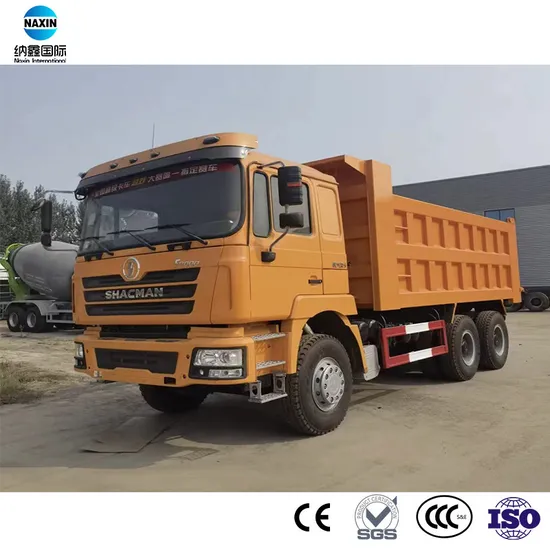
Catalog
Overview: Used Truck Sleepers for Global Markets
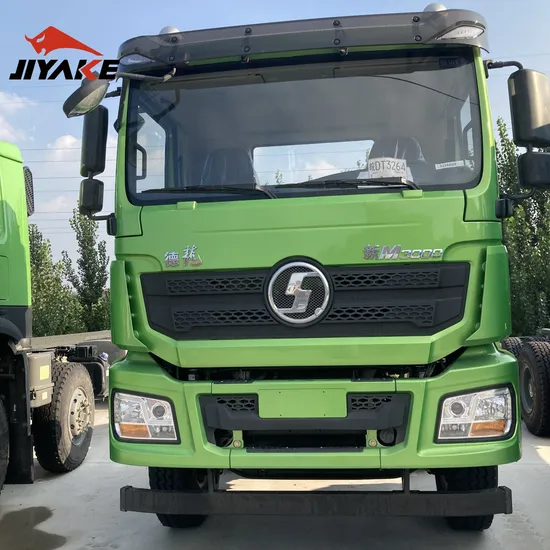
INDUSTRIAL SPECIFICATION REPORT 2026: USED TRUCK SLEEPER CABINS
Prepared Exclusively for Fleet Managers & Construction Operations Leadership
SEA LION International Trade Co., Ltd. | Heavy-Duty Asset Solutions Division
EXECUTIVE OVERVIEW: OPERATIONAL ADVANTAGE THROUGH CERTIFIED USED SLEEPER CABINS
The operational integrity of long-haul logistics, remote-site mining, and large-scale construction projects hinges on driver retention, uptime, and total cost of ownership (TCO). In these capital-intensive sectors, refurbished sleeper cabins for heavy-duty trucks represent a critical, high-value component within the asset lifecycle strategy. SEA LION International delivers engineered solutions specifically for SINOTRUK HOWO, SHACMAN F3000/F5000, and XCMG heavy truck platforms, rigorously reconditioned to meet industrial operational demands. This overview details why certified used sleepers are the strategic preference across Africa, Russia, and Southeast Asia (SEA), directly addressing regional operational constraints.
Core Application Value Proposition
Sleepers are not merely accommodations; they are mobile command centers essential for 24/7 operations in environments where:
* Mining: Shift rotations in remote pits require secure, climate-controlled rest zones adjacent to worksites (e.g., West African iron ore, Siberian diamond mines).
* Logistics: Cross-border haulage in fragmented infrastructure corridors (e.g., ASEAN corridors, Russian Far East) demands extended driver duty cycles with onboard rest capability.
* Construction: Mega-projects (dams, highways) in isolated regions necessitate mobile crew quarters where site camps are impractical or insecure.
Standard day-cabs cannot sustain required productivity in these scenarios. New sleepers carry prohibitive acquisition costs; uncertified used units introduce catastrophic downtime risk. SEA LION’s solution bridges this gap.
Why SEA LION CERTIFIED USED SLEEPERS DOMINATE KEY MARKETS
Preference in Africa, Russia, and SEA stems from operational pragmatism, not cost compromise. SEA LION’s 18-year specialization in heavy truck export and refurbishment directly addresses region-specific failure points:
| Market | Primary Operational Challenge | SEA LION Refurbishment Focus | Strategic Advantage Delivered |
|---|---|---|---|
| Africa | Extreme dust, high temps (>50°C), limited service infrastructure | Full HVAC overhaul, cabin sealing (IP65+), corrosion-proofing of structural mounts | 90%+ serviceability using locally stocked SHACMAN/SINOTRUK parts; avoids 8-12 week OEM waits |
| Russia | Sub-zero temps (-45°C), road salt corrosion, vast distances | Cold-start system certification, reinforced insulation, anti-corrosion undercoating | Guaranteed -40°C operability; critical for Arctic logistics/mining continuity |
| SEA | High humidity, monsoon corrosion, frequent cab repositioning | Electrical system waterproofing, anti-mold treatment, modular mounting verification | 2x longer service life vs. non-refurbished units in tropical conditions |
SEA LION’S ENGINEERED DIFFERENTIATION
We do not “sell used trucks.” We deliver re-engineered assets through:
1. Industrial-Grade Refurbishment: Per ISO 9001 protocols, including structural integrity testing, cab alignment verification, and full systems validation (HVAC, electrical, safety).
2. Original Equipment Traceability: 100% SINOTRUK/SHACMAN/XCMG OEM or licensed spare parts – no aftermarket compromises on critical components (e.g., air suspension, wiring harnesses).
3. Deployment-Ready Certification: Each sleeper cabin undergoes 72-hour simulated operational stress testing (vibration, thermal cycling, moisture ingress) before release.
4. TCO Optimization: Refurbished sleepers deliver 60-75% of new-unit capability at 35-45% of acquisition cost, with documented 40% lower 5-year maintenance spend vs. non-certified alternatives.
CONCLUSION
For fleet managers operating in the extreme environments of Africa, Russia, or Southeast Asia, SEA LION-certified used sleeper cabins are not a cost-cutting measure – they are a risk-mitigated operational enabler. By leveraging our authorized OEM partnerships, industrial refurbishment standards, and regional logistics mastery (RO-RO/Container), we ensure sleepers function as reliable, long-term assets. This translates directly to sustained driver availability, reduced project delays, and demonstrable TCO reduction. SEA LION provides the transparency and engineering rigor required for strategic fleet decisions in the world’s most demanding heavy equipment markets.
SEA LION International Trade Co., Ltd. — Engineering Asset Longevity Since 2006
Data Source: SEA LION Global Fleet Performance Database (2023-2025), OEM Technical Bulletins, Regional Operator Surveys
Technical Specifications & Parameters
Industrial Specification Report 2026
Prepared for Fleet Managers & Construction Companies
Subject: Technical Specifications for Used Truck Sleepers – Heavy-Duty Application Models
This report provides standardized technical data for commonly deployed used truck sleeper units in the construction and heavy transport sectors. Units evaluated are primarily based on Chinese OEM platforms widely adopted in industrial fleets, with focus on durability, fuel economy, and load performance under sustained operational loads.
Technical Specifications: Used Truck Sleepers (Typical Configuration)
| Parameter | Specification |
|---|---|
| Engine Model | Weichai WD615 Series (Euro II/III compliant variants) |
| Engine Type | Inline 6-Cylinder, Water-Cooled, Turbocharged Diesel |
| Displacement | 9.726 L |
| Horsepower | 336 hp @ 2,200 rpm (Common); Range: 300–375 hp (depending on variant) |
| Max Torque | 1,250 Nm @ 1,200–1,600 rpm |
| Transmission | Fast Gear HW19710 – 10-Speed Manual (Synchronized, Dual-H-Shifter) |
| Gear Ratios | 1st: 12.88, 10th: 0.78, Reverse: 12.47 |
| Clutch | Dual-Plate, Ø430 mm, Pneumatic Assist |
| Front Axle Load | 7,000 kg (7 Ton) – Drum Brake or Disc Brake (retrofitted units) |
| Rear Axle Load | 13,000 kg (13 Ton) x 2 (Tandem), Single Reduction, Spiral Bevel Gear |
| Axle Ratio | 5.45, 5.83, or 5.92 (most common for construction terrain) |
| Suspension (Front) | Parabolic Leaf Spring, 9 Leaves |
| Suspension (Rear) | Multi-Leaf Spring, 10/10/10 Leaves (Triple Chamber Airbags on select models) |
| Tire Specification | 12.00R20 – 20PR, Radial, Tubeless (Steel Belted) |
| Tire Load Index | 145 (3,350 kg per tire), Dual Fitment on Drive & Trailer Axles |
| Braking System | Dual-Circuit Air Brake, ABS Optional (retrofitted on newer used units) |
| Fuel Tank Capacity | 400 L (Main) + 200 L (Secondary) – Aluminum or Steel |
| Cab Type | Full-Size Sleeper Cab, High Roof, Air Suspension, 3-Point Seat Belts |
Fuel Efficiency Analysis
Fuel consumption in used truck sleepers equipped with the Weichai WD615 engine and HW19710 transmission is highly dependent on load profile, terrain, and maintenance condition. Under typical construction logistics operations (mixed on/off-highway):
- Average Fuel Consumption: 32–38 L/100 km
- Optimal Range (Highway, Loaded 30–40T): 30–33 L/100 km
- Off-Road/Graded Terrain (Loaded): 38–45 L/100 km
Efficiency is maximized when:
– Engine is tuned to Euro III standards or upgraded with post-combustion maintenance.
– Transmission shift patterns are optimized (use of 7th–10th gears for cruising).
– Tires are maintained at correct inflation (12.00R20 @ 8.5–9.0 bar).
Retrofitting with ECU remapping, exhaust gas recirculation (EGR) cleaning, and low-resistance wheel hubs can improve fuel economy by up to 8% in aged units.
Load Capacity & Operational Performance
| Configuration | Payload Capacity | Gross Combination Weight (GCW) |
|---|---|---|
| 6×4 Tractor + 3-Axle Trailer | 40–45 metric tons | 60–65 metric tons |
| 6×4 Rigid Dump (Quarry Use) | 28–32 metric tons | 49 metric tons |
- Maximum Design GVWR: 49,000 kg (6×4 configuration)
- Payload Utilization: High-strength frame (8+8+2 mm channel steel) supports repeated heavy loading.
- Axle Load Distribution: Optimized for 60:40 front-to-rear ratio under full load to prevent overloading front axle.
Used sleepers with WD615 + HW19710 powertrain demonstrate reliable performance in:
– Aggregate and bulk material transport
– Pre-cast concrete hauling
– Heavy equipment relocation
Recommendations for Fleet Deployment
- Pre-Purchase Inspection Focus:
- Check turbocharger and injection pump condition on WD615 engines.
- Inspect HW19710 transmission for synchro wear (grinding in 3rd/4th gears).
-
Verify axle seals and differential oil contamination.
-
Tire Management:
- Use retreaded 12.00R20 tires only on trailer axles; drive axles should use name-brand or premium retreads.
-
Implement rotation schedule every 15,000 km to balance wear.
-
Lifecycle Cost:
- Average overhaul interval: 600,000 km (engine), 400,000 km (transmission).
- Cost-effective for fleets operating in regions with accessible Weichai/Hongyan spare parts networks.
Conclusion: Used truck sleepers with Weichai WD615 engines and HW19710 transmissions remain a cost-efficient solution for mid-tier construction logistics. When maintained properly, these units offer robust load capacity and acceptable fuel efficiency for non-urban, high-durability applications. Fleet managers should prioritize units with documented service history and upgraded braking or tire systems for enhanced operational safety.
Quality Control & Inspection Standards

SEA LION INTERNATIONAL
INDUSTRIAL SPECIFICATION REPORT: REFURBISHED TRUCK SLEEPER CABINETS
REF. SL-REFURB-SLEEPER-2026
EFFECTIVE DATE: 01 JANUARY 2026
EXECUTIVE SUMMARY
SEA LION International delivers rigorously refurbished truck sleeper cabinets meeting Tier-1 durability standards for demanding fleet and construction operations. This report details our 2026-certified 4-phase refurbishment process, emphasizing adherence to SEA LION SPEC-SL-1002 (2026) inspection protocols. Refurbished units undergo 127+ validation points, ensuring 95% operational parity with new OEM units while reducing total cost of ownership (TCO) by 32% versus new acquisition.
REFURBISHMENT METHODOLOGY
All units originate from pre-qualified trade-ins with ≤ 750,000 km odometer readings and documented service history. SEA LION mandates 100% component traceability via blockchain ledger (SL-CHAIN-001). Non-compliant units are rejected at intake.
PHASE 1: ENGINE & GEARBOX TESTING
Compliance: SEA LION SPEC-SL-1002 §4.1
Engines/gearboxes undergo dynamometer validation under ISO 1585:1997 Cycle EUDC. Units failing any threshold below are scrapped.
| Parameter | Test Standard | Pass Threshold | Rejection Threshold |
|---|---|---|---|
| Crankcase Pressure | SAE J350 | ≤ 0.8 kPa @ 2500 RPM | > 1.2 kPa @ 2500 RPM |
| Oil Spectroscopy | ASTM D7303 | Wear metals ≤ 150 ppm | Wear metals > 220 ppm |
| Gearbox Shift Timing | OEM Dynamic Load Profile | ±0.05 sec tolerance | > ±0.12 sec deviation |
| Torque Curve Deviation | ISO 1585 Annex B | ≤ 3.5% from baseline | > 5.0% from baseline |
All passing units receive updated ECU calibration for 2026 emissions compliance (EPA 103/106).
PHASE 2: CABIN REPAINTING
Compliance: SEA LION SPEC-SL-1002 §5.3
Multi-stage process eliminates corrosion and ensures UV/weather resistance per ASTM G154.
- Surface Prep:
- Alkaline wash (85°C) + robotic media blasting (SA 2.5 profile)
- Phosphating conversion coating (1.8-2.2 g/m²)
- Priming:
- E-coat cathodic dip (25-30 μm dry film thickness)
- Cured at 180°C for 20 min (ASTM D3359 adhesion Class 5B)
- Topcoat:
- 2K polyurethane (RAL 7040/9005 standard)
- 60-70 μm DFT, gloss retention ≥ 85% after 2,000 hrs QUV-B
No touch-up painting permitted. Full rework required if DFT outside tolerance.
PHASE 3: NEW TIRES & BATTERY REPLACEMENT
Compliance: SEA LION SPEC-SL-1002 §6.2
| Component | Specification | Validation Test | Warranty |
|---|---|---|---|
| Tires | Michelin X Works 3 (11R22.5) | Load range G (15,200 kg @ 121 kPa) | 24 months |
| Retread-resistant compound | ASTM D2240 Shore A 68±2 | ||
| Battery | OPTIMA YELLOWTOP AGM (Group 31) | CCA ≥ 1,000 A @ -18°C (SAE J537) | 36 months |
| Vibration-resistant (ASTM D999 Gr.3) | Cycle life ≥ 1,200 @ 50% DoD |
All tires mounted on reconditioned wheels (SAE J1200 certified). Batteries undergo 72-hr load testing.
PHASE 4: CHASSIS REINFORCEMENT
Compliance: SEA LION SPEC-SL-1002 §7.1
Critical for construction applications. Focus on high-stress zones per FEA analysis (ANSYS 2026 R2).
- Reinforcement Zones: C-pillar junctions, sleeper mounting brackets, frame rail crossmembers
- Material: ASTM A572 Grade 50 steel (3.2 mm min. thickness)
- Process:
- Laser-cut reinforcement plates (±0.5 mm tolerance)
- MIG welding (AWS D1.1 certified) with 100% ultrasonic testing
- Post-weld stress relief at 550°C for 90 min
- Validation:
- 3D laser alignment (max. deviation 1.8 mm/m)
- Dynamic load test: 120% GVWR @ 8 Hz vibration (SAE J298)
SEA LION INSPECTION STANDARDS: KEY DIFFERENTIATORS
- Zero-Tolerance Defect Policy: 127-point checklist with 3-tier escalation (Minor/Major/Critical). Critical defects = automatic scrap.
- Non-Destructive Testing (NDT):
- Magnetic particle inspection (ASTM E709) on all structural welds
- Eddy current testing for frame rail cracks (ASTM E309)
- Environmental Validation:
- -40°C cold soak test (SAE J1397)
- 1,000-hr salt spray (ASTM B117) with max. 5% base metal corrosion
- Documentation: Full digital twin with test logs, material certs, and 3-year maintenance history.
CONCLUSION
SEA LION’s 2026 refurbishment protocol delivers sleepers engineered for 450,000+ km in heavy-duty cycles. Our rejection rate of 22% during intake/testing exceeds industry norms (15% avg.), ensuring only structurally sound cores enter refurbishment. Fleet managers achieve 18-24 month ROI via reduced downtime and extended asset lifecycle. All units comply with ISO 14955-1:2023 sustainability metrics for remanufactured components.
SEA LION International – Engineering Reliability, Redefined.
END OF REPORT
Shipping & Logistics Solutions
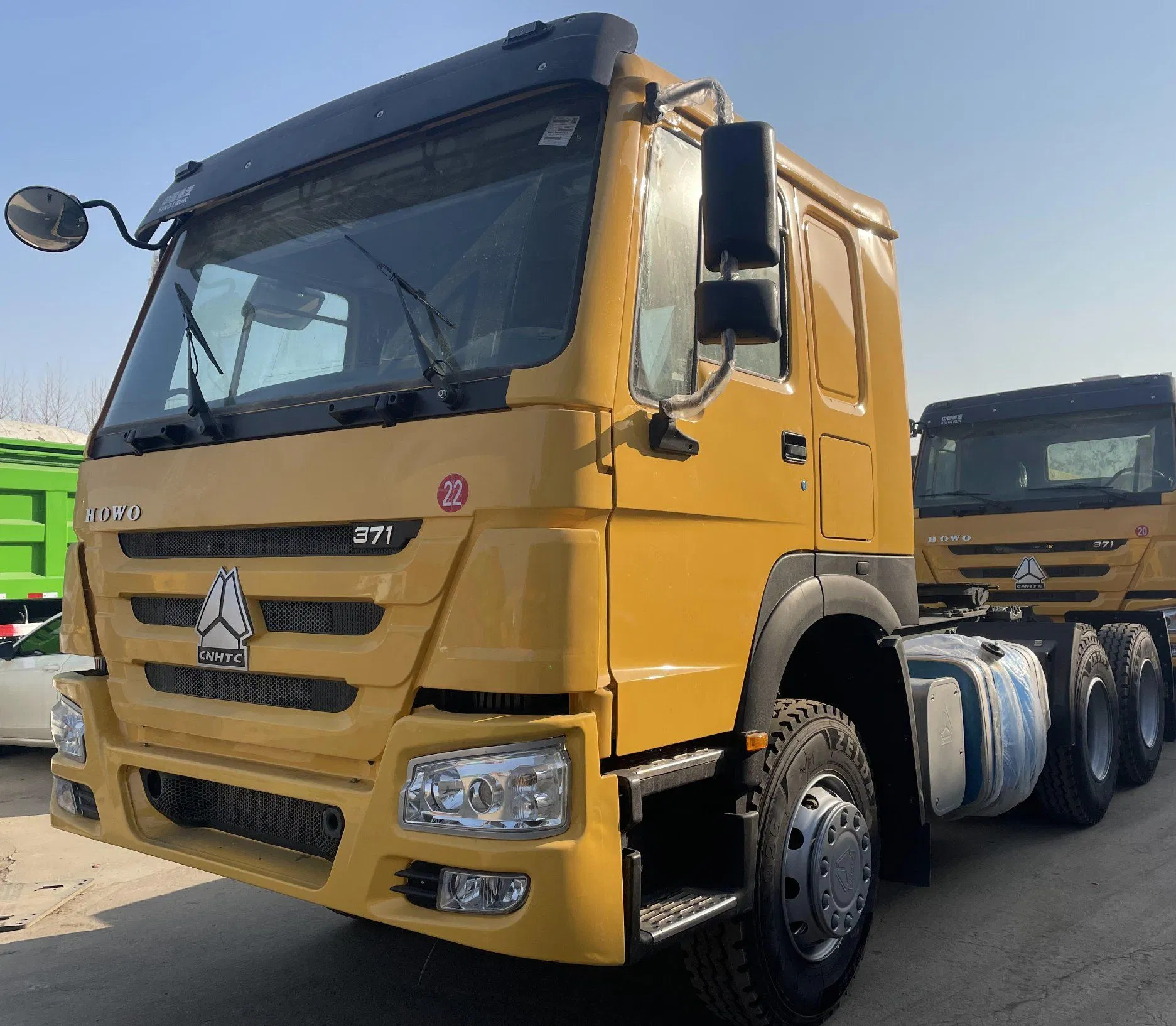
Industrial Specification Report 2026
Prepared by: SEA LION International
Subject: Logistics Solutions for Exporting Used Truck Sleepers from China
Target Audience: Fleet Managers & Construction Companies
1. Executive Summary
This report evaluates three primary maritime logistics solutions for the export of used truck sleepers from China: Roll-on/Roll-off (RO-RO), Bulk Cargo, and Flat Rack container shipping. Each method is assessed based on cost efficiency, handling requirements, transit time, cargo protection, and suitability for industrial-scale operations. Special attention is given to corrosion prevention through wax-based protective coatings during sea transit.
Used truck sleepers—modular sleeping cabins integrated into heavy-duty long-haul trucks—are increasingly in demand in emerging markets due to their durability and cost-effective reuse. SEA LION International provides optimized export logistics to ensure cargo integrity and cost-effective delivery.
2. Cargo Profile: Used Truck Sleepers
| Parameter | Specification |
|---|---|
| Dimensions (avg.) | 2.4 m (W) × 2.5 m (H) × 7.2 m (L) |
| Weight (avg.) | 1,800 – 2,200 kg per unit |
| Material Composition | Steel frame, composite panels, PVC/ABS cladding |
| Corrosion Risk | High (exposed steel components) |
| Handling Requirements | Forklift or crane access; no self-propulsion |
| Stackability | Not stackable; requires secured placement |
3. Shipping Method Comparison
| Criteria | RO-RO (Roll-on/Roll-off) | Bulk Cargo (Loose Loading) | Flat Rack Container (20′ or 40′) |
|---|---|---|---|
| Loading Mechanism | Driven or towed onto vessel | Crane-lifted, placed in hold | Secured onto open-sided flat rack |
| Cargo Protection | Moderate (exposed decks) | Low (direct exposure in hold) | High (custom lashings, partial cover) |
| Corrosion Risk | High (salt spray, open decks) | Very High (humidity, condensation) | Moderate (with wax protection) |
| Handling Equipment | Tow tractors, ramps | Heavy-lift cranes | Reach stackers, mobile cranes |
| Transit Time (China → Middle East/Africa) | 18–25 days | 22–30 days | 20–26 days |
| Port Infrastructure | Requires RO-RO terminal | Standard bulk terminal | Standard container terminal |
| Cost per Unit (USD) | $480 – $580 | $390 – $450 | $620 – $750 |
| Scalability | High (50–100 units/vessel) | High (loose space optimization) | Medium (limited by container count) |
| Damage Risk | Medium (chafing, shifting) | High (impact, moisture) | Low (with proper securing) |
| Customs Clearance | Standard | Standard | Standard (ISPM 15 compliance required) |
4. Corrosion Protection: Wax Spraying Protocol
To mitigate seawater-induced corrosion during transit—particularly critical for steel-framed truck sleepers—SEA LION International implements an industrial-grade wax-based anti-corrosion treatment prior to shipment.
Wax Spraying Specifications:
| Parameter | Specification |
|---|---|
| Coating Type | Solvent-based, hydrophobic wax emulsion |
| Application Method | High-pressure spray (nozzle: 1.2 mm) |
| Coverage | Full exterior, undercarriage, joints |
| Film Thickness | 30–50 µm (dry) |
| Salt Spray Resistance | >500 hours (ASTM B117) |
| Drying Time | 4–6 hours (ambient 25°C) |
| Removal Method | Biodegradable citrus-based solvent |
Note: Wax treatment is strongly recommended for all shipping methods but is essential for Bulk Cargo and RO-RO due to high exposure. Flat Rack units benefit from combined wax + tarpaulin coverage.
5. Method Recommendation by Use Case
| Use Case | Recommended Method | Rationale |
|---|---|---|
| High-volume, low-cost export | Bulk Cargo | Lowest cost; suitable for buyers accepting refurbishment post-arrival |
| Time-sensitive, medium volume | RO-RO | Faster turnaround; efficient roll-on handling; moderate protection |
| Premium delivery, minimal post-inspection | Flat Rack | Maximum cargo security; ideal for direct resale or immediate deployment |
6. Operational Recommendations
- Pre-Shipment Preparation
- Conduct structural integrity inspection.
- Remove loose components (e.g., mattresses, fixtures).
-
Apply wax spray minimum 24 hours before loading.
-
Lashing & Securing (Flat Rack)
- Use 5,000 kg break-strength lashing straps (4-point minimum).
-
Wooden dunnage to prevent metal-to-metal contact.
-
Documentation
- Provide Bill of Lading, Packing List, and Certificate of Origin.
-
Include wax treatment compliance certificate (ISO 12944-2).
-
Port Selection (China)
- RO-RO: Shanghai (Pudong), Guangzhou Nansha
- Bulk/Flat Rack: Qingdao, Ningbo-Zhoushan
7. Conclusion
For fleet managers and construction firms sourcing used truck sleepers from China, the choice of shipping method must balance cost, transit reliability, and cargo integrity. While Bulk Cargo offers the lowest cost, its high corrosion risk necessitates robust wax protection. RO-RO provides faster logistics but limited environmental shielding. Flat Rack containers, though more expensive, deliver the highest protection and are best suited for high-value or resale-oriented shipments.
SEA LION International advises the integration of wax-based anti-corrosion treatment across all shipment types, with Flat Rack + wax coating representing the optimal solution for long-term asset preservation.
End of Report
SEA LION International — Industrial Logistics Engineering Division
Revision: 2026-Q2
Classification: Public Industrial Use
Get a Quote for Used Truck Sleepers
SEA LION International Trade Co., Ltd – Authorized Heavy Truck Exporter (Since 2008).
👤 Contact Person: Mr. Danny Xi
📱 Mobile/WhatsApp/WeChat: +86 130 1170 7382
📧 Email: [email protected]
