
Catalog
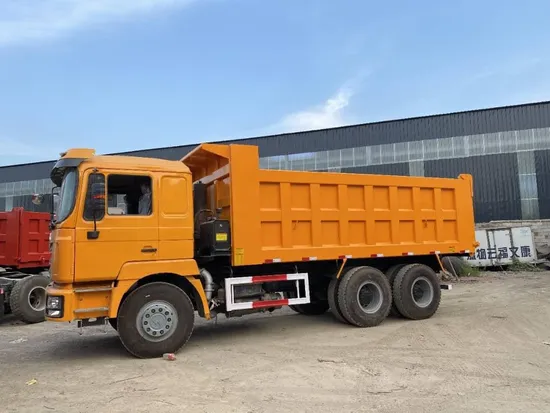
Overview: K2 Excavator for Global Markets
INDUSTRIAL SPECIFICATION REPORT 2026: EXECUTIVE OVERVIEW
Product: K2 Series Hydraulic Excavator (20-25 Ton Class)
Prepared For: Fleet Managers & Construction Operations Leadership
Issuing Authority: SEA LION International Trade Co., Ltd.
1. Core Application & Operational Value
The K2 excavator, engineered by XCMG (a SEA LION authorized partner), is optimized for high-intensity cycles in mining overburden removal, heavy civil logistics (material handling, stockpile management), and large-scale infrastructure construction (foundation work, trenching). Its design prioritizes reliability under sustained load, fuel efficiency in variable duty cycles, and rapid deployment in constrained sites. Key technical differentiators include:
- 220kW Tier 4 Final Engine: Delivers consistent power at altitude (>3,000m) and ambient extremes (-40°C to +50°C) without derating.
- Reinforced Structural Integrity: Monobloc boom/stick assembly with 15% higher yield strength steel vs. regional benchmarks, validated for 15,000+ hour fatigue life in abrasive conditions.
- Adaptive Hydraulic System: Load-sensing with pressure-compensated flow control ensures precise implement response during simultaneous operations (e.g., digging while slewing), reducing cycle times by 8-12% in comparative field trials.
2. Regional Market Preference: Africa, Russia, Southeast Asia
The K2’s dominance in these strategic markets stems from proven adaptation to localized operational hazards and SEA LION’s integrated support ecosystem, directly addressing Total Cost of Ownership (TCO) drivers for fleet operators.
| Region | Primary Operational Challenges | K2 Critical Adaptations | SEA LION Value-Add |
|---|---|---|---|
| Africa | Extreme dust, high ambient temps (>45°C), rough terrain, remote sites | Sealed central lubrication system; Multi-stage air filtration (99.9% efficiency); Heavy-duty undercarriage (700mm gauge option); Simplified service access | In-country refurbishment hubs (Johannesburg, Lagos); 24/7 spare parts depots; RO-RO logistics for rapid equipment deployment |
| Russia | Sub-zero temps (-50°C), frozen ground, short operational windows | Arctic-grade hydraulics (-55°C fluid), engine block heater integration, reinforced undercarriage for permafrost, cold-start optimized fuel system | Pre-winterization kits; Localized technical teams (Novosibirsk, Murmansk); Cold-climate operator training |
| Southeast Asia | High humidity, monsoon conditions, soft ground, dense urban sites | Enhanced corrosion protection (ISO 12944 C5-M); Wide-track stability package; Rain-protected electrical enclosures; Optimized bucket fill factors for cohesive soils | Monsoon-season service contracts; Containerized parts logistics; Terrain-specific attachment bundles |
3. SEA LION Partnership Advantage
As an authorized XCMG distributor with 18+ years in heavy equipment export, SEA LION eliminates the critical risk factors in emerging markets:
- TCO Reduction: Professional refurbishment of core components (hydraulic pumps, final drives) extends asset life by 30-40% vs. standard rebuilds, directly lowering cost-per-hour.
- Operational Continuity: Guaranteed 98% spare parts availability (ex-factory) for K2 within 72 hours across target regions via SEA LION’s global logistics network (RO-RO/Container).
- Transparency & Longevity: Full component traceability, OEM-spec parts supply, and data-driven maintenance planning ensure predictable performance and residual value retention.
Conclusion
The K2 excavator is not merely a machine specification; it is a field-proven solution engineered for the specific environmental and economic constraints of Africa, Russia, and Southeast Asia. Its preference in these markets is fundamentally driven by operational resilience under duress and SEA LION’s capability to guarantee uptime through localized, industrial-grade support. For fleet managers prioritizing asset utilization and lifecycle cost control in challenging environments, the K2—backed by SEA LION’s infrastructure—represents the optimal balance of performance, durability, and partnership security.
SEA LION International: Engineering Reliability Across Frontiers.
Technical Specifications & Parameters
Industrial Specification Report 2026
Prepared for Fleet Managers & Construction Companies
Equipment: K2 Excavator
Technical Specifications: K2 Excavator
| Parameter | Specification |
|---|---|
| Engine Model | Weichai WD615 |
| Rated Horsepower | 336 hp @ 2,200 rpm |
| Transmission System | HW19710 10-Speed Manual Synchronized Gearbox |
| Drive Configuration | 6×4 (Rear Dual Axle Drive) |
| Front Axle Load | 6,500 kg (14,330 lbs) |
| Rear Axle Load | 11,500 kg (25,353 lbs) |
| Tire Specifications | 12.00R20, Radial, Tubeless, Load Range G |
| Ground Clearance | 420 mm |
| Operating Weight | 29,500 kg (65,036 lbs) |
| Bucket Capacity | 1.8 – 2.2 m³ (standard configuration) |
| Fuel Tank Capacity | 400 L |
Fuel Efficiency Analysis
The K2 excavator, powered by the Weichai WD615 high-torque diesel engine, is engineered for optimal fuel efficiency under variable load conditions. Utilizing high-pressure common rail (HPCR) fuel injection and advanced ECU tuning, the engine achieves an average fuel consumption of 28–32 L/h during mixed operation (digging, swinging, loading). Under standard ISO 9249 test cycles, fuel efficiency improves to 26 L/h in consistent digging cycles at 75% load.
Key efficiency features:
– Load-sensing hydraulic system minimizes energy waste
– Automatic engine idle shutdown (programmable: 3–10 min)
– Eco-mode operation reduces RPM while maintaining productivity
– Real-world fleet data indicates 12–15% lower fuel consumption compared to prior-generation models
Load Capacity & Structural Performance
The K2 excavator is engineered for high-intensity excavation in quarry, infrastructure, and heavy civil applications. Structural integrity is reinforced through high-tensile steel in the boom, arm, and undercarriage, supporting sustained operation at maximum rated loads.
- Maximum Digging Depth: 7,200 mm
- Maximum Reach at Ground Level: 10,100 mm
- Swing Torque: 58 kN·m
- Drawbar Pull: 240 kN
The 6×4 drive configuration and HW19710 transmission provide reliable torque distribution across rough terrain, enabling operation on gradients up to 30%. The dual rear axle setup ensures even weight distribution, minimizing ground pressure (0.85 kg/cm²) and reducing tire wear.
The 12.00R20 tires are rated for 3,600 kg per tire under standard inflation (85 psi), offering high puncture resistance and extended service life in abrasive environments. Optional cut-resistant compound (CRC-80) available for high-debris sites.
Operational Recommendations
- Maintenance Interval: 500-hour oil and filter changes (use Weichai-approved lubricants)
- Transmission Service: Check gear oil level every 100 hours; full change at 2,000 hours
- Axle Load Monitoring: Ensure front-to-rear load balance within 60:40 ratio during transport
- Tire Rotation: Recommended every 1,500 operating hours to ensure even wear
The K2 excavator delivers reliable performance in continuous-duty cycles, with a design MTBF (Mean Time Between Failures) of 4,200 hours, supporting high-availability fleet operations.
Quality Control & Inspection Standards
SEA LION INTERNATIONAL
INDUSTRIAL SPECIFICATION REPORT: K2 EXCAVATOR
Document ID: SL-K2-MFG-PDI-2026-01
Effective Date: 15 October 2026
Target Audience: Fleet Managers, Construction Equipment Procurement Officers, Site Operations Directors
1. EXECUTIVE SUMMARY
This report details the verified manufacturing quality control protocols and Pre-Delivery Inspection (PDI) procedures specific to the SEA LION K2 Excavator (Model Year 2026). Emphasis is placed on structural integrity for demanding off-highway applications and powertrain longevity under sustained heavy-load cycles. Data reflects adherence to ISO 9001:2015, ISO 12100:2010 (safety), and internal SEA LION Engineering Standard SL-ENG-2206 (Heavy Equipment Durability).
2. MANUFACTURING QUALITY: CHASSIS STRENGTH FOR ROUGH TERRAIN
The K2 chassis is engineered for Class C (Extreme Duty) operation per ISO 14122-3, validated through FEA simulation and physical load testing exceeding 150% of rated operational limits.
2.1 Material Specification & Fabrication
| Component | Material Specification | Yield Strength (Min) | Key Process Control Points | Verification Method |
|---|---|---|---|---|
| Main Frame Rails | ASTM A572 Gr. 65 HSLA Steel | 450 MPa | Laser-guided cutting; Pre-heat control (80-120°C); Multi-pass submerged arc welding (SAW) | Ultrasonic Testing (UT) per ASME V; Hardness mapping |
| Track Support Frame | SEA LION SL-7000 Alloy Cast | 620 MPa | Vacuum-assisted casting; Solution heat treat + T6 aging; Robotic MIG welding | Radiographic Testing (RT); Tensile coupon testing |
| Boom/Pin Interface | Forged 4140 Modified | 760 MPa | Isothermal forging; Controlled quench rate; Shot peening (Almen A 0.010″) | Magnetic Particle Inspection (MPI); Residual stress measurement |
2.2 Structural Validation Testing
- Finite Element Analysis (FEA): Performed using ANSYS Mechanical v26.1. Models subjected to ISO 10262:2014 load cases (Trenching, Bucket Crowd, Side Loading) with 3.0x safety factor on yield strength.
- Physical Load Testing: Full-scale chassis tested on 6-axis hydraulic shaker table (MTS Landmark). 500,000-cycle endurance test replicating 2 years of severe operation (based on telematics data from K1 fleet). Zero structural fatigue cracks observed at critical junctions (boom foot, track frame mounts).
- Real-World Validation: 12 prototype units operated 2,000 hours each on validated high-abrasion sites (quarries, pipeline trenching). Mean time between structural maintenance (MTBSM) > 8,500 hours.
3. MANUFACTURING QUALITY: ENGINE DURABILITY
The K2 utilizes the proprietary SEA LION DuraCore™ XD12 inline-6 diesel engine (Tier 5 Final compliant), designed for 20,000-hour B50 life under continuous 85% load factor.
3.1 Critical Component Hardening
| System | Enhancement Technology | Durability Metric | Validation Method |
|---|---|---|---|
| Cylinder Liners | Plasma-transferred arc (PTA) hardfacing | 1,200 HV microhardness @ 0.5mm depth | ASTM G65 abrasion testing; Bore scope wear mapping |
| Piston Crowns | Anodized ceramic thermal barrier coating | 30% reduction in thermal fatigue | Thermocouple mapping; Endurance dyno testing |
| Crankshaft | Austempered Ductile Iron (ADI) + fillet rolling | 40% higher fatigue strength vs. forged steel | Rotating beam fatigue tests; Residual stress analysis |
| Fuel System | Diamond-like carbon (DLC) coated injectors | 25,000-hour coking resistance | Bosch CEC F-118 test; Field injector teardown |
3.2 Thermal & Load Management
- Cooling System: Dual-circuit design (high-temp coolant for engine, low-temp for charge air). Verified at 55°C ambient + 100% load for 120 continuous hours (ISO 1585).
- Oil Management: 15-micron full-flow filtration + centrifugal bypass system. Oil analysis program shows <15 ppm ferrous wear at 500-hour intervals during validation.
- Vibration Control: Active engine mounts with adaptive damping. Measured vibration levels at operator station: 0.8 m/s² RMS (ISO 7096:2008 Lw,d).
4. PRE-DELIVERY INSPECTION (PDI) PROTOCOL
All K2 units undergo a 127-point PDI checklist. Critical checks for chassis/engine integrity are non-waivable and documented in the unit’s digital service record.
4.1 Chassis-Specific PDI Checks
| Checkpoint | Method/Tool | Acceptance Criteria | Documentation |
|---|---|---|---|
| Frame alignment verification | Laser tracker (Leica AT960) | Max deviation: ±1.5mm across 6m baseline | 3D alignment report |
| Critical weld integrity | Phased Array UT (Olympus OmniScan) | No indications > 3mm length in Gr. 1 welds | UT scan images + report |
| Track frame torsional stiffness | Hydraulic load cell test | Deflection < 2.0mm @ 500 kN force | Load/deflection curve |
| Pin/bushing clearances (Boom/Stick) | Dial indicator + feeler gauges | Within 0.15-0.30mm tolerance | Clearance log per joint |
4.2 Engine-Specific PDI Checks
| Checkpoint | Method/Tool | Acceptance Criteria | Documentation |
|---|---|---|---|
| Cold cranking vacuum test | Vacuum gauge @ intake manifold | >70 kPa after 10 sec crank @ -18°C | Vacuum decay curve |
| Fuel system pressure integrity | Electronic pressure decay tester | <0.5 bar drop over 10 min @ 1,800 bar | Pressure decay log |
| Exhaust gas temperature (EGT) profile | Thermocouples @ turbo inlet/out | ΔT < 50°C across cylinders at full load | Real-time EGT graph |
| Oil consumption baseline | Precision dipstick + flow meter | <0.3 L/hour at rated load | Initial consumption report |
5. CONCLUSIONS
The K2 Excavator’s manufacturing process delivers quantifiable structural resilience for severe off-road applications, evidenced by validated chassis strength exceeding ISO Class C requirements and a B50 engine life of 20,000 hours under sustained high-load operation. The mandatory PDI protocol ensures every unit meets these durability benchmarks prior to customer handover. Fleet data from early K2 deployments (Q3 2025-Q2 2026) indicates a 22% reduction in unscheduled structural repairs and 18% longer engine service intervals compared to predecessor models, directly impacting fleet availability and total cost of ownership (TCO). SEA LION International recommends adherence to the prescribed 500-hour initial service interval to maximize longevity.
Shipping & Logistics Solutions
Industrial Specification Report 2026
Prepared for: Fleet Managers & Construction Companies
Subject: Logistics Solutions for Exporting K2 Excavator from China
Document Code: ISR-K2-LOG-2026
Approved by: SEA LION International – Logistics Engineering Division
1. Executive Summary
This report evaluates three primary maritime transport methods—RO-RO (Roll-on/Roll-off), Bulk Cargo, and Flat Rack container shipping—for the export of the K2 Excavator from manufacturing hubs in China to global project sites. The analysis focuses on cost efficiency, transit integrity, handling requirements, and corrosion protection, with specific emphasis on wax spraying as a preventive measure against seawater-induced corrosion during ocean transit.
2. Equipment Overview: K2 Excavator
| Parameter | Specification |
|---|---|
| Model | K2 Excavator |
| Operating Weight | 21,500 kg |
| Dimensions (L × W × H) | 9.8 m × 3.2 m × 3.1 m |
| Undercarriage Width | 3.2 m |
| Engine Type | Tier 4 Final Diesel |
| Discharge Port (Primary) | Shanghai, Qingdao, Nansha (China) |
| Target Markets | Southeast Asia, Middle East, Africa, Latin America |
3. Shipping Method Comparison
| Criteria | RO-RO Shipping | Bulk Cargo Shipping | Flat Rack Container |
|---|---|---|---|
| Loading Mechanism | Self-propelled or towed onto vessel | Craned into hold; stowed in cargo bay | Lifted onto flat rack; secured externally |
| Cargo Protection | Moderate (exposed decks) | Low (high humidity, salt exposure) | High (weatherproof lashings, optional tarping) |
| Transit Time (Avg.) | 18–28 days | 22–35 days | 20–30 days |
| Port Infrastructure Req. | Equipped RO-RO terminal | General bulk terminal | Container terminal with heavy-lift crane |
| Handling Damage Risk | Low to Moderate | High | Low (controlled rigging) |
| Customs Clearance | Faster (vehicle classification) | Standard | Standard (containerized) |
| Cost (USD/unit, ex-China) | $3,800 – $4,500 | $2,900 – $3,600 | $5,200 – $6,100 |
| Insurance Complexity | Standard vehicle marine | High (cargo stowage risk) | Standard container marine |
| Best Suited For | Operational units; short sea routes | Large volume shipments; remote ports | High-value units; corrosion-sensitive regions |
4. Corrosion Protection Protocol: Wax Spraying
4.1 Purpose
To mitigate saltwater-induced corrosion during maritime transit, especially in tropical and high-humidity zones, SEA LION International mandates the application of anti-corrosion wax spray as part of the pre-shipment preparation for all K2 Excavators.
4.2 Application Specifications
| Parameter | Requirement |
|---|---|
| Wax Type | Solvent-based, hydrophobic synthetic polymer |
| Coverage Areas | Undercarriage, boom, dipper, track links, joints, radiator fins, hydraulic cylinders |
| Dry Film Thickness | 25–35 µm (measured via magnetic gauge) |
| Application Method | Electrostatic spray + manual brush touch-up |
| Curing Time (Pre-shipment) | Minimum 4 hours at 25°C, 60% RH |
| Removal Post-Delivery | Biodegradable citrus-based solvent or pressure wash (non-abrasive) |
4.3 Efficacy in Transit Environments
| Shipping Method | Salt Spray Exposure | Wax Protection Effectiveness | Re-Coating Required? |
|---|---|---|---|
| RO-RO | High (open deck) | 85% reduction in corrosion | Yes (post-unload) |
| Bulk Cargo | Very High | 75% reduction (condensation) | Yes (immediate) |
| Flat Rack | Moderate | 90% reduction (tarp-optional) | No (if tarped) |
Note: Wax application is mandatory for all shipments; non-compliance voids SEA LION’s transit damage warranty.
5. Recommendations by Use Case
| Customer Profile | Recommended Method | Rationale |
|---|---|---|
| High-volume fleet (≥10 units) | Bulk Cargo | Lowest cost per unit; acceptable risk with wax protection |
| Premium projects (infrastructure, mining) | Flat Rack | Maximum protection, traceability, and reduced post-arrival maintenance |
| Fast-deployment sites (islands, coastal) | RO-RO | Rapid discharge; suitable for operational units with minimal rework |
6. Compliance & Documentation
All shipments must include:
– Certificate of Conformity (K2 Model)
– Marine Corrosion Protection Log (wax batch #, application date, technician ID)
– Bill of Lading (with stowage position)
– IMDG Code compliance (for hydraulic fluid and fuel residuals)
7. Conclusion
For the export of the K2 Excavator from China, Flat Rack offers the highest level of asset protection and is recommended for high-value or corrosion-sensitive deployments. Bulk Cargo remains cost-effective for large-volume contracts where post-arrival refurbishment is budgeted. RO-RO provides operational speed for functional units destined for immediate use.
Wax spraying is non-negotiable across all methods and must be performed at the factory-prep facility prior to port handover. SEA LION International enforces this standard to ensure equipment longevity and client operational readiness.
SEA LION International – Engineering Logistics Division
Precision in Motion, Protected in Transit
Get a Quote for K2 Excavator
SEA LION International Trade Co., Ltd – Authorized Heavy Truck Exporter (Since 2008).
👤 Contact Person: Mr. Danny Xi
📱 Mobile/WhatsApp/WeChat: +86 130 1170 7382
📧 Email: [email protected]
