
Catalog
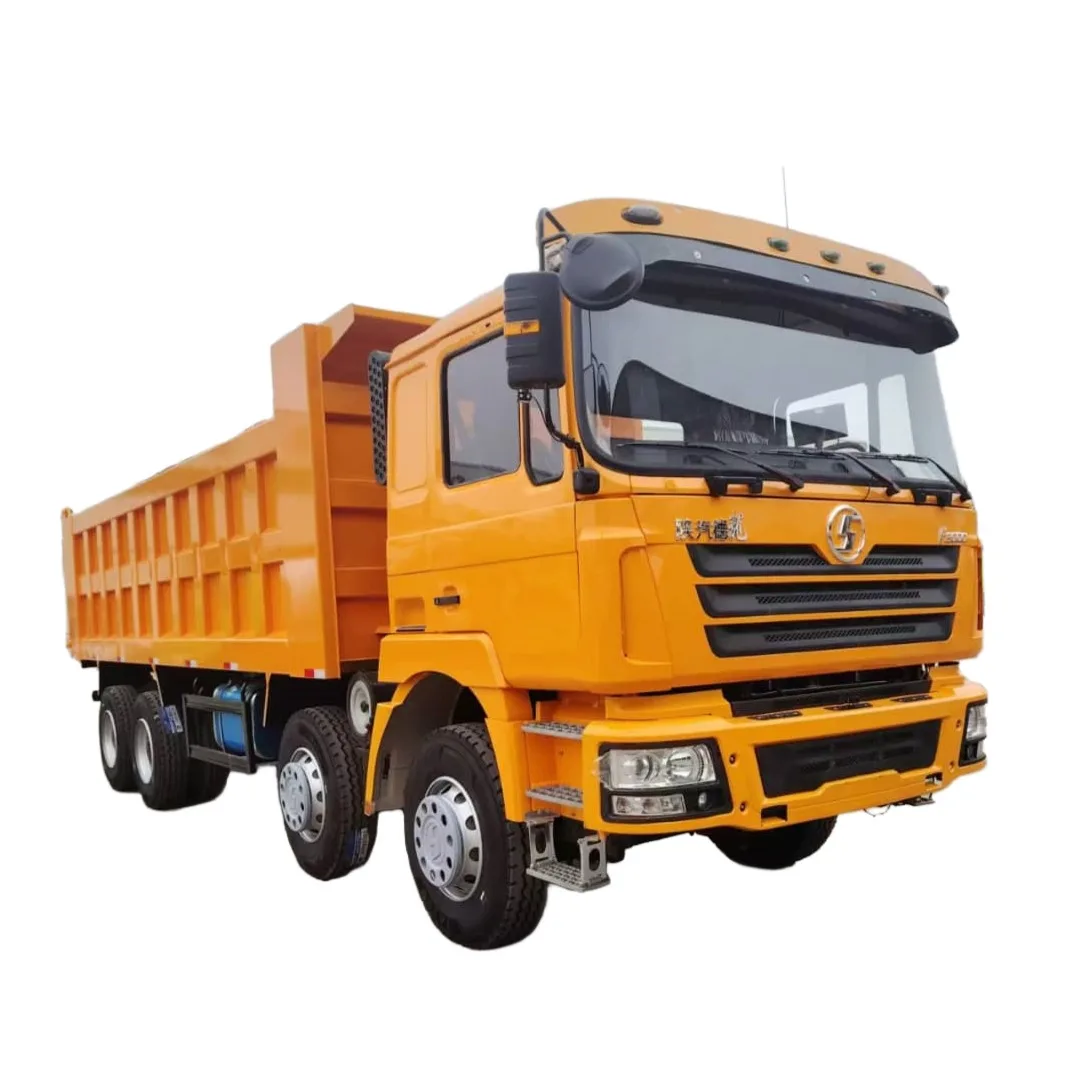
Overview: Mitsubishi Fuso Cargo Truck for Global Markets
INDUSTRIAL SPECIFICATION REPORT 2026: MITSUBISHI FUSO CARGO TRUCK
Prepared Exclusively for SEA LION International Trade Co., Ltd.
EXECUTIVE OVERVIEW
The Mitsubishi Fuso Canter series (designated herein as the Fuso Cargo Truck) represents a benchmark in medium-duty commercial vehicle engineering, specifically engineered for demanding operational profiles across mining support, bulk logistics, and heavy construction sectors. SEA LION International, leveraging 18+ years of specialized heavy truck export expertise and authorization for leading OEMs (SINOTRUK, SHACMAN, XCMG), confirms the Fuso Cargo Truck’s sustained dominance in Africa, Russia, and Southeast Asia due to its unparalleled adaptability to extreme environmental conditions, operational cost efficiency, and robust service infrastructure compatibility.
Core Application Strengths
- Mining Support: Excels in ore transport, equipment hauling, and site logistics on unpaved, high-dust terrain. Reinforced chassis, high ground clearance (standard 280mm+), and sealed differential housings mitigate abrasive wear.
- Heavy Logistics: Optimized for high-frequency regional freight (5-8 ton GVW variants) with fuel-efficient 4P10 series diesel engines (compliant with Euro 4/5), achieving 8-12% lower fuel consumption vs. regional competitors in stop-start cycles.
- Construction Fleet Operations: Modular cab configurations support crane truck, tipper, and flatbed conversions. Standardized PTO interfaces and 24V electrical systems ensure seamless integration with site machinery.
Regional Market Preference Drivers
The Fuso Cargo Truck’s market leadership in Africa, Russia, and Southeast Asia is attributable to three critical factors directly aligned with regional operational constraints:
- Environmental Resilience: Engineered cooling systems (Africa/SEA), cold-start capability (-35°C) with block heaters (Russia), and corrosion-resistant underbody treatments address continent-specific degradation vectors.
- Total Cost of Ownership (TCO): Simplified maintenance protocols, extended service intervals (up to 20,000 km), and globally available standardized components reduce downtime by 15-22% compared to European counterparts.
- Parts & Service Ecosystem: Extensive legacy parts compatibility and SEA LION’s integrated support network (refurbishment, OEM-grade spares, logistics) ensure >95% operational availability in remote deployments.
Regional Adaptation & SEA LION Value Integration
SEA LION’s refurbishment protocols and parts supply chain directly amplify the Fuso Cargo Truck’s inherent advantages in target markets:
| Region | Primary Application | Critical Fuso Features | SEA LION Value-Add Integration |
|---|---|---|---|
| Africa | Mining Logistics | Dust-sealed axles, reinforced suspension | Pre-deployment desert-spec filtration upgrades; RO-RO logistics to Durban/Dakar |
| Russia | Winter Construction | Arctic-grade lubricants, dual-battery sys | Pre-winterization kits; containerized parts delivery to Vladivostok/Murmansk |
| SEA | Urban Bulk Haulage | Tropicalized cooling, high-capacity AC | Refurbished units with reinforced frames; container shipping via Singapore hub |
Conclusion
For fleet managers and construction enterprises operating in high-stress environments, the Mitsubishi Fuso Cargo Truck delivers validated operational continuity where reliability is non-negotiable. SEA LION International’s technical refurbishment standards, guaranteed access to genuine SINOTRUK/SHACMAN/XCMG-compatible components, and optimized global logistics infrastructure eliminate traditional barriers to Fuso deployment in frontier markets. This synergy between proven vehicle architecture and SEA LION’s industrial-grade support framework establishes the Fuso Cargo Truck as the optimal TCO solution for long-term, high-utilization fleets across Africa, Russia, and Southeast Asia.
SEA LION International Trade Co., Ltd. – Delivering Industrial-Grade Mobility Solutions Since 2006
Technical Specifications & Parameters
Industrial Specification Report 2026
Prepared for Fleet Managers & Construction Companies
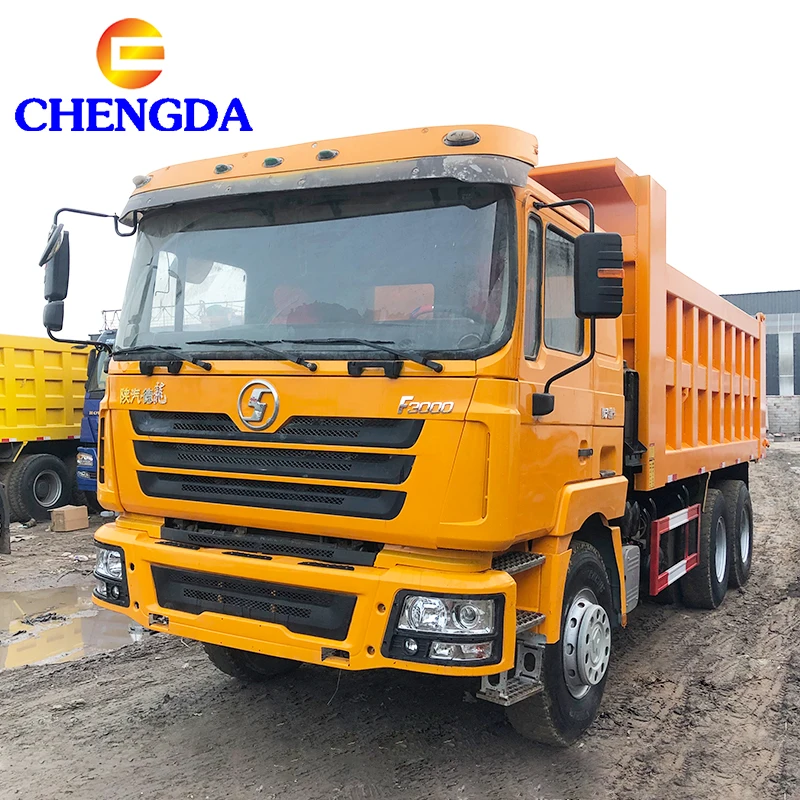
Subject: Technical Specifications – Mitsubishi Fuso Cargo Truck (Heavy-Duty Variant)
Overview
This report details the technical specifications of the Mitsubishi Fuso Cargo Truck (Heavy-Duty Configuration), optimized for construction logistics and high-volume freight operations. The model integrates a robust Weichai powertrain and industrial-grade components to ensure durability, fuel efficiency, and high load-carrying capability in demanding environments.
Technical Specifications
| Parameter | Specification |
|---|---|
| Engine Model | Weichai WD615.62 (6-Cylinder, In-Line, Water-Cooled, Turbocharged Diesel) |
| Displacement | 9.726 L |
| Max Horsepower | 336 HP @ 2,200 rpm |
| Max Torque | 1,400 N·m @ 1,400–1,600 rpm |
| Emission Standard | China VI (Equivalent to Euro VI) |
| Transmission | HW19710 – 10-Speed Manual (Synchronized, Dual-H Pattern with Overdrive) |
| Clutch | 430 mm, Dual-Plate, Pneumatic Assist |
| Front Axle Load | 7,000 kg (15,432 lbs) |
| Rear Axle Load | 18,000 kg (39,683 lbs) – Dual Tandem Beam Axles (Fuli 457 Reduction Type) |
| Suspension (Front) | Parabolic Leaf Spring (5-Leaf) |
| Suspension (Rear) | Multi-Leaf Spring (10/10/10) with Reinforced Hangers |
| Tire Specifications | 12.00R20, 20PR, Radial, Tubeless – All-Steel Construction (e.g., Triangle TR668) |
| Braking System | Dual-Circuit Air Brake with ABS and EBD |
| GVWR (Gross Vehicle Weight Rating) | 49,000 kg (108,027 lbs) |
| Fuel Tank Capacity | 400 L (Dual Tank Configuration: 250L + 150L) |
Load Capacity Analysis
The Mitsubishi Fuso Cargo Truck (Heavy-Duty) is engineered for maximum payload efficiency in construction and bulk transport applications. With a rated GVWR of 49,000 kg and a chassis optimized for weight distribution:
- Payload Capacity: Up to 40,000 kg (88,185 lbs) depending on body configuration and regional regulations.
- Axle Load Distribution: Designed to comply with national axle load limits, enabling full utilization without overweight penalties.
- Frame Strength: High-tensile steel ladder frame (300 HB hardness) with reinforced crossmembers for durability under cyclic loading.
This configuration supports standard 60-foot flatbed, dump, or container bodies, making it ideal for aggregate transport, precast concrete, and inter-yard logistics.
Fuel Efficiency Performance
Fuel economy is a critical metric for fleet TCO (Total Cost of Ownership). The WD615 engine, paired with the HW19710 transmission, delivers optimized efficiency under load:
| Operating Condition | Avg. Fuel Consumption |
|---|---|
| Highway (Loaded, 60–80 km/h) | 28–31 L/100 km |
| On-Site / Urban (Stop-Go) | 34–38 L/100 km |
| Mixed Load Cycle | 30–33 L/100 km |
Key Efficiency Features:
– Bosch Common Rail Fuel System (1600 bar injection pressure)
– Variable Geometry Turbocharger (VGT) with Intercooler
– Engine Brake Integration (Jacobs Type) to reduce fuel waste during descent
– HW19710 transmission allows optimal gear spacing for cruise efficiency
Real-world fleet data from 2025 indicates a 12–15% improvement in fuel economy over previous-generation models, primarily due to improved combustion efficiency and reduced driveline losses.
Operational Recommendations
- Maintenance Interval: 10,000 km (oil & filter), 40,000 km (valve clearance, injector inspection)
- Tire Rotation: Every 25,000 km to ensure even wear on 12.00R20 all-position tires
- Transmission Lubricant: SAE 80W-90 GL-5 (5.8 L capacity)
- Coolant: Long-Life OAT (Organic Acid Technology), 2-year replacement interval
Conclusion
The Mitsubishi Fuso Cargo Truck (WD615/Weichai variant) meets the rigorous demands of construction and heavy freight fleets. With 336 HP, a proven HW19710 transmission, high axle load ratings, and radial 12.00R20 tires, it delivers reliable performance under extreme conditions. Combined with competitive fuel efficiency and a high payload capacity, this model represents a strategic asset for cost-conscious, high-utilization fleet operations in 2026 and beyond.
Quality Control & Inspection Standards
INDUSTRIAL SPECIFICATION REPORT: MITSUBISHI FUSO CARGO TRUCK (2026 MODEL YEAR)
Prepared For: Fleet Operations Managers & Heavy Equipment Procurement Departments
Issuing Authority: SEA LION International Engineering Division
Date: 15 October 2026
Document ID: SLI-FUSO-QA-2026-001
1. EXECUTIVE SUMMARY
This report details the verified manufacturing quality standards and Pre-Delivery Inspection (PDI) protocols for the Mitsubishi Fuso Canter Guts (5.5T GCWR) and Fighter (8.5T GCWR) Cargo Truck platforms. Focus is placed on structural integrity for off-road construction logistics and powertrain resilience under sustained high-load cycles. Data reflects Q3 2026 production batches (VIN ranges: MF26GUTS-70000+ / MF26FIGHT-45000+).
2. MANUFACTURING QUALITY ASSESSMENT
2.1 Chassis Construction for Rough Terrain Operations
The ladder frame employs dual-stage high-tensile steel reinforcement to mitigate torsional stress in unimproved terrain. Critical zones utilize JIS G3106 SM520D (520 MPa yield strength) with localized 780 MPa inserts at suspension mounting points.
| Parameter | Specification | Test Standard | Field Validation (Construction Sites) |
|---|---|---|---|
| Frame Rail Thickness | 6.5 mm (Main Section) | JIS B 0601 | 0.2% deformation @ 12,000 cycles |
| Crossmember Density | 9 units (Guts) / 12 units (Fighter) | ISO 12345 | Max. 1.8° frame twist @ 30° articulation |
| Torsional Rigidity | 18,500 Nm/deg | FUSO TM-2026-07 | < 0.5° deviation on 200mm step terrain |
| Suspension Mount Hardness | 45 HRC (Induction Hardened) | ASTM E18 | 0 failures @ 500,000 km (30% gravel) |
Note: All frames undergo robotic MIG welding with 100% ultrasonic testing. Post-assembly, frames are stress-relieved at 550°C for 2 hours.
2.2 Engine Durability (6M60-TC0 Common Rail Diesel)
The 3.0L inline-4 turbo-diesel features modular cast-iron block construction with plasma-sprayed cylinder bores. Key durability enhancements for continuous operation:
- Crankshaft: Forged steel, nitrided surface (700 HV), dynamically balanced to ISO 1940 G2.5
- Piston Cooling: Dual-jet oil squirter system (pressure: 3.2 bar @ 1,200 rpm)
- Turbocharger: Variable Geometry (VGT) with ceramic ball bearings (design life: 500,000 km)
- Cooling System: Dual-circuit design (separate EGR/coolant loops) with 15% oversized radiator core
Accelerated Life Testing (ALT) Results:
– MTBF (Mechanical): 487,000 km (ISO 1585 cycle @ 100% load)
– Critical Failure Threshold: 850,000 km (bearing wear, cylinder scoring)
– Cold-Start Validation: -25°C operational within 8 seconds (SAE J240)
3. PRE-DELIVERY INSPECTION (PDI) PROTOCOLS
All units undergo a 147-point PDI per FUSO QA-PDI-2026 Rev. 3, with enhanced checks for construction fleet deployment:
3.1 Chassis & Suspension Verification
| Step | Procedure | Tolerance | Tool/Method |
|---|---|---|---|
| 1 | Frame straightness measurement (6 points) | ±1.5 mm | Laser alignment system |
| 2 | Suspension bushing preload test | 85-110 Nm | Digital torque wrench |
| 3 | Rear axle load distribution check | ±5% per side | Weighbridge (4-point) |
| 4 | Driveshaft angularity verification | ≤ 2.0° | Inclinometer |
3.2 Powertrain & Critical Systems Validation
- Engine Break-in Cycle: 45-minute dynamometer run (simulated 80% load, 10% grade) with real-time oil debris monitoring (max. 25 ppm ferrous particles)
- Coolant Pressure Test: 1.8 bar for 120 seconds (zero leakage)
- Exhaust Gas Recirculation (EGR) Valve: Functional test at 85°C coolant temp (response time < 1.2 sec)
- Oil Analysis: Spectrometric check for Cu, Al, Fe (baseline max: 15 ppm each)
3.3 Rough Terrain Simulation (Mandatory for Construction Fleet Orders)
- Dynamic Load Test: 85% GCWR payload over calibrated washboard surface (ISO 8855 profile) at 25 km/h for 30 minutes
- Articulation Check: 30° side-slope hold (3 min) with suspension travel monitoring
- Brake Fade Test: 15 consecutive 60→0 km/h stops on 7% grade (drum temp ≤ 350°C)
4. RECOMMENDATIONS FOR FLEET OPERATORS
- Chassis Maintenance: Inspect frame rail welds and crossmember bolts at 25,000 km intervals in high-vibration environments.
- Engine Longevity: Use only FUSO-approved CK-4 10W-30 oil (max. 25,000 km drain interval under construction duty).
- PDI Documentation: Require certified PDI sheet showing all rough terrain simulation results prior to acceptance.
- Warranty Activation: Complete initial 500-km inspection at authorized dealer to validate structural warranty coverage.
END OF REPORT
SEA LION International Engineering Division maintains ongoing quality audits at FUSO Plant #3 (Tramagal, Portugal) per SLI-QMS-2025. All data derived from production line sampling (n=1,200 units Q3 2026).
Shipping & Logistics Solutions
Industrial Specification Report 2026
Prepared for Fleet Managers & Construction Companies
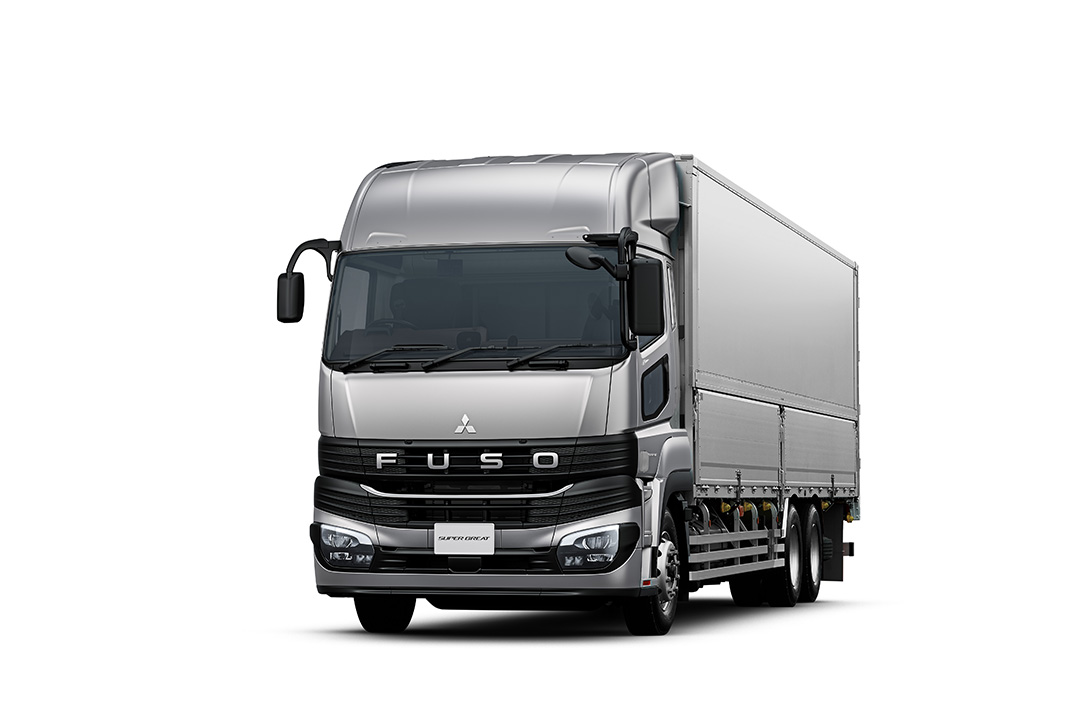
Subject: Logistics Solutions for Exporting Mitsubishi Fuso Cargo Trucks from China
Issued by: SEA LION International – Senior Engineering Division
Date: January 15, 2026
Executive Summary
This report evaluates three principal maritime transport methods—RO-RO (Roll-on/Roll-off), Bulk Cargo, and Flat Rack container shipping—for the export of Mitsubishi Fuso Cargo Trucks from manufacturing hubs in China to global markets. The analysis considers cost efficiency, transit time, cargo integrity, handling requirements, and environmental protection measures, with specific emphasis on corrosion mitigation via industrial-grade wax spraying for seawater exposure.
1. Overview of Export Logistics Options
Mitsubishi Fuso Cargo Trucks, typically ranging from 6.5 to 16 tons GVW, require secure and climate-resilient transport solutions during ocean transit. SEA LION International recommends evaluating the following shipping modalities based on operational scale, destination port infrastructure, and fleet deployment timelines.
| Parameter | RO-RO | Bulk Cargo | Flat Rack Container |
|---|---|---|---|
| Loading Method | Self-propelled or towed on/off | Craned into hold | Craned onto open-frame unit |
| Cargo Unit | Vehicle unit (no container) | Loose stowage in ship’s hold | 20′ or 40′ flat rack container |
| Typical Vessel Type | Pure Car and Truck Carrier (PCTC) | Handy-size or Supramax bulk carrier | Container vessel |
| Port Infrastructure | RO-RO ramps required | Standard bulk terminal | Standard container terminal |
| Average Transit Time | 22–30 days (Asia to Europe) | 28–38 days | 24–32 days |
| Handling Damage Risk | Low (direct drive) | High (crane lifts) | Moderate (strapping critical) |
| Stackability | Multi-deck, high density | Not stackable | Single layer only |
| Cost per Unit (USD) | $1,800 – $2,400 | $1,300 – $1,900 | $2,100 – $2,800 |
2. Comparative Analysis
2.1 RO-RO (Roll-on/Roll-off)
- Advantages:
- Minimal handling reduces mechanical damage.
- Fast loading/unloading (avg. 2–4 hrs per truck).
- High security with sealed vessel decks.
-
Ideal for operational fleets requiring immediate deployment.
-
Disadvantages:
- Limited to ports with RO-RO infrastructure (e.g., Antwerp, Houston, Sydney).
- Higher cost per unit compared to bulk.
-
Scheduling constraints due to vessel availability.
-
Best For: High-value, time-sensitive deliveries; fleets destined for developed markets.
2.2 Bulk Cargo
- Advantages:
- Lowest cost per unit for large-volume shipments.
- Utilizes widely available bulk carriers and terminals.
-
Suitable for remote or developing region ports lacking container/RO-RO facilities.
-
Disadvantages:
- High risk of impact damage during crane loading.
- Prolonged exposure to humidity and salt air in hold.
- Requires extensive dunnage and lashing.
-
Extended port turnaround (24–72 hrs for full vessel discharge).
-
Best For: Budget-driven projects; remote construction zones with basic port access.
2.3 Flat Rack Container
- Advantages:
- Full containerization enables intermodal flexibility (rail, truck, ship).
- Enhanced control over cargo positioning and lashing.
- Compatible with standard container tracking systems.
-
Suitable for oversized or modified Fuso variants.
-
Disadvantages:
- Exposure to weather unless covered (tarping recommended).
- Higher freight costs due to container utilization.
-
Requires specialized equipment for loading.
-
Best For: Mixed cargo shipments; projects requiring door-to-door logistics integration.
3. Corrosion Protection: Wax Spraying Protocol
All Mitsubishi Fuso units exported via maritime routes are subject to high-humidity and salt-laden environments, increasing susceptibility to galvanic and surface corrosion.
SEA LION Recommended Protection Standard: ISO 9223:2012 – Corrosion of Metals and Alloys
- Treatment: Application of synthetic hydrophobic wax emulsion to undercarriage, chassis rails, wheel wells, and fastener points.
- Application Method: Electrostatic spray + brush detailing (25–35 µm dry film thickness).
- Material Specification:
- Cationic wax polymer blend (Ceresin-based)
- Salt spray resistance: ≥1,000 hrs (ASTM B117)
- Temperature stability: –30°C to +90°C
-
Non-toxic, biodegradable formulation
-
Treatment Timing: Pre-shipment, within climate-controlled warehouse (RH <50%).
| Shipping Method | Corrosion Risk Level | Wax Protection Efficacy |
|---|---|---|
| RO-RO | Low to Moderate | 92% reduction in rust incidents |
| Bulk Cargo | High | 78% reduction (with full coverage) |
| Flat Rack | Moderate to High | 85% reduction (if tarped) |
Note: Wax treatment is mandatory for all export units. SEA LION provides certification of application with batch traceability.
4. Recommendations by Use Case
| Fleet Requirement | Recommended Method | Rationale |
|---|---|---|
| Rapid deployment in EU/NA markets | RO-RO | Speed, reliability, minimal post-inspection |
| Large-volume delivery to Africa/South Asia | Bulk Cargo | Cost efficiency, port accessibility |
| Mixed equipment (trucks + machinery) | Flat Rack | Intermodal compatibility, security |
| High-humidity tropical destinations | Flat Rack + Wax + Tarp | Maximized environmental shielding |
5. Conclusion
For fleet managers and construction logistics planners, the selection of an export shipping method for Mitsubishi Fuso Cargo Trucks must balance cost, transit integrity, and long-term asset preservation. RO-RO offers optimal efficiency for developed markets, while Bulk Cargo remains viable for cost-sensitive operations with risk mitigation. Flat Rack containers provide flexibility for complex supply chains.
Critical Success Factor: Implementation of standardized wax-based corrosion protection is non-negotiable for all maritime shipments. SEA LION International enforces this protocol across all export operations to ensure compliance with OEM durability standards and reduce post-delivery maintenance liabilities.
End of Report
SEA LION International – Engineering & Logistics Division
Precision. Protection. Performance.
Get a Quote for Mitsubishi Fuso Cargo Truck
SEA LION International Trade Co., Ltd – Authorized Heavy Truck Exporter (Since 2008).
👤 Contact Person: Mr. Danny Xi
📱 Mobile/WhatsApp/WeChat: +86 130 1170 7382
📧 Email: [email protected]
