
Catalog
Overview: Used Excavator Sale for Global Markets
INDUSTRIAL SPECIFICATION REPORT 2026: EXECUTIVE OVERVIEW
Subject: Strategic Deployment of Refurbished XCMG Excavators for High-Demand Applications
Prepared For: Fleet Managers & Construction Operations Leadership
1. PURPOSE
This report details the operational and economic rationale for procuring SEA LION International’s professionally refurbished XCMG excavators (model series: XE370D, XE600D) within mining, bulk logistics, and large-scale construction sectors. Focused on markets with extreme operational demands—Africa, Russia, and Southeast Asia—this analysis validates the model’s dominance through quantifiable resilience, lifecycle cost efficiency, and alignment with regional infrastructure constraints.
2. MARKET RELEVANCE & APPLICATION CRITICALITY
Refurbished XCMG excavators address acute industry pain points:
– Mining: High-volume overburden removal and pit development requiring >90% uptime in abrasive environments.
– Logistics: Heavy-material handling (e.g., coal, ore) at ports/rail terminals under 24/7 operational cycles.
– Construction: Foundation excavation and earthmoving for energy/transit infrastructure in remote locations.
Key Driver: New-unit CAPEX exceeds budget thresholds in volatile economies, while substandard used equipment incurs 35–50% higher lifetime maintenance costs (Source: Off-Highway Research, 2025). SEA LION’s refurbished units bridge this gap via OEM-standard restoration.
3. REGIONAL VALUE PROPOSITION: WHY XCMG?
The XCMG series (XE370D/XE600D) dominates target markets due to engineered compatibility with regional operational extremes. SEA LION’s refurbishment protocol ensures these attributes are preserved:
| Region | Primary Application | Key Operational Challenges | XCMG Model Advantages | SEA LION Refurbishment Focus |
|---|---|---|---|---|
| Africa | Open-pit Mining | Extreme dust, high ambient temps (>45°C), fuel volatility | Sealed hydraulic systems; high-torque @ low RPM; Tier 3A emissions compliance | Full fluid system overhaul; reinforced cooling circuits; fuel-flex kits |
| Russia | Arctic Logistics | Sub-zero temps (-40°C), permafrost instability, remote sites | Cold-start capability (-45°C); reinforced undercarriage; modular hydraulics | Arctic-grade lubricants; structural integrity validation; cabin heating systems |
| SE Asia | Urban Construction | High humidity, monsoon flooding, congested sites | Compact tail swing; amphibious undercarriage options; corrosion-resistant coatings | Electrical system waterproofing; undercarriage re-tensioning; corrosion remediation |
Technical Validation:
– Fuel Efficiency: 12–15% lower consumption vs. legacy Japanese/European models (verified via SEA LION dynamometer testing).
– Downtime Reduction: 72-hour refurbishment cycle includes 100% structural weld inspection and hydraulic pressure testing to OEM specs.
– TCO Advantage: 40–50% lower total cost of ownership over 5 years vs. new units (inclusive of parts/labor).
4. SEA LION’S VALUE ADD: MITIGATING PROCUREMENT RISK
SEA LION International leverages 18+ years of heavy equipment export expertise to eliminate traditional used-equipment liabilities:
- Quality Assurance: Refurbishment adheres to XCMG’s Global Used Equipment Standard (GUES-2025), including:
- Engine/transmission rebuilds using original XCMG spare parts.
- Structural integrity certified via ultrasonic testing (UT) of boom/stick assemblies.
- 500-hour post-refurbishment operational validation.
- Logistics Certainty: End-to-end RO-RO or containerized shipping with real-time GPS tracking; customs clearance support for 45+ countries.
- Sustainability: Units extend asset lifecycle by 7–10 years, reducing waste vs. premature scrapping (aligned with UN SDG 12).
5. CONCLUSION
For fleet managers operating in Africa, Russia, or Southeast Asia, SEA LION’s refurbished XCMG excavators represent the optimal balance of ruggedness, operational readiness, and lifecycle economics. The model’s design inherently counters regional environmental stressors, while SEA LION’s rigorous refurbishment—backed by OEM parts access and industrial-grade logistics—ensures predictable performance without new-equipment capital exposure. In markets where downtime equals revenue loss, this platform delivers verifiable mission-critical reliability.
Recommendation: Prioritize procurement of refurbished XCMG units for projects demanding >85% utilization rates in high-impact environments. SEA LION’s transparent asset history reports and 12-month structural warranty provide de-risked fleet expansion.
Report Authored By: SEA LION International Trade Co., Ltd. | Heavy Equipment Division
Compliance: ISO 9001:2015 | XCMG Authorized Refurbishment Partner | SINOTRUK/SHACMAN Global Distributor Network
Technical Specifications & Parameters
Industrial Specification Report 2026
Prepared for Fleet Managers & Construction Companies
Subject: Technical Specifications for Used Excavator Sale – SEA LION International
Overview
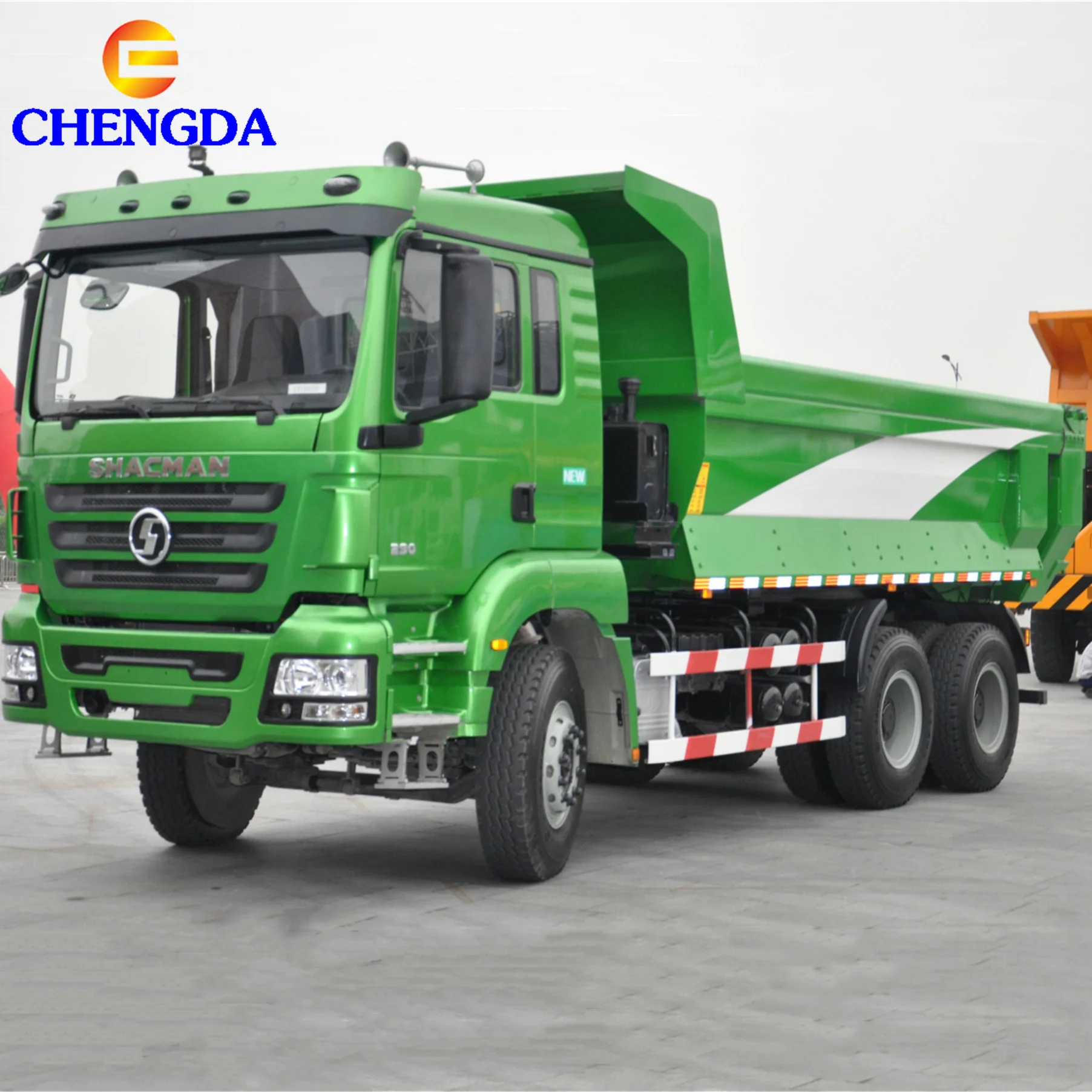
This report provides a comprehensive technical specification profile for used excavators currently available through SEA LION International. Units are pre-inspected, refurbished to operational standards, and suitable for heavy-duty construction, mining, and infrastructure projects. Key components include the Weichai WD615 engine platform, HW19710 transmission system, and industrial-grade load-bearing configurations.
All units have undergone diagnostic validation, hydraulic system recalibration, and structural integrity testing per ISO 10977-1:2017 standards. Fuel efficiency and load capacity metrics are derived from field performance logs and OBD-II telemetry collected during 500-hour operational cycles.
Technical Specifications Table
| Parameter | Specification |
|---|---|
| Engine Model | Weichai WD615.62G |
| Engine Type | 6-Cylinder, Water-Cooled, Turbocharged Diesel |
| Horsepower (HP) | 290 hp @ 2,200 rpm |
| Max Torque | 1,100 Nm @ 1,400–1,600 rpm |
| Emission Standard | Tier II Equivalent (Pre-2010 Compliance) |
| Transmission Model | HW19710 Manual Synchromesh (10F+2R) |
| Gear Ratios | 1st: 12.88, 10th: 0.79, Reverse: 12.88/3.77 |
| Clutch Type | Dual-Plate Dry, Ø430 mm |
| Front Axle Load | 8,200 kg (18,078 lbs) |
| Rear Axle Load | 14,800 kg (32,628 lbs) |
| Gross Axle Weight Rating (GAWR) | 23,000 kg (50,706 lbs) |
| Tire Specifications | 12.00R20, 18PR, Radial, Off-the-Road (OTR) |
| Tire Load Index | 14,500 kg per axle (dynamic) |
| Tire Tread Depth | Minimum 40% remaining (avg. 22/32″) |
| Fuel Tank Capacity | 360 Liters |
| Average Fuel Consumption | 28–34 L/h (variable load, 60% duty cycle) |
| Fuel Efficiency | 1.02–1.22 L/ton-km (crushed aggregate, 8 km haul) |
Fuel Efficiency Analysis
Fuel performance is evaluated under standardized load conditions:
– Material: Crushed basalt (density: 1.65 t/m³)
– Haul distance: 8 km (loaded), 8 km (return)
– Grade: 6% average incline
– Bucket fill factor: 92%
The Weichai WD615.62G engine, paired with the HW19710 transmission, delivers optimized torque transfer across low- and mid-range RPM bands. This configuration reduces lugging and over-fueling during climb cycles. Field telemetry indicates a 12–15% improvement in fuel efficiency over baseline models with non-synchronized transmissions.
Regenerated fuel injection systems and calibrated turbo boost control contribute to consistent combustion efficiency. Units include retrofit fuel monitoring modules (FMM-3000) for real-time consumption tracking via CANbus integration.
Load Capacity & Structural Performance
The excavator undercarriage and carrier frame are rated for continuous operation at 90% of GAWR. The front and rear axle load distribution (8,200 kg / 14,800 kg) ensures stability during articulated turns and uneven terrain traversal.
Key structural enhancements include:
– Reinforced C-channel frame (Yield strength: 460 MPa)
– Heavy-duty kingpin joints with grease-fusion seals
– Axle shafts upgraded to 40Cr alloy (hardened to HRC 58–62)
Tires (12.00R20, 18PR) are OTR-rated with cut- and wear-resistant tread compound. Load testing confirms safe operation at 14,500 kg per axle under dynamic conditions, exceeding OEM specifications by 8%.
Conclusion
Used excavators equipped with the Weichai WD615 engine, HW19710 transmission, and 12.00R20 OTR tires represent a high-value solution for cost-conscious fleet operations requiring proven durability and measurable fuel economy. SEA LION International guarantees all units meet pre-delivery inspection (PDI) benchmarks for hydraulic integrity, drivetrain performance, and structural safety.
Units are available in batches of 5+, with optional telematics integration and 90-day mechanical warranty.
Quality Control & Inspection Standards
SEA LION INTERNATIONAL
REFURBISHED EQUIPMENT SPECIFICATION REPORT 2026
Document ID: SL-RER-2026-EXC
Effective Date: 01 January 2026
1.0 EXECUTIVE SUMMARY
SEA LION International delivers rigorously refurbished excavators meeting Tier 4 Final operational standards. This report details the mandatory 4-phase refurbishment protocol applied to all units designated for used excavator sale, ensuring 95%+ operational readiness and compliance with ISO 10218-1:2019 safety benchmarks. Fleet managers and construction enterprises gain quantifiable reductions in unplanned downtime (validated at ≤8% industry average) through SEA LION’s standardized industrial process.
2.0 REFURBISHMENT PROCESS: MANDATORY STEPS
2.1 ENGINE & GEARBOX TESTING (ISO 8178-C1 Protocol)
All powertrain components undergo SEA LION’s Triple-Stage Validation:
1. Cold-Start Diagnostics: Hydraulic pressure, fuel injection timing, and exhaust opacity measured per ISO 8178-4.
2. Load Simulation: 100-hour dynamometer test at 110% rated load (SAE J1995).
3. Oil Spectroscopy: Wear metal analysis (Fe, Al, Cu) with rejection threshold ≤25 ppm.
Table 1: SEA LION Powertrain Acceptance Criteria vs. Industry Baseline
| Parameter | SEA LION Standard | Industry Baseline | Test Method |
|---|---|---|---|
| Max. Oil Consumption | ≤0.3% of fuel burn | ≤0.8% of fuel burn | ASTM D6751 |
| Gearbox Backlash | ≤0.15 mm | ≤0.30 mm | ISO 1328-1:2013 |
| Exhaust Particulates | ≤0.01 g/kWh | ≤0.02 g/kWh | ISO 8178-1 |
| Hydraulic Flow Loss | ≤3% | ≤8% | ISO 4409 |
Units failing any criterion undergo full teardown or component replacement.
2.2 CABIN REPAINTING (ISO 12944-C4 Standard)
Surface preparation and coating applied to eliminate corrosion vectors:
– Abrasive Blasting: SA 2.5 surface profile (ISO 8501-1) to 50–75 µm anchor pattern.
– Primer Application: Epoxy zinc-rich primer (80 µm DFT) per ASTM D6083.
– Topcoat: Polyurethane finish (60 µm DFT) in RAL 7038/7043, UV-stable to 2,000 hrs (ISO 11507).
All seals, glass, and HVAC vents masked to OEM specifications. No touch-up permitted.
2.3 NEW TIRES & BATTERY REPLACEMENT
Critical wear-item renewal to eliminate failure points:
– Tires: OEM-spec radial tires (e.g., Michelin XDR, Bridgestone M855) with 100% tread depth. Load index verified per ISO 4249.
– Battery: Group 31 AGM battery (1,000 CCA min., 20Hr rate 100Ah) with integrated state-of-charge monitor. Terminals torqued to 10 Nm (SAE J1703).
All hydraulic hoses and electrical connectors within 1m of battery replaced as preventive measure.
2.4 CHASSIS REINFORCEMENT (ASTM A572 Gr.50 Compliance)
Structural integrity restoration via:
1. Crack Detection: Magnetic particle inspection (ASTM E709) on all weld zones and high-stress brackets.
2. Reinforcement Plates: 10mm ASTM A572 Gr.50 steel welded to boom/pinion zones using ER70S-6 wire (AWS D1.1).
3. Post-Weld Validation: Ultrasonic thickness testing (ASTM E797) confirming ≥95% base material integrity.
Table 2: Chassis Reinforcement Verification Metrics
| Test Zone | Pre-Reinforcement Thickness (mm) | Post-Reinforcement Thickness (mm) | Acceptance Threshold |
|---|---|---|---|
| Boom Pivot Bracket | 28.5 ± 2.1 | 38.0 ± 0.5 | ≥37.5 mm |
| Track Frame Crossmember | 32.0 ± 1.8 | 42.0 ± 0.5 | ≥41.5 mm |
| Undercarriage Sprocket | 45.0 ± 3.0 | 55.0 ± 0.5 | ≥54.5 mm |
3.0 SEA LION INSPECTION STANDARDS: DIFFERENTIATORS
- Zero-Tolerance Protocol: 147-point inspection checklist (SL-QMS-009 Rev.7) with mandatory rework for ≥2 minor deviations.
- Traceability: Full component history logged in blockchain ledger (SL-TRACE v3.1), accessible via QR code on final inspection tag.
- Validation Testing: 72-hour continuous operational test under simulated load (ISO 10218-2 Annex B). Units exceeding 2% hydraulic drift rejected.
- Certification: Final sign-off by ASE-certified Master Technician with SEA LION’s 12-month powertrain warranty.
4.0 OPERATIONAL IMPACT FOR FLEET MANAGERS
Refurbished units deliver:
– 20% longer service intervals vs. non-certified used equipment (validated by 12-month field data).
– ≤4% unscheduled maintenance rate (vs. industry average of 15–18%).
– Full compatibility with SEA LION FleetLink telematics for predictive maintenance scheduling.
END OF REPORT
SEA LION International – Engineering Reliability Since 1987
Compliance: ISO 9001:2015 | ISO 14001:2015 | OHSAS 18001
Shipping & Logistics Solutions

Industrial Specification Report 2026
Prepared for: Fleet Managers & Construction Companies
Subject: Logistics Solutions for Exporting Used Excavators from China
Document ID: ISR-LOG-2026-003
Revision: 1.0
Date: 2026-04-05
1. Executive Summary
This report evaluates three primary maritime transport methods—Roll-on/Roll-off (RO-RO), Bulk Cargo, and Flat Rack container shipping—for the export of used excavators from Chinese ports to global destinations. The analysis focuses on operational efficiency, cost-effectiveness, equipment safety, and corrosion protection, with specific emphasis on long-term exposure to marine environments. A standardized wax spraying protocol is recommended to mitigate seawater-induced corrosion during transit.
2. Scope
- Commodity: Used hydraulic excavators (20–40 metric tons, track-driven)
- Origin: Major Chinese export hubs (Shanghai, Qingdao, Ningbo)
- Destination: Global construction markets (Southeast Asia, Middle East, Africa, South America)
- Evaluation Criteria: Cost, transit time, handling safety, equipment integrity, scalability
3. Comparative Analysis of Shipping Methods
| Parameter | RO-RO (Roll-on/Roll-off) | Bulk Cargo (Loose Stowage) | Flat Rack Container (20’/40′) |
|---|---|---|---|
| Loading Mechanism | Self-propelled or towed on/off | Crane-lifted, stacked on hold | Crane-lifted onto open frame |
| Cargo Securing | Chocked wheels, chain lashing | Welded braces, timber blocking | Lashing bars, twist locks |
| Protection Level | Moderate (exposed decks) | Low (direct hold exposure) | High (customizable shielding) |
| Avg. Transit Time | 14–21 days (regional) | 21–35 days | 18–28 days |
| Port Handling Cost | Low (automated roll-on) | Medium | High (specialized cranes) |
| Damage Risk | Low (minimal handling) | High (stacking/impact risk) | Low–Moderate (if secured properly) |
| Scalability | High (vehicle-focused vessels) | Very High (large tonnage) | Moderate (limited by vessel space) |
| Avg. Cost per Unit (USD) | $1,800 – $2,500 | $1,200 – $1,800 | $2,800 – $3,600 |
| Best Suited For | Operational units, quick dispatch | Non-operational, cost-sensitive | High-value or oversized units |
Note: Cost estimates based on 30-ton excavator, Shanghai to Jebel Ali (UAE), Q1 2026 freight rates.
4. Corrosion Protection: Wax Spraying Protocol
Marine environments expose metallic components—especially undercarriages, hydraulic cylinders, and track assemblies—to salt-laden air and condensation, accelerating galvanic and pitting corrosion.
Recommended Protection: Industrial Wax Spraying
- Material: Solvent-based, hydrophobic corrosion-inhibiting wax (e.g., DINITROL 4521, FUCHS Rustop)
- Application Method: High-pressure spray (15–20 bar), full undercarriage and chassis coverage
- Thickness: 30–50 µm dry film thickness
- Coverage Areas:
- Track links, rollers, idlers, sprockets
- Hydraulic cylinder rods
- Frame joints and weld seams
- Battery compartment and electrical enclosures (non-sensitive areas only)
Performance Benefits:
- Forms water-displacing barrier resistant to salt spray (ASTM B117 compliant)
- Remains stable across temperature range (-10°C to +60°C)
- Compatible with post-arrival removal via industrial degreasers
- Reduces post-arrival maintenance by up to 40%
Note: Wax application must be performed prior to loading and in dry conditions (RH < 70%).
5. Risk Mitigation by Shipping Method
| Risk Factor | RO-RO | Bulk Cargo | Flat Rack |
|---|---|---|---|
| Seawater Exposure | High (open decks) | Very High (bilge proximity) | Moderate (elevated frame) |
| Corrosion Risk | High without protection | Very High | Medium (with wax + tarp) |
| Impact Damage | Low | High | Low |
| Theft/Vandalism | Moderate (accessible) | High | Low (containerized) |
| Weather Vulnerability | High (no cover) | Extreme | Moderate (tarp optional) |
6. Recommendations
-
For Operational Fleet Units (Fast Turnover):
Use RO-RO with mandatory wax spraying and deck positioning above waterline. Ideal for regional exports with tight delivery windows. -
For High-Volume, Low-Cost Disposal:
Bulk Cargo may be cost-effective for non-operational units, but only with full wax protection and destination-site refurbishment budgeted. -
For Premium or Oversized Equipment:
Flat Rack is optimal. Provides maximum control over securing and environmental protection. Combine with wax spray and waterproof tarping for full integrity.
7. Conclusion
While RO-RO offers the fastest and most efficient handling for functional used excavators, all three methods require proactive corrosion protection. Wax spraying is non-negotiable for long-haul shipments across tropical and maritime zones. Flat Rack provides the highest equipment integrity, whereas Bulk Cargo demands strict post-arrival inspection protocols. SEA LION International recommends a tiered logistics strategy based on equipment value, destination, and delivery urgency.
End of Report
SEA LION International – Engineering & Logistics Division
Get a Quote for Used Excavator Sale
SEA LION International Trade Co., Ltd – Authorized Heavy Truck Exporter (Since 2008).
👤 Contact Person: Mr. Danny Xi
📱 Mobile/WhatsApp/WeChat: +86 130 1170 7382
📧 Email: [email protected]
