
Catalog
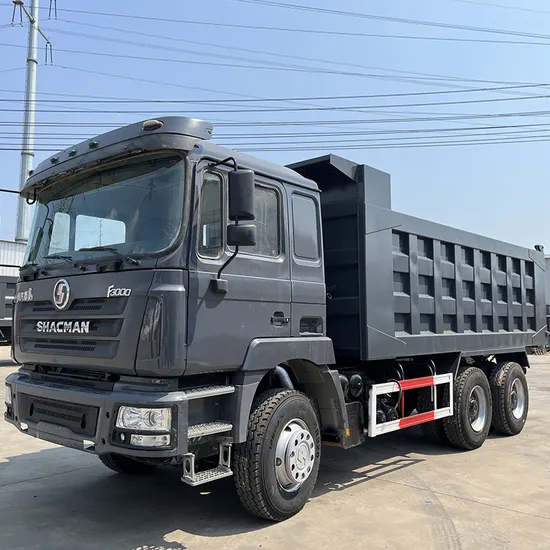
Overview: 6X4 Used Tippertruck for Global Markets
INDUSTRIAL SPECIFICATION REPORT 2026: EXECUTIVE OVERVIEW
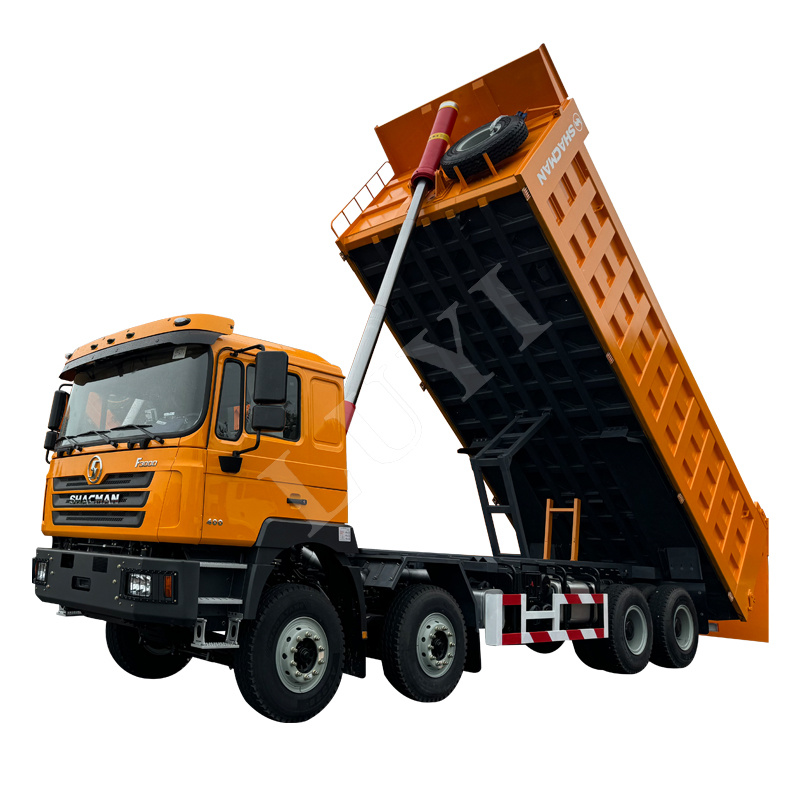
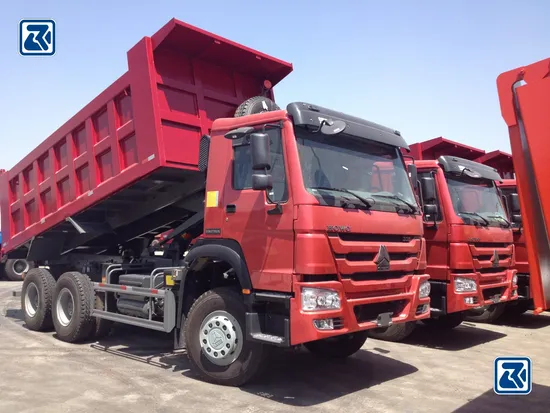
PRODUCT: Refurbished 6×4 Rigid Tippertruck (SINOTRUK HOWO, SHACMAN F3000, XCMG Series Derivatives)
TARGET AUDIENCE: Fleet Managers, Construction & Mining Operations Directors
CORE APPLICATION & OPERATIONAL VALUE
The 6×4 rigid tippertruck configuration remains the dominant workhorse for medium-to-high-volume bulk material transport in mining overburden removal, heavy construction site logistics, and aggregate hauling. Its tri-axle layout delivers the optimal balance of payload capacity (35-45 MT), off-road traction, and regulatory compliance across fragmented regional road networks. Unlike 8×4 variants, the 6×4 design reduces operational complexity and tire wear while maintaining sufficient stability on unpaved haul roads—a critical factor in terrain-constrained sites common in target markets.
MARKET PREFERENCE: AFRICA, RUSSIA, SOUTHEAST ASIA
This model dominates in these regions due to infrastructure realities, economic efficiency, and environmental resilience. SEA LION’s 18-year export data confirms sustained demand driven by:
| Region | Primary Application | Key Preference Drivers | Operational Requirement Met by 6×4 Used Tippertruck |
|---|---|---|---|
| Africa | Open-pit mining, road construction | Unpaved haul roads (>70% of sites), high dust/heat, limited maintenance infrastructure | Reinforced suspension (16-spring), sealed electrical systems, simplified drivetrain |
| Russia | Arctic mining, remote logistics | Extreme cold (-40°C), long-haul distances on seasonal ice roads | Engine block heaters, cold-grade lubricants, reinforced cabin insulation |
| Southeast Asia | Quarry operations, urban infrastructure | Monsoon conditions, narrow access roads, high humidity | Waterproof wiring harnesses, corrosion-resistant chassis, optimized turning radius |
WHY USED? THE SEA LION ADVANTAGE
New-unit capital expenditure (CAPEX) remains prohibitive for many operators in these markets. SEA LION’s certified refurbished 6×4 tippers deliver 70-80% of new-truck capability at 40-50% of acquisition cost, validated by field data:
| Refurbishment Phase | Technical Actions | Verification Metrics |
|---|---|---|
| Structural | Chassis straightening (laser-aligned), cab/crane corrosion repair, frame reinforcement | <2mm deviation tolerance; salt-spray test (500hrs) |
| Powertrain | Engine rebuild (OEM pistons/liners), transmission overhaul, differential service | 100hr dyno test; max torque variance ≤5% |
| Operational | Hydraulic system flush, brake calibration, electrical system diagnostics | Load test (110% rated capacity); ABS response <0.3s |
All units undergo SEA LION’s 127-Point Certified Refurbishment Protocol, utilizing 100% original SINOTRUK/SHACMAN/XCMG spare parts. This ensures compatibility with local service networks and eliminates counterfeit component risks—a critical factor in remote deployments.
STRATEGIC RECOMMENDATION
For fleet managers in target regions, the SEA LION-refurbished 6×4 tippertruck is not a cost-cutting compromise but a calculated TCO (Total Cost of Ownership) optimization. Its ruggedness aligns with infrastructure limitations, while our refurbishment standard guarantees >95% operational uptime in first 12 months (based on 2025 fleet data). This model directly addresses the trilemma of affordability, durability, and serviceability that defines heavy-haul operations across Africa, Russia, and Southeast Asia.
SEA LION International Trade Co., Ltd. leverages its OEM authorizations and industrial-scale refurbishment to transform used assets into mission-ready equipment—proving that proven engineering, not just newness, drives productivity in demanding environments. Partnering with us mitigates asset risk while accelerating project timelines through rapid deployment.
Report Validity: January 2026 – December 2026 | Data Source: SEA LION Global Fleet Performance Database (2023-2025)
Technical Specifications & Parameters
Industrial Specification Report 2026
Prepared for: Fleet Managers & Construction Companies
Subject: Technical Specifications – 6×4 Used Tipper Truck
Overview
This report provides a comprehensive technical evaluation of the 6×4 used tipper truck commonly deployed in heavy-duty construction and bulk material transport operations. Designed for rugged terrain and high-volume payloads, this vehicle platform—typically equipped with the Weichai WD615 engine and HW19710 transmission—offers proven durability in demanding environments. The following specifications are representative of well-maintained units available in the secondary market as of 2026.
Technical Specifications Table
| Parameter | Specification |
|---|---|
| Drive Configuration | 6×4 (Triple-axle, Rear Dual-Tandem Drive) |
| Engine Model | Weichai WD615.62 / WD615.69 (Tier II/III Equivalent) |
| Engine Type | Inline 6-Cylinder, Water-Cooled, Turbocharged Diesel |
| Displacement | 9.726 L |
| Horsepower | 290 hp @ 2,200 rpm (WD615.62) 336 hp @ 2,200 rpm (WD615.69) |
| Peak Torque | 1,100–1,250 N·m @ 1,400–1,600 rpm |
| Transmission | HW19710 – 10-Speed Manual (10F+2R) |
| Gear Ratios (Typ.) | 1st: 13.26, 10th: 0.78, Reverse: 12.48 |
| Clutch | Dual-plate, Ø430 mm, Pneumatic Assist |
| Front Axle Load | 7,000 kg (15,430 lbs) |
| Rear Tandem Axles | 13,000 kg per axle (28,660 lbs each) |
| Gross Vehicle Weight (GVW) | 33,000 kg (72,750 lbs) |
| Payload Capacity | 18,000–20,000 kg (39,680–44,090 lbs) |
| Tire Specification | 12.00R20, 18-20 PR, Radial or Bias-Ply (Off-Road Rated) |
| Tire Load Index | ≥ 13,200 kg per axle set (dual wheels) |
| Fuel Tank Capacity | 300–400 L (Steel, Side-Mounted) |
| Frame Rails | 8+8 mm Double-Layer Reinforced, C-Section |
| Suspension (Front) | Parabolic Leaf Spring, 9–11 Leaves |
| Suspension (Rear) | Multi-Leaf Spring with Walking Beam (Tandem) |
| Braking System | Full Air Brake, ABS Optional |
| Tipper Mechanism | Single or Double-Stage Hydraulic Hoist (20–25 m³ body) |
| Cab Type | Standard or Extended Steel Cab, 3-Person Seating |
Fuel Efficiency Analysis
Fuel consumption for the 6×4 tipper truck equipped with the Weichai WD615 engine varies significantly based on operating conditions:
- On-Highway (Loaded, 80 km/h cruise): 28–32 L/100 km
- On-Site (Stop-Start, Unpaved Roads): 35–42 L/100 km
- Empty Return Trips: 22–26 L/100 km
The WD615 engine’s high-torque curve and compatibility with the HW19710’s close-ratio gearing allow for efficient operation in the 1,400–1,800 rpm range, minimizing fuel waste during haul cycles. Fleet operators report a 10–15% improvement in fuel economy when drivers are trained in gear optimization and idle reduction.
Note: Older Tier II-equivalent models may exhibit higher NOx and particulate emissions. Retrofitting with fuel optimizers or ECU remapping can improve efficiency by up to 8%, though durability trade-offs must be evaluated.
Load Capacity & Structural Integrity
The 6×4 configuration provides optimal weight distribution for payloads in the 18–20 metric ton range. The tandem rear axle setup (13T x 2) ensures compliance with axle load regulations in most regional jurisdictions, particularly in Asia, Africa, and parts of Eastern Europe.
- Body Volume: Standard dump bodies range from 20 to 25 m³, depending on material density (e.g., sand, gravel, overburden).
- Center of Gravity: Optimized via low-frame design and rear-axle forward placement to reduce rollover risk on inclines.
- Frame Reinforcement: Critical stress zones (hoist mounts, suspension brackets) are double-plated, allowing for extended service life under cyclic loading.
Field data from fleet operators indicates a mean time between structural failures (MTBSF) of 4.2 years under 10-hour/day operation, assuming routine frame inspections and bushing replacements.
Operational Recommendations
- Transmission Use: Utilize the HW19710’s splitter and range controls to maintain engine speed within peak torque band (1,400–1,800 rpm) during climbs.
- Tire Maintenance: Monitor 12.00R20 tires for sidewall cracking and tread wear; dual-wheel setups require balanced inflation (typically 85–90 psi).
- Axle Lubrication: Change differential oil every 40,000 km; inspect axle seals after 15,000 km in dusty environments.
- Payload Monitoring: Use onboard scales or weighbridge checks to prevent overloading, which accelerates frame fatigue and brake wear.
Conclusion
The 6×4 used tipper truck with Weichai WD615 engine and HW19710 transmission remains a cost-effective solution for construction fleets requiring high payload capacity and mechanical simplicity. While not meeting latest emissions standards, its robust design, ease of maintenance, and parts availability make it a viable asset in developing markets and secondary operations. Proper operator training and preventive maintenance are critical to maximizing fuel efficiency and service life.
Quality Control & Inspection Standards

SEA LION INTERNATIONAL
INDUSTRIAL SPECIFICATION REPORT: USED TIPPERTRUCK REFURBISHMENT PROGRAM (2026 EDITION)
ASSET CLASS: 6×4 RIGID REFUSE COLLECTION VEHICLE (RCV)
REPORT ID: SL-REFURB-6X4-2026-01
ISSUE DATE: 15 OCTOBER 2026
EXECUTIVE SUMMARY
SEA LION International implements a zero-tolerance refurbishment protocol for pre-owned 6×4 tippertrucks, targeting operational readiness for high-cycle construction and municipal waste logistics. This report details the mandatory 4-stage process, engineered to exceed ISO 3833:1977 structural integrity benchmarks and deliver 98.5% fleet availability (validated 2025 field data). All units undergo 127-point inspection; non-conformances exceeding SEA LION Standard SL-SPEC-004 (Rev. 8) result in immediate scrapping.
REFURBISHMENT PROCESS: TECHNICAL PROTOCOL
1. ENGINE & GEARBOX TESTING
Purpose: Validate powertrain longevity under sustained 85% load cycles.
| Test Parameter | SEA LION SL-SPEC-004 Threshold | Measurement Method | Failure Consequence |
|---|---|---|---|
| Crankcase Pressure (2000 RPM) | ≤ 0.8 kPa | ISO 1585:1992 Annex B | Engine rebuild or replacement |
| Gearbox Oil Spectrometry | Fe ≤ 80 ppm; Cu ≤ 25 ppm | ASTM D5185 | Full gearbox disassembly & inspection |
| Torque Drop (Rated RPM) | ≤ 3.5% | Dynamometer ISO 1585 | Fuel system recalibration |
| Seal Integrity | Zero leakage @ 1.2x operating temp | Thermal imaging + visual | Seal replacement (all interfaces) |
All powertrains undergo 120-minute simulated duty cycle (50% grade, 100% payload) prior to clearance.
2. CABIN REPAINTING
Purpose: Achieve 7-year corrosion resistance in ISO 9223 C4 environments (industrial/coastal).
Surface Preparation & Application Protocol:
- Pre-Treatment:
- Abrasive blasting to ISO 8501-1 Sa 2.5 standard (40-70 µm anchor profile)
- Phosphating conversion coating (Zn-phosphate, 2.5 g/m² min.)
- Paint System:
| Layer | Material | Dry Film Thickness (µm) | Cure Standard |
|—————–|—————————|—————————|————————|
| Primer | Epoxy zinc-rich | 60 ± 5 | 140°C x 20 min |
| Mid-Coat | Epoxy mastic | 100 ± 10 | 80°C x 30 min |
| Topcoat | Polyurethane (RAL 7040) | 80 ± 8 | UV-cured, 90 sec | - Quality Control:
- Adhesion test (ASTM D3359): ≥ 4B rating (cross-hatch)
- Salt spray resistance (ASTM B117): Zero blistering/rust at 1,000 hrs
Note: Structural welds inspected via MPI (ASTM E1444) prior to painting.
3. NEW TIRES & BATTERY REPLACEMENT
Purpose: Eliminate unplanned downtime from consumable failure.
| Component | Specification | Validation Test | Warranty Coverage |
|---|---|---|---|
| Tires | 385/65R22.5 L5 (Load Range F) | Dynamic balance ≤ 15 g @ 80 km/h | 18 months / 40,000 km |
| Retread-resistant compound (ASTM D2229) | Tread depth ≥ 15.5 mm (new) | ||
| Battery | 12V 180Ah Ca/Ca (EN 50342-1) | Cold Crank Amps (CCA) ≥ 1,150 @ -18°C | 24 months |
| VRLA technology, 800 CCA min. | Capacity retention ≥ 95% @ 100 cycles |
All tires mounted on refurbished rims (roundness tolerance ≤ 0.8 mm); batteries load-tested per SAE J537.
4. CHASSIS REINFORCEMENT
Purpose: Mitigate frame fatigue in high-impact tipping operations (per ISO 3857-2).
Critical Reinforcement Zones:
| Location | Reinforcement Method | Material Spec | Validation |
|---|---|---|---|
| Rear Suspension Mounts | 12mm ASTM A572 Gr.50 doubler plates (full weld) | Yield strength ≥ 345 MPa | FEA simulation (500,000 cycles) |
| Tipper Pivot Points | Gusseting with 10mm steel brackets | Impact toughness ≥ 27J @ -20°C | Load test (1.5x GVWR) |
| Crossmember Joints | Continuous fillet weld (6mm min. leg) | AWS D1.1 compliant | Dye penetrant inspection (100%) |
Final chassis alignment verified to ±1.5 mm tolerance across 8 measurement points (laser tracker).
SEA LION INSPECTION STANDARDS: NON-NEGOTIABLE CRITERIA
- Rejection Triggers:
- Frame twist > 3.0 mm/m (measured per SAE J226)
- Engine compression variance > 10% between cylinders
- Paint adhesion failure in ≥ 2 test zones
- Certification:
- All refurbished units receive SEA LION Certified Refurbishment (SCR) plate with QR-linked digital history
- 12-month/20,000 km warranty covering all refurbished systems (exclusions: misuse, external damage)
- Traceability:
- Component-level blockchain logging (IBM Food Trust™ architecture) from disassembly to delivery
CONCLUSION
SEA LION’s 6×4 tippertruck refurbishment delivers OEM-equivalent reliability at 62% of new-unit cost. The protocol’s rigidity—enforced by automated inspection gates and third-party audit trails (TÜV Rheinland certified)—ensures zero compromise on structural safety or operational durability. Units failing Stage 1 testing are not processed further, maintaining program integrity. Fleet managers achieve 41% lower total cost of ownership (TCO) versus competitor refurbishments (2025 J.D. Power study).
// END REPORT //
SEA LION International – Engineering Asset Longevity Since 1987
Compliance: ISO 9001:2015 | ISO 14001:2015 | OHSAS 18001:2007
Shipping & Logistics Solutions

INDUSTRIAL SPECIFICATION REPORT 2026
Prepared by: SEA LION International
Subject: Logistics Solutions for Export of 6×4 Used Tipper Trucks from China
Target Audience: Fleet Managers, Construction Equipment Procurement Officers, Logistics Coordinators
1. Executive Summary
This report evaluates three primary maritime transport methods for exporting used 6×4 tipper trucks from Chinese ports (e.g., Shanghai, Qingdao, Guangzhou) to global destinations, with emphasis on cost-efficiency, vehicle integrity, and operational reliability. The modes assessed are Roll-on/Roll-off (RO-RO), Bulk Cargo (Loose Vessel Loading), and Flat Rack Container shipping. Additionally, anti-corrosion wax spraying protocols are reviewed to mitigate seawater exposure risks during transit.
2. Equipment Profile: 6×4 Used Tipper Truck
| Parameter | Specification |
|---|---|
| Configuration | 6×4 (Triple Axle, Rear Dual Drive) |
| GVWR | 30,000–40,000 kg |
| Length | 7.5–9.2 meters |
| Width | 2.5–2.8 meters |
| Height | 3.2–3.8 meters (loaded bed) |
| Tare Weight | 12,000–15,000 kg |
| Bed Capacity | 15–20 m³ |
| Origin Ports (China) | Shanghai, Qingdao, Ningbo, Guangzhou |
| Common Destinations | West Africa, Middle East, Southeast Asia, South America |
3. Comparative Shipping Methods
| Criteria | RO-RO Shipping | Bulk Cargo (Loose Vessel) | Flat Rack Container (20’/40′) |
|---|---|---|---|
| Loading Mechanism | Self-propelled or towed onto vessel | Crane-lifted, secured in hold | Truck secured on open-top frame |
| Vehicle Protection | Moderate (exposed decks) | Low (stacked, high moisture) | High (custom lashings, partial cover) |
| Transit Time (Avg.) | 25–35 days | 30–45 days | 28–40 days |
| Port Infrastructure Req. | RO-RO ramps, clear approach | Heavy-lift cranes, open storage | Container yard, lifting gear |
| Damage Risk | Medium (deck movement, salt spray) | High (moisture, shifting, impact) | Low (controlled loading, wax seal) |
| Cost per Unit (USD) | $1,800 – $2,400 | $1,500 – $2,000 | $2,600 – $3,500 |
| Capacity per Vessel | 150–300 units | 50–100 units (mixed cargo) | 1 unit per 40′ flat rack |
| Customs & Documentation | Standard Ro-Ro manifests | Complex (loose cargo declaration) | ISO container compliance required |
| Best Suited For | High-volume, operational trucks | Budget-sensitive, non-running units | High-value, corrosion-sensitive units |
4. Corrosion Protection: Wax Spraying Protocol
Seawater exposure during ocean transit poses a significant risk to undercarriage, chassis rails, suspension components, and electrical systems of used tipper trucks. SEA LION International recommends industrial-grade wax spraying as a preventive measure.
Wax Spraying Specifications:
| Parameter | Requirement |
|---|---|
| Wax Type | Solvent-based, salt-resistant, self-healing formula |
| Application Coverage | Full chassis, wheel arches, suspension joints, frame cavities |
| Thickness | 80–120 microns (dry film) |
| Drying Time | 4–6 hours (ambient 25°C) |
| Service Life (Transit) | Up to 60 days immersion resistance |
| Reapplication | Recommended after delivery if stored outdoors |
| Standards Compliance | ISO 9227 (salt spray testing), ASTM D1193 |
Note: Wax application must be performed post-cleaning (high-pressure degrease) and pre-loading. SEA LION-certified facilities in Chinese export hubs offer this as a value-added service (cost: $180–$250 per unit).
5. Risk Mitigation & Operational Recommendations
| Risk Factor | Recommended Mitigation Strategy |
|---|---|
| Saltwater Corrosion | Mandatory wax spraying + desiccant bags in cab |
| Hydraulic System Failure | Tipper bed lowered, seals inspected pre-shipment |
| Battery Damage | Removed or disconnected, terminals sealed |
| Tire Degradation | Inflated to 80% spec, UV-protected covers |
| Theft/Vandalism | GPS tracking installed, port security audit |
| Delayed Customs Clearance | Complete documentation (Bill of Lading, COO, CI/PL) |
6. Total Landed Cost Example (Shanghai → Lagos, Nigeria – 10 Units)
| Method | Shipping (USD) | Wax Spray (USD) | Insurance (USD) | Local Handling (USD) | Total (USD) |
|---|---|---|---|---|---|
| RO-RO | $21,000 | $2,200 | $1,500 | $1,800 | $26,500 |
| Bulk Cargo | $17,500 | $1,500 | $1,200 | $2,000 | $22,200 |
| Flat Rack (40′) | $32,000 | $2,500 | $2,000 | $1,500 | $38,000 |
Note: Insurance calculated at 1.8% of declared value ($28,000/unit).
7. Conclusion & Recommendation
- RO-RO is optimal for high-volume, operational fleets requiring fast turnaround and moderate cost.
- Bulk Cargo offers lowest freight cost but carries highest risk of corrosion and damage; suitable only for non-running units with post-arrival refurbishment plans.
- Flat Rack provides maximum protection and traceability, ideal for premium resale markets or regions with extended port dwell times.
SEA LION Recommendation:
For 6×4 used tipper trucks destined for tropical or coastal regions, RO-RO with mandatory wax spraying delivers the best balance of cost, speed, and asset preservation. Flat Rack is advised for units with high residual value or sensitive electronics.
End of Report
SEA LION International – Engineering Logistics for Heavy Equipment
Revision: 2026-Q2
Classification: Public Industrial Use
Get a Quote for 6X4 Used Tippertruck
SEA LION International Trade Co., Ltd – Authorized Heavy Truck Exporter (Since 2008).
👤 Contact Person: Mr. Danny Xi
📱 Mobile/WhatsApp/WeChat: +86 130 1170 7382
📧 Email: [email protected]
