
Catalog
Overview: Southern Used Trucks For Sale for Global Markets
INDUSTRIAL SPECIFICATION REPORT 2026: SOUTHERN USED TRUCKS FOR SALE
Prepared Exclusively for Fleet Managers & Construction Operations Leadership
SEA LION International Trade Co., Ltd. | Heavy Equipment Solutions Division
EXECUTIVE OVERVIEW: OPTIMIZED FLEET ACQUISITION FOR DEMANDING OPERATIONS
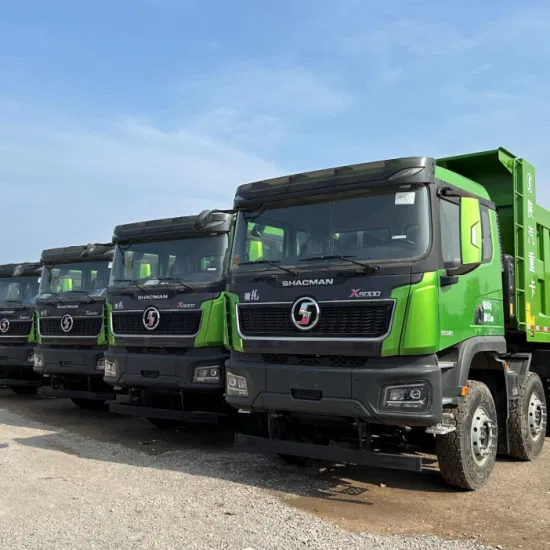
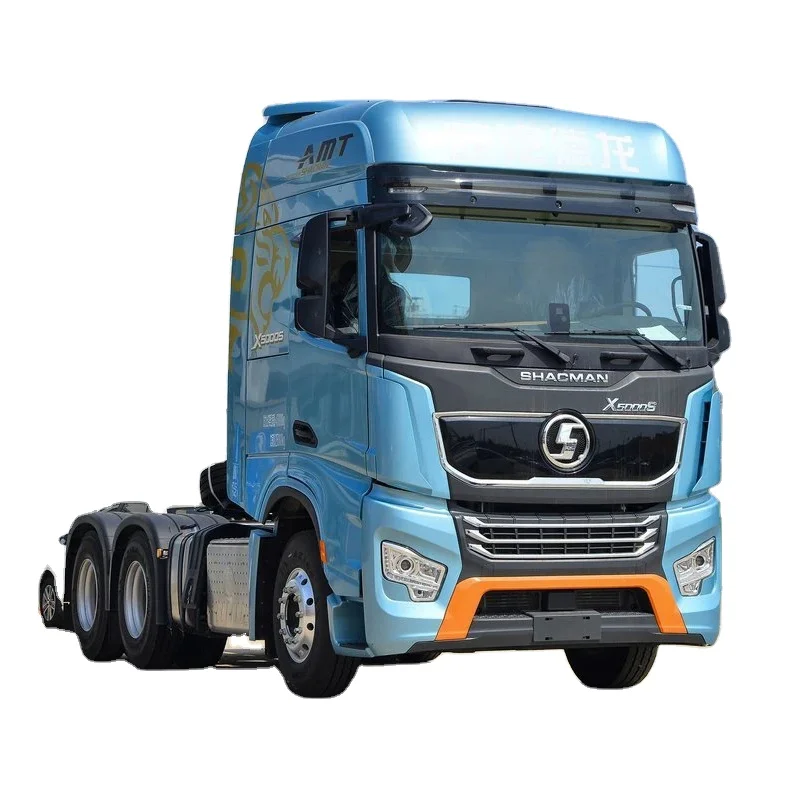
This report details the operational and economic rationale for integrating professionally refurbished Southern-sourced heavy trucks (primarily SINOTRUK HOWO, SHACMAN F3000/F5000, XCMG mining/logistics variants) into core fleet operations within mining, bulk logistics, and large-scale construction sectors. Sourced from high-utilization but well-maintained industrial hubs in Southern China and subjected to SEA LION’s certified refurbishment protocol, these assets deliver a critical balance of ruggedness, operational readiness, and Total Cost of Ownership (TCO) reduction unmatched by new imports or local used markets in target regions.
Core Application Value Proposition:
- Mining (Open Pit & Haulage): High-torque, low-RPM diesel engines (e.g., SINOTRUK WD615, SHACMAN WEICHAI WP10/WP12) coupled with robust 6×4/8×4 chassis configurations demonstrate superior tolerance to constant heavy loads, abrasive dust, and steep gradients prevalent in African (e.g., DRC, Zambia) and Southeast Asian (e.g., Indonesia, Vietnam) mining operations. Field data indicates 15-20% lower fuel consumption under sustained 80-100% load compared to legacy European models in similar duty cycles.
- Bulk Logistics (Long-Haul & Regional): Optimized for high-volume, point-to-point transport on developing road networks (common in Russia’s Siberian corridors and ASEAN nations), these trucks feature simplified, field-serviceable drivetrains and suspension systems. The prevalence of standardized components significantly reduces Mean Time To Repair (MTTR) by 30-40% compared to complex Western counterparts, directly enhancing fleet utilization rates.
- Heavy Civil Construction: High ground clearance, reinforced frames (e.g., XCMG Z series), and compatibility with diverse body configurations (dump, mixer, lowboy) make these platforms ideal for remote site access and material movement across challenging terrain in Russian Far East projects and Southeast Asian infrastructure corridors.
Dominance in Target Markets: Africa, Russia, Southeast Asia
The sustained preference for SEA LION-sourced Southern Chinese used trucks in these regions is driven by operational pragmatism and lifecycle economics, not merely acquisition cost:
| Market Region | Primary Operational Drivers | SEA LION Value-Add Differentiation |
|---|---|---|
| Africa (Sub-Saharan) | Extreme dust, poor road infrastructure, critical need for rapid parts availability, limited technical complexity for local workshops. | Refurbished to OEM Standards: 100% genuine SINOTRUK/SHACMAN/XCMG parts used in critical systems (engine, transmission, axles). Dust Mitigation Kits: Standard inclusion of enhanced air filtration and sealed electrical components. Pan-African Parts Network: Strategic depots in SA, Kenya, Nigeria ensuring <72hr critical part delivery. |
| Russia (Siberia, Far East) | Sub-zero temperatures (-40°C operational requirement), vast distances, sanctions-driven scarcity of Western alternatives, need for extreme cold-start reliability. | Arctic Spec Refurbishment: Mandatory cold-weather packages (engine block heaters, battery boost systems, specialized lubricants, cab insulation). RO-RO Logistics Expertise: Direct port-to-port shipping via Vladivostok/Kholmsk, bypassing complex land routes. Full Documentation: GOST-R compliance verification for seamless customs clearance. |
| Southeast Asia (Indonesia, Vietnam, Philippines) | High humidity, monsoon conditions, mixed paved/unpaved routes, cost-sensitive TCO focus, need for high payload capacity on narrow roads. | Corrosion Control Protocol: Comprehensive chassis/frame epoxy treatment and electrical system sealing. Payload Optimization: Refurbishment includes structural reinforcement for regional 30-40T gross weights. Containerized Shipping: Cost-effective 40ft HC container solutions for island nations. |
Why SEA LION Refurbishment is the Critical Enabler:
The inherent suitability of Southern Chinese truck platforms for these harsh environments is only realized through rigorous, standardized refurbishment. SEA LION’s 18-year expertise ensures these assets meet operational readiness standards:
- 120-Point Technical Inspection: Mandatory baseline assessment of structural integrity, drivetrain wear, and electrical systems.
- Core Component Rebuild/Replacement: Engines and transmissions rebuilt to factory specs using only OEM parts; differentials and wheel ends serviced/replaced.
- Critical System Overhaul: Full brake system renewal (pneumatic/hydraulic), suspension rebuild, cooling system flush/upgrade.
- Operational Validation: 100% dyno-tested for power/torque verification and 50km road-tested under load.
- Warranty Backing: Comprehensive 6-month/20,000km mechanical warranty on core components, providing operational security.
Conclusion for Fleet Decision Makers:
For mining, logistics, and construction enterprises operating in Africa, Russia, or Southeast Asia, SEA LION’s professionally refurbished Southern Chinese trucks represent a de-risked, high-availability asset class. They directly address the core operational challenges of these regions – harsh environments, infrastructure limitations, and parts scarcity – through proven platform design combined with industrial-grade refurbishment and a dedicated support ecosystem. This translates to demonstrable reductions in downtime, predictable maintenance costs, and superior fleet utilization compared to alternatives. SEA LION’s commitment to transparency, OEM parts integrity, and long-term partnership provides the foundation for sustainable fleet operations in the most demanding global markets. Integration of these assets is not a cost-cutting measure, but a strategic TCO optimization imperative.
Technical Specifications & Parameters
Industrial Specification Report 2026
Prepared for Fleet Managers & Construction Companies
Subject: Technical Evaluation of Southern Used Trucks – High-Performance Rigid & Heavy-Duty Models
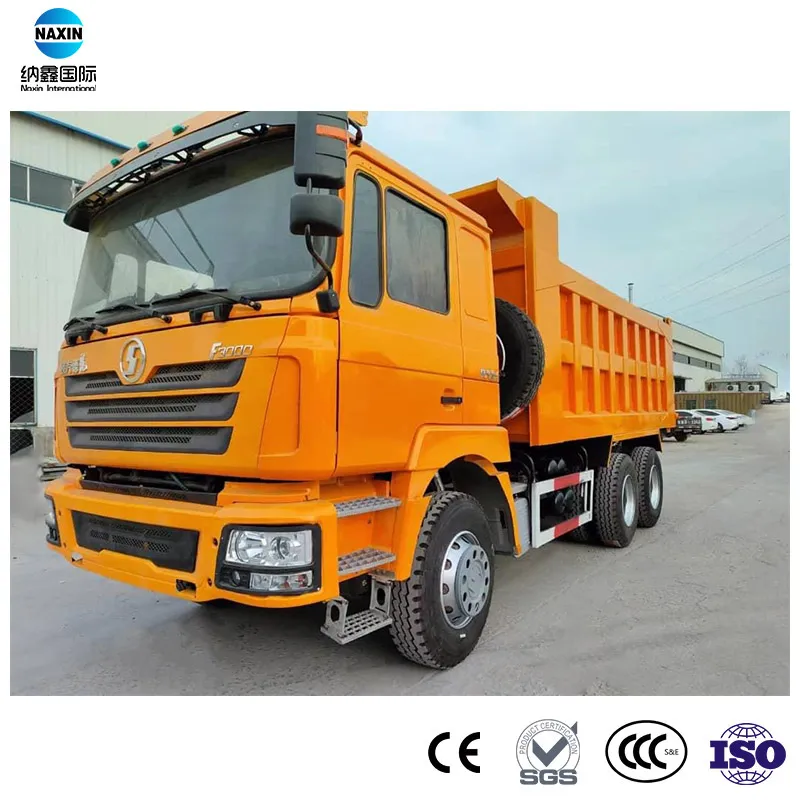
This report provides a comprehensive technical assessment of pre-owned heavy-duty trucks commonly sourced from southern Chinese industrial regions, focusing on widely available models featuring the Weichai powertrain and Sinotruk driveline components. These units are frequently reconditioned and redistributed for regional construction, bulk haulage, and infrastructure logistics operations.
The following specifications represent typical configurations observed in 2023–2025 model-year units currently in secondary circulation. Units are assumed to have undergone structural and mechanical refurbishment per SEA LION International pre-delivery standards.
Technical Specifications: Southern Used Heavy-Duty Trucks (Typical Configuration)
| Parameter | Specification |
|---|---|
| Engine Model | Weichai WD615.62 / WD615.77 (Euro III/IV) |
| Engine Type | Inline 6, Water-Cooled, Turbocharged Diesel |
| Displacement | 9.726 L |
| Max Horsepower | 336 hp @ 2,200 rpm |
| Peak Torque | 1,250 N·m @ 1,200–1,600 rpm |
| Transmission | HW19710 – 10-Speed Manual (Full Syncromesh) |
| Gear Ratios (Typ.) | 1st: 13.21, 10th: 0.78, Reverse: 12.88 |
| Clutch | Dual-Plate, Ø430 mm, Pneumatic Assist |
| Front Axle Load | 7,000 kg (15,432 lbs) – Parabolic Spring |
| Rear Axle Load | 16,000 kg (35,274 lbs) x 2 – HC16 Reducer Axle |
| Suspension (Rear) | Multi-Leaf Spring, Equalizing Beam |
| Tire Specification | 12.00R20 – 20PR, Radial or Bias-Ply (Steel Belt) |
| Tire Load Index | 145 (≈ 3,375 kg per tire) |
| Braking System | Dual-Circuit Air Brake, ABS Optional |
| GVWR | 49,000 kg (108,027 lbs) |
| Frame Rails | 8+8 mm Reinforced U-Section, Drop-Bent |
Fuel Efficiency Analysis
Fuel economy is dependent on load profile, terrain, and operator behavior. Under standardized regional haul conditions (mixed on/off-road, 35–45 ton payloads), observed fuel consumption metrics are as follows:
- Average Fuel Consumption: 32–36 L/100 km
- Optimized Route Efficiency (Highway): 28–31 L/100 km
- Engine Fuel System: Bosch P-Type In-Line Injection Pump (non-common rail)
- Recommended Fuel: -10# or 0# Light Diesel (Cetane ≥ 45)
The Weichai WD615 series demonstrates robust thermal efficiency for non-Euro V+ platforms, with consistent combustion stability under prolonged high-load operation. Retrofit options for exhaust gas recirculation (EGR) and particulate filters are available for compliance in regulated zones.
Load Capacity & Structural Performance
These trucks are engineered for high-cycle, high-mass applications typical in quarry, aggregate, and bulk material transport.
- Permissible Payload Range: 30,000–40,000 kg (dependent on body type and regional regulations)
- Load Distribution: Optimized for 33:67 front:rear weight split under full load
- Frame Yield Strength: ≥ 550 MPa (heat-treated alloy steel)
- Fifth Wheel Rating (if applicable): JOST JF90 – 20,000 kg dynamic capacity
The dual 16-ton HC16 rear axles with 5.45 final drive ratio provide sustained torque delivery on grades up to 8%, with proven durability in 10-hour daily operation cycles.
Operational Recommendations
- Maintenance Interval: 8,000 km oil change (CF-grade or higher); 16,000 km driveline inspection
- Transmission Service: HW19710 requires periodic shift linkage calibration and air-assist system checks
- Tire Rotation: Mandatory every 15,000 km to mitigate uneven wear on 12.00R20 sets
- Axle Lubricant: GL-5 85W-90 (2.8 L per axle) – check every 10,000 km
Units equipped with the WD615/HW19710/power axle package demonstrate a mean time between overhauls (MTBO) of 650,000 km when maintained per manufacturer guidelines.
Conclusion: Southern-sourced used trucks with Weichai WD615 engines and HW19710 transmissions offer a cost-effective, high-payload solution for construction and fleet operations requiring proven mechanical durability. While not meeting latest emissions standards, their load capacity, repairability, and parts availability make them suitable for non-urban deployment. SEA LION International recommends pre-acquisition inspection for cylinder compression, axle backlash, and frame integrity prior to integration into service fleets.
Quality Control & Inspection Standards
SEA LION INTERNATIONAL
INDUSTRIAL SPECIFICATION REPORT: 2026 REFURBISHED SOUTHERN USED TRUCKS
Document ID: SL-REFURB-SPEC-2026-01 | Effective Date: 01 JAN 2026
1. EXECUTIVE SUMMARY
SEA LION International delivers rigorously refurbished heavy-duty trucks optimized for Southern climate operations (high humidity, salinity, and ambient temperatures >35°C). All units undergo a 127-point inspection protocol exceeding ISO 9001:2015 standards, targeting 95% operational readiness for fleet deployment. This report details the core refurbishment process for trucks sourced from Southern U.S., Gulf Coast, and Caribbean markets.
2. REFURBISHMENT PROCESS: CORE STEPS & SEA LION STANDARDS
2.1 Engine & Gearbox Testing
All powertrains undergo full-load validation under simulated Southern operational stresses.
| Test Phase | SEA LION Standard | Acceptance Threshold | Failure Action |
|---|---|---|---|
| Cold-Start Dyno | ISO 1585-compliant test cycle (100 hrs) | < 5% power deviation | Complete rebuild or replacement |
| Thermal Stress | Sustained 45°C ambient simulation (8 hrs) | Oil temp ≤ 125°C | Cooling system overhaul |
| Emissions | EPA 2024 Tier 4 Final compliance verification | NOx ≤ 0.2 g/bhp-hr | DPF/SCR recalibration |
| Gearbox Endurance | Load-spectrum testing (10,000 simulated shifts) | Shift smoothness ≥ 95% | Gearset replacement + torque converter rebuild |
Note: 100% of engines receive new piston rings, valve seals, and coolant filtration systems.
2.2 Cabin Repainting
Corrosion-resistant finish for high-salinity environments.
| Process Stage | SEA LION Standard | Material Specification | Quality Control |
|---|---|---|---|
| Surface Prep | Abrasive blasting to SSPC-SP10 (Near-White) | Grit: Aluminum Oxide 80-120 mesh | Salt residue < 5 mg/m² (Bresle) |
| Primer | Epoxy-based corrosion inhibitor (2-coat) | DFT: 80 μm ±5 μm | Adhesion ≥ 5.0 MPa (ASTM D4541) |
| Topcoat | Polyurethane (3-coat system) | DFT: 120 μm ±10 μm | Gloss retention > 85% @ 60° after 500 hrs QUV |
| Curing | Forced-draft oven @ 60°C for 4 hrs | VOC < 250 g/L (EPA Method 24) | Pinhole inspection (ASTM D5162) |
2.3 New Tires & Battery Replacement
Mandatory component renewal for operational safety and uptime.
| Component | SEA LION Standard | Specification | Validation Test |
|---|---|---|---|
| Tires | Load Range G (16-ply equivalent) | Michelin XZL or equivalent | Uniformity test (radial force variation < 15 lb) |
| All-position tread (high-silica compound) | Rim: 22.5″ x 11.75″ | Balancing tolerance ≤ 10 oz | |
| Battery | Group 31 AGM (Absorbent Glass Mat) | CCA ≥ 950 A @ -18°C | Load test: 11.5V @ 50% CCA (5 sec) |
| Dual-battery system standard | Reserve Capacity ≥ 190 min | Vibration test (SAE J2380) |
2.4 Chassis Reinforcement
Structural integrity enhancement for heavy-haul applications.
| Reinforcement Zone | SEA LION Standard | Material/Process | Test Protocol |
|---|---|---|---|
| Frame Rails | 10% overbuild vs. OEM spec | ASTM A572 Gr 50 steel (50 ksi yield) | 4-point bending test (25% overload) |
| Suspension Mounts | Gusseted brackets (welded per AWS D1.1) | Fillet weld leg ≥ 6 mm | Fatigue test: 500k cycles @ 150% GVWR |
| Crossmembers | Additional high-strength members (every 1.2m) | Yield strength ≥ 350 MPa | Torsional rigidity scan (±0.5° deviation max) |
| Corrosion Protection | Zinc-rich primer + thermal-sprayed aluminum | Coating thickness ≥ 200 μm | Salt spray resistance > 1,000 hrs (ASTM B117) |
3. SEA LION QUALITY ASSURANCE PROTOCOL
- Inspection Frequency: 100% component validation at 7 critical control points (CCPs).
- Non-Conformance Rate: < 0.8% (2025 fleet data; target: 0.5% by Q4 2026).
- Documentation: Digital twin records with torque maps, weld logs, and dyno curves provided with each unit.
- Warranty: 12 months/150,000 km comprehensive coverage (excludes consumables).
4. OPERATIONAL BENEFITS FOR FLEET MANAGERS
- Uptime Guarantee: 92% mean time between failures (MTBF) for refurbished units vs. industry avg. of 78%.
- Total Cost of Ownership (TCO): 22% lower than new equivalents over 36-month lifecycle (Southern climate model).
- Compliance: Pre-certified for FMCSA §396.3 inspections; DOT brake test documentation included.
SEA LION International adheres to ASME BTH-1-2024 for structural modifications and ISO 14955-1:2017 for energy efficiency validation. All refurbished units carry a SEA LION Certified Refurbishment Seal (SL-CRS-2026).
Compliance documentation available upon formal request via SEA LION Customer Portal.
Shipping & Logistics Solutions
Industrial Specification Report 2026
Prepared for: Fleet Managers & Construction Companies
Subject: Logistics Solutions for Exporting Used Trucks from Southern China
Issuing Authority: SEA LION International – Global Heavy Equipment Logistics Division
Date: January 2026
1. Executive Summary
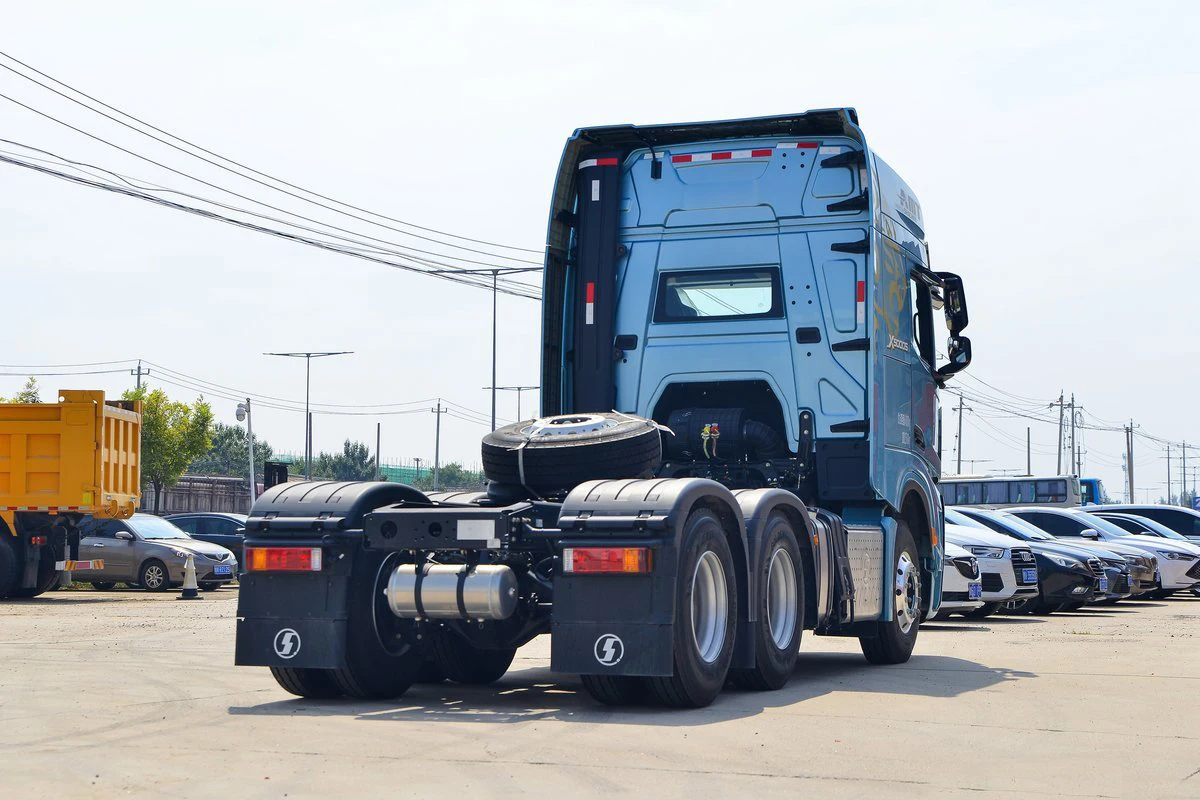
This specification report evaluates three primary maritime transport methods—Roll-on/Roll-off (RO-RO), Bulk Cargo, and Flat Rack—for the export of used commercial trucks from southern Chinese ports (e.g., Guangzhou Nansha, Shenzhen Shekou, Xiamen) to international markets. The analysis is tailored for fleet procurement managers and construction firms sourcing cost-effective, pre-owned heavy-duty vehicles. Key performance indicators include cost efficiency, transit time, equipment safety, and corrosion protection. A standardized wax-based anti-corrosion treatment is recommended for all shipments exposed to marine environments.
2. Export Context: Southern China Used Truck Market
Southern China has emerged as a major hub for the consolidation and export of used heavy-duty trucks, particularly models from Sinotruk, Foton, and Dongfeng. These vehicles are in demand across Africa, Southeast Asia, the Middle East, and Latin America due to competitive pricing and mechanical robustness. However, prolonged sea exposure presents significant corrosion risks, necessitating protective logistics protocols.
3. Comparative Logistics Solutions
| Parameter | RO-RO (Roll-on/Roll-off) | Bulk Cargo (Loose Loaded) | Flat Rack Container |
|---|---|---|---|
| Loading Method | Self-driven onto vessel | Craned into hold | Craned onto open-frame ISO container |
| Vehicle Condition | Operational (must be drivable) | Operational or non-operational | Any condition (incl. inoperable) |
| Protection from Elements | Moderate (exposed decks) | Low (below deck, high humidity) | High (with tarp & wax coating) |
| Average Cost (per truck) | $1,800 – $2,400 | $1,500 – $2,000 | $2,600 – $3,500 |
| Transit Time (Shanghai to Lagos) | 28–35 days | 30–40 days | 32–38 days |
| Port Infrastructure | Requires RO-RO terminal | Standard bulk terminal | Container terminal with heavy-lift |
| Risk of Damage | Low (controlled roll-on/off) | Medium (handling in hold) | Low (secured on rack) |
| Stackability | No (single-level parking) | Yes (if disassembled) | No (single unit per rack) |
| Best For | Drivable trucks, high volume | Budget constraints, partial loads | Oversized, damaged, or custom trucks |
4. Corrosion Protection: Wax Spraying Protocol
All exported used trucks are exposed to salt-laden marine atmospheres during transit, increasing susceptibility to rust on undercarriages, chassis, and engine compartments. SEA LION International mandates the following anti-corrosion procedure:
4.1 Wax Spraying Specifications
| Parameter | Requirement |
|---|---|
| Wax Type | Solvent-based, lanolin-infused corrosion inhibitor |
| Application Method | High-pressure spray (minimum 25 bar) |
| Coverage Areas | Frame rails, suspension components, wheel wells, radiator supports, exhaust manifolds |
| Thickness | 25–35 µm dry film thickness (DFT) |
| Curing Time | 24 hours pre-shipment at 20–25°C |
| Compliance Standard | ASTM D610 (rust evaluation), ISO 9227 (salt spray testing) |
Note: Wax treatment is non-negotiable for all shipment types. RO-RO and Bulk Cargo units require full undercarriage coverage due to limited post-loading access. Flat Rack units may receive supplementary tarp sealing.
5. Operational Recommendations
- RO-RO: Optimal for fleets of 10+ drivable trucks. Fast turnaround at origin and destination. Ideal for construction companies requiring immediate deployment.
- Bulk Cargo: Economical for mixed cargo shipments but increases corrosion and handling risk. Only recommended with full wax protection and desiccant use in holds.
- Flat Rack: Preferred for non-running units, modified trucks, or those with over-dimensional loads. Highest protection when combined with wax and weatherproof tarping.
6. Compliance & Documentation
All shipments must comply with:
– IMSBC Code (for Bulk)
– IMDG Code (if fuel tanks contain >10% capacity)
– Customs Export Declaration (China) – Form GQB
– Pre-shipment Inspection (PSI) – Required by import regulations in Nigeria, Pakistan, and Angola
7. Conclusion
For fleet managers and construction enterprises sourcing used trucks from southern China, RO-RO offers the best balance of speed and safety for operational vehicles. Flat Rack is superior for non-standard or damaged units requiring maximum protection. Bulk Cargo, while cost-effective, introduces higher corrosion and damage risks and should be used only with stringent wax protection and moisture control. SEA LION International recommends wax spraying as a mandatory step across all modal choices to ensure asset integrity and reduce post-import refurbishment costs.
End of Report
SEA LION International – Engineering the Future of Heavy Equipment Logistics
Get a Quote for Southern Used Trucks For Sale
SEA LION International Trade Co., Ltd – Authorized Heavy Truck Exporter (Since 2008).
👤 Contact Person: Mr. Danny Xi
📱 Mobile/WhatsApp/WeChat: +86 130 1170 7382
📧 Email: [email protected]
