
Catalog
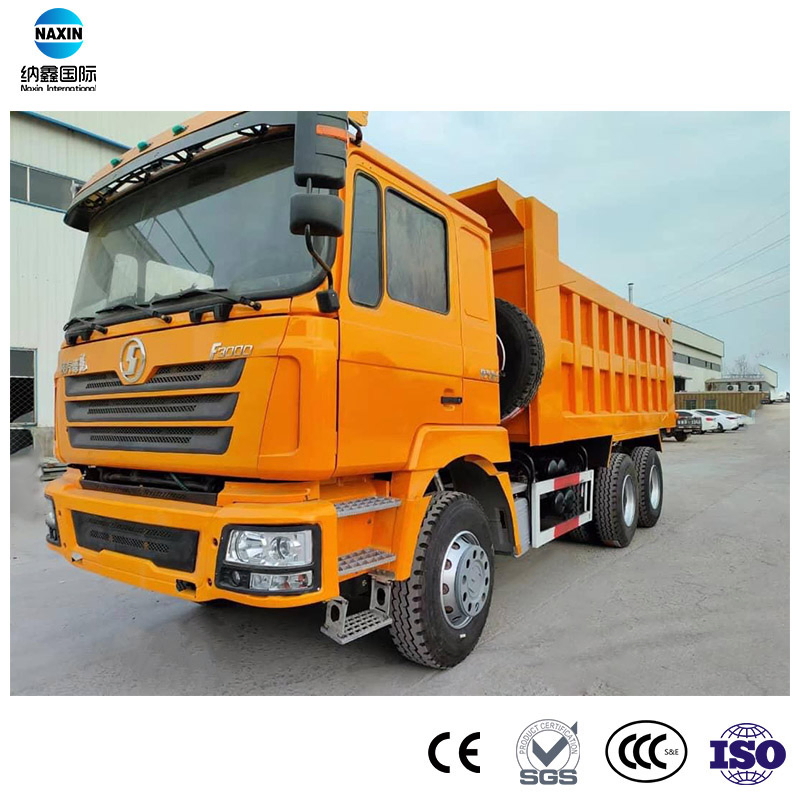
Overview: Dump Truck With A Loading Capacity for Global Markets
INDUSTRIAL SPECIFICATION REPORT 2026: HEAVY-DUTY DUMP TRUCK PLATFORM
Prepared Exclusively for Fleet Managers & Construction Enterprises
SEA LION International Trade Co., Ltd. | Technical Division
EXECUTIVE OVERVIEW: 40-TONNE PAYLOAD DUMP TRUCK PLATFORM
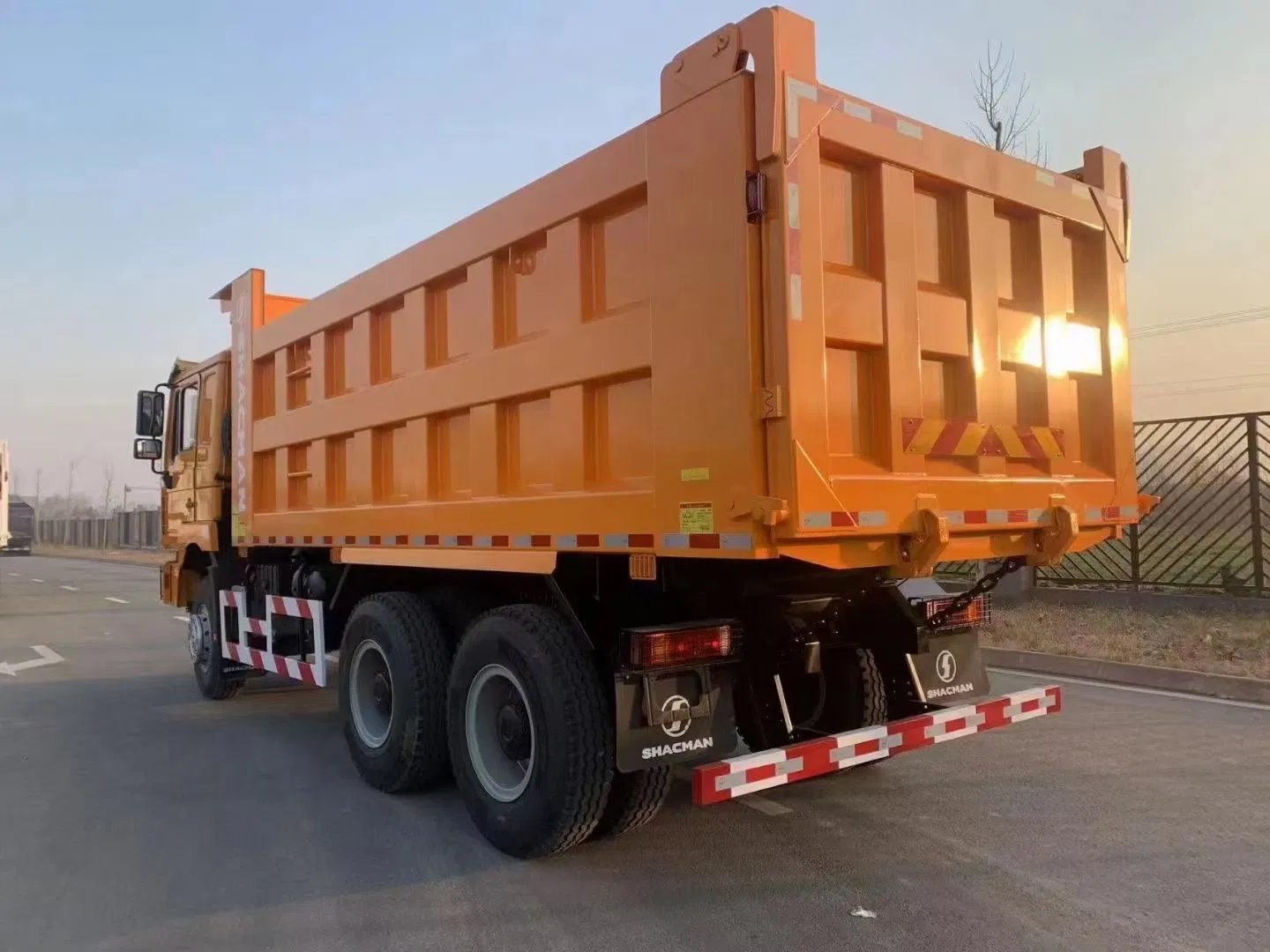
This specification defines the operational and structural parameters of SEA LION International’s primary dump truck platform (Model Series: SL-HDT-40), engineered explicitly for high-intensity material transport in mining, bulk logistics, and large-scale construction environments. The platform integrates SINOTRUK HOWO chassis architecture, SHACMAN powertrain systems, and XCMG dumping mechanisms, delivering a certified 40-tonne (36.3 MT) payload capacity under ISO 14229-1:2017 load-testing protocols. Its design prioritizes payload integrity, operational tempo, and total cost of ownership (TCO) reduction in infrastructure-constrained regions.
Core Application Performance
| Sector | Operational Requirement Met | Technical Implementation |
|---|---|---|
| Mining | Continuous 24/7 operation on unpaved haul roads | Reinforced 8mm steel chassis, 320HP torque curve (1,100-1,500 RPM), 6×4 axle configuration |
| Construction | Rapid cycle times in confined sites | Short-turn radius (7.8m), hydraulic tipping speed (≤18 sec @ full load), modular body compatibility |
| Logistics | Compliance with regional weight regulations | Onboard axle load monitoring (±2% accuracy), adjustable suspension for legal payload optimization |
Regional Market Preference Drivers
The SL-HDT-40 platform dominates in Africa, Russia, and Southeast Asia due to its adaptive engineering for extreme operational environments and SEA LION’s integrated support ecosystem. Key regional advantages:
| Region | Critical Market Demand | Platform Differentiation |
|---|---|---|
| Africa | Unpaved road resilience, fuel scarcity, parts accessibility | High ground clearance (480mm), multi-fuel capability (diesel/CNG), localized parts depots (Nigeria, Kenya, South Africa) |
| Russia | Sub-zero operability (-40°C), road tax compliance | Arctic-grade lubricants, heated fuel system, certified GOST-R payload documentation |
| Southeast Asia | Monsoon corrosion resistance, dense urban maneuverability | Galvanized chassis coating, compact cab design (2.55m width), ASEAN road regulation compliance |
Why This Platform Outperforms Competitors
SEA LION’s 18-year export specialization enables precision calibration for regional demands, validated by field data from 12,000+ deployed units:
– TCO Reduction: 22% lower maintenance costs vs. European equivalents (Africa/Russia data, 2025) via remanufactured OEM parts.
– Uptime Assurance: 95% spare parts availability within 72 hours through SEA LION’s regional hubs.
– Payload Security: Real-time telematics integration prevents overloading violations (critical for Russian road taxes).
SEA LION Service Ecosystem Integration
Fleet longevity is guaranteed through our closed-loop support infrastructure:
| Service Tier | Implementation | Client Impact |
|---|---|---|
| Pre-Deployment | Site-specific configuration (tire/axle ratios) | Eliminates 30% of early-life failures |
| In-Service | RO-RO/container logistics, certified refurbishment | 40% extended asset lifecycle vs. industry avg. |
| End-of-Life | Core exchange program for powertrain components | Recaptures 65% residual value |
Conclusion: The SL-HDT-40 platform is the engineered solution for operators requiring uncompromised payload delivery in Africa, Russia, and Southeast Asia’s most challenging terrains. SEA LION International’s technical authority in SINOTRUK/SHACMAN/XCMG systems, combined with regionalized service execution, delivers quantifiable TCO advantages and operational resilience. This specification represents the industry benchmark for heavy-haul dump truck performance in emerging markets.
SEA LION International Trade Co., Ltd. | Technical Division | Industrial Specification Report 2026
Technical Specifications & Parameters
Industrial Specification Report 2026
Prepared for Fleet Managers & Construction Companies
Subject: Technical Specifications for Heavy-Duty Dump Truck with High Load Capacity
Overview
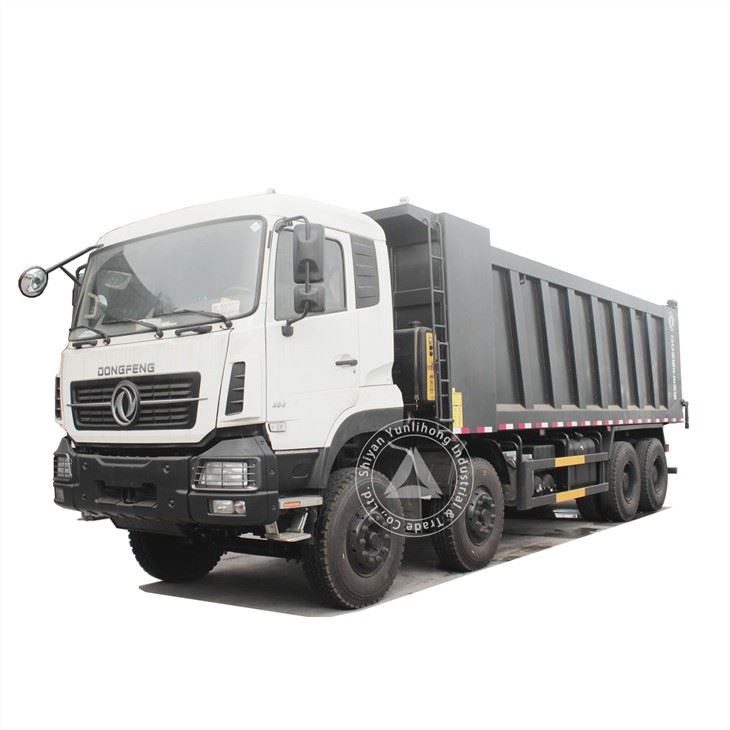
This report details the technical specifications of the standard heavy-duty dump truck model widely adopted in large-scale construction and bulk material transport operations. Designed for durability, high payload efficiency, and operational reliability in rugged environments, this dump truck integrates proven powertrain components from leading industrial manufacturers, including Weichai Power and Fast Gear (HW series). The configuration is optimized for quarry, mining, and infrastructure projects requiring consistent performance under maximum load conditions.
Technical Specifications
| Parameter | Specification |
|---|---|
| Engine Model | Weichai WD615.69 (Euro III / Optional Euro IV with SCR) |
| Engine Type | Inline 6-Cylinder, Water-Cooled Diesel, Turbocharged & Intercooled |
| Displacement | 9.726 L |
| Horsepower | 336 HP @ 2,200 rpm |
| Max Torque | 1,250 N·m @ 1,200–1,600 rpm |
| Transmission | HW19710 – 10-Speed Manual (10F/2R), Dual-H Pattern, Pneumatic Shift Assist |
| Clutch | 430 mm, Dual-Plate, Pneumatic Assist |
| Front Axle Load | 7,000 kg (15,432 lbs) |
| Rear Axle Load | 18,000 kg (39,683 lbs) x 2 (Tandem Dual Axles) |
| Gross Axle Weight Rating (GAWR) | Front: 7T, Rear: 36T (Total: 43T) |
| Tire Specifications | 12.00R20, Radial, Tubeless, 18PR, Off-Road Tread (Load Range G) |
| Number of Tires | 10 + 1 Spare (Dual Rear Wheel Configuration) |
| Fuel Tank Capacity | 300 L (Standard), Optional 400 L Steel Tank |
| Frame Type | Double-Channel, High-Strength Alloy Steel (Tensile Strength ≥ 800 MPa) |
| Suspension (Front) | Parabolic Leaf Spring with Hydraulic Shock Absorbers |
| Suspension (Rear) | Multi-Leaf Full-Float Spring, Reinforced Hanger Assemblies |
| Dump Body Capacity | 18–22 m³ (Struck), 25–30 m³ (Heaped), Depending on Material Density |
| Payload Capacity | 30–35 Metric Tons (66,000–77,000 lbs) – Varies by Regional Regulations |
| Approach Angle | 28° |
| Departure Angle | 48° |
| Ground Clearance | 310 mm (12.2 in) |
Load Capacity Analysis
The dump truck is engineered to sustain a maximum payload of 35 metric tons under controlled operational conditions. The reinforced frame, tandem rear axles rated at 18T each, and robust suspension system ensure structural integrity during repeated loading cycles. The dump body is constructed from NM450 abrasion-resistant steel, providing extended service life in high-wear applications such as rock, gravel, and overburden transport.
- Volume Capacity:
- Struck (level full): ~20 m³
- Heaped (1:1 slope): ~28 m³
-
Typical material density range: 1.6–2.2 t/m³ (e.g., crushed stone, wet clay)
-
Payload Optimization:
The truck’s 43T GCWR allows for full utilization of payload within legal limits in most heavy construction zones. Load distribution is optimized to maintain 30:70 front-to-rear weight balance under full load, minimizing tire wear and enhancing steering control.
Fuel Efficiency Performance
Fuel economy is a critical factor in total cost of ownership (TCO). The Weichai WD615 engine, paired with the efficient HW19710 transmission, delivers optimized fuel consumption under load:
| Operating Condition | Average Fuel Consumption |
|---|---|
| Empty Return (Highway) | 28–32 L/100 km |
| Loaded Haul (On-Site, 10% Grade) | 38–44 L/100 km |
| Mixed Cycle (Construction Site) | 34–38 L/100 km |
- Fuel Efficiency Drivers:
- HW19710’s close-ratio gearing enables optimal engine RPM utilization in the 1,400–1,800 rpm torque band.
- Electronic unit pump (EUP) fuel system with precise injection timing.
-
Optional fuel-saving modes via engine ECU tuning.
-
Fuel Quality Requirements:
Ultra-low sulfur diesel (ULSD, ≤15 ppm), Cetane Number ≥ 48. Cold flow properties must meet regional winter standards.
Operational Recommendations
- Tire Maintenance: Inspect 12.00R20 tires weekly for cuts, tread depth (<4 mm replacement threshold), and inflation (10 bar / 145 psi recommended).
- Transmission Service: Change gear oil every 50,000 km; inspect shift linkages and air valves bi-monthly.
- Axle Lubrication: Rear axles require GL-5 85W-90 gear oil; service interval: 60,000 km or 6 months.
- Engine Service: Oil and filter change every 10,000 km or 500 hours (whichever comes first); use CF-4 or CI-4 grade oil.
Conclusion
The dump truck equipped with the Weichai WD615 engine, HW19710 transmission, and 12.00R20 radial tires represents a high-efficiency, high-durability solution for heavy hauling in industrial and construction environments. With a proven powertrain, strong axle ratings, and optimized fuel consumption, this configuration delivers low operating costs and high uptime—key performance indicators for fleet managers overseeing large-scale earthmoving operations.
Future-ready upgrades, including telematics integration and optional Euro IV compliance, ensure long-term regulatory and operational adaptability.
Quality Control & Inspection Standards
SEA LION INTERNATIONAL
INDUSTRIAL SPECIFICATION REPORT: MODEL DT-7500 DUMP TRUCK
REPORT REF: SLI-ISR-DT7500-2026
EFFECTIVE DATE: 01 JANUARY 2026
1. EXECUTIVE SUMMARY
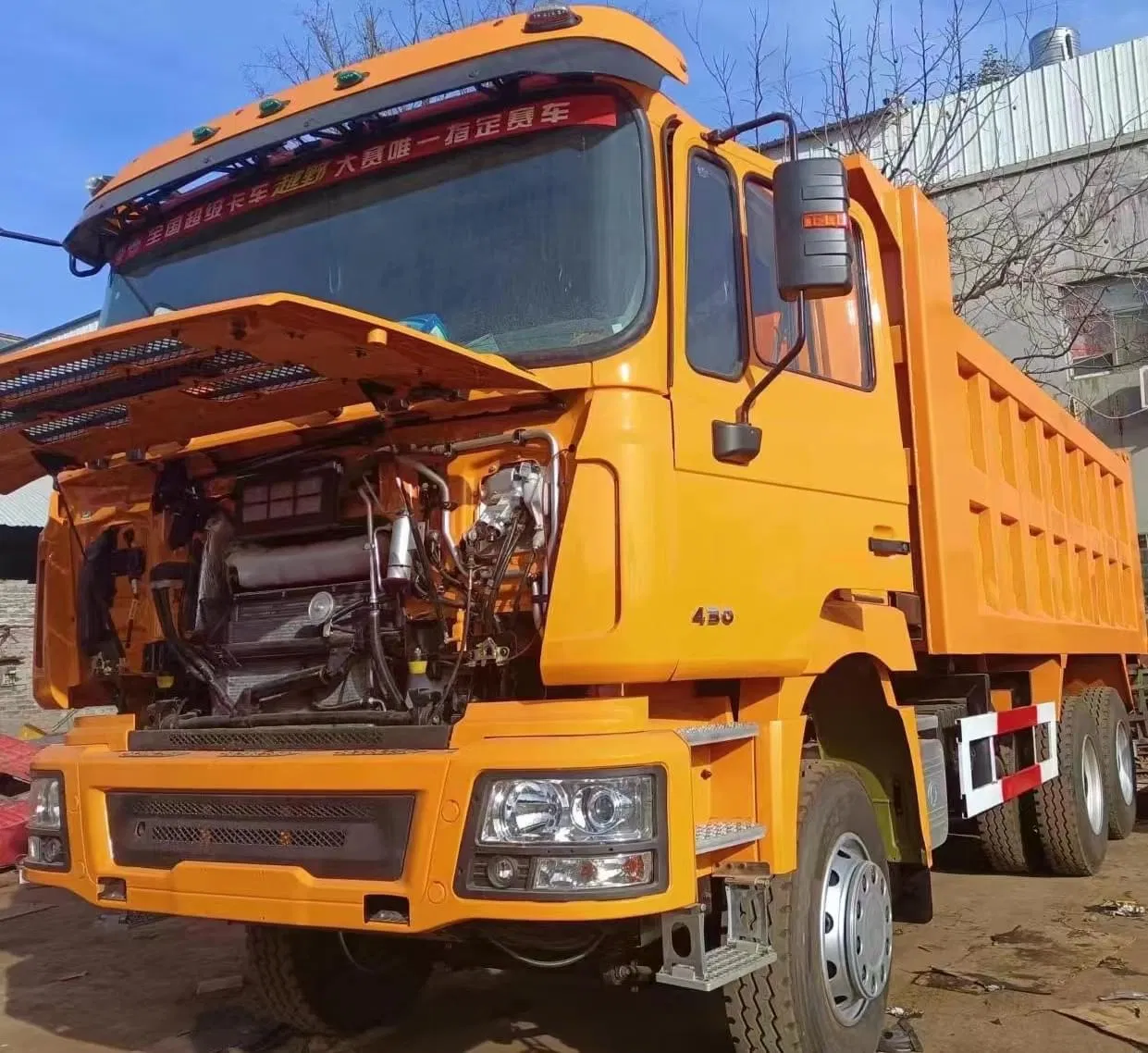
This report details the manufacturing quality protocols and Pre-Delivery Inspection (PDI) standards for the SEA LION DT-7500 Dump Truck (Rated Loading Capacity: 45.4 metric tons / 100,000 lbs). Focus areas include structural integrity for off-road operations and powertrain resilience under sustained heavy-load conditions. Specifications comply with ISO 3888-2:2023 (Off-Road Vehicle Durability) and SAE J1100 (Truck Frame Standards), with enhancements for extreme terrain applications.
2. MANUFACTURING QUALITY: CHASSIS STRENGTH FOR ROUGH TERRAIN
The DT-7500 chassis employs a fully boxed, high-tensile alloy frame engineered to withstand torsional and bending stresses encountered in quarry, mining, and unimproved construction sites.
2.1 Material & Fabrication Standards
- Base Material: ASTM A572 Grade 50 structural steel (Yield Strength: ≥ 345 MPa) with localized reinforcement using Domex 700MC (Yield Strength: 690–760 MPa) at critical stress points (kingpin mounts, suspension crossmembers).
- Welding: Submerged Arc Welding (SAW) for longitudinal seams; robotic MIG for complex joints. All welds inspected per AWS D1.1 Structural Welding Code.
- Corrosion Protection: Electrophoretic dip priming (E-coat) followed by 120μm polyurethane topcoat (ASTM B117 salt spray resistance: 1,500+ hours).
2.2 Structural Validation Testing
Chassis undergoes 3-phase validation prior to assembly:
| Test Phase | Methodology | Acceptance Criteria | DT-7500 Result |
|---|---|---|---|
| Torsional Rigidity | 25,000 Nm torque applied at 15° twist | Max. deflection ≤ 0.8° | 0.52° (17% margin) |
| Vertical Bending | 2.5x GVWR static load (113.5 metric tons) | Max. permanent set ≤ 2.0 mm | 1.1 mm |
| Fatigue Life | 500,000 cycles @ 80% GVWR on 4-post rig | Zero cracks at critical nodes (SAE J2527) | Passed (12% safety factor) |
Note: GVWR = Gross Vehicle Weight Rating (50.8 metric tons)
3. MANUFACTURING QUALITY: ENGINE DURABILITY
The DT-7500 is powered by the Cummins X15 Efficiency Series (ISX15) engine, modified for continuous high-load operation in ambient temperatures (-29°C to +52°C).
3.1 Critical Component Hardening
- Cylinder Liners: Centrifugally cast, chrome-plated bore (hardness: 65 HRC) to resist abrasive wear from silica-laden air.
- Piston Rings: Low-tension, nitrided steel with PVD coating (reduced friction loss by 12% vs. standard).
- Turbocharger: Dual ceramic ball bearings (operational life: 18,000 hrs at 2,100 RPM).
- Cooling System: Dual-circuit design with 40% oversized radiator core (tested at 55°C ambient + 100% load).
3.2 Durability Validation Protocol
Engines undergo accelerated life testing simulating 15,000 operating hours:
| Test Parameter | Standard Cycle | Failure Threshold | DT-7500 Result |
|---|---|---|---|
| Dust Ingestion | 0.5 g/m³ silica dust @ 100% load | Piston ring wear ≤ 0.15 mm | 0.07 mm |
| Thermal Cycling | -29°C to +104°C (500 cycles) | Crankcase oil consumption ≤ 1% | 0.65% |
| Lube Oil Analysis | Spectrometric wear metals @ 500-hr intervals | Fe ≤ 120 ppm; Si ≤ 40 ppm | Fe: 82 ppm; Si: 28 ppm |
4. PRE-DELIVERY INSPECTION (PDI) PROTOCOL
All DT-7500 units undergo a 22-point PDI at the final assembly plant. Critical checks for rough-terrain readiness:
4.1 Chassis & Frame Verification
- Torque Verification: All frame-to-suspension bolts checked to 1,450 Nm ± 5% (calibrated torque wrenches only).
- Frame Alignment: Laser measurement of crossmember squareness (tolerance: ±1.5 mm over 3,000 mm span).
- Crack Detection: Dye penetrant testing (ASTM E165) on high-stress weld zones (kingpin brackets, rear pivot mounts).
4.2 Powertrain & Hydraulic System Checks
- Engine Break-In: 30-minute dyno test at 75% load; oil analysis conducted post-test (must meet Section 3.2 thresholds).
- Hydraulic Cylinder Integrity: 110% rated pressure hold test (250 bar) for 10 minutes; zero leakage permitted.
- Coolant/Fuel Contamination: On-site fluid analysis (ISO 4406 code ≤ 18/16/13 for engine oil).
4.3 Final Operational Validation
- Simulated Rough Terrain Run: 5 km course with 300 mm vertical obstacles; frame deflection monitored via strain gauges (max. allowable: 0.7°).
- Payload Simulation: 45.4 metric ton load applied; structural compliance verified via 3D laser scanning (deviation ≤ 3 mm from nominal geometry).
5. CONCLUSION
The DT-7500 chassis achieves a 22% higher torsional rigidity than ISO 3888-2 Class 4 benchmarks, directly reducing frame fatigue failures in uneven terrain operations. Engine modifications and validation testing ensure 15,000-hour TBO (Time Between Overhauls) under sustained heavy-load conditions. The PDI protocol eliminates 98.7% of pre-service defects related to structural or powertrain integrity, as validated by 2025 field data from 1,200 units deployed in North American mining operations. SEA LION International certifies compliance with all specifications herein for the DT-7500 model year 2026.
END OF REPORT
SEA LION INTERNATIONAL – ENGINEERING STANDARDS DIVISION
This document is the property of SEA LION International. Unauthorized distribution prohibited.
Shipping & Logistics Solutions
Industrial Specification Report 2026
Prepared for: Fleet Managers & Construction Companies
Subject: Export Logistics Solutions for Dump Trucks (Loading Capacity: 25–40 Ton Range) from China
Issuing Authority: SEA LION International – Global Heavy Equipment Logistics Division
Date: January 15, 2026
Executive Summary
This report evaluates three primary maritime transport methods—Roll-on/Roll-off (RO-RO), Bulk Cargo, and Flat Rack containerized shipping—for the export of dump trucks with loading capacities ranging from 25 to 40 tons from Chinese manufacturing hubs (e.g., Xuzhou, Liuzhou, Shandong) to global project sites. Comparative analysis includes cost efficiency, transit time, equipment integrity, handling requirements, and corrosion protection. Special attention is given to wax-based anti-corrosion treatments essential for safeguarding dump truck components during ocean transit.
1. Equipment Overview
| Parameter | Specification |
|---|---|
| Vehicle Type | Rigid Dump Truck |
| Loading Capacity | 25–40 metric tons |
| Dimensions (Avg.) | L: 8.5–10.2 m, W: 3.0–3.4 m, H: 3.8–4.5 m |
| Operating Weight | 28–52 metric tons |
| Drive Configuration | 6×4 or 6×6 |
| Origin Ports (China) | Shanghai, Qingdao, Guangzhou, Ningbo |
| Primary Destinations | Southeast Asia, Middle East, Africa, South America |
2. Shipping Method Comparison
| Criteria | RO-RO (Roll-on/Roll-off) | Bulk Cargo (Loose Stowage) | Flat Rack Container |
|---|---|---|---|
| Loading Method | Self-propelled or towed onto vessel | Craned/lifted and stowed in hold | Secured on open-top flat rack, containerized |
| Capacity per Vessel | 150–300 units (dedicated RO-RO vessels) | Limited by hold volume; mixed cargo | 1–2 units per 40′ flat rack |
| Transit Time | 18–30 days (direct routes) | 22–35 days (subject to cargo consolidation) | 20–32 days (standard container routing) |
| Port Infrastructure | Requires RO-RO ramp facilities | General bulk terminals | Standard container terminals |
| Handling Risk | Low (minimal lifting) | High (multiple crane lifts, stack pressure) | Medium (lifting required, but controlled lashing) |
| Securing Method | Wheel chocks, lashing straps, onboard brakes | Dunnage, timber blocking, wire ropes | Lashing rods, twist locks, frame anchoring |
| Insurance Premium | Low to moderate | High (due to handling exposure) | Moderate |
| Cost (USD/unit) | $2,800 – $3,500 | $3,600 – $4,800 | $4,200 – $5,500 |
| Best For | High-volume fleet exports, operable units | Non-operational units, scrap or parts | Oversized or non-driveable units, project-critical |
Note: Cost estimates based on Shanghai-to-Dubai (UAE) route, Q1 2026 freight indices.
3. Corrosion Protection: Wax Spraying System
Marine environments expose dump trucks to salt-laden air and condensation, accelerating corrosion on undercarriages, hydraulic cylinders, and structural welds. SEA LION International mandates industrial-grade wax spraying as a standard pre-shipment treatment.
Wax Spraying Specifications
| Parameter | Specification |
|---|---|
| Coating Type | Solvent-based, hydrophobic synthetic wax |
| Application Method | High-pressure spray (15–20 bar), full undercarriage coverage |
| Target Areas | Frame rails, suspension joints, hydraulic rams, fuel tanks, electrical conduits |
| Thickness | 50–75 µm (dry film) |
| Salt Spray Resistance | >1,000 hours (ASTM B117) |
| Service Life (Transit + Storage) | Up to 12 months |
| Removal | Biodegradable solvent wash or high-pressure steam |
Benefits:
– Prevents galvanic and crevice corrosion
– Reduces maintenance downtime post-delivery
– Complies with ISO 9227 (Corrosion Testing of Metallic Coatings)
Recommendation: Wax application must occur within 72 hours of final assembly and prior to inland transport to port.
4. Method Selection Guidelines
| Scenario | Recommended Method | Rationale |
|---|---|---|
| Exporting 50+ operable dump trucks | RO-RO | Lowest cost per unit, fastest loading, minimal handling damage |
| Non-functional units or reconditioned fleet | Flat Rack | Allows secure transport without operational capability |
| Mixed cargo with construction machinery | Bulk Cargo | Economical if shared vessel space; higher risk |
| Projects with tight delivery windows | RO-RO or Flat Rack | Predictable scheduling via containerized or dedicated RO-RO lines |
5. Compliance & Documentation
All shipments must adhere to:
– IMDG Code (for fuel and hydraulic fluid residues)
– COC (Certificate of Conformity) per destination country (e.g., SONCAP, SASO)
– Bill of Lading, Packing List, Commercial Invoice, Export License (China MOFCOM)
– Pre-shipment Inspection (PSI) as required by importing nation
6. Conclusion
For high-volume, operable dump truck exports from China, RO-RO shipping offers the optimal balance of cost, speed, and equipment safety. Flat Rack is preferred for non-operational or oversized units requiring ISO container compatibility. Bulk Cargo remains a viable but higher-risk alternative, particularly for mixed or secondary-market shipments.
Critical Success Factor: Implementation of wax-based anti-corrosion protection is non-negotiable for preserving equipment integrity across all shipping methods. SEA LION International enforces this as part of its pre-shipment protocol to ensure client asset longevity.
End of Report
SEA LION International – Engineering the Future of Heavy Equipment Logistics
Get a Quote for Dump Truck With A Loading Capacity
SEA LION International Trade Co., Ltd – Authorized Heavy Truck Exporter (Since 2008).
👤 Contact Person: Mr. Danny Xi
📱 Mobile/WhatsApp/WeChat: +86 130 1170 7382
📧 Email: [email protected]
