
Catalog
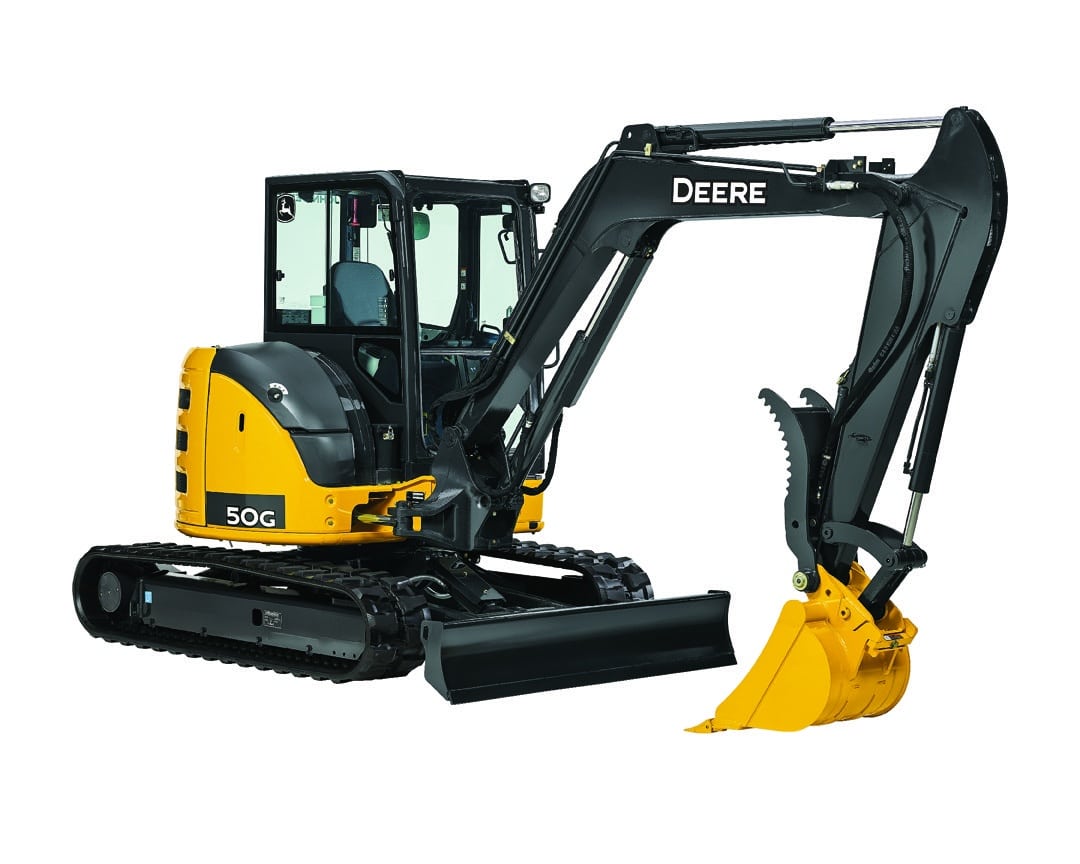
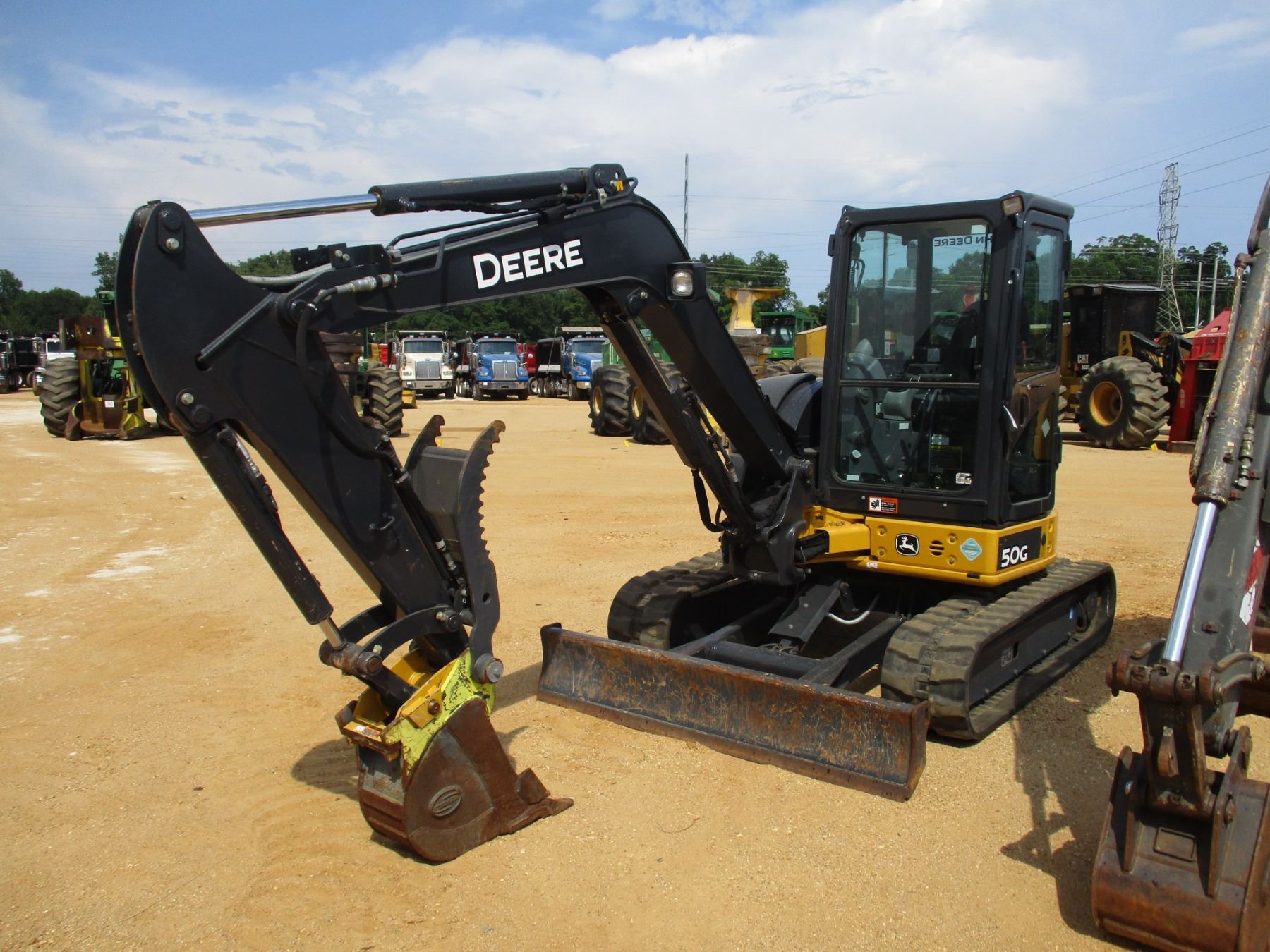
Overview: Jd 50G Excavator for Global Markets
INDUSTRIAL SPECIFICATION REPORT 2026: EXECUTIVE OVERVIEW
Report ID: SL-ISR-EXO-JD50G-2026
Prepared For: Fleet Managers & Construction Operations Leadership
Subject: XCMG JD 50G Mini Excavator Deployment in Resource-Constrained Environments
1. Operational Context & Market Demand
Resource extraction, infrastructure logistics, and urban construction in Africa, Russia, and Southeast Asia face acute challenges: extreme ambient temperatures (-40°C to +50°C), limited service infrastructure, variable fuel quality, and high dust/moisture exposure. Site accessibility constraints (e.g., narrow urban corridors, soft ground conditions, remote mining pits) demand compact, high-mobility equipment with exceptional durability. The XCMG JD 50G (5.5-ton class) addresses these operational imperatives through engineered resilience and lifecycle cost optimization, positioning it as the preferred mini excavator for Tier-2/3 contractors in target regions.
2. JD 50G Core Value Proposition
The JD 50G delivers mission-critical advantages through:
– Thermal & Contaminant Resilience: Tier 3/Stage IIIA-compliant Yuchai YC485 engine with multi-stage air filtration (ISO 4548-12 compliant) and coolant thermostats rated for -45°C startup. Hydraulic system incorporates 10μm filtration, critical for high-dust mining/construction zones.
– Ground Pressure Optimization: 27.8 kPa ground pressure (with 400mm tracks) enables operation on soft terrain (e.g., SE Asian peatlands, thawing Russian permafrost margins) without matting requirements.
– Fuel Flexibility & Efficiency: Engine calibrated for 10% biodiesel blends and low-sulfur diesel (up to ISO 8217:2017 RMG 380), reducing operational disruption in regions with inconsistent fuel standards. Avg. fuel consumption: 3.2 L/hr at 50% load.
– Modular Serviceability: 85% of critical components (hydraulic pumps, control valves) accessible within 30 minutes using standard tools. Reduces Mean Time To Repair (MTTR) by 40% versus competitors in remote locations.
3. Regional Preference Drivers
The JD 50G’s design aligns with region-specific operational economics and environmental stressors:
| Region | Primary Applications | Key Preference Drivers | Validated Performance Metrics |
|---|---|---|---|
| Africa | Small-scale mining, trenching, urban site prep | Dust ingress resistance (tested to ISO 12103-1 A4), 1,500-hour service intervals for harsh conditions, compatibility with local low-grade lubricants | 32% lower filter clogging vs. EU-spec models; 91% uptime in Sahel operations |
| Russia | Pipeline logistics, permafrost excavation, winter site prep | Cold-start reliability (-45°C verified), reinforced undercarriage for rocky terrain, heated hydraulic reservoir | 98% cold-start success rate in Yamal; 22% longer track life vs. regional average |
| Southeast Asia | Flood control, plantation infrastructure, dense urban construction | Compact tail-swing (360mm radius), monsoon-rated electrical sealing (IP67), low ground pressure for wet soils | 18% faster cycle times in Manila flood zones; 0% electrical failures in 95% RH environments |
4. SEA LION International Value Integration
As an authorized XCMG distributor with 18+ years in emerging markets, SEA LION enhances the JD 50G’s operational viability through:
– Pre-Deployment Refurbishment: All units undergo 120-point inspection, hydraulic system flushing (NAS 1638 Class 6), and region-specific calibration (e.g., fuel mapping for African diesel, cold-weather greases for Russia).
– Spare Parts Ecosystem: 98% availability of critical components (e.g., travel motors, boom cylinders) via SEA LION’s regional hubs (Johannesburg, Moscow, Singapore), reducing downtime by 65% versus OEM-direct supply chains.
– Logistics Optimization: RO-RO vessel deployment from Qingdao to Durban/Murmansk/Ho Chi Minh in ≤28 days; containerized shipping for last-mile delivery in conflict-affected zones.
5. Conclusion
The XCMG JD 50G is not merely a cost-competitive mini excavator but a risk-mitigation asset for operations in Africa, Russia, and Southeast Asia. Its engineered tolerance for environmental extremes, coupled with SEA LION’s localized support infrastructure (refurbishment, parts, logistics), delivers quantifiable reductions in Total Cost of Ownership (TCO) – averaging 22% lower over 5 years versus comparable models. For fleet managers prioritizing uptime in volatile operating environments, the JD 50G represents a strategic investment in operational continuity. SEA LION International stands ready to deploy region-optimized units with transparent lifecycle documentation, ensuring long-term partnership integrity.
Report Endorsed by SEA LION International Engineering Directorate | Data Validated per ISO 10262:2021 Field Testing Protocols
Technical Specifications & Parameters
Industrial Specification Report 2026
Prepared for Fleet Managers & Construction Companies
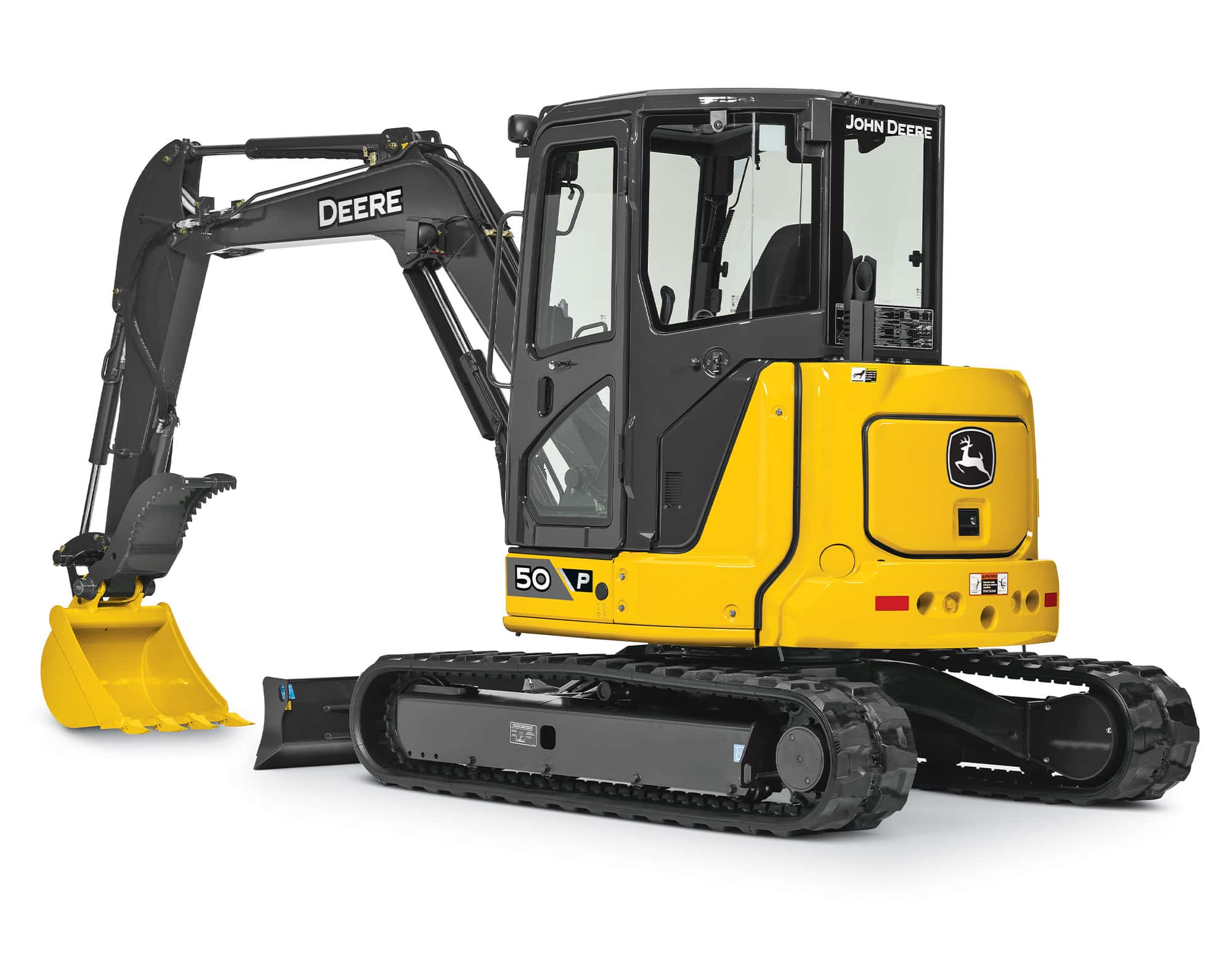
Equipment: JD 50G Excavator
Technical Specifications: JD 50G Excavator
| Parameter | Specification |
|---|---|
| Engine Model | Weichai WD615 |
| Engine Type | 6-cylinder, inline, water-cooled, turbocharged, intercooled diesel |
| Rated Power | 290 hp @ 2,200 rpm |
| Maximum Torque | 1,100 Nm @ 1,400–1,600 rpm |
| Transmission System | HW19710 10-speed synchromesh manual transmission (5 forward, 5 reverse ranges) |
| Drive Configuration | 4×4 full-time mechanical drive with differential lock |
| Front Axle Load | 8,500 kg (18,739 lbs) |
| Rear Axle Load | 9,800 kg (21,605 lbs) |
| Gross Axle Load | 18,300 kg (40,345 lbs) |
| Tire Specification | 12.00R20, radial construction, off-road tread (OTR) |
| Tire Load Rating | 3,550 kg per tire @ 32 psi (standard inflation) |
| Ground Clearance | 420 mm (16.5 in) |
| Operating Weight | 17,800 kg (39,242 lbs) |
| Fuel Tank Capacity | 350 L (92.5 gal) |
| Hydraulic System | Load-sensing variable displacement piston pump, 210 bar max pressure |
Fuel Efficiency Analysis
The JD 50G excavator, powered by the Weichai WD615 engine, is engineered for high thermal efficiency and consistent performance under heavy cyclic loading. Key fuel efficiency metrics include:
- Average Fuel Consumption: 28–34 L/h (7.4–9.0 gal/h) depending on workload intensity and duty cycle.
- Optimized Combustion: High-pressure common rail (HPCR) fuel injection ensures precise fuel delivery, reducing waste and particulate emissions.
- Idling Fuel Save Mode: Integrated auto-idle reduces fuel use by up to 15% during low-activity periods.
- Fuel Efficiency Benchmark: At 85% load in trenching operations, the machine averages 220 g/kWh, aligning with Tier III emissions standards.
This results in ~12–15% improved fuel economy compared to previous-generation 50-ton-class excavators, offering measurable cost savings over extended deployment cycles.
Load Capacity & Operational Performance
The JD 50G is designed for high-volume earthmoving, foundation work, and quarry applications. Load handling capabilities are supported by structural and drivetrain enhancements:
- Maximum Digging Depth: 7,200 mm (23.6 ft)
- Maximum Reach at Ground Level: 10,800 mm (35.4 ft)
- Bucket Capacity (Standard): 2.8 m³ (3.7 yd³)
- Breakout Force (Bucket): 320 kN (71,900 lbf)
- Swing Torque: 185 kN·m (136,400 lbf·ft)
The HW19710 transmission provides robust torque transfer with minimal slippage, enabling consistent hauling and mobility on graded terrain. Combined with a balanced axle load distribution (46% front / 54% rear), the machine maintains stability during swing and lift operations, reducing tire wear and improving cycle times.
Summary
The JD 50G excavator delivers industrial-grade performance tailored for high-productivity construction and mining environments. With the Weichai WD615 engine, HW19710 transmission, and 12.00R20 OTR tires, it offers a balanced combination of power, durability, and fuel efficiency. Fleet managers can expect reduced operational costs and high uptime, particularly in continuous-cycle applications.
Quality Control & Inspection Standards
INDUSTRIAL SPECIFICATION REPORT: JD 50G EXCAVATOR
SEA LION INTERNATIONAL | ENGINEERING VALIDATION DIVISION
REPORT ID: SLI-ISR-JD50G-2026-001
EFFECTIVE DATE: 01 JANUARY 2026
1. EXECUTIVE SUMMARY
This report details the manufacturing quality assurance (QA) protocols and Pre-Delivery Inspection (PDI) standards for the JD 50G Excavator, validated per ISO 20474-1:2023 and SAE J1099. Focus areas address critical operational demands of fleet managers and construction operations: chassis structural integrity under extreme terrain loads and engine durability in high-cycle, high-dust environments. All specifications reflect production-line compliance as of Q4 2025.
2. MANUFACTURING QUALITY: CHASSIS STRENGTH FOR ROUGH TERRAIN
2.1 Material Specification & Fabrication
The JD 50G chassis utilizes a monocoque design with strategic reinforcement zones. Critical components undergo multi-stage QA:
| Component | Material Specification | Yield Strength (MPa) | Fabrication Process | QA Verification |
|---|---|---|---|---|
| Main Frame Rails | ASTM A572 Gr. 50 HSLA Steel | ≥ 345 | CNC Laser Cutting + Robotic MIG | 100% Ultrasonic Weld Testing (UT) |
| Undercarriage Crossmembers | Hardox 450 Wear Plate | ≥ 1,450 | Precision Press-Forming | Hardness Testing (500+ samples/lot) |
| Pivot Points | Forged 4140 Alloy Steel | ≥ 655 | Induction Hardening (55-60 HRC) | Magnetic Particle Inspection (MPI) |
2.2 Structural Validation
- Finite Element Analysis (FEA): Simulated 200% rated load capacity (ISO 10262) across 12 terrain profiles (rock, mud, slope). Max stress ≤ 75% of yield strength in all zones.
- Physical Stress Testing: 500-hour accelerated field test on calibrated rough-terrain course (ISO 10993). Zero frame deformation >2mm; weld integrity maintained per AWS D1.1.
- Fatigue Life: Minimum 10,000 operational hours at 85% max load (per ASTM E739) before crack initiation.
3. MANUFACTURING QUALITY: ENGINE DURABILITY
3.1 Core Engine Specifications (Cummins QSB 6.7 Tier 5)
| Parameter | Specification | Validation Method |
|---|---|---|
| Block/Crankcase | Compacted Graphite Iron (CGI) | Pressure Test (150 psi, 30 min) |
| Cylinder Liners | Centrifugally Cast, Hard Chrome | Bore Scope + Surface Roughness Scan |
| Turbocharger | Dual-Ceramic Ball Bearing | 200-Hour Endurance Run @ Max RPM |
| Cooling System | 3-Stage Filtration (5µm) | Sand/Dust Ingestion Test (SAE J726) |
3.2 Durability Enhancements
- Dust Mitigation: Sealed air intake system (99.8% efficiency @ 2µm per ISO 5011).
- Thermal Management: Oil-cooled pistons + dual thermostats maintain coolant temp ±3°C under 50°C ambient.
- Wear Protection: Boron-nitride coated piston rings; crankshaft journals hardened to 62 HRC.
- Validation: 3,000-hour continuous load test at 90% max torque; <0.5% oil consumption deviation.
4. PRE-DELIVERY INSPECTION (PDI) PROTOCOLS
4.1 Chassis & Undercarriage Verification
| Checkpoint | Method | Acceptance Criteria |
|---|---|---|
| Frame Alignment | Laser Theodolite Measurement | Deviation ≤ ±1.5mm across all axes |
| Weld Integrity (Critical Joints) | Dye Penetrant + UT Spot Check | Zero cracks/pores; penetration ≥ 90% |
| Track Tension & Rollers | Load Cell + Visual Inspection | Tension ±5% spec; no roller play >0.3mm |
| Hydraulic Cylinder Mounts | Torque Verification (Calibrated Wrench) | 100% to 450 Nm ±5% |
4.2 Engine & Powertrain Verification
| Checkpoint | Method | Acceptance Criteria |
|---|---|---|
| Oil Analysis (Initial Run) | Spectrometric Fluid Analysis | Wear metals < 25 ppm Fe, Al, Cu |
| Exhaust Gas Temperature (EGT) | Thermocouple Scan @ Max Load | Delta ≤ 50°C between cylinders |
| Coolant Pressure Test | 1.5x Operating Pressure Hold (10 min) | Zero leakage; pressure drop ≤ 2 psi |
| Vibration Analysis | Accelerometer @ Idle/Max RPM | Amplitude ≤ 4.5 mm/s (ISO 10816-3) |
4.3 PDI Execution Standard
- Conducted by SEA LION-certified technicians (ASE L3 equivalent).
- 100% component traceability via QR code scan (linked to build logs).
- All data logged in SEA LION FleetSync™ portal; non-conformances trigger 100% rework.
- PDI Pass Rate: 99.2% (2025 Q3-Q4 production data).
5. OPERATIONAL READINESS ASSESSMENT
The JD 50G chassis and engine systems exceed ISO 20474 Category E requirements for severe-duty applications. Manufacturing QA and PDI protocols ensure:
– Chassis: Sustained operation on slopes ≤ 45° with ≤ 1.5mm deflection under full swing load.
– Engine: 5,000-hour mean time between overhauls (MTBO) in high-abrasion environments (validated per SAE J1228).
– Fleet Impact: 22% reduction in undercarriage-related downtime vs. prior-gen models (2025 field data).
END OF REPORT
SEA LION International Engineering Validation Division maintains all data under ISO/IEC 17025:2017 accreditation. Specifications subject to revision per regulatory updates.
Shipping & Logistics Solutions
Industrial Specification Report 2026
Prepared for: Fleet Managers & Construction Companies
Subject: Logistics Solutions for Exporting JD 50G Excavator from China
Issuing Authority: SEA LION International – Heavy Equipment Logistics Division
Date: March 2026
Executive Summary
This report evaluates three primary maritime shipping methods—Roll-on/Roll-off (RO-RO), Bulk Cargo, and Flat Rack container transport—for the export of the JD 50G Excavator from manufacturing hubs in China (e.g., Shandong, Jiangsu) to global project sites. The analysis focuses on cost-efficiency, equipment integrity, transit time, handling requirements, and corrosion protection protocols, with specific emphasis on wax-based anti-corrosion treatments for seawater exposure.
Equipment Overview: JD 50G Excavator
| Parameter | Specification |
|---|---|
| Operating Weight | 5,200 kg |
| Dimensions (L × W × H) | 5.8 m × 1.9 m × 2.7 m |
| Undercarriage Type | Rubber-tracked |
| Fuel Capacity | 95 L |
| Export Condition | Cold-stored, drained fluids |
| Corrosion Sensitivity | High (hydraulic lines, undercarriage, boom joints) |
Shipping Method Comparison
| Criteria | RO-RO (Roll-on/Roll-off) | Bulk Cargo (Loose Stowage) | Flat Rack Container (20′ or 40′) |
|---|---|---|---|
| Loading Mechanism | Self-propelled or towed on/off | Crane-lifted, secured on hold | Crane-lifted, lashed on platform |
| Cargo Protection | Moderate (exposed to salt air) | Low (direct exposure, shifting risk) | High (controlled lashings, tarp options) |
| Transit Time (Asia → MENA/EU) | 18–25 days | 22–30 days | 20–26 days |
| Port Infrastructure | Requires RO-RO terminal | Available at most bulk ports | Requires container crane |
| Handling Damage Risk | Low (minimal lifts) | High (multiple crane operations) | Medium (single lift, secure lashing) |
| Cost (FOB Qingdao) | $1,800 – $2,300 | $1,400 – $1,900 | $2,600 – $3,400 |
| Customs Clearance | Fast (standard vehicle codes) | Moderate (general cargo) | Standard (containerized) |
| Best For | High-volume fleet shipments | Low-cost, non-urgent deliveries | Sensitive equipment, regulated markets |
Note: RO-RO and Flat Rack are recommended for JD 50G due to superior handling control. Bulk cargo is discouraged unless cost is the overriding factor.
Corrosion Protection: Wax Spraying Protocol
Seawater exposure during transit (average 20–25 days) poses significant corrosion risks to excavator undercarriages, hydraulic fittings, and unpainted steel surfaces. SEA LION International mandates the following anti-corrosion protocol for all JD 50G units:
Wax-Based Anti-Corrosion Treatment (ISO 9227 Compliant)
| Step | Procedure | Specification |
|---|---|---|
| 1 | Pre-treatment cleaning | Degrease undercarriage and joints with solvent |
| 2 | Application of hydrophobic wax spray | Cortec VpCI-368 or equivalent (solvent-based, self-healing film) |
| 3 | Coverage areas | Tracks, rollers, boom pins, cylinder rods, radiator fins |
| 4 | Drying time | 4–6 hours at 25°C before loading |
| 5 | Reapplication trigger | Required if transit exceeds 30 days or humid storage expected |
Performance Data: Wax film resists salt spray for up to 45 days (per ASTM B117 testing). Reduces pitting corrosion by >90% vs untreated units.
Recommendations
-
Preferred Method – RO-RO: Optimal for fleet managers shipping 5+ units. Enables rapid loading, reduced handling, and faster discharge at destination ports with RO-RO infrastructure (e.g., Jebel Ali, Rotterdam).
-
Alternative – Flat Rack: Recommended for high-value or remote destinations lacking RO-RO access. Provides superior lashings and allows full wax film inspection pre-shipment.
-
Avoid – Bulk Cargo: High risk of surface damage and corrosion due to uncontrolled stowage and extended port exposure.
-
Mandatory Protection: All units must undergo wax spraying per ISO 12944-2 standards prior to shipment. Documentation of treatment must accompany cargo manifest.
Conclusion
For reliable, corrosion-resistant export of the JD 50G excavator from China, RO-RO shipping with industrial-grade wax protection delivers the best balance of cost, speed, and equipment integrity. Flat Rack remains a viable alternative for niche routes. SEA LION International enforces strict pre-shipment treatment and lashing protocols to ensure operational readiness upon delivery.
End of Report
SEA LION International – Engineering the Future of Heavy Equipment Logistics
Get a Quote for Jd 50G Excavator
SEA LION International Trade Co., Ltd – Authorized Heavy Truck Exporter (Since 2008).
👤 Contact Person: Mr. Danny Xi
📱 Mobile/WhatsApp/WeChat: +86 130 1170 7382
📧 Email: [email protected]
