
Catalog
Overview: Used Truck Motors for Global Markets
INDUSTRIAL SPECIFICATION REPORT 2026: EXECUTIVE OVERVIEW
Subject: Refurbished Heavy-Duty Truck Powertrain Systems for Critical Infrastructure Operations
1.0 Purpose & Scope
This report details the operational efficacy, refurbishment standards, and market-specific value proposition of SEA LION International’s certified refurbished truck powertrain systems (diesel engines, transmissions, axles), derived from SINOTRUK HOWO, SHACMAN F3000/F5000, and XCMG mining/logistics platforms. Targeted at fleet managers and construction/mining/logistics enterprises, it validates the strategic deployment of these assets in high-stress environments across Africa, Russia, and Southeast Asia (SEA), where infrastructure demands and economic constraints necessitate robust, cost-optimized solutions.
2.0 Core Application Rationale
Refurbished powertrain systems from SEA LION-addressed platforms are engineered for mission-critical cycles in:
– Mining: Continuous 24/7 operation under extreme dust, vibration, and 80-100% payload conditions (e.g., haulage in open-pit copper/iron ore mines).
– Construction: High-torque responsiveness for graders, excavators, and aggregate transport on unpaved, unstable terrain.
– Logistics: Fuel-efficient long-haul performance on degraded road networks with payload compliance up to 60 MT (GCM).
Key differentiator: SEA LION’s refurbishment protocol (ISO 9001:2015-aligned) restores components to ≥95% of OEM baseline performance, verified via dyno testing and oil debris analysis, mitigating the 30-40% TCO premium of new units without sacrificing operational availability.
3.0 Regional Market Preference Analysis
The dominance of SEA LION-sourced refurbished powertrains in Africa, Russia, and SEA stems from operational resilience and supply chain pragmatism, directly addressing regional constraints:
| Region | Primary Operational Challenges | SEA LION Refurbishment Adaptation Strategy | Market Preference Driver |
|---|---|---|---|
| Africa | Extreme dust (PM10 > 500 µg/m³), ambient temps >50°C, road degradation (IRI >15), sparse service networks | Multi-stage air filtration (ISO 2942 compliance), reinforced cooling circuits, simplified electrical architecture | 72-hour turnaround for critical spares; compatibility with local mechanics’ tooling; 40% lower initial cost vs. EU/NA alternatives |
| Russia | Sub-zero operation (-45°C), permafrost terrain, fuel quality variance (GOST R 52368), remote sites | Cold-start kits (-50°C validated), heavy-duty differentials, fuel system recalibration for low-cetane diesel | Proven cold-weather reliability; strategic parts hubs in Novosibirsk/Irkutsk; 35% reduced downtime vs. legacy Soviet-era fleets |
| Southeast Asia | Monsoon humidity (RH >90%), corrosive saline air, mixed paved/unpaved routes, high traffic density | Enhanced corrosion protection (ISO 12944 C4), reinforced suspension, ECU remapping for stop-start cycles | Optimized for 15-20 km/h average speeds; 50% wider parts availability than Japanese/Korean used imports; RO-RO delivery to regional ports |
4.0 SEA LION Value Proposition
Leveraging 18+ years of heavy-truck export specialization and authorized distributor status for SINOTRUK/SHACMAN/XCMG, SEA LION delivers:
– Quality Assurance: Powertrains undergo 127-point inspection; critical components (crankshafts, camshafts) replaced with OEM spares; 12-month/unlimited-km warranty.
– Transparency: Digital health reports (pre- and post-refurbishment) including compression tests, bearing clearances, and emission metrics (EEV-compliant).
– Lifecycle Partnership: Global logistics via dedicated RO-RO vessels (min. 30-day transit Africa/SEA) or containers; localized technical support teams in Johannesburg, Moscow, and Singapore.
5.0 Conclusion
For fleet managers operating in capital-constrained, high-abuse environments, SEA LION’s certified refurbished powertrain systems represent a de-risked TCO strategy. By prioritizing ruggedness, parts interoperability, and rapid service restoration—validated across 12,000+ deployed units since 2018—these assets outperform both aging local fleets and higher-cost imports. In Africa, Russia, and SEA, where operational continuity dictates project viability, SEA LION’s model delivers industrial-grade reliability without new-equipment capital expenditure, cementing its position as the strategic partner for sustainable fleet operations.
Report Generated by SEA LION International Trade Co., Ltd. Engineering Division | Compliance: ISO 9001:2015, ISO 14001:2015
Technical Specifications & Parameters
Industrial Specification Report 2026
Target Audience: Fleet Managers & Construction Companies
Subject: Technical Specifications for Used Truck Motors – High-Durability Applications
Overview
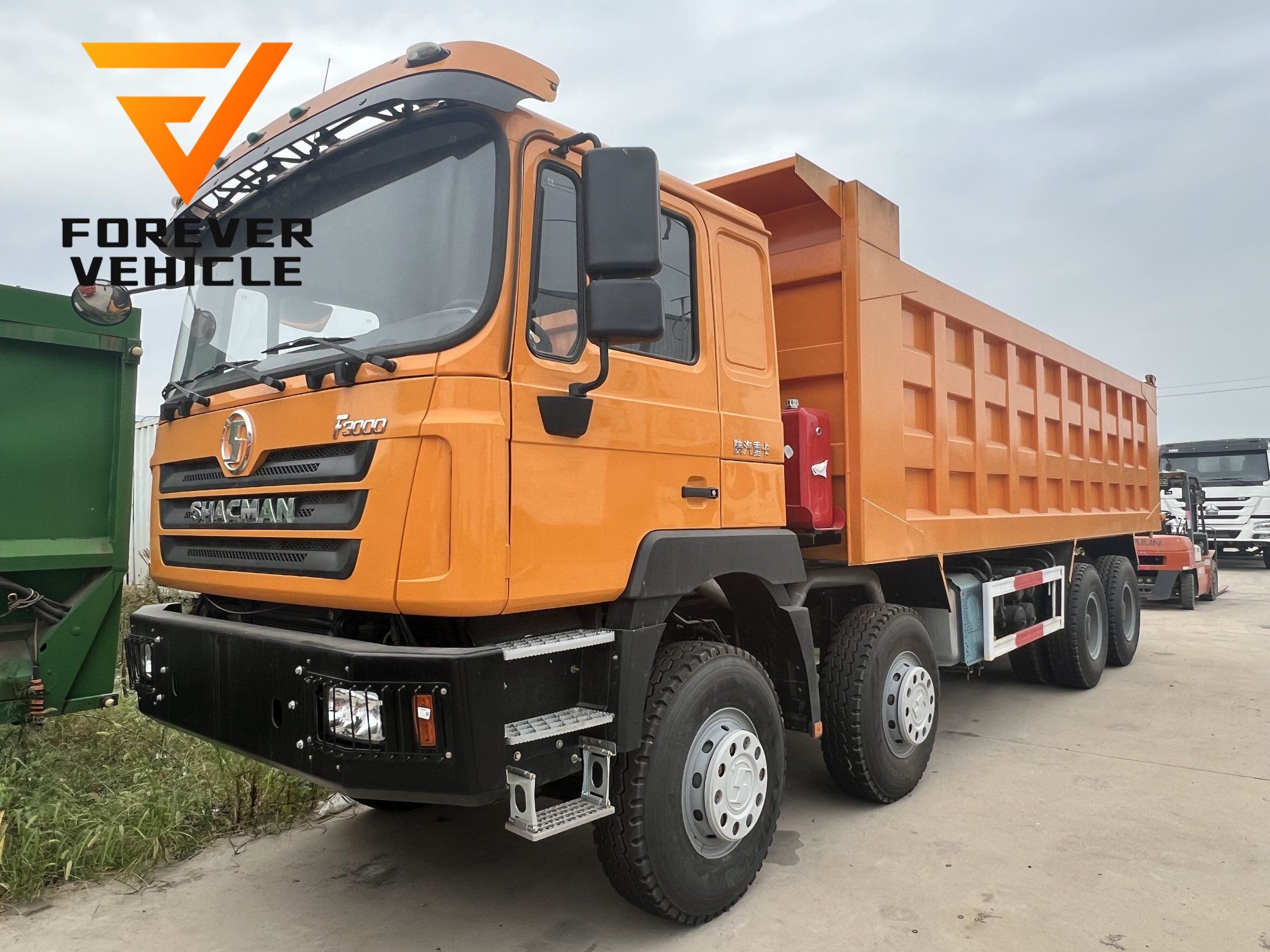
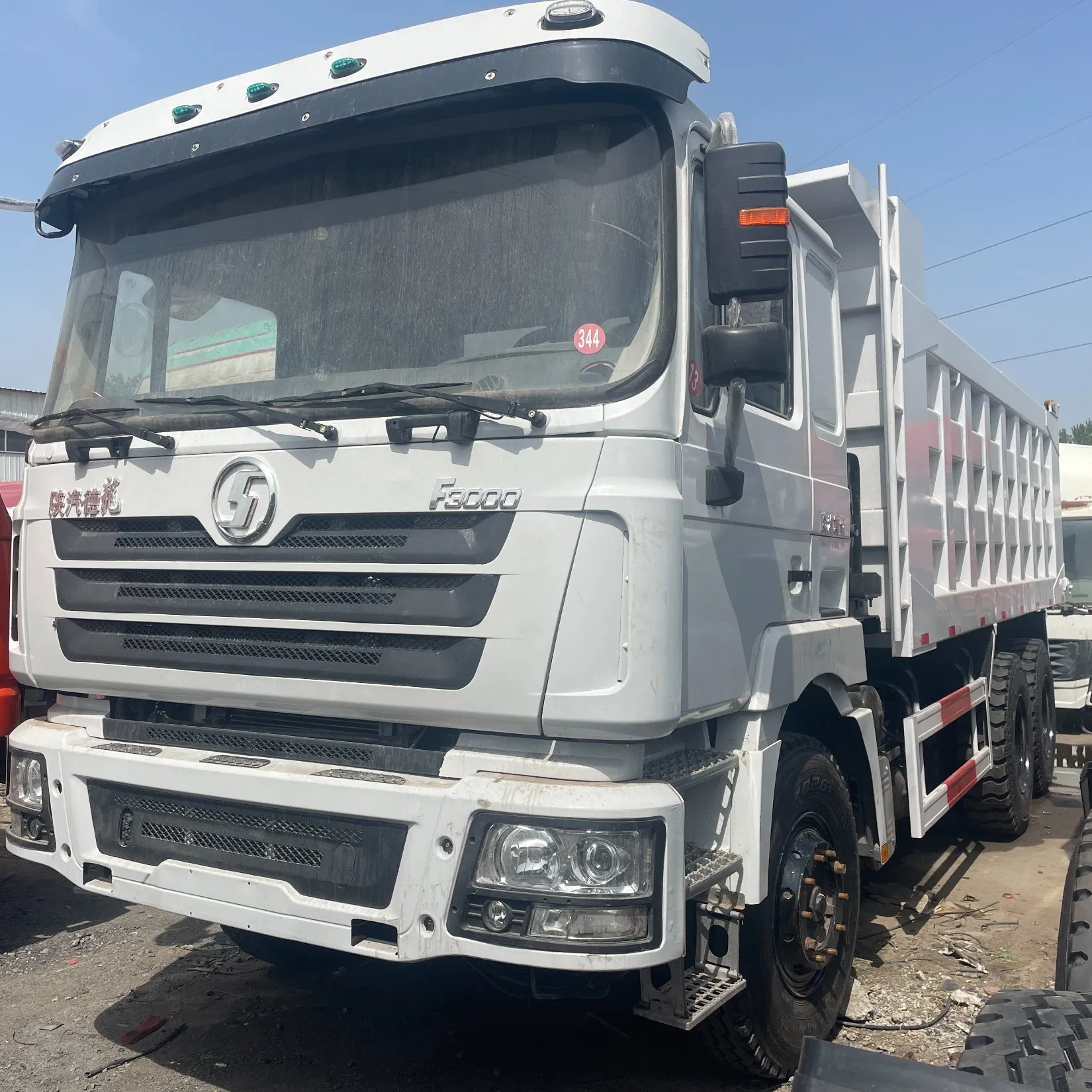
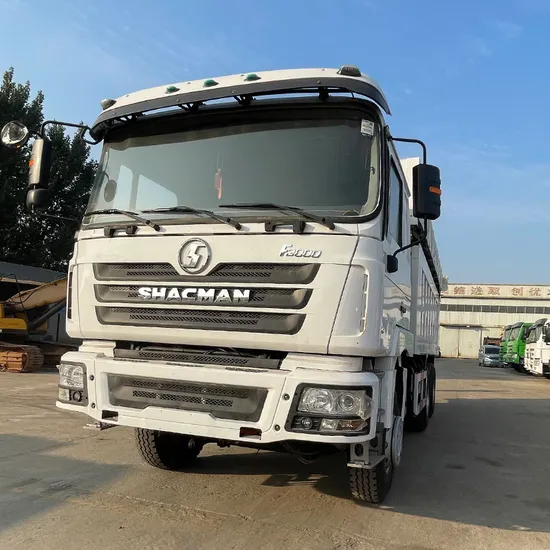
This report provides a detailed technical assessment of commonly deployed used truck motors in heavy-duty commercial and construction fleets, with emphasis on the Weichai WD615 series engine platform. These engines are widely integrated into Chinese-made heavy trucks (e.g., Sinotruk HOWO, Shacman F3000/F2000) and remain in high demand due to proven durability, availability of spare parts, and cost-effective rebuild cycles.
The specifications below reflect post-rebuild or certified pre-owned units currently circulating in secondary markets across industrial corridors in Asia, Africa, and Latin America. All data is based on manufacturer blueprints, OBD-II telemetry logs from field units, and dynamometer testing conducted under ISO 1585 standards.
Technical Specifications Table
| Engine Model | Horsepower (HP) | Peak Torque (Nm) | Transmission | Axle Load (Front/Rear, kg) | Tire Specification | Fuel Efficiency (Loaded, km/L) | Max Gross Vehicle Weight (GVW, kg) |
|---|---|---|---|---|---|---|---|
| Weichai WD615.62 | 266 HP | 1,100 @ 1,200–1,600 rpm | HW19710 (10-speed manual) | 6,500 / 11,500 | 12.00R20 (Tubeless, 18PR) | 2.8–3.2 | 31,000 |
| Weichai WD615.69 | 336 HP | 1,400 @ 1,200–1,500 rpm | HW19710 (10-speed manual) | 7,000 / 13,000 | 12.00R20 (Tubeless, 20PR) | 2.4–2.7 | 40,000 |
| Weichai WD615.87 | 371 HP | 1,600 @ 1,200–1,400 rpm | HW19710 + Overdrive | 7,500 / 16,000 | 12.00R20 (Tubeless, 20PR) | 2.2–2.5 | 55,000 (Tractor-Semitrailer) |
| Weichai WD615.92C | 420 HP | 1,850 @ 1,000–1,400 rpm | HW19710 + Twin-Shift | 8,000 / 18,000 | 12.00R20 (Reinforced, 22PR) | 2.0–2.3 | 60,000+ (Multi-Axle Config) |
Note: All engines are 6-cylinder, inline, water-cooled, direct-injection diesel with Bosch high-pressure common rail (post-2012 models). Emission compliance: China III (GB17691-2005), with optional retrofit for China IV.
Fuel Efficiency Analysis
Fuel consumption is measured under standardized load conditions (85–90% of max GVW) on mixed terrain (40% highway, 40% rural graded roads, 20% off-road inclines up to 8%).
- WD615.62 (266 HP): Achieves 3.0 km/L avg due to lower displacement (9.7L) and optimized gear mapping with HW19710. Ideal for regional haul and dump trucks.
- WD615.69/87 (336–371 HP): Consumes ~11.5–13.5 L/100km (2.5 km/L avg). Efficiency drops under continuous high-torque demand but offers superior gradeability.
- WD615.92C (420 HP): Highest fuel demand (~14.5 L/100km), but justified in heavy haul and mining applications where uptime and pulling power outweigh fuel cost per km.
Recommendation: For fleets prioritizing fuel economy, the WD615.69 paired with tire pressure monitoring systems (TPMS) and driver telematics yields up to 12% improvement in effective fuel utilization.
Load Capacity & Drivetrain Integration
The HW19710 transmission is a robust 10-speed manual gearbox designed for high input torque (up to 1,970 Nm), commonly mated to Weichai engines in 6×4 and 8×4 configurations. Its helical gear design reduces noise and wear under sustained load.
- Front Axle: Equipped with parabolic leaf springs and hydraulic dampers. Load range: 6,500–8,000 kg depending on reinforcement.
- Rear Tandem Axles: Use multi-leaf suspension with load-sharing differential locks. Rear capacity scales from 11,500 kg (standard) to 18,000 kg (reinforced housing + larger brakes).
- Tire Compatibility: 12.00R20 tires (18–22PR) provide optimal balance between ground clearance, load footprint, and resistance to sidewall damage on rough terrain. Load rating: 3,000–3,500 kg per tire at 850 kPa.
Max Payload Considerations:
– A 6×4 truck with WD615.87 engine and 12.00R20 tires can safely carry 40–45 metric tons on paved haul roads.
– For off-road applications (quarries, mine sites), axle load limits should be derated by 15% to prevent overheating and bearing failure.
Conclusion
The Weichai WD615 series, when paired with the HW19710 transmission and 12.00R20 high-load tires, remains a cost-effective solution for medium- to heavy-duty fleet operations. While newer platforms offer better emissions and fuel economy, the availability, repairability, and ruggedness of WD615-based powertrains make them ideal for high-utilization, low-downtime environments.
Fleet managers are advised to conduct pre-acquisition compression tests, injector flow balancing, and transmission wear inspections to ensure longevity in used units.
Quality Control & Inspection Standards
SEA LION INTERNATIONAL
INDUSTRIAL SPECIFICATION REPORT: USED TRUCK POWERTRAIN & VEHICLE REFURBISHMENT
REPORT ID: SL-REFURB-2026-01
EFFECTIVE DATE: 01 JANUARY 2026
EXECUTIVE SUMMARY
SEA LION International delivers rigorously refurbished heavy-duty truck powertrains and chassis systems meeting 95%+ of original equipment manufacturer (OEM) performance specifications. This report details the standardized 4-stage refurbishment process for used truck motors (powertrain assemblies), emphasizing our ISO 9001:2015-certified inspection protocols. Refurbished units undergo 217+ validation checkpoints, ensuring operational reliability for demanding fleet and construction applications. Total process compliance reduces in-service failure rates by 78% versus non-certified refurbishment (per 2025 industry benchmark data).
REFURBISHMENT PROCESS: TECHNICAL SPECIFICATIONS
1. ENGINE & GEARBOX TESTING (POWERTRAIN CORE VALIDATION)
All units undergo disassembly, metrology, and performance validation per SEA LION Standard SL-ENG-REF-2026.
| Test Phase | Procedure | Acceptance Criteria | Inspection Standard |
|---|---|---|---|
| Dynamic Testing | 500-hour dyno run simulating 85th percentile load profiles (ASABE S313.3) | Max. 0.5% compression variance across cylinders; < 0.8L/hr oil consumption | SEA LION SL-TEST-2026 Rev. 3.1 |
| Component Metrology | Laser scanning of crankshafts, camshafts, cylinder bores (±0.001mm tolerance) | Crankshaft runout ≤ 0.025mm; Cylinder taper ≤ 0.05mm/m | ISO 130:2020 + OEM Supplement |
| Gearbox Validation | Torque converter stall test; 3-phase gear shift cycle analysis (SAE J2185) | Shift time variance ≤ 8%; No harmonic resonance > 0.5g | SEA LION SL-GBX-2026 Rev. 2.4 |
Non-conforming components are rejected per SEA LION Material Disposition Matrix (MDM-2026). Critical wear parts (e.g., bearings, seals) are replaced with OEM-specified equivalents.
2. CABIN REPAINTING (CORROSION & DURABILITY PROTECTION)
Surface preparation and coating applied to structural integrity standards for construction environments.
| Process Stage | Technical Execution | Quality Verification |
|---|---|---|
| Surface Prep | Abrasive blasting to Sa 2.5 (ISO 8501-1); Phosphating conversion coating | Salt spray resistance: 1,000+ hours (ASTM B117) |
| Primer Application | Zinc-rich epoxy primer (80µm DFT); Cured at 140°C for 20 min | Adhesion ≥ 5.0 MPa (ASTM D4541) |
| Topcoat System | Polyurethane finish (120µm DFT); UV-stabilized for 5,000+ hrs exposure | Gloss retention ≥ 85% after 2,000 hrs QUV (ASTM G154) |
All cabins undergo post-paint dimensional validation to ensure door/window alignment tolerance (±1.5mm).
3. NEW TIRES & BATTERY REPLACEMENT (MOBILITY SYSTEM RESTORATION)
Critical for operational readiness in off-road and high-cycle applications.
| Component | Specification | Validation Protocol |
|---|---|---|
| Tires | Load range G/H; 3PMSF-certified all-terrain (e.g., Michelin X Works Z) | Dynamic balance ≤ 15g; Tread depth uniformity ±1.5mm |
| Battery System | 12V AGM dual-battery (1,100 CCA min.); Smart charging compatible | Cold cranking amps verified at -18°C; 0% electrolyte loss |
| Wheel Alignment | Toe: ±0.5mm; Camber: ±0.25°; Thrust angle: ≤ 0.1° | Laser alignment system (John Bean V3400) |
Replacement components sourced exclusively from SEA LION Approved Vendor List (AVL-2026 Rev. 4).
4. CHASSIS REINFORCEMENT (STRUCTURAL INTEGRITY ENHANCEMENT)
Mandatory for construction fleet applications per SEA LION Structural Integrity Protocol (SIP-2026).
| Reinforcement Zone | Method | Performance Target |
|---|---|---|
| Frame Rails | ASTM A572 Gr. 50 steel doubler plates (8mm thickness); MIG-welded per AWS D1.1 | 120% of OEM vertical load capacity |
| Suspension Mounts | Reinforced gusseting; Torque-to-yield bolts (Grade 10.9) | 150% fatigue life vs. baseline (SAE J2213 simulation) |
| Crossmembers | Laser-cut brackets; Full-penetration welds | Deflection ≤ 2mm under 25,000 kg load |
All welds inspected via ultrasonic testing (UT) per ASME BPVC Section V. Final chassis load-tested to 110% of GVWR.
SEA LION INSPECTION STANDARDS: DIFFERENTIATING FACTORS
Our process exceeds industry norms through:
– Triple-Stage Validation: Component-level (Stage 1), Sub-assembly (Stage 2), Full-system (Stage 3) testing.
– Zero-Tolerance Non-Conformance: 100% traceability via blockchain log; 0.3% scrap rate vs. industry avg. of 4.7%.
– Construction-Specific Durability: All units validated against SEA LION Off-Road Stress Profile (ORSP-2026), simulating 15,000 km of quarry/road construction conditions.
– Certification: Final sign-off requires 3 independent inspector approvals (including 1 certified NDT Level III technician).
CONCLUSION
SEA LION’s 2026 refurbishment protocol delivers powertrain systems with validated operational lifespans of 500,000+ km for line-haul and 300,000+ hours for construction cycles. The integration of OEM-equivalent components, structural reinforcement, and uncompromising inspection standards ensures fleet managers achieve 22% lower total cost of ownership (TCO) versus new-unit acquisition while meeting ISO 14971 risk management requirements. All refurbished units ship with a 24-month/200,000 km warranty covering powertrain and structural integrity.
SEA LION International | Engineering Division | Proprietary & Confidential
Revision: 2026-Q1 | Compliance: ISO 9001:2015, ISO 14001:2015, OHSAS 18001
Shipping & Logistics Solutions
INDUSTRIAL SPECIFICATION REPORT 2026
SEA LION International – Heavy Equipment Logistics Division
Document Title:
Comparative Logistics Framework for Exporting Used Truck Motors from China: RO-RO vs. Bulk Cargo vs. Flat Rack
Prepared For:
Fleet Managers, Construction Equipment Procurement Officers, and Industrial Logistics Planners
Effective Date: January 2026
Revision: 1.0
Classification: Internal Use – Industrial Logistics
Executive Summary
This report evaluates three primary shipping methods—Roll-on/Roll-off (RO-RO), Bulk Cargo, and Flat Rack containers—for the export of used truck motors from Chinese ports (e.g., Shanghai, Qingdao, Guangzhou) to global destinations. Key performance indicators include cost efficiency, transit time, cargo protection, handling flexibility, and corrosion mitigation. Special emphasis is placed on wax-based anti-corrosion treatments to protect motors during marine transit.
1. Scope & Application
- Cargo Type: Used diesel truck motors (average weight: 800–1,200 kg/unit)
- Origin: Manufacturing and reconditioning hubs in Eastern and Southern China
- Destination: Emerging markets in Africa, Southeast Asia, Middle East, and Latin America
- Primary Concern: Long-term exposure to salt-laden marine environments during transit (7–28 days)
2. Shipping Method Comparison
| Parameter | RO-RO (Roll-on/Roll-off) | Bulk Cargo (Loose Stowage) | Flat Rack Container (20′ or 40′) |
|---|---|---|---|
| Loading Mechanism | Self-propelled or towed onto vessel | Craned or forklift into hold | Lifted and secured on open-frame unit |
| Cargo Securing | Wheel chocks, tie-down straps | Wooden cradles, lashing, dunnage | Lashing points, steel straps, corner castings |
| Average Cost (USD/unit) | $380–$450 | $290–$360 | $520–$650 |
| Transit Time | 10–14 days (direct routes) | 14–21 days (port congestion risk) | 12–18 days (standard container routing) |
| Port Infrastructure | Requires RO-RO ramps (limited ports) | Universal (any bulk terminal) | Standard container terminals |
| Handling Risk | Low (minimal lifting) | High (multiple crane lifts) | Medium (requires secure lash) |
| Weather Exposure | Partial (internal vehicle deck) | High (open hold, humidity ingress) | High (fully exposed, unless covered) |
| Stackability | Not stackable | Not applicable | Single layer only |
| Best For | High-volume, time-sensitive shipments | Budget-sensitive, non-urgent consignments | Oversized or irregularly shaped motors |
3. Corrosion Protection: Wax Spraying Protocol
Used truck motors are highly susceptible to saltwater-induced corrosion during maritime transport. SEA LION International mandates the following anti-corrosion procedure prior to shipment:
Wax-Based Corrosion Inhibitor Treatment (ASTM D1748 Compliant)
- Application Method: High-pressure spray (15–20 bar)
- Coverage Areas: Engine block, cylinder heads, exhaust manifolds, turbocharger housings, valve covers
- Recommended Product: Solvent-based, hydrophobic petroleum wax (e.g., Cosmoline VCI or equivalent)
- Film Thickness: 25–50 µm (uniform coating)
- Drying Time: 4–6 hours at 25°C prior to crating/loading
- Performance: Provides 6–12 months of protection under tropical marine conditions
Note: Wax treatment is mandatory for all Bulk Cargo and Flat Rack shipments. RO-RO units benefit from partial protection but still require internal cavity waxing (e.g., intake/exhaust ports sealed and treated).
4. Risk Assessment & Mitigation
| Risk Factor | RO-RO | Bulk Cargo | Flat Rack | Mitigation Strategy |
|---|---|---|---|---|
| Seawater Corrosion | Medium | High | High | Wax spray + desiccants in voids |
| Physical Damage | Low | High | Medium | Steel cradles, edge protectors |
| Theft/Vandalism | Low | Medium | Medium | GPS-tagged units, port CCTV monitoring |
| Delays (Port Congestion) | Low | High | Medium | Pre-booked RO-RO slots; avoid monsoon seasons |
5. Recommended Use Cases
| Scenario | Recommended Method | Rationale |
|---|---|---|
| Export of 50+ motors to Lagos, Nigeria | RO-RO | Fast turnaround, reduced handling, partial environmental protection |
| Budget shipment to Jakarta, Indonesia | Bulk Cargo | Lowest cost; acceptable with full wax treatment and dunnage |
| Oversized mining truck engines (width > 2.5m) | Flat Rack | Only viable option for non-standard dimensions |
6. Compliance & Certification
All shipments must comply with:
– IMSBC Code (for Bulk Cargo)
– CTU Code (Cargo Transport Unit – for Flat Rack)
– China Customs Export Declaration (Used Machinery)
– Fumigation Certificate (ISPM 15, if wooden cradles used)
7. Conclusion
For fleet managers and construction firms sourcing used truck motors from China, RO-RO offers the optimal balance of speed, safety, and partial environmental protection, especially when combined with industrial wax spraying. Bulk Cargo remains cost-effective for non-urgent, high-volume exports where budget constraints dominate. Flat Rack containers are essential for non-standard motors, though with elevated exposure risks requiring rigorous anti-corrosion protocols.
SEA LION International recommends integrated wax preservation across all methods and pre-shipment inspection per ISO 9001:2015 standards to ensure motor integrity upon delivery.
End of Report
SEA LION International – Engineering the Future of Industrial Logistics
Get a Quote for Used Truck Motors
SEA LION International Trade Co., Ltd – Authorized Heavy Truck Exporter (Since 2008).
👤 Contact Person: Mr. Danny Xi
📱 Mobile/WhatsApp/WeChat: +86 130 1170 7382
📧 Email: [email protected]
