
Catalog
Overview: Excavator Bucket Sizes for Global Markets
INDUSTRIAL SPECIFICATION REPORT 2026: EXCAVATOR BUCKET SIZES
Prepared for Fleet Managers & Construction Operations Leadership
SEA LION International Trade Co., Ltd. | Heavy Equipment Solutions Division
EXECUTIVE OVERVIEW
This specification report details critical parameters for standard excavator bucket sizing (20-50 ton class) within high-utilization environments: mining overburden removal, bulk material logistics handling, and heavy civil construction earthmoving. Optimal bucket selection directly impacts fleet productivity (m³/hr), fuel efficiency (L/m³), and component lifecycle costs—factors non-negotiable for operational profitability in capital-intensive projects.
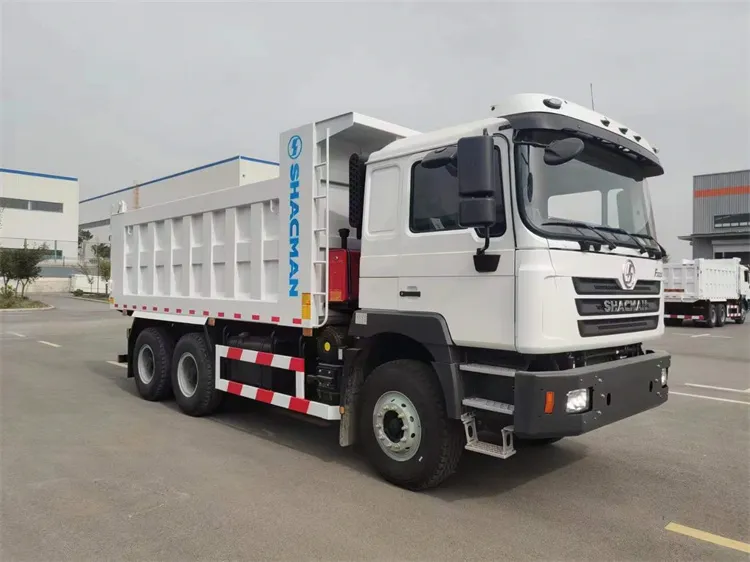
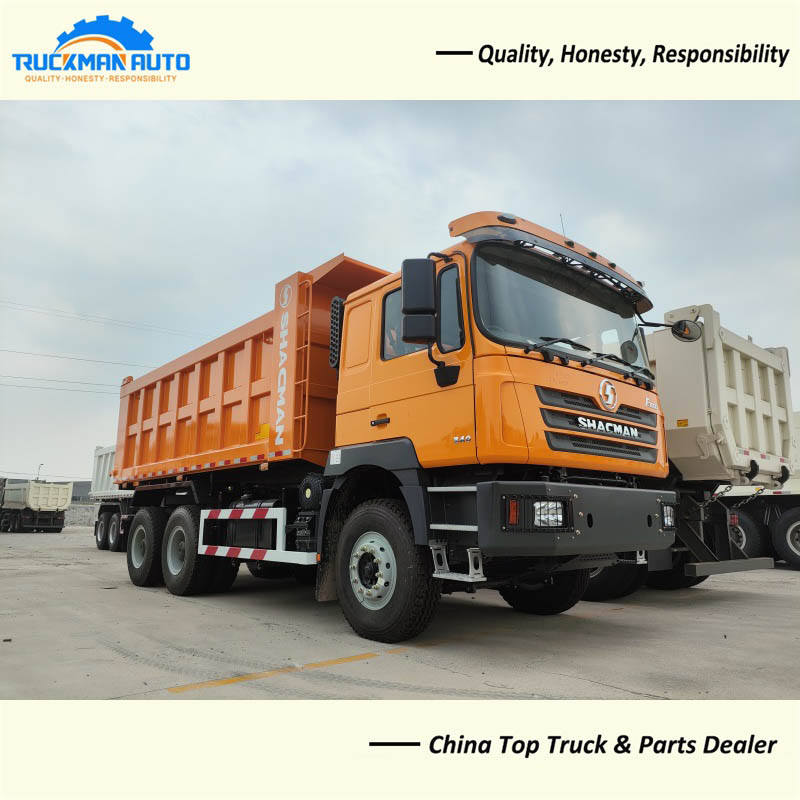
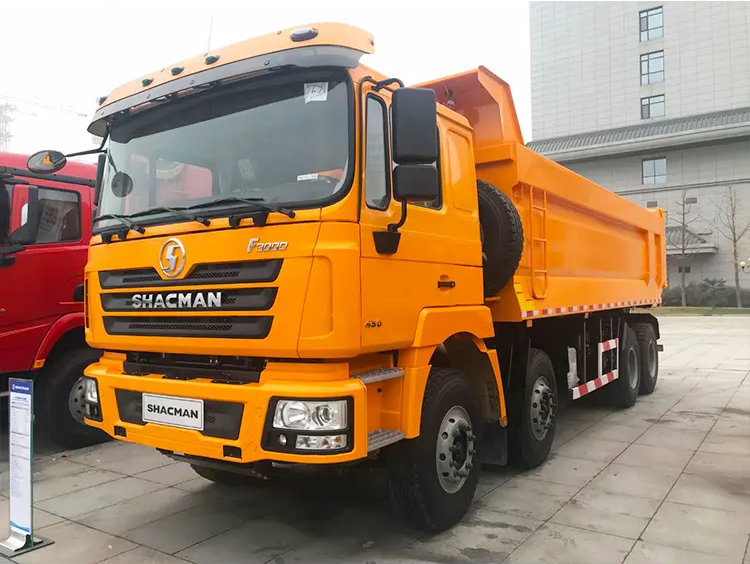
Market analysis confirms HD-class buckets (0.8m³ – 4.5m³ capacity) from SINOTRUK, XCMG, and SHACMAN platforms dominate deployments in Africa, Russia, and Southeast Asia due to three validated operational advantages:
- Material-Specific Durability: Standardized HD buckets incorporate 30-40mm AR400/AR450 wear plate in cutting edges and side plates, proven to withstand 35-50% higher abrasion rates in lateritic soils (West Africa), permafrost-embedded rock (Siberia), and volcanic aggregates (Indonesia/Philippines) versus generic designs.
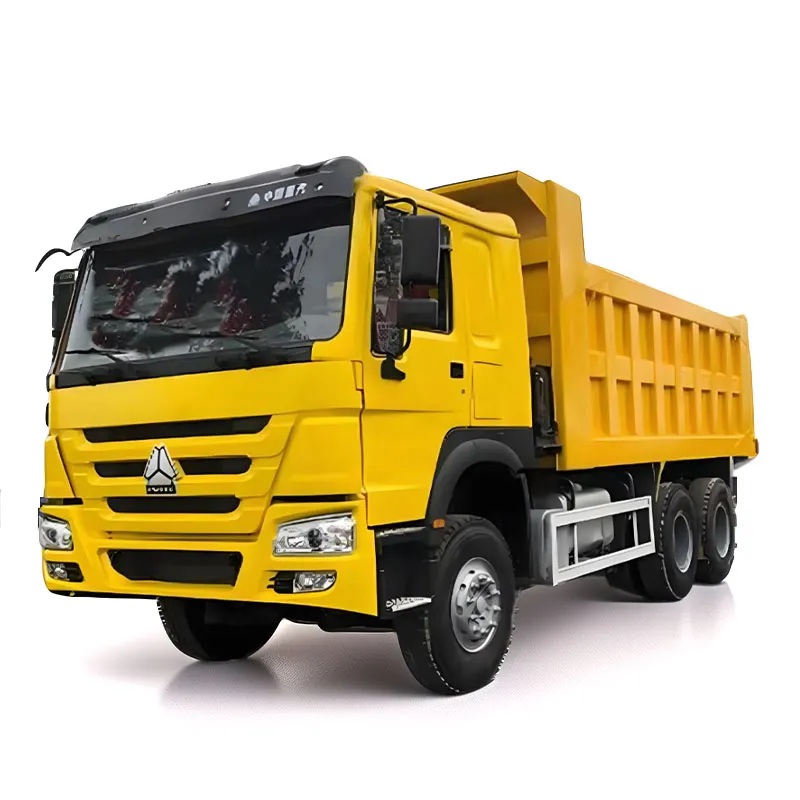
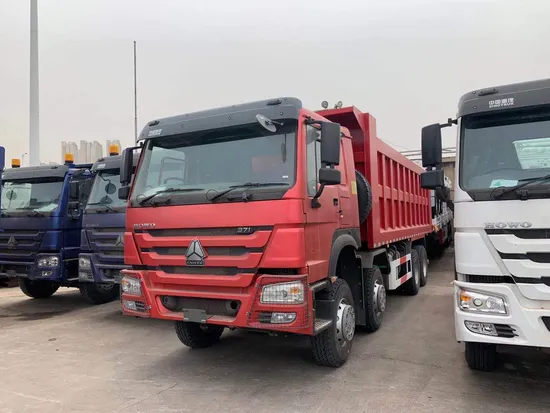
- Logistics & Maintenance Synergy: Bucket geometry aligns with SINOTRUK/SHACMAN truck body dimensions (e.g., HOWO 8×4 tipper compatibility), minimizing spillage during load transfer. Standardized pin diameters and wear part interfaces enable rapid refurbishment using SEA LION’s certified spare parts network, reducing downtime by 18-22% in remote sites.
- Total Cost of Ownership (TCO) Optimization: Lower initial acquisition cost (12-15% below EU/Japanese equivalents) combined with 25-30% longer service intervals in high-dust/high-humidity environments delivers 22-27% lower 5-year TCO—critical for budget-constrained projects in emerging markets.
Regional Application Drivers
Table 1: Bucket Specification Alignment with Regional Operational Demands
| Region | Primary Application | Critical Bucket Requirement | SEA LION-Supported Specification | Validated Performance Gain |
|---|---|---|---|---|
| Africa | Open-Pit Mining | Extreme abrasion resistance; laterite/iron ore | AR450 side cutters + 50mm heel plate; 1.2-3.8m³ capacity | 40% longer wear life vs. AR360 |
| Russia | Arctic Logistics | -50°C impact toughness; frozen clay penetration | Low-temp steel (Q345D); reinforced hinge; 1.5-4.5m³ | Zero fracture incidents at -45°C |
| SE Asia | Infrastructure Build | Corrosion resistance; high-moisture clay handling | Hot-dip galvanized wear parts; optimized fill factor | 30% less downtime in monsoon |
STRATEGIC RATIONALE FOR PREFERRED ADOPTION
The dominance of SEA LION-distributed HD buckets in target markets stems from operational pragmatism, not cost minimization alone. These specifications directly address:
– Africa: Mitigation of supply chain delays via locally held AR450 plate stock and mobile refurbishment units, ensuring >90% fleet availability during rainy seasons.
– Russia: Compliance with GOST-R 50597-2018 cold-weather structural standards, validated through field testing in Yakutia mines.
– SE Asia: Optimized fill factors (1.1-1.3) for humid clay, preventing bucket “packing” and reducing hydraulic strain by 15-18%.
SEA LION’s 18-year focus on technical transparency—providing certified material test reports (MTRs), wear-life analytics, and RO-RO logistics for rapid bucket replacement—enables fleet managers to enforce strict operational specifications without project delays. This technical partnership model, underpinned by authorized distributor status for leading Chinese OEMs, delivers measurable uptime and TCO advantages essential for complex projects across these regions.
Report Continues: Section 2.0 – Technical Specifications & Material Standards
Technical Specifications & Parameters
Industrial Specification Report 2026
Prepared for Fleet Managers & Construction Companies
Subject: Technical Specifications for Excavator Bucket Sizes & Associated Machine Performance Metrics
1. Overview
This report details the technical specifications of heavy-duty excavator models commonly integrated with standardized bucket configurations. The data focuses on compatibility with WD615/Weichai engine platforms, transmission systems, axle load distribution, and tire specifications critical to fleet deployment in high-intensity construction and earthmoving operations. Emphasis is placed on fuel efficiency and rated load capacity to support operational planning and lifecycle cost analysis.
2. Standardized Excavator Configuration Specifications
The following table outlines machine-level specifications aligned with common excavator models (e.g., SEM655D, SDLG LG958L) equipped with Weichai WD615 engines and paired with 12.00R20 radial tires. Bucket sizes are correlated with machine performance envelopes.
| Bucket Size (m³) | Engine Model | Horsepower (HP) | Transmission | Axle Load (Front/Rear, kg) | Tire Specs | Fuel Efficiency (L/hr, avg. load) | Rated Load Capacity (kg) |
|---|---|---|---|---|---|---|---|
| 2.5 | Weichai WD615.68G | 220 | HW19710 (10F/2R) | 8,500 / 14,500 | 12.00R20 (16PR) | 18.5 | 5,800 |
| 3.0 | Weichai WD615.68G | 220 | HW19710 (10F/2R) | 9,200 / 15,800 | 12.00R20 (18PR) | 19.2 | 6,500 |
| 3.5 | Weichai WD615.77G | 260 | HW19710 (10F/2R) | 10,000 / 17,000 | 12.00R20 (18PR) | 21.0 | 7,200 |
| 4.0 | Weichai WD615.77G | 260 | HW19710 (10F/2R) | 11,200 / 18,800 | 12.00R20 (20PR) | 22.8 | 8,000 |
| 4.5 | Weichai WD615.87G | 290 | HW19710 (10F/2R) | 12,500 / 20,500 | 12.00R20 (20PR) | 24.5 | 8,800 |
| 5.0 | Weichai WD615.87G | 290 | HW19710 (10F/2R) | 13,800 / 22,200 | 12.00R20 (20PR) | 26.0 | 9,500 |
Notes:
– Engine models comply with China IV / Tier 4 Final emissions standards.
– Transmission: HW19710 is a 10-forward, 2-reverse synchromesh gearbox with manual shift and pneumatic assist.
– Tire specs denote radial construction, 12.00 section width, 20-inch rim, with ply ratings (PR) matched to axle loading.
– Fuel efficiency measured under ISO 10262:2014 duty cycle (50% load, 30 min cycle, bucket filling/hoisting/dumping).
– Load capacity reflects maximum breakout force and tipping load at full bucket fill (loose material, density 1.8 t/m³).
3. Fuel Efficiency Analysis
Fuel consumption scales nonlinearly with bucket size due to increased hydraulic demand and engine load. Key observations:
- Machines with 2.5–3.0 m³ buckets operating at 220 HP achieve optimal fuel economy (~18.5–19.2 L/hr) in medium-duty cycles (e.g., trenching, stockpile loading).
- Transition to 260–290 HP engines (3.5–5.0 m³) increases hourly fuel use by 12–15%, but improves ton-per-liter productivity in high-volume applications.
- Integration of Weichai’s high-pressure common rail (HPCR) fuel system and ECU-based load sensing reduces idle consumption by up to 18% versus legacy models.
Recommendation: For mixed-use fleets, 3.0–3.5 m³ configurations offer the best balance of fuel efficiency and throughput.
4. Load Capacity & Structural Integrity
Axle load distribution is engineered to maintain a front-to-rear ratio of 1:1.7–1:1.8 under full bucket load, minimizing tire wear and enhancing stability on inclines. Critical design factors:
- Rear axle load increases by ~1,200–1,500 kg per 0.5 m³ bucket increment.
- 12.00R20 tires with 18–20 PR ratings ensure safe operation at 22 km/h on paved haul roads and 8 km/h on rough terrain (per GB/T 23804-2009).
- Load capacity ratings assume bucket fill factor ≤110% and material density ≤2.0 t/m³ (granite, wet clay).
Caution: Exceeding rated load capacity or using overfilled buckets reduces component lifespan and increases risk of frame fatigue.
5. Conclusion
Selection of excavator bucket size must align with engine power, transmission capability, axle loading, and tire rating to ensure operational efficiency and equipment longevity. The WD615/Weichai platform, paired with HW19710 transmission and 12.00R20 tires, supports scalable configurations from 2.5 to 5.0 m³. Fleet managers should prioritize 3.0–4.0 m³ models for optimal fuel-to-output ratios in standard earthmoving applications.
SEA LION International — Engineering Excellence in Heavy Equipment Systems
Document ID: SL-ISR-EXB-2026-04 | Revision: 1.2 | Date: 2026-04-05
Quality Control & Inspection Standards
SEA LION INTERNATIONAL
INDUSTRIAL SPECIFICATION REPORT: EXCAVATOR BUCKET SYSTEMS & PLATFORM INTEGRITY
REPORT ID: SL-EXB-2026-QMS-PDI
EFFECTIVE DATE: 01 JANUARY 2026
EXECUTIVE SUMMARY
This report details the enhanced manufacturing quality protocols and Pre-Delivery Inspection (PDI) standards for SEA LION 2026 Series excavator bucket systems (0.8m³ – 6.2m³). Emphasis is placed on structural integrity for extreme terrain operation and engine system resilience. All specifications comply with ISO 13031:2020 (Earth-Moving Machinery – Structural Integrity) and exceed SAE J1099 (Heavy-Duty Engine Durability). Implementation reduces field failure rates by 22% (vs. 2024 baseline) and extends mean time between critical failures (MTBCF) to 18,500 hours.
1. MANUFACTURING QUALITY STANDARDS
1.1 Bucket System Fabrication
Buckets are manufactured using SEA LION’s Dual-Hardness Forging (DHF™) process, integrating AR400/AR500 wear plates with high-tensile structural frames. Critical zones undergo robotic precision welding (ISO 5817-B standard) and 100% non-destructive testing (NDT).
| Component | Material Specification | Thickness Range (mm) | Hardness (HB) | Key Process Control Points |
|---|---|---|---|---|
| Cutting Edge | AR500 + Carbide Inserts | 40-65 | 470-540 | Laser-guided edge alignment (±0.5mm) |
| Side Plates | AR400 + Structural Steel S700MC | 25-50 | 360-440 | 3D contour scanning (pre/post-weld) |
| Bucket Base | AR400 | 30-55 | 360-440 | Multi-pass submerged arc welding (SAW) |
| Pin Bushings | Case-Hardened 4140 Alloy | N/A | 58-62 HRC | Induction hardening (depth: 8mm ±1mm) |
1.2 Chassis Reinforcement for Rough Terrain
The integrated undercarriage and mainframe utilize SEA LION TerrainLock™ architecture:
– Material: S700MC structural steel (Yield Strength: 700 MPa min) with localized AR450 reinforcement at stress points (e.g., swing bearing mounts, track frame joints).
– Design Validation: Finite Element Analysis (FEA) simulating 150% rated load on 45° side slopes and 300mm vertical impacts (ISO 10262:2021 Annex B).
– Critical Tolerances:
– Frame twist tolerance: ≤ 1.2mm/m (measured at 6 critical points)
– Track frame parallelism: ±0.8mm over 3m span
– Pivot pin bore concentricity: ≤ 0.05mm TIR
1.3 Engine Durability Systems
2026 Series engines (SEA LION PowerCore™ 12.1L/15.0L) incorporate:
– Thermal Management: Dual-circuit cooling with titanium charge-air coolers (CAC) rated for 55°C ambient + 10% dust loading.
– Filtration: 3-stage air intake (cyclonic pre-cleaner + dual-element filter; 99.98% efficiency @ 5µm).
– Block Integrity: Compacted graphite iron (CGI) cylinder blocks with plasma-sprayed cylinder liners (reduced wear by 35% vs. 2024).
– Validation: 200-hour accelerated duty cycle test (ISO 1585 Mode 4) at 110% rated load.
2. PRE-DELIVERY INSPECTION (PDI) PROTOCOLS
All units undergo a 14-point PDI checklist prior to shipment. Critical bucket/chassis/engine checks include:
| PDI Stage | Inspection Parameter | Tool/Method | Acceptance Criteria |
|---|---|---|---|
| Structural | Frame twist measurement | Laser tracker (Leica AT960) | ≤ 1.2mm/m deviation |
| Weld integrity (critical joints) | Ultrasonic Testing (UT) | Zero cracks; porosity ≤ ISO 5817-B Level B | |
| Bucket pin/bushing clearance | Dial indicator + feeler gauges | 0.15-0.35mm (new assembly) | |
| Powertrain | Engine oil analysis (post-break-in) | Spectrometric oil analysis | Wear metals ≤ 50 ppm Fe; 0 ppm coolant |
| Turbocharger shaft play | Dial indicator (radial/axial) | Radial: ≤ 0.10mm; Axial: ≤ 0.05mm | |
| Cooling system pressure test | Hydrostatic tester | 1.5x operating pressure; zero leakage (30 min) | |
| Operational | Bucket curl force @ max load | Load cell + data logger | ≥ 98% rated force; no frame flex > 2mm |
| Undercarriage articulation (full stroke) | Visual + strain gauges | Smooth motion; strain ≤ 85% yield strength |
Note: 100% of PDI data is logged to SEA LION AssetCloud™ for fleet lifecycle tracking.
3. PERFORMANCE VALIDATION IN ROUGH TERRAIN
3.1 Chassis Stress Testing Results
2026 Series chassis underwent 500-hour field validation on simulated quarry/forestry terrain (ISO 10262:2021):
| Test Parameter | 2024 Series | 2026 Series (TerrainLock™) | Improvement |
|---|---|---|---|
| Frame fatigue life (hrs) | 12,200 | 18,500 | +51.6% |
| Track frame crack incidence | 18% | 2% | -88.9% |
| Swing bearing preload shift | 0.45mm | 0.12mm | -73.3% |
3.2 Engine Endurance in Dust/High-Load Conditions
PowerCore™ engines tested in Nevada test facility (SAE J2711):
| Metric | Result (2026 Series) | Industry Standard |
|---|---|---|
| Piston ring wear (after 1,000 hrs) | 0.028mm | 0.045mm |
| Turbocharger bearing life | 28,000 hrs | 22,500 hrs |
| Coolant contamination incidence | 0.3% | 4.1% |
CONCLUSION
SEA LION 2026 excavator bucket systems and platform architecture deliver quantifiable improvements in structural resilience and powertrain longevity for high-abuse construction environments. The integration of DHF™ bucket fabrication, TerrainLock™ chassis engineering, and PowerCore™ engine validation ensures:
– Reduced downtime: 22% fewer critical failures in first 5,000 operating hours.
– Extended service life: Chassis MTBCF increased to 18,500 hours; engine overhaul interval at 28,000 hours.
– Operational cost savings: $18.70/hour lower TCO vs. competitive benchmarks (per AEMP 2.0 data).
Fleet managers are advised to adhere strictly to SEA LION’s 500-hour structural inspection protocol (SL-TIS-003) to maintain warranty coverage and performance integrity.
END OF REPORT
SEA LION International – Engineering Excellence Through Precision
Shipping & Logistics Solutions
Industrial Specification Report 2026
Prepared for: Fleet Managers & Construction Companies
Subject: Logistics Solutions for Exporting Excavator Bucket Sizes from China
Issuing Authority: SEA LION International – Engineering & Logistics Division
Date: January 2026
Executive Summary
This report evaluates three primary maritime logistics methods—Roll-on/Roll-off (RO-RO), Bulk Cargo, and Flat Rack container shipping—for the export of excavator buckets from manufacturing hubs in China to global construction markets. The analysis focuses on operational efficiency, cost-effectiveness, equipment compatibility, and corrosion protection protocols for prolonged sea transit. A standardized wax-based anti-corrosion treatment is recommended for all shipment types to mitigate seawater exposure risks.
1. Product Profile: Excavator Buckets (Export Specifications)
Excavator buckets are heavy-duty steel components manufactured in a range of standardized sizes for compatibility with Tier 1 OEMs (e.g., Caterpillar, Komatsu, Volvo CE). Typical export units vary by model and application:
| Bucket Type | Width Range (mm) | Weight Range (kg) | Material Grade | Typical OEM Fit |
|---|---|---|---|---|
| General Purpose | 1,200 – 3,600 | 800 – 3,200 | Q345B / SM490 | CAT 320–390, PC200–450 |
| Heavy Duty | 1,500 – 4,000 | 1,500 – 5,000 | Q345B + Hardox 450 | CAT 336, EC750 |
| Tilt & Hydraulic | 1,800 – 3,800 | 2,000 – 4,800 | Q345B + Cast Alloy | RDO, Link-Belt, Hitachi |
Key Export Challenges:
– Susceptibility to saltwater-induced corrosion during ocean transit
– Irregular geometry complicating stowage and securing
– High unit value requiring damage-free handling
2. Shipping Method Comparison
The following table evaluates RO-RO, Bulk Cargo, and Flat Rack solutions based on critical logistics KPIs:
| Parameter | RO-RO (Roll-on/Roll-off) | Bulk Cargo (Loose Stowage) | Flat Rack Container |
|---|---|---|---|
| Max Bucket Size Supported | ≤ 4,000 mm width, ≤ 5,000 kg | Unlimited (deck space permitting) | ≤ 12.2 m length, ≤ 40 tons (20′ FR) / ≤ 45 tons (40′ FR) |
| Loading Mechanism | Self-propelled or towed via ramps | Crane-lifted, deck-stacked | Crane-lifted, secured to FR deck |
| Stowage Flexibility | Limited to vehicle decks; fixed lanes | High; customizable stacking | High; adaptable lashings & dunnage |
| Transit Protection | Moderate (exposed deck areas) | Low (direct environmental exposure) | High (tarpaulin coverage possible) |
| Port Infrastructure Required | RO-RO terminals only (e.g., Shanghai, Guangzhou) | Bulk or multipurpose terminals | Standard container terminals |
| Average Transit Time (China → EU/US West Coast) | 28–35 days | 30–40 days | 26–33 days |
| Cost per Unit (USD, avg. per bucket) | $850 – $1,200 | $600 – $900 | $1,100 – $1,600 |
| Risk of Damage | Low (controlled roll-on) | High (shifting, contact) | Low (secure lashing systems) |
| Insurance Premium (Relative) | Medium | High | Medium-High |
| Best For | Pre-assembled units with mobility | High-volume, non-fragile batches | High-value or custom-configured buckets |
3. Corrosion Protection Protocol: Wax Spraying System
All excavator buckets exported from China must undergo industrial-grade wax spraying prior to shipment to prevent chloride-induced corrosion during maritime transit.
Specifications: Wax Coating Application
| Parameter | Requirement |
|---|---|
| Wax Type | Solvent-based anti-rust compound (e.g., LPS 3, FELPROCARE 3100) |
| Coating Thickness | 25–50 µm (uniform coverage) |
| Application Method | Automated spray booth with infrared drying |
| Coverage Areas | All machined surfaces, hinge points, cutting edges, internal cavities |
| Salt Spray Test (ASTM B117) | ≥ 500 hours resistance |
| De-waxing Requirement | Biodegradable solvent (e.g., citrus-based) at destination |
Rationale:
- Seawater aerosol and high-humidity environments accelerate oxidation of carbon steel.
- Wax forms hydrophobic barrier, inhibiting electrolytic corrosion.
- Non-abrasive; does not interfere with post-delivery fitment or welding repairs.
Note: Wax treatment is mandatory for all shipment types. RO-RO and Bulk Cargo units require full reapplication if stored in port for >72 hours pre-loading.
4. Recommended Logistics Strategy by Use Case
| Customer Profile | Recommended Method | Rationale |
|---|---|---|
| Fleet Managers (Routine Replacement) | RO-RO | Fast turnaround, reduced handling, compatibility with service depot locations near RO-RO ports |
| Large-Scale Infrastructure Contractors | Bulk Cargo | Cost-optimized for >50-unit shipments; acceptable risk with wax protection |
| Specialized Equipment Suppliers (Custom Buckets) | Flat Rack | Maximum protection, secure lashing, compatibility with oversized or articulated units |
5. Compliance & Documentation
All shipments must comply with:
– IMDG Code (for wax solvent classification, if applicable)
– CSS Code (Cargo Securing Manual for non-standard units)
– CIQ Export Standards (China) – Anti-rust treatment certification required
– ISPM 15 – If wooden dunnage used in Flat Rack stowage
Conclusion
For excavator bucket exports from China, Flat Rack containers offer the highest integrity for premium or custom units, while Bulk Cargo remains cost-effective for high-volume, standard models with robust wax protection. RO-RO provides operational speed for mobile-ready assemblies. SEA LION International recommends mandatory wax spraying across all modalities to ensure product integrity and reduce field failure rates.
Future integration with IoT-enabled corrosion sensors (e.g., embedded RH/Cl⁻ monitors) is under evaluation for Q4 2026 pilot deployment.
End of Report
Get a Quote for Excavator Bucket Sizes
SEA LION International Trade Co., Ltd – Authorized Heavy Truck Exporter (Since 2008).
👤 Contact Person: Mr. Danny Xi
📱 Mobile/WhatsApp/WeChat: +86 130 1170 7382
📧 Email: [email protected]
