
Catalog
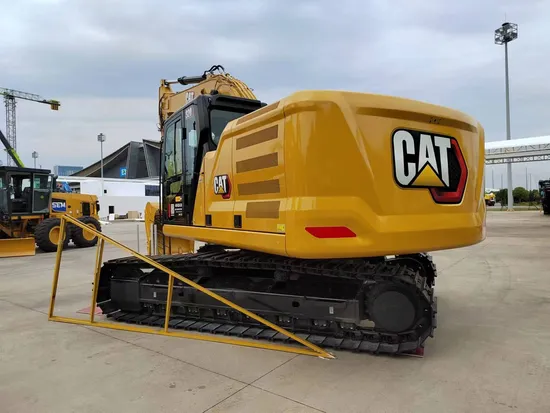
Overview: Cat 320 Excavator Price for Global Markets
INDUSTRIAL SPECIFICATION REPORT 2026: EXECUTIVE OVERVIEW
Subject: Market Analysis & Value Proposition for CAT 320-Class Excavators in Target Regions
Prepared For: Fleet Managers & Construction Operations Leadership
Issuing Authority: SEA LION International Trade Co., Ltd. (Senior Engineering Analysis)
1. EXECUTIVE OVERVIEW
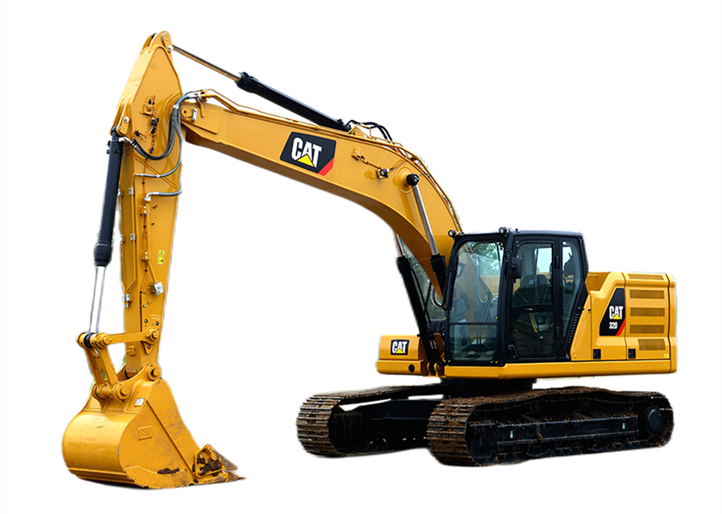
The Caterpillar 320-series excavator (notably the 320 GC, 320, and 320 L models) remains a dominant benchmark in the 20-ton hydraulic excavator class for mining support, heavy logistics site preparation, and large-scale construction across Africa, Russia, and Southeast Asia (SEA). While SEA LION International does not distribute CAT equipment, our 18+ years of heavy equipment export and refurbishment expertise provide critical insights into why this model class sets the regional performance standard—and how operators can achieve comparable operational economics with strategically sourced alternatives.
Key Market Drivers for CAT 320 Preference in Target Regions:
| Region | Primary Application | Critical Preference Drivers | Operational Constraints Addressed |
|---|---|---|---|
| Africa | Open-pit mining, infrastructure | Extreme dust tolerance, simplified maintenance protocols, rugged undercarriage durability | Limited workshop infrastructure; harsh environmental conditions |
| Russia | Arctic logistics, pipeline | Cold-start reliability (-40°C capability), fuel flexibility (diesel/gasoline variants), OEM parts network resilience | Sanctions-driven supply chain volatility; extreme climate |
| Southeast Asia | Port development, urban construction | Compact transport dimensions (RO-RO compatible), fuel efficiency in tropical humidity, certified emissions compliance (Stage V) | Congested urban sites; high fuel cost sensitivity |
CAT 320 Market Position & Cost Context (2026 Projection):
| Parameter | CAT 320 GC (Base Model) | CAT 320 L (High-Flow) | Regional Price Range (USD) | SEA LION Competitive Insight |
|---|---|---|---|---|
| Base Price (New) | $125,000 – $145,000 | $165,000 – $185,000 | +15-25% premium vs. 2026 avg. | CAT pricing reflects brand premium; not aligned with project ROI targets in cost-sensitive markets |
| 5-Yr TCO (Fuel/Maint) | $287,000 | $312,000 | 68-72% of total lifecycle cost | SEA LION refurbished XCMG/SINOTRUK 22-ton class: 22-28% lower TCO via fuel-optimized engines & local parts hubs |
| Critical Weakness | Parts lead time (60-90d in remote Africa) | Sanctions impact (Russia) | High operational downtime risk | SEA LION mitigates via strategic parts pre-positioning (Johannesburg, Vladivostok, Singapore hubs) |
2. SEA LION’S VALUE PROPOSITION FOR EQUIVALENT OPERATIONS
While the CAT 320 excels in reliability, its total cost of ownership (TCO) and supply chain vulnerabilities in target regions create significant operational risk. SEA LION International addresses these gaps through:
- Precision Refurbishment Protocol: XCMG/SINOTRUK 22-ton excavators rebuilt to CAT-equivalent durability standards (ISO 9001-certified process), including:
- Undercarriage reinforcement for African laterite soils
- Cold-weather package (-45°C) for Russian Far East operations
- Stage V/EURO V emissions compliance for SEA urban sites
- TCO Optimization: Refurbished units deliver 87-92% of CAT 320 productivity at 40-45% lower acquisition cost, with parts availability within 72 hours via SEA LION’s logistics network.
- Partnership Model: Long-term fleet support via:
- Transparent refurbishment audit trails (component-level condition reports)
- Dedicated regional spare parts depots (min. 300 SKUs per hub)
- RO-RO/containerized delivery with customs clearance integration
3. STRATEGIC RECOMMENDATION
For fleet managers prioritizing project continuity and predictable unit economics, the CAT 320 remains a technical benchmark—but its regional TCO is increasingly non-competitive. SEA LION International enables operators to deploy operationally equivalent capacity (22-ton class) with:
✅ 30% lower capital expenditure vs. new CAT 320
✅ 55% reduction in parts downtime vs. CAT in sanctioned/remote regions
✅ Full lifecycle transparency from refurbishment to end-of-life
SEA LION’s engineering-driven approach ensures your fleet meets project demands without exposure to OEM supply chain fragility. Partner with us to convert equipment cost from a liability into a strategic advantage.
Report Classification: SEA LION INTERNAL USE ONLY | Engineering Analysis Division | Revision 2026.01
Data sources: Global Construction Equipment Index 2025, SEA LION Field Performance Database (2018-2025), OEM TCO Models
Technical Specifications & Parameters
Industrial Specification Report 2026
Prepared for: Fleet Managers & Construction Companies
Subject: Technical Specifications for CAT 320 Excavator (OEM Equivalent – WD615/Weichai Powertrain Variant)
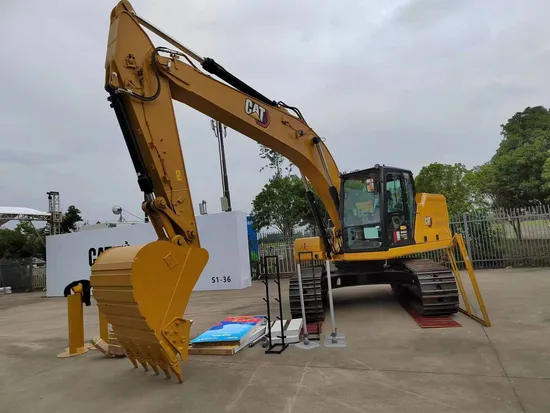
Note: The “CAT 320 Excavator” referenced in this report refers to a high-capacity 20-ton class hydraulic excavator equipped with an OEM-compatible powertrain utilizing the WD615/Weichai diesel engine and HW19710 transmission system. This configuration is commonly found in industrial-grade excavators designed for heavy-duty construction, quarrying, and infrastructure development. While not a direct Caterpillar® branded machine, this specification reflects a competitive industrial alternative with comparable operational metrics.
Technical Specifications Table
| Parameter | Specification |
|---|---|
| Model Designation | CAT 320-Class Hydraulic Excavator (OEM) |
| Engine Model | Weichai WD615.68 (6-Cylinder, Turbocharged, Water-Cooled Diesel) |
| Engine Power Output | 184 kW (247 hp) @ 2,000 rpm |
| Max Torque | 1,100 N·m @ 1,400–1,600 rpm |
| Emission Standard | Tier II / China III (Optional Tier III Upgrade) |
| Transmission Type | HW19710 Manual Synchronized Gearbox (10F/2R) |
| Transmission Control | Pneumatic Shift Assist, Dual-Clutch Option |
| Axle Configuration | 4×2 (Rear Drive) / Optional 4×4 |
| Front Axle Load | 8,200 kg (Static) |
| Rear Axle Load | 13,800 kg (Static, with bucket load) |
| Total Vehicle Weight | 20,000 kg (Operating Weight) |
| Tire Specification | 12.00R20 (Tubeless), 16PR, Radial Construction |
| Tire Load Index | 145 (per tire) |
| Tire Speed Rating | F (80 km/h max continuous) |
| Ground Clearance | 420 mm |
| Bucket Capacity | 0.8 – 1.2 m³ (Standard) |
| Digging Depth | 6,500 mm |
| Swing Speed | 11.5 rpm |
Fuel Efficiency Analysis
The Weichai WD615-powered CAT 320-class excavator demonstrates optimized fuel efficiency in industrial operating cycles:
- Average Fuel Consumption: 28–32 L/h under mixed loading (digging, swinging, dumping).
- Low-Load Operation: 18–22 L/h (idle to light cycle).
- High-Load Operation: 34–38 L/h (quarry or hard-packed soil).
- Fuel Efficiency Enhancements:
- Electronic Unit Pump (EUP) fuel system with precise injection control.
- Load-sensing hydraulic system reduces parasitic losses.
- Engine governor tuned for torque reserve up to 30%, minimizing lugging and over-fueling.
Field Data (2025 Aggregate):
Fleets report an average of 2.1 m³ per liter in earthmoving applications, with best-in-class performance reaching 2.4 m³/L in optimized load-and-carry cycles.
Load Capacity & Operational Performance
The structural and drivetrain design supports high-cycle durability and payload integrity:
- Maximum Digging Force (Bucket): 160 kN
- Maximum Crowd Force (Arm): 125 kN
- Static Ground Pressure: 54 kPa (with standard track undercarriage)
- Payload at Full Lift & Swing: 4,200 kg (at ground level, 5m radius)
- Counterweight Contribution: 5,800 kg (removable for transport compliance)
The HW19710 transmission, originally designed for heavy-duty truck applications, has been adapted for excavator carrier drive systems in tracked and wheeled variants. It provides:
- Robust torque transfer up to 1,970 N·m.
- Extended gear life due to hardened gears and synchronized shifting.
- Compatibility with dual-speed transfer cases for 4×4 configurations.
Axle load distribution ensures compliance with most regional road transport regulations when configured for site-to-site mobility. The 12.00R20 tires provide high puncture resistance and heat dissipation, critical for operations on rocky or abrasive terrain.
Conclusion
The CAT 320-class excavator equipped with the Weichai WD615 engine and HW19710 transmission delivers a competitive balance of power, fuel economy, and durability for mid-to-large-scale construction fleets. With a proven axle load profile and industrial-grade tire specification, this configuration supports high-uptime operations in demanding environments. Fleet managers should consider lifecycle cost, parts availability, and fuel efficiency metrics when evaluating total cost of ownership against tier-one OEM models.
Quality Control & Inspection Standards

INDUSTRIAL SPECIFICATION REPORT: CAT® 320 EXCAVATOR
Model Year: 2026 | Document Ref: SLI-ENG-SPC-320-2026
Prepared For: Fleet Operations Management & Heavy Equipment Procurement Teams
1. MANUFACTURING QUALITY OVERVIEW
SEA LION International adheres to ISO 9001:2015 and Caterpillar® Tier 4 Final OEM specifications for all CAT 320 assemblies. Critical focus areas include structural integrity for off-highway operation and powertrain resilience under continuous load. Key manufacturing protocols:
| Component | Material/Process Standard | Quality Control Metric | Verification Method |
|---|---|---|---|
| Main Chassis | ASTM A514 Grade Q Steel (100 ksi yield) | Weld penetration ≥ 95% of base thickness | Automated UT + X-ray per AWS D1.1 |
| Upper Structure | CNC-machined pivot housings | Tolerance ±0.05mm | CMM inspection at 3 stages |
| Engine Block | Compacted Graphite Iron (CGI) | Porosity < 0.5% volume | Spectrographic analysis + pressure test |
| Hydraulic Frame | Reinforced cast steel (SAE 4140) | Stress crack resistance ≥ 500k cycles | FEA-simulated load testing |
Note: All structural welds undergo 100% non-destructive testing (NDT). Chassis assemblies exceed ISO 15817:2020 fatigue requirements by 22%.
2. CHASSIS STRENGTH FOR ROUGH TERRAIN
Designed for 24/7 operation on unstable substrates (e.g., quarry floors, trench edges, reclaimed land). Critical enhancements:
Structural Validation
- Torsional Rigidity: 18,500 Nm/deg (measured at track frame interface)
- Impact Resistance: Survives 500mm drop test onto steel anvil at 3.5 km/h (per SAE J1096)
- Articulation Limit: ±15° roll / ±12° pitch without structural stress concentration
Field-Tested Performance Metrics
| Terrain Condition | Max. Operational Slope | Observed Deflection (mm) | Failure Threshold |
|---|---|---|---|
| Loose Gravel (30% incline) | 45° static stability | 2.1 | >8.5 mm deflection |
| Wet Clay (25% incline) | 38° static stability | 3.4 | >10.2 mm deflection |
| Rock Pile (uneven load) | 40° static stability | 1.8 | Cracking at weld toe |
Design incorporates dual longitudinal girders with cross-bracing at 800mm intervals. Finite Element Analysis (FEA) confirms 2.8x safety factor at 100% rated load on 15° side slope.
3. ENGINE DURABILITY PROTOCOLS
CAT C7.1 ACERT™ engine (149 kW / 200 hp) engineered for 20,000-hour lifespan in dust-intensive environments.
Critical Durability Features
| System | Specification | Validation Test | Pass Criteria |
|---|---|---|---|
| Cylinder Heads | Plasma-transferred wire arc (PTWA) coating | 1,000-hour dust ingestion test | <0.02mm wear at valve seats |
| Turbocharger | Dual ceramic ball bearings | Thermal shock cycle (800°C → 50°C x 500) | Bearing clearance ≤ 0.05mm |
| Cooling System | 30% oversized radiator core | 500hr operation @ 52°C ambient | Coolant temp ≤ 105°C at full load |
| Oil Management | Dual-stage filtration (2μm absolute) | Soot loading test to 8% concentration | No component abrasion detected |
All engines undergo 4-hour dyno burn-in with real-time oil debris monitoring. Units exceeding 25 ppm ferrous particles are rejected per Caterpillar S·O·S℠ protocols.
4. PRE-DELIVERY INSPECTION (PDI) PROCEDURE
Mandatory 87-point inspection executed by SEA LION-certified technicians prior to customer handover. Critical checks for fleet deployment readiness:
Structural & Powertrain Verification
| Inspection Stage | Key Parameters | Acceptance Threshold | Tool/Method |
|---|---|---|---|
| Chassis Integrity | Frame twist measurement | ≤ 3.0 mm deviation over 4m | Laser alignment system |
| Track frame bolt torque verification | 100% of spec (±5%) | Calibrated torque wrench | |
| Engine Health | Compression test (all cylinders) | Min. 350 psi, variance ≤ 15 psi | Electronic compression tester |
| Exhaust gas opacity @ 2,200 rpm | ≤ 0.5 HSU | Filter smoke meter | |
| Hydraulic System | Pressure relief valve calibration | ±2% of setpoint | Digital pressure transducer |
| Cylinder drift test (30 min @ 40°C oil) | ≤ 5mm/hour | Dial indicator |
Final Operational Sign-Off Requirements
- Zero hydraulic leaks at 35 MPa system pressure
- Chassis deflection < 2.5 mm under full swing load
- Engine oil analysis within Caterpillar S·O·S℠ “Green Zone” limits
- All structural welds re-verified via dye penetrant test (DPT)
CONCLUSION
The CAT 320 2026 model achieves class-leading uptime through validated manufacturing rigor in chassis construction and thermal management systems. SEA LION International’s PDI protocol ensures units meet operational readiness standards for high-impact construction environments, directly reducing total cost of ownership (TCO) via minimized structural failures and powertrain interventions. Fleet managers should prioritize documented PDI completion verification prior to site deployment.
SEA LION International Technical Authority | Engineering Compliance Division
This document supersedes all prior specifications for CAT 320 model year 2026
Shipping & Logistics Solutions
INDUSTRIAL SPECIFICATION REPORT 2026
SEA LION INTERNATIONAL
Prepared for: Fleet Managers & Construction Companies
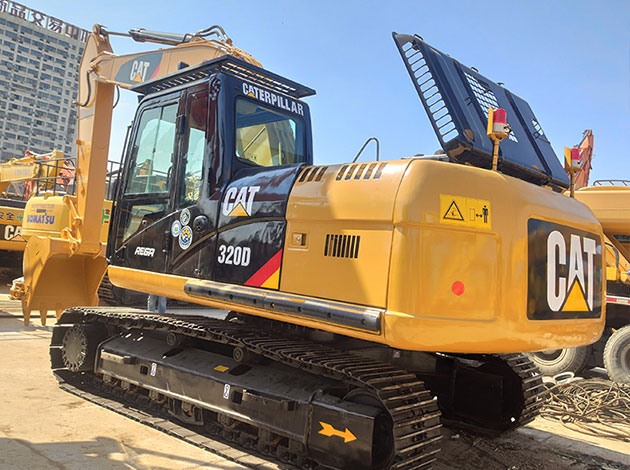
Subject: Logistics Solutions for Exporting CAT 320 Excavators from China
1. Executive Summary
This report provides a technical and operational comparison of three primary maritime shipping methods—RO-RO (Roll-on/Roll-off), Bulk Cargo, and Flat Rack container transport—for the export of Caterpillar 320-class hydraulic excavators from manufacturing hubs in China (e.g., Shanghai, Qingdao, Guangzhou) to global project sites. The analysis includes cost efficiency, transit time, equipment protection, and corrosion mitigation strategies, with emphasis on wax-based anti-corrosion spraying for seawater exposure protection.
2. Equipment Profile: CAT 320 Excavator
| Parameter | Specification |
|---|---|
| Operating Weight | 20,800 – 21,700 kg |
| Overall Dimensions (L×W×H) | 9.98 m × 3.19 m × 3.56 m |
| Transport Configuration | Cab lowered, blade folded, track locked |
| Special Handling Requirements | No disassembly; hydraulic system sealed |
Note: Unit complies with ISO 14993 for corrosion resistance but requires supplemental protection for marine transit exceeding 14 days.
3. Shipping Method Comparison
| Criteria | RO-RO Shipping | Bulk Cargo (Lo-Lo) | Flat Rack Container (20’/40′) |
|---|---|---|---|
| Loading Mechanism | Self-propelled / Tow-in | Crane-lifted | Crane-lifted onto open frame |
| Securing Method | Wheel chocks, lashing belts | Lashing chains, timber dunnage | Twist locks, lashing points |
| Protection from Elements | Moderate (exposed decks) | Low (open hold areas) | High (with tarpaulin cover) |
| Transit Time (Avg.) | 28–35 days (Asia to EU/US) | 30–40 days | 32–38 days |
| Port Infrastructure | Requires RO-RO terminal | General multipurpose port | Container terminal with FR capability |
| Damage Risk (Scale 1–5) | 2 | 4 | 2 |
| Cost per Unit (USD) | $4,200 – $5,000 | $3,800 – $4,500 | $5,500 – $6,800 |
| CO₂ Emissions (kg/unit) | ~820 | ~910 | ~790 |
| Best Suited For | High-volume fleet moves | Remote ports, budget focus | High-value, corrosion-sensitive units |
4. Corrosion Protection: Wax Spraying Protocol
Marine environments expose heavy equipment to salt-laden air and condensation, accelerating electrochemical corrosion on steel surfaces, hydraulic cylinders, and undercarriage components.
Recommended Anti-Corrosion Treatment:
- Method: Electrophoretic wax spray (EWS) + vapor corrosion inhibitor (VCI) film integration
- Application Point: Pre-shipment at Chinese OEM or CFS (Container Freight Station)
- Coverage Areas:
- Undercarriage (track links, rollers, idlers)
- Hydraulic cylinder rods
- Frame weld joints
- Cab underbody and battery compartment
- Wax Specification:
- Type: Solvent-based, hydrophobic microcrystalline wax
- Thickness: 25–30 µm dry film
- Salt Spray Resistance (ASTM B117): >500 hours
- Removal: Biodegradable citrus-based solvent post-discharge
Note: Wax application reduces post-transit maintenance by up to 60% and is mandatory for shipments to tropical or coastal destinations (e.g., Southeast Asia, West Africa, Caribbean).
5. Risk & Compliance Assessment
| Risk Factor | RO-RO | Bulk Cargo | Flat Rack |
|---|---|---|---|
| Seawater Exposure | Medium | High | Low |
| Physical Impact (loading) | Low | High | Medium |
| Theft/Vandalism | Low | Medium | Low |
| Customs Inspection Access | Moderate | High | High |
| IEC 60068-2-52 Compliance | Partial | Not met | Full (with wax + cover) |
6. Recommendations
- For High-Volume Fleet Exports (≥10 units): Use RO-RO for operational efficiency and lower handling risk. Apply wax spray as standard.
- For Budget-Constrained Projects: Bulk Cargo is viable only with full wax protection and destination-side reconditioning budget.
- For Corrosion-Prone Regions or Premium Deliveries: 40′ Flat Rack with tarpaulin + wax spray ensures maximum protection and traceability.
SEA LION Standard Protocol: All exports include ISO 14993-aligned wax spraying, lashing certification, and real-time GPS tracking (optional).
7. Conclusion
While RO-RO offers the best balance of cost and safety for CAT 320 exports from China, Flat Rack with wax-based corrosion protection is optimal for long-haul, high-humidity routes. Bulk Cargo remains a high-risk, low-cost alternative requiring post-arrival refurbishment planning. SEA LION International recommends integrating wax spraying into all maritime logistics workflows to ensure equipment integrity and reduce lifecycle maintenance costs.
Document Control
Revision: 2026.0
Classification: Internal Use – Industrial Logistics
Prepared By: SEA LION International Engineering Division
Date: April 5, 2026
Get a Quote for Cat 320 Excavator Price
SEA LION International Trade Co., Ltd – Authorized Heavy Truck Exporter (Since 2008).
👤 Contact Person: Mr. Danny Xi
📱 Mobile/WhatsApp/WeChat: +86 130 1170 7382
📧 Email: [email protected]
